
The 15 Fun Tricks to Teach Your Dog
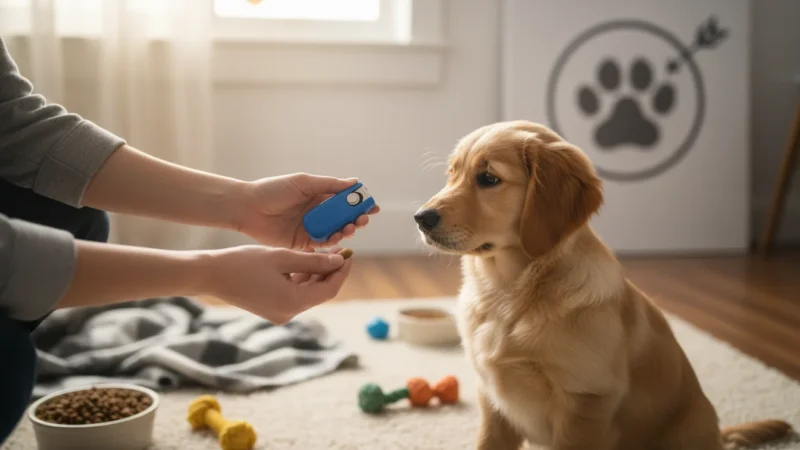
Ready to impress your friends and delight your dog? Here are 15 engaging tricks, each with clear, actionable steps for success. Remember to use your marker (clicker or verbal “Yes!”) the instant your dog performs the desired action, followed immediately by a high-value treat.
If your pet shows extreme resistance or anxiety during these activities, it is important to understand the signs your dog needs professional help.
Once your dog has mastered these 15 tricks, you can show off their new skills the next time you celebrate your pet’s birthday.
-
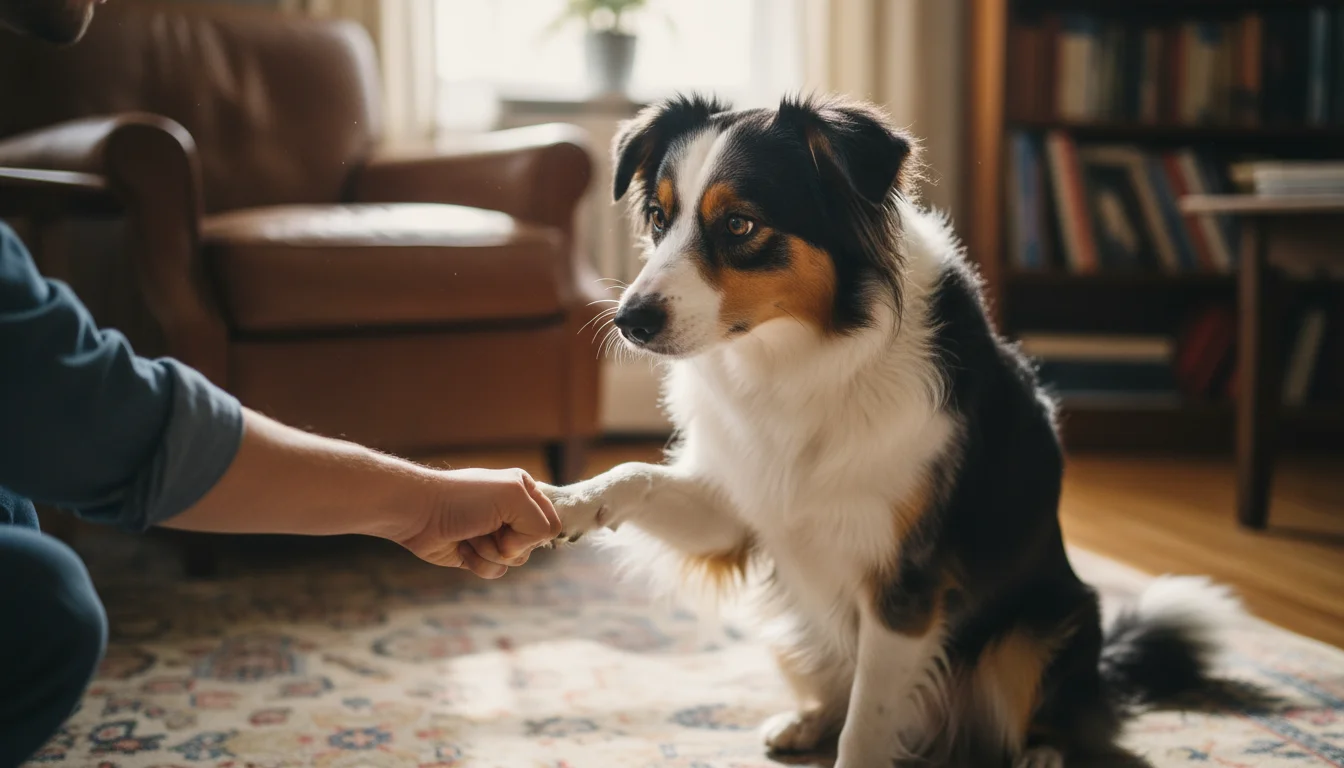
Shake a Paw
How-to:
- Ask your dog to sit.
- Hold a treat in a closed fist. Present your fist near the ground in front of one of your dog’s paws.
- Most dogs will try to paw at your hand to get the treat. The moment their paw touches your hand, mark and reward.
- Repeat this several times. Once your dog consistently paws your hand, start saying “Shake” or “Paw” as their paw touches.
- Gradually open your hand, allowing them to place their paw in your palm. Mark and reward.
- Eventually, fade the lure and only offer your open hand with the verbal cue.
Tips for Success: If your dog tries to mouth your hand, retract it immediately and restart. Be patient; some dogs use their nose before their paw.
-
High Five
How-to:
- Start with the “Shake a Paw” command. Once your dog consistently shakes your hand, move your hand higher, slightly above their paw.
- As they lift their paw higher to meet your hand, mark and reward.
- Continue to raise your hand a bit more with each successful attempt until they are reaching upwards for a high five.
- Introduce the verbal cue “High Five” as they lift their paw.
Tips for Success: Practice “Shake” regularly to build the foundation. Do not rush raising your hand; go at your dog’s pace.
-
Spin/Twirl
How-to:
- Hold a treat close to your dog’s nose.
- Move the treat in a circular motion, guiding your dog’s head and body to follow it in a full circle.
- As soon as your dog completes a full spin, mark and reward.
- Repeat, adding the verbal cue “Spin” or “Twirl” as you begin the motion.
- Gradually reduce the size of your hand lure until your dog spins with just your verbal cue and a small hand gesture.
Tips for Success: Lure smoothly to avoid confusing your dog. Practice spinning both clockwise and counter-clockwise if you wish, using different verbal cues for each.
-
Bow (Play Bow)
How-to:
- Hold a treat near your dog’s nose.
- Lure your dog’s nose down towards the floor between their front paws, while encouraging their rear end to stay up.
- The moment their chest goes down and their rear stays up, mark and reward.
- Add the verbal cue “Bow” as they perform the action.
- Practice by luring repeatedly, then gradually fade the lure to just a hand signal or verbal cue.
Tips for Success: Be careful not to lure their rear end down. If they lie down completely, reset and try a slightly different lure path.
-
Crawl
How-to:
- Ask your dog to lie down.
- Hold a treat directly in front of their nose, just out of reach.
- Slowly move the treat forward, low to the ground, encouraging your dog to move forward while remaining in a down position.
- Mark and reward for any forward movement while crawling. Even a single paw movement forward is a good start.
- Gradually increase the distance your dog crawls before marking and rewarding. Add the verbal cue “Crawl.”
Tips for Success: Ensure your dog stays in a down position. If they stand up, reset them and start again. Keep the treat very low.
-
Play Dead/Bang!
How-to:
- Ask your dog to lie down.
- Lure your dog onto their side by moving a treat from their nose towards their shoulder and then behind their head.
- The moment they roll onto their side, mark and reward.
- Repeat this, adding your verbal cue “Bang!” or “Play Dead.”
- Practice until they reliably roll over on cue. You can eventually add the hand gesture of pointing your finger like a gun.
Tips for Success: Some dogs are hesitant to roll over. Break it down further if needed, rewarding for just a slight tilt first. Ensure they are comfortable lying on their side.
-
Fetch (Named Toy)
How-to:
- Start with a toy your dog already loves. Get them excited about the toy.
- Toss the toy a short distance. When your dog retrieves it and brings it back to you, mark and reward.
- Once they reliably retrieve it, introduce the name of the toy (“Go get the ball!”).
- Gradually introduce other toys, giving each a unique name.
- Practice asking for specific toys by name, rewarding only when they bring the correct one.
Tips for Success: Make retrieval fun. If your dog prefers to chew the toy, trade it for a treat when they bring it back, then mark and reward.
-
Weave Through Legs
How-to:
- Stand with your feet shoulder-width apart. Lure your dog through your legs with a treat.
- As they emerge from the other side, step forward with the opposite leg, creating an opening for them to weave through again.
- Guide them through your legs in a figure-eight pattern. Mark and reward for each successful weave.
- Once they understand the motion, add a verbal cue like “Weave” or “Figure 8.”
Tips for Success: Keep your movements smooth and fluid. Start slowly and gradually increase your speed as your dog gets the hang of it.
-
Kiss
How-to:
- Put a tiny smear of peanut butter or a delicious treat on your cheek.
- When your dog licks it, mark and reward.
- Repeat, adding the verbal cue “Kiss” just before they lick your cheek.
- Gradually fade the lure by using less and less treat on your cheek until they “kiss” on cue without any treat there, only receiving it after the kiss.
Tips for Success: Ensure your dog is comfortable being close to your face. If they try to mouth, pull back and restart.
-
Say Your Prayers
How-to:
- Ask your dog to sit.
- Place a treat on the floor between your dog’s front paws, covered by your hand.
- Most dogs will try to push their head under your hand to get the treat. As they put their head down, mark and reward.
- Repeat, adding the verbal cue “Pray” or “Say your prayers.”
- Gradually remove your hand once your dog consistently lowers their head.
Tips for Success: If your dog tries to paw your hand, wait for them to lower their head instead. You can also hold a treat at the floor level and lure their head down.
-
Ring a Bell
How-to:
- Hang a bell (like a jingle bell or a small service bell) at your dog’s nose height on a door or stand.
- Put a small smear of peanut butter or a sticky treat on the bell.
- When your dog nudges or licks the bell, mark and reward.
- Repeat until your dog consistently touches the bell.
- Gradually fade the treat on the bell, only rewarding after they touch it, then add your verbal cue “Ring the bell.”
Tips for Success: This trick helps with house-training if you teach them to ring the bell to go outside. Ensure the bell is securely mounted and cannot be swallowed.
-
Wave Goodbye
How-to:
- Start by holding a treat near your dog’s nose.
- Move the treat upwards and outwards, encouraging your dog to lift one paw as if reaching for it.
- The moment their paw lifts even slightly, mark and reward.
- Gradually increase the height and range of the paw lift until it resembles a wave.
- Add the verbal cue “Wave” or “Goodbye” as they lift their paw.
Tips for Success: This builds on the “Shake a Paw” foundation. If your dog just extends their paw without lifting, try to get them to lift it a little higher before marking.
-
Hold (An Object)
How-to:
- Start with a lightweight, safe object your dog can hold comfortably, like a soft toy.
- Present the object to your dog’s mouth. The instant their lips or teeth touch it, mark and reward.
- Gradually delay the mark, requiring them to hold it for a fraction of a second, then a full second, and so on.
- Once they hold it for a few seconds, add the verbal cue “Hold.”
- To release, teach a “Drop it” command.
Tips for Success: Be patient. If your dog drops it, simply pick it up and try again. Do not force the object into their mouth.
-
Fetch a Leash
How-to:
- Place your dog’s leash on the floor or hang it low.
- Encourage your dog to interact with the leash. The moment they touch it with their nose or mouth, mark and reward.
- Gradually require them to pick it up. Mark and reward for lifting it even slightly.
- Once they pick it up, encourage them to bring it to you. Mark and reward for any movement towards you with the leash.
- Add the verbal cue “Get your leash” or “Leash.”
Tips for Success: Make it a game. This trick is very useful for signaling walk time. Ensure the leash is lightweight and easy for them to grasp.
-
Pick Up Your Toys
How-to:
- Teach your dog “Hold” and “Drop It” first.
- Place a toy near an open toy basket or box. Ask your dog to “Hold” the toy.
- Lure your dog with the toy towards the basket. As they drop the toy inside the basket (or even close to it), mark and reward.
- Repeat with multiple toys, gradually increasing the distance the toys are from the basket.
- Add the verbal cue “Pick up your toys.”
Tips for Success: This trick is a multi-step process. Be patient and reward each small step towards the goal. Start with only one or two toys.
Leave a Reply