
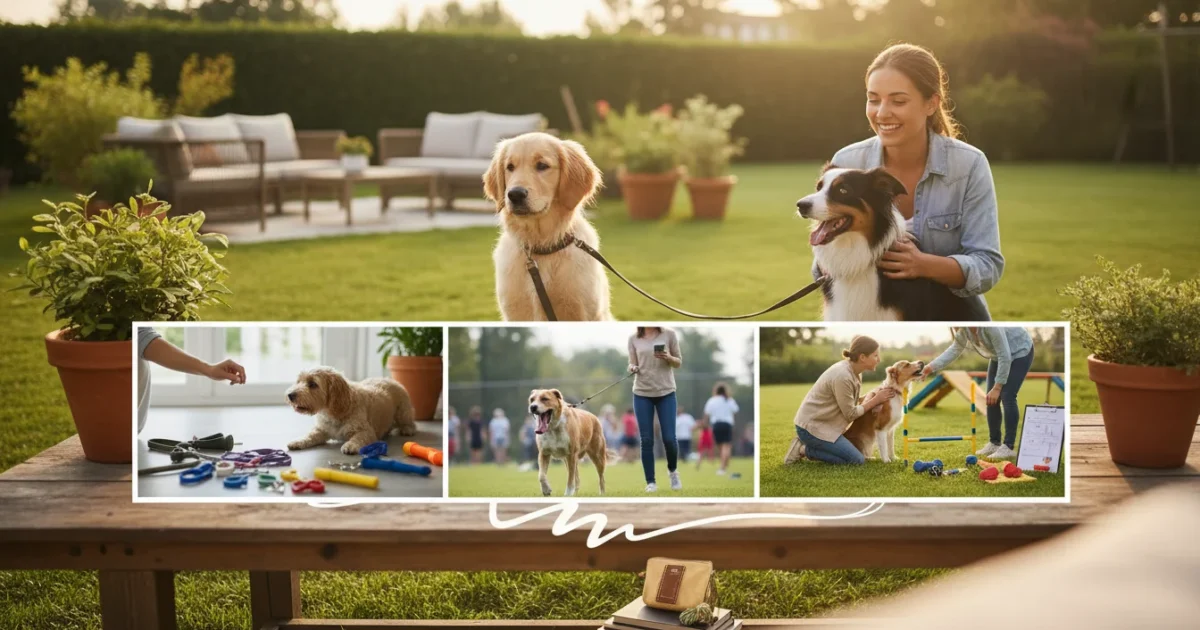
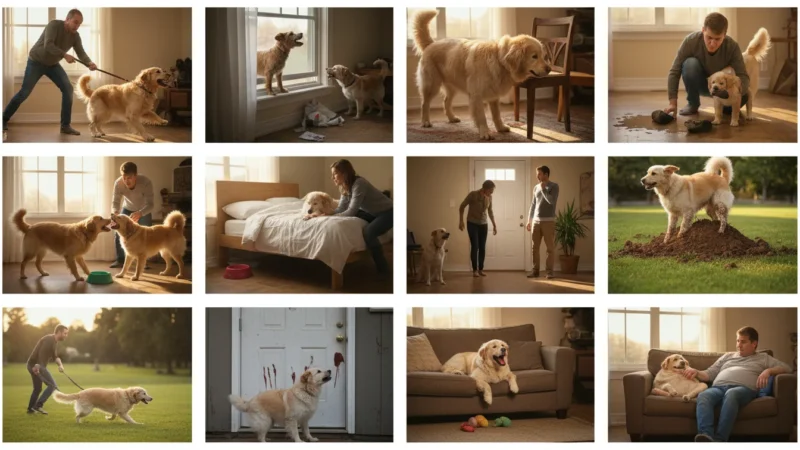
Embarking on a pet training journey offers immense rewards. You strengthen your bond, build mutual understanding, and help your furry companion navigate the world confidently. However, even the most dedicated pet owners sometimes encounter challenges. Minor missteps can inadvertently hinder progress or even create new behavioral issues. Recognize these common training mistakes and learn effective, positive reinforcement strategies to avoid them. You will set both yourself and your pet up for success.
Inconsistent Expectations and Rewards
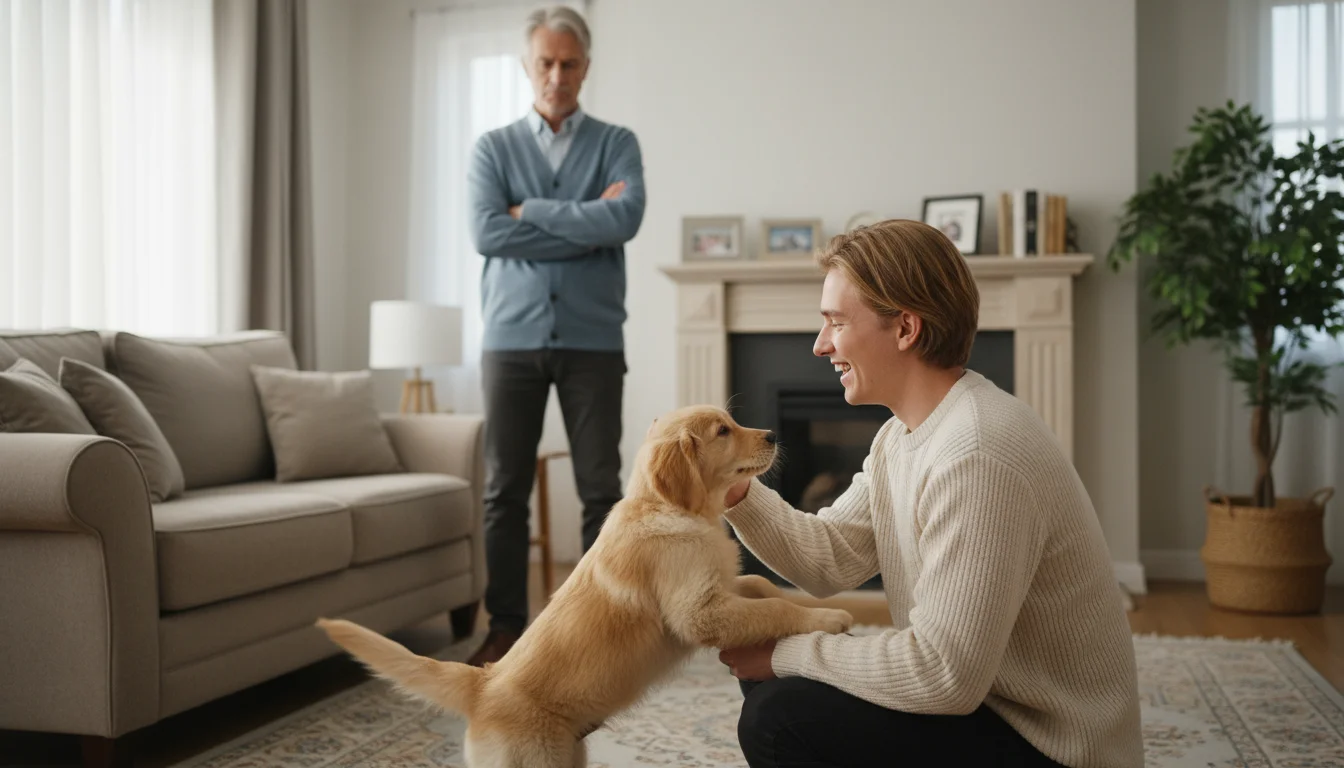
Inconsistency ranks as one of the most significant hurdles in pet training. Pets thrive on predictability. When your expectations or responses change constantly, your pet struggles to understand what you want. One day you allow your puppy to jump on guests, but the next day you scold them for it. This sends mixed signals, which confuses your puppy.
Maintaining a strict routine is also vital when you housetrain your puppy for the first time.
You might also offer a high-value treat, like chicken, for a “sit” command during one session, then use plain kibble the next, or forget to reward the behavior at all. These variations diminish the clarity of your communication and weaken the association between the desired behavior and its positive outcome.
How to Avoid This Mistake:
- Establish Clear Rules: Define household rules for all family members. Ensure everyone understands and enforces these rules consistently. For example, if your dog should not jump on furniture, every person must redirect them or use a “off” cue every time they attempt it.
- Consistent Cues: Use the same verbal cues and hand signals for each behavior. Avoid using multiple words for the same action, such as “come,” “here,” and “get over here.” Stick to one clear cue.
- Consistent Rewards: Reward desired behaviors every single time your pet performs them correctly, especially in the initial learning phase. As your pet masters a behavior, transition to an intermittent reward schedule, but maintain consistency in acknowledging the correct action.
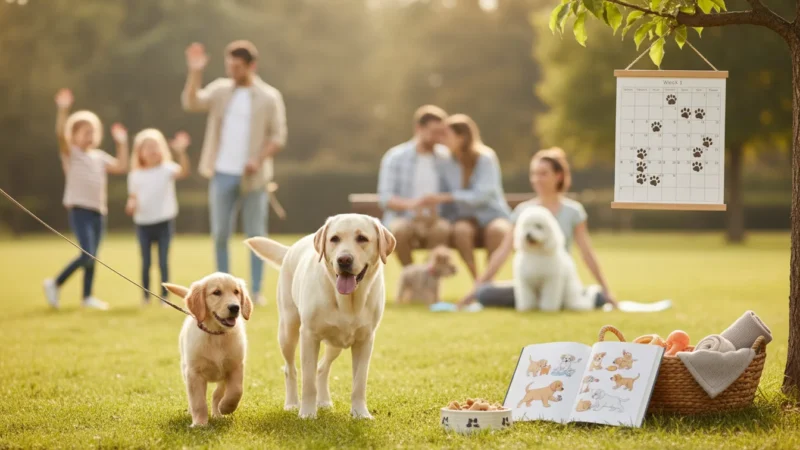
- Training Logs: Keep a simple training log to track progress, note effective rewards, and identify areas where consistency might falter. This is particularly helpful in multi-pet households or with multiple trainers.
- Daily Routine: Integrate training into your daily routine. Consistent feeding times, walks, and play sessions reinforce structure, making training more effective.
Using Punishment, Not Positive Reinforcement
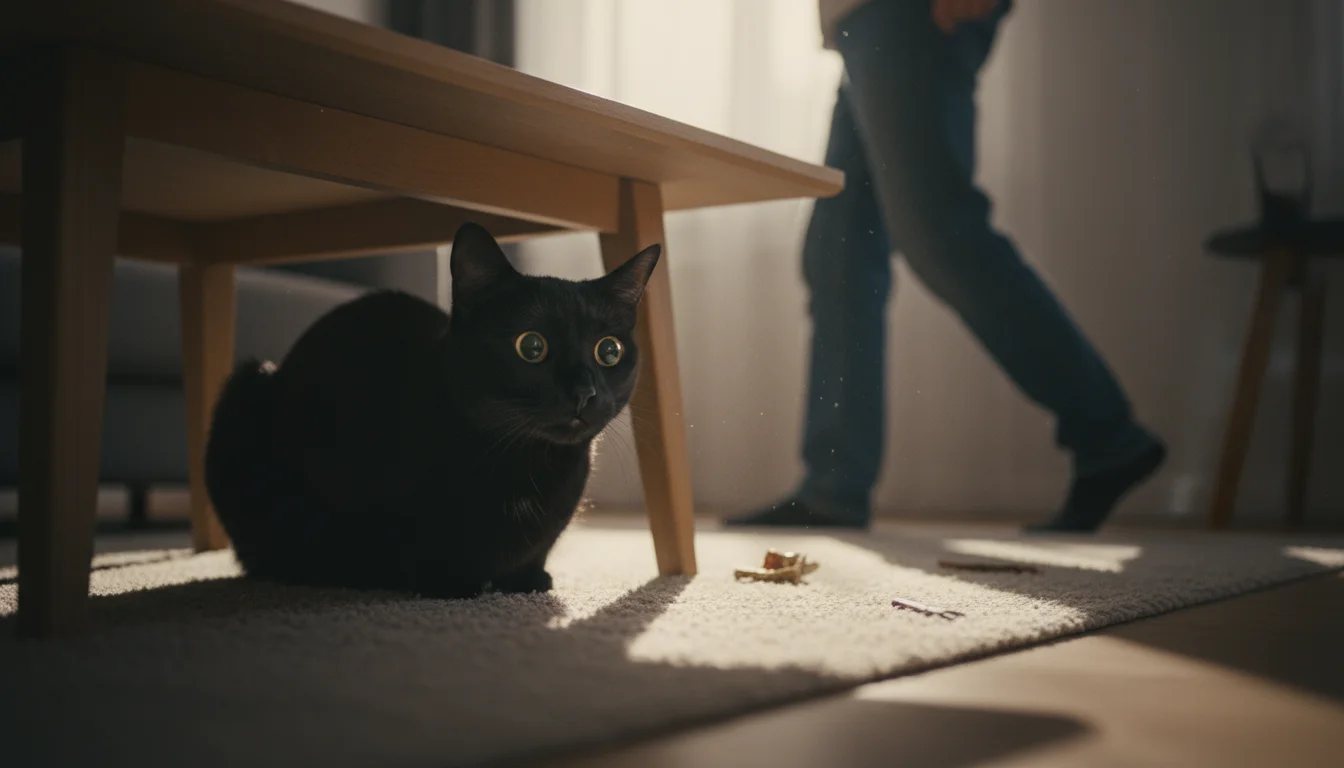
Many pet owners instinctively use punishment to stop unwanted behaviors. This approach includes yelling, hitting, using shock collars, or other aversive methods. While punishment might suppress a behavior temporarily, it does not teach your pet what you want them to do instead. Instead, it damages your bond, instills fear and anxiety, and can lead to aggressive responses or learned helplessness.
Understanding specific issues like dog separation anxiety is the first step toward finding a lasting, positive solution.
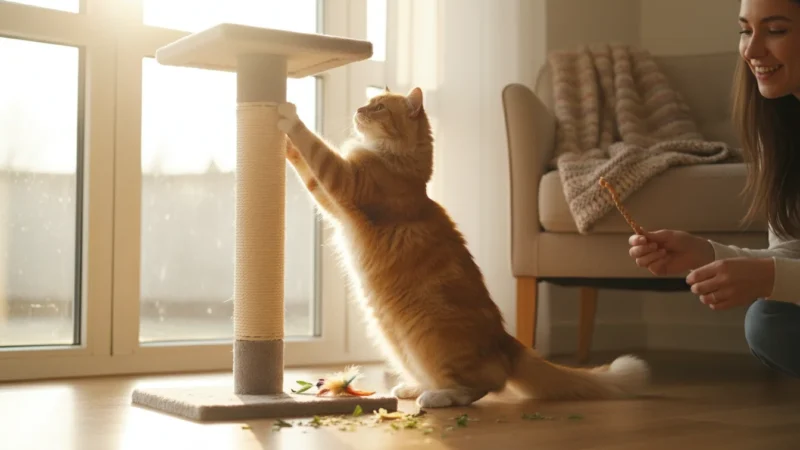
For example, if you scold your cat for scratching the couch, your cat learns to fear you, or scratches when you are not present. Your cat does not learn that they should scratch a scratching post instead.
How to Avoid This Mistake:
Embrace positive reinforcement training, the most humane and effective method. According to the Association of Professional Dog Trainers (APDT), positive reinforcement focuses on rewarding desired behaviors, making your pet more likely to repeat them. This method builds trust and creates a positive learning environment.
- Identify the Root Cause: Understand why your pet performs an unwanted behavior. Is your dog barking due to boredom, anxiety, or territoriality? Is your cat eliminating outside the litter box due to a medical issue, litter aversion, or stress? Addressing the underlying cause is crucial.
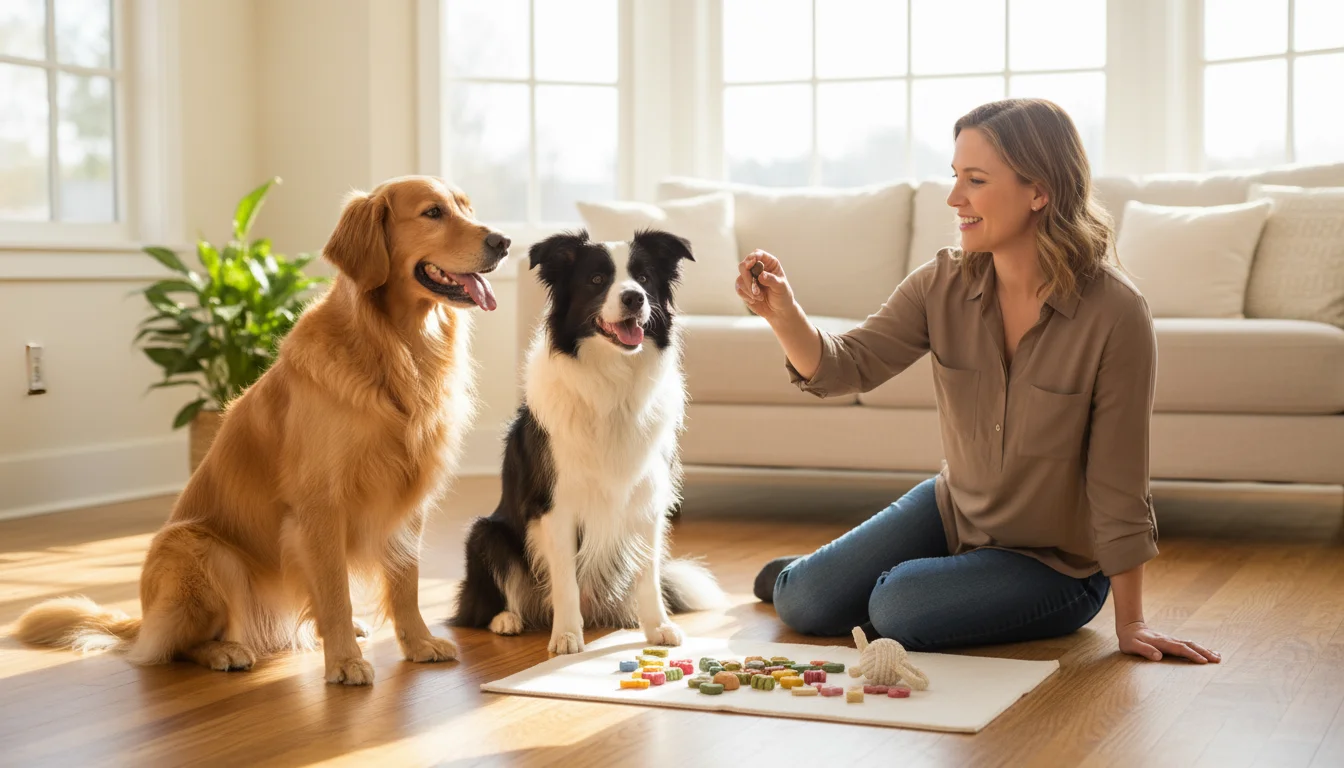
- Reward Desired Behaviors: Catch your pet doing something good and reward them immediately. If your dog sits calmly when a guest arrives, praise them and give them a treat. If your cat uses the scratching post, reward them with a favorite toy or a tasty snack.
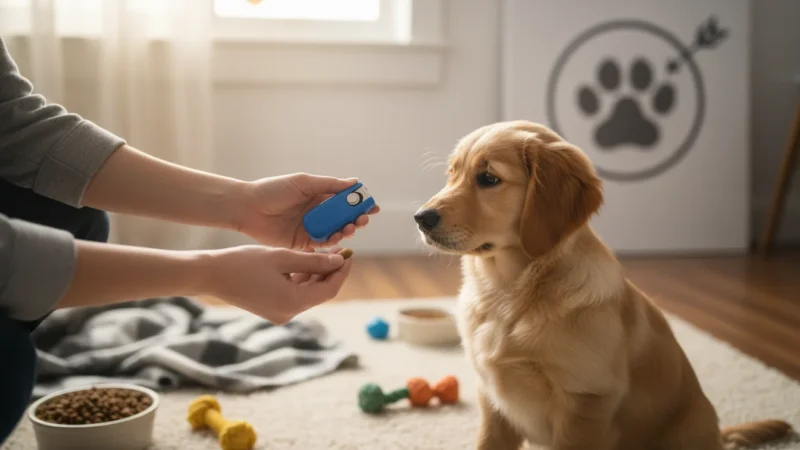
- Marker Training: Use a verbal marker (like “yes!”) or a clicker to precisely mark the exact moment your pet performs the correct behavior. Follow the marker immediately with a high-value reward. This helps your pet understand exactly what action earned the reward.
- Redirection: Instead of punishing an unwanted behavior, redirect your pet to an appropriate one. If your puppy chews on your shoe, calmly take the shoe away and offer a suitable chew toy. When they chew the toy, reward them.
- Management: Prevent opportunities for unwanted behavior by managing the environment. Keep tempting items out of reach, use gates to restrict access, or leash your dog to prevent jumping.

Misinterpreting Pet Body Language
Pets communicate primarily through body language, not words. Misunderstanding these subtle cues leads to frustration for both you and your pet. You might push a fearful dog too far, ignore a cat showing signs of discomfort, or misinterpret a playful nip as aggression. These misinterpretations hinder training progress and can escalate behavioral issues.
A dog with a stiff body, tucked tail, flattened ears, or averted gaze often signals stress or fear. A cat with flattened ears, a swishing tail, or dilated pupils might feel threatened. Ignoring these signals can result in a bite or scratch, as your pet attempts to communicate their distress more clearly.
How to Avoid This Mistake:
- Educate Yourself: Learn the common body language signals for your specific pet species. Resources from organizations like ASPCA provide extensive guides on dog and cat body language. Understand the difference between a happy, relaxed pet and one feeling anxious, fearful, or overstimulated.
- Observe Context: Always consider the situation. A dog wagging their tail does not always mean they are friendly; a low, stiff tail wag can indicate apprehension. Observe their entire body and the surrounding environment.
- Respect Boundaries: When your pet shows signs of discomfort or stress, respect those boundaries. Remove them from the situation, give them space, or adjust your training approach. Pushing a fearful pet leads to adverse reactions.
- Recognize Calming Signals: Dogs often use calming signals, such as lip licking, yawning, sniffing the ground, or turning their head away, to de-escalate tension or signal their own discomfort. Recognize and respond to these signals by reducing pressure or providing a break.
- Cat-Specific Cues: Cats often communicate through their ears, tail, and whiskers. Understand that a slowly blinking cat indicates trust and relaxation, while a rapidly twitching tail often signals irritation or overstimulation.

Neglecting Early Socialization
Socialization means exposing your pet to a wide variety of people, animals, places, sights, sounds, and experiences in a positive and controlled way. This process is especially critical during a puppy’s sensitive period (typically 3 to 16 weeks of age) and a kitten’s sensitive period (typically 2 to 7 weeks). Missing this window can lead to lifelong fear, anxiety, and reactivity towards new situations, which makes training and daily life significantly more challenging.
A puppy that only interacts with their littermates and a few family members might develop fear of strangers, other dogs, or new environments. A kitten not exposed to gentle handling or different household noises might grow into an adult cat fearful of human interaction or common sounds.
How to Avoid This Mistake:
- Start Early and Positively: Begin socialization as soon as your veterinarian clears your puppy or kitten, ensuring they are healthy enough for safe exposure. Keep all experiences positive, associating new things with treats, praise, and comfort.
- Controlled Exposures: Do not overwhelm your pet. Introduce new experiences gradually. Allow them to observe from a distance, rewarding calm behavior. Slowly decrease the distance as they show comfort.
- Variety is Key: Expose your pet to a diverse range of stimuli:
- People: Different ages, genders, appearances (hats, glasses, uniforms).
- Animals: Vaccinated, friendly dogs, cats, or other pets (under strict supervision).
- Environments: Parks, pet-friendly stores, vet clinics (for positive visits), different flooring textures.
- Sounds: Traffic, vacuum cleaners, thunderstorms (use desensitization techniques with recordings).
- Handling: Gentle touch all over their body, nail trims, ear cleaning, brushing.
- Puppy/Kitten Classes: Enroll in well-run, positive reinforcement-based puppy or kitten classes. These provide structured, safe opportunities for socialization and basic training. Experts at Fear Free Pets emphasize the importance of early positive experiences in veterinary and social settings to prevent fear-related issues.
- Monitor Body Language: Pay close attention to your pet’s comfort level. If they show signs of stress, remove them from the situation or increase the distance. Ensure positive associations with treats.
Rushing the Process and Lacking Patience
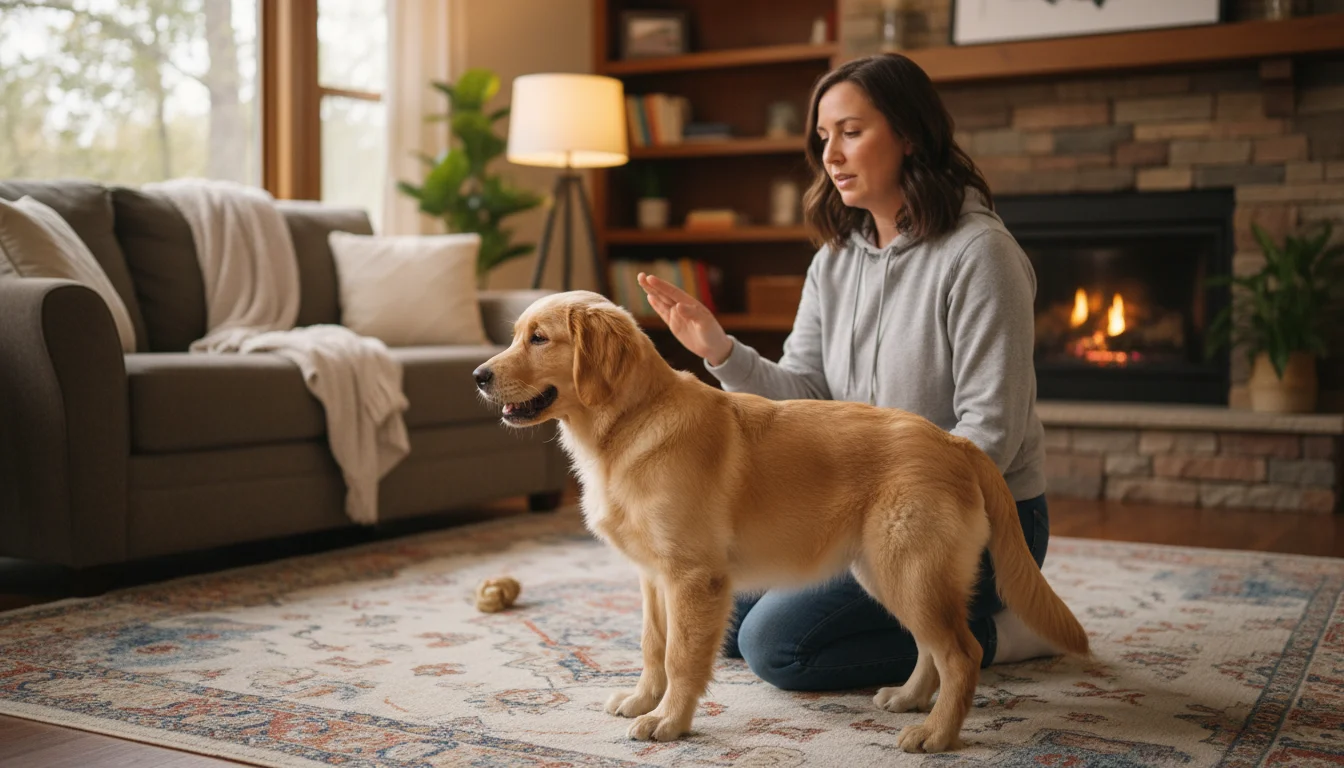
Pet owners often expect immediate results from training, but pets learn at their own pace. Impatience leads to frustration, ineffective training, and can even cause your pet to shut down. Pushing too hard, too fast, or repeatedly asking for a behavior your pet does not yet understand creates confusion and resentment.
Once your pet has mastered the basics, you can maintain their interest by exploring 15 fun tricks to teach your dog.
For example, you might demand a “stay” for several minutes when your dog has only mastered a few seconds, or try to teach a complex trick before they reliably perform basic obedience commands. This creates a cycle of failure for both of you.
How to Avoid This Mistake:
- Break Down Behaviors: Divide complex behaviors into small, achievable steps (shaping). Instead of teaching “come” from across a field immediately, start by rewarding your pet for moving a step towards you, then two steps, gradually increasing distance and distractions.
- Set Realistic Expectations: Understand that every pet learns differently. Age, breed, past experiences, and individual personality influence learning speed. Focus on small victories and celebrate progress.
- Short, Frequent Sessions: Keep training sessions brief, typically 5-10 minutes, especially for puppies, kittens, or easily distracted pets. Several short sessions throughout the day prove more effective than one long, tedious session.
- End on a Positive Note: Always finish a training session after your pet successfully performs a known behavior and receives a reward. This leaves them feeling positive and eager for the next session.
- Practice the “3 D’s”: When your pet has mastered a behavior, gradually introduce more:
- Distance: Practice from further away.
- Duration: Ask your pet to perform the behavior for longer.
- Distraction: Practice in environments with increasing levels of distraction.
- Remember Your Pet is an Individual: Acknowledge your pet’s learning style. Some pets respond better to food, others to toys or praise. Adjust your rewards and pace accordingly.
Ignoring Species and Breed-Specific Needs
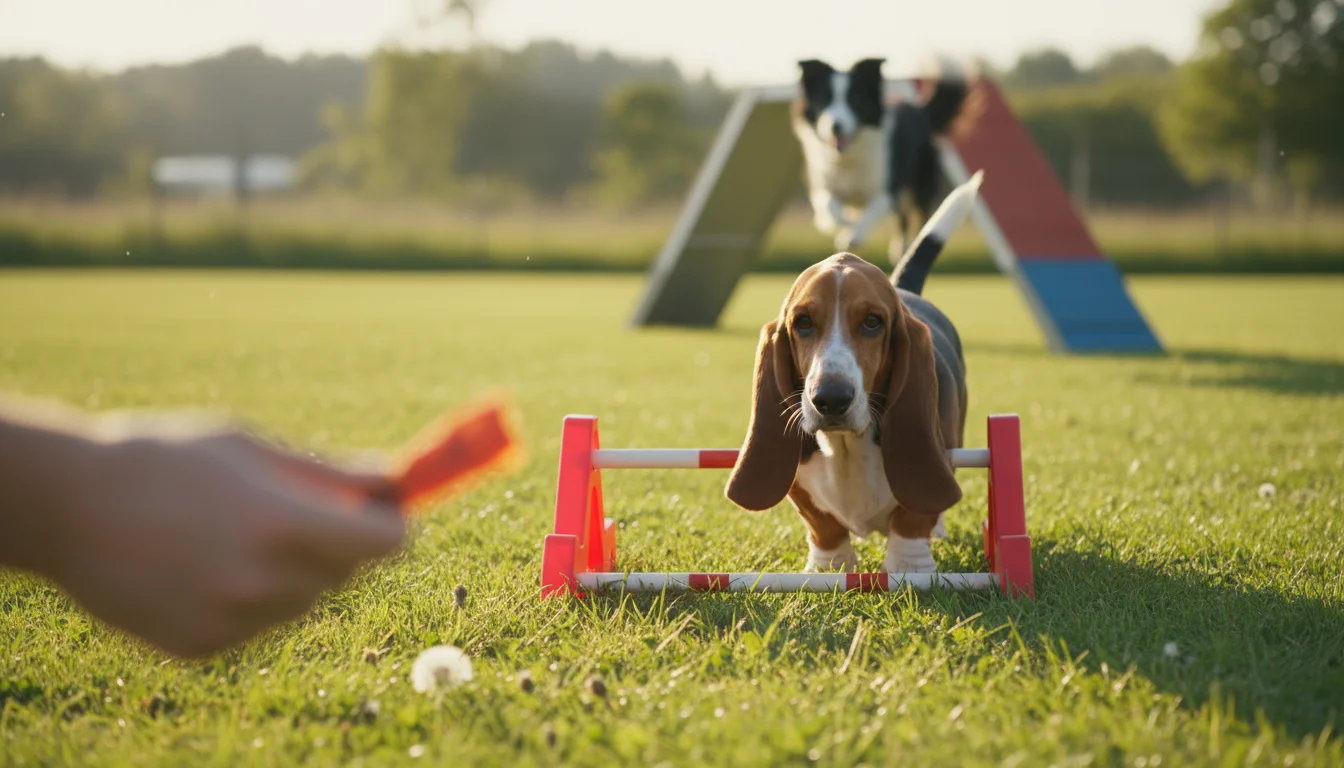
Treating every pet the same, regardless of their species, breed, age, or individual temperament, leads to frustration and unmet needs. A Border Collie requires significantly more mental and physical stimulation than a Basset Hound. A cat’s need for vertical space and scratching opportunities differs vastly from a dog’s need for outdoor walks.
This mistake often manifests as trying to force a low-energy dog into intense agility training or neglecting to provide a highly intelligent cat with puzzle toys, leading to destructive behaviors or anxiety.
How to Avoid This Mistake:
- Research Your Pet’s Background: Understand the typical needs, drives, and predispositions of your pet’s species and breed. For dogs, resources like the American Kennel Club (AKC) offer insights into breed characteristics and exercise requirements. For cats, the Cat Fanciers’ Association (CFA) provides breed information and care tips.
- Tailor Exercise: Match physical activity to your pet’s energy level and breed requirements. A working breed dog needs vigorous exercise and a “job” to do, such as fetch, scent work, or agility. A more sedate breed might prefer shorter walks and mental games.
- Provide Mental Enrichment: All pets, especially highly intelligent ones, require mental stimulation. Utilize puzzle feeders, interactive toys, training sessions, and opportunities for exploration. Cats benefit immensely from “hunt” games, where you hide treats around the house, and vertical climbing structures.
- Respect Species-Specific Behaviors:
- Cats: Provide multiple scratching posts (different textures and orientations), cat trees, and quiet hiding spots. Address litter box issues by offering multiple clean litter boxes in safe, accessible locations.
- Dogs: Allow appropriate sniffing on walks. Fulfilling their natural instinct to investigate the world with their nose provides immense satisfaction and mental stimulation.
- Small Mammals: Ensure appropriate housing, chew toys, and opportunities for burrowing or foraging specific to their species (e.g., hamsters need deep bedding, rabbits need hay).
- Individual Assessment: Even within a breed, individuals vary. Observe your pet’s preferences, fears, and motivations. Adjust your approach to suit their unique personality.

Failing to Manage the Environment
Environmental management involves setting up your pet’s surroundings to prevent unwanted behaviors and increase the likelihood of desired ones. Overlooking this crucial step often leads to repeated “mistakes” by your pet, which you then attempt to correct through reactive training. It is far more effective to prevent the problem in the first place.
You can also manage their energy indoors by engaging them in fun indoor games that prevent destructive behavior.
For example, leaving tempting food on the counter and then getting upset when your dog counter surfs, or not providing enough scratching surfaces for your cat and then punishing them for scratching furniture, sets your pet up for failure.
How to Avoid This Mistake:
- “Pet-Proof” Your Home: Just as you child-proof a home, pet-proof it. Remove hazardous items, secure trash cans, and keep valuable or tempting objects out of reach. This prevents accidents and unwanted behaviors.
- Use Gates and Crates: Utilize baby gates to restrict access to certain rooms or areas where your pet is not yet reliable. Crates, when introduced positively, provide a safe den for dogs and prevent destructive behaviors when you cannot supervise them directly.
- Provide Appropriate Outlets: Ensure your pet has acceptable alternatives for natural behaviors. For dogs, this means plenty of appropriate chew toys, exercise, and mental stimulation. For cats, provide various scratching posts, cat trees, and interactive toys.
- Supervision: Actively supervise your pet, especially when they are learning new behaviors or are in new environments. This allows you to intervene proactively, redirecting unwanted behaviors before they become reinforced. For example, if your puppy starts to chew on a chair leg, you can immediately redirect them to their chew toy.
- Set Up for Success: Arrange your environment to make desired behaviors easy and unwanted behaviors difficult. Keep your dog’s leash near the door for easy walks. Place a litter box where your cat prefers to eliminate, or provide an extra one.
Skipping Generalization in Training
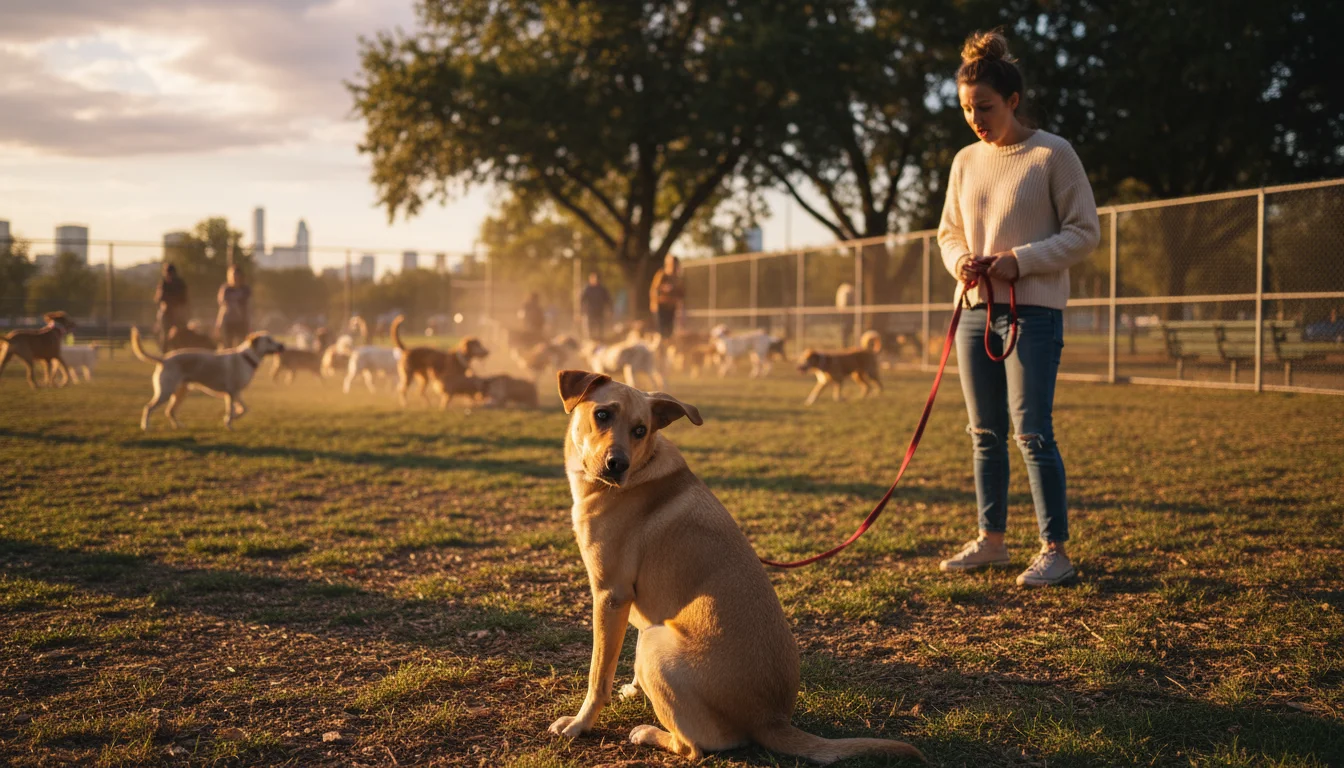
Your pet might reliably perform “sit” in your quiet living room, but completely ignore the cue at the busy dog park. This happens because pets do not automatically generalize behaviors. They often associate a command with the specific context in which they learned it. Skipping generalization means your pet struggles to perform learned behaviors in real-world situations, leading you to believe they “don’t listen.”
A dog that comes when called only in the backyard, or a cat that uses the litter box only in one specific room, demonstrates a lack of generalization. The behavior is context-dependent.
How to Avoid This Mistake:
- Practice in Various Environments: Once your pet masters a behavior in a low-distraction environment, gradually practice it in different locations. Start with slightly more distracting settings, like a different room in your house, then your backyard, a quiet park, and eventually busier areas.
- Introduce Different Distractions: Practice behaviors around various sights, sounds, and smells. Start with mild distractions (someone walking by) and slowly increase intensity (another dog playing, children running).
- Vary Your Position and Body Language: Do not always stand in the same spot or use the same hand signal. Ask for behaviors when you are sitting, standing, or walking.
- Involve Different People: Have other family members or trusted friends practice the commands with your pet. This helps your pet understand that the cue applies regardless of who delivers it.
- Use a “Proofing” Checklist: Mentally or literally check off practicing a behavior in different environments, with varying distractions, at different times of day, and with different people. This systematic approach ensures thorough generalization.
- Keep Rewards High: When introducing new distractions or environments, increase the value of your rewards to motivate your pet and build strong positive associations with successful performance in challenging situations.

When to Seek Professional Help
While you can resolve many common training mistakes with consistent effort and positive reinforcement, some behaviors require expert intervention. Knowing when to call a professional ensures your pet receives the best care and prevents problems from escalating.
Check these signs your dog needs professional training to know exactly when it’s time to call in an expert.
If you are unsure if your situation requires expert intervention, review these 12 signs your dog needs professional training help.
You should consider professional help if you observe:
- Aggression: Any signs of growling, snapping, biting, or lunging towards people or other animals. Aggression is a serious safety concern and requires immediate, expert intervention.
- Severe Anxiety or Fear: Excessive panting, drooling, destructive behavior, or self-harm when left alone (separation anxiety), extreme fear of specific objects or situations (noise phobia), or general nervousness.
- Sudden Behavioral Changes: A previously well-behaved pet suddenly exhibits new, problematic behaviors. This can indicate an underlying medical issue requiring veterinary attention.
- House-Soiling Issues: If medical causes are ruled out by a veterinarian, persistent inappropriate urination or defecation can stem from behavioral issues like anxiety, marking, or litter box aversion.
- Unmanageable Behaviors: Persistent barking, destructive chewing, jumping, or leash pulling that you cannot resolve with positive training methods alone.
- Resource Guarding: Aggression or fear displayed when protecting food, toys, sleeping spots, or people from others.
Who to Consult:
- Certified Professional Dog Trainer (CPDT-KA, KPA CTP): For obedience, manners, and common behavioral issues, a certified trainer specializes in positive reinforcement. They teach you and your pet new skills and help you apply them effectively. Look for certifications from organizations like the Certification Council for Professional Dog Trainers (CCPDT) or Karen Pryor Academy.
- Certified Cat Behavior Consultant (CCBC): For cat-specific behavioral challenges, a certified cat behavior consultant offers expertise in feline behavior, litter box issues, aggression, and enrichment. The International Association of Animal Behavior Consultants (IAABC) offers certifications in cat behavior.
- Veterinary Behaviorist (DACVB): For complex or severe behavioral problems, especially those with a strong anxiety, fear, or aggression component, consult a board-certified veterinary behaviorist. These veterinarians have specialized training in animal behavior and can prescribe medication in conjunction with behavior modification plans, similar to a psychiatrist for humans. Find one through the American College of Veterinary Behaviorists (ACVB).
- Your Veterinarian: Always start with your veterinarian to rule out any underlying medical conditions for behavioral changes. Many behavioral issues have a medical component.
Cost-Effective Training Solutions
Professional training or behavior consultations often come with a cost, which can deter some pet owners. However, many effective, budget-friendly options exist to help you train your pet and address common mistakes without breaking the bank.
DIY and Affordable Professional Options:
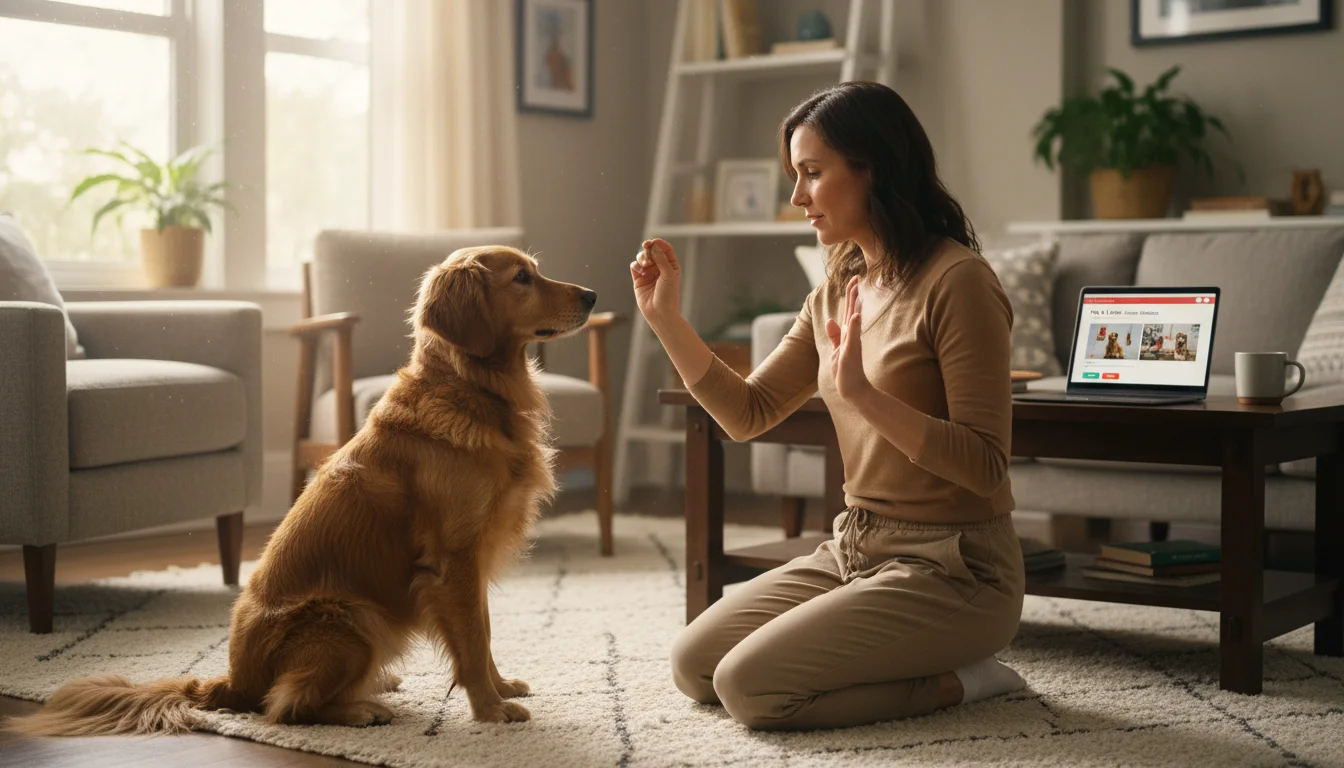
- Online Resources and Courses: Numerous reputable websites, YouTube channels, and online courses offer high-quality, free or low-cost training guidance. Look for content from certified trainers or veterinary behaviorists. Exercise caution and verify the credentials of online trainers, ensuring they advocate for positive, humane methods.
- Books and E-Books: Invest in well-regarded books on positive reinforcement training and pet behavior. These provide comprehensive guides at a fraction of the cost of private sessions.
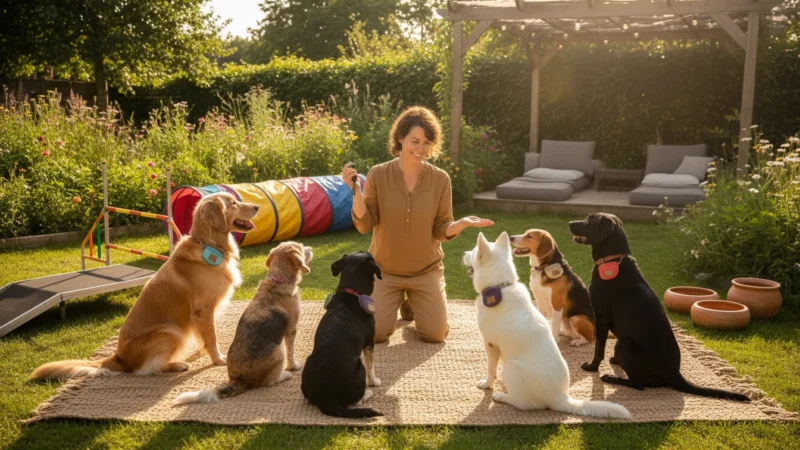
- Group Classes: Group obedience classes for dogs typically cost less than private sessions. They offer structured learning, opportunities for socialization, and direct feedback from a certified trainer. Check local humane societies or pet supply stores, which often host affordable classes.
- Local Animal Shelters/Rescues: Many shelters offer low-cost training workshops, behavior hotlines, or free resources to help adopted pets and their new families. They aim to keep pets in homes, so they often provide accessible support.
- Free Webinars/Workshops: Keep an eye out for free webinars or workshops offered by pet supply stores, veterinary clinics, or animal welfare organizations. These often cover specific topics like puppy raising, leash manners, or cat enrichment.
- Peer Support Groups: Online forums or local pet owner groups can provide valuable advice and support. Always cross-reference advice with reputable sources or a professional.
- Volunteer Opportunities: Some animal training facilities or shelters offer volunteer opportunities where you can gain hands-on experience and learn from professionals.
Remember, an investment in your pet’s training and behavior is an investment in their happiness and your peaceful coexistence. Start with accessible options and upgrade to more personalized professional help if your specific situation requires it.
Frequently Asked Questions
Can I still train an older pet?
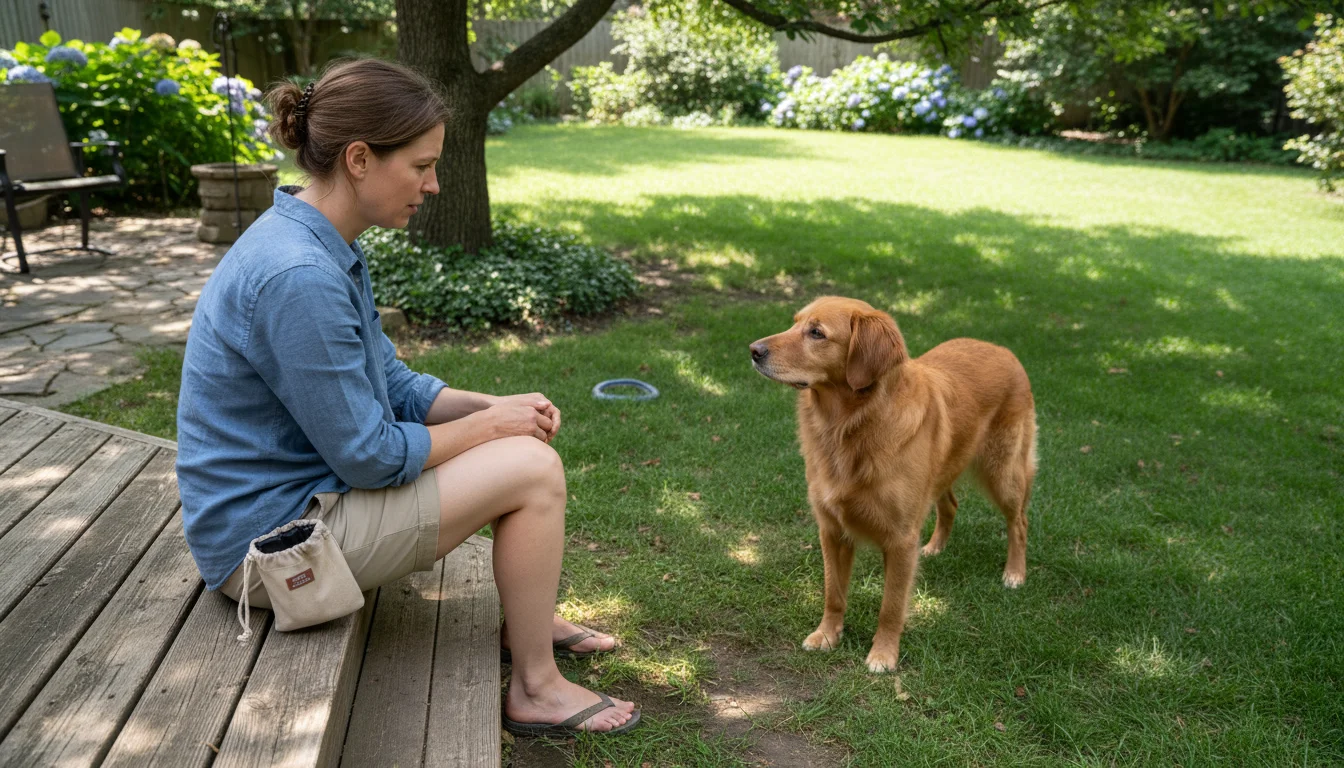
Absolutely. You can teach an old dog (or cat!) new tricks. While the critical socialization window closes, pets continue to learn throughout their lives. Older pets might take longer to learn new behaviors or overcome ingrained habits, but positive reinforcement methods remain highly effective. Patience, consistency, and understanding their physical limitations are key.
What if my pet does not seem motivated by treats?
If your pet ignores treats, they might not find the treats valuable enough, or their environment distracts them too much. Try higher-value rewards like small pieces of cooked chicken, cheese, or specialized training treats. Also, ensure you train in a low-distraction environment initially. Some pets prefer toys, praise, or even a short game of fetch as rewards. Experiment to discover what truly motivates your individual pet.
How long does it take to fix a specific behavior problem?
The time it takes to resolve a behavior problem varies significantly. Factors include the pet’s age, the duration and intensity of the problem, the underlying cause, your consistency, and your pet’s individual learning pace. Simple issues like counter-surfing might see improvement in weeks, while complex problems like aggression or separation anxiety can take months of dedicated effort and often require professional guidance from a veterinary behaviorist.
My cat is not using the litter box. What should I do?
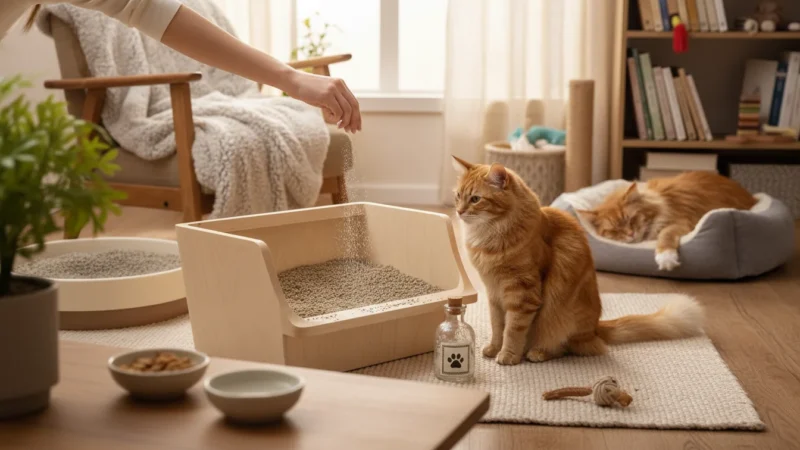
First, immediately schedule a veterinary visit to rule out any underlying medical conditions such as a urinary tract infection or kidney disease. If your vet clears them medically, evaluate your litter box setup: Ensure you have enough litter boxes (one per cat plus one extra), clean them daily, try different types of litter, and place them in quiet, accessible locations away from food and water bowls. Stress and changes in routine can also contribute to litter box issues.
For expert pet care guidance, visit
Cat Fanciers’ Association (CFA), ASPCA, The Humane Society of the United States, Cornell University College of Veterinary Medicine and UC Davis School of Veterinary Medicine.
Disclaimer: This article is for informational purposes only and is not a substitute for professional veterinary advice, diagnosis, or treatment. Always consult with a licensed veterinarian for medical concerns about your pet.


Leave a Reply