
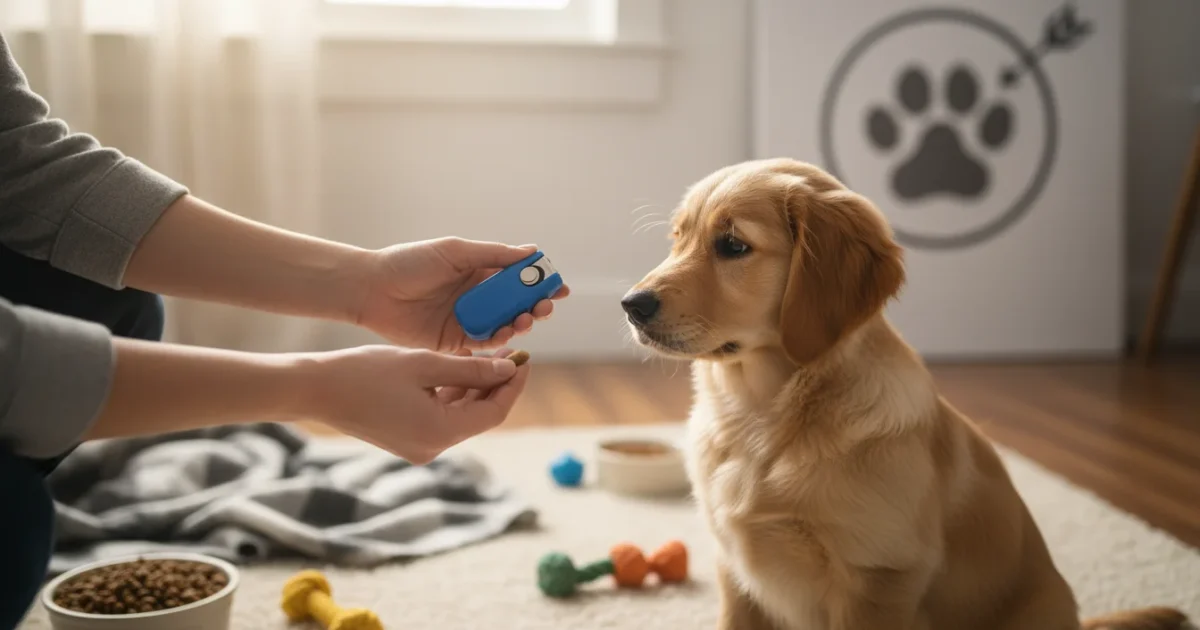
Clicker training offers a powerful, positive, and incredibly effective way to communicate with your pet. This method strengthens your bond and helps your animal understand exactly what you want them to do. Whether you have a new puppy, an adult dog, a curious cat, or even a bird, clicker training provides clear communication that speeds up learning and makes training enjoyable for everyone involved. You will discover how this science-backed approach transforms your pet’s behavior and your relationship with them.
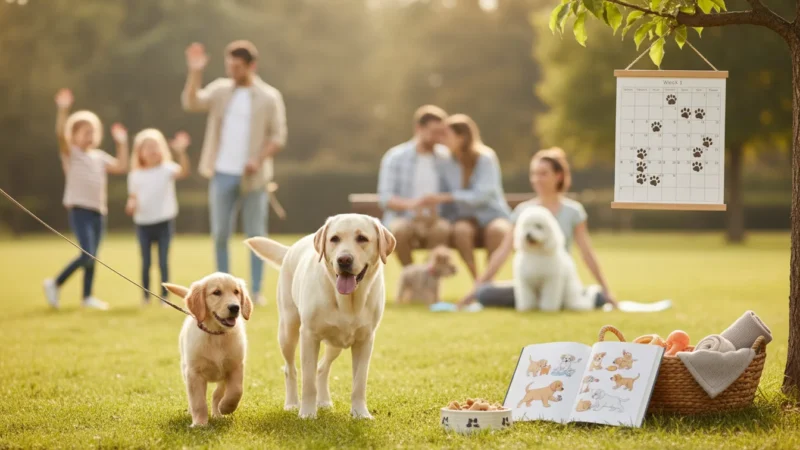
Starting with a puppy socialization plan alongside this training helps build a confident and calm pet.

Understanding Clicker Training
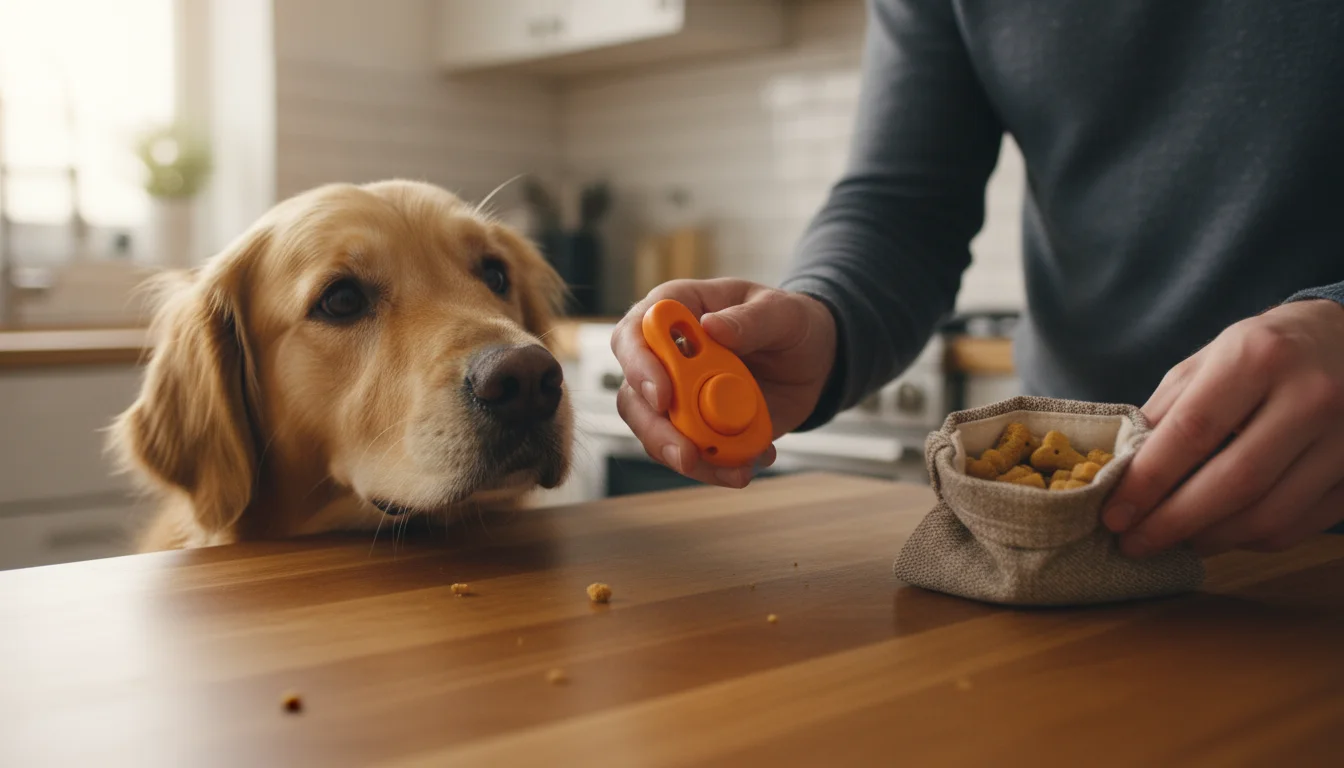
Clicker training is a form of positive reinforcement pet training that uses a small mechanical device to make a distinct “click” sound. This sound serves as a precise marker, telling your pet, “That’s exactly what I want you to do!” immediately when they perform a desired action. Following the click, you provide a reward, typically a high-value treat, reinforcing the behavior. This clear communication eliminates confusion, allowing your pet to learn quickly and enthusiastically.
Identifying when behaviors exceed your current skill level is important; look for signs your dog needs professional training help if you feel overwhelmed.
The benefits of incorporating clicker training into your routine are numerous:
- Clear Communication: The click marks the exact moment of correct behavior, helping your pet understand cause and effect.
- Faster Learning: Pets grasp new concepts more quickly when they receive immediate, unambiguous feedback.
- Stronger Bond: Positive, reward-based training builds trust and a positive association with you, strengthening your relationship.
- Reduced Stress: Unlike punishment-based methods, clicker training does not involve fear or intimidation, creating a low-stress learning environment.
- Versatility: You can apply clicker training to teach a wide range of behaviors, from basic obedience commands like “sit” and “stay” to complex tricks and even behavior modification for common issues. This makes it one of the best pet training tips available.
- Mental Enrichment: Engaging in training sessions provides vital mental stimulation for your pet, preventing boredom and potential destructive behaviors.
Consider the difference between saying “good dog” and using a clicker. “Good dog” is a wonderful verbal cue, but it can be delayed, inconsistent, or lack the unique, sharp precision of a click. The click is always the same, always immediate, and always means a reward is coming. This consistency drives learning.
The Science Behind the Click
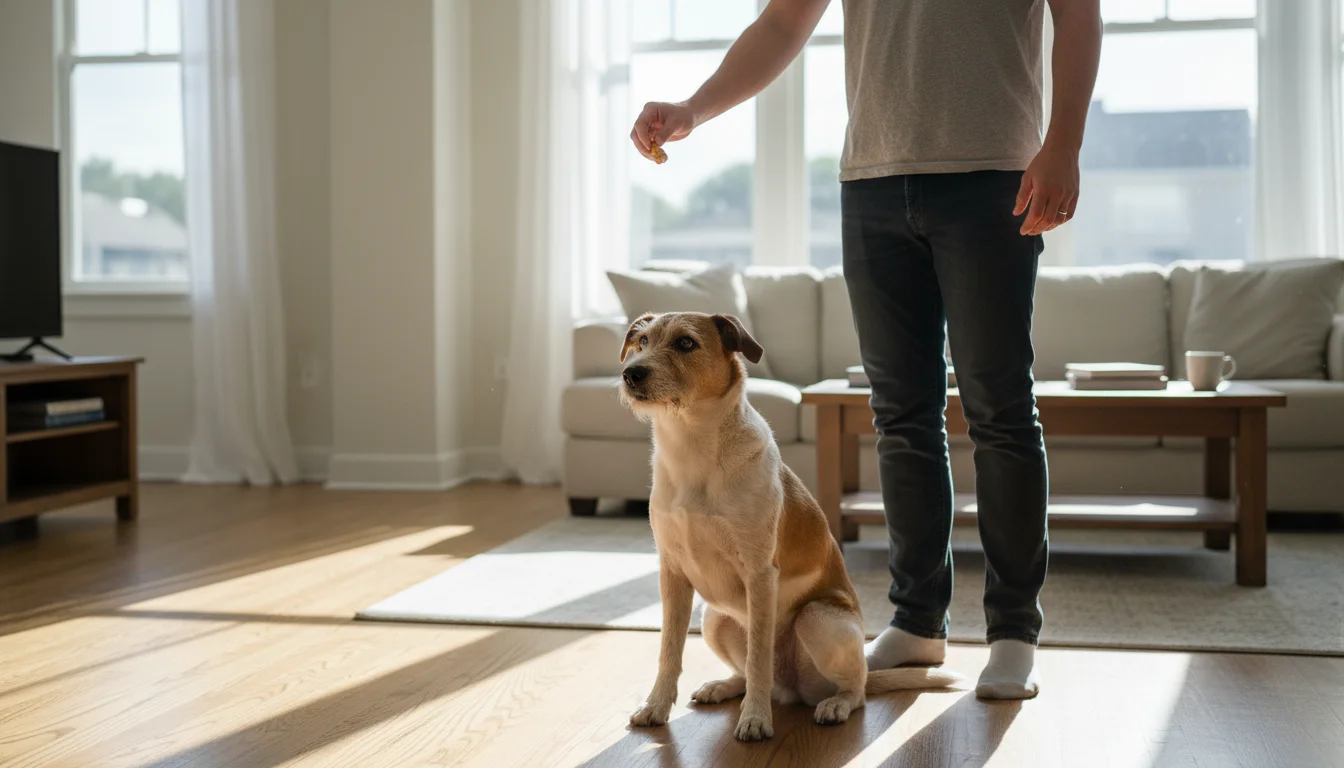
At its heart, clicker training relies on the principles of operant conditioning, specifically positive reinforcement. Operant conditioning, a concept championed by psychologist B.F. Skinner, teaches animals to associate their actions with consequences. In positive reinforcement, you add something desirable (a treat) to increase the likelihood of a behavior recurring.
Consistency is key, especially when managing dog separation anxiety or other fear-based behaviors.
To truly master the timing of your clicks, it is also essential to spend time understanding dog body language so you can read your pet’s emotional state.
Even with a scientific approach, it is helpful to be aware of 8 common training mistakes that can slow down your progress.
The clicker acts as a “conditioned reinforcer” or a “bridge.” Initially, the click itself has no meaning to your pet. You give it meaning by consistently pairing it with something your pet highly values, such as a tasty treat. This process is called “charging the clicker.” Once charged, the click predicts the arrival of a reward, becoming a powerful motivator.
According to the Association of Professional Dog Trainers (APDT), reward-based methods are not only more effective but also more humane than punishment-based approaches. This method strengthens the bond between you and your pet while teaching desired behaviors, reinforcing the importance of positive reinforcement fundamentals in any pet training program.
Key components of this scientific approach:
- Marker Training: The click is the marker. It pinpoints the exact moment your pet performs the correct action. Imagine trying to tell a child, “Yes, that specific way you just held your spoon!” The click does this for your pet, making the learning process incredibly clear.
- Reward Timing: The click must happen instantly when your pet performs the desired behavior. The treat delivery can follow within a few seconds. Precision is critical; a click even a second too late might mark an entirely different action, confusing your pet.
- Motivation: High-value rewards are essential. What motivates your pet? For most dogs, small, soft, smelly treats work best. For cats, small pieces of cooked chicken, commercial cat treats, or even a favorite toy can be powerful. Understanding your pet’s individual preferences is key to successful training.
Think of the click as a photograph, capturing the exact moment of success. Your pet understands precisely what earned them that reward, making the learning curve steep and enjoyable.
Essential Tools and How to “Charge” the Clicker
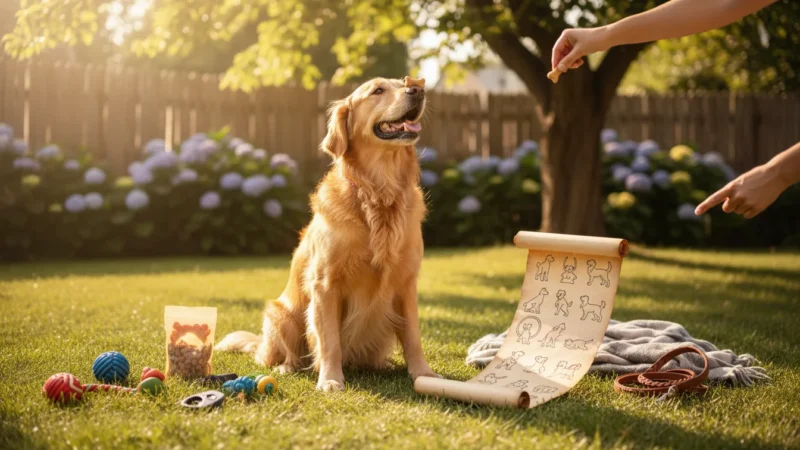
To begin your clicker training 101 for pets journey, you need minimal equipment:
- A Clicker: These are inexpensive and readily available at pet stores. Some have buttons, others have a metal tongue. Choose one that feels comfortable in your hand and makes a clear, consistent sound.
- High-Value Treats: These are crucial. They should be small, soft, and extremely appealing to your pet. Small pea-sized pieces of cheese, cooked chicken, hot dogs, or store-bought training treats often work well. Avoid kibble, as it’s typically not exciting enough for initial training.
- A Quiet Environment: Start in a distraction-free area to help your pet focus.
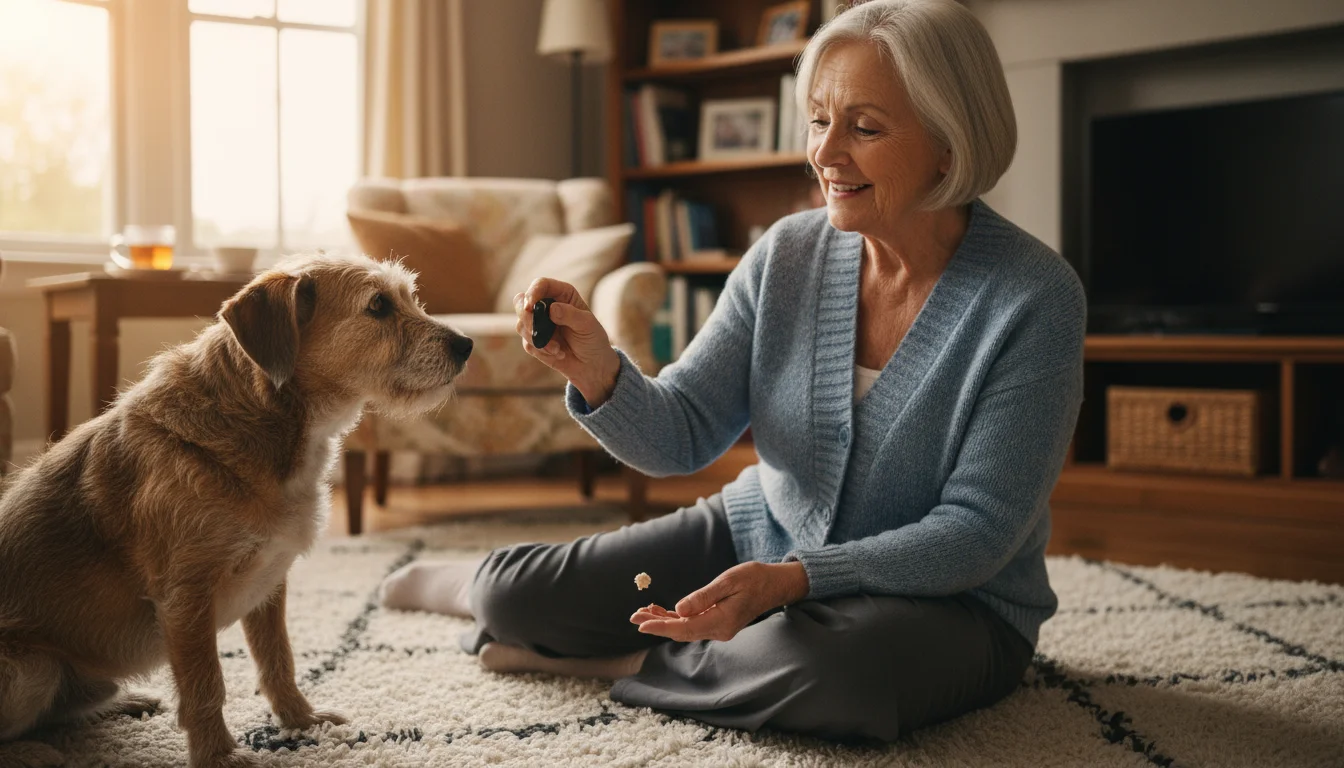
The first step is “charging the clicker” or creating a positive association with the sound:
- Gather Supplies: Have your clicker and treats ready. Hold the treats in one hand, out of sight, and the clicker in the other.
- Click and Treat: Click the clicker, then immediately give your pet a treat. Do not ask for any behavior. The goal is simply to pair the sound with the reward.
- Repeat: Repeat this “click, then treat” sequence 10-20 times in short sessions. Your pet will start to look for the treat immediately after the click, showing they understand the connection.
- Test for Understanding: After a few sessions, try clicking when your pet isn’t looking at you. If they perk up, look for the treat, or come running, your clicker is charged!
Keep charging sessions short (2-5 minutes) and fun. You are building the foundation for all future pet training.
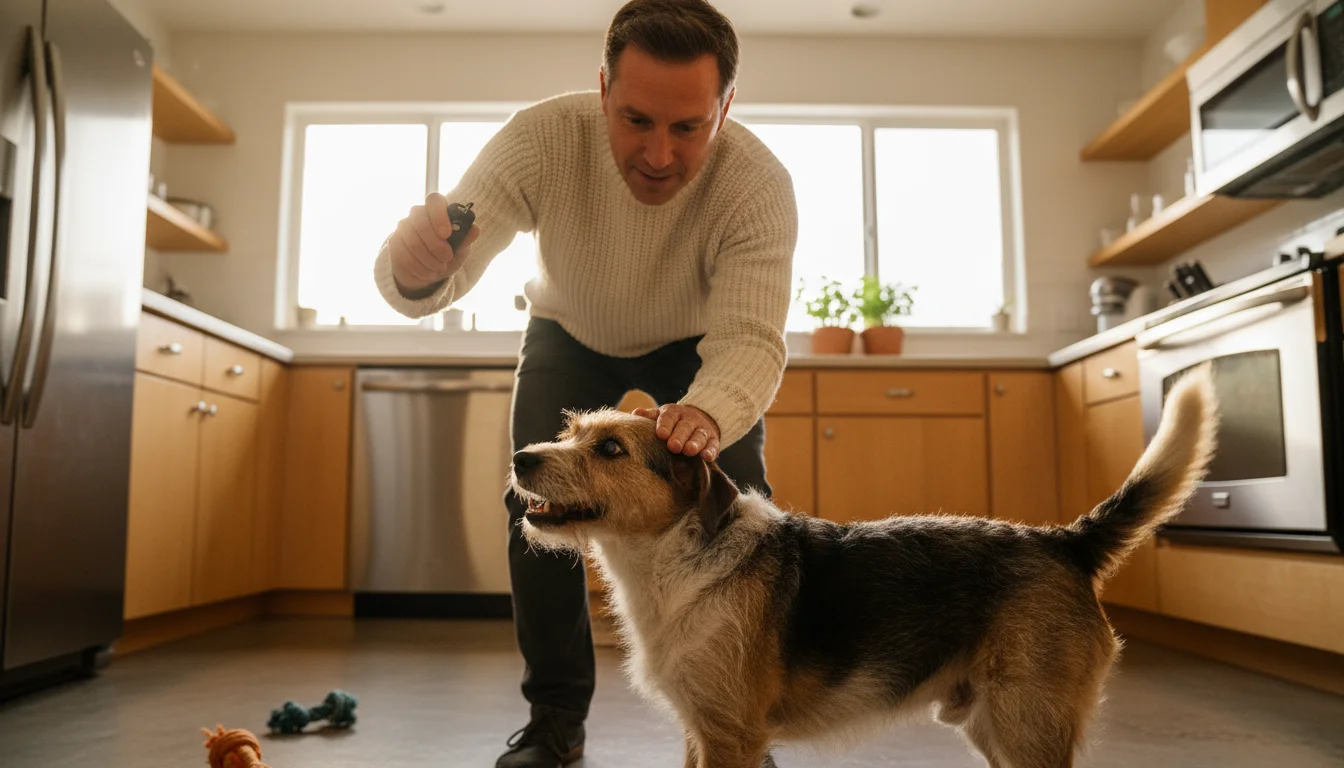
Your First Clicker Training Session: Basic Behaviors
Once your clicker is charged, you can start teaching simple behaviors. Remember, the goal is to click while the behavior is happening, or the instant it finishes.
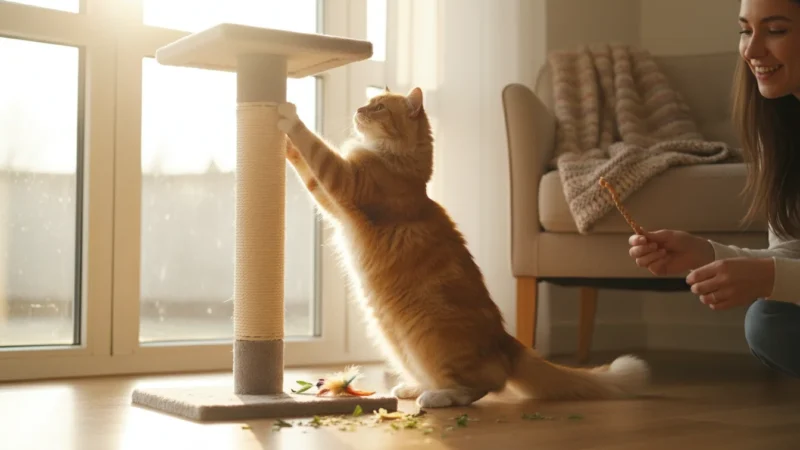
You can even apply these methods to feline friends, such as when you train your cat to use a scratching post instead of the sofa.
The clicker is also a versatile tool to housetrain your puppy in 7 days by marking the moment they go in the right spot.
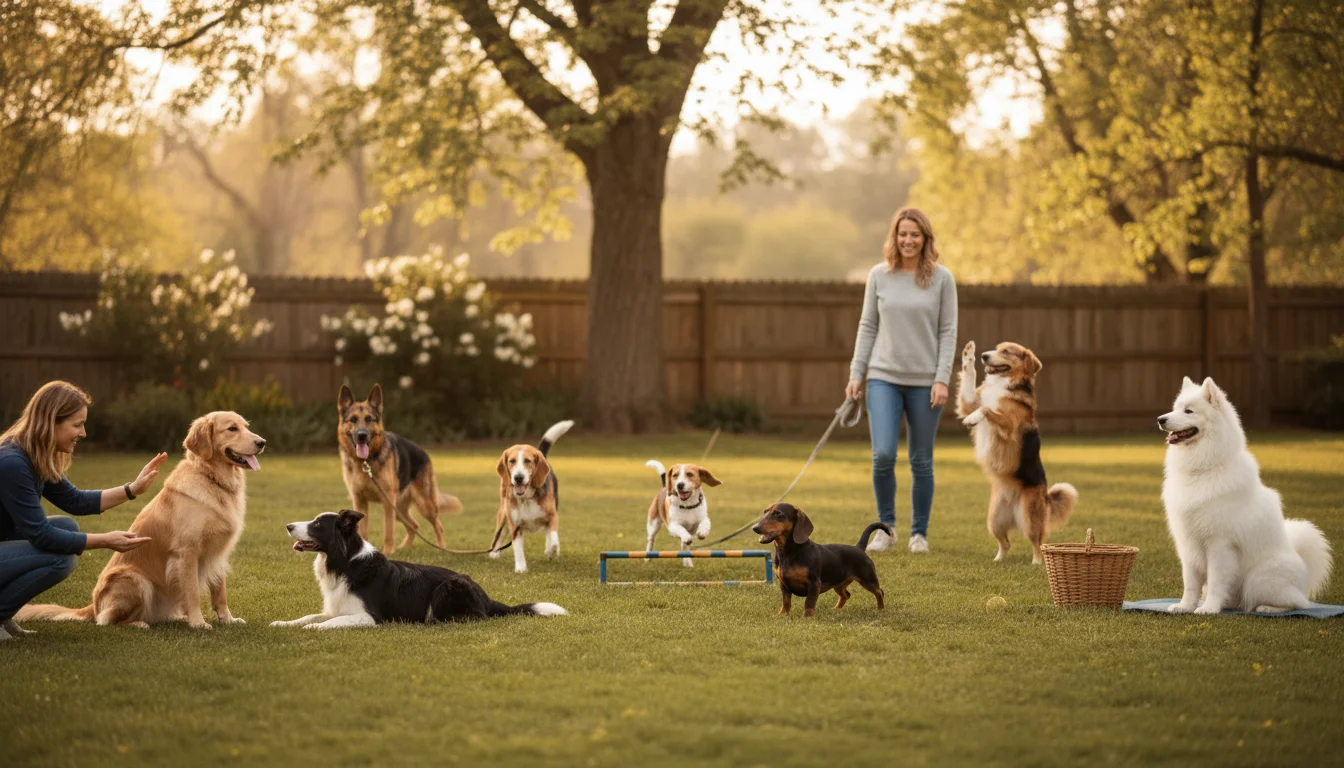
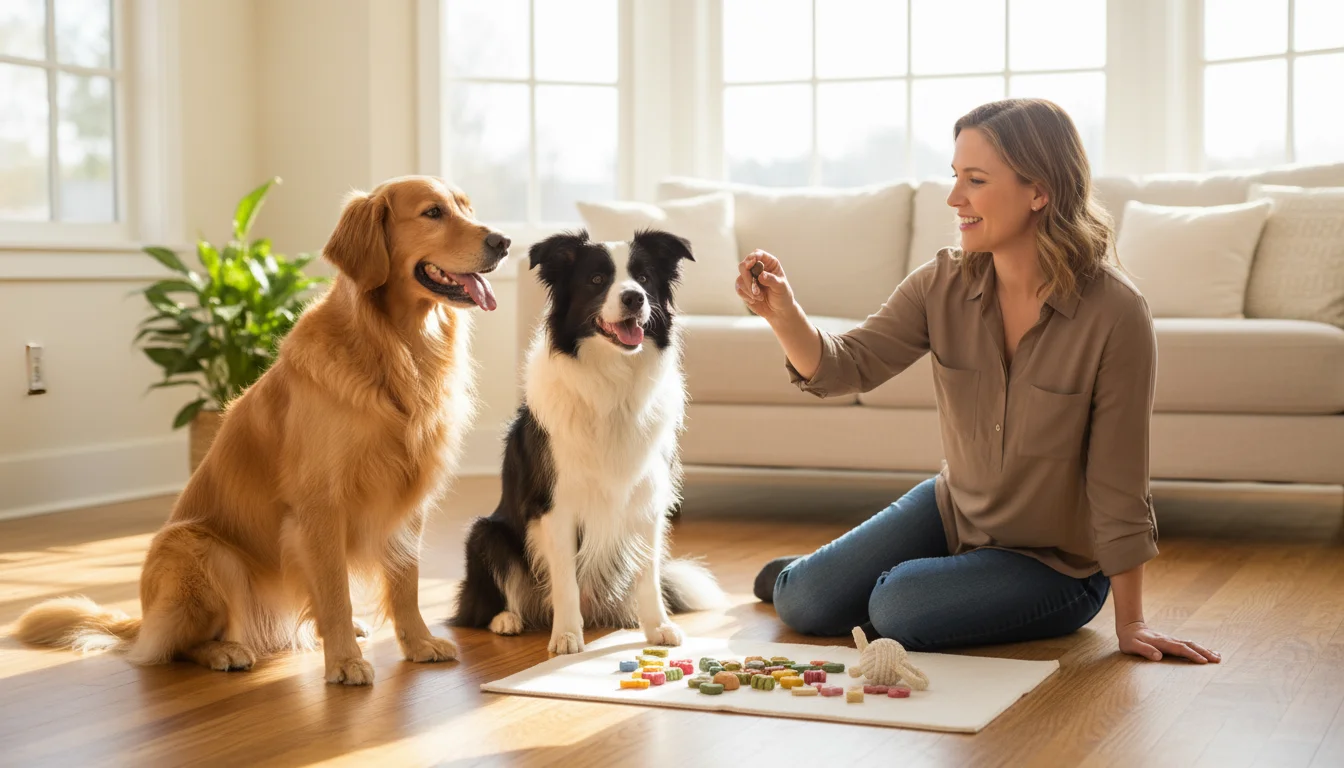
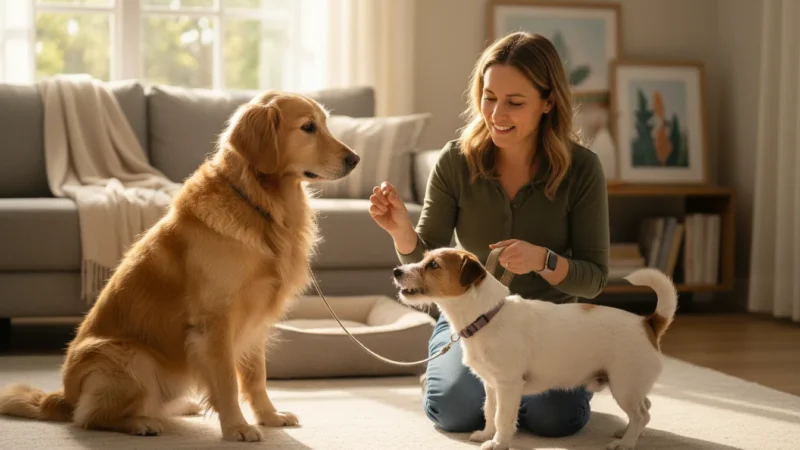
If you have more than one pet at home, you may need to learn how to train multiple dogs at once to manage distractions effectively.
Teaching “Sit” (Dog or Cat)
This is an excellent first behavior for pet training:
- Lure the Sit: Hold a high-value treat near your pet’s nose. Slowly move the treat in an arc over their head, towards their tail. As their nose follows the treat, their rear end will naturally lower into a sit.
- Click and Treat: The instant your pet’s rear touches the ground, click. Then immediately give them the treat.
- Release: After treating, gently encourage them to stand up (or just wait for them to stand naturally) before repeating. This helps delineate one repetition from the next.
- Repeat: Do 5-10 repetitions per session. Keep sessions short and positive.
- Add the Cue (Optional, Later): Once your pet consistently sits when lured, start saying “Sit” just as their rear is about to touch the ground. Over time, you can fade the lure and they will respond to the verbal cue alone.
Teaching “Targeting” (Any Pet)
Targeting means your pet touches a specific object (often your hand) with their nose or paw. This is incredibly useful for guiding your pet without physical manipulation.
- Introduce the Target: Hold your open palm a few inches from your pet’s nose.
- Click and Treat for Interaction: The moment your pet’s nose touches your hand (even a slight bump or sniff in the right direction), click and immediately offer a treat from your other hand.
- Repeat: Practice this several times.
- Increase Duration/Distance: Once they consistently touch your hand, gradually increase the distance you hold your hand away from them, or ask them to hold the touch for a split second longer before clicking. You can also move your hand to different locations, encouraging them to move to touch it.
- Add the Cue: Once reliable, say “Touch” or “Target” as you present your hand.
Targeting can help with leash walking, going to a specific spot, or even moving into a crate comfortably. It’s a fundamental skill in clicker training for pets.
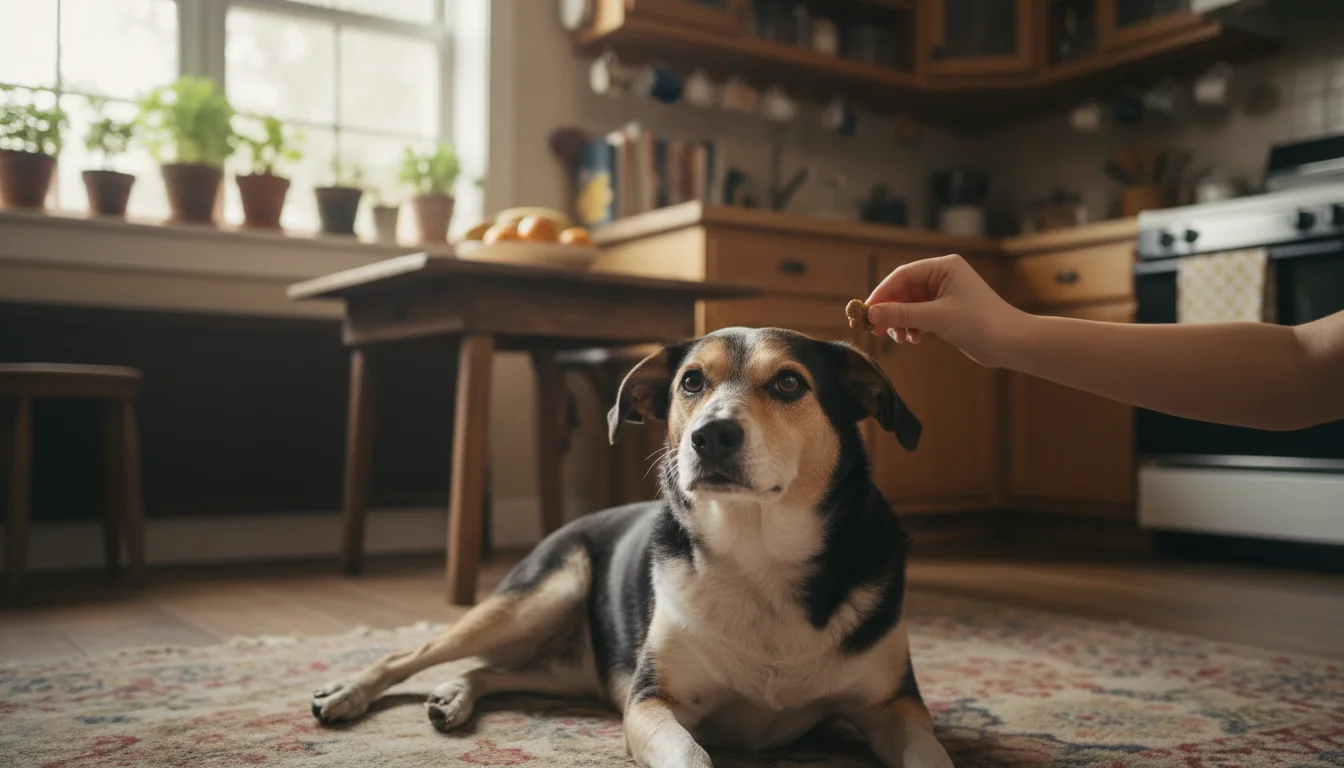
Applying Clicker Training to Everyday Life: Manners and Advanced Skills
Clicker training extends far beyond basic commands, enabling you to shape your pet’s behavior for better manners and more complex skills.
Additionally, positive reinforcement is the most effective way to stop excessive barking by rewarding quiet behavior.
Once you have the basics down, you can use these same principles to solve vocalization issues, such as learning how to stop excessive barking with positive reinforcement.
Improving Leash Walking
Many owners struggle with dogs pulling on the leash. Clicker training provides a gentle solution:
- Reward Loose Leash: Start by clicking and treating every time your dog’s leash goes slack for even a second while walking. If they pull, simply stop moving until the leash loosens, then click and treat.
- Reinforce Position: Once they understand a loose leash, start clicking and treating when they walk nicely beside you. You can use your hand as a target or simply click for attention and proximity.
- Increase Distractions: Gradually introduce more distractions (other dogs, people, sounds) as your pet masters walking in quieter environments.
Patience is crucial here. Consistent positive reinforcement will eventually teach your dog that walking politely earns rewards.
Door Manners
Jumping at the door or rushing out can be frustrating and unsafe. Teach calm door manners:
- Impulse Control: When you approach the door, click and treat your pet for keeping “four on the floor” (all paws on the ground) or for sitting patiently.
- Opening the Door: Slightly open the door. If your pet remains calm, click and treat. If they rush, immediately close the door. Repeat until they stay calm with the door slightly ajar.
- Full Opening: Gradually open the door wider. Only click and treat if they remain in their desired position.
- Exit Cue: Once your pet waits reliably, introduce a release cue like “Okay!” or “Go!” before allowing them to exit.
This methodical approach helps your pet understand that calm behavior earns privileges, a cornerstone of effective pet training.
Problem Behavior Modification
Clicker training is also an effective tool for modifying undesirable behaviors like excessive barking, jumping, or even anxiety-related issues. For instance, to address jumping:
- Redirect Attention: When your dog jumps for attention, turn your back. The moment all four paws are on the floor, click and calmly offer a treat.
- Reinforce Alternatives: Teach an alternative behavior, like “sit” or “down,” and click and reward that behavior consistently instead of jumping.
For more complex issues like aggression or severe anxiety, always consult with a professional. Research by UC Davis School of Veterinary Medicine emphasizes that behavior problems often have underlying medical or anxiety components, making professional evaluation essential for safety and effective management.
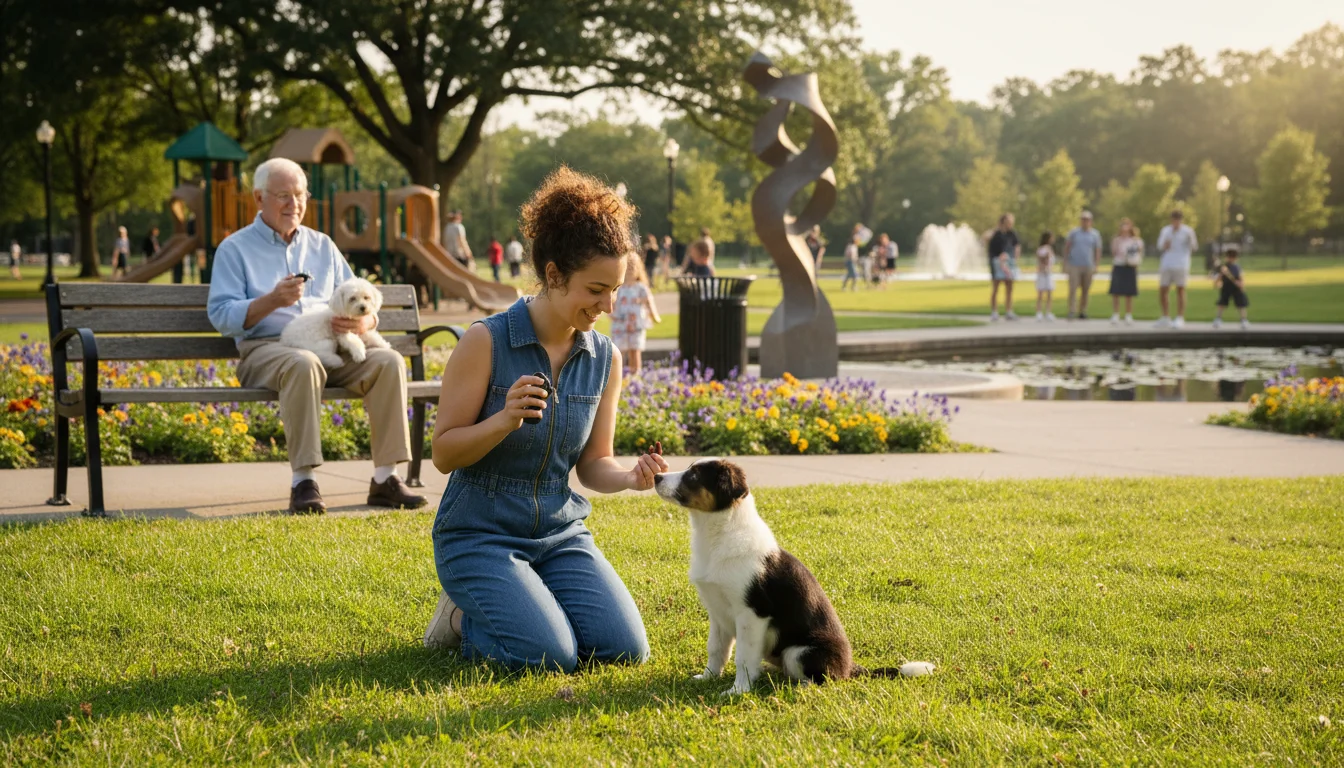
Tailoring Clicker Training for Different Pets
While the fundamentals of clicker training apply to most animals, adapting your approach to your specific pet’s species, age, and personality ensures success.
Dogs: From Puppies to Seniors
Dogs are generally eager learners, making them ideal candidates for clicker training.
- Puppy Socialization: For puppies during their critical socialization period (roughly 3-16 weeks), use the clicker to mark positive associations with new sights, sounds, people, and places. Click and treat when a new experience (a vacuum cleaner, a stranger, another friendly dog) appears, helping them build confidence.
- Basic Obedience: “Sit,” “stay,” “come,” and polite leash walking are easily taught. Use the clicker to mark success at each small step.
- Advanced Work: Dogs can learn complex chains of behaviors, agility, or even service tasks with clicker training.
- Breed Considerations: High-energy breeds like Border Collies thrive on mental challenges, while more independent breeds might require more compelling rewards. Adapt treat types and session lengths.
Remember that puppy socialization protocols are crucial. Experts at Fear Free Pets advocate for gradual, positive exposure to new stimuli to prevent future fear and anxiety. Clicker training perfectly complements this.
Cats: Unique Motivations
Cats are often perceived as untrainable, but they respond incredibly well to clicker training when you understand their motivations.
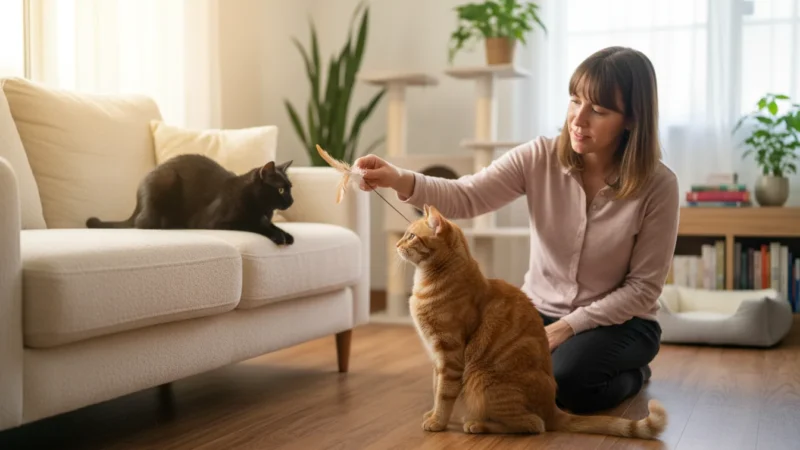
- Treats and Toys: Many cats are highly motivated by small, soft treats (e.g., bonito flakes, cooked chicken pieces) or engaging play with a favorite wand toy. Find their highest value reward.
- Short Sessions: Cats have shorter attention spans than dogs. Keep training sessions very brief, 1-3 minutes, and end on a high note.
- Common Cat Behaviors:
- Litter Box Issues: While primarily medical or environmental, you can clicker train a cat to go to a specific litter box by rewarding them for approaching or entering it.
- Scratching: Redirect inappropriate scratching by clicking and treating when they use an appropriate scratching post.
- Play Aggression: Clicker train polite play by rewarding them for interacting with toys, not hands, or for calmly disengaging when play gets too rough.
- Enrichment: Clicker training is an excellent form of enrichment for indoor cats, providing mental stimulation and preventing boredom.
Focus on voluntary behaviors and use a gentle approach. Cats appreciate choice and control.
Other Companion Animals: Rabbits, Birds, and More
The principles of clicker training apply to almost any animal capable of learning associations.
- Rabbits: Teach them to come when called, use a litter box, or perform simple tricks. Their motivation often comes from small pieces of favorite vegetables or fruit.
- Birds: Clicker training is fantastic for birds, helping them step up, go into their cage, or learn complex vocalizations. Rewards include small seeds, nuts, or specific praise.
Always research the specific needs and natural behaviors of your pet to ensure your training methods are appropriate and safe.
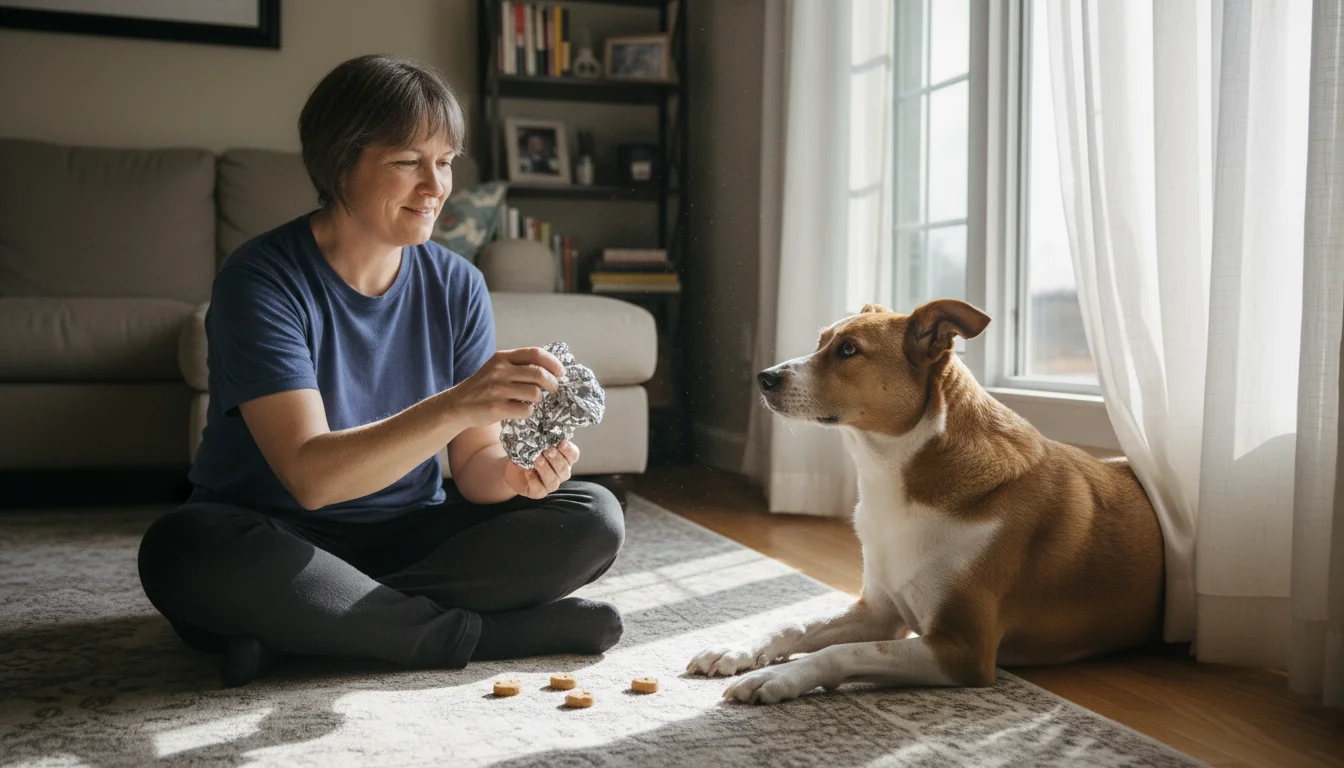
Common Hurdles and How to Overcome Them
Even with the best intentions, you might encounter challenges in your pet training journey. Here’s how to navigate them:
- My Pet Isn’t Interested in Treats:
Solution: Re-evaluate your reward system. Are the treats truly high-value for your pet? Experiment with different types (soft, crunchy, stinky, novel proteins). Ensure your pet isn’t too full before training. Sometimes a favorite toy or a quick game of fetch can serve as a reward instead of food.
- My Pet Gets Distracted Easily:
Solution: Start training in the least distracting environment possible, like a quiet room at home. Gradually introduce mild distractions as your pet masters the behavior. Keep sessions short and increase your reward rate for maintaining focus. This is a common issue with pet training, and patience is key.
- My Pet Offers Random Behaviors (Frustration):
Solution: You might be asking for too much too soon. Break down the desired behavior into smaller, achievable steps. Reward tiny approximations of the behavior. If your pet is offering many different actions, you are likely not clicking precisely enough or the task is too complex. Go back to basics.
- The Clicker Scares My Pet:
Solution: Some pets are sensitive to sounds. Try muffling the clicker with your hand, using a clicker with a softer sound, or even a pen that clicks. For extremely sensitive pets, a verbal marker like “Yes!” or a silent signal like a thumbs-up can serve the same purpose, though with less precision.
- My Pet Only Works for Treats:
Solution: This is a common misconception. As your pet becomes proficient, you gradually reduce the frequency of treats. You transition to an “intermittent reinforcement schedule,” where sometimes they get a treat, sometimes praise, sometimes a toy. The click always happens, but the tangible reward becomes less predictable, making the behavior stronger and more resistant to extinction. This builds independence and ensures the behavior isn’t solely dependent on food.
When to Seek Professional Guidance
While clicker training 101 for pets provides an excellent foundation, some challenges warrant professional intervention. Knowing when to call in an expert ensures your pet’s safety and well-being, and your peace of mind.
Consider professional help if you observe any of the following:
- Aggression: Any signs of growling, snapping, biting, or lunging towards people or other animals. Aggression is a serious issue that requires careful, expert handling to ensure safety.
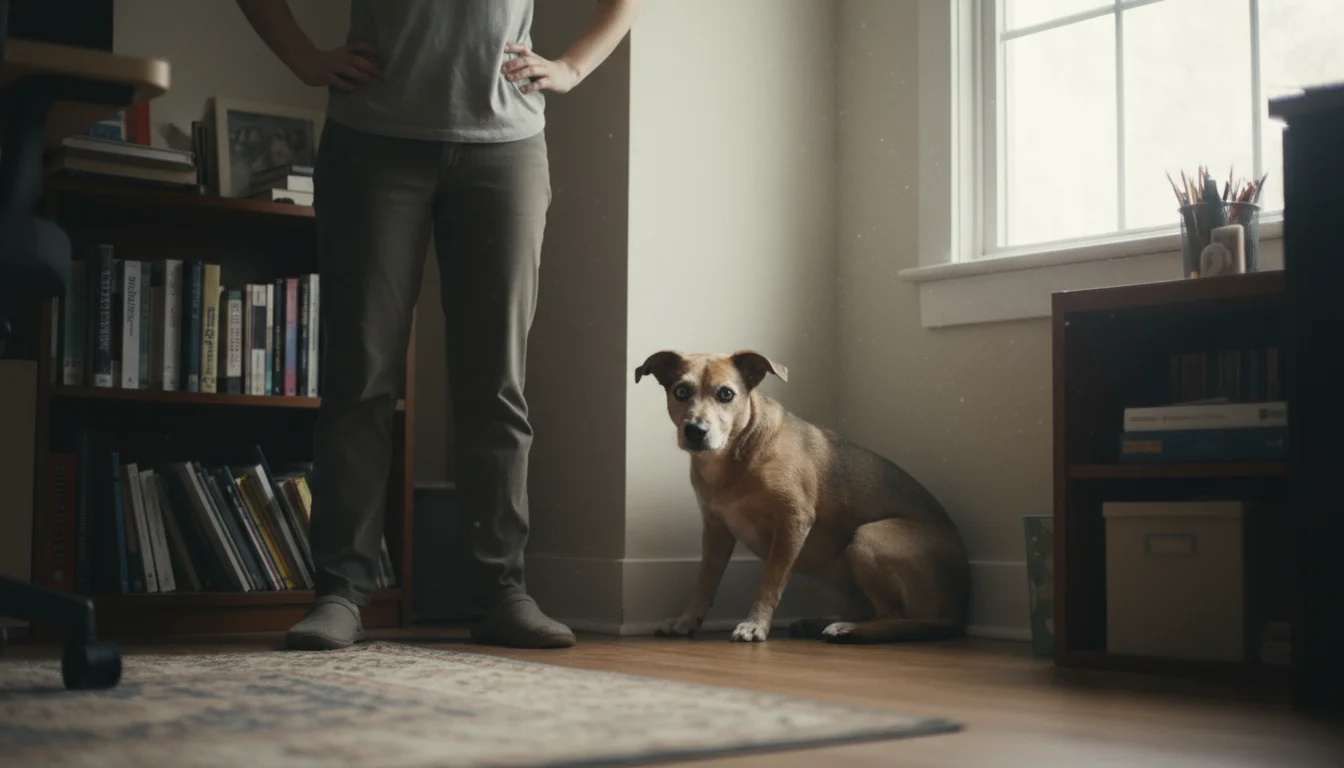
- Severe Anxiety or Fear: Excessive panting, drooling, destructive behavior when left alone (separation anxiety), extreme fear of specific sounds or situations, or chronic hiding.
- Resource Guarding: Your pet aggressively protects food, toys, sleeping spots, or even people from others.
- Sudden Behavioral Changes: A previously well-behaved pet suddenly develops new, concerning habits like house-soiling, excessive vocalization, or lethargy. Always consult your veterinarian first to rule out medical causes.
- Lack of Progress: You’ve diligently applied training methods, but your pet shows no improvement or the behavior worsens.
When seeking professional help, look for qualified individuals:
- Certified Professional Dog Trainers (CPDT-KA): These trainers have demonstrated knowledge and skills in humane, effective training methods. You can find certified trainers through organizations like the Certification Council for Professional Dog Trainers (CCPDT).
- Veterinary Behaviorists (DACVB): These are veterinarians who have completed extensive specialized training and certification in animal behavior. They are qualified to diagnose and treat complex behavioral disorders, often incorporating medication when appropriate, alongside behavior modification plans. The American College of Veterinary Behaviorists (ACVB) maintains a directory of these specialists.
- Certified Applied Animal Behaviorists (CAAB/ACAAB): Professionals with advanced degrees in animal behavior who apply their scientific knowledge to practical problems.
A qualified professional can assess your pet’s individual situation, identify underlying causes for behavior issues, and develop a customized, safe, and effective plan. Do not attempt to manage severe behavioral problems on your own, as it can be unsafe and may worsen the issue.
Frequently Asked Questions
Can I use clicker training for multiple pets?
Yes, you can clicker train multiple pets. However, it’s best to train them individually at first to avoid confusion and ensure each pet receives clear feedback and rewards. Once they understand the basics, you can work on parallel training, but always be precise with your clicks and reward delivery to the correct animal.
How long should clicker training sessions last?
Keep training sessions short, especially when starting out. For puppies, kittens, or easily distracted pets, 2-5 minutes is ideal. For more focused adult animals, you might extend sessions to 10-15 minutes. It’s more effective to have several short, fun sessions throughout the day than one long, tedious one. Always end on a positive note, before your pet gets tired or bored.
Do I always need to use the clicker?
Initially, yes, use the clicker consistently. As your pet masters a behavior and consistently responds to the verbal cue, you will start to “fade” the clicker. This means you will use it less often, primarily for introducing new behaviors or polishing existing ones. The verbal cue (“Sit,” “Stay”) becomes the primary signal, and the clicker becomes a specialized teaching tool. Treats will also be faded to an intermittent schedule. The clicker’s job is to teach, not to be used forever for every single instance of a known behavior.
What if my pet seems scared of the clicker sound?
If your pet shows fear of the clicker sound, try muffling it by holding it inside your pocket or wrapping a cloth around it. You can also purchase clickers with softer sounds. If the fear persists, switch to a verbal marker like a short, sharp “Yes!” or a visual marker like a thumbs-up, always paired immediately with a high-value treat. The goal is positive association, not fright.
Can clicker training help with aggression?
Clicker training, as a form of positive reinforcement, is valuable for building confidence and teaching alternative behaviors. However, true aggression is complex and requires careful management. For aggression, always consult a veterinary behaviorist (DACVB) or a certified professional dog trainer (CPDT-KA) experienced in aggression cases. They can assess the root cause and develop a comprehensive safety and behavior modification plan, as attempting to handle aggression alone can be dangerous.
For expert pet care guidance, visit
UC Davis School of Veterinary Medicine,
American Animal Hospital Association (AAHA) and
Association of Professional Dog Trainers (APDT).
Disclaimer: This article is for informational purposes only and is not a substitute for professional veterinary advice, diagnosis, or treatment. Always consult with a licensed veterinarian for medical concerns about your pet.
For more severe feline issues, you may need to learn when to call a behaviorist to supplement your training efforts.

Leave a Reply