
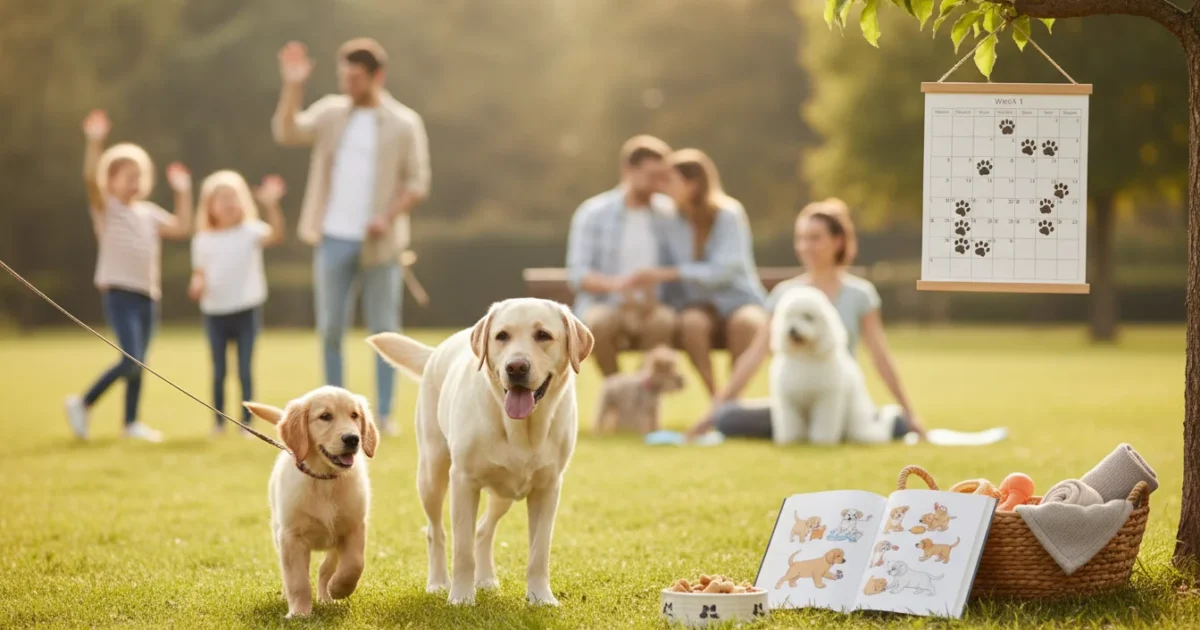
Bringing a new puppy into your home marks the start of an exciting journey. As you welcome your furry companion, a crucial task emerges: socialization. This process involves carefully exposing your puppy to a variety of sights, sounds, people, and other animals in a positive, controlled manner. Proper socialization during their early development helps your puppy grow into a confident, well-adjusted adult dog, capable of navigating the world without fear or aggression. Neglecting this vital period can lead to behavioral problems that are difficult to correct later in life. This comprehensive guide provides a week-by-week plan to help you confidently socialize your puppy for pets, setting them up for a happy, harmonious life with you.
Following a puppy care 101 guide can help you manage the first few weeks of ownership while you begin the socialization process.
Effective pet training relies on understanding your puppy’s needs and development stages. This article details a structured approach to ensure your puppy experiences a wide range of stimuli safely and positively, fostering a resilient and friendly temperament. This proactive pet care strategy is invaluable for long-term well-being.
Understanding Puppy Socialization: Why It Matters
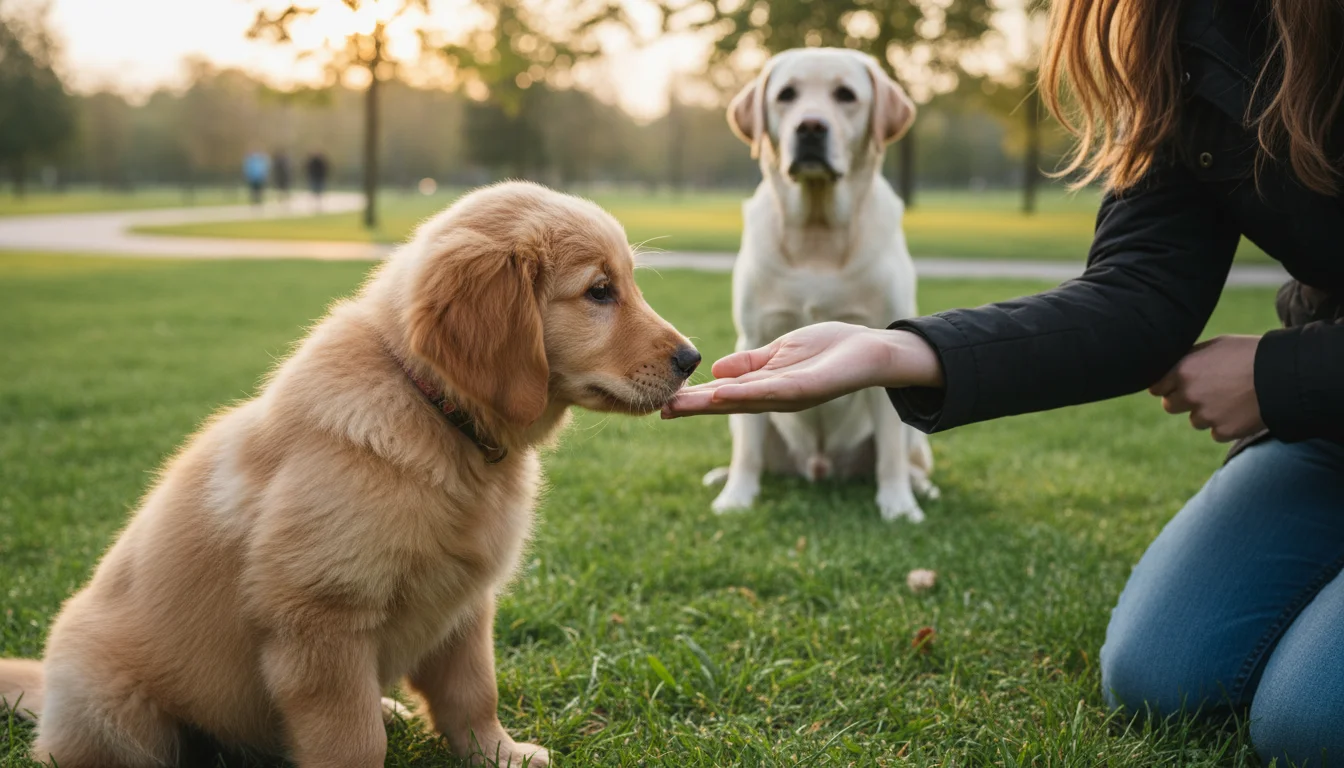
Puppy socialization means introducing your young dog to a diverse range of experiences, environments, sounds, people, and other animals in a positive and gentle way. This process helps your puppy learn that new things are not scary, but rather opportunities for neutral or pleasant interactions. A well-socialized puppy shows less fear, anxiety, and aggression in unfamiliar situations. They adapt more easily to changes in routine, new people visiting your home, or trips to the veterinarian.
Once your puppy is comfortable in new environments, you can start teaching essential puppy commands to build focus and confidence.
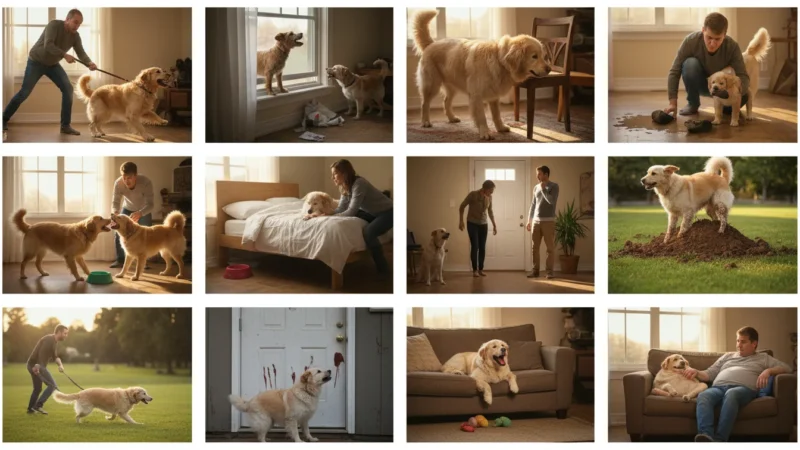
Being aware of common training mistakes early on can help you avoid setbacks during this formative period.
Research consistently shows that puppies lacking adequate early socialization often develop fear-based behaviors, including excessive barking, destructive tendencies, and even aggression towards strangers or other dogs. This can severely impact their quality of life and your ability to enjoy your pet. Proper socialization is a key component of responsible pet care, safeguarding your puppy’s emotional well-being and preventing future behavioral issues. It allows your puppy to develop confidence, curiosity, and adaptability. This critical phase of pet training shapes their entire life.
Consider your puppy’s breed. While all puppies benefit from socialization, certain breeds, like some herding or guardian breeds, naturally exhibit more caution or protective instincts. Early, consistent, and positive exposure becomes even more critical for these breeds to ensure they channel their natural tendencies appropriately. Similarly, smaller breeds might benefit from careful management in large dog interactions, emphasizing gentle play and observation to prevent intimidation or injury.
The Critical Socialization Window
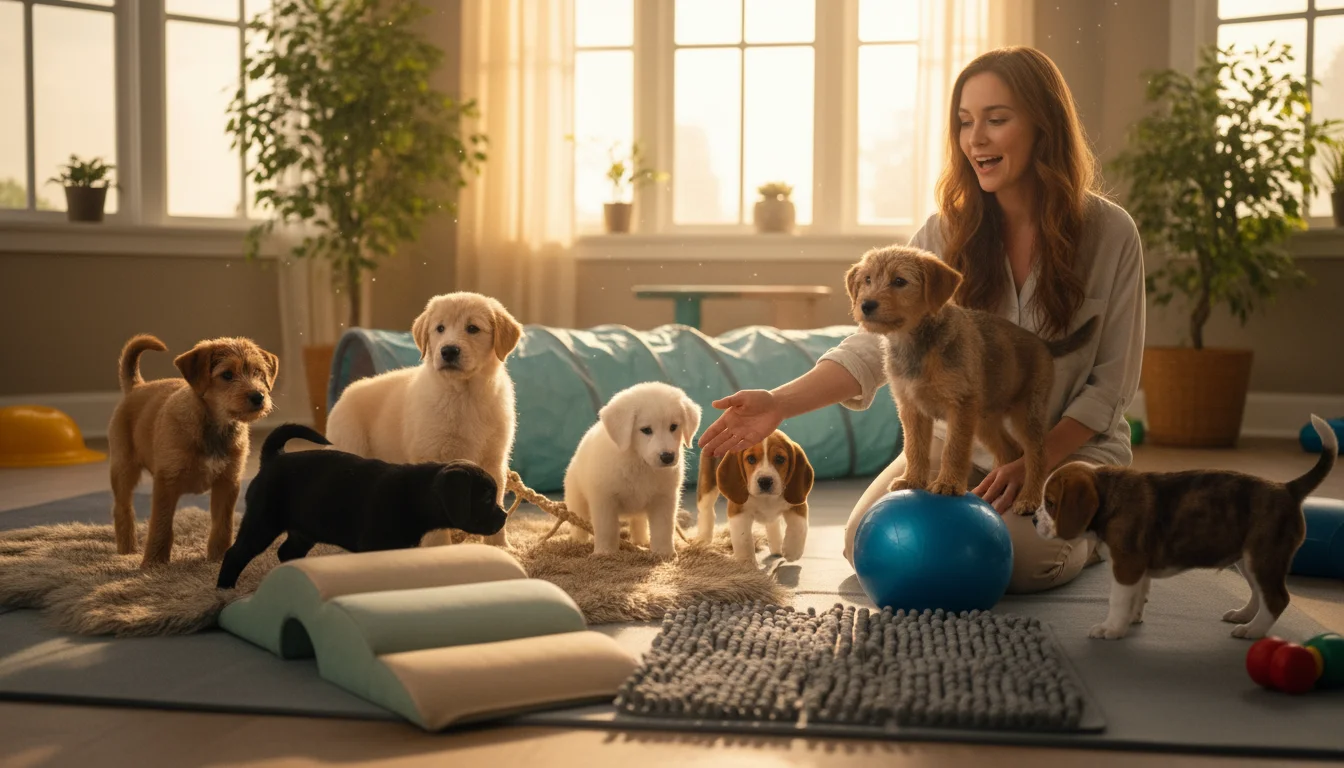
The most impactful period for puppy socialization occurs between approximately 3 to 16 weeks of age. During this critical window, puppies are highly receptive to new experiences and learn rapidly about their world. Their brains are like sponges, absorbing information and forming associations that will influence their adult behavior. Positive experiences during this time build confidence and resilience. Conversely, negative or traumatic experiences can have lasting detrimental effects, creating deep-seated fears. According to the American Veterinary Medical Association (AVMA), veterinarians increasingly emphasize the importance of early puppy socialization, even before a puppy has completed all its vaccinations, as the risks of behavioral problems later in life often outweigh the risks of early disease exposure when managed carefully.
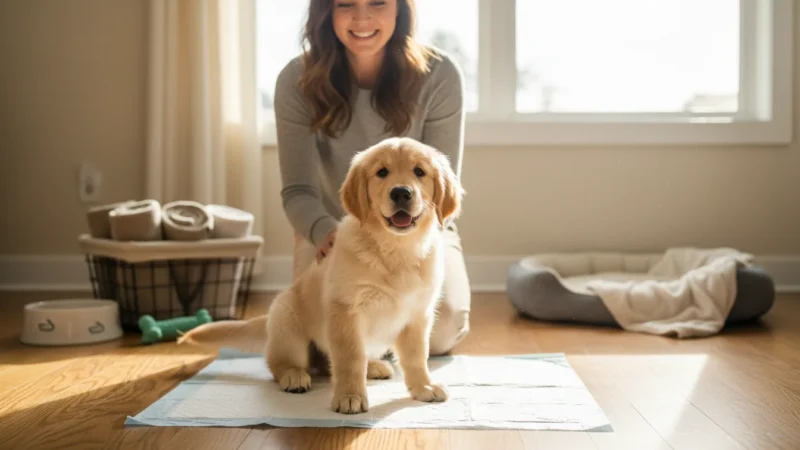
Along with socialization, learning how to housetrain your puppy in 7 days is a top priority for new pet owners.
After 16 weeks, the window begins to close. Puppies become more cautious and resistant to new things. While socialization efforts should continue throughout a dog’s life, the foundation laid during these early weeks proves invaluable. Missing this window does not mean all hope is lost, but it makes the process more challenging and requires greater patience and professional guidance. Your proactive efforts now provide immense long-term benefits for your puppy’s emotional health and your bond together.
Positive Reinforcement: The Foundation of Good Training
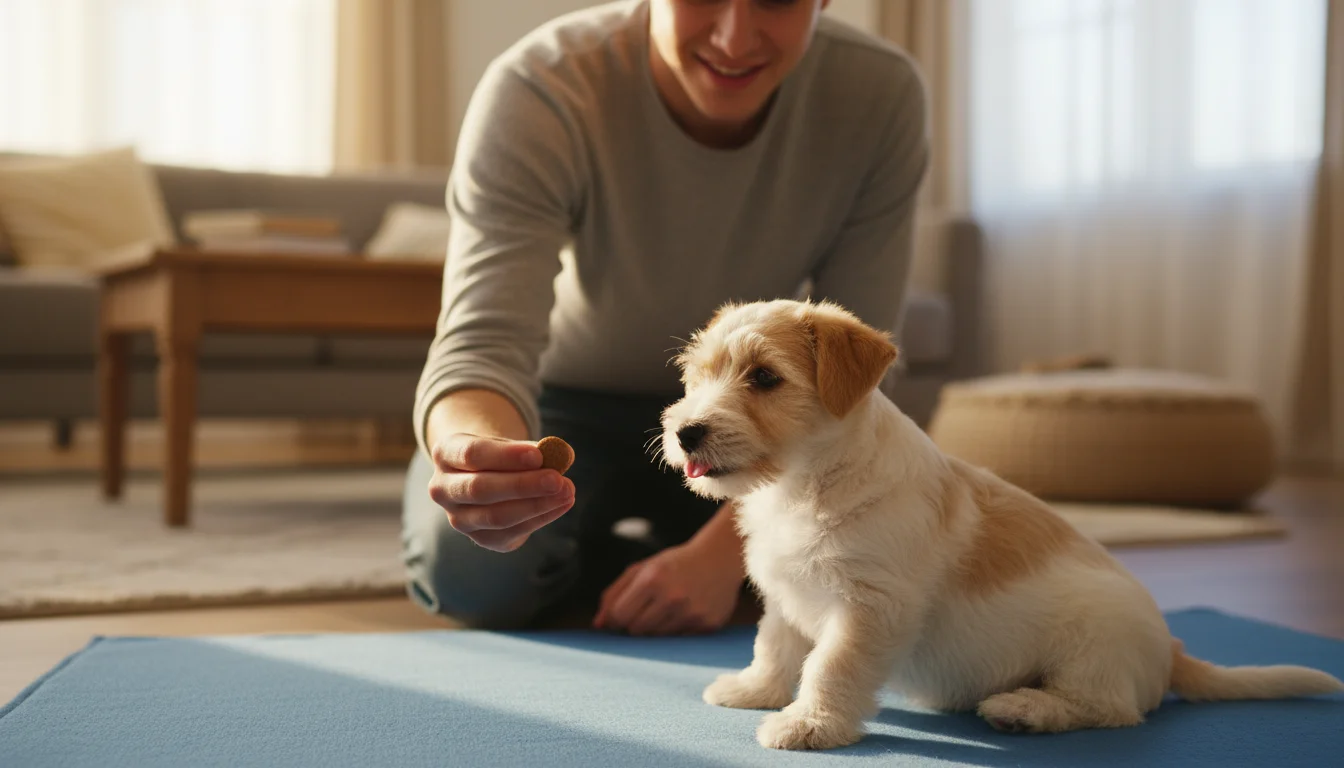
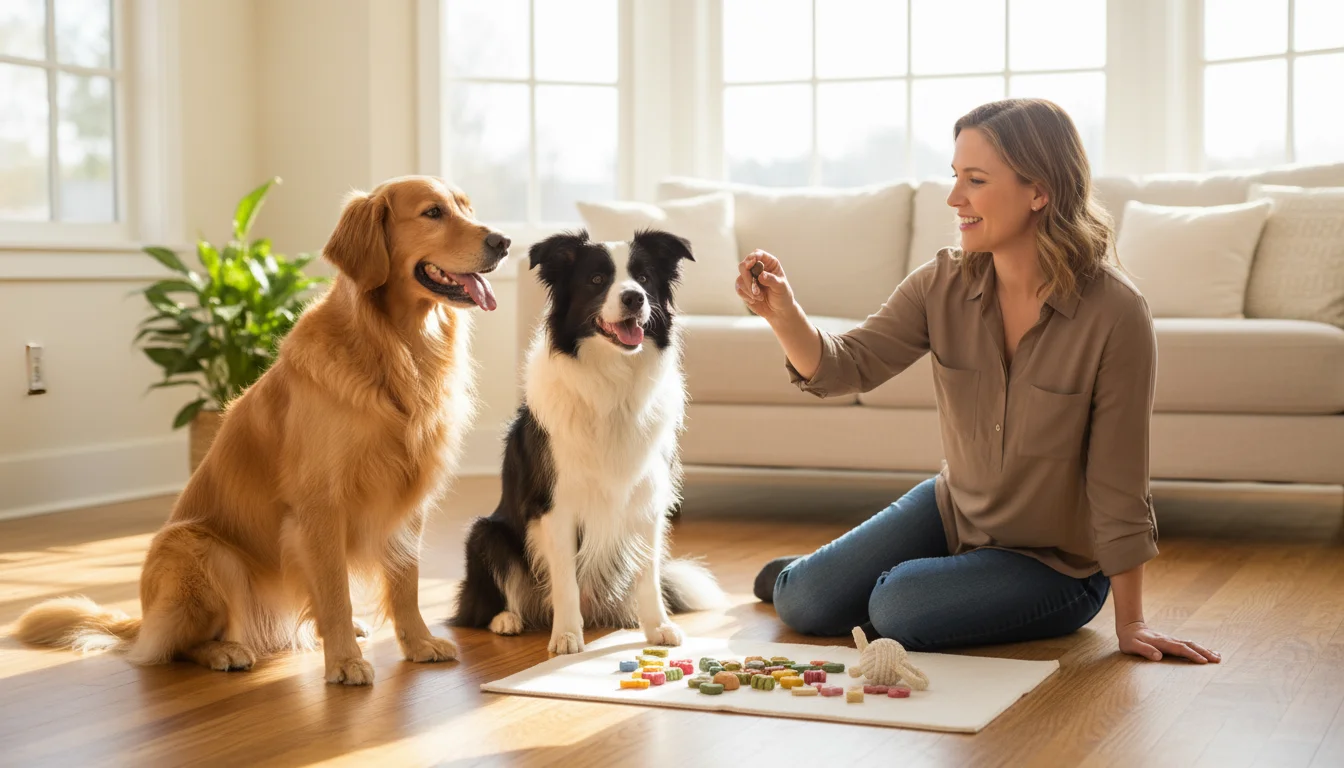
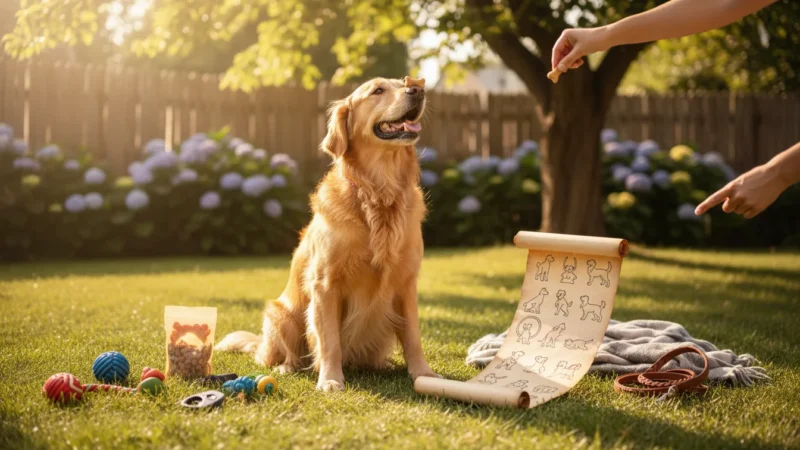
Positive reinforcement forms the cornerstone of effective and humane pet training, particularly when socializing puppies. This method involves adding something desirable, like a treat, praise, or a favorite toy, immediately after your puppy performs a desired behavior or experiences a new situation calmly. This increases the likelihood your puppy will repeat the positive behavior. Positive reinforcement builds trust and strengthens your relationship with your puppy, making learning enjoyable and stress-free.
This positive approach also makes it easy to teach your dog fun tricks that strengthen your bond and provide mental stimulation.
Here are the fundamental principles:
- Reward Timing: Deliver the reward within 1-3 seconds of the desired behavior or calm reaction. This direct association helps your puppy understand what they did correctly.
- Marker Training: Use a verbal marker word (like “Yes!”) or a clicker just as your puppy performs the desired action, immediately followed by a treat. The marker precisely signals the exact moment of correct behavior. Consistent use makes the marker a powerful communication tool in pet training.
- High-Value Rewards: Identify what truly motivates your puppy. This might be small, soft treats, a favorite squeaky toy, or enthusiastic praise. Rotate rewards to maintain interest. Different situations may require different reward levels.
- Short, Frequent Sessions: Puppies have short attention spans. Keep socialization and training sessions brief, perhaps 5-10 minutes, and conduct them multiple times a day. End on a positive note, even if it means asking for an easy behavior your puppy knows.
- Observation is Key: Pay close attention to your puppy’s body language. Look for signs of stress, such as lip licking, yawning, tail tucked, ears back, or excessive panting. If your puppy shows discomfort, remove them from the situation or increase the distance, then try again at a lower intensity.
Never use punishment, fear, or intimidation during socialization. These methods damage your puppy’s trust, create fear associations with new experiences, and can lead to aggression or severe anxiety. Positive experiences are crucial for building a confident, happy companion.
Before You Start: Health and Safety First
Before embarking on any socialization plan, ensure your puppy’s health and safety. Consult your veterinarian immediately after bringing your puppy home. Your vet will establish a vaccination schedule and discuss parasite prevention. While the socialization window is critical, balancing exposure with disease prevention is equally important. Your vet can advise on safe exposure protocols based on your puppy’s vaccination status and local disease prevalence.
You should also learn how to prepare for your pet’s first vet visit to ensure the initial health check is a positive experience.
Many vets recommend controlled socialization in low-risk environments, such as puppy classes with strict vaccination requirements, or controlled meetings with known, vaccinated, friendly adult dogs, even before all puppy vaccinations are complete. The risk of developing lifelong behavioral issues due to lack of socialization often outweighs the risk of disease in carefully managed situations. Always follow your veterinarian’s specific advice for your puppy.
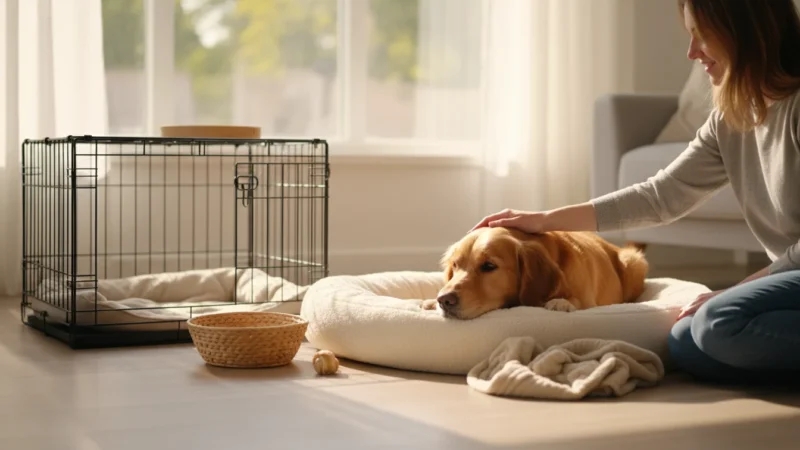
Furthermore, prepare a safe, stimulating environment at home. Provide plenty of appropriate chew toys, a comfortable crate or bed, and a secure play area. Ensure all interactions, both inside and outside your home, are positive, gentle, and supervised. Never force your puppy into a situation they find frightening. Instead, create distance, offer reassurance, and try again more gradually.
The Week-by-Week Socialization Plan
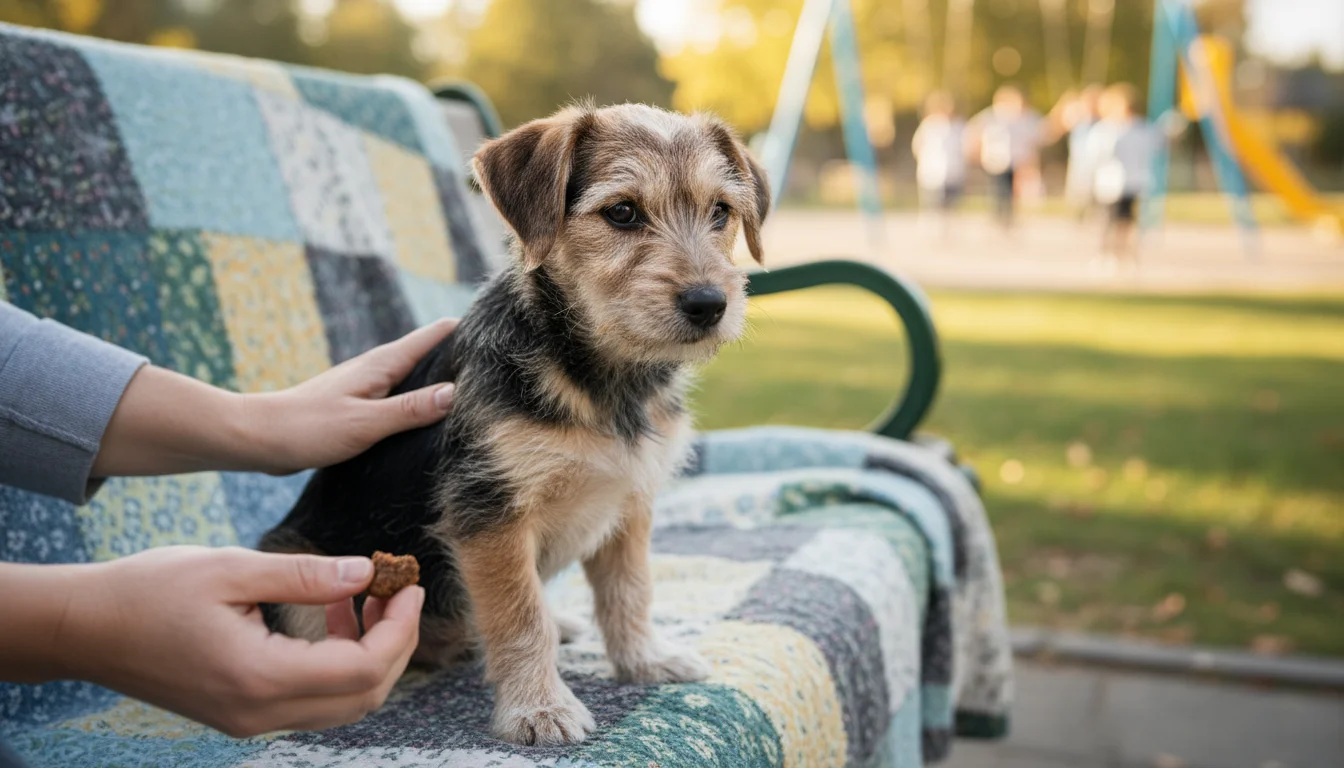
This week-by-week plan guides you through essential exposures for how to socialize your puppy for pets. Remember, every puppy is an individual. Adjust the pace to your puppy’s comfort level. Always keep experiences brief, positive, and paired with high-value treats and praise.
Weeks 8-10: Gentle Introductions and Foundation Building
This period focuses on creating positive associations within your home and immediate, safe surroundings. Your puppy is highly impressionable now.
- Sound Exposure: Play various household sounds at low volumes: vacuum cleaners, doorbells, washing machines, children playing, different music genres, TV shows. Gradually increase volume as your puppy remains calm. Reward calm behavior.
- Touch and Handling: Gently touch your puppy all over their body: ears, paws, tail, mouth. Pair this with treats. Practice holding them, examining their teeth, and simulating nail trims and brushing. This prepares them for vet visits and grooming.
- Different Surfaces: Introduce them to various textures inside your home: tile, carpet, wood floors, blankets. Reward exploring new surfaces.
- People: Invite 2-3 calm, respectful friends or family members to interact with your puppy individually. Ensure they offer treats and gentle praise. Avoid overwhelming your puppy with too many new people at once.
- Other Animals (Controlled): If you have another healthy, vaccinated, dog-friendly adult dog, allow supervised, brief, positive interactions. Avoid dogs that are overly boisterous or aggressive. Keep initial interactions short and positive.
- Car Rides: Start with short, positive car rides. Place your puppy in a secure crate or dog seatbelt. Drive around the block, offering treats and praise. The goal is a neutral or positive association, not car sickness.
Weeks 10-12: Expanding Horizons and Gentle Outings
As your puppy gains confidence and has initial vaccinations, you can begin to cautiously expand their world. Prioritize low-traffic, clean areas.
- New Environments (Safe): Carry your puppy to observe quiet parks, outdoor cafes (from a distance), or pet-friendly stores. Do not let them walk on public ground until your vet approves. Focus on observation, not interaction, rewarding calm curiosity.
- Different People: Continue introducing your puppy to a wider variety of people: different ages, genders, appearances (hats, glasses, uniforms). Again, ensure these interactions are positive and controlled. Have people offer a treat and gentle pets.
- Sounds and Smells Outdoors: Expose them to city sounds (traffic, sirens from a distance), construction noises, and various outdoor smells. Always maintain a safe distance and reward calm responses.
- Household Objects: Introduce objects like umbrellas opening, rolling luggage, strollers, bicycles. Start far away, reward calm, and gradually decrease distance.
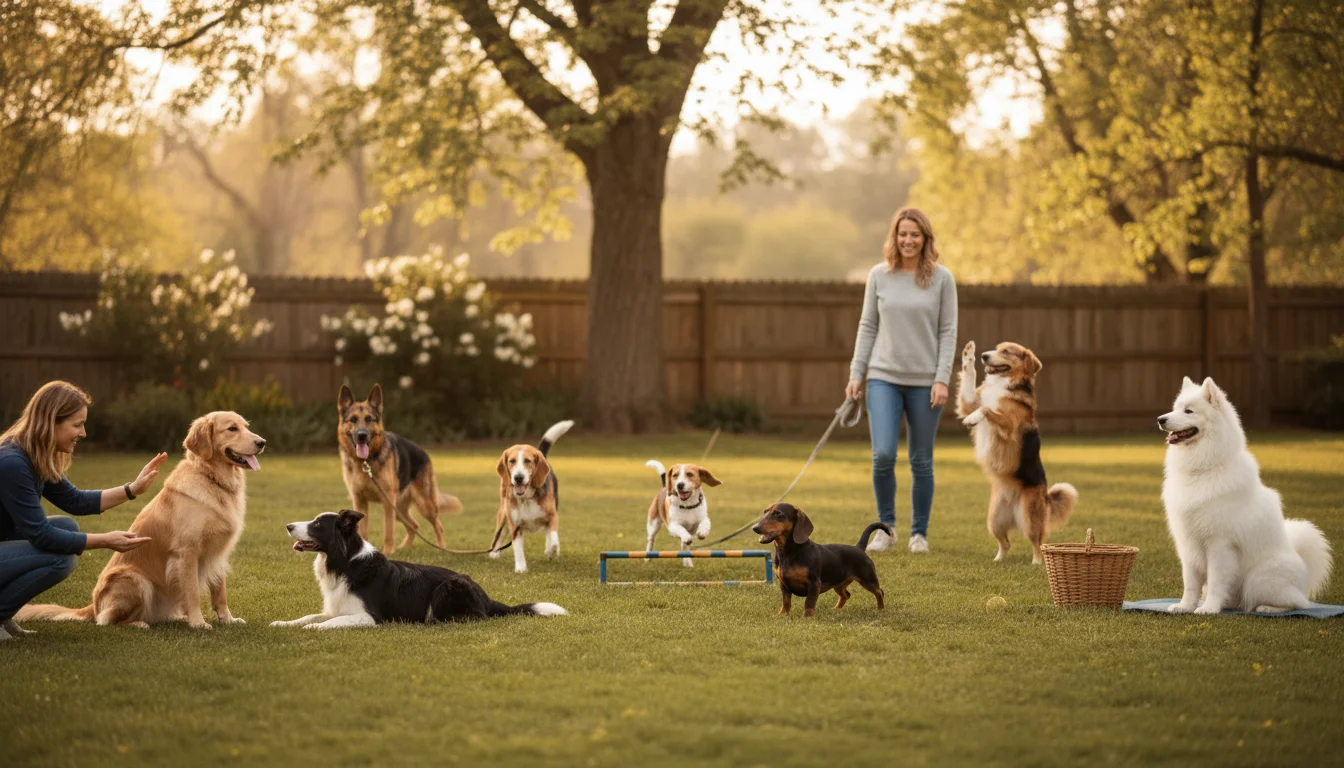
- Puppy Class (Vet Approved): Enroll in a well-regarded puppy socialization class that requires proof of vaccination and maintains clean facilities. These classes provide invaluable controlled interaction with other puppies and people, under the guidance of a professional trainer. According to the Association of Professional Dog Trainers (APDT), well-run puppy classes are highly beneficial for developing appropriate social skills.
Weeks 12-16: Active Engagement and Continued Exposure
Your puppy is now more robust and ready for more active engagement. Continue building on previous experiences.
- Walking on Leash: Practice loose-leash walking in quiet, safe areas. Gradually introduce them to slightly busier sidewalks or trails. Reward focus on you and calm walking.
- Meeting Friendly Dogs: Arrange playdates with known, vaccinated, friendly adult dogs or puppies who have good social skills. Supervise all interactions closely. Ensure play remains appropriate and balanced. Interrupt if play becomes too rough or one dog seems stressed.
- Variety of Surfaces: Introduce new outdoor surfaces: gravel, grass, pavement, sand (if applicable). Reward them for confidently exploring.
- Public Spaces (Supervised): Visit pet-friendly stores where you can carry your puppy or use a puppy stroller. Allow them to observe from a distance, rewarding calm behavior. Brief, positive interactions with staff or calm patrons are good.
- Grooming Introductions: Take your puppy for a “happy visit” to a professional groomer, even if it is just to get accustomed to the sounds, smells, and people. A gentle brush out or nail trim might be possible.
- Vet Visits (Happy): Schedule “happy visits” to your vet’s office where your puppy receives treats and praise without medical procedures. This creates positive associations with the vet.
Beyond 16 Weeks: Lifelong Socialization and Maintenance
Socialization does not end at 16 weeks. Continue to provide novel, positive experiences throughout your dog’s life to maintain their confidence and adaptability.
- Ongoing Exposure: Regularly take your dog to new places, meet new people, and encounter different types of dogs. Variety is important.
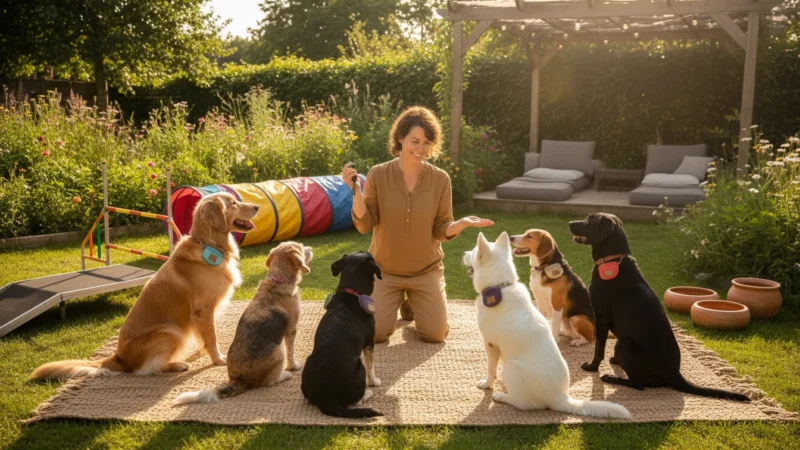
- Advanced Training: Enroll in obedience classes or dog sports. This provides mental stimulation and reinforces good behavior in distracting environments.
- Travel: If appropriate, introduce them to car travel for longer distances, or even public transport, always ensuring their comfort and safety.
- Maintain Positive Experiences: Always prioritize positive interactions. If a situation causes your dog stress, adjust your approach, create distance, and rebuild confidence.
Managing Challenges and Common Mistakes
Even with the best intentions, you may encounter challenges during socialization. Knowing how to address them helps you keep your puppy on track.
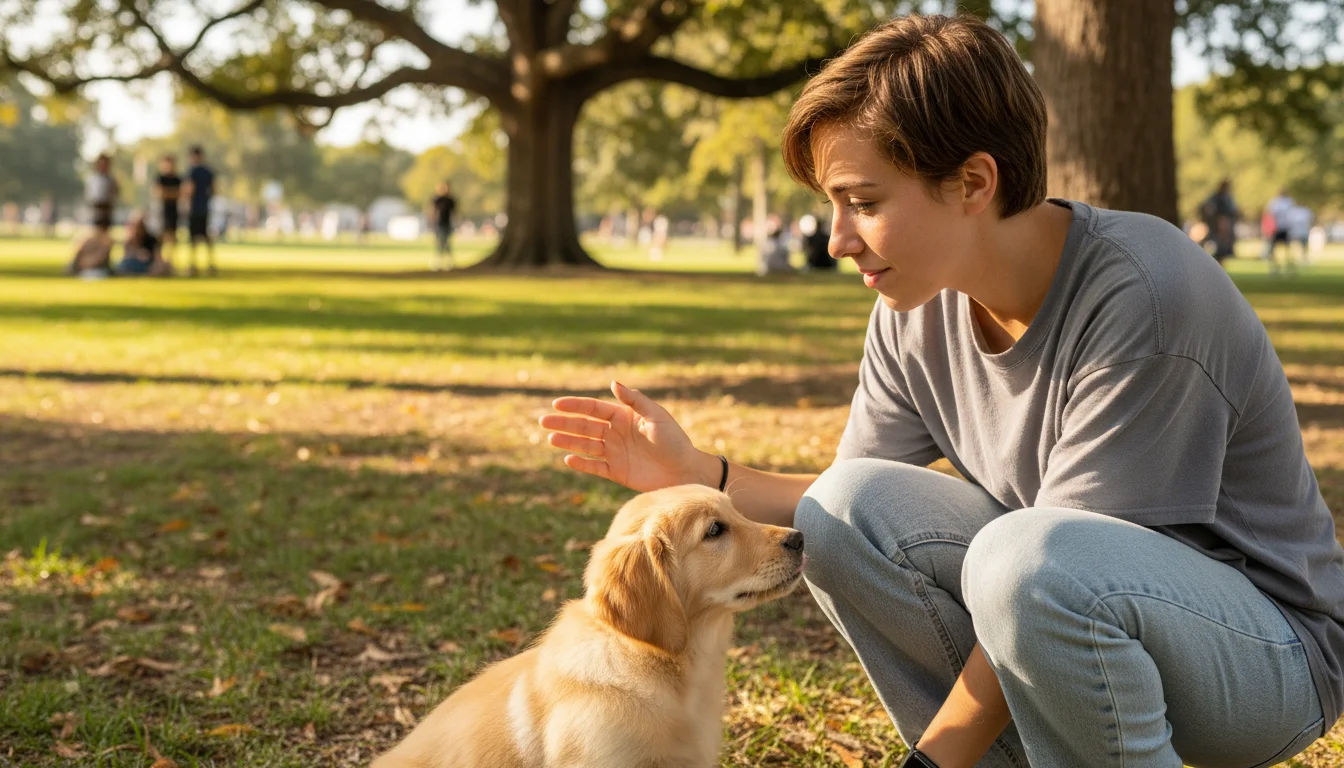
- Overwhelm: A common mistake involves exposing puppies to too much, too soon. Signs of an overwhelmed puppy include backing away, hiding, excessive panting, yawning, lip licking, or refusing treats. If you see these signs, immediately remove your puppy from the situation. Reduce the intensity or duration of the exposure next time. The goal is positive exposure, not forced endurance.
- Negative Experiences: A single scary or painful experience can undo weeks of positive socialization. For instance, an aggressive dog encounter or a painful foot trim can create lasting fear. Always prioritize safety and positive control. If a negative event occurs, consult a certified professional dog trainer (CPDT-KA) or veterinary behaviorist for guidance on counter-conditioning and desensitization.
- Lack of Consistency: Socialization requires ongoing effort. Sporadic or inconsistent exposure yields less effective results. Make socialization a regular part of your routine.
- Rewarding Fear: Avoid coddling or excessively comforting a fearful puppy with petting and baby talk, as this can inadvertently reinforce their fear. Instead, calmly remove them from the situation, regain composure, and try again from a greater distance or with lower intensity, rewarding brave or calm behavior. Redirect their focus with a favorite toy or treat.
- Too Much Dog-Dog Interaction: While dog-dog play is important, ensure it is balanced. Over-reliance on dog park interactions, especially with unknown or poorly behaved dogs, can lead to negative experiences or reinforce rude play behaviors. Focus on quality, supervised interactions with known, friendly dogs.
- Ignoring Body Language: Your puppy communicates through body language. Learn to recognize subtle signs of stress or discomfort. Ignoring these signals can push your puppy past their threshold, making them more fearful or reactive.
When to Seek Professional Guidance
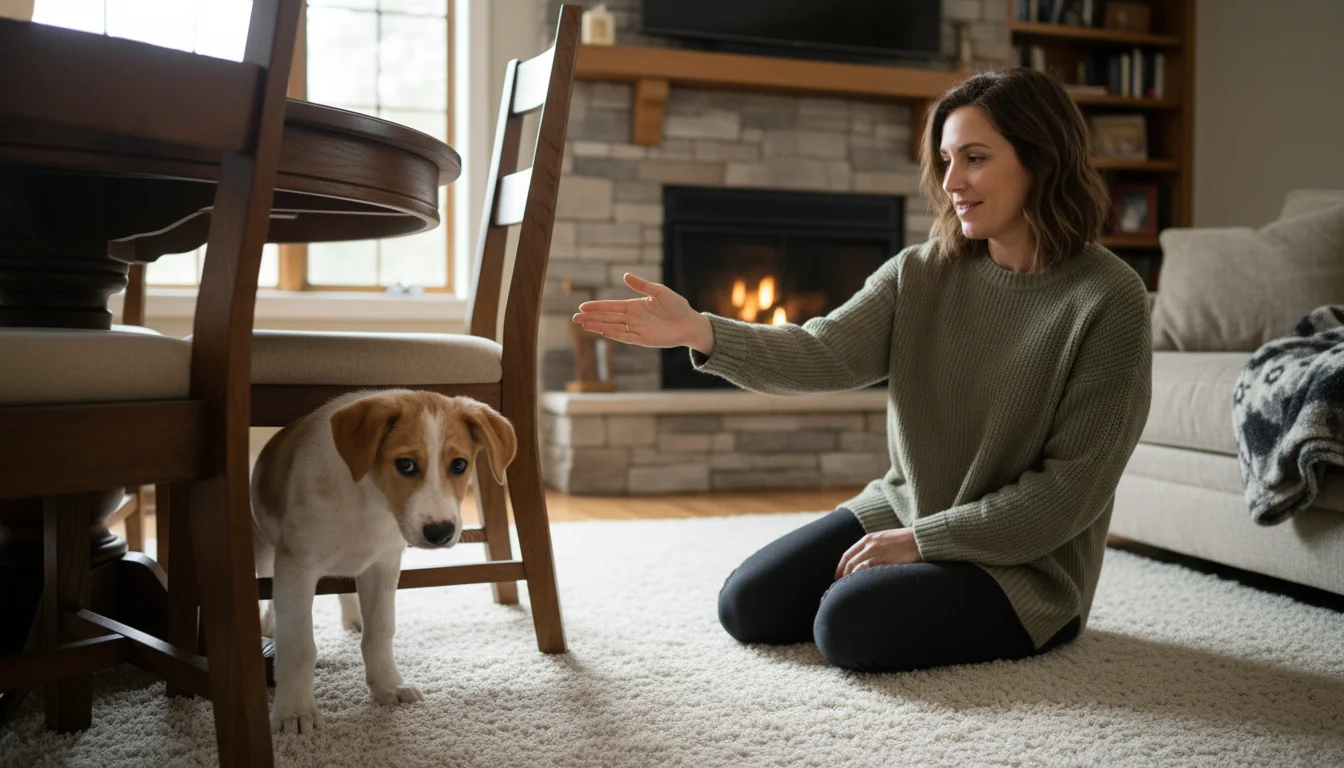
While this guide provides a solid foundation for puppy socialization, some situations warrant professional intervention. Do not hesitate to consult an expert if you encounter specific challenges. Early intervention often prevents minor issues from escalating into severe behavioral problems. Consider seeking help if you observe any of the following:
- Excessive Fear or Shyness: Your puppy consistently hides, trembles, or attempts to escape new people, places, or sounds despite your positive efforts.
- Aggression: Your puppy growls, snaps, bites, or lunges at people, other animals, or objects. This requires immediate professional assessment.
- Separation Anxiety: Your puppy exhibits extreme distress when left alone, including destructive behavior, excessive vocalization, or house-soiling.
- Resource Guarding: Your puppy growls or acts aggressively when protecting food, toys, or resting spots.
- Lack of Progress: You feel stuck or are not seeing improvement with your socialization and training efforts.
Seek out certified professionals. Look for a Certified Professional Dog Trainer (CPDT-KA) or a Veterinary Behaviorist (DACVB). The Certification Council for Professional Dog Trainers (CCPDT) provides a directory of certified trainers who adhere to ethical, positive reinforcement methods. Veterinary behaviorists are veterinarians who have specialized in animal behavior, capable of diagnosing and treating complex behavioral conditions, sometimes with medication in conjunction with behavior modification plans.
Frequently Asked Questions
What is the most important thing to remember about puppy socialization?
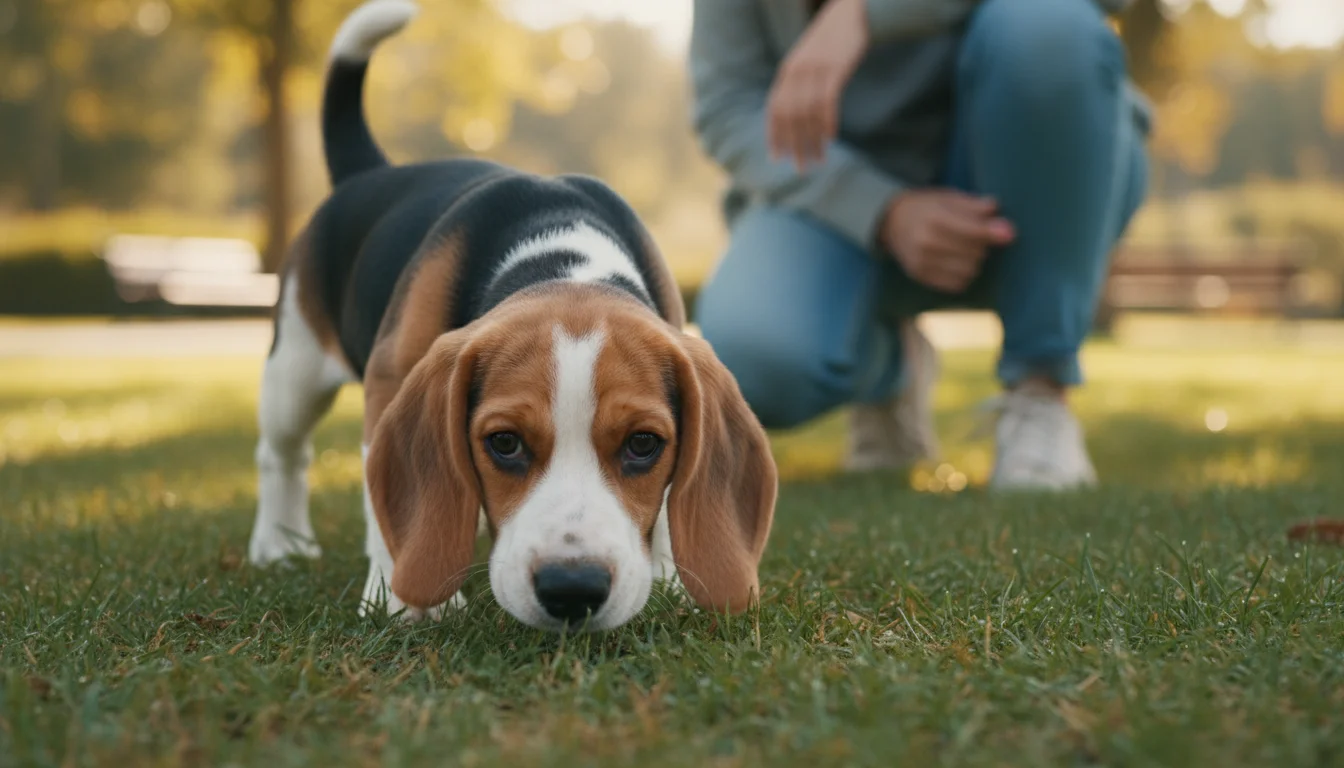
The most important aspect of puppy socialization is to prioritize positive experiences. Every new exposure, whether it is a person, a sound, or a new environment, must be paired with treats, praise, and a calm demeanor. Never force your puppy into a situation that frightens them. Build confidence through gradual, controlled, and rewarding interactions.
Can I socialize an older puppy or adult dog?
Yes, you can socialize an older puppy or adult dog, but the process may require more patience and time. The critical socialization window closes around 16 weeks, making older dogs less naturally receptive to new experiences. You will use similar positive reinforcement techniques, but progress might be slower. For adult dogs with significant fear or aggression issues, always consult a certified professional dog trainer or a veterinary behaviorist to ensure safety and effectiveness.
How do I socialize my puppy if they are not fully vaccinated yet?
Consult your veterinarian for guidance on safe socialization before full vaccination. They may recommend low-risk options such as carrying your puppy in public, puppy classes with strict vaccination requirements, or supervised interactions with known, healthy, vaccinated adult dogs in a controlled home environment. Avoid dog parks or public areas where unvaccinated dogs frequent. The goal is to balance the risk of disease with the crucial need for early positive social experiences.
What if my puppy is shy around strangers?
If your puppy is shy around strangers, do not force interactions. Instead, manage the environment to allow for observation from a safe distance. Have strangers toss treats to your puppy without making direct eye contact or trying to pet them. Gradually decrease the distance as your puppy shows comfort. Educate your friends and family on how to approach your shy puppy calmly and respectfully, allowing the puppy to initiate contact. This builds trust and confidence at your puppy’s own pace.
For expert pet care guidance, visit
American Animal Hospital Association (AAHA),
Association of Professional Dog Trainers (APDT),
Certification Council for Professional Dog Trainers (CCPDT) and
International Association of Animal Behavior Consultants (IAABC).
Disclaimer: This article is for informational purposes only and is not a substitute for professional veterinary advice, diagnosis, or treatment. Always consult with a licensed veterinarian for medical concerns about your pet.
Incorporating 10 essential commands every dog should know into your daily routine helps reinforce good manners during social encounters.
Leave a Reply