
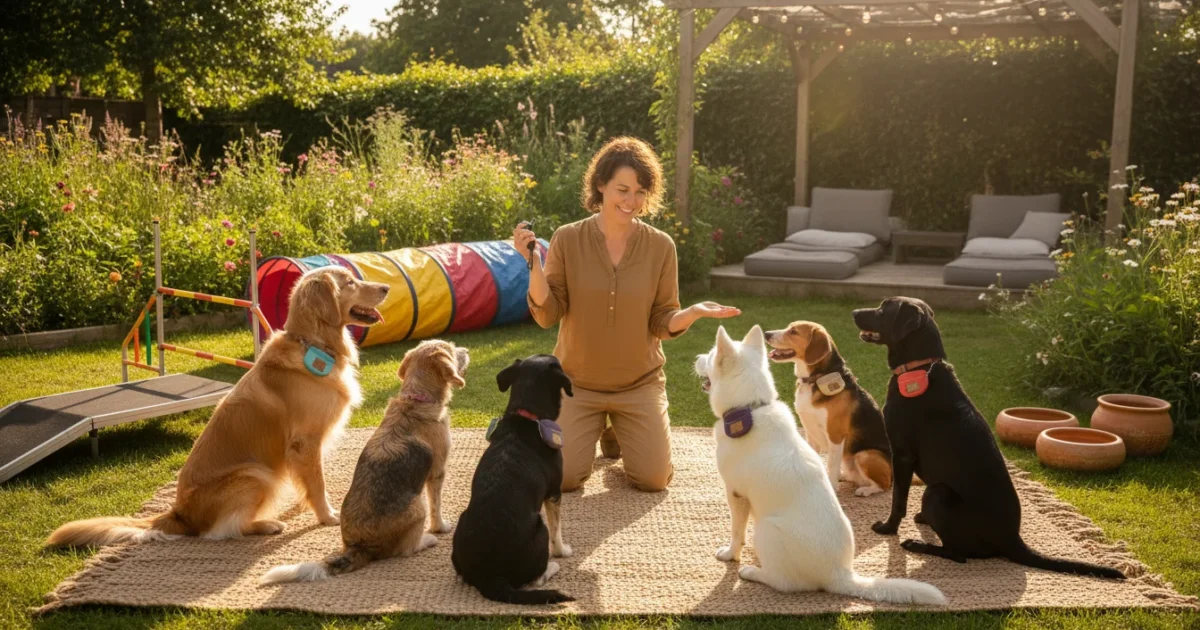
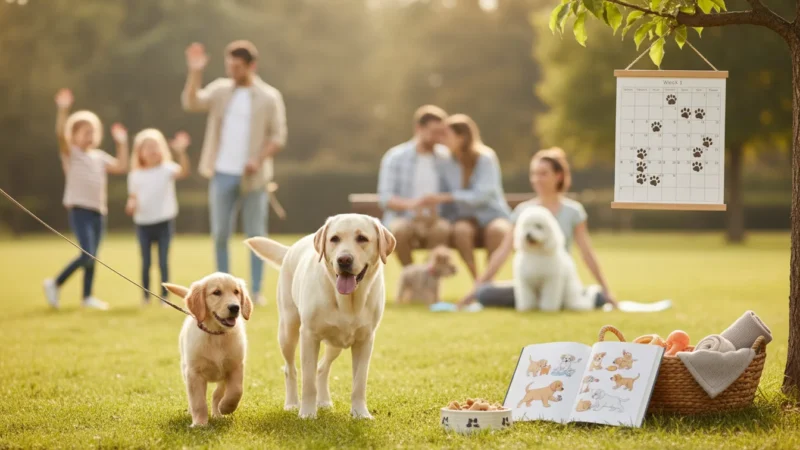
Training multiple dogs simultaneously presents a unique and rewarding challenge for pet owners. While you manage different personalities, energy levels, and learning styles, the goal remains the same: foster a harmonious home environment where every dog understands and follows your cues. This guide provides you with practical, science-backed strategies for successful multi-dog training, focusing on positive reinforcement to build strong bonds and clear communication with each of your beloved companions.
Before diving into group drills, it is helpful to know how to introduce a new pet to your current pet to set a peaceful tone from the start.
You can achieve well-behaved pets who thrive in a group setting with patience, consistency, and the right approach. Whether you introduce a new puppy to an older dog or simply want to improve your existing pack’s manners, understanding the dynamics of group training is key to success.
Understanding the Dynamics of Multi-Dog Households
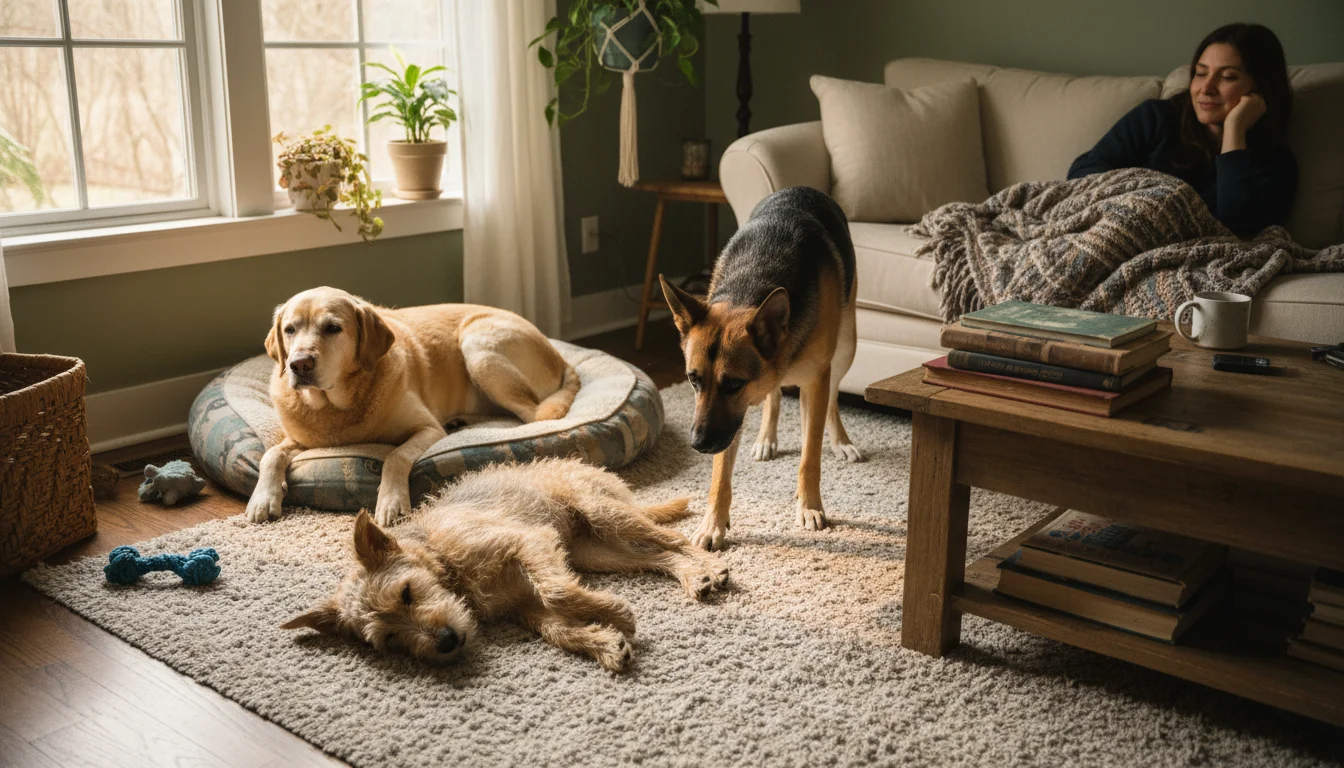
Successfully training multiple dogs begins with recognizing the inherent differences between individual and group dynamics. Each dog in your home brings a unique personality, history, and set of learned behaviors. When you add other dogs to the mix, these individual traits interact, creating a complex social structure. You must understand this complexity to implement effective training strategies.
Training a single dog focuses entirely on that dog’s learning process. With multiple dogs, you also manage attention distribution, potential rivalries, and varying energy levels. Some dogs may learn quickly, while others require more repetition. You might have an excitable young dog and a calmer, older one. Ignoring these differences can lead to frustration for both you and your pets. Effective multi-dog training often requires you to train each dog individually first, building a strong foundation, before integrating them into group exercises. This method ensures every dog understands the cues without the distraction or competition from their housemates.
Furthermore, you should consider the impact of breed and age. For instance, a high-energy working breed might require more mental and physical stimulation than a more sedentary companion breed. Puppies undergo critical socialization periods, requiring careful, positive exposure to new experiences, including interactions with older, well-adjusted dogs. Older dogs, on the other hand, might have ingrained habits or physical limitations that influence their training speed and methods. Tailoring your approach to each dog’s specific needs, while also fostering positive group interactions, forms the cornerstone of effective multi-dog training.
Laying the Groundwork: Essential Preparations
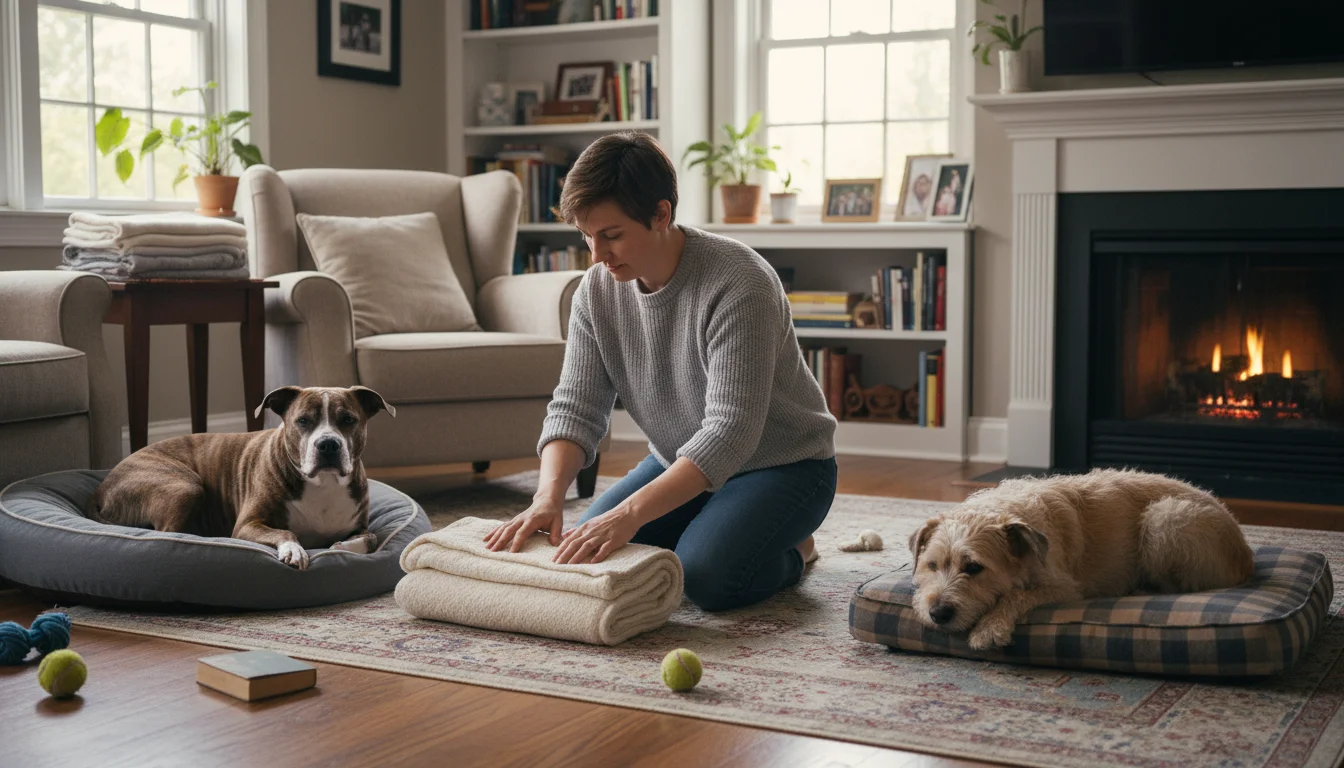
Before you begin formal training sessions, establish a solid foundation in your home environment. Preparation minimizes distractions and sets you and your dogs up for success.
If you have a young puppy in the mix, ensure you are staying on top of potty breaks to maintain house manners while training others.
Being aware of common training mistakes before you start can help you maintain consistency across all your pets.
Assess Each Dog’s Current Skill Level
You need a clear picture of what each dog already knows. Have each dog perform basic commands like “sit,” “stay,” “come,” and “down” individually. Note their responsiveness, any hesitation, and how they handle distractions. This assessment helps you tailor your training plan, identifying areas where a dog might need extra practice or a modified approach. For instance, if one dog has a solid “stay” but another struggles, you will focus more on that command with the struggling dog during individual sessions.
Establish a Consistent Routine
Dogs thrive on predictability. Implement a consistent daily routine for feeding, potty breaks, walks, and playtime. Predictable schedules reduce anxiety and establish a sense of order in a multi-dog household. This consistency also prepares your dogs for scheduled training times, making them more receptive to learning.
Gather the Right Tools and Resources
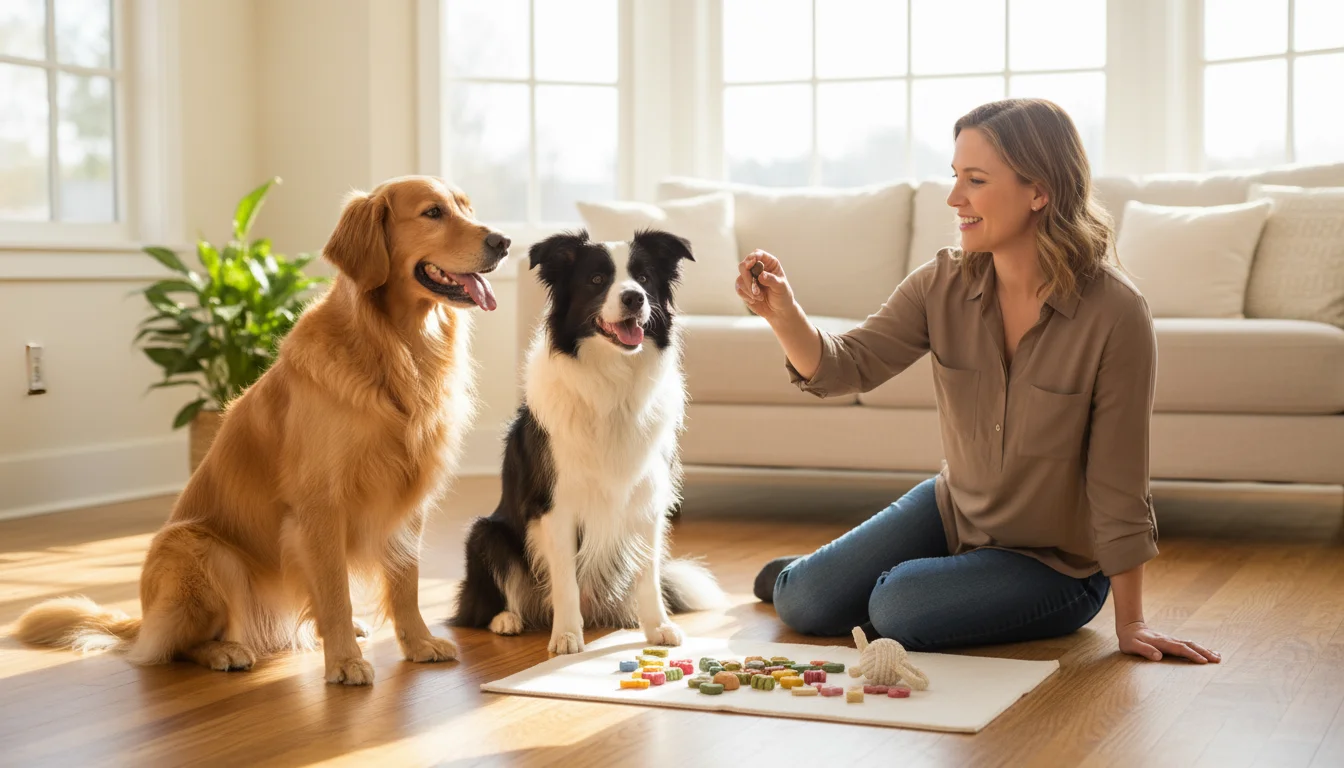
- High-Value Treats: Identify what truly motivates each dog. This might be small pieces of cheese, boiled chicken, or commercially prepared training treats. High-value treats capture and maintain attention, especially in distracting environments.
- Leashes and Collars/Harnesses: Ensure each dog has a properly fitting leash and collar or harness. These are essential for control during individual and group training, especially when managing dogs with different pulling tendencies.
- Dedicated Training Spaces: Identify separate, quiet areas in your home where you can work with each dog individually without interruption from others. This could be a spare room, a crated area, or even a specific spot in the living room where other dogs are temporarily confined.
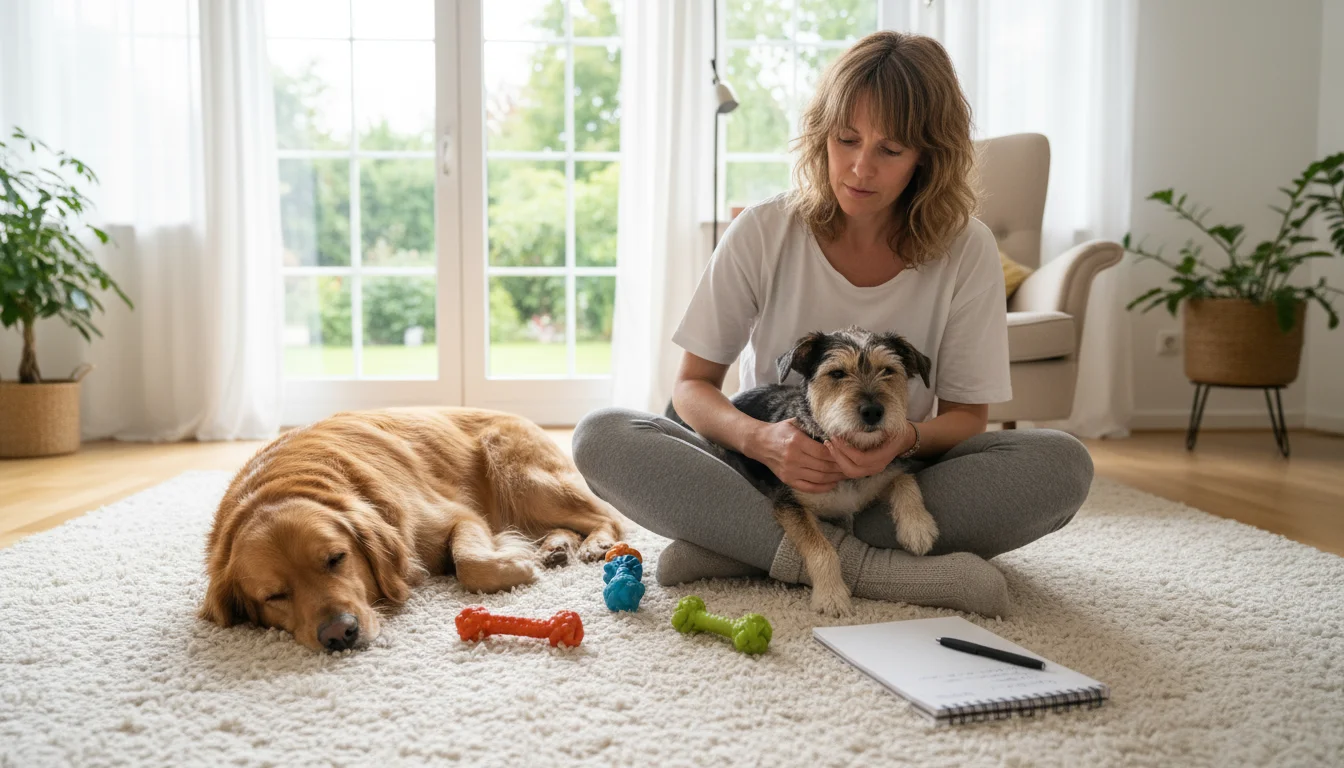
- Enrichment Toys: Provide puzzle toys, chew toys, or long-lasting chews for dogs waiting their turn during individual training sessions. These items keep them occupied and prevent frustration.
Create a Positive Training Environment
Positive reinforcement forms the bedrock of humane and effective pet training. This approach focuses on rewarding desired behaviors, making your dogs more likely to repeat them. According to the Association of Professional Dog Trainers (APDT), reward-based methods strengthen the bond between you and your pet while building confidence. Ensure your training sessions are short, fun, and end on a positive note. Avoid punishment, as it can damage your relationship with your dogs and lead to fear or anxiety, particularly in a multi-dog setting where dynamics are already complex.
Mastering Individual Training Sessions
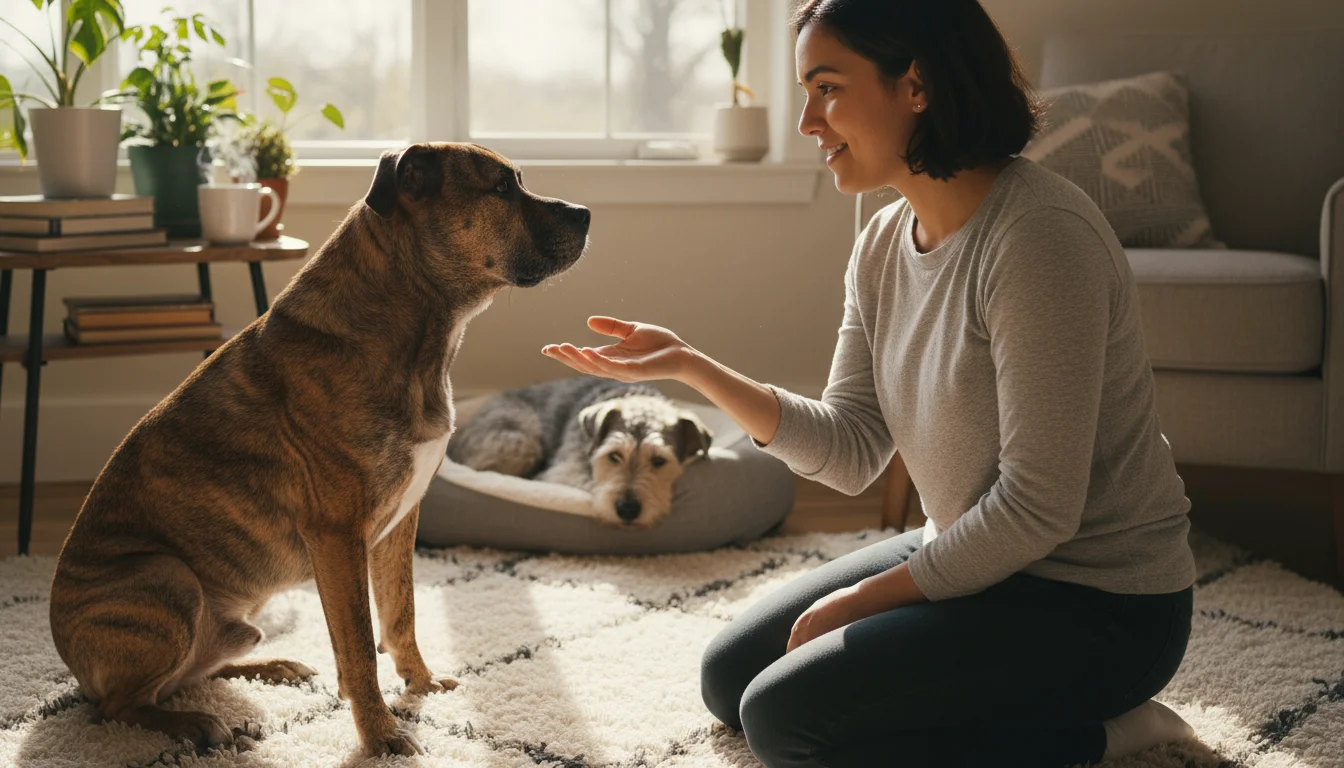
The cornerstone of successful multi-dog training involves dedicating time to each dog separately. This approach ensures every dog fully understands the cues without the added pressure or distraction of their housemates. You build a strong foundation for each individual, which you can then generalize to group settings.
The “One Dog at a Time” Philosophy
Begin by working with one dog in a distraction-free environment. This means placing other dogs in a separate room, a crate with a long-lasting chew, or engaging them with a puzzle toy. Focus your entire attention on the dog you are currently training. This undivided attention helps your dog concentrate on you and the task at hand, preventing them from looking to other dogs for cues or becoming overstimulated.
Managing Other Dogs During Individual Sessions
- Crating: If your dogs are crate-trained, this offers an excellent way to manage the waiting dogs. Provide them with a comfortable bed and a special chew toy they only get during these times. This helps them associate crating with positive experiences.
- Separate Room: Alternatively, place the waiting dogs in another room with a closed door. Ensure they have water and something to keep them occupied, such as a Kong filled with peanut butter.
- Engage with Chews/Puzzles: For dogs not fully crate-trained or comfortable in a separate room, provide a highly engaging chew or puzzle toy in their own space, away from the training area. This helps keep their minds occupied and prevents them from interrupting the session.
Focusing on Basic Obedience for Each Dog First
Revisit or teach foundational commands to each dog individually. Ensure each dog reliably performs commands such as “sit,” “stay,” “come,” “down,” and “leave it.” Reliability in these basics is paramount before attempting group work. Practice in various locations within your home, gradually introducing minor distractions once a command is consistent.
Marker Training and Reward Timing
Utilize marker training, such as a clicker or a verbal marker like “yes,” to pinpoint the exact moment your dog performs the desired behavior. The marker immediately precedes a high-value treat. For instance, when your dog’s rear touches the ground for a “sit,” click or say “yes” instantly, then give the treat. Precision in timing is critical for clear communication, especially when you eventually introduce more complex group dynamics. Consistent and immediate rewards reinforce the behavior you want to see, making your dog eager to learn more.
Graduating to Group Training: Step-by-Step
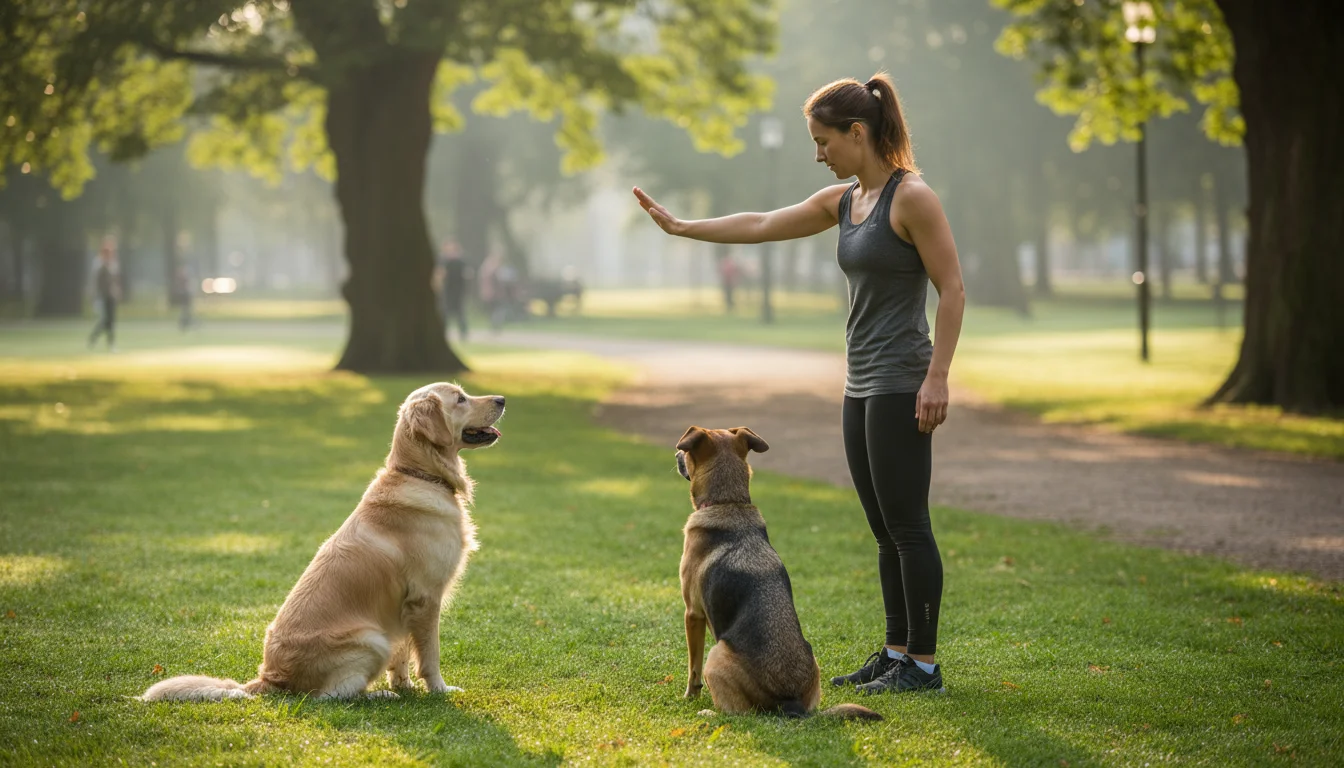
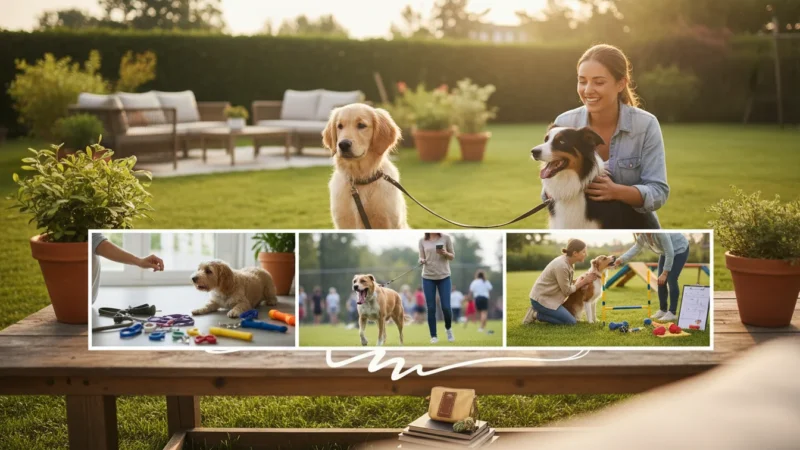
Once each dog reliably performs basic commands individually, you can gradually introduce group training. This process requires patience and careful management to ensure success.
If you notice rising tension between your pets during these steps, review these signs your dog needs professional training help to ensure safety.
Step 1: Introduce a Second Dog for Simple Cues
Start with the easiest commands. Have your most responsive dog perform a “sit” or “down” while another dog is present but at a distance, perhaps on a leash with a handler or tethered to a stable object. Reward both dogs: the one performing the command and the one calmly observing. The observing dog receives a reward for remaining calm and quiet. Gradually decrease the distance between them as both dogs maintain their focus.
Step 2: Maintain Distance and Control
Initially, maintain enough space between dogs so they do not feel compelled to interact or compete. Use leashes if necessary to manage their proximity and prevent unwanted interactions. You control the environment, setting them up for success. As their comfort and focus improve, you can slowly reduce the distance. Ensure you have clear, separate access to reward each dog individually.
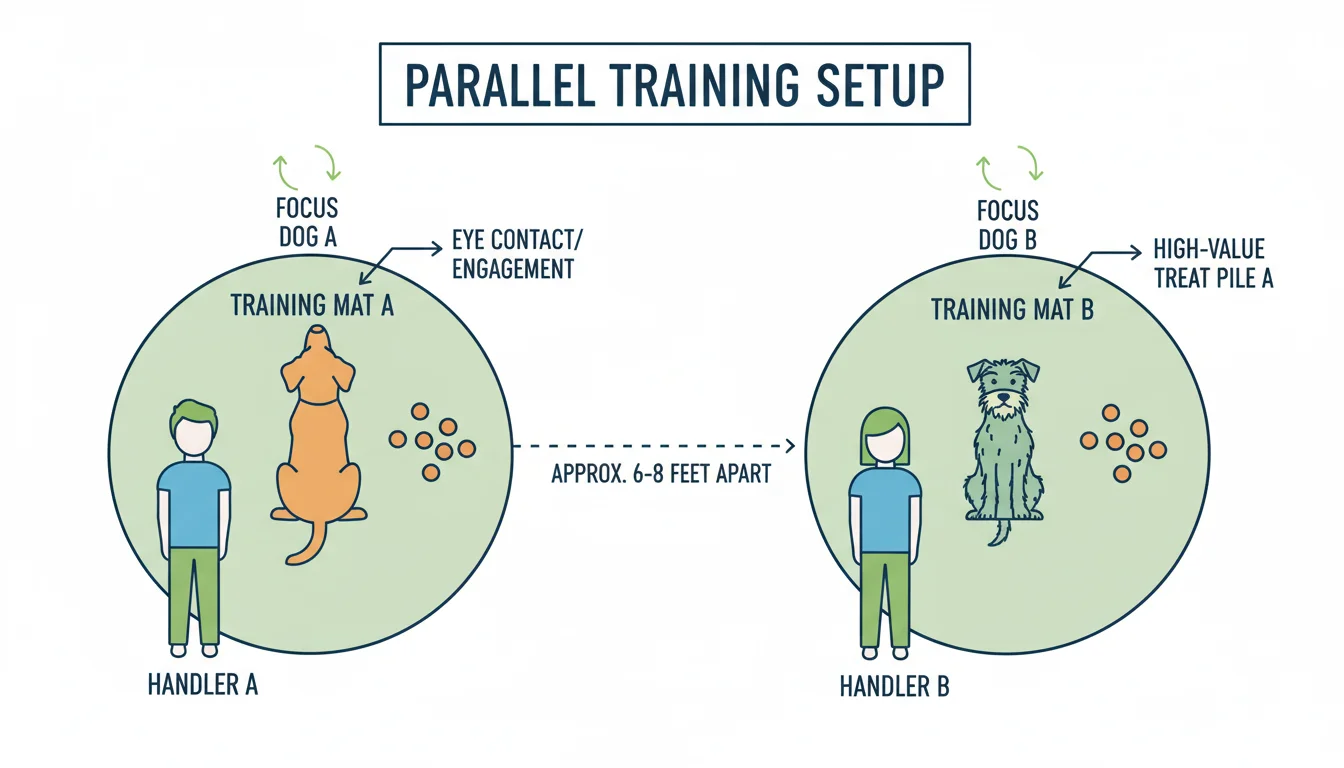
Step 3: Practice Parallel Training
Parallel training involves having both dogs perform the same command simultaneously but with separate handlers or distinct cues. For example, if you have two dogs, Fido and Bella, ask Fido to “sit” and then immediately ask Bella to “sit.” Reward each dog as they complete their action. This helps them understand that while they are in the same space, you expect individual responses. It also teaches them to ignore the other dog’s actions and focus on your specific commands. You can stand between them or have another family member assist.
Step 4: Generalization of Commands in a Group Setting
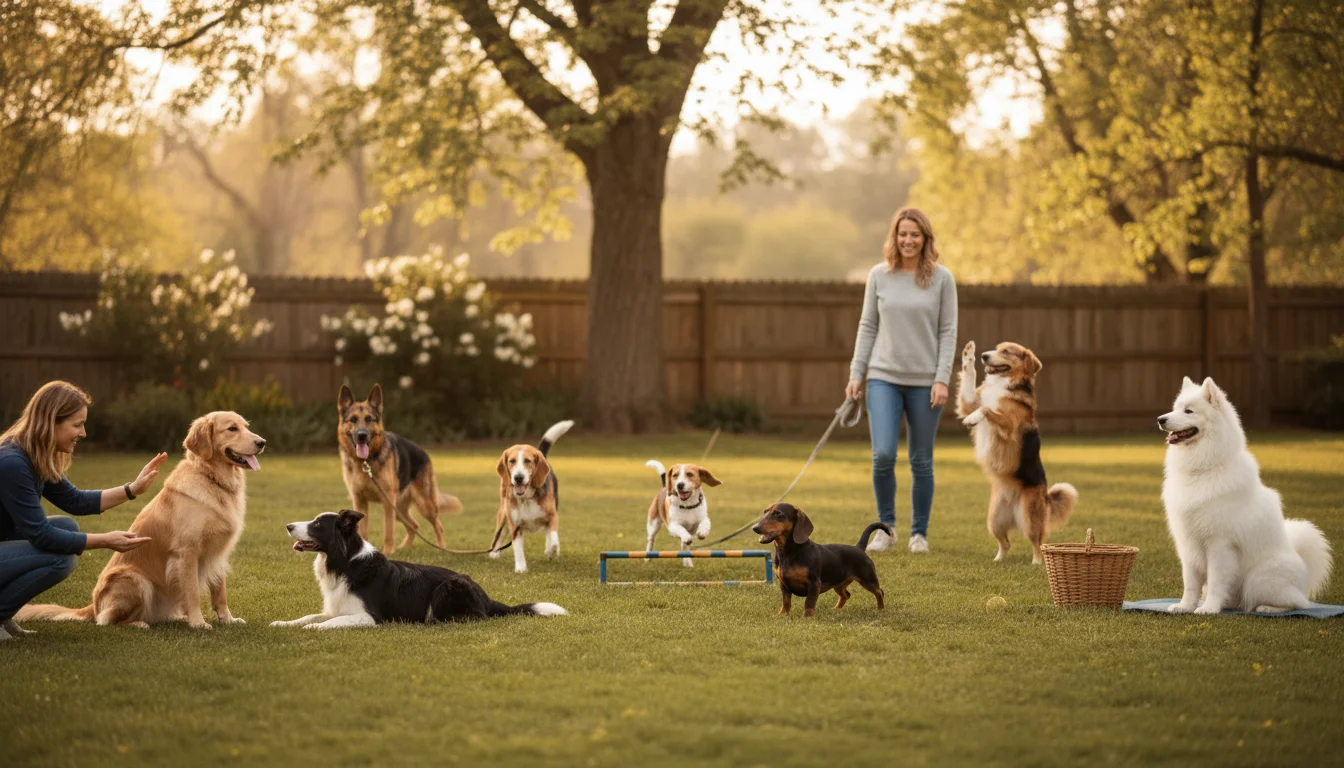
Once your dogs reliably perform basic commands in parallel, begin to generalize these behaviors. Practice in different rooms of your house, then move to a fenced yard, and finally to controlled outdoor environments. The goal is for your dogs to understand that “sit” means “sit,” regardless of who else is present or where they are. According to the ASPCA, consistent practice in various environments helps dogs generalize learned behaviors, making them more reliable. Gradually introduce mild distractions, always setting your dogs up for success by reducing the difficulty if they struggle.
Introducing Advanced Group Cues
Once you establish strong individual and parallel training, introduce cues that specifically apply to the group, such as “all sit” or “wait.” Use a clear verbal cue that signifies the command applies to all present dogs. Reward all dogs immediately when they respond correctly. This reinforces the idea of collective behavior.
Addressing Common Challenges in Multi-Dog Training
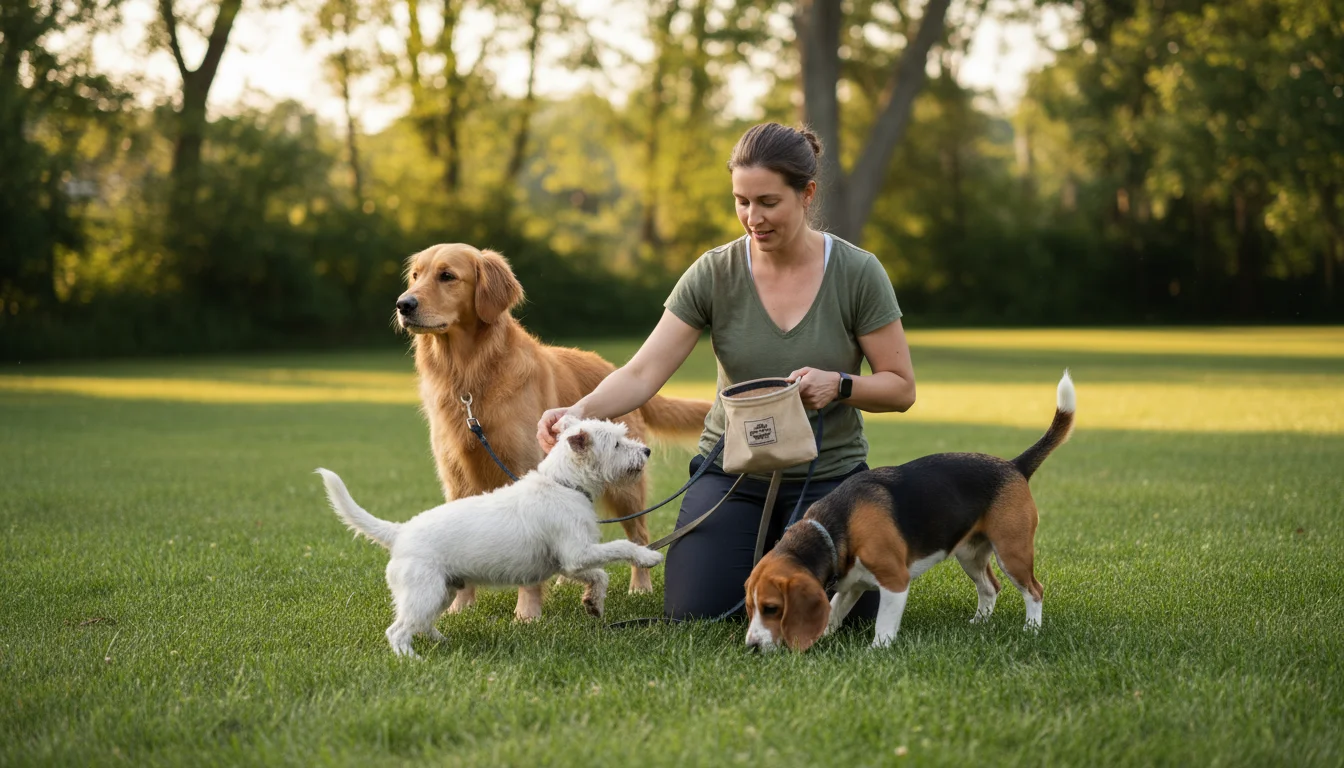
Training multiple dogs inevitably brings unique challenges. Addressing these proactively and patiently helps you maintain a positive and productive training environment.
In cases where interactions become tense, understanding dog aggression is crucial for the safety of every pet in the household.
Resource Guarding (Food, Toys, Attention)
Resource guarding occurs when a dog protects items they value from other animals or people. In a multi-dog home, this often manifests around food bowls, favorite toys, or even your attention. To mitigate this:
- Separate Feeding: Always feed dogs in separate rooms or crates. Ensure they cannot see or access each other’s food. Remove bowls promptly after eating.
- Manage High-Value Items: Supervise dogs closely when high-value toys or chews are present, or provide them only when dogs are separated. Teach a strong “leave it” and “drop it” cue to prevent conflict over items.
- Equal Attention: Ensure each dog receives individual attention, play, and training time. Avoid showing favoritism, as this can fuel competition.
Over-Excitement and Distractions
Dogs in a group can quickly amplify each other’s excitement levels, making focus difficult. Distractions might include barking at the mail carrier, visitors arriving, or even one dog simply moving. To manage this:
- Start in Low-Distraction Environments: Always begin training in a quiet space with minimal stimuli. Gradually introduce distractions once your dogs show strong focus.
- High-Value Rewards: Use truly irresistible treats to capture and hold their attention. The reward must outweigh the distraction.
- Short Sessions: Keep group training sessions brief, typically 5-10 minutes, especially initially. This prevents overstimulation and maintains their engagement.
- “Watch Me” Command: Teach each dog a solid “watch me” or “look” command individually. This cue teaches them to make eye contact with you on command, which you can use to redirect their focus in distracting situations.
Pacing and Managing Different Learning Speeds
It is rare for all dogs to learn at the exact same pace. Some dogs grasp concepts quickly, while others need more repetitions. You must adjust your expectations and methods accordingly.
- Individual Practice: Continue reinforcing individual training sessions for dogs who need more practice on specific commands.
- Vary Group Composition: Sometimes, group training works better with subsets of your dogs rather than the entire pack. Pair a slower learner with a quick learner to provide a calm role model, or train dogs of similar skill levels together.
- Celebrate Small Wins: Acknowledge progress for each dog, even if it is small. Positive reinforcement applies to you as well; celebrate your dogs’ individual and collective achievements.
Sibling Rivalry or Competition
While often affectionate, dogs in the same household can develop rivalries. This might involve vying for prime resting spots, specific toys, or your attention. Such competition can derail training efforts. Focus on:
- Fairness: Ensure resources are plentiful and equally distributed. If one dog is particularly dominant, manage their interactions carefully. For example, have a clear hierarchy for greetings at the door, ensuring the calmer dog goes first.
- Positive Associations: Create positive associations between the dogs. Reward them for calm, respectful interactions. For example, if one dog approaches another calmly, reward both.
- Structured Play: Supervise play carefully. Interrupt any play that becomes too rough or one-sided before it escalates. Redirect to individual play if needed.
Advanced Multi-Dog Skills and Everyday Manners
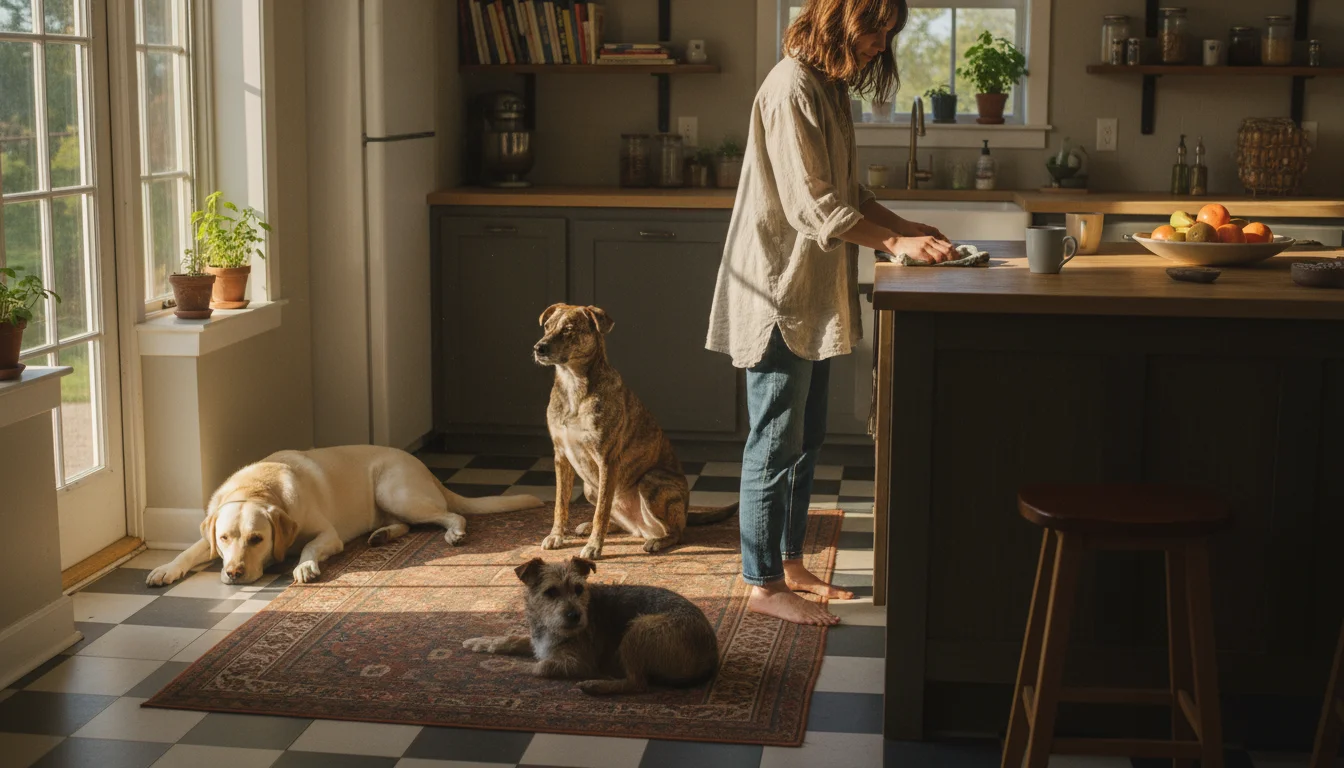
Once your dogs master basic commands individually and in group settings, you can apply these skills to common household situations, improving everyday harmony.
To keep your pack mentally stimulated, consider adding these fun tricks to teach your dog to your weekly routine.
Door Manners for Multiple Dogs
The front door often becomes a chaotic zone in multi-dog homes, with dogs barking, jumping, and trying to rush outside. Teach controlled entry and exit:
- “Wait” or “Stay” at the Door: Practice with each dog individually first. Have them “sit” or “stay” several feet from the door. Gradually increase the duration and the level of distraction (e.g., you reaching for the doorknob, opening it slightly).
- Group Practice: Begin by having all dogs on leashes, positioned away from the door. Ask for a “sit” or “stay” from each dog. Reward calm behavior. Gradually work towards opening the door while they remain in place.
- Controlled Release: Teach a release cue, such as “okay,” to signal when they can go through the door. Release one dog at a time in a controlled manner, rewarding each for waiting their turn. This teaches impulse control.
Walking Multiple Dogs on Leash
Walking multiple dogs can be challenging, particularly if they pull or crisscross. Ideally, each dog should have good leash manners individually before you attempt walking them together.
- Start with Two Dogs: Begin by walking your two most well-behaved dogs together. Use separate leashes for each dog. Avoid couplers initially, as they can amplify pulling.
- Maintain Loose Leashes: Reward each dog for walking calmly beside you on a loose leash. Stop moving if a dog pulls, resuming only when the leash slackens. This teaches them that pulling gets them nowhere.
- Designated Sides: Assign each dog a side to walk on (e.g., Fido on your left, Bella on your right) and consistently reinforce this. This minimizes tangling and provides structure.
- Gradually Add More Dogs: Once you can comfortably walk two dogs, gradually introduce more, always ensuring you maintain control and positive reinforcement. Consider a hands-free leash system if you have many dogs or limited strength.
Structured Feeding Routines
Feeding time can be a source of significant tension and resource guarding. A structured routine minimizes this risk:
- Separate Feeding Areas: Always feed dogs in separate rooms or their crates. Ensure they cannot see or interact with each other during meals.
- “Wait” Before Eating: Teach each dog to “wait” before you put their bowl down and a release cue to start eating. This builds impulse control and prevents rushing. Practice this individually before group feeding.
- Clear Up Promptly: Remove all food bowls as soon as the dogs finish eating, even if some food remains. This prevents guarding and discourages grazing.
“Place” Command for Multiple Dogs
The “place” command teaches your dog to go to a designated spot (like a dog bed or mat) and stay there until released. This is invaluable for managing multiple dogs during visitors, meal prep, or quiet times.
- Teach Individually: Start by teaching each dog the “place” command in isolation. Lure them onto their bed, mark, and reward. Gradually increase duration and distance.
- Introduce Simultaneously: Set up multiple dog beds or mats in separate, comfortable spots. Ask each dog, one by one, to “place.” Reward them for going to their spot and staying.
- Increase Duration and Distraction: Practice having all dogs on their “place” while you move around, prepare food, or open the door. Reward frequently for staying. This command is a powerful tool for creating calm in a busy household, as noted by the Certification Council for Professional Dog Trainers (CCPDT).
When to Seek Professional Guidance
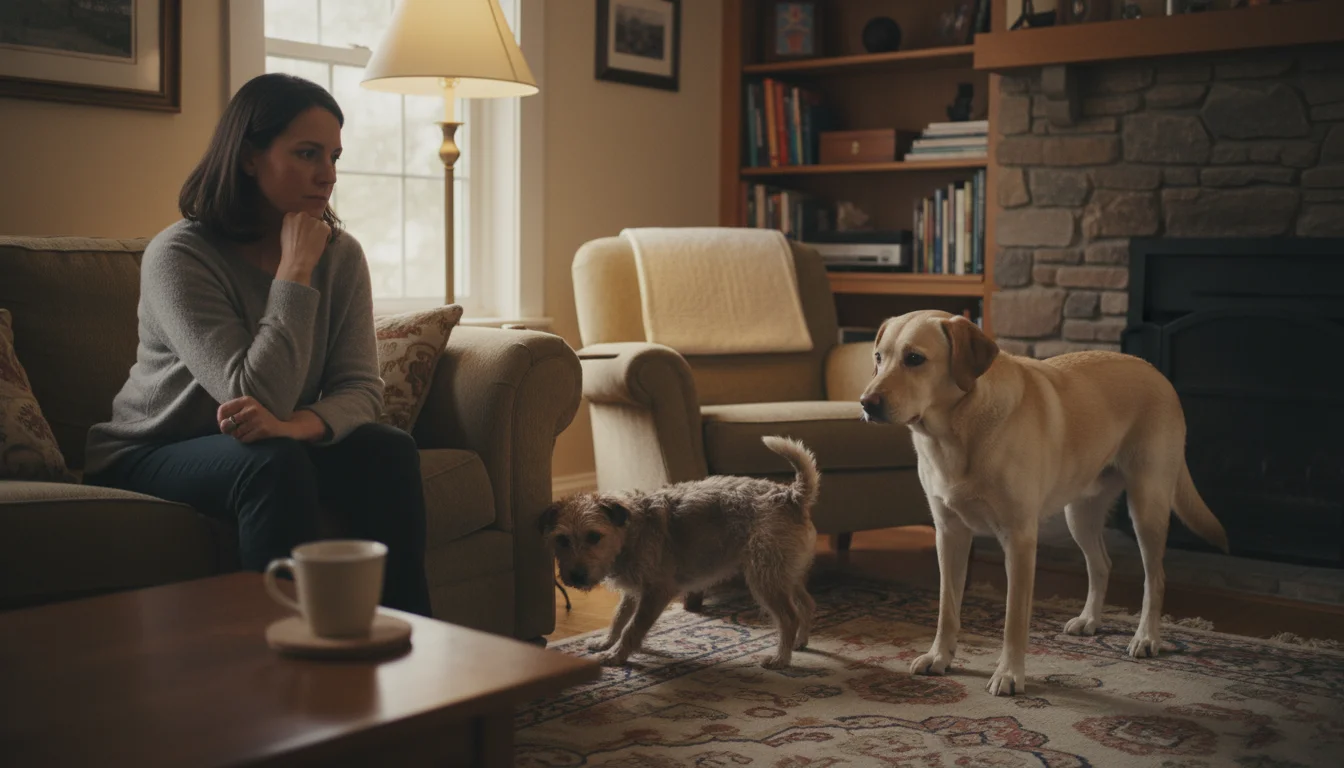
While you can address many multi-dog training challenges with consistency and positive reinforcement, some situations warrant professional intervention. Recognizing when you need expert help is a crucial aspect of responsible pet ownership, prioritizing the safety and well-being of all your pets and family members.
Identifying Signs You Need Help
You should consider professional help if you observe any of the following:
- Aggression: Any instances of growling, snapping, bitting, or frequent fights between your dogs require immediate professional assessment. This includes resource guarding that escalates to aggression.
- Severe Anxiety: Dogs exhibiting severe separation anxiety, excessive fear, or panic attacks in a multi-dog environment need expert evaluation. This might manifest as destructive behavior, inappropriate urination, or self-harm when you are absent.
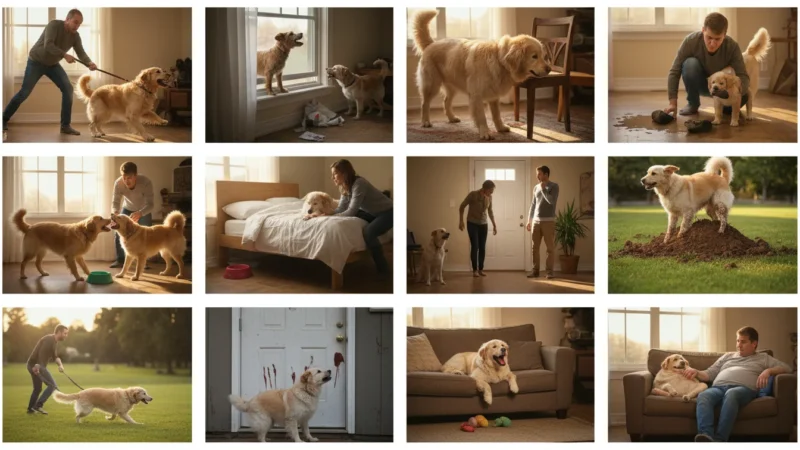
- Persistent Problems: If you consistently struggle with a particular behavior, despite trying various positive reinforcement methods, a professional can provide tailored strategies. Examples include chronic barking, house-soiling, or inability to manage walks.
- Significant Changes in Behavior: Any sudden or unexplained changes in a dog’s behavior, especially aggression or extreme fear, could indicate underlying medical issues. A veterinary visit should always precede behavioral consultation in such cases.
Types of Professionals to Consult
Different professionals offer distinct areas of expertise:
- Certified Professional Dog Trainers (CPDT-KA): These trainers specialize in positive reinforcement methods and can help you teach basic obedience, address common behavior problems, and guide you through multi-dog training challenges. They possess proven knowledge and skills in animal learning. You can find certified trainers through organizations like the Certification Council for Professional Dog Trainers (CCPDT).
- Veterinary Behaviorists (DACVB): These are veterinarians who have completed advanced training and certification in animal behavior. They can diagnose and treat complex behavioral disorders, often involving a combination of behavior modification and medication. You should consult a veterinary behaviorist for severe cases of aggression, anxiety, or compulsive disorders. They are invaluable for identifying any underlying medical conditions contributing to behavioral issues. You can locate a board-certified veterinary behaviorist through the American College of Veterinary Behaviorists (ACVB).
- International Association of Animal Behavior Consultants (IAABC) Members: IAABC offers certification for various animal behavior professionals, including canine behavior consultants. These professionals focus on understanding the “why” behind behavior and creating comprehensive modification plans.
Benefits of Professional Intervention
Professional guidance offers numerous benefits:
- Personalized Plans: Experts develop training and behavior modification plans tailored to your specific dogs, household dynamics, and goals.
- Objective Assessment: A professional provides an unbiased perspective on your dogs’ behavior and your training methods.
- Advanced Techniques: They can introduce you to advanced training techniques and behavior modification protocols you might not know.
- Safety: For aggressive or fear-related issues, a professional ensures the safety of all individuals and animals involved.
- Long-Term Solutions: Professionals aim to equip you with the knowledge and skills for long-term behavior management, rather than just quick fixes.
Do not hesitate to reach out to a professional if you feel overwhelmed or encounter significant challenges. Their expertise can transform your multi-dog household into a more peaceful and well-managed environment.
Frequently Asked Questions
Can I train all my dogs at the exact same time?
While you can eventually practice commands with all your dogs present, begin by training each dog individually. This ensures every dog understands the cues without the distraction or competition from housemates. Once each dog reliably performs commands alone, you can gradually introduce parallel training, where dogs perform the same cue side-by-side, or group cues, where all dogs respond to one command.
How do I stop my dogs from barking excessively during group training?
Excessive barking often stems from over-excitement, frustration, or demand barking for treats. Start training in a very quiet environment with minimal distractions. Use high-value treats to maintain focus. If a dog barks, calmly pause the session, turn away, and only resume when they quiet down for a moment. Reward quiet, calm behavior generously. You might need to increase distance between dogs or separate them again if barking persists.
What if one of my dogs is much older or has physical limitations?
Adjust your training methods to suit each dog’s capabilities. For an older dog with arthritis, avoid repetitive jumping or prolonged stays. For a dog with hearing loss, use hand signals consistently. Always be patient and understand that different dogs will learn at different paces. You might need to keep individual training sessions shorter and more frequent for dogs with limitations.
How do I manage resource guarding over toys or my attention?
Prevent resource guarding by providing ample, separate resources. Feed dogs in different rooms, offer multiple identical toys rather than one highly valued toy, and ensure each dog receives individual attention and affection daily. If guarding occurs, avoid punishment, as this can escalate aggression. Instead, manage the environment to prevent access to guarded items, and consult a professional trainer or veterinary behaviorist for a tailored behavior modification plan.
Is it possible to train a new puppy alongside older, established dogs?
Yes, but you must prioritize the puppy’s individual training and socialization. Teach the puppy basic commands separately. Gradually introduce positive interactions with the older dogs, always supervising to ensure safety and positive experiences. Older, well-trained dogs can serve as excellent role models, but you must still provide the puppy with dedicated one-on-one training time to build its skills and confidence.
For expert pet care guidance, visit
American Animal Hospital Association (AAHA),
Association of Professional Dog Trainers (APDT) and
Certification Council for Professional Dog Trainers (CCPDT).
Disclaimer: This article is for informational purposes only and is not a substitute for professional veterinary advice, diagnosis, or treatment. Always consult with a licensed veterinarian for medical concerns about your pet.
Leave a Reply