
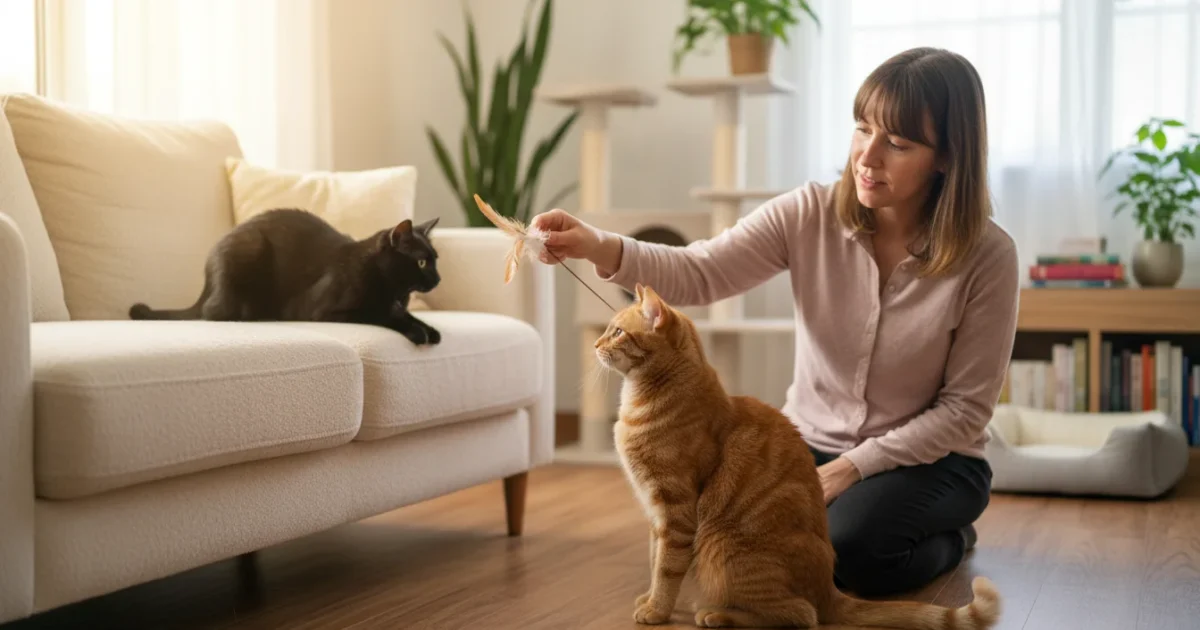
Cat aggression presents a significant challenge for many pet owners, impacting the bond between you and your feline companion and potentially creating an unsafe household environment. When your cat exhibits aggressive behaviors, such as biting, scratching, hissing, or growling, it is crucial to understand that this behavior is not personal. Instead, it serves as a form of communication, signaling distress, fear, pain, or frustration. Addressing aggression effectively requires a thoughtful, evidence-based approach that prioritizes your cat’s welfare and safety. This comprehensive guide will help you decipher the complexities of feline aggression and provide practical, actionable strategies for reducing it through positive reinforcement and environmental management. You can restore peace and harmony in your home by understanding the underlying causes and implementing appropriate interventions.
What is Cat Aggression? Defining the Behavior
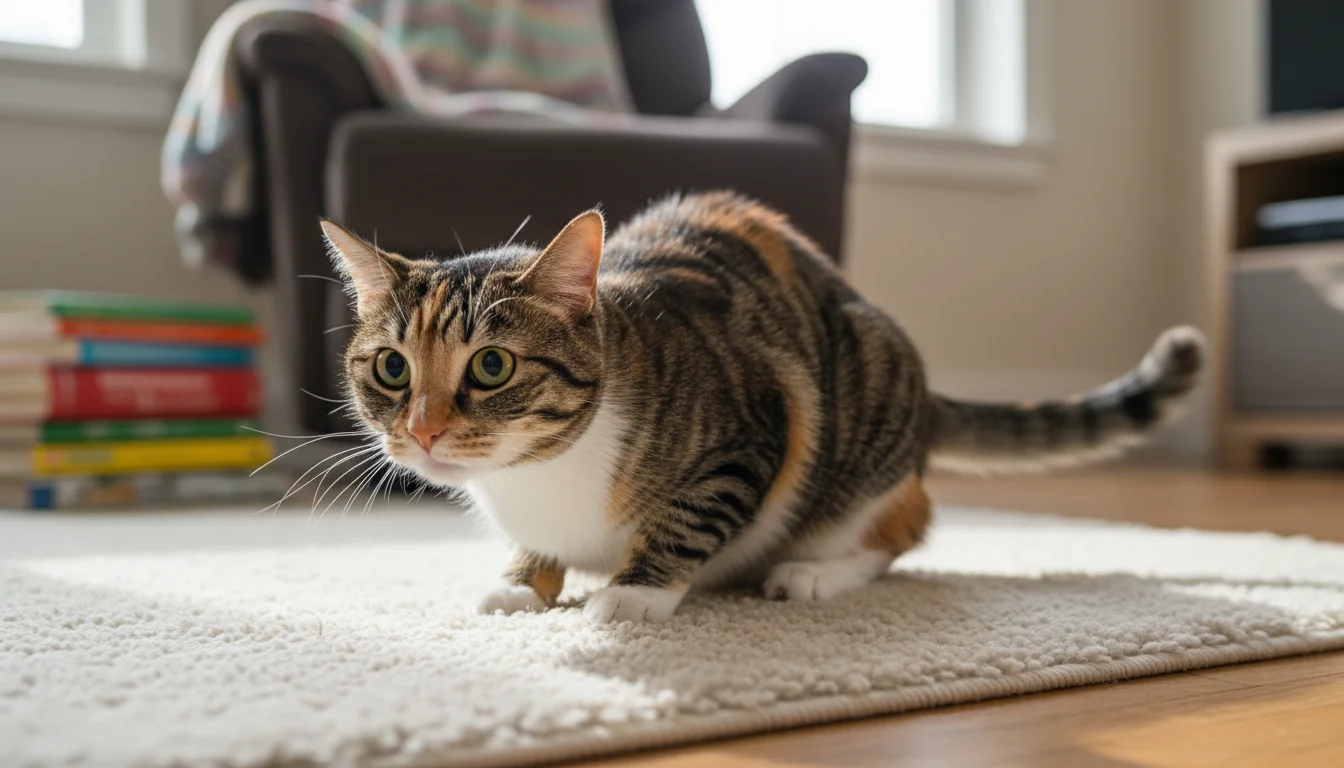
Cat aggression encompasses a range of behaviors cats display when they perceive a threat or feel overwhelmed. This is a normal feline behavior, but it becomes problematic when directed toward humans, other pets, or objects in the home in an inappropriate manner. Understanding the different forms of aggression provides clarity for effective pet training and intervention. These behaviors often manifest as growling, hissing, spitting, swatting, biting, scratching, piloerection (hair standing on end), an arched back, or a tucked tail. Cats use these signals to communicate their discomfort or perceived need to defend themselves.
While this guide focuses on felines, pet owners with other animals may find it helpful to start by understanding dog aggression and its unique communication signals.
Common types of cat aggression include:
- Play Aggression: Often seen in young, energetic cats, this type of aggression stems from misdirected predatory play behaviors. Cats may stalk, pounce, bite, and scratch during play, sometimes targeting human hands or feet. This is one area where understanding cat aggression and reducing it for pets becomes crucial for long-term harmony.
- Fear Aggression: A cat displaying fear aggression feels cornered, threatened, or unable to escape a perceived danger. This can occur in response to loud noises, unfamiliar people, new environments, or even certain handling techniques.
- Territorial Aggression: Cats are territorial animals, and they may show aggression toward other cats, pets, or even humans who intrude on their perceived territory, such as sleeping spots, feeding areas, or litter boxes.
- Redirected Aggression: This occurs when a cat cannot act on the source of its arousal or frustration. For example, if your cat sees another cat outside through a window and becomes agitated, it might redirect its aggression onto a nearby person or pet.
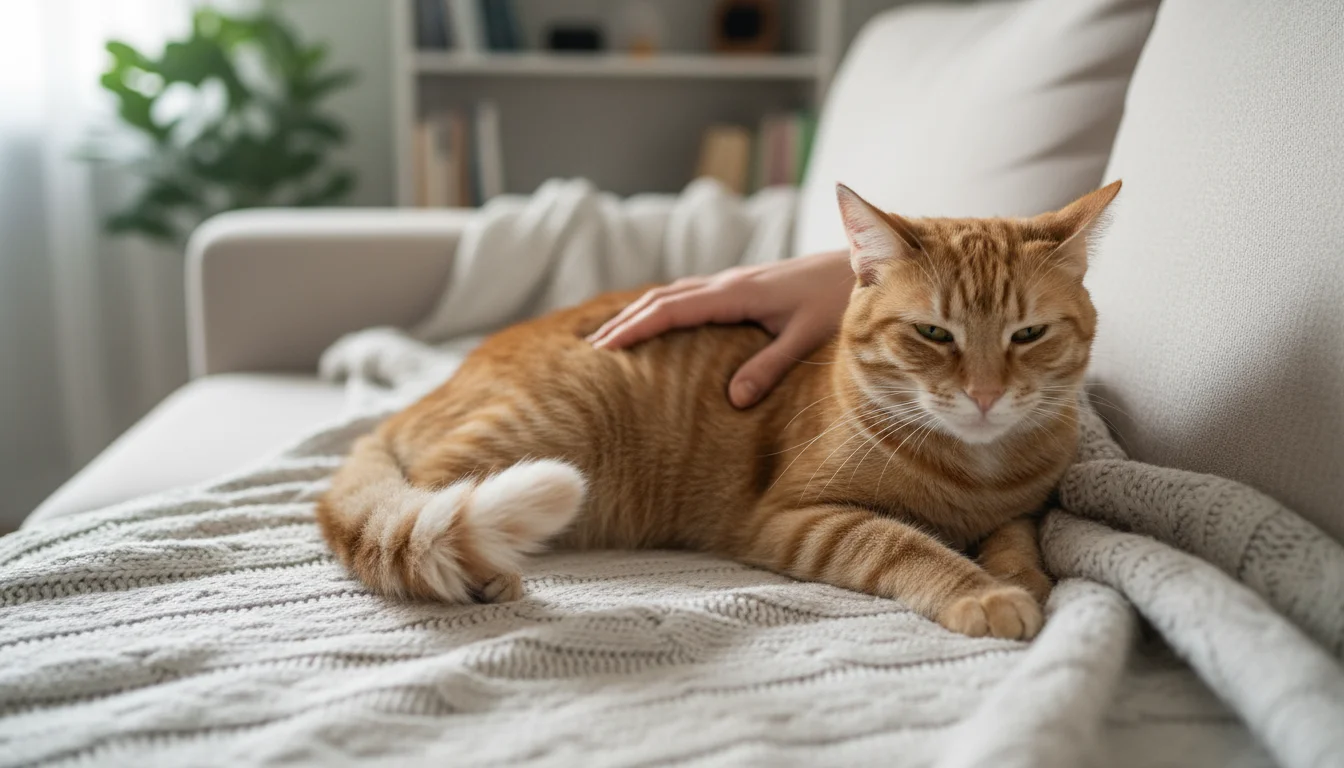
- Petting-Induced Aggression: Some cats enjoy petting for a short period but then suddenly bite or scratch. This often happens because the cat becomes overstimulated or feels trapped during petting, indicating their tolerance level has been exceeded.
- Pain-Induced Aggression: Cats experiencing pain or discomfort due to an injury or underlying medical condition may lash out when touched or moved. This is a critical factor to rule out immediately when aggression suddenly appears.
- Maternal Aggression: Mother cats can display aggression when they perceive a threat to their kittens, fiercely protecting their young from perceived danger.
Recognizing the specific type of aggression your cat exhibits is the first step toward developing an effective management plan. It is part of comprehensive pet care that requires careful observation and an empathetic understanding of your cat’s perspective.

Identifying the Root Causes of Feline Aggression
Pinpointing the exact reason for your cat’s aggressive behavior is paramount for successful intervention. Aggression is rarely arbitrary; it almost always has an underlying cause. A thorough investigation of potential triggers helps you tailor your approach to reducing the behavior. The primary categories of causes include medical issues, environmental factors, and behavioral origins.
For complex cases that don’t respond to basic changes, it is important to know when to call a behaviorist for specialized support.
Medical Conditions
Any sudden onset of aggression, or an increase in its intensity, warrants an immediate veterinary check-up. Pain, neurological disorders, hormonal imbalances, hyperthyroidism, arthritis, dental disease, or even conditions like Feline Immunodeficiency Virus (FIV) or Feline Leukemia Virus (FeLV) can cause irritability and aggression. According to the American Veterinary Medical Association (AVMA), a physical examination and diagnostic tests are essential to rule out any underlying health problems contributing to behavioral changes. Addressing medical issues often resolves or significantly reduces aggressive tendencies.
Environmental Factors
Your cat’s environment plays a massive role in its overall well-being and can directly influence aggression. A lack of resources, insufficient enrichment, or perceived threats can trigger aggressive responses.
- Resource Guarding: Cats require separate, ample resources for eating, drinking, sleeping, and toileting. In multi-cat households, competition for food bowls, water dishes, litter boxes, or resting spots can lead to territorial aggression. Ensure you have one more of each resource than the number of cats in your home (N+1 rule).
- Lack of Vertical Space: Cats feel safer and more secure when they have opportunities to climb and observe their surroundings from elevated positions. A lack of shelves, cat trees, or window perches can increase stress and insecurity, potentially leading to aggression.
- Insufficient Enrichment: Cats are natural predators and need outlets for their hunting instincts. Without adequate interactive play, puzzle toys, or opportunities for mental stimulation, cats can become bored, frustrated, and develop play aggression or redirected aggression.
- Stressors and Changes: New pets, new people, moving to a new home, changes in routine, loud noises, or even the smell of unfamiliar animals can be significant stressors for cats, triggering fear or redirected aggression.
Behavioral and Experiential Factors
Past experiences and learned behaviors also contribute to aggression. Cats that were poorly socialized as kittens may exhibit fear aggression towards unfamiliar people or situations. Negative experiences with punishment can also lead to increased fear and defensive aggression, making effective pet training more challenging. Conversely, cats who learn that aggression gets them what they want (e.g., being left alone) may continue to use these behaviors.
Understanding these causes helps you avoid common mistakes like punishment, which only exacerbates fear and can damage your bond. Instead, focus on creating an environment where your cat feels safe and can express its natural behaviors constructively.
Recognizing the Signs: Early Indicators of Aggression
Learning to interpret your cat’s body language is fundamental to preventing aggressive outbursts and understanding cat aggression. Cats communicate their emotional state through subtle and overt cues. Recognizing these signs early allows you to intervene before aggression escalates, ensuring safety for everyone involved.
Recognizing these indicators is just as important as understanding your cat’s grooming behavior for a complete picture of their emotional state.
Pay close attention to these indicators:
- Tail Position: A twitching tail, especially rapid thumping, often signals irritation or overstimulation. A tucked tail or one held low and stiff can indicate fear or anxiety. An aggressive cat may also hold its tail straight down or puff it up like a bottle brush.
- Ear Position: Ears flattened against the head (airplane ears) or swiveled backward signal fear, defensiveness, or agitation. Ears held forward and stiff can also precede an attack.
- Pupil Dilation: Dilated pupils, even in bright light, often indicate fear, arousal, or excitement, which can precede aggression. Constricted pupils can signal anger or intense focus.
- Body Posture: A crouched body, low to the ground, with muscles tensed suggests a cat preparing to pounce or flee. An arched back with piloerection (hair standing on end) is a classic defensive posture, signaling a cat ready to fight.
- Vocalizations: Hissing, spitting, growling, and low rumbling sounds are clear warnings of impending aggression. Sometimes, a series of short, sharp meows can also indicate distress.
- Staring: Intense, unwavering eye contact can be a challenge or a sign of an impending attack, especially in territorial disputes between cats.
- Hiding: While not directly aggressive, persistent hiding or avoidance of interaction often indicates underlying fear or stress, which can lead to aggression if the cat feels cornered or threatened.
If you observe these signs, give your cat space. Do not force interaction or try to soothe them by reaching out. Instead, calmly remove yourself or the trigger from the situation. Learning these nuances is a vital component of best pet training tips for feline companions.
Creating a Safe and Enriched Environment for Your Cat
A well-structured, stimulating, and secure environment is crucial for reducing stress and preventing aggression in cats. Environmental enrichment addresses many common triggers for feline aggression, promoting a calmer and happier cat. You actively reduce the likelihood of aggressive behaviors by meeting your cat’s fundamental needs and providing outlets for natural instincts.
If you are expanding your family, learning how to introduce a new cat properly is vital to prevent territorial aggression.
Essential Environmental Modifications:
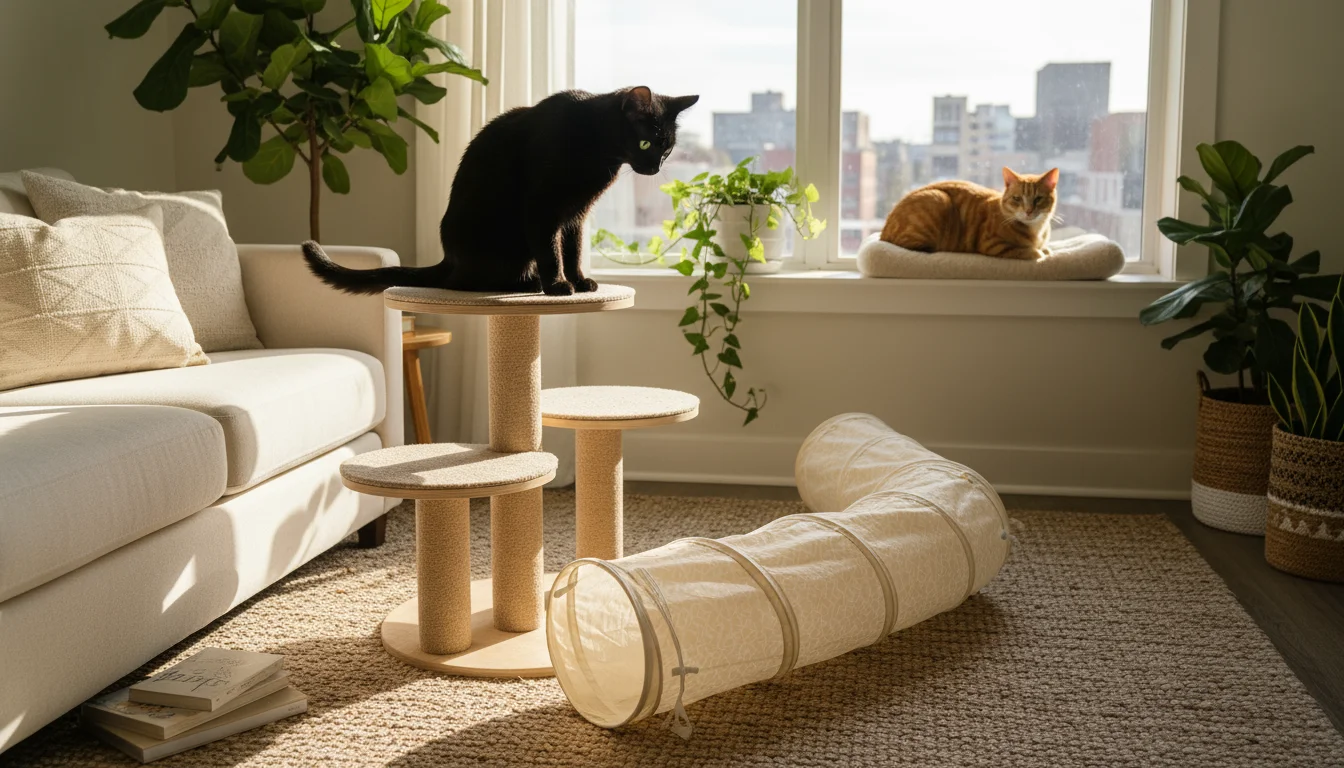
- Vertical Space: Provide plenty of cat trees, wall-mounted shelves, and window perches. Cats feel more secure when they can observe their surroundings from elevated positions, especially in multi-pet households. This reduces competition and territorial disputes.
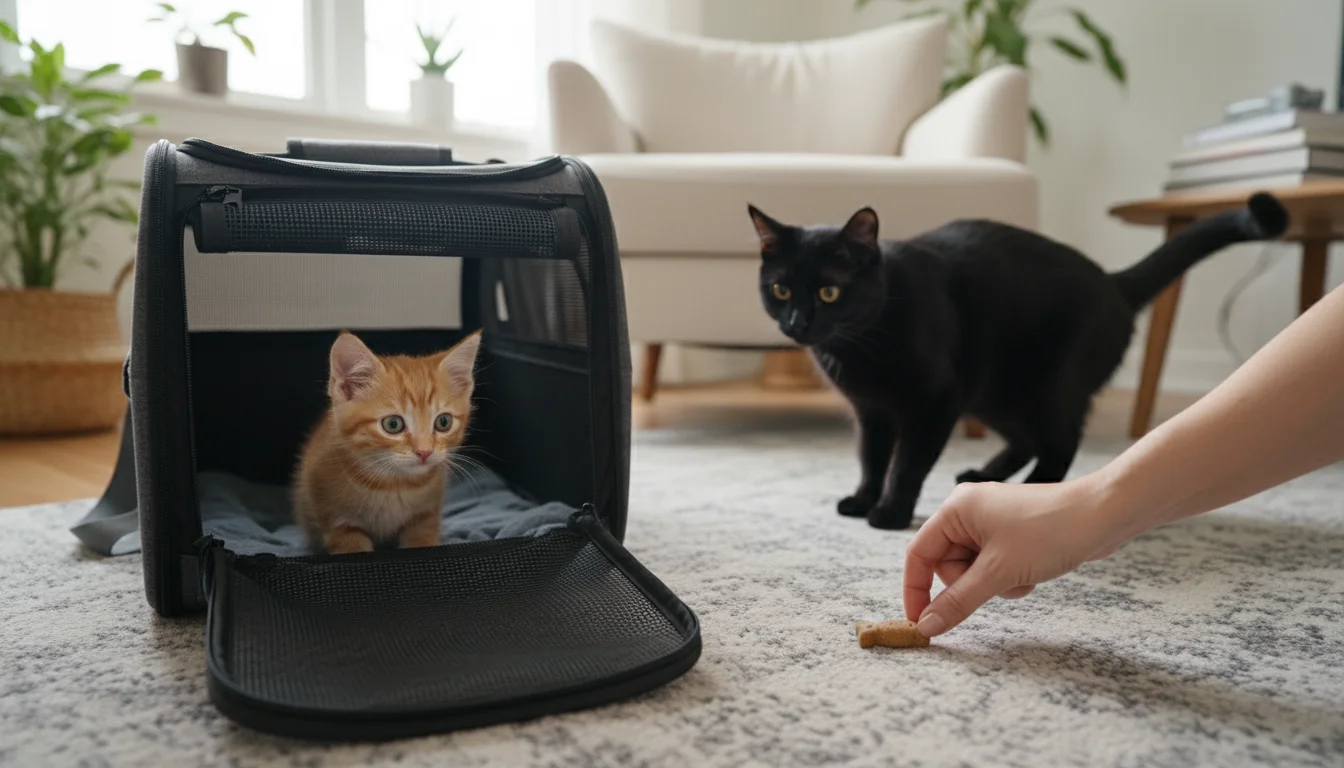
- Safe Retreats: Every cat needs private, quiet spaces where they can retreat and feel safe. This could be a carrier left open, a cozy bed in a low-traffic area, or a high perch away from household commotion. Ensure these spots are not easily accessible to other pets or children.
- Resource Abundance (N+1 Rule): For multi-cat homes, always provide one more of each essential resource than the number of cats. This applies to food bowls, water dishes, litter boxes, and sleeping spots. Distribute these resources in multiple locations to prevent guarding and competition.
- Appropriate Litter Box Setup: Ensure litter boxes are clean, easily accessible, and in private locations. The type of litter, box size, and depth can all influence a cat’s comfort. Issues with litter box setup can cause stress and lead to aggression or other behavioral problems.
- Scratching Posts and Surfaces: Provide various scratching options (vertical and horizontal, sisal, cardboard, carpeted) in prominent areas. Scratching is a natural behavior that helps cats stretch, mark territory, and shed nail sheaths. Redirecting this behavior away from furniture is also a key part of pet care.
- Stimulating Toys: Offer a rotation of toys to prevent boredom. Include puzzle feeders, crinkle balls, feathers on a wand, and small mice. These engage your cat’s predatory instincts in a safe and appropriate manner.
Incorporating Enrichment into Daily Routine:
- Interactive Play: Engage in daily interactive play sessions (10-15 minutes, 2-3 times a day) using wand toys. Allow your cat to “catch” the toy at the end of the session to satisfy their hunting drive. Store wand toys away when not in use to prevent ingestion.
- Puzzle Feeders: Use puzzle feeders to slow down eating and provide mental stimulation. This mimics the challenge of hunting for food and can reduce boredom and frustration.
- Scheduled Feeding: Establish a consistent feeding schedule. Predictability reduces anxiety and can minimize food-related aggression.
- Window Perches: Provide window access for your cat to observe the outside world. This offers mental stimulation and reduces boredom. Consider placing a bird feeder outside the window for added entertainment.
Implementing these environmental modifications and enrichment strategies forms a strong foundation for any behavior modification plan. A cat that feels safe, stimulated, and has its needs met is less likely to resort to aggression.
Positive Reinforcement Strategies to Reduce Aggression
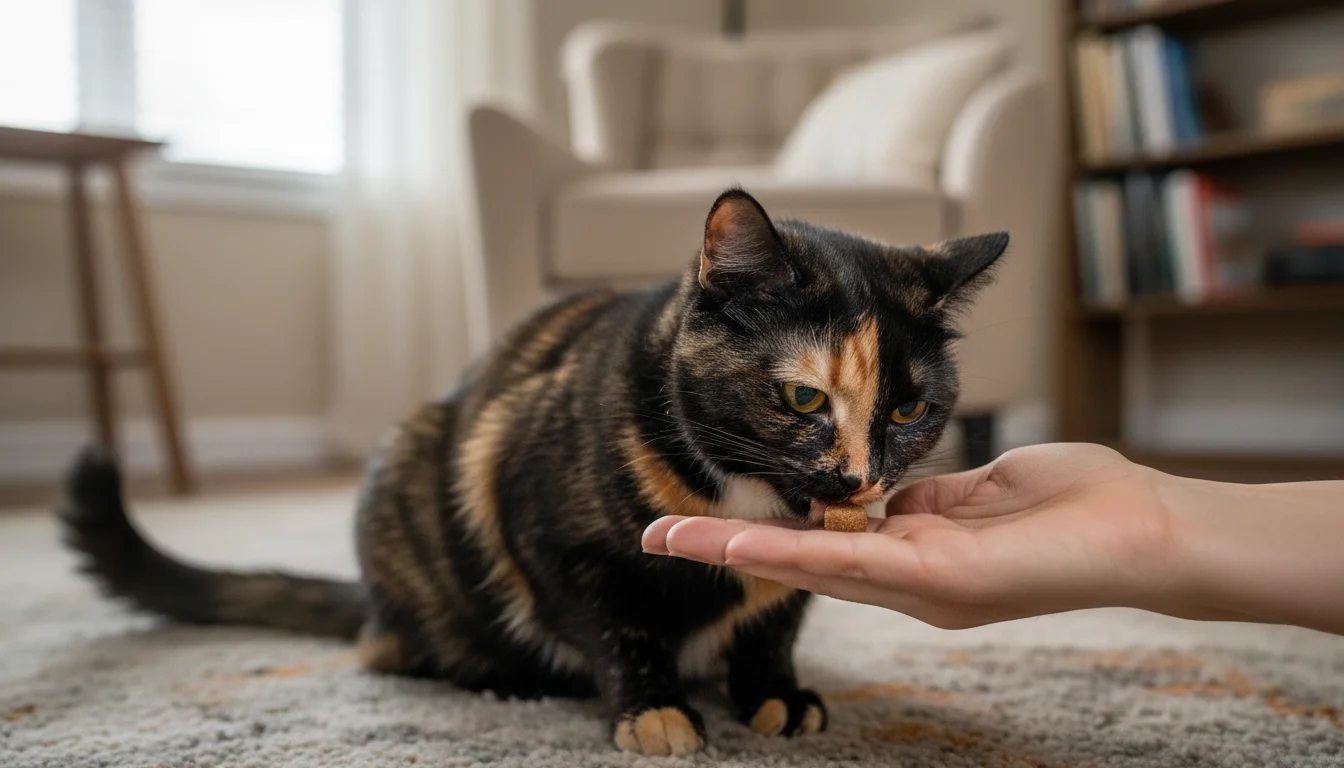
Positive reinforcement is the cornerstone of effective and humane behavior modification for cats. This approach focuses on rewarding desired behaviors, making them more likely to occur, rather than punishing unwanted ones. Punishment often increases fear and anxiety, exacerbating aggression. For best pet training tips, especially concerning aggression, positive reinforcement training is essential.
Fundamentals of Positive Reinforcement:
- Identify the Desired Behavior: Clearly define what you want your cat to do instead of the aggressive behavior. For example, if your cat exhibits play aggression towards your hands, the desired behavior is playing with appropriate toys.
- Choose High-Value Rewards: Determine what motivates your cat most. This could be tasty treats (e.g., small pieces of cooked chicken, tuna, lickable treats), favored toys, or specific types of petting.
- Timing is Crucial: Deliver the reward immediately (within 1-3 seconds) after your cat performs the desired behavior. This instant feedback helps your cat associate the action with the positive outcome.
- Marker Training (Optional but Effective): Use a verbal marker (like “yes!”) or a clicker simultaneously with the reward. The marker signals to your cat the exact moment they performed the correct action, enhancing clarity and speed of learning. This is a core component of advanced pet training.
Specific Strategies for Reducing Aggression:
Counter-Conditioning and Desensitization:
These techniques are highly effective for fear-based aggression, territorial aggression, and redirected aggression. They involve gradually exposing your cat to the trigger at a low intensity while simultaneously associating it with something positive.
- Identify the Trigger: Pinpoint what causes your cat’s aggression (e.g., a specific person, another pet, a loud noise).
- Determine the Threshold: Find the distance or intensity at which your cat can observe the trigger without reacting aggressively or showing signs of stress. This is their “threshold.”
- Gradual Exposure: Start exposing your cat to the trigger below their threshold. For example, if a guest triggers aggression, have the guest stand far enough away that your cat notices them but remains relaxed.
- Pair with Positive Reinforcement: While your cat is below their threshold and calm, offer high-value treats or engage in a favorite activity. The goal is to change your cat’s emotional response from negative (fear, anxiety) to positive (happiness, anticipation of treats).
- Slowly Decrease Distance/Increase Intensity: Over many sessions, gradually decrease the distance to the trigger or increase its intensity, always ensuring your cat remains calm and positive. If your cat shows any signs of stress, you have gone too far, too fast; retreat to a previous, successful step.
This process takes time and patience, but it is one of the most effective ways to modify deep-seated aggressive responses. The International Association of Animal Behavior Consultants (IAABC) emphasizes that consistency and slow progress are key to success in these behavioral modification protocols.
Managing Play Aggression:
- Redirect Play: Never use your hands or feet as toys. Instead, consistently redirect your cat’s play aggression onto appropriate toys like wand toys, laser pointers (ensure a physical ‘catch’ at the end), or kickers.
- Scheduled Play Sessions: Engage in regular, vigorous play sessions daily to burn off excess energy and satisfy predatory instincts.
- Avoid Punishment: Do not yell, hit, or spray your cat with water. These tactics only teach your cat to fear you and can intensify aggression. Instead, immediately disengage from play if aggression occurs.
Managing Petting-Induced Aggression:
- Learn Your Cat’s Limits: Observe your cat’s body language closely. Pay attention to their ears, tail, and pupils. Stop petting before they show signs of irritation or overstimulation.
- Short, Frequent Sessions: Offer short petting sessions (e.g., 5-10 seconds) in areas your cat enjoys, like their head or chin. End on a positive note, before they become overstimulated.
- Condition Positive Association: Pair petting with treats. Pet your cat gently for a few seconds, then offer a treat. Gradually increase the duration of petting as long as your cat remains relaxed.
Consistency in applying these positive reinforcement techniques is vital. Every member of the household must participate consistently to ensure your cat receives clear and predictable signals about desired behaviors.
Managing Multi-Cat Households and Introducing New Pets Safely
Aggression often surfaces in multi-cat households or when introducing a new pet. Cats are not inherently communal animals like dogs; they are often solitary hunters, and forced cohabitation can lead to significant stress and conflict. Careful management and slow, positive introductions are critical to fostering peaceful coexistence and reducing the likelihood of aggression. Effective pet care in these scenarios requires strategic planning.
Key Strategies for Multi-Cat Harmony:
- Adequate Resources: Reiterate the N+1 rule for all resources: litter boxes, food bowls, water dishes, scratching posts, and safe sleeping spots. Spread these resources throughout your home to prevent any single cat from guarding them. This reduces competition and territorial aggression.
- Vertical and Horizontal Space: Provide ample vertical climbing structures (cat trees, shelves) and horizontal hiding spots (tunnels, boxes). This allows cats to maintain distance and avoid conflict, providing escape routes and observation points.
- Scent Exchange: Before direct introductions, facilitate scent exchange. Rub a cloth on one cat’s cheeks and then place it near the other cat’s food bowl or resting area. This helps them become accustomed to each other’s scent in a non-threatening way.
- Controlled Introductions for New Pets:
- Separate Spaces: Initially, keep the new cat or pet completely separate from existing pets in their own room with all necessary resources.
- Door Swaps: After a few days, swap the cats between their separate rooms for short periods, allowing them to explore each other’s scents without direct interaction.
- Scent & Sight Introduction: Use a baby gate or cracked door to allow controlled visual and scent interaction. Keep these sessions short and positive, offering high-value treats to both animals while they are calm. Gradually increase the duration and decrease the distance over days or weeks.
- Supervised Visits: Once cats are comfortable with the sight and scent of each other, allow supervised, brief face-to-face interactions. Always have a way to separate them quickly if tension arises. Never leave them unsupervised until you are certain they are comfortable and non-aggressive.
- Positive Reinforcement: Always reward calm, friendly, or even neutral behavior during these interactions. Avoid forcing interaction.
- Prevent Resource Guarding: Monitor feeding times and ensure each cat has its own designated, private eating area. If one cat is particularly dominant, consider feeding them in separate rooms.
- Dedicated Playtime: Ensure each cat receives individual, dedicated playtime with you. This strengthens your bond with each pet and helps fulfill their need for activity and attention without competition.
The introduction process for cats can take weeks or even months. Patience is paramount. Rushing introductions almost guarantees negative outcomes and can lead to long-term aggression problems. If you encounter significant difficulties, do not hesitate to consult a professional behaviorist for tailored guidance on best pet training tips for your specific household.

Troubleshooting Common Aggression Scenarios and Mistakes
Even with careful planning, aggression can sometimes persist or present new challenges. Knowing how to troubleshoot common scenarios and avoid common pitfalls helps you stay on track with your pet training goals.
Common Aggression Scenarios and Solutions:
- Cat Hisses at New People: This often indicates fear. Instruct guests to ignore your cat initially. Have them toss high-value treats from a distance. Create a safe retreat for your cat. Over time, your cat may associate new people with positive outcomes.
- Aggression During Grooming/Nail Trims: This can stem from discomfort or a lack of positive association. Desensitize your cat to handling by gently touching paws, ears, and body for short periods, immediately followed by a treat. Gradually increase duration. Use positive reinforcement and keep sessions brief. Consider wrapping your cat in a towel (“burrito wrap”) for essential procedures if they are highly resistant, but always aim for desensitization over restraint for long-term comfort.
- Cat Bites When Petting Stops: This is often petting-induced aggression. Learn your cat’s tolerance limits. Stop petting before signs of agitation. Offer short, positive petting sessions. Consider clicker training for short petting durations, rewarding calmness.
- Sudden Aggression “Out of Nowhere”: Always suspect pain or illness first. Schedule a veterinary visit immediately to rule out medical causes. If medical causes are ruled out, re-evaluate environmental stressors, changes in routine, or new stimuli that might have gone unnoticed.
Common Mistakes to Avoid:
- Punishment: Never yell, hit, spray with water, or use any aversive techniques. Punishment creates fear, erodes trust, and often escalates aggression. It teaches your cat to fear you, making the problem worse. Focus on positive reinforcement and managing the environment.
- Forcing Interaction: Do not force your cat into situations they fear, or make them interact with people or pets they are not comfortable with. This only intensifies their fear and can lead to defensive aggression.
- Inconsistency: All household members must follow the same plan. Inconsistency confuses your cat and undermines your efforts. If one person allows certain behaviors or punishes them while another uses positive reinforcement, progress will be difficult.
- Ignoring Early Warning Signs: Failing to recognize subtle signs of discomfort or stress allows the aggression to escalate. Always respect your cat’s body language cues.
- Rushing the Process: Behavior modification, especially for aggression, takes time. Do not expect instant results. Be patient, consistent, and celebrate small successes. Rushing can lead to setbacks.
- Not Seeking Professional Help: If aggression is severe, persistent, or poses a safety risk, delaying professional intervention is a mistake. A certified professional can offer tailored guidance.
Addressing these mistakes helps you maintain a positive and effective approach to understanding cat aggression and reducing it. Consistency and patience are your most valuable tools in this process.

When to Seek Professional Help for Cat Aggression
While many mild forms of cat aggression can improve with diligent home interventions and consistent pet training, certain situations warrant the expertise of a professional. Recognizing when to seek help ensures the safety of your household and provides the best possible outcome for your cat. Don’t view seeking professional help as a failure; it is a responsible act of pet care.
Identifying the signs your dog needs professional training is equally important if you live in a multi-pet home where inter-species tension is escalating.
Consulting an expert to address severe cat behavior problems can provide clarity when standard home interventions aren’t sufficient.
Consult a Veterinarian First:
As emphasized previously, a medical check-up is the absolute first step for any new or escalating aggression. Your primary veterinarian can perform a thorough physical examination and recommend diagnostic tests to rule out pain, illness, or other underlying medical conditions. Often, treating a medical issue resolves the aggression entirely. Your vet can also offer initial advice on behavior management and may prescribe anti-anxiety medication if deemed appropriate for your cat’s well-being and to facilitate behavioral modification.
When to Engage a Behavior Professional:
If your veterinarian rules out medical causes, or if the aggression persists despite your best efforts, consult a qualified behavior professional. Look for individuals with specific certifications and experience in feline behavior:
- Veterinary Behaviorist (DACVB): These are veterinarians who have completed extensive post-doctoral training and residency programs, earning board certification from the American College of Veterinary Behaviorists (ACVB). They are uniquely qualified to diagnose and treat complex behavioral disorders, including severe aggression, and can prescribe medication if necessary. They are the top tier for serious behavioral issues.
- Certified Applied Animal Behaviorist (CAAB or ACAAB): These individuals typically hold a Master’s or PhD in animal behavior and have undergone supervised practical experience. They are highly skilled in diagnosing and creating treatment plans for a wide range of behavioral problems.
- Certified Cat Behavior Consultant (CCBC or Feline CCBC): Professionals certified through organizations like the IAABC (International Association of Animal Behavior Consultants) have demonstrated knowledge and experience in cat behavior. They provide practical strategies for behavior modification.
What a Behavior Professional Can Do:
A professional will conduct a comprehensive assessment, including a detailed history of your cat’s behavior, living environment, and daily routine. They can:
- Accurately diagnose the type and underlying cause of aggression.
- Develop a customized, step-by-step behavior modification plan tailored to your cat and household.
- Guide you on proper implementation of techniques like counter-conditioning and desensitization.
- Provide management strategies to ensure safety and prevent further incidents.
- Offer realistic timelines and expectations for progress.
- Help you understand your cat’s communication better.
Budget Considerations:
Professional behavioral consultations involve fees, which can vary depending on the professional’s credentials and location. While this is an investment, the cost of not addressing severe aggression can be far greater, potentially leading to injuries, rehoming, or euthanasia. Many professionals offer different consultation packages, and some may provide remote consultations, which can be more accessible. If budget is a concern, discuss this with your veterinarian or look for behavior consultants who offer pro bono or reduced-fee services through local shelters or rescue organizations.
Addressing aggression proactively and with expert guidance significantly increases the chances of a successful outcome, allowing you to enjoy a safe and loving relationship with your feline companion.

Frequently Asked Questions
What is the fastest way to stop cat aggression?
There is no “fastest” way that works universally, as effective intervention depends entirely on the root cause of the aggression. The most immediate and critical step is to identify the trigger and manage the environment to prevent further incidents, ensuring safety for all. For instance, separate fighting cats or remove the object of redirected aggression. Simultaneously, schedule a veterinary check-up to rule out any medical issues. Long-term solutions involve consistent positive reinforcement training, environmental enrichment, and potentially professional behavior consultation, which all take time.
Can cat aggression be cured completely?
Aggression is a complex behavioral issue, and while “cure” might be too strong a word, it can often be effectively managed and significantly reduced. Many cats learn to live peacefully without aggressive outbursts through correct diagnosis of the cause, appropriate environmental modifications, consistent positive reinforcement, and sometimes medication. The goal is to change your cat’s emotional response to triggers and provide them with alternative, acceptable behaviors, leading to a much improved quality of life for everyone.
Is it normal for cats to bite during play?
Yes, kittens often bite and scratch each other during play as they learn social boundaries and hunting skills. However, when directed at humans, it is not desirable and indicates play aggression. While natural for cats to engage in predatory play, it is your responsibility to teach them that human hands and feet are not toys. Redirect play biting to appropriate toys, engage in interactive play, and never use your body parts as a target.
How do I stop my cat from being aggressive towards other cats?
Managing multi-cat aggression requires careful strategies. Ensure ample resources for each cat (N+1 rule for litter boxes, food, water, resting spots). Provide plenty of vertical and horizontal hiding spaces. If introducing a new cat, do so very slowly and positively, following a strict, gradual introduction protocol over several weeks. If aggression persists, consult a veterinary behaviorist or certified cat behavior consultant for a tailored plan. Avoid forcing interactions or using punishment, as this worsens the situation.
For expert pet care guidance, visit
The Spruce Pets, Rover — Pet Care Blog, Preventive Vet, American Veterinary Medical Association (AVMA) and American Kennel Club (AKC).
Disclaimer: This article is for informational purposes only and is not a substitute for professional veterinary advice, diagnosis, or treatment. Always consult with a licensed veterinarian for medical concerns about your pet.









Leave a Reply