
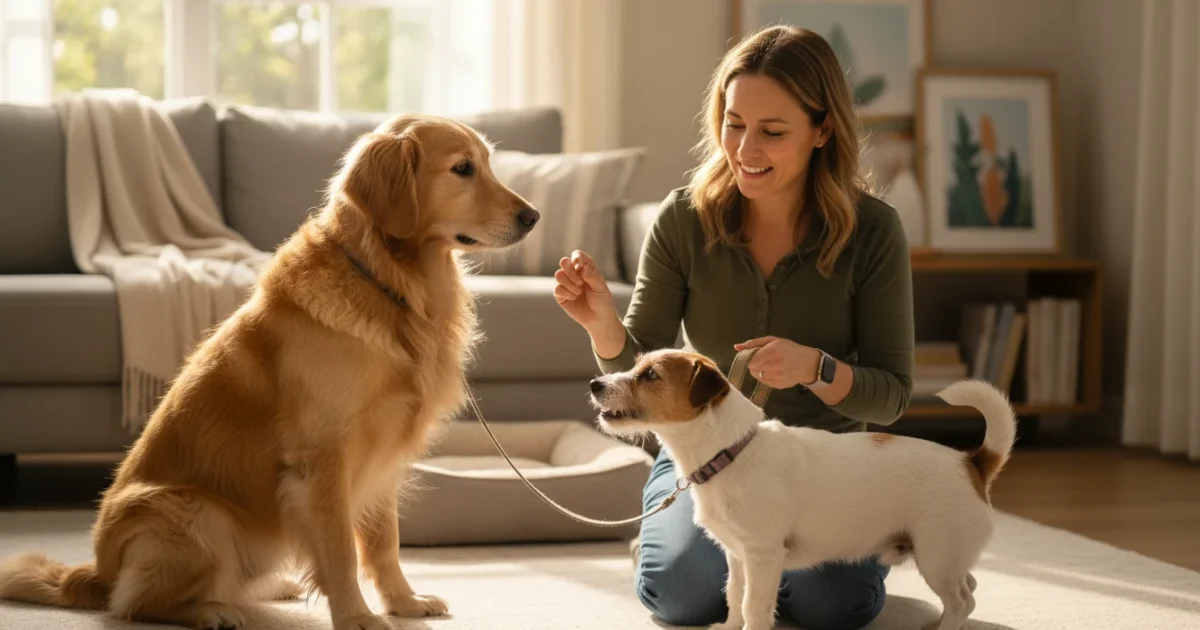
Dog aggression is a challenging behavior for any pet owner, but understanding its root causes and manifestations is the first step toward effective management and resolution. Aggression in dogs is not simply an act of defiance or “badness,” it is often a complex form of communication stemming from fear, pain, stress, or resource protection. When your dog growls, snaps, or bites, they are telling you something is wrong or they feel threatened.
This article provides practical, science-backed insights into the various types of dog aggression, offering actionable strategies rooted in positive reinforcement. You will learn to identify common triggers, implement immediate safety measures, and engage in long-term behavior modification to help your dog feel safer and respond more calmly.
What is Dog Aggression? Decoding Your Dog’s Communication
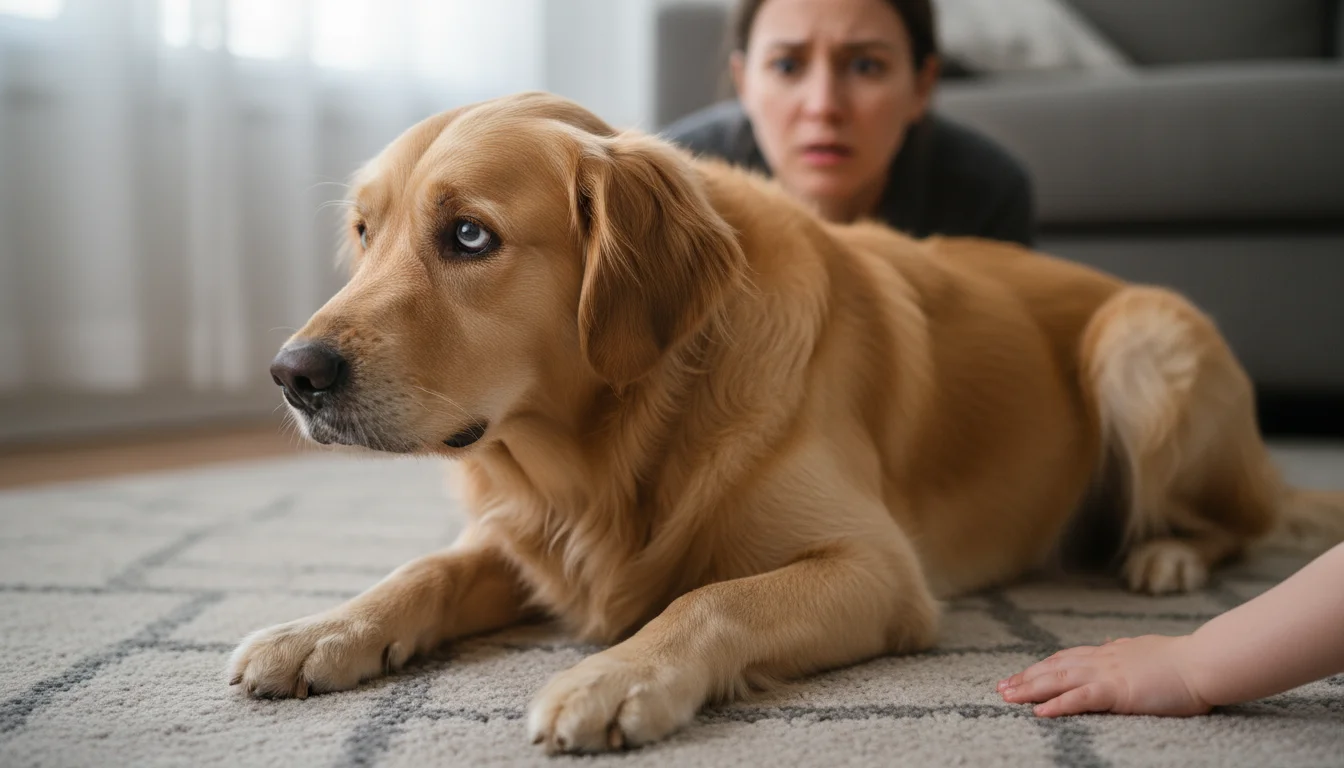
Dog aggression encompasses a range of behaviors intended to increase distance from a perceived threat or to gain access to a desired resource. It is important to recognize that aggression is a spectrum, not just a single action like a bite. Before a dog resorts to biting, they typically display a series of escalating warning signals. Learning to read these signals is crucial for every pet owner, as it allows you to intervene before the situation escalates.
While many behaviors can be managed at home, it is vital to recognize the signs your dog needs professional training help to ensure a safe environment for everyone.
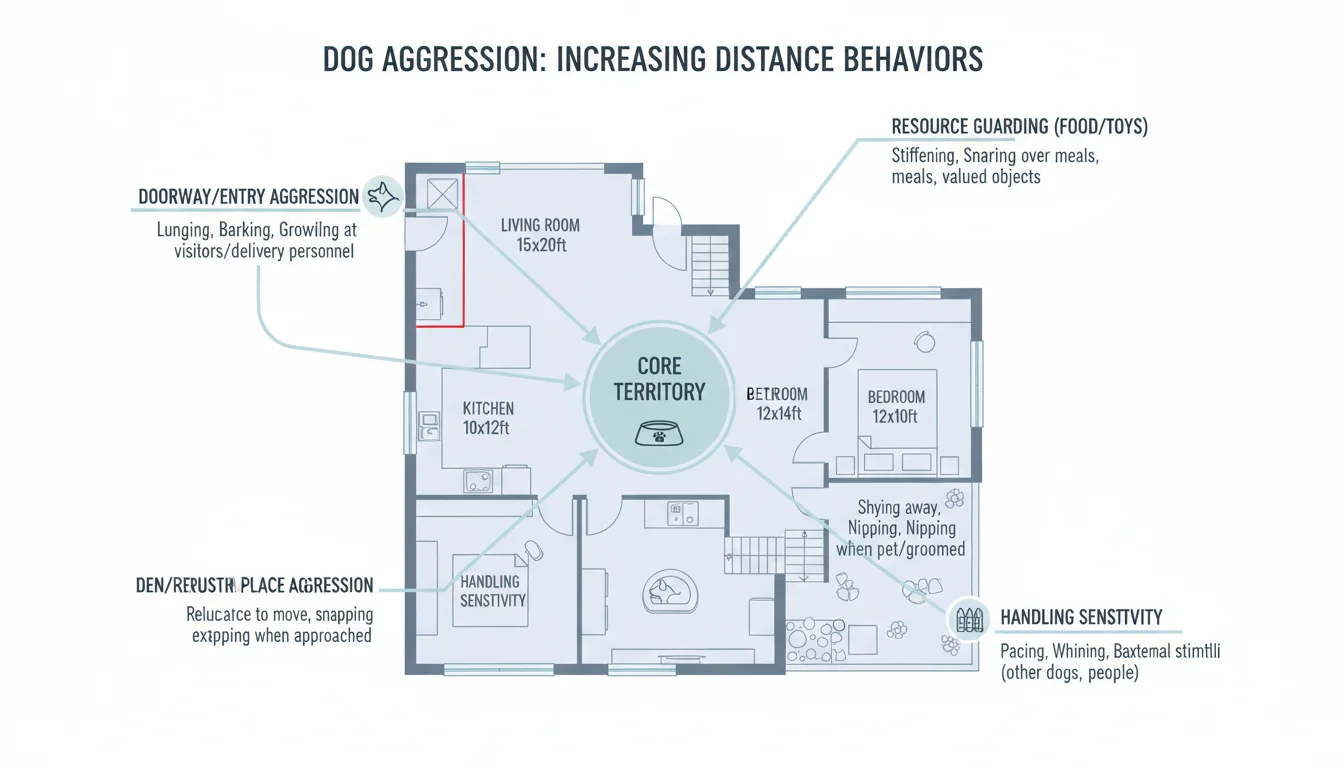
These signals can include:
- Subtle Warnings: Lip licking, yawning when not tired, turning head away, body stiffening, whale eye (showing the whites of their eyes).
- Moderate Warnings: Growling, snarling, baring teeth, rigid body posture, tail tucked or held stiffly high, piloerection (hair standing up on the back).
- High-Level Warnings: Snapping (air biting), lunging, nipping, biting.
Understanding these signals helps you recognize when your dog feels uncomfortable or threatened. Often, owners inadvertently punish these early warning signs, such as growling, which can suppress the warning, making a dog more likely to bite without prior notice. For effective `pet training` and safety, always respect your dog’s communications, even when they are subtle.
Aggression is almost always driven by an underlying emotional state, frequently fear or anxiety. A dog might act aggressively because they genuinely believe they are in danger, or because they need to protect something vital to them. Understanding dog aggression for pets means looking beyond the behavior itself to identify the emotional trigger and the environmental context.
Common Types of Dog Aggression and Their Triggers
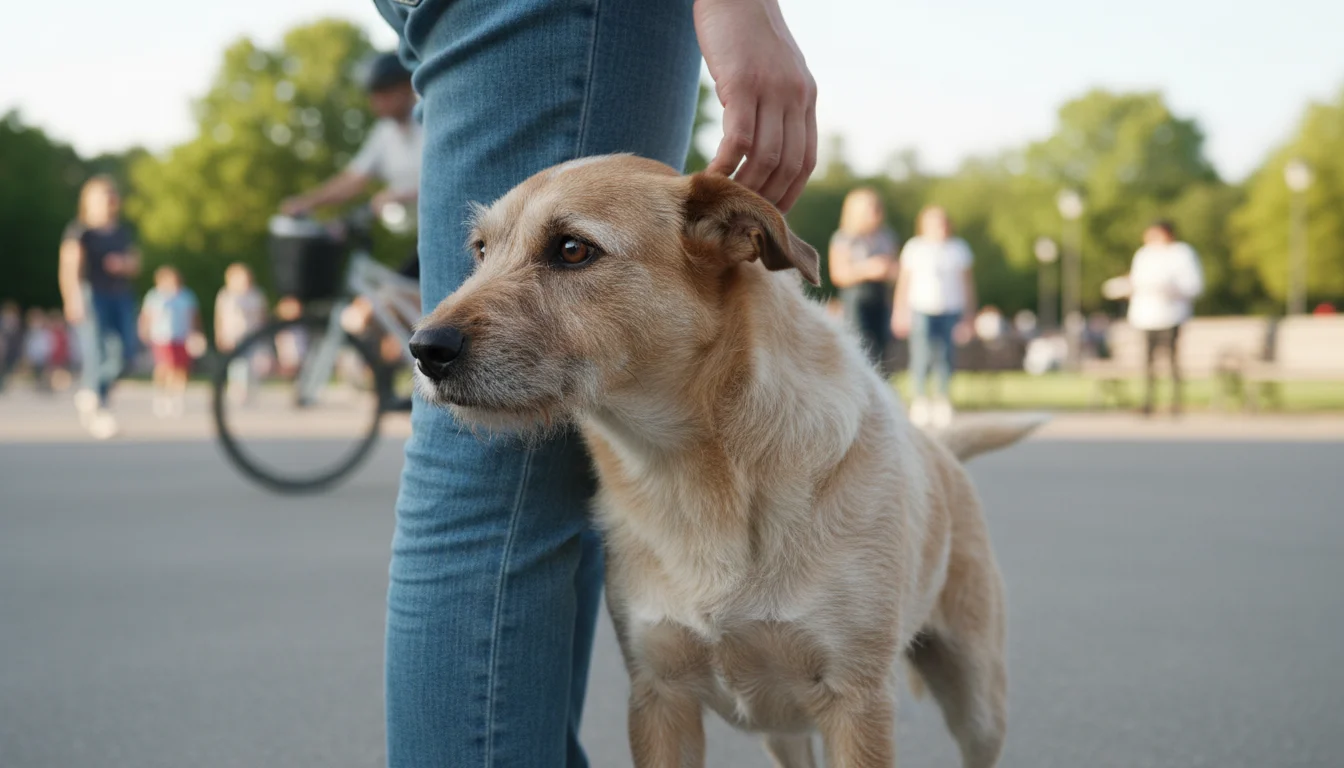
Identifying the specific type of aggression your dog exhibits is vital for developing an effective behavior modification plan. Each type often has distinct triggers and requires a tailored approach. Here are some of the most common forms of dog aggression:
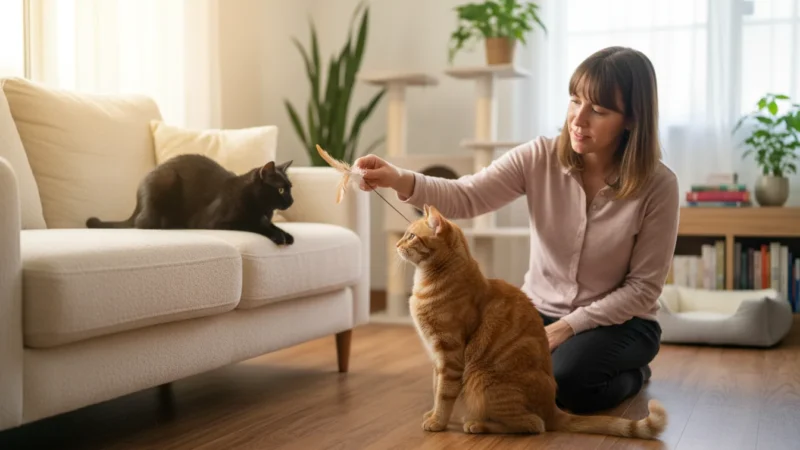
If you share your home with other species, it may also be beneficial to understand cat aggression to ensure all your pets coexist peacefully.
-
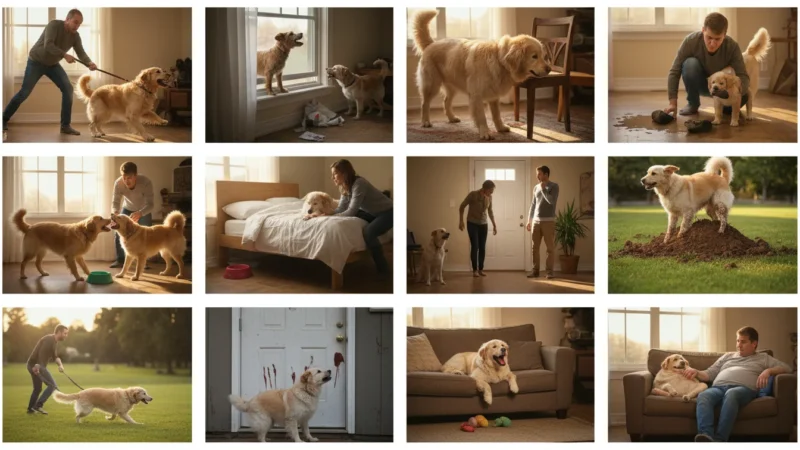
Fear-Related Aggression: This is arguably the most common type. A dog displays fear aggression when they feel trapped, threatened, or overwhelmed. They may try to escape the situation, but if they cannot, they might lash out to make the threat go away. Triggers include unfamiliar people, other dogs, loud noises, or new environments. The dog often shows fearful body language such as a tucked tail, lowered body, avoidance, or trembling, combined with aggressive displays.
-
Resource Guarding (Possessive Aggression): Your dog exhibits this aggression to protect valuable items such as food, toys, sleeping spots, or even their human family members. They perceive a threat to these resources and will growl, snarl, or bite to defend them. This can manifest towards other pets or people approaching their guarded item.
-
Territorial Aggression: This occurs when a dog perceives an intruder in their perceived territory, which could be your home, yard, or even your car. They may bark excessively, lunge at fences, or attempt to bite strangers approaching their space. This behavior is rooted in an instinct to protect their home and family.
-
Pain-Induced Aggression: A dog experiencing pain, discomfort, or a medical condition may become aggressive to prevent further pain. This can happen if you touch an injured area, or if they are moved unexpectedly. Always rule out underlying medical issues with a veterinary check-up first when aggression suddenly appears. According to the American Veterinary Medical Association (AVMA), medical conditions such as arthritis, dental disease, thyroid imbalances, or neurological disorders can contribute to behavioral changes including aggression.
-
Frustration-Induced Aggression (Leash Reactivity): This type is often seen in dogs who are highly aroused but prevented from reaching a desired object or person, such as another dog during a walk. The frustration builds and erupts into barking, lunging, and snapping. It is not true aggression towards the target but a release of pent-up energy and frustration.
-
Redirected Aggression: This happens when a dog cannot access the source of their arousal or frustration and redirects their aggression onto a closer, less threatening target. For example, two dogs barking at a dog outside a window, and one dog turns and bites the other. Or a dog being restrained from lunging at a squirrel, and then biting the hand holding the leash.
-
Intra-Household Aggression: This refers to aggression between dogs living in the same home. It can stem from resource guarding, status seeking, or a general lack of social skills and appropriate boundaries among household members. Establishing clear rules and ensuring all dogs feel secure in their resources are key to managing this.
-
Maternal Aggression: A mother dog protecting her puppies is a natural instinct. She may become aggressive towards anyone she perceives as a threat to her litter. This behavior usually subsides as the puppies grow older and become more independent.
-
Predatory Aggression: While often mistaken for aggression, predatory behavior is an instinctual hunting sequence not driven by fear or anger. It involves stalking, chasing, and grabbing. It is typically silent and focused, often directed at smaller animals, children running, or even cars. While not emotional aggression, it can be extremely dangerous and requires careful management and prevention.
Proper identification of these types helps in tailoring `best pet training tips` that address the specific triggers and underlying motivations for your dog’s `aggression`.
Early Intervention and Prevention: The Role of Socialization and Training
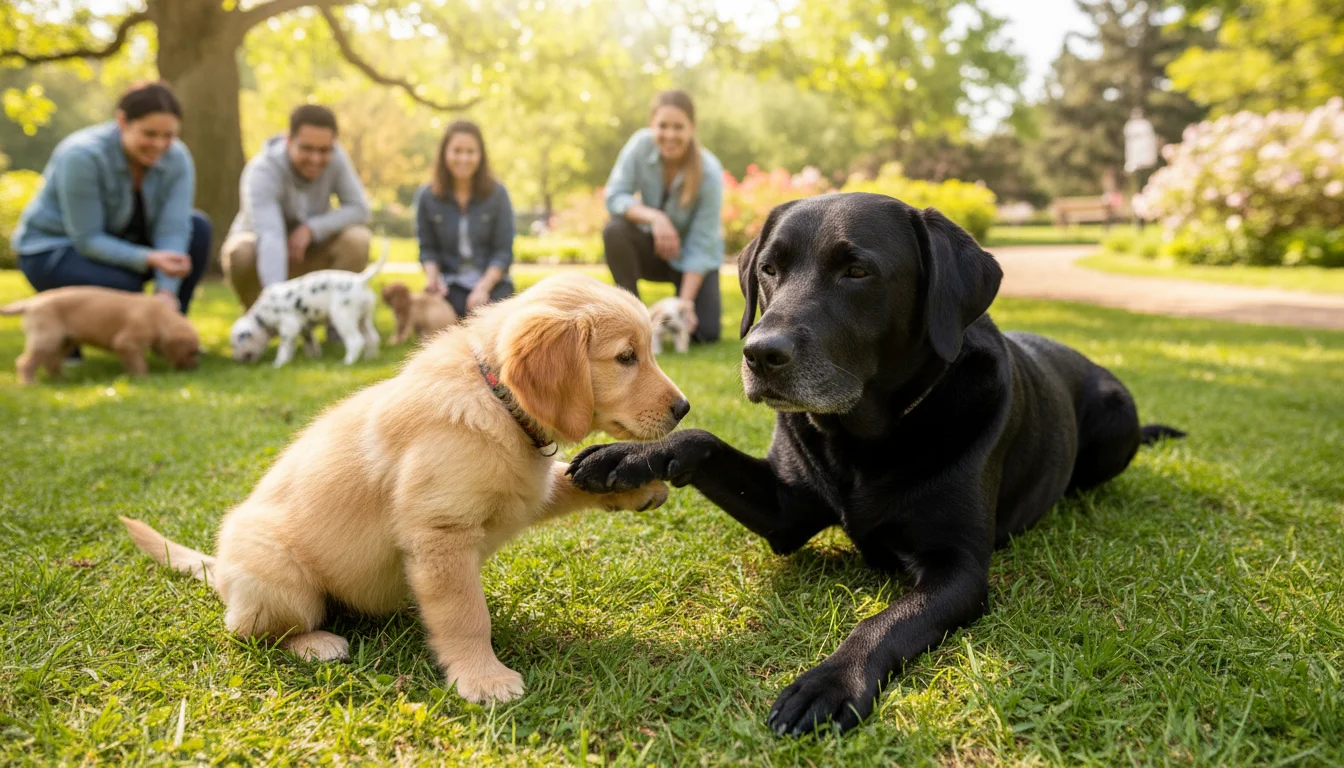
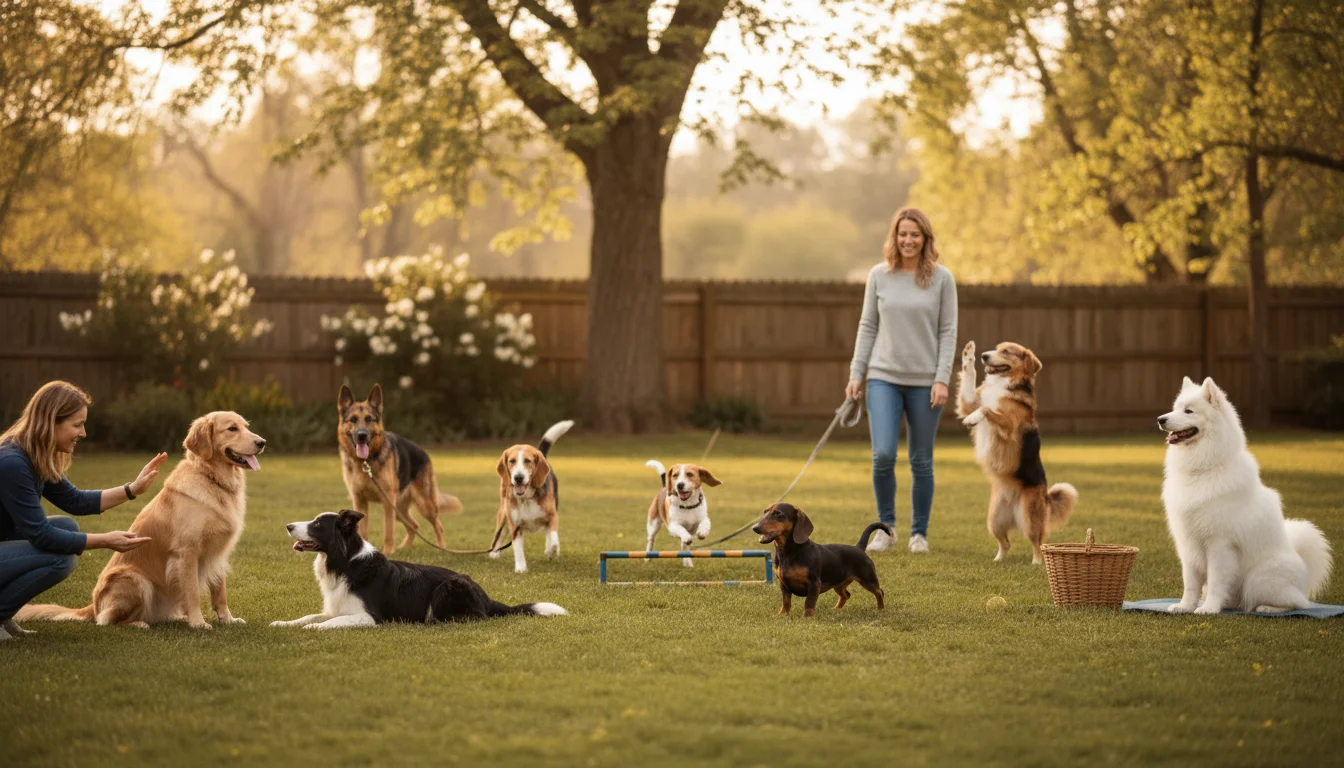
Preventing aggression starts early, especially during puppyhood. The critical socialization period for puppies typically runs from 3 to 16 weeks of age. During this time, positive exposure to a wide variety of people, places, sounds, and other friendly, vaccinated dogs can significantly reduce the likelihood of fear-based aggression later in life. This is a foundational aspect of `pet care` that often gets overlooked.
Puppy Socialization Protocols
Effective socialization means more than just letting your puppy interact with every dog they meet. It involves creating controlled, positive experiences:
- Controlled Exposure: Introduce your puppy to novel sights, sounds, and textures in a calm, positive way. Think car rides, walks in different neighborhoods, exposure to different floor surfaces, and the sound of vacuums or doorbells.
- Positive Reinforcement: Pair new experiences with high-value treats and praise. If your puppy seems overwhelmed, increase distance from the trigger or shorten the exposure time. The goal is positive association, not overwhelming them.
- Supervised Play: Arrange playdates with calm, well-socialized adult dogs who can teach appropriate play behavior. Supervise closely to ensure interactions remain positive.
- Handling Exercises: Gently handle your puppy all over their body, including paws, ears, and mouth. Pair this with treats so they associate handling with positive outcomes, which helps with vet visits and grooming.
Basic Obedience as a Foundation
Beyond socialization, basic obedience training is crucial for building a strong relationship and providing your dog with a framework for understanding expectations. Commands like “sit,” “stay,” “come,” and a reliable “leave it” give you tools to manage situations and redirect your dog’s attention. These commands are particularly valuable when managing a dog who shows signs of `aggression`.
Positive reinforcement training, which involves rewarding desired behaviors, is the most humane and effective method. According to the ASPCA, positive reinforcement strengthens the bond between you and your pet and helps build confidence, which is vital for dogs prone to aggression.
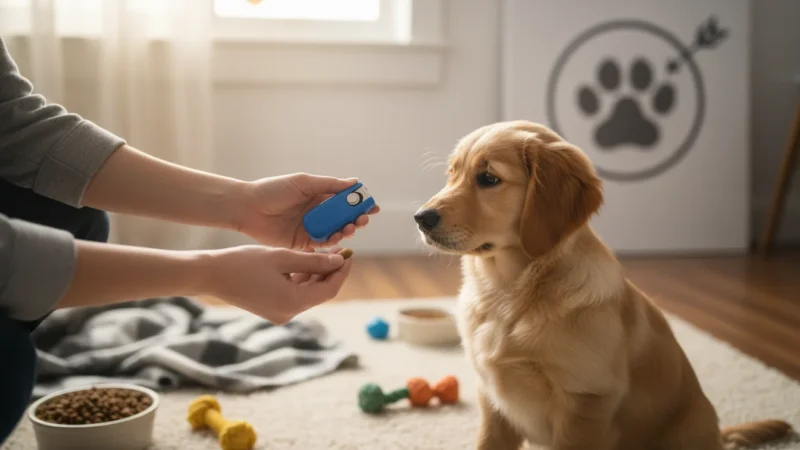
- Marker Training: Use a clicker or a verbal marker word (like “Yes!”) to precisely mark the moment your dog performs the desired behavior.
- Reward Timing: Deliver a high-value treat immediately after the marker. This clear association helps your dog understand exactly what they are being rewarded for.
- Motivation: Understand what truly motivates your dog. This could be specific treats, toys, or praise. The higher the value of the reward, the stronger the motivation for your dog to repeat the behavior.
Consistency in `pet training` and positive reinforcement builds a dog’s confidence and trust in you, reducing the need for aggressive communication.
Safety First: Managing Aggressive Behaviors Immediately
When dealing with a dog exhibiting aggressive behaviors, your absolute first priority is safety for all involved: your dog, other animals, and people. Management strategies are essential to prevent incidents while you work on behavior modification. These are not solutions in themselves, but crucial tools to keep everyone safe.
Avoiding common training mistakes is vital when working with sensitive or reactive animals to ensure you don’t accidentally reinforce the wrong behavior.
Creating a Safe Environment
- Avoid Triggers: Identify what triggers your dog’s aggression and proactively avoid those situations. If your dog is reactive to other dogs on walks, choose quiet routes or times of day. If they guard their food, feed them in a separate, secure room.
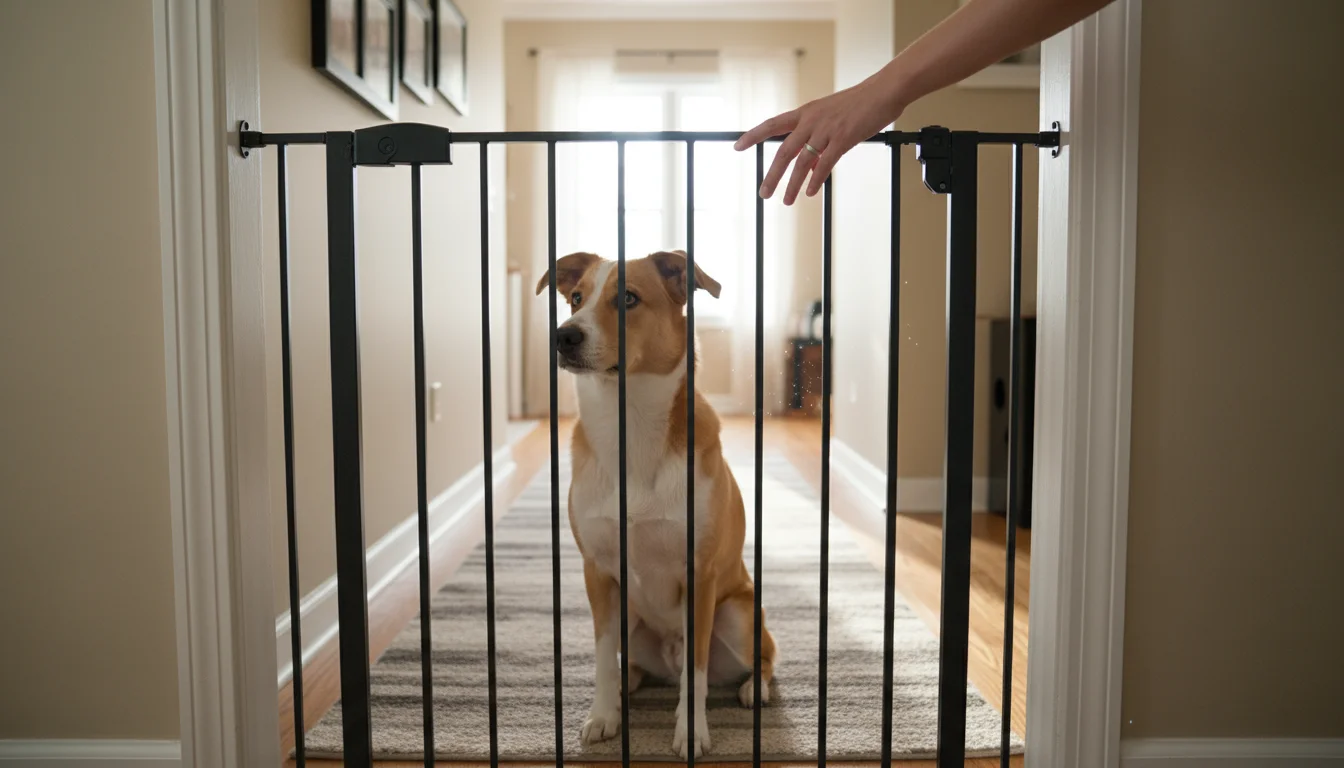
- Physical Barriers: Use baby gates, closed doors, and crates to safely separate your dog from triggers or to prevent access to specific areas. For instance, if your dog is territorial at the front door, use a gate to keep them in another room when guests arrive.
- Leash Management: Always keep your dog on a leash in public if they have any history of aggression or reactivity. A strong, secure leash and harness provide better control.
- Muzzle Training: A well-fitted basket muzzle can be a life-saving tool, especially for dogs with a bite history or when introducing them to new situations where aggression might occur. It is crucial to introduce the muzzle positively, pairing it with high-value treats and praise, gradually increasing wear time. This makes the muzzle a neutral or even positive experience, not a punishment.
Never Punish Aggression
It is vital to understand that punishing a dog for growling, snarling, or snapping is counterproductive and dangerous. When you punish these warning signals:
- You suppress communication: Your dog learns that expressing discomfort leads to punishment, so they may skip the warnings and go straight to biting.
- You increase fear and anxiety: Punishment escalates your dog’s stress, which is often the underlying cause of aggression, making the problem worse.
- You damage your bond: Punishment erodes trust and can make your dog more fearful of you.
Instead of punishment, focus on managing the environment and changing your dog’s emotional response through positive reinforcement techniques. This foundational principle is key to all successful `pet care` and `pet training` for aggression.
Science-Backed Solutions: Positive Reinforcement for Behavior Change
Once safety management is in place, the next step is to embark on behavior modification. Positive reinforcement methods focus on changing your dog’s underlying emotional response to triggers and teaching them alternative, acceptable behaviors. This takes time, patience, and consistency.
Counter-Conditioning and Desensitization
These two techniques are often used together and form the core of `aggression` modification:
-
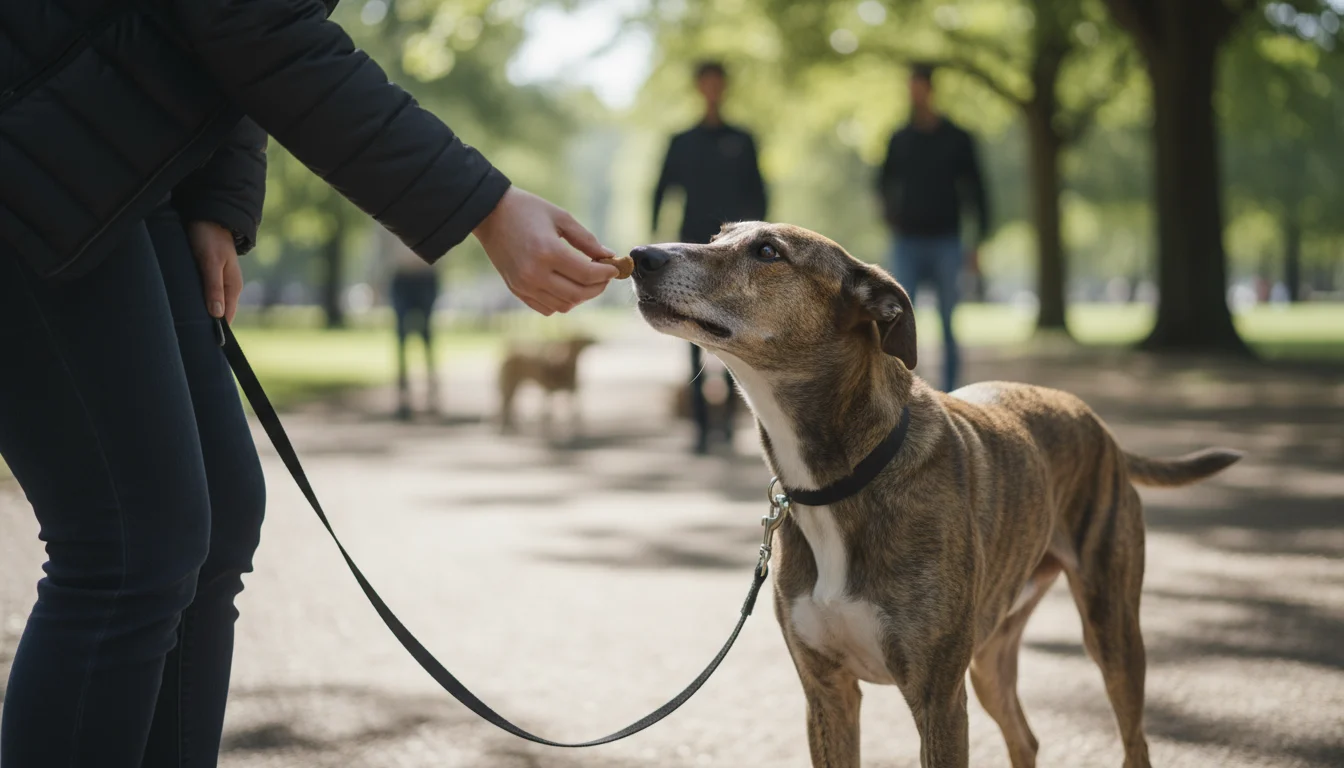
Counter-Conditioning: This involves changing your dog’s negative emotional association with a trigger to a positive one. If your dog fears strangers, you would pair the presence of a stranger (at a safe distance) with something highly positive, like delicious treats. The goal is for your dog to eventually associate strangers with good things, rather than fear.
-
Desensitization: This is the process of gradually exposing your dog to a trigger at a low intensity that does not provoke an aggressive response. You start at a distance or intensity where your dog notices the trigger but remains calm and then slowly decrease the distance or increase intensity over many sessions. Always work below your dog’s “threshold,” meaning the point at which they react negatively. If they react, you are too close or moving too fast.
Practical Applications:
-
“Look At That” (LAT) Game for Reactive Dogs: This game helps dogs who bark and lunge at triggers (like other dogs or people on walks). When your dog sees a trigger, before they react, say “Look!” (or a similar word) and immediately give a high-value treat. Your dog looks at the trigger, then looks at you for the treat. The goal is to create the association: “trigger = treat.” This changes their emotional response from fear/frustration to anticipation of a reward. Over time, your dog will voluntarily look at the trigger and then at you.
-
Teaching Incompatible Behaviors: Teach your dog to perform a behavior that is incompatible with aggression. For example, if your dog jumps and nips at guests, teach them to sit calmly on a mat when someone comes to the door. Reward this calm behavior heavily. A dog cannot lunge and sit on a mat simultaneously.
-
Reward Calmness: Actively reinforce calm behavior in various situations. When your dog lies quietly, reward them. When they ignore a mild trigger, reward them. Focus on what you want your dog to do, rather than what you want them to stop doing.
These `best pet training tips` require consistent effort, often over weeks or months. Progress is rarely linear, so celebrate small victories and stay patient. Remember that you are reshaping deep-seated emotional responses, which takes time. According to the Humane Society of the United States, consistency and patience are critical components of successful behavior modification for aggression, as significant changes do not happen overnight.

When to Consult a Professional: Trainers, Behaviorists, and Veterinarians
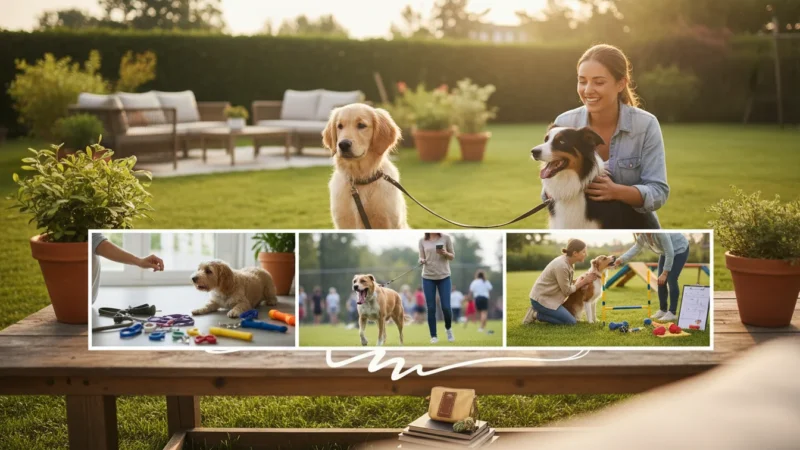
Addressing dog aggression can be complex and challenging. While you can implement many strategies at home, knowing when to seek professional help is paramount for the safety and well-being of your dog and everyone around them. Early intervention from a qualified professional can prevent escalation and lead to more effective outcomes.
If you are unsure whether your dog’s behavior requires an expert, look for these signs your dog needs professional training help to decide.
Step 1: Consult Your Veterinarian First
Any sudden onset of aggression, or an increase in aggressive behaviors, warrants an immediate visit to your veterinarian. As mentioned, pain, discomfort, or underlying medical conditions can be significant contributors to aggressive displays. Your vet will perform a thorough physical examination, potentially recommend blood tests, or other diagnostics to rule out any health issues affecting your dog’s behavior. If medical causes are ruled out, your vet can then refer you to a veterinary behaviorist or a certified dog trainer.
Step 2: When to Seek a Certified Professional Dog Trainer
A certified professional dog trainer is an excellent resource for managing and modifying aggression, particularly for cases of mild to moderate aggression, or specific behaviors like leash reactivity or resource guarding. Look for trainers who use positive reinforcement, force-free methods, and hold recognized certifications such as CPDT-KA (Certified Professional Dog Trainer – Knowledge Assessed) from the Certification Council for Professional Dog Trainers (CCPDT) or KPA-CTP (Karen Pryor Academy Certified Training Partner).
A good trainer will:
- Conduct a thorough assessment of your dog’s behavior and your household dynamics.
- Develop a customized training plan focusing on behavior modification and management.
- Teach you how to implement positive reinforcement techniques effectively.
- Provide ongoing support and guidance throughout the training process.
Step 3: When to Seek a Veterinary Behaviorist
For severe cases of aggression, complex behavioral issues, or aggression that has a significant genetic or neurological component, a board-certified veterinary behaviorist (DACVB – Diplomate of the American College of Veterinary Behaviorists) is the most qualified professional. These are veterinarians who have completed extensive post-doctoral training and specialization in animal behavior. They are uniquely positioned to:
- Diagnose and treat behavioral disorders, including prescribing medication when appropriate, in conjunction with behavior modification.
- Address cases where aggression is rooted in severe anxiety, phobias, or compulsive disorders.
- Work with your primary veterinarian to ensure a holistic approach to your dog’s health and behavior.
You can find a board-certified veterinary behaviorist through organizations like the American College of Veterinary Behaviorists (ACVB). Seeking their expertise is crucial when aggression poses a significant risk or when standard training methods have not yielded sufficient results.
Budget Considerations
Professional help for `aggression` can be an investment. Consider your budget, but prioritize safety and effectiveness. Many trainers offer different packages or group classes for various budget levels. Some veterinary behaviorists may also offer telehealth consultations. Remember that neglecting aggression can lead to more costly problems in the long run, including injury, legal issues, or rehoming.
Addressing Specific Scenarios: Resource Guarding and Leash Reactivity
While aggression can manifest in many forms, resource guarding and leash reactivity are two common types that owners frequently encounter. Understanding how to specifically address these behaviors with positive reinforcement is key for successful `pet training` and improving your dog’s quality of life.
Managing Resource Guarding
Resource guarding involves a dog protecting an item they value from perceived threats. This could be food, toys, a bed, or even a person. The goal is to change your dog’s emotional response from fear that their resource will be taken away to anticipation that good things happen when you approach their valued item.
-
Management First: Prevent guarding incidents by feeding your dog in a separate, quiet room, picking up toys when they are not actively playing with them, or providing separate beds for multiple dogs. Avoid confronting your dog over a guarded item, as this can escalate aggression.
-
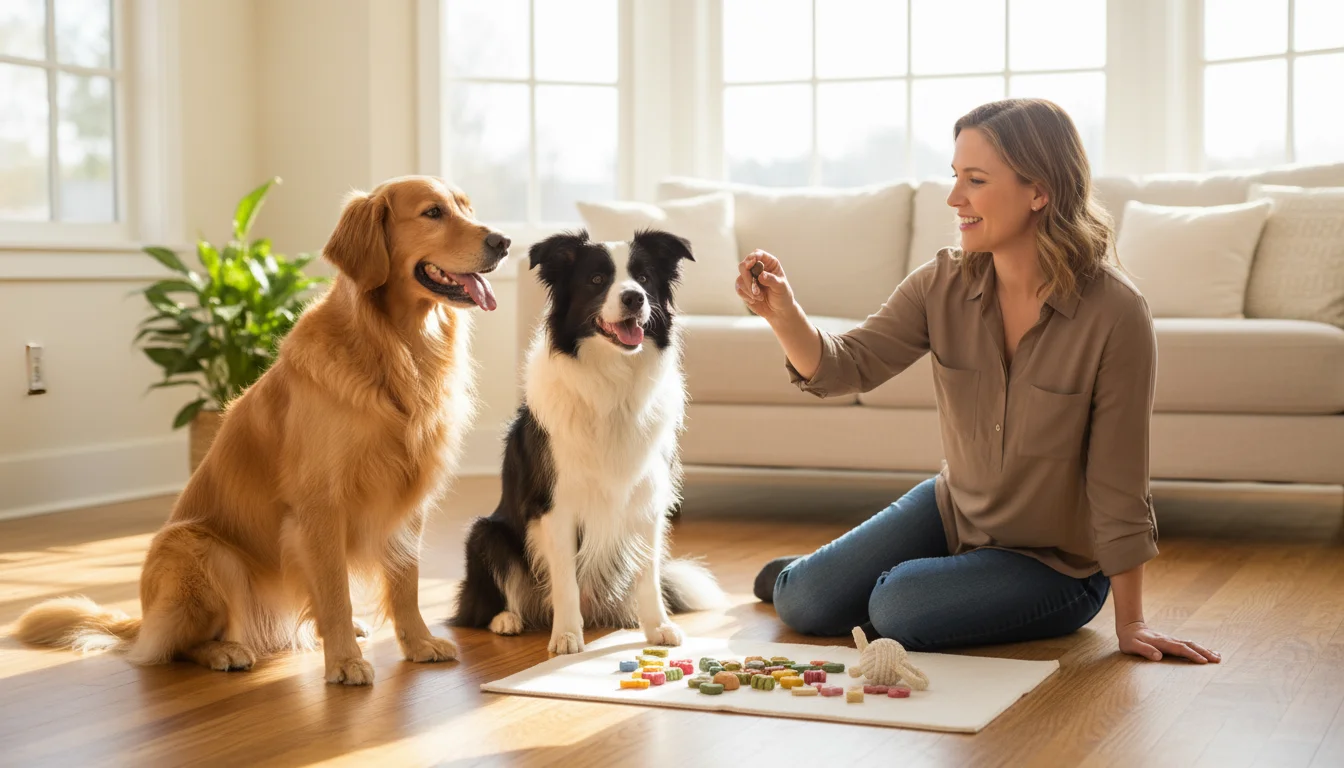
The “Trade Up” Game: This game teaches your dog that giving up a valued item results in an even better reward. When your dog has a toy, offer a high-value treat in exchange. When they drop the toy to take the treat, praise them and then give the toy back (or a different, equally appealing toy). Repeat this frequently with various items. This builds trust and positive associations with you approaching their resources.
-
Positive Association with Approach: If your dog guards their food bowl, start by standing at a distance they do not react to while they eat. As they eat, toss a high-value treat into their bowl from that distance. Gradually, over many sessions, decrease the distance you stand from the bowl, always tossing treats as you approach. This teaches them that your approach means more good things, not taking things away.
-
Avoid Punishment: Never punish your dog for growling or guarding. This only teaches them to guard more secretly or to skip warnings and bite.
Consistency is paramount. Ensure everyone in the household understands and follows these protocols to build trust and reduce `aggression`.
Addressing Leash Reactivity
Leash reactivity is often a combination of fear, frustration, and over-arousal when a dog sees a trigger (usually another dog or person) while on leash. It typically involves barking, lunging, and pulling. Your aim is to change your dog’s emotional response from negative to positive and teach them to remain calm.
-
Maintain Safe Distance: Your first step is to identify your dog’s “threshold distance” – the point at which they notice a trigger but can still remain calm. Always work below this threshold. If your dog reacts, you are too close. Increase the distance.
-
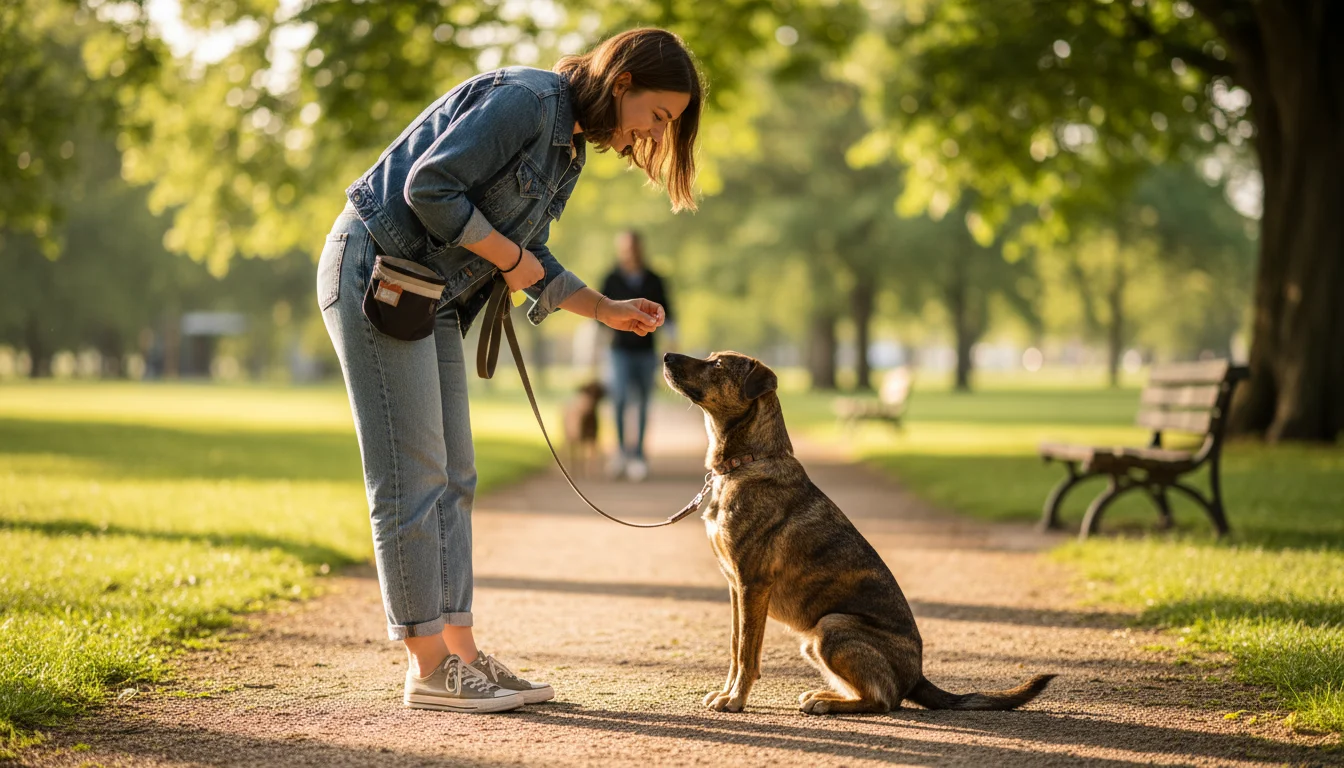
The “Engage-Disengage” Game (or “Look At That”): As discussed earlier, this game is powerful for leash reactivity. When your dog sees a trigger at their threshold distance, mark the moment with a clicker or verbal marker and immediately reward with a high-value treat. The dog looks at the trigger, then looks at you for the treat. The goal is for your dog to associate the trigger with good things from you and to look to you for guidance.
-
Change Direction: If your dog starts to fixate on a trigger, cheerfully change direction and walk away, rewarding them for following you. This is not punishment, but a positive way to disengage and reset.
-
Parallel Walking: If your dog is reactive to other dogs, practice walking parallel to a calm, known dog at a distance where both dogs remain relaxed. Gradually decrease the distance over many sessions, always rewarding calm interactions.
-
Focus on You: Practice attention exercises in low-distraction environments and gradually increase distractions. Teach your dog to make eye contact on command, helping you to redirect their attention when a trigger appears. These `best pet training tips` enhance your dog’s focus on you during walks.
Progress with leash reactivity can be slow, but consistent, positive `pet training` can significantly improve your dog’s comfort and behavior on walks, transforming stressful outings into enjoyable experiences.
Frequently Asked Questions
Can aggression be cured?
Aggression is a complex behavioral issue that can often be successfully managed and modified, but rarely “cured” in the sense that it disappears entirely. The goal of `pet training` and behavior modification is to reduce the frequency, intensity, and severity of aggressive behaviors, teach your dog alternative responses, and improve their quality of life. Consistent management and ongoing `pet care` are typically required throughout your dog’s life.
Is punishment ever okay for aggression?
No, punishment is strongly discouraged for aggression. Punishment, whether physical or verbal, can suppress warning signs (like growling), making a dog more likely to bite without warning. It also increases fear, anxiety, and stress, which are often underlying causes of aggression, thus exacerbating the problem. Positive reinforcement, which focuses on rewarding desired behaviors and changing emotional responses, is the humane and most effective approach.
What if my dog is aggressive towards other dogs in the home?
Intra-household aggression can be particularly stressful. Begin with management by separating the dogs with gates or crates when unsupervised. Ensure each dog has their own separate resources (food bowls, water, beds, toys) to prevent resource guarding. Consult a certified professional dog trainer or a veterinary behaviorist who can assess the specific dynamics, identify triggers, and develop a structured plan for safe reintroduction and behavior modification. This may involve parallel walks, structured play, and individual `pet training` sessions for each dog.
How long does it take to see results?
The timeline for seeing results varies significantly depending on the type and severity of `aggression`, your dog’s history, your consistency with the training plan, and the effectiveness of professional guidance. Mild cases might show improvement in weeks, while severe or long-standing aggression can take many months, or even years, of dedicated effort. Patience, consistency, and realistic expectations are crucial. Remember that modifying deeply ingrained behaviors takes time.
Is breed a factor in aggression?
While certain breeds may have genetic predispositions or historical functions that can influence their behavioral tendencies (e.g., guarding breeds may have stronger territorial instincts), aggression is primarily influenced by individual temperament, early experiences, socialization, `pet training`, and environmental factors. Any dog, regardless of breed, can exhibit aggression. Focusing on responsible `pet care`, early socialization, and positive reinforcement training is far more impactful than breed stereotypes.
For expert pet care guidance, visit
UC Davis School of Veterinary Medicine, American Animal Hospital Association (AAHA) and Association of Professional Dog Trainers (APDT).
Disclaimer: This article is for informational purposes only and is not a substitute for professional veterinary advice, diagnosis, or treatment. Always consult with a licensed veterinarian for medical concerns about your pet.
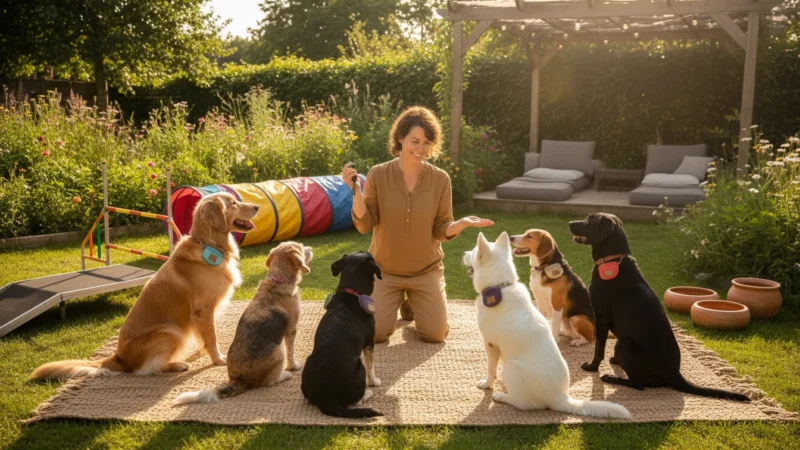
Managing these interactions can be challenging, but learning how to train multiple dogs at once can help establish peace in the home.
If your dog’s reactivity includes non-stop vocalization, you may also need to learn how to stop excessive barking through positive reinforcement methods.


Leave a Reply