Choosing the right feline companion for apartment living requires thoughtful consideration. Your home, regardless of its size, can provide a stimulating and loving environment for a cat if you select a breed known for its adaptability and a more relaxed temperament. This guide helps you identify apartment-friendly cat breeds and provides essential cat care tips for cat owners to ensure your new friend thrives in your urban dwelling. We focus on breeds that typically adjust well to indoor life, require less extensive outdoor space, and are content with consistent interaction and appropriate indoor enrichment.
Understanding Apartment-Friendly Feline Traits
When searching for a feline companion suitable for an apartment, you want a cat whose natural inclinations align with indoor living. Apartment-friendly cats generally possess traits such as moderate energy levels, a calm demeanor, and adaptability to changes in their environment. They often enjoy quiet routines, are less prone to destructive behaviors when properly stimulated, and can form strong bonds with their human family without requiring extensive outdoor access.
Key traits to look for include:
- Adaptability: These cats adjust easily to new sounds, smells, and routines inherent in apartment life.
- Moderate Energy Levels: They appreciate playtime but do not require constant high-intensity activity. Indoor enrichment satisfies their exercise needs.
- Calm Demeanor: A relaxed nature helps them handle the occasional sounds of neighbors or urban life without excessive stress.
- Sociability: Many apartment cats thrive on human interaction and can be quite affectionate. Some even enjoy the company of other pets.
- Manageable Vocalization: While all cats vocalize, certain breeds are less prone to excessive meowing or demanding chatter.
Understanding these characteristics guides you toward a cat breed that will be a happy, well-adjusted member of your household. Focusing on their innate temperament simplifies cat care in a smaller space.

Preparing Your Apartment for a Feline Friend
Before bringing home a new cat, preparing your apartment is crucial for its safety, comfort, and well-being. This preparation involves creating an enriching indoor environment, establishing proper litter box management, and addressing potential safety hazards. According to experts at the ASPCA, a well-prepared environment significantly reduces stress for both pet and owner.
Indoor Environmental Enrichment
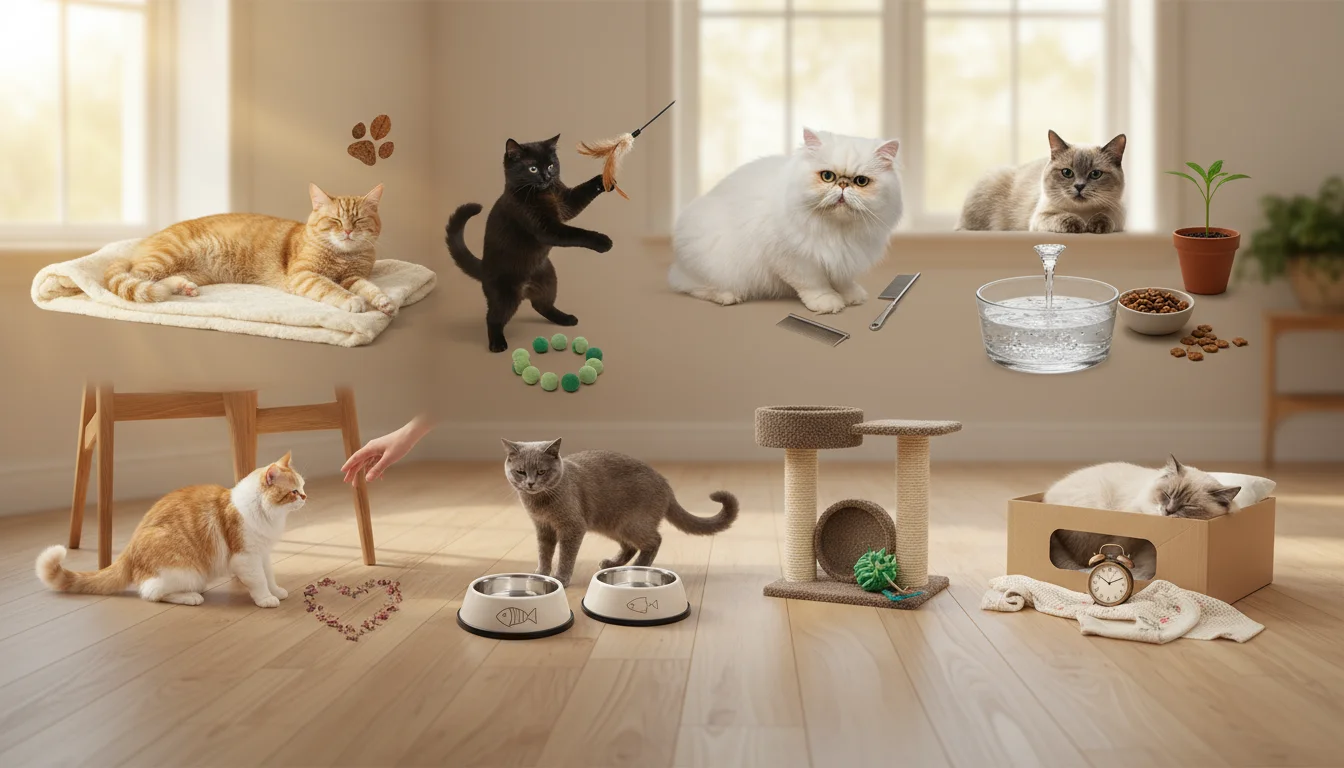
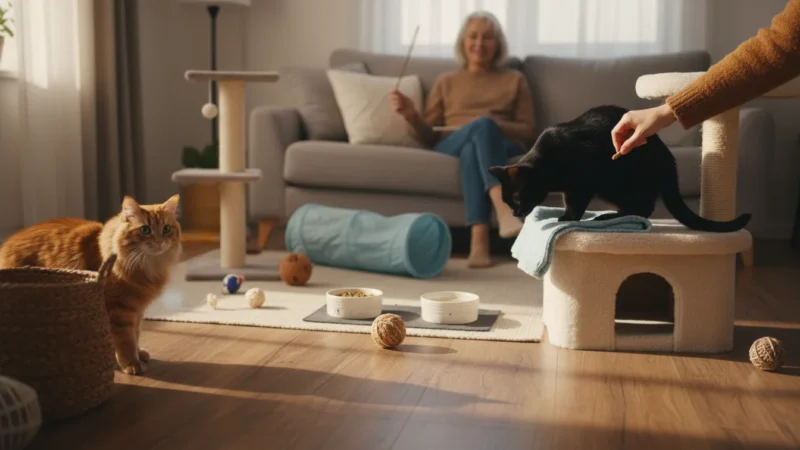
Cats need mental and physical stimulation, even within a small apartment. Providing vertical space, scratching posts, and window perches fulfills their natural instincts and keeps them entertained.
- Vertical Space: Cats feel secure and enjoy observing their territory from above. Install cat trees, wall-mounted shelves, or tall furniture accessible to your cat. These provide elevated resting spots and climbing opportunities.
- Scratching Posts: Offer a variety of scratching surfaces, including sisal, cardboard, and carpeted posts, both vertical and horizontal. This protects your furniture and allows your cat to maintain healthy claws and stretch. Place them in prominent areas where your cat naturally wants to scratch.
- Window Perches: A window perch provides endless entertainment as your cat watches birds, squirrels, and passersby. Securely mount a sturdy perch, ensuring it supports your catās weight.
- Interactive Toys: Rotate toys regularly to keep your cat engaged. Puzzle feeders, feather wands, and laser pointers (used responsibly) encourage play and mental stimulation.
- Safe Plants: Ensure all houseplants are non-toxic to cats. The Pet Poison Helpline offers a comprehensive list of toxic plants to avoid.
Litter Box Management
Proper litter box management prevents accidents and maintains a clean home.
- Quantity: The general rule for multi-cat households is one litter box per cat, plus one extra. For a single cat, provide at least two litter boxes. This offers choices and prevents issues if one box is less appealing.
- Placement: Place litter boxes in quiet, easily accessible locations away from food and water bowls, and high-traffic areas. Avoid hiding them in dark, confined spaces like closets, as this deters use.
- Cleaning: Scoop litter boxes at least once daily, ideally twice. Replace all litter and clean the box thoroughly with mild, unscented soap every one to two weeks. Cats are fastidious, and a dirty box causes avoidance.
- Litter Type: Experiment with different unscented litter types to find one your cat prefers. Many cats dislike perfumed litters.

The 15 Best Cat Breeds for Apartment Living
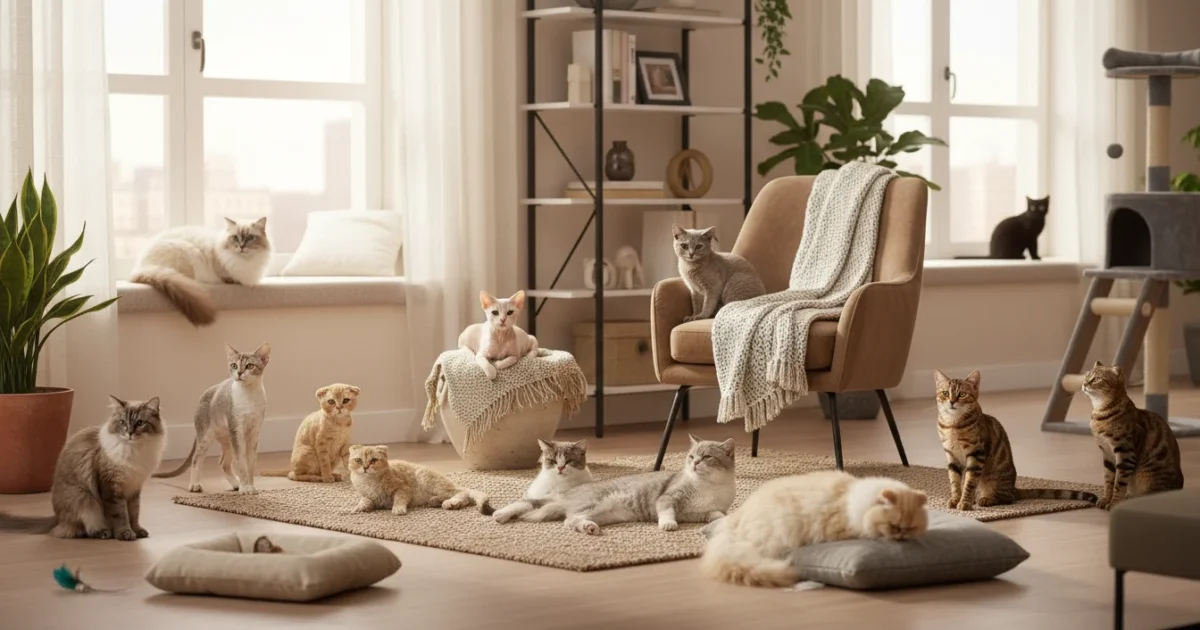
Many cat breeds thrive in an apartment setting, bringing joy and companionship without needing vast spaces. Here are 15 exceptional cat breeds that make wonderful apartment dwellers, focusing on their temperament, energy levels, and unique characteristics. Information on these breeds, including their origins and general characteristics, is often compiled by organizations such as the Cat Fanciersā Association (CFA), which highlights their suitability for various living situations.
-
British Shorthair
Known for their dense, plush coats and round faces, British Shorthairs are typically calm, quiet, and independent cats. They enjoy lounging and donāt demand constant attention, making them ideal for individuals with busy schedules. Their energy levels are moderate, and they adapt well to indoor living, often enjoying a good nap over vigorous play. Their short coat requires minimal grooming, usually a weekly brush.
-
Ragdoll
Ragdolls earn their name from their tendency to go limp and relaxed when picked up. These large, docile cats are incredibly affectionate and gentle, often following their owners from room to room. Their low-key nature and love for cuddles make them perfect apartment companions. They have a semi-long coat that needs regular brushing, two to three times a week, to prevent matting.
-
Persian
Persians are renowned for their long, flowing coats and sweet, placid temperaments. They are generally quiet, dignified, and appreciate a peaceful home environment. While they love affection, they are not overly demanding and are content with indoor living. Their extensive long coat requires daily grooming to prevent tangles and matting, a commitment you must be prepared for.
-
Maine Coon
Despite their large size, Maine Coons are gentle giants that adapt surprisingly well to apartment living, provided they receive sufficient enrichment. They are playful, intelligent, and enjoy interacting with their human families. They possess a dog-like loyalty and are known for their chirping vocalizations. Their shaggy, medium-long coat needs regular brushing, two to three times a week, to keep it healthy and free of mats.
-
Russian Blue
Graceful and reserved, Russian Blues are known for their striking silver-blue coats and emerald green eyes. They are relatively quiet and prefer a peaceful environment, though they can be quite playful and affectionate with their chosen family members. They are intelligent and enjoy interactive play but are not overly energetic. Their short, dense coat is low maintenance, requiring weekly brushing.
-
Scottish Fold
The distinctive folded ears of the Scottish Fold give them an owl-like appearance. These cats are sweet, intelligent, and famously adaptable. They enjoy being part of the family but are not excessively demanding of attention. They often sit in unique poses. Their short to medium coat requires weekly brushing, and regular ear checks are important due to their unique ear structure.
-
Birman
Birmans are sacred cats of Burma, known for their striking blue eyes, color-pointed coats, and white āglovesā on their paws. They are gentle, affectionate, and quiet cats who thrive on companionship. They are playful but not hyperactive, making them excellent apartment pets. Their silky, medium-long coat is less prone to matting than a Persianās but still requires two to three weekly brushings.
-
Sphynx
The hairless Sphynx is a unique and highly social breed. They crave human attention and are known for their warm, playful, and mischievous personalities. Their high energy and intelligence mean they need plenty of interactive play. Despite lacking fur, they require specialized grooming, including weekly baths to remove body oils and regular ear cleaning, to maintain skin health. They also need a warm environment.
-
American Shorthair
The American Shorthair is a robust, healthy, and easygoing cat. They are adaptable and generally good-natured, making them excellent family pets in any home, including apartments. They are moderately active and enjoy playing but are equally content to relax. Their short, dense coat is low maintenance, benefiting from a weekly brush to remove loose hair.
-
Exotic Shorthair
Essentially a short-haired Persian, the Exotic Shorthair possesses the same sweet and docile temperament without the demanding grooming routine. They are affectionate, quiet, and playful cats that thrive on human companionship. Their calm nature makes them perfect apartment dwellers. Their short, plush coat requires only weekly brushing to keep it in good condition.
-
Siamese
Siamese cats are famous for their sleek bodies, striking blue almond-shaped eyes, and distinct vocalizations. While they can be very vocal and demanding of attention, they are also highly intelligent, playful, and form strong bonds with their owners. If you appreciate a cat with a big personality and are home often to provide interaction, a Siamese can thrive in an apartment. Their short, fine coat is easy to maintain with weekly brushing.
-
Burmese
Burmese cats are known for their playful, outgoing, and affectionate personalities. They are often described as ālap catsā and enjoy being involved in family activities. They have a moderate energy level that is easily managed with indoor play. Their short, fine coat is low maintenance, needing only weekly brushing to keep it shiny.
-
Chartreux
Originating from France, the Chartreux is a quiet, gentle, and intelligent cat with a beautiful blue-gray coat and a serene expression. They are independent but also enjoy affection, making them well-suited for a calm apartment environment. They are not overly vocal and adapt well to routine. Their dense, water-resistant short coat requires weekly brushing.
-
Cornish Rex
Cornish Rex cats have a distinctive wavy, soft coat and a playful, extroverted personality. They are active, curious, and enjoy interactive games, but their energy is easily expended in an indoor setting. They are very affectionate and thrive on human interaction. Their unique short, wavy coat sheds minimally and requires little grooming, perhaps a gentle wipe with a damp cloth.
-
Selkirk Rex
The Selkirk Rex is a charming cat known for its curly coat, which can be short or long. They are patient, loving, and playful, enjoying both cuddles and games. Their calm and tolerant nature makes them adaptable to apartment living and good with children or other pets. Their curly coat, depending on length, needs regular brushing to prevent matting and maintain its texture, typically two to three times a week for long-haired varieties.

Essential Cat Care Tips for Apartment Dwellers
Beyond breed selection and initial setup, ongoing cat care is vital for your apartment catās health and happiness. These best cat care tips for cat owners cover crucial aspects of their daily life.
Feline Behavior Understanding
Understanding your catās body language and vocalizations strengthens your bond and helps you address their needs effectively.
- Body Language: A cat with an upright tail often indicates happiness, while a tucked tail can signal fear. Flat ears or dilated pupils suggest stress or aggression. Learning these cues helps you respond appropriately to their comfort levels.
- Vocalizations: Different meows, purrs, trills, and hisses convey various messages, from greeting you to demanding food or expressing discomfort. Pay attention to context to decipher their meaning.
- Territory Needs: Even in an apartment, cats establish territory. Ensure they have clear access to their food, water, litter boxes, and resting spots without competition from other pets or constant disturbance.
Nutrition and Hydration
Provide a high-quality, balanced diet appropriate for your catās age, activity level, and health status. Consult your veterinarian for specific dietary recommendations. Ensure constant access to fresh, clean water. Many cats prefer drinking from fountains, as flowing water can be more appealing than still water in a bowl.
Regular Exercise and Play
Even moderate energy cats need daily play sessions to stay healthy and prevent boredom. Dedicate at least two 15-minute play sessions each day using interactive toys like feather wands or laser pointers. This helps them burn energy, maintain a healthy weight, and satisfies their predatory instincts.
Routine Veterinary Check-ups
Regular veterinary visits are essential for preventive care. Your veterinarian can monitor your catās health, administer necessary vaccinations, and provide advice tailored to your catās specific needs. Early detection of health issues, common in senior cat care, improves outcomes.

Grooming Your Apartment Cat: By Coat Type
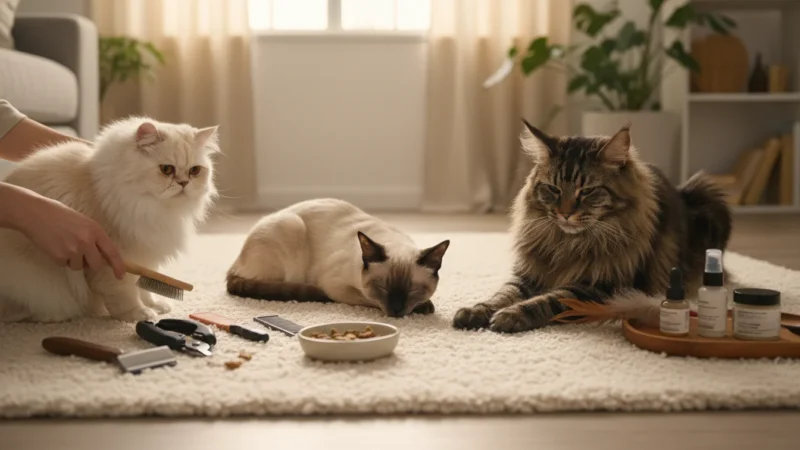
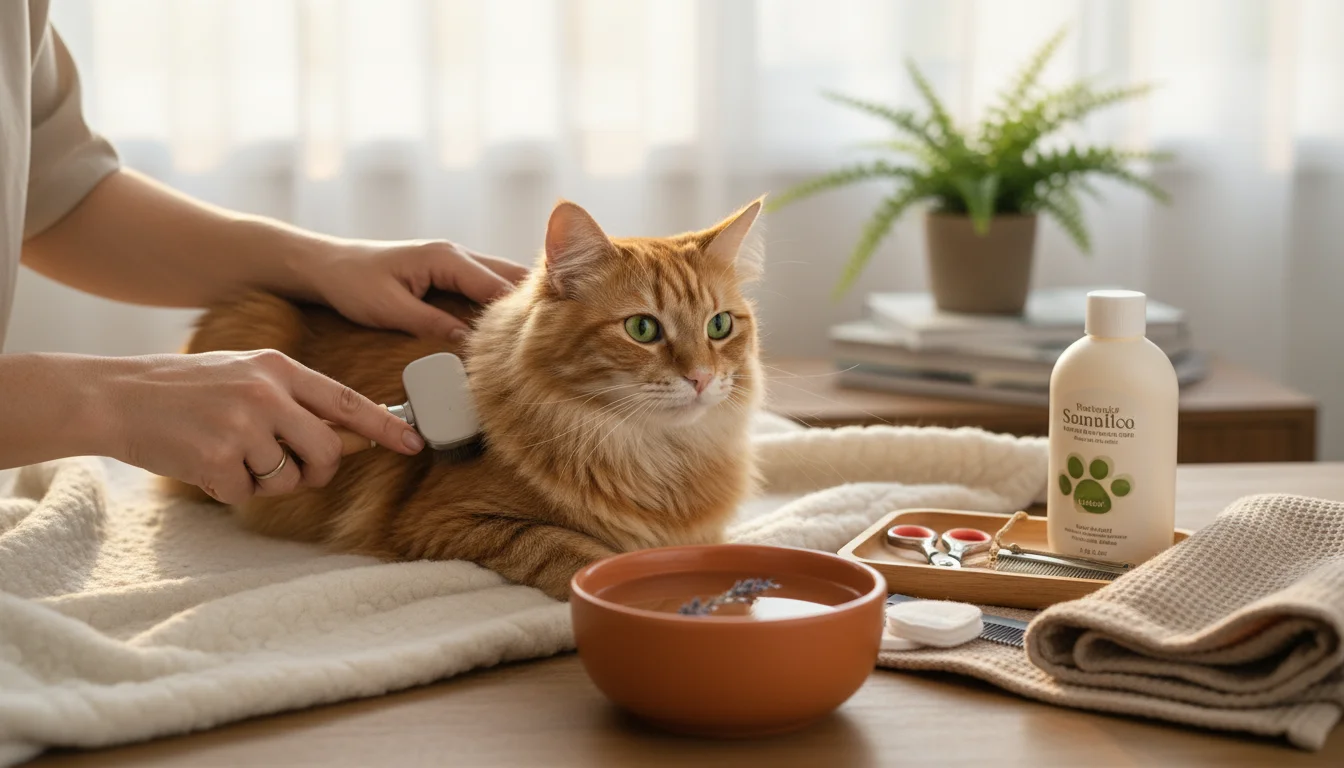
Grooming is more than just aesthetics, it is an important part of pet care that supports skin health, prevents matting, and reduces shedding. The frequency and type of grooming depend heavily on your catās coat. Regular grooming also serves as an opportunity to check for any lumps, bumps, or skin irritations.
Long-Hair Breeds (e.g., Persian, Ragdoll, Maine Coon)
These breeds require the most intensive grooming.
- Daily Brushing: Use a slicker brush and a metal comb to gently detangle and remove loose fur. Pay close attention to areas prone to matting, such as behind the ears, armpits, and flanks.
- Prevent Matting: Regular brushing is the best defense against mats, which can be painful and lead to skin infections. If you encounter a mat, try to gently tease it apart with your fingers or the comb. For severe mats, professional grooming might be necessary.
- Bathing: Occasional baths, every few months or as needed, help keep their coats clean and healthy. Use a cat-specific shampoo and ensure thorough rinsing to prevent skin irritation.
Short-Hair Breeds (e.g., British Shorthair, American Shorthair, Russian Blue)
Short-haired cats are generally lower maintenance, but still benefit from regular grooming.
- Weekly Brushing: Use a rubber curry brush or a fine-toothed comb to remove loose hair and stimulate blood circulation. This reduces shedding around your home.
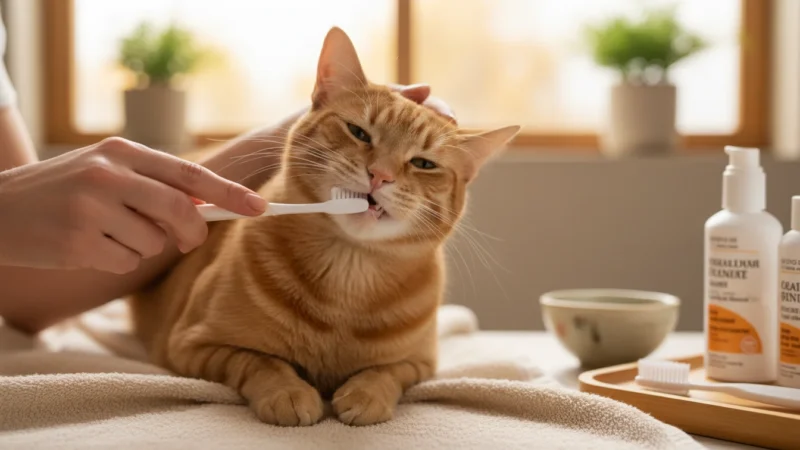
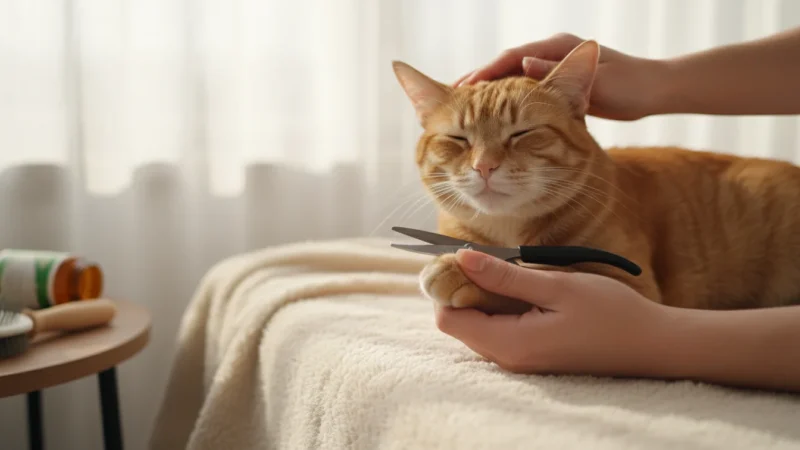
- Nail Trimming: All cats need regular nail trims, typically every two to four weeks. Introduce this early and make it a positive experience with treats.
- Ear and Eye Cleaning: Check ears weekly for dirt or signs of infection. Clean with a vet-approved solution. Wipe eyes gently with a soft, damp cloth if any discharge is present.
Hairless Breeds (e.g., Sphynx, Peterbald)
Hairless cats have unique grooming requirements, focusing on skin care.
- Weekly Baths: Since they lack fur to absorb body oils, hairless cats need regular baths to prevent oily build-up on their skin. Use a gentle, hypoallergenic cat shampoo and ensure they are kept warm afterward.
- Skin Care: Monitor their skin for dryness, rashes, or sunburn. Apply vet-approved moisturizing lotions if necessary and provide sun protection if they have outdoor access or direct sun exposure indoors.
- Ear Cleaning: Their ears can accumulate more wax and dirt due to the lack of hair protection. Clean them weekly with a vet-approved ear cleaner.
Consistent grooming, tailored to your catās coat, keeps them comfortable and healthy, making them even better apartment companions. For detailed guidelines on maintaining your catās overall health, including grooming best practices, consider resources like Cornell University College of Veterinary Medicineās Feline Health Center.

Creating a Harmonious Multi-Cat Apartment
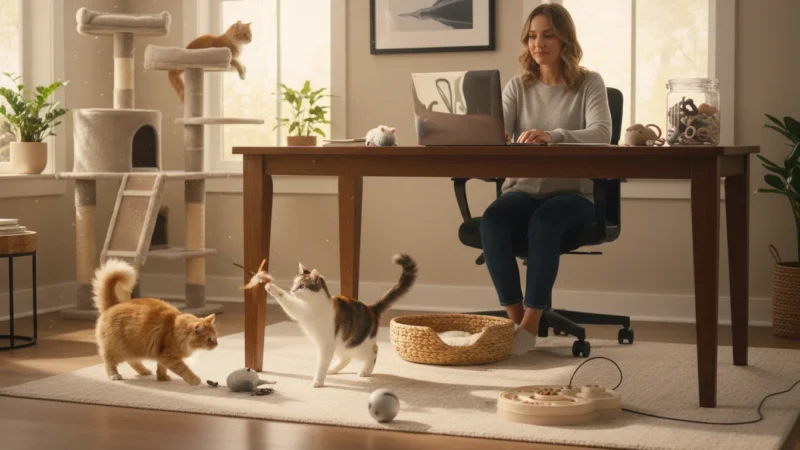
Living with multiple cats in an apartment requires careful planning to prevent conflict and ensure all felines feel secure and comfortable. The key to a successful multi-cat household lies in thoughtful introductions and abundant resource distribution. Resource guarding is a common cause of tension, so prevent it by having enough of everything.
Thoughtful Introductions
Introduce new cats slowly and carefully to prevent stress and aggression.
- Separate Spaces: Initially, confine the new cat to a separate room with its own food, water, litter box, and bedding. Allow them to acclimate to your homeās sounds and smells.
- Scent Swapping: Exchange blankets or toys between the catsā areas so they can get used to each otherās scents before physical interaction.
- Controlled Visuals: After several days of scent swapping, allow brief, supervised visual interactions through a baby gate or cracked door. Gradually increase the duration and proximity of these meetings, always ending on a positive note.
- Positive Reinforcement: Always associate positive experiences, such as treats or playtime, with these interactions. Never force interactions, and be prepared to take steps back if signs of stress appear.
Resource Distribution
Adequate resources prevent competition and stress among cats. Provide more than enough of each essential item.
- Litter Boxes: The ānumber of cats plus oneā rule is especially vital in multi-cat apartments. Place boxes in different, accessible locations to prevent one cat from blocking access.
- Food and Water Bowls: Offer multiple food and water stations in various spots. Consider separate feeding areas if one cat tends to dominate meal times.
- Sleeping Areas and Hiding Spots: Ensure each cat has several comfortable, private sleeping spots. Vertical spaces, cat trees, and cozy beds offer security and personal space.
- Scratching Posts and Toys: Provide multiple scratching posts and a variety of toys to satisfy individual preferences and prevent territorial disputes over favorite items.
By prioritizing gentle introductions and ample resources, you can foster a peaceful and happy environment for all your feline residents.

Senior Cat Care in a Smaller Space
As cats age, their needs change, and their care in an apartment setting requires specific adjustments. Senior cats, generally those aged 7 and older, may experience decreased mobility, sensory decline, and various health issues. Tailoring their environment and routine ensures they remain comfortable and content.
Mobility Aids and Comfort Measures
Help your senior cat navigate your apartment comfortably.
- Easier Access: Provide ramps or steps to help them reach favorite elevated spots like window perches or beds. Ensure their litter boxes have lower sides for easier entry and exit.
- Comfortable Bedding: Offer orthopedic beds or extra-soft bedding to support aging joints. Place beds in warm, draft-free areas.
- Non-Slip Surfaces: Lay down rugs or carpet runners on slippery floors to provide better traction, reducing the risk of falls for cats with compromised mobility.
Health Monitoring and Dietary Adjustments
Vigilant health monitoring and appropriate dietary changes are crucial for senior cats.
- Regular Vet Check-ups: Increase the frequency of veterinary visits, typically twice a year, to monitor for age-related conditions like arthritis, kidney disease, or dental issues. Early detection allows for more effective management.
- Dietary Needs: Your veterinarian may recommend a senior-specific diet that supports joint health, kidney function, and weight management. Ensure they have constant access to fresh water.
- Medication Management: If your cat is on medication, administer it consistently as prescribed. Make the process as stress-free as possible using treats or specialized pill pockets.
By making these thoughtful adjustments, you can help your senior cat enjoy their golden years gracefully and comfortably in your apartment.

When to Seek Professional Guidance
While many cat care challenges can be managed at home with practical advice, certain situations warrant professional intervention. Knowing when to consult a veterinarian or a certified feline behaviorist protects your catās health and happiness and improves your quality of life together.
Health Concerns
Always consult your veterinarian if you observe any sudden or significant changes in your catās health or behavior, such as:
- Lethargy or Hiding: A sudden decrease in activity or prolonged hiding can indicate illness or pain.
- Changes in Appetite or Thirst: Refusing to eat, excessive hunger, or increased water intake can signal underlying medical conditions.
- Litter Box Issues: Urinating or defecating outside the litter box often has a medical cause, such as a urinary tract infection or kidney disease.
- Vomiting or Diarrhea: Persistent vomiting or diarrhea warrants a veterinary check-up to rule out serious digestive issues.
- Unexplained Weight Loss or Gain: Significant changes in weight can be indicators of metabolic or other health problems.
- Difficulty Breathing: Any signs of labored breathing are an emergency.
Behavioral Issues
For persistent or severe behavioral problems that do not respond to basic adjustments, a certified feline behaviorist can offer tailored solutions. These issues include:
- Aggression: Aggression towards humans or other pets requires expert assessment to identify triggers and develop a modification plan.
- Excessive Vocalization or Destructive Scratching: If environmental enrichment or training attempts fail, a behaviorist can pinpoint the root cause and provide strategies.
- Anxiety or Fear: Signs of chronic stress, anxiety, or phobias, such as excessive grooming, hiding, or inappropriate elimination, benefit from professional guidance.
Your veterinarian is your primary resource for all health-related concerns, while a certified feline behaviorist is the expert for complex behavioral challenges. Seeking timely professional help often leads to quicker resolutions and prevents problems from escalating.

Frequently Asked Questions
Can an energetic cat breed live in an apartment?
Yes, some energetic cat breeds can live in an apartment, provided you commit to providing ample daily exercise and mental stimulation. Breeds like the Siamese or Abyssinian are naturally active and intelligent. They need consistent interactive play sessions, puzzle toys, and vertical climbing structures to expend their energy safely indoors. Without sufficient outlets, energetic cats may develop destructive behaviors or become stressed.
How much space does a cat need in an apartment?
Cats do not require a vast floor plan, but they need adequate āverticalā space and enrichment. More important than square footage is the quality of their environment. Provide vertical climbing structures, window perches, scratching posts, and safe hiding spots. A small apartment can be perfectly suitable if it offers plenty of stimulation, comfortable resting places, and appropriate resources. The focus should be on creating a stimulating and secure territory within the available space.
What are the signs a cat is unhappy in an apartment?
Signs a cat may be unhappy in an apartment include increased destructive scratching, urinating or defecating outside the litter box, excessive vocalization, lethargy, aggression, over-grooming, or hiding more often. These behaviors often indicate stress, boredom, or a lack of appropriate physical and mental stimulation. Addressing these issues early with environmental enrichment, increased play, or a vet visit can improve their well-being.
Do apartment cats need access to outdoors?
No, apartment cats do not inherently need outdoor access to be happy and healthy. Many cats thrive as indoor-only pets, which also protects them from outdoor dangers like traffic, predators, diseases, and parasites. The key is to provide a rich, stimulating indoor environment with plenty of vertical space, toys, scratching opportunities, and human interaction. Supervised outdoor time on a leash or in a secure ācatioā can be an option for some cats, but it is not a requirement.
For expert pet care guidance, visit
Preventive Vet, American Veterinary Medical Association (AVMA), American Kennel Club (AKC), Cat Fanciersā Association (CFA) and ASPCA.
Disclaimer: This article is for informational purposes only and is not a substitute for professional veterinary advice, diagnosis, or treatment. Always consult with a licensed veterinarian for medical concerns about your pet.
Leave a Reply