
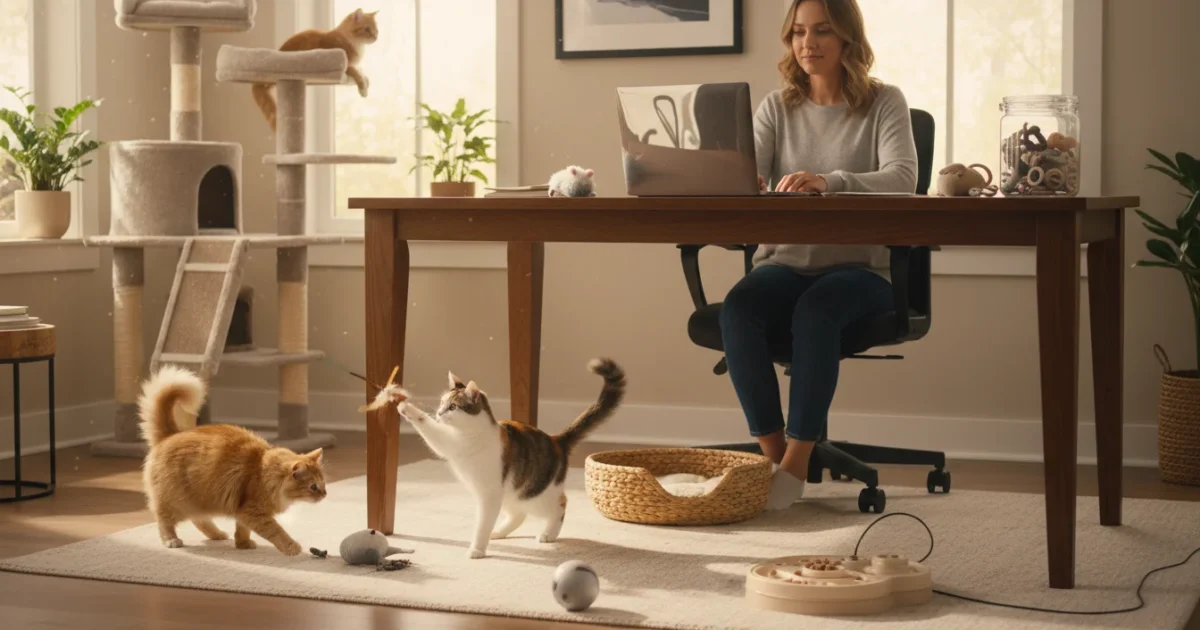
Working from home or spending long hours away often presents a unique challenge for pet owners: how do you ensure your beloved feline companion remains happy, stimulated, and well-behaved while you focus on your tasks? Cats, despite their reputation for independence, thrive on routine, mental engagement, and opportunities to express natural behaviors. When these needs go unmet, boredom can lead to undesirable behaviors like excessive vocalization, destructive scratching, or even anxiety. This guide provides practical and actionable strategies to keep your cat entertained and enriched throughout your workday, ensuring a harmonious home environment for both of you.
An active cat is usually a content one, and you can monitor their progress by looking for specific signs your cat is happy and healthy during their daily activities.
Implementing effective strategies for active and passive engagement enriches your cat’s life and minimizes stress for everyone. We will explore various aspects of feline enrichment, from optimizing their environment to leveraging technology, all designed to support your cat’s well-being and provide you peace of mind.
Understanding Your Cat’s Need for Play and Enrichment
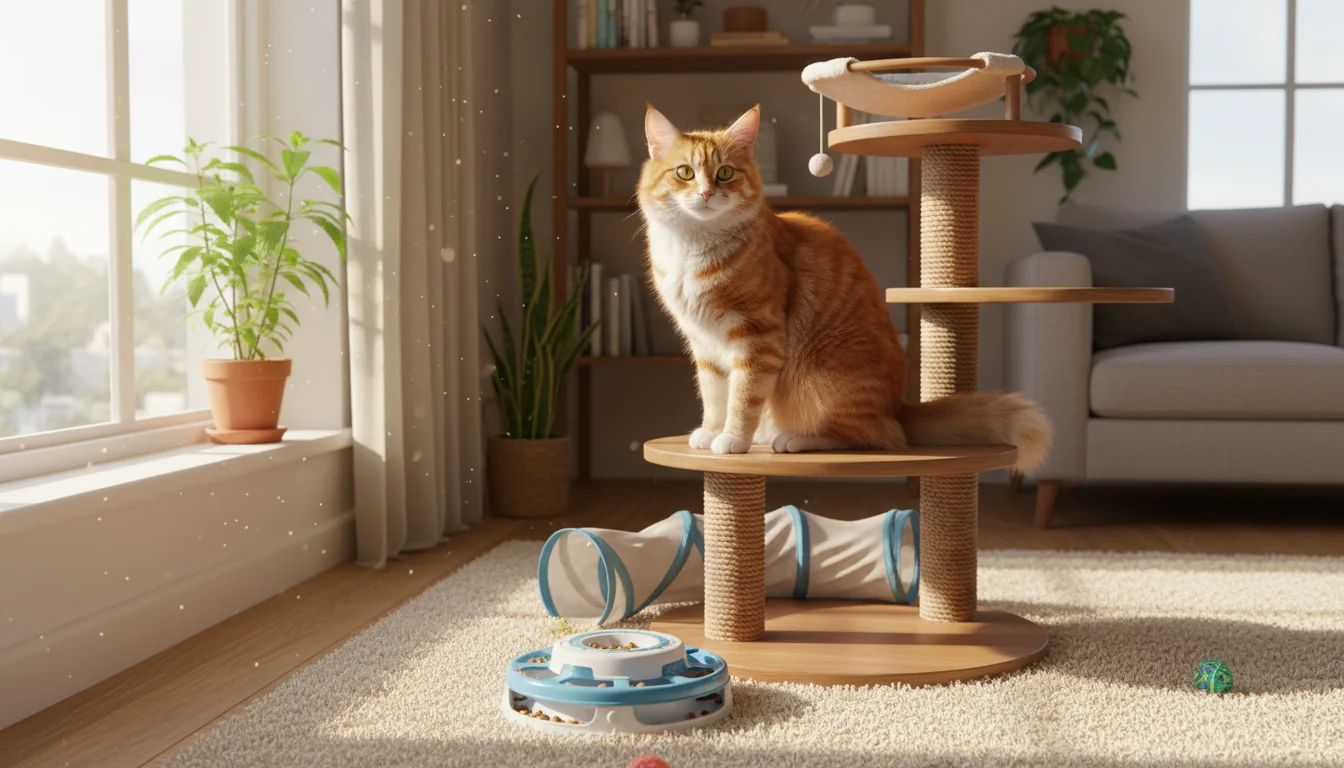
To effectively keep your cat entertained while you work, you must first understand their inherent needs. Cats are natural predators, programmed for hunting, exploring, climbing, and resting in secure spots. Domesticated felines retain these instincts, and without outlets for them, they can quickly become bored, restless, or anxious. A well-enriched environment prevents these issues and promotes overall health and happiness.
Starting enrichment habits early is vital for development; owners of young felines should consult a kitten care guide for age-appropriate stimulation tips.
While safety is paramount, understanding the differences between indoor and outdoor cat care helps explain why providing enrichment is so critical for felines that stay inside.
Environmental enrichment involves creating an engaging living space that stimulates your cat physically and mentally. This improves their physical health by encouraging movement, supports their mental well-being by providing challenges, and helps prevent boredom-related behavioral problems. According to the ASPCA, environmental enrichment is crucial for preventing boredom, reducing stress, and encouraging healthy behaviors in cats. As a pet owner, you play a vital role in providing a stimulating home that honors your cat’s natural behaviors. Meeting these `cat care` needs contributes significantly to your cat’s quality of life.
Maximizing Vertical Space and Scratching Opportunities
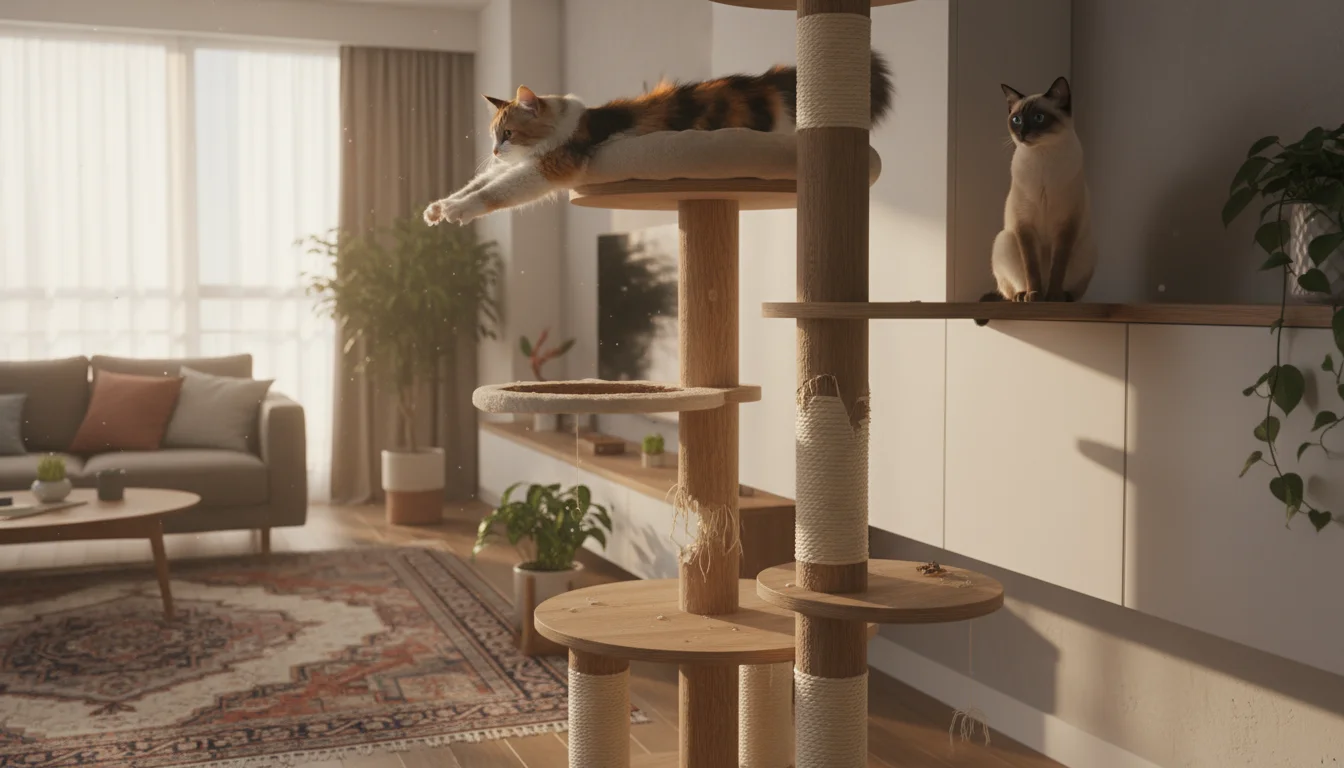
Cats feel safest and most confident when they can survey their territory from a high vantage point. Providing vertical space offers them a sense of security, reduces potential conflicts in multi-cat households, and gives them an excellent outlet for climbing. This is a foundational element in `how to keep your cat entertained while you work` effectively.
Adding high-up perches is also a great way to reduce cat aggression in multi-pet homes by giving everyone their own safe territory.
This type of vertical enrichment is particularly vital for those who have chosen one of the best cat breeds for apartment living, where floor space may be limited.
Consider these additions to your home:
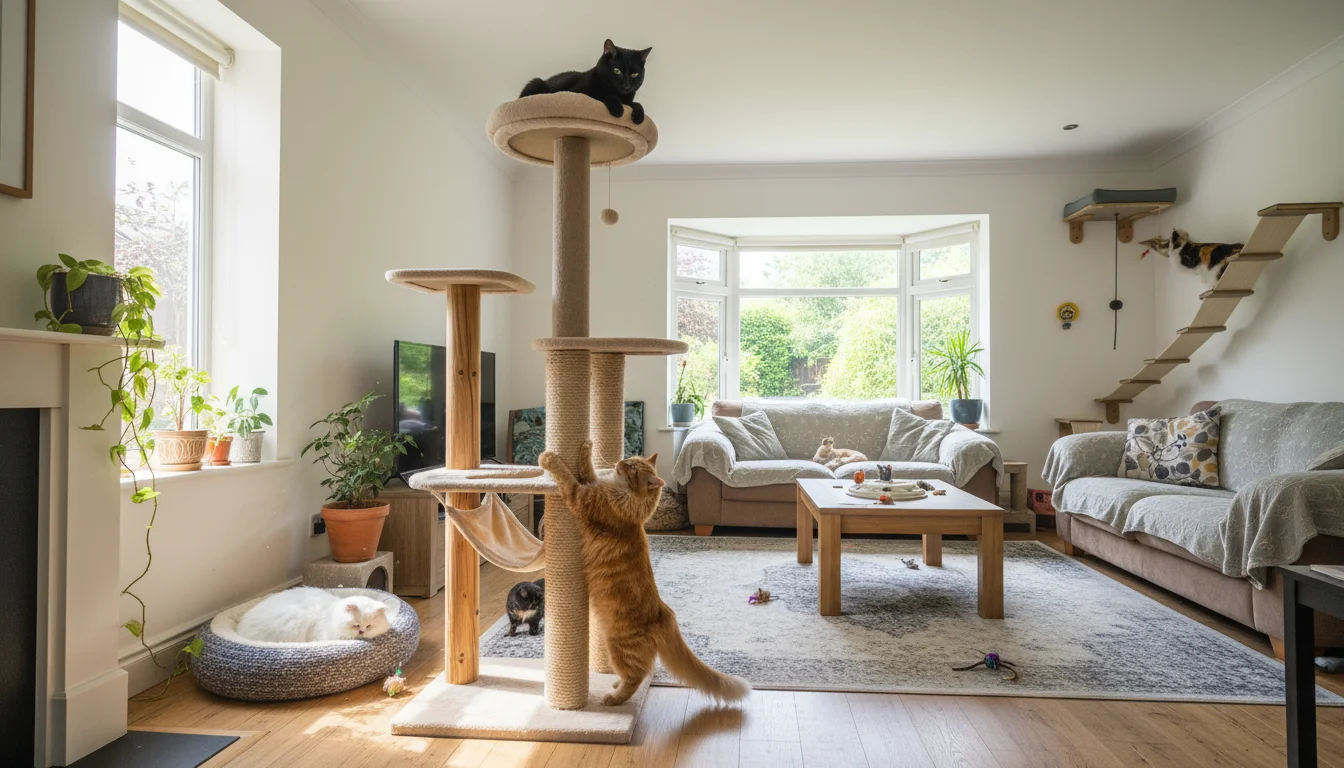
- Cat Trees and Condos: Invest in sturdy, multi-level cat trees with various textures, cubbies, and perches. Place them near windows or in central living areas where your cat can observe household activities. Choose trees that reach near the ceiling to offer maximum height.
- Wall-Mounted Shelves and Climbers: Install cat-friendly shelves or climbing structures on your walls. Create a vertical pathway that allows your cat to ascend and descend safely. Ensure shelves are securely fastened and provide ample space for your cat to sit comfortably.
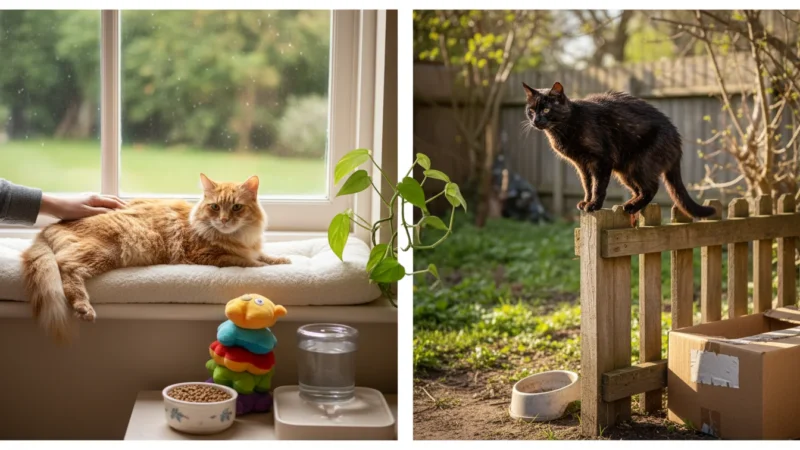
- Window Perches: A simple window perch allows your cat to enjoy “cat TV,” watching birds, squirrels, and outdoor activity. This offers immense passive entertainment and mental stimulation. Ensure the perch is stable and can support your cat’s weight.
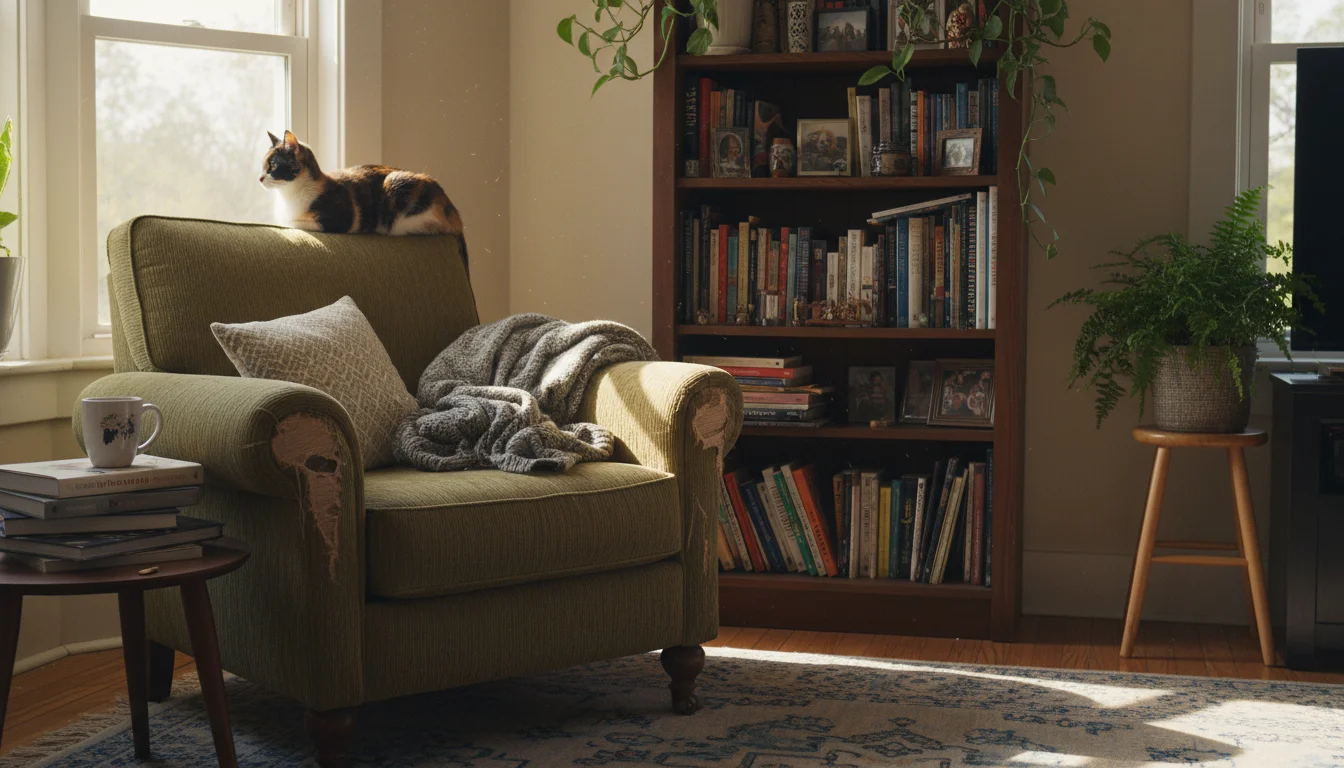
Scratching is another essential feline behavior that serves multiple purposes: it helps remove old claw sheaths, stretches their muscles, and marks territory. Providing appropriate scratching surfaces redirects this natural behavior away from your furniture.
- Variety of Scratching Posts: Offer different types of scratching posts: sisal rope, cardboard, and carpeted. Cats often have preferences for material and orientation (vertical versus horizontal).
- Strategic Placement: Place scratching posts in prominent areas where your cat naturally spends time, such as near their sleeping spots, entryways, or next to furniture they have previously scratched. Having multiple posts throughout your home ensures easy access.
- Stable and Tall: Ensure vertical posts are tall enough for your cat to stretch to their full length when scratching and are stable enough not to tip over.
Engaging Solo Play: Toys and Puzzles for Independent Fun
While you focus on work, your cat still needs opportunities for independent play and mental exercise. This section focuses on `pet tips` for selecting and managing toys that keep your cat entertained without requiring your direct intervention.
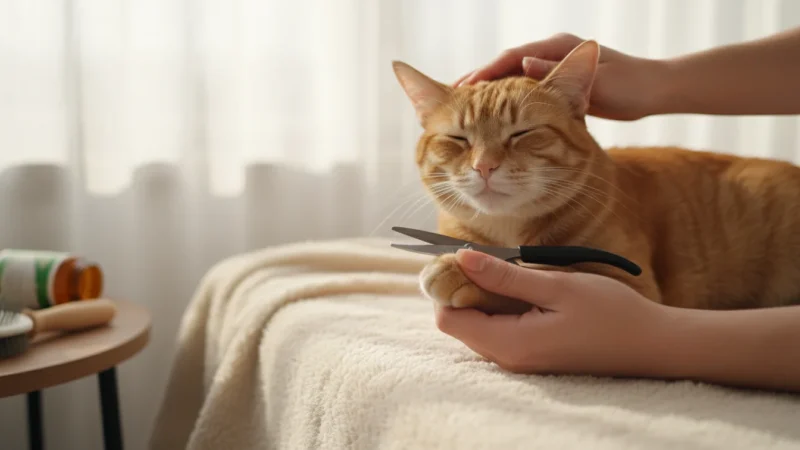
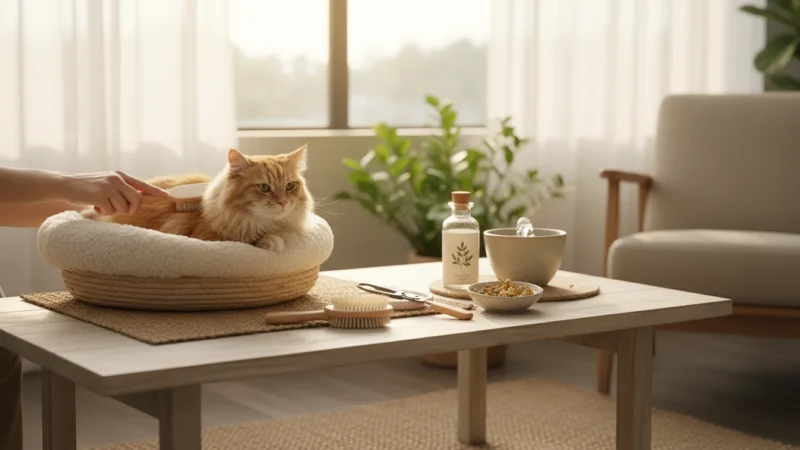
Interactive play is essential, but don’t overlook the importance of regular physical maintenance, such as grooming your cat at home.
To give your cat the best experience, consider investing in some of the best interactive cat toys specifically designed to keep them occupied for hours.
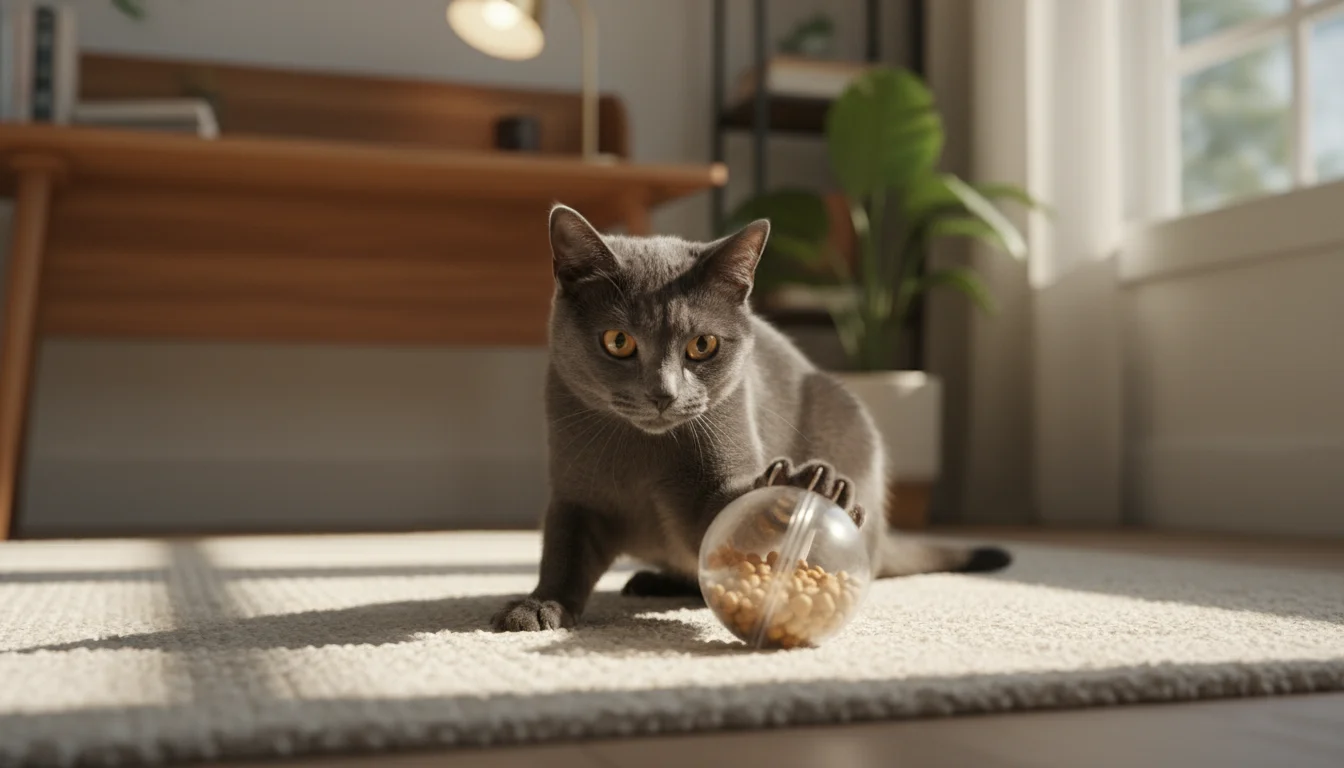
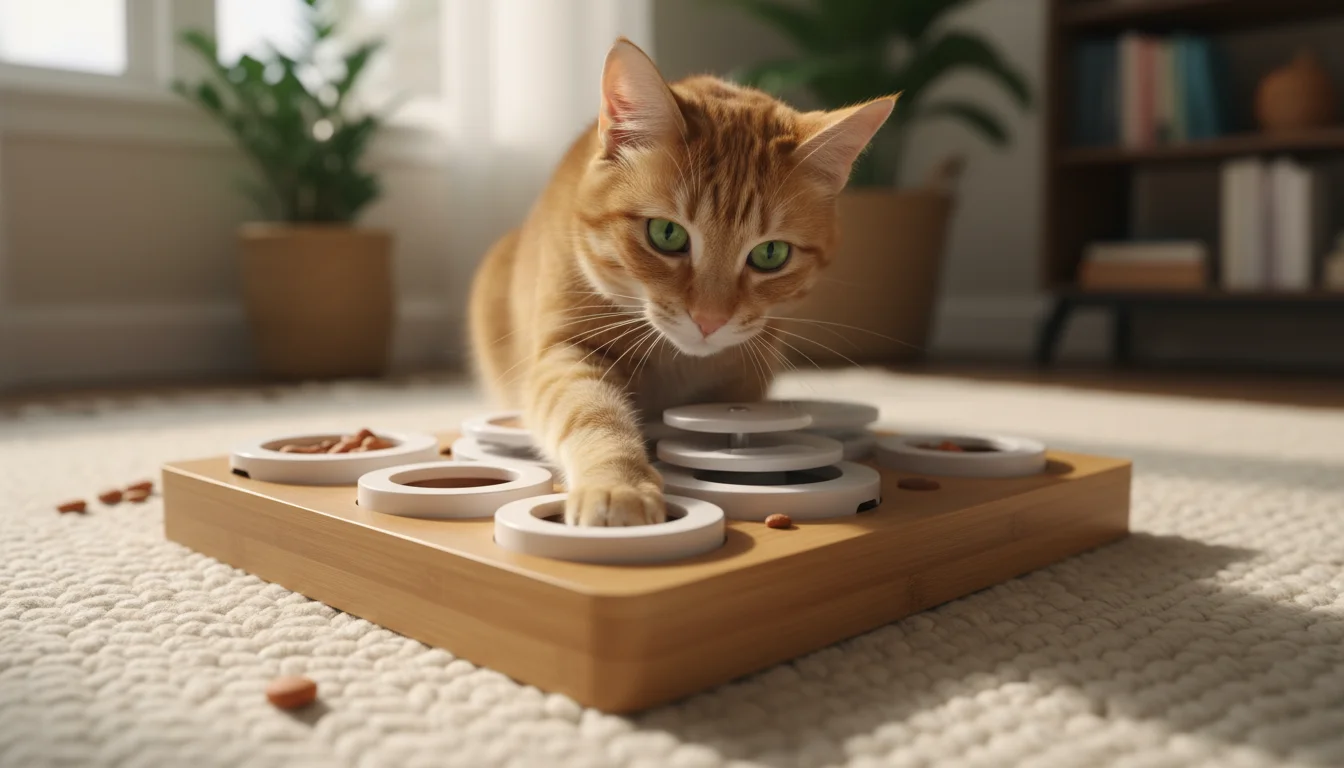
Food Puzzle Toys: These toys are excellent for engaging your cat’s hunting instincts and slowing down eating. They require your cat to manipulate the toy to release treats or a portion of their meal. This mental stimulation burns energy and prevents boredom.
- Types: Start with simpler puzzles and gradually introduce more complex ones as your cat masters them. Examples include treat balls, slow-feeder bowls with maze-like designs, or toys that require batting or pawing to dispense food.
- Placement: Place puzzle toys in various locations to encourage exploration.
- Frequency: Use puzzle toys for at least one meal a day or as a source of intermittent treats.
Battery-Operated and Automated Toys: Many modern toys mimic prey movement, providing engaging solo play.
- Motion-Activated Toys: Some toys activate when your cat approaches them, simulating unpredictable prey. These can include toys that randomly move feathers, lights, or small objects.
- Automated Laser Pointers (Use with Caution): While exciting, always ensure an automated laser pointer offers a physical “kill” at the end of the session to prevent frustration. Alternatively, follow up an automated laser session with a wand toy to provide a satisfying catch.
- Rotation is Key: Prevent your cat from getting bored by rotating their solo toys. Introduce new toys every few days and put others away. This keeps the toys novel and exciting.
Safe and Diverse Toy Collection: Ensure your cat has access to a variety of safe toys.
- Small, Manipulable Toys: Consider soft balls, crinkle toys, springs, and toy mice that your cat can bat around and carry.
- Catnip or Silvervine Infused Toys: Many cats respond positively to catnip or silvervine, which can increase their interest in toys.
- Safety Check: Regularly inspect toys for damage. Discard any toys with loose parts that could be ingested or frayed strings that could pose a choking hazard. Always prioritize your cat’s safety.
Scheduled Playtime: Connecting Before and After Work
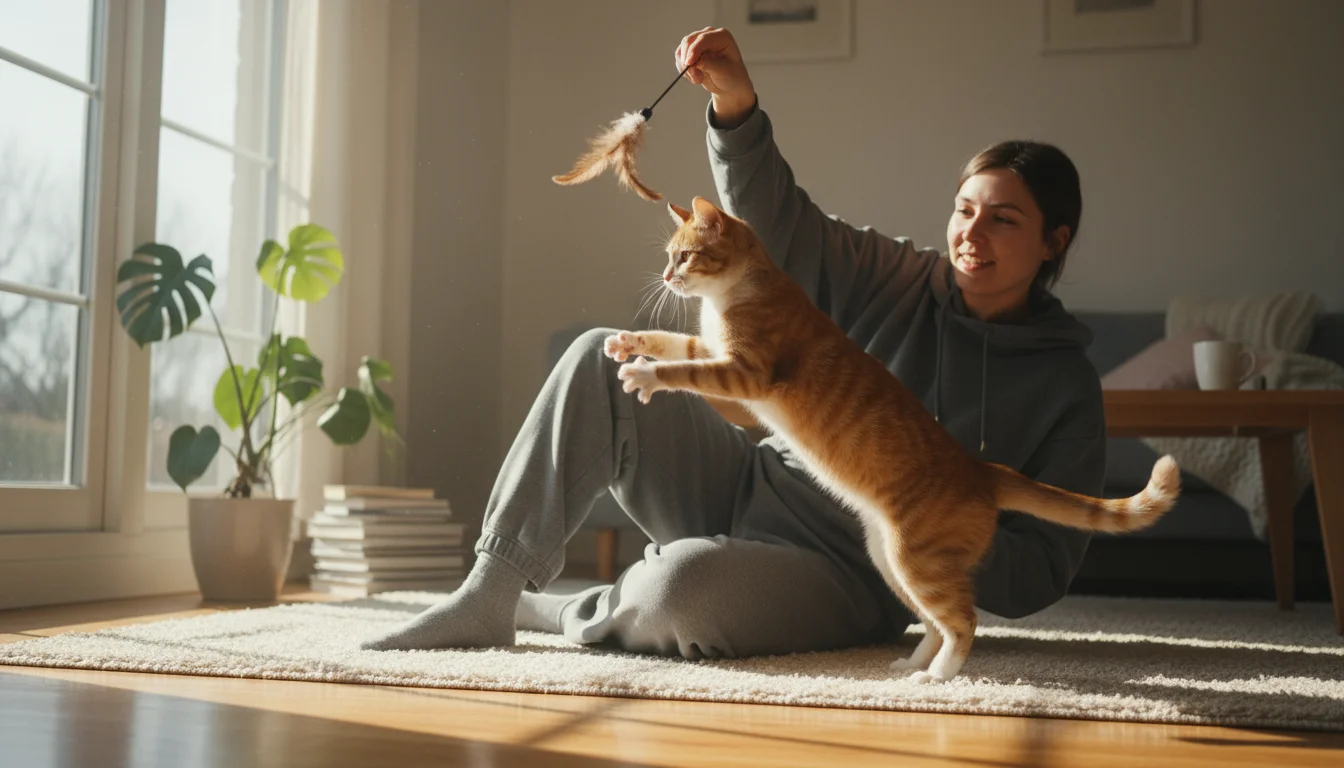
While solo play and environmental enrichment are vital, nothing replaces dedicated, interactive playtime with you. Scheduling consistent play sessions before and after your workday strengthens your bond, provides essential physical exercise, and offers crucial mental stimulation. This directly addresses `how to keep your cat entertained while you work for cats` by proactively meeting their needs.
Keep in mind that senior cat care requires adjusting these play sessions to match their changing mobility and energy levels as they age.
Pre-Work Play Session:
- Duration: Aim for 10-15 minutes of vigorous play before you start your workday.
- Types of Toys: Use wand toys, feather teasers, or fishing rod toys to simulate hunting. Mimic the hunt sequence: stalk, chase, pounce, and “kill.” This provides a satisfying conclusion to the play.
- Goal: The goal is to tire your cat out physically and mentally. A well-exercised cat is more likely to nap peacefully while you work.
Post-Work Play Session:
- Duration: Dedicate another 15-20 minutes, or longer if your cat is still eager, after your workday concludes. This helps your cat decompress and reconnect with you.
- Variety: Change up the toys and play style from your morning session to keep things fresh.
- Wind-Down: Conclude the play session with a quiet activity, perhaps a small treat or a gentle petting session, to transition them from high energy to relaxation.
The Importance of “The Kill”: Cats need to feel like they’ve caught their prey. With wand toys, allow your cat to capture the toy at the end of the session. If using a laser pointer, always end the session by directing the laser onto a physical toy or treat that your cat can pounce on and “capture.” This prevents frustration and completes their hunting cycle.
Consistency is key. Your cat will quickly learn to anticipate these dedicated playtimes, which provides structure and predictability to their day, reducing anxiety and boredom.
Creating a Stimulating Environment: Windows, Sounds, and Scents
Beyond active play, you can enrich your cat’s environment with passive stimuli that engage their senses and keep them curious throughout the day. These elements contribute to a well-rounded `cat care` routine.
Keep in mind that indoor cats need specific care during heatwaves, so review summer cat care tips to keep their environment safe.
When setting up window perches for ‘cat TV,’ remember to prioritize summer cat care to keep your cat from overheating in direct sunlight.
Window Access and “Cat TV”:
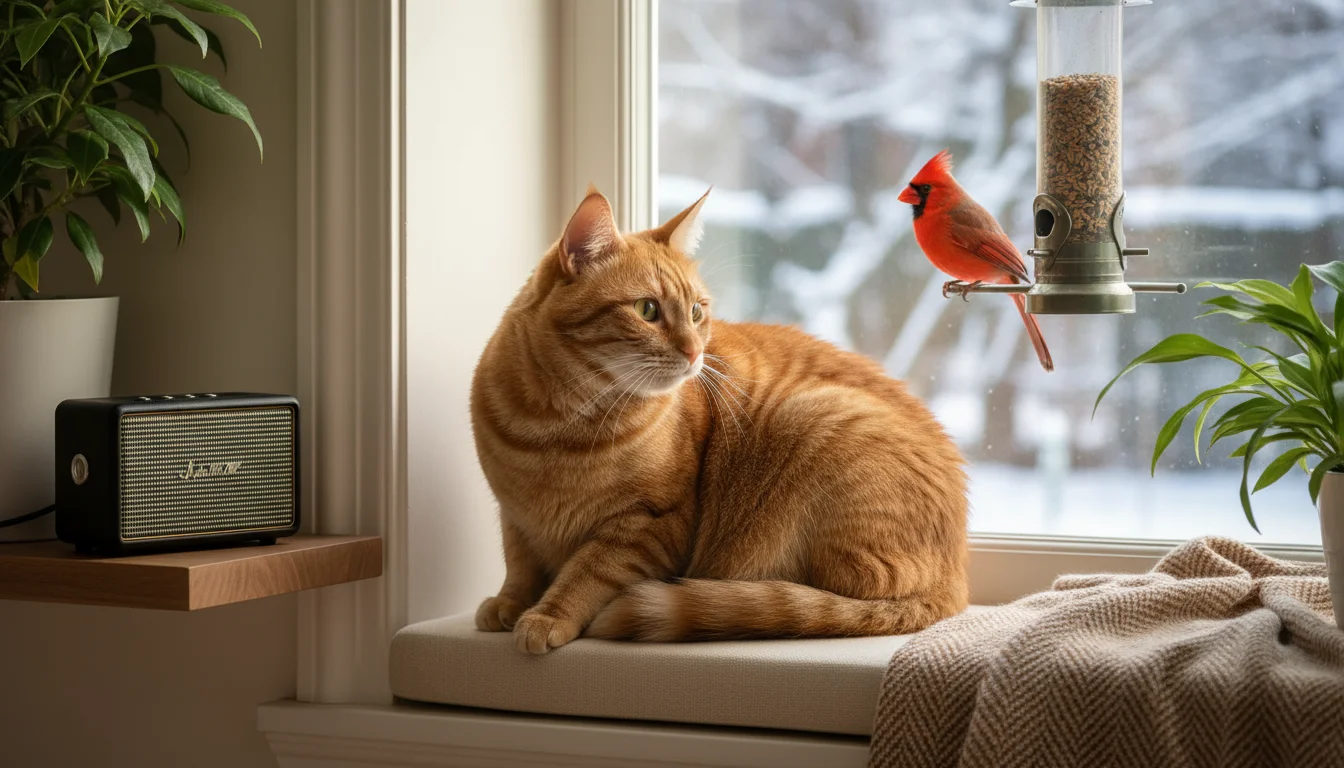
- Prime Viewing Spots: Ensure your cat has comfortable access to windows. Clear the windowsill, add a soft cushion, or install a window perch.
- Outdoor Entertainment: Place a bird feeder or squirrel feeder outside a window. The movement and sounds of wildlife provide endless “cat TV” entertainment, stimulating your cat’s hunting instincts without them ever having to go outside.
- Safety First: Make sure screens are secure to prevent accidental escapes.
Auditory Enrichment:
- Calming Music: Many cats respond positively to classical music or specially composed music for pets, which can help mask stressful household noises and create a serene atmosphere.
- Nature Sounds: Play recordings of birds chirping or gentle forest sounds. Some cats find these soothing or stimulating.
- Feline-Specific Videos: A tablet or television playing videos designed for cats, featuring birds or fish, can capture their attention for short periods.
Olfactory Stimulation: Cats have an acute sense of smell, and certain scents can provide environmental enrichment.
- Catnip and Silvervine: Offer toys infused with catnip or silvervine. Not all cats react to catnip, but many find it stimulating and enjoyable. Silvervine provides a similar, sometimes more potent, effect for those non-responders.
- Pheromone Diffusers: For anxious cats or multi-cat households, feline pheromone diffusers can create a calming atmosphere, reducing stress and promoting a sense of security.
- Safe Scents: Introduce new, safe scents through small fabric swatches or diluted essential oils (only those proven safe for cats, such as lavender in extremely diluted forms, and only if diffused away from direct inhalation). Always research and consult your vet before introducing new scents.
Safe Outdoor Access (Catios): If feasible and safe, a “catio” or secure outdoor enclosure provides fresh air, sunshine, and direct exposure to outdoor sights and sounds, greatly enriching your cat’s life without the dangers of free-roaming. This offers an unparalleled level of outdoor `pet care` enrichment.
Technology and Your Cat: Smart Gadgets and Apps
In today’s digital age, technology offers innovative solutions to keep your cat entertained and monitored while you are busy. These gadgets enhance enrichment and offer peace of mind, especially when you are away from home or engaged in work.
When using automatic feeders, it is also important to know how to choose the right cat food by life stage to ensure optimal nutrition.
Pet Cameras with Two-Way Audio:
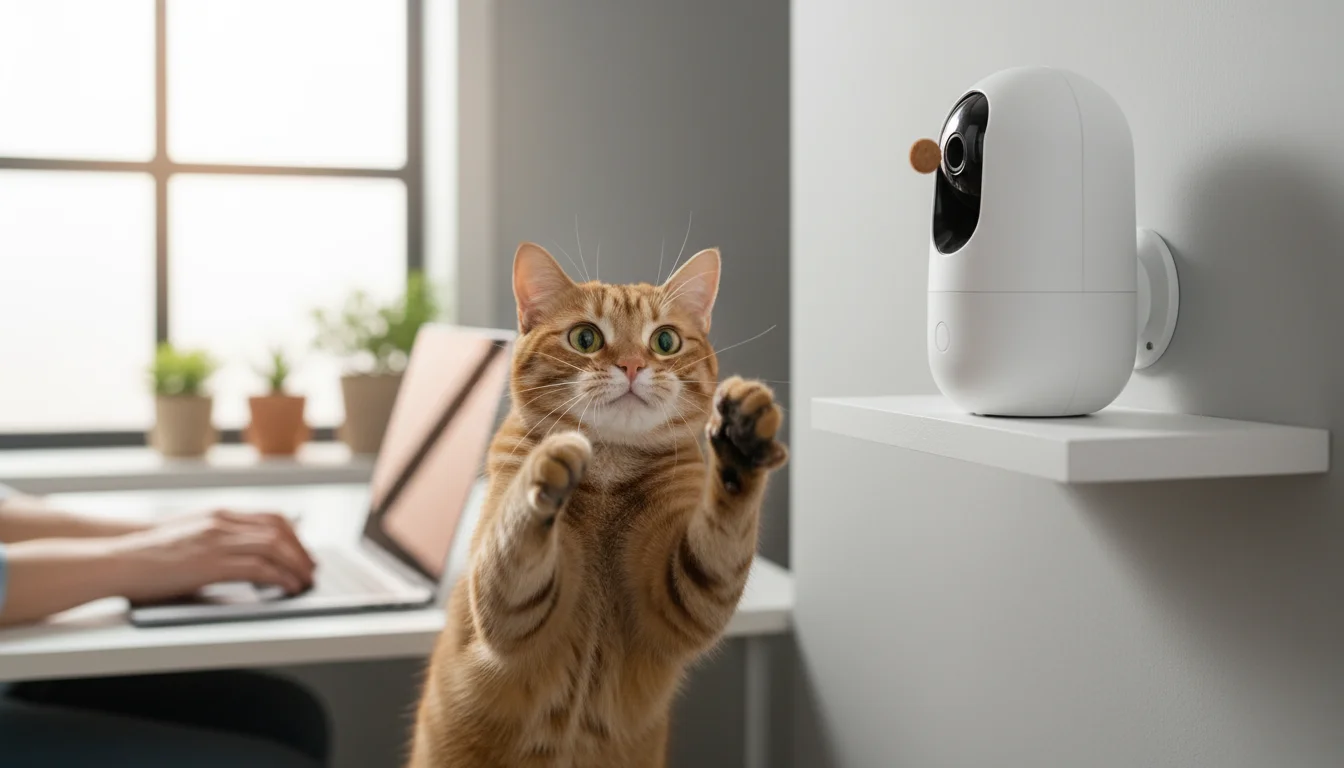
- Monitor and Interact: A pet camera allows you to check in on your cat throughout the day, ensuring they are safe and content.
- Remote Interaction: Many cameras include two-way audio, enabling you to speak to your cat. Some models even have a treat dispenser, letting you reward good behavior or offer a mid-day distraction.
- Peace of Mind: Seeing your cat napping peacefully or playing with their toys provides reassurance that they are doing well.
Automatic Feeders:
- Scheduled Meals: Program an automatic feeder to dispense meals or treats at specific times, creating a predictable routine for your cat. This can also help regulate their appetite and prevent overeating.
- Portion Control: Ensure your cat receives appropriate portions, even when you are busy.
- Puzzle Feeder Integration: Some automatic feeders dispense food into a puzzle feeder, combining scheduled feeding with mental stimulation.
App-Based Games for Cats:
- Interactive Screens: Several tablet and smartphone applications offer games designed for cats, often featuring moving fish, mice, or laser dots that your cat can “catch” by batting the screen.
- Limited Use: While entertaining, use these sparingly to avoid overstimulation or developing an unhealthy fascination with screens. Ensure the screen is protected from claws.
Automated Laser Pointers (Again, with Caution):
- Movement and Chase: These devices project a moving laser pattern that cats love to chase.
- Physical “Kill” is Essential: As mentioned before, if using an automated laser, supplement with a physical toy at the end to satisfy your cat’s hunting instinct and prevent frustration. Do not rely solely on automated laser pointers for entertainment.
When integrating technology, remember it supplements, but does not replace, direct human interaction and a well-designed physical environment. These tools provide additional layers of engagement to support `pet care` while you work.
Multi-Cat Household Dynamics: Ensuring All Felines Are Entertained
In homes with multiple cats, ensuring each feline receives adequate entertainment and enrichment requires specific consideration. Resource distribution and conflict resolution become even more critical when managing `how to keep your cat entertained while you work for cats` in a group setting. Competition for resources or attention can quickly lead to stress and behavioral issues.
Ample Resources for Each Cat:
- Multiple Vertical Spaces: Provide more cat trees, shelves, and window perches than the number of cats you own. This prevents competition for prime lounging or observation spots. Cats often prefer different levels, so offer variety in height.
- Dedicated Scratching Options: Have a variety of scratching posts (vertical and horizontal) in different locations throughout your home. This ensures every cat has access to their preferred scratching surface without conflict.
- Separate Feeding Stations: Feed cats in separate, distinct locations to prevent food guarding or stress during meal times. Use automatic feeders for individualized portions if needed.
- Multiple Litter Boxes: The general rule is one litter box per cat, plus one additional box. Distribute these boxes in quiet, accessible areas, not clustered together.
Individual Play Sessions:
- Even in a multi-cat home, try to dedicate short, individualized play sessions for each cat. This ensures every feline receives one-on-one attention and expresses their unique play preferences. Some cats may be more assertive in group play, leaving shyer cats sidelined.
Managing Introductions and Conflicts:
- If introducing a new cat, follow a slow, positive introduction process to minimize stress. Seek guidance from veterinary professionals or certified behaviorists if you anticipate challenges.
- Observe your cats’ body language for signs of tension or aggression. Provide ample hiding spots and escape routes if one cat feels threatened.
Feline Pheromone Diffusers:
- In multi-cat homes, pheromone diffusers can help create a more harmonious environment by reducing stress and fostering a sense of security among cats, mitigating potential conflicts.
By thoughtfully distributing resources and understanding individual feline temperaments, you can ensure that all your cats remain entertained and content while you manage your work responsibilities. Experts at the Cornell University College of Veterinary Medicine emphasize that proper resource management is key to preventing stress and aggression in multi-cat households.
Troubleshooting Boredom and Destructive Behavior
Despite your best efforts, you might occasionally notice signs that your cat is still bored or stressed while you work. Recognizing these cues early allows you to adjust your `cat care` strategy and prevent more serious behavioral issues. Understanding these signs is crucial for `how to keep your cat entertained while you work` effectively.
Common Signs of Boredom or Stress:
- Destructive Behavior: Excessive scratching on furniture, chewing on household items, or knocking objects off shelves.
- Excessive Vocalization: Constant meowing, howling, or chirping, especially when you are busy or leaving the room.
- Inappropriate Urination/Defecation: Urinating or defecating outside the litter box can signal stress, marking behavior, or a protest against unmet needs.
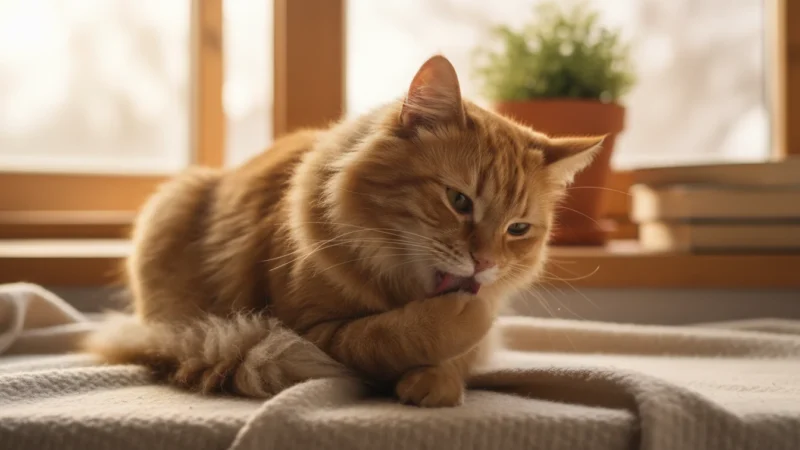
- Overgrooming: Licking, chewing, or pulling out fur excessively, often leading to skin irritation or bald patches.
- Aggression: Increased swatting, biting, or hissing towards you or other pets, sometimes seemingly unprovoked.
- Lethargy or Withdrawal: While cats sleep a lot, prolonged periods of disinterest in play, food, or interaction can be a red flag.
When to Adjust Your Approach:
- If you observe any of these behaviors, first review your current enrichment plan. Are you providing enough vertical space? Are play sessions consistent and engaging? Is the environment stimulating enough with varied toys and scents?
- Increase Enrichment: Introduce new toys, rotate existing ones more frequently, add new climbing structures, or enhance “cat TV” opportunities.
- Re-evaluate Playtime: Ensure your scheduled play sessions are truly engaging and exhausting for your cat. Focus on active, prey-like play.
- Rule Out Medical Causes: Behavioral changes can sometimes stem from underlying health issues. A sudden change in litter box habits, appetite, or energy levels always warrants a veterinary check-up.
When to Seek Professional Help:
- If destructive behaviors persist despite increased enrichment, if your cat exhibits signs of severe anxiety (e.g., hiding excessively, fear aggression), or if inappropriate elimination becomes a recurring problem, it is time to consult a professional.
- Veterinarian: Your vet can rule out any medical conditions contributing to the behavior.
- Certified Feline Behaviorist: A board-certified veterinary behaviorist or a certified applied animal behaviorist has specialized knowledge in diagnosing and treating complex feline behavioral issues. They can develop a tailored behavior modification plan for your cat. If you observe persistent behavioral issues, a consultation with a board-certified veterinary behaviorist, like those certified by the American College of Veterinary Behaviorists (ACVB), offers tailored solutions.
Addressing boredom and stress proactively ensures your cat leads a happier, healthier life, making your shared living space more peaceful for everyone involved.
Frequently Asked Questions
How long can I realistically leave my cat alone while working?
Most adult cats can comfortably be left alone for 8-10 hours during a typical workday, provided they have ample food, water, a clean litter box, and sufficient environmental enrichment. Kittens or cats with specific medical or behavioral needs may require shorter periods or more frequent check-ins. Pet cameras can provide reassurance and allow you to monitor your cat remotely.
Are all cat toys safe for solo play?
No, not all cat toys are safe for unsupervised play. Avoid toys with small parts that can be chewed off and ingested, long strings or ribbons that can cause intestinal blockages, or items with sharp edges. Always inspect toys for damage before offering them and discard any that are broken. Choose sturdy, durable toys made for solo interaction.
Can I really teach an old cat new tricks, or rather, new games?
Absolutely! Cats of all ages benefit from mental and physical stimulation. While senior cats may have less energy, they can still enjoy gentle play sessions, food puzzles, and exploring new scents. Adapt activities to their mobility and health, perhaps focusing on ground-level games or easier puzzle toys. Introducing novel enrichment can keep their minds sharp and bodies active.
What if my cat ignores all the new toys and enrichment items I provide?
Cats can be particular. If your cat ignores new items, consider these approaches:
- Rotate Toys: Do not overwhelm them. Introduce one or two new items at a time and rotate them frequently to maintain novelty.
- Scent Appeal: Try toys infused with catnip or silvervine if your cat responds to them.
- Placement: Place toys in areas your cat already frequents.
- Your Involvement: Sometimes, playing with the toy yourself for a moment can pique their interest.
- Variety: Experiment with different textures, shapes, and types of toys. Some cats prefer crinkly balls, others soft mice, and some prefer spring toys.
Patience and observation will help you discover what truly engages your feline friend.
For expert pet care guidance, visit
Cat Fanciers’ Association (CFA),
ASPCA and
The Humane Society of the United States.
Disclaimer: This article is for informational purposes only and is not a substitute for professional veterinary advice, diagnosis, or treatment. Always consult with a licensed veterinarian for medical concerns about your pet.
To provide the best environment, it is helpful to first review 8 common cat care myths debunked to ensure your approach is based on facts.

Leave a Reply