
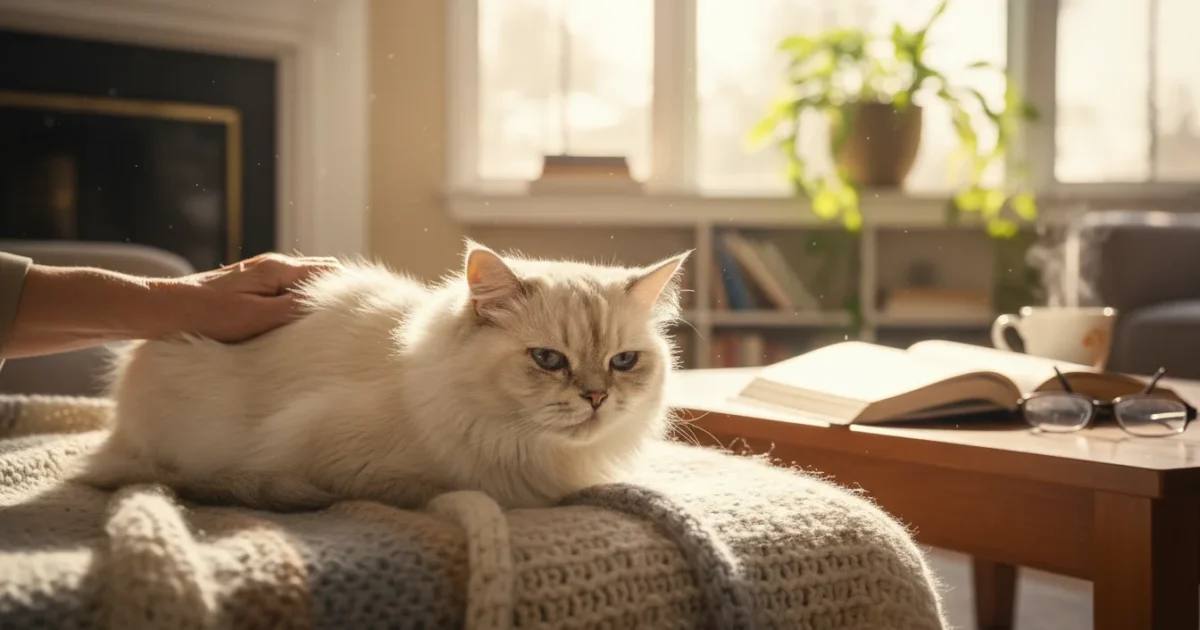
As your cherished feline companion gracefully ages, you will notice shifts in their behavior, physical capabilities, and health needs. Understanding these changes empowers you to provide the best possible care, ensuring your senior cat enjoys a comfortable, fulfilling life. Cats typically enter their senior years around 7 to 10 years old, transitioning into the geriatric stage around 11 to 14 years and beyond. This period demands a proactive approach to their wellbeing, focusing on early detection of health issues and thoughtful adjustments to their environment and routine. By recognizing the subtle cues of aging, you can address their evolving needs effectively, maintaining their quality of life.
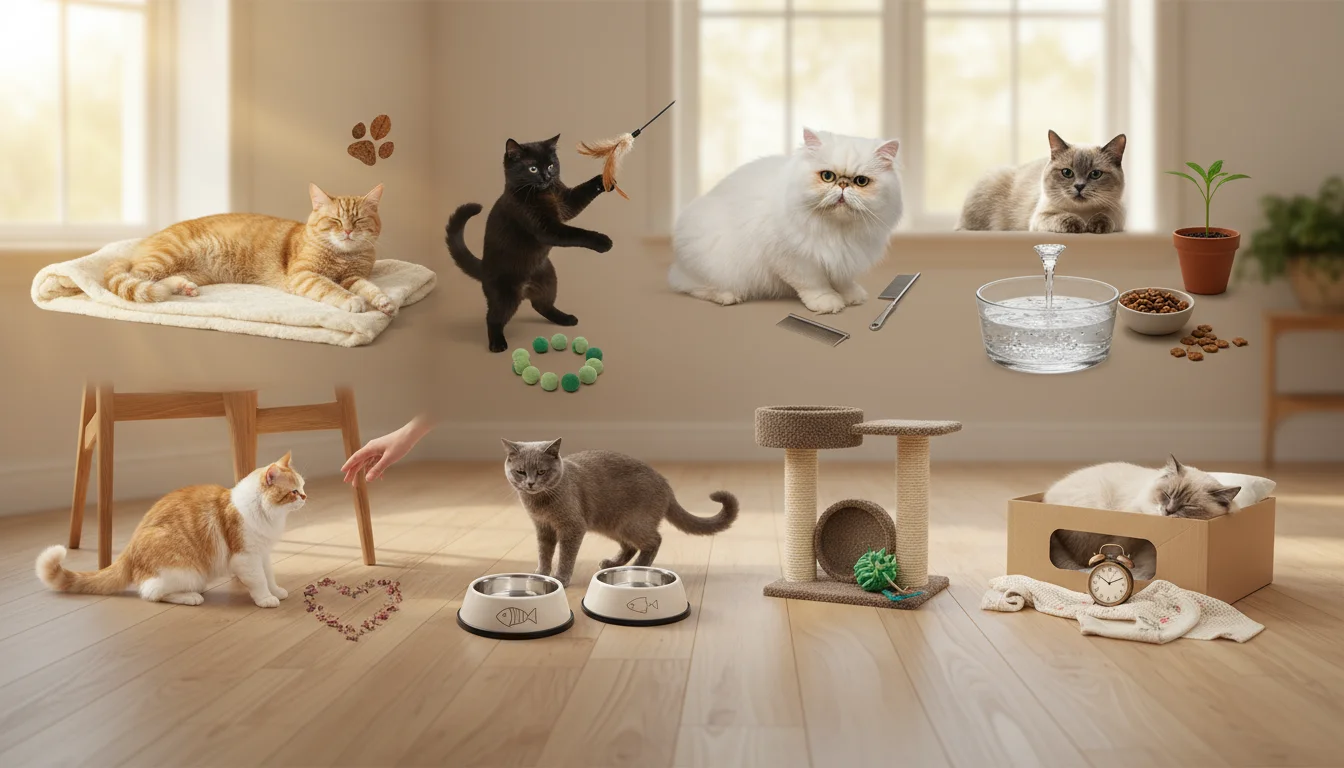
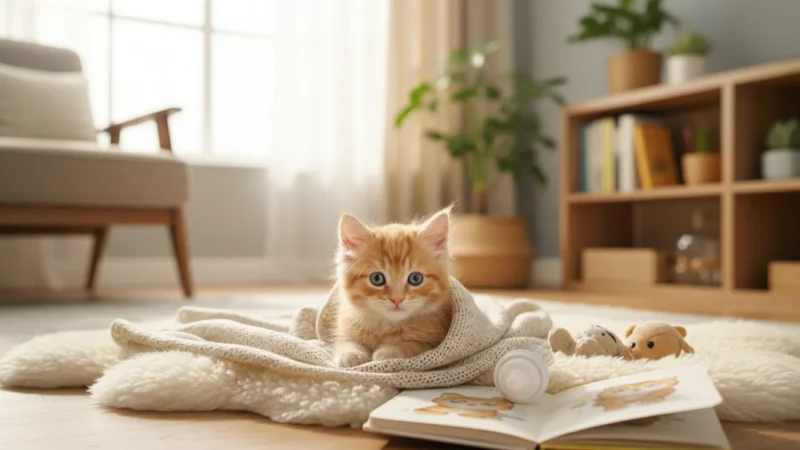
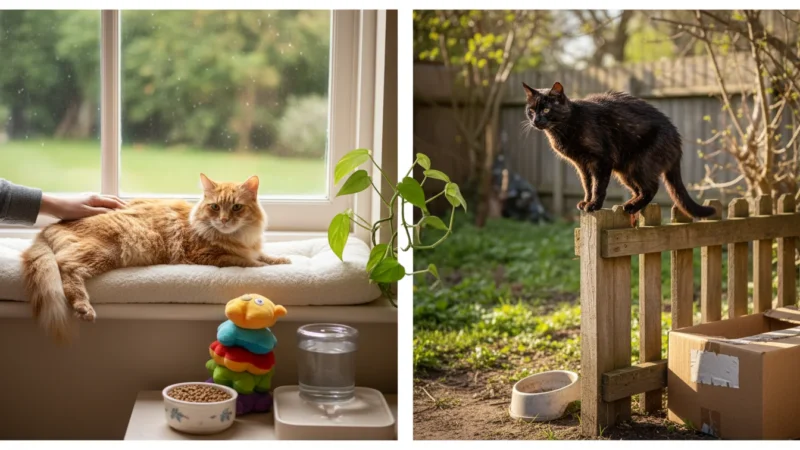
It is helpful to contrast these aging signs with the indicators of a happy and healthy cat to gauge their overall wellbeing.
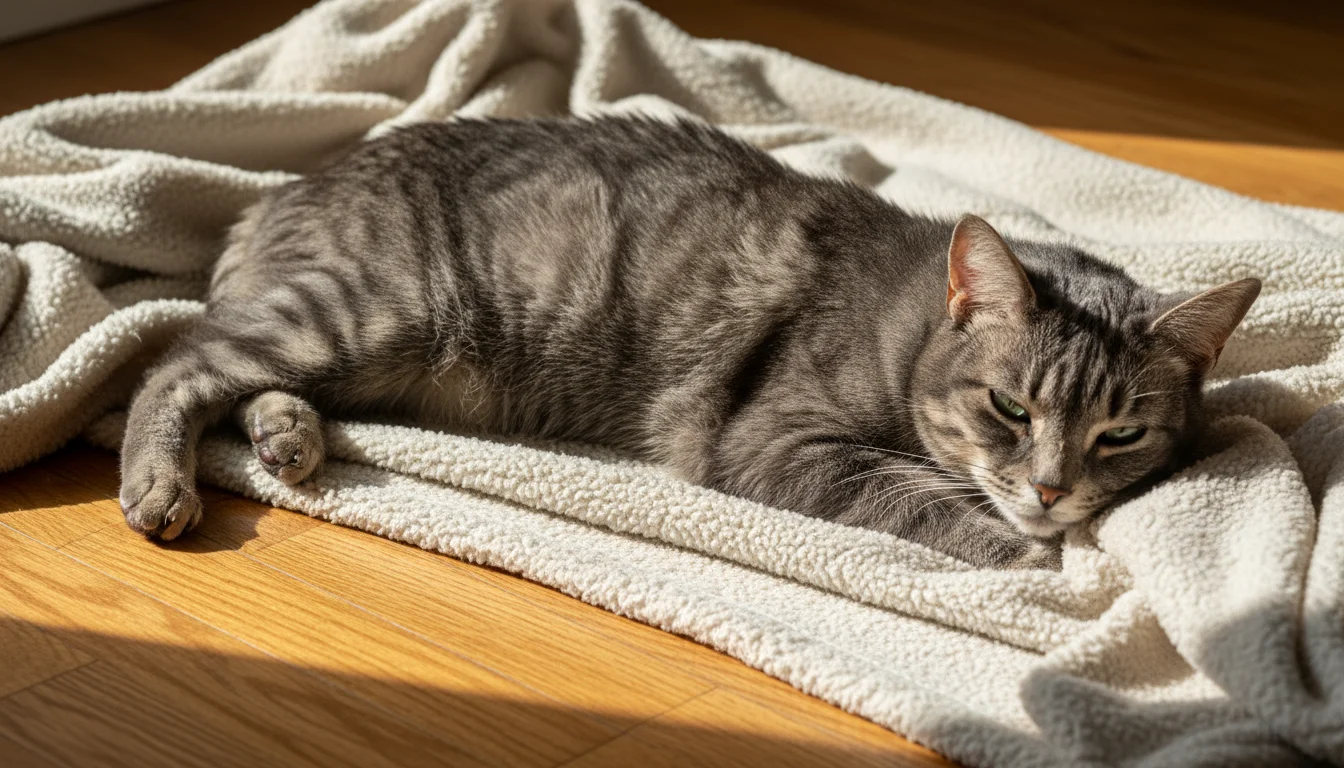
Physical Changes in Aging Cats
Aging brings a series of natural physical changes to your cat. You will likely observe a decrease in their overall activity level, which can sometimes lead to muscle mass loss. Their once sleek coat might become duller, coarser, or develop mats, particularly if self-grooming becomes more difficult. Many senior cats experience sensory declines, including reduced vision and hearing, which can impact their navigation and responsiveness.
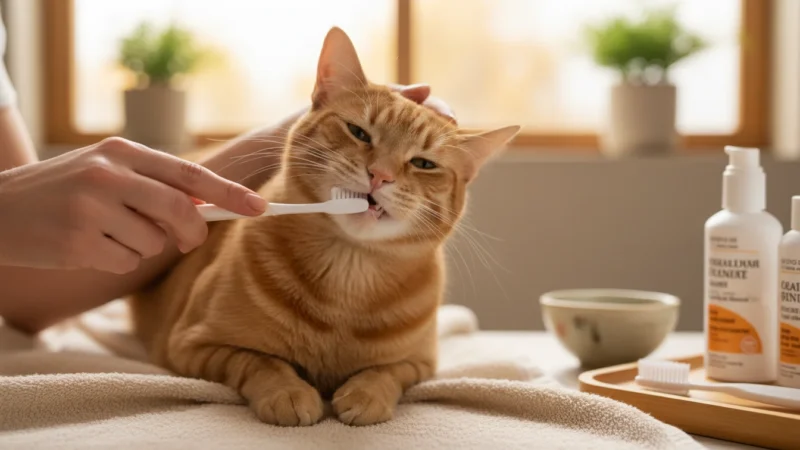
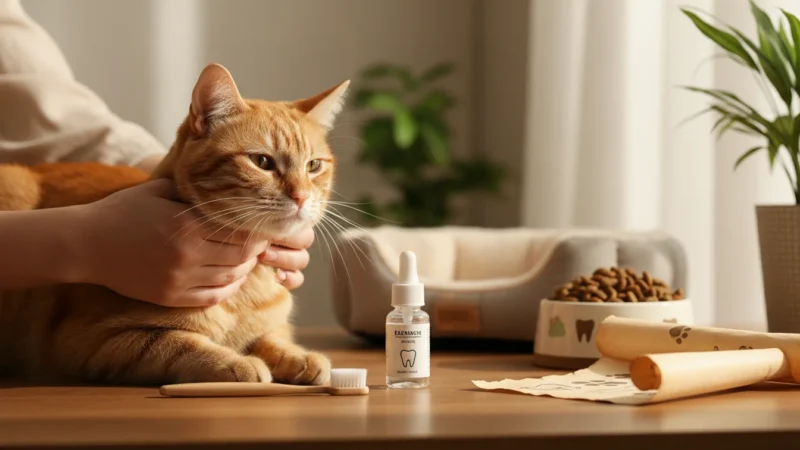
To maintain oral health, follow this step-by-step guide to brushing your cat’s teeth regularly.
One of the most common age-related physical challenges is joint stiffness and arthritis, affecting an estimated 90% of cats over the age of 10, according to veterinary research. This condition causes pain and discomfort, making activities like jumping, climbing, or even using the litter box challenging. You might notice your cat hesitating before jumping, moving more slowly, or avoiding stairs entirely. Dental disease is also prevalent, with many older cats suffering from painful gum inflammation, tooth resorption, or infections. These issues make eating uncomfortable and can lead to weight loss or a reluctance to eat harder foods.
Regular veterinary check-ups are crucial for monitoring these physical changes. Your veterinarian can identify signs of pain or discomfort that you might miss, such as subtle changes in posture or gait. Early intervention for conditions like arthritis or dental disease significantly improves your cat’s comfort and quality of life. For instance, pain management protocols, including specific medications or joint supplements, can dramatically enhance your cat’s mobility. Addressing dental disease through professional cleaning or extractions provides immense relief, allowing your cat to eat without pain.
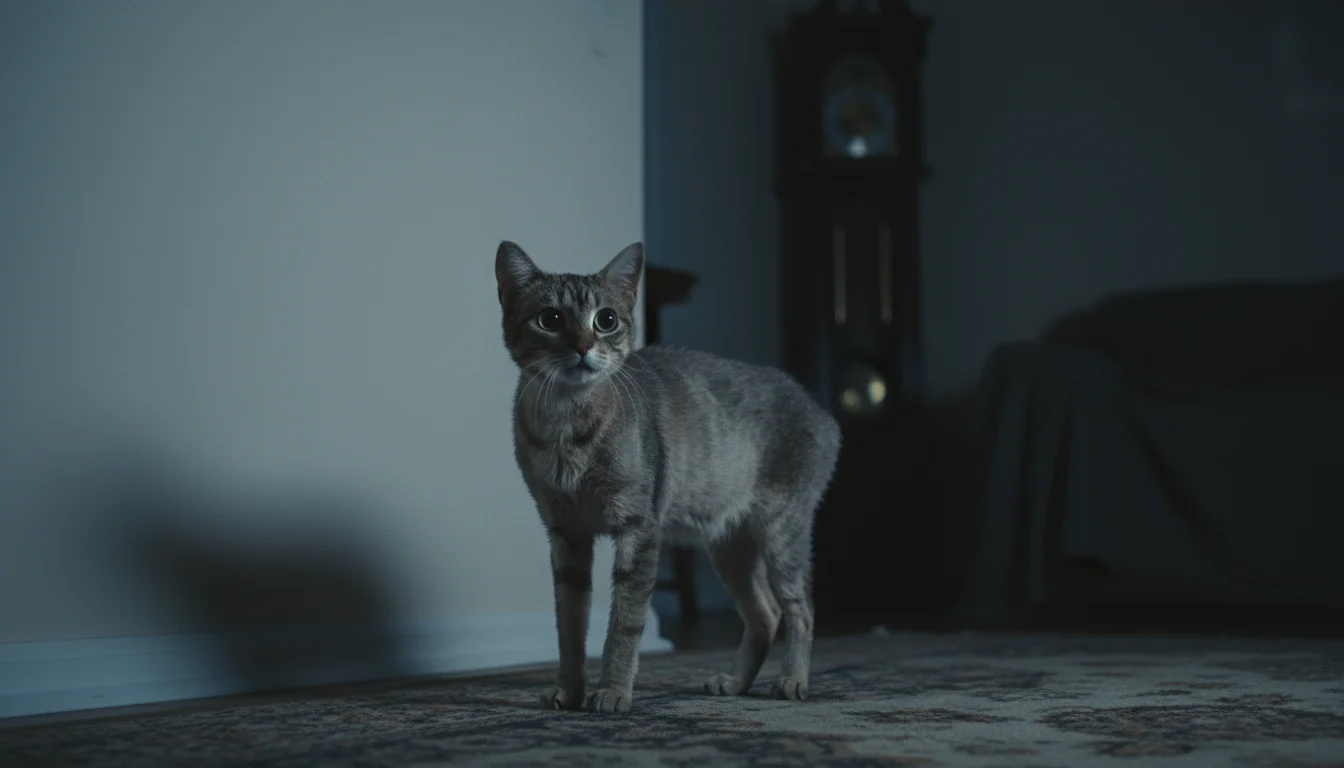
Behavioral Shifts and Cognitive Decline
Just as humans experience cognitive changes with age, so do cats. Feline Cognitive Dysfunction, often referred to as cat dementia, affects a significant number of senior cats. Symptoms vary but often include disorientation, changes in social interactions, altered sleep-wake cycles, and modifications in litter box habits. For example, your normally friendly cat might become withdrawn or irritable, or an independent cat might become overly clingy. You might observe them staring blankly at walls, getting “stuck” in corners, or vocalizing more frequently, especially at night.
Changes in vocalization are particularly common. Some senior cats become more vocal, perhaps due to sensory decline making them feel disoriented, or as a symptom of pain or discomfort. Others may vocalize less. Similarly, altered sleep patterns are frequent, with senior cats often sleeping more during the day and becoming restless or active at night. They might also show a decreased interest in play or interactions that they once enjoyed.
While these behavioral changes can be distressing, understanding their root cause is the first step toward managing them. Many behavioral shifts stem from underlying medical conditions, such as hyperthyroidism, kidney disease, or pain. A comprehensive veterinary examination is essential to rule out treatable health issues. If Feline Cognitive Dysfunction is diagnosed, your vet might recommend dietary changes, supplements, or medications to help manage symptoms. Creating a predictable daily routine, providing familiar comfort items, and engaging in gentle, consistent interaction can also help reduce anxiety and improve your cat’s sense of security. Always approach these changes with patience and empathy, remembering that your cat is not “misbehaving” intentionally.
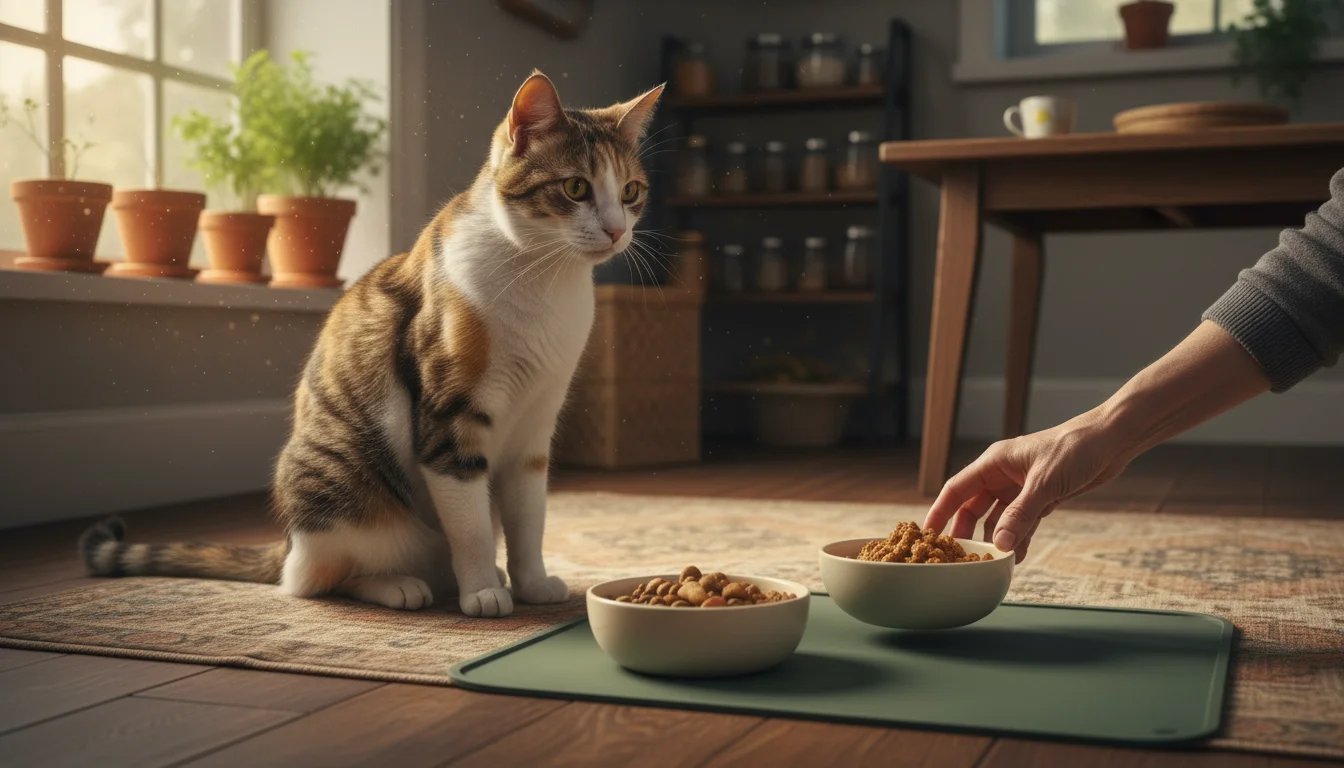
Nutritional Needs and Dietary Adjustments
As cats age, their metabolic rate slows, and their ability to digest and absorb nutrients can decline. This means their dietary needs shift significantly. Senior cats often require food that is lower in calories to prevent weight gain, especially if their activity level has decreased. However, some senior cats may experience weight loss due to muscle wasting, decreased appetite, or underlying health conditions. For these cats, a diet higher in easily digestible proteins and fats may be more appropriate. Ensuring adequate hydration is also paramount, as many senior cats are prone to kidney disease, which is exacerbated by dehydration.
According to experts at the Cornell University College of Veterinary Medicine, senior cat diets should prioritize high-quality, highly digestible protein to help maintain muscle mass without overworking the kidneys. They also emphasize the importance of essential fatty acids for skin and coat health, and antioxidants to support the immune system. Your veterinarian is the best resource for recommending a specific diet tailored to your cat’s individual health status, weight, and any existing medical conditions. They can suggest therapeutic diets designed for kidney support, joint health, or gastrointestinal sensitivity.
Practical tips for feeding your senior cat include:
- Consult your vet: Always discuss dietary changes with your veterinarian. They can help you select a senior-specific food or a therapeutic diet if needed.
- Offer palatable food: If your cat’s appetite is waning, try warming wet food slightly to enhance its aroma. Experiment with different textures and flavors.
- Ensure hydration: Provide multiple water bowls in various locations. Consider a pet drinking fountain, as many cats prefer running water. Wet food also contributes significantly to a cat’s daily water intake.
- Elevated bowls: For cats with arthritis or neck pain, elevated food and water bowls can reduce strain during meal times.
- Small, frequent meals: Instead of one or two large meals, offer smaller portions more frequently throughout the day to aid digestion and maintain steady energy levels.
Managing Mobility and Comfort
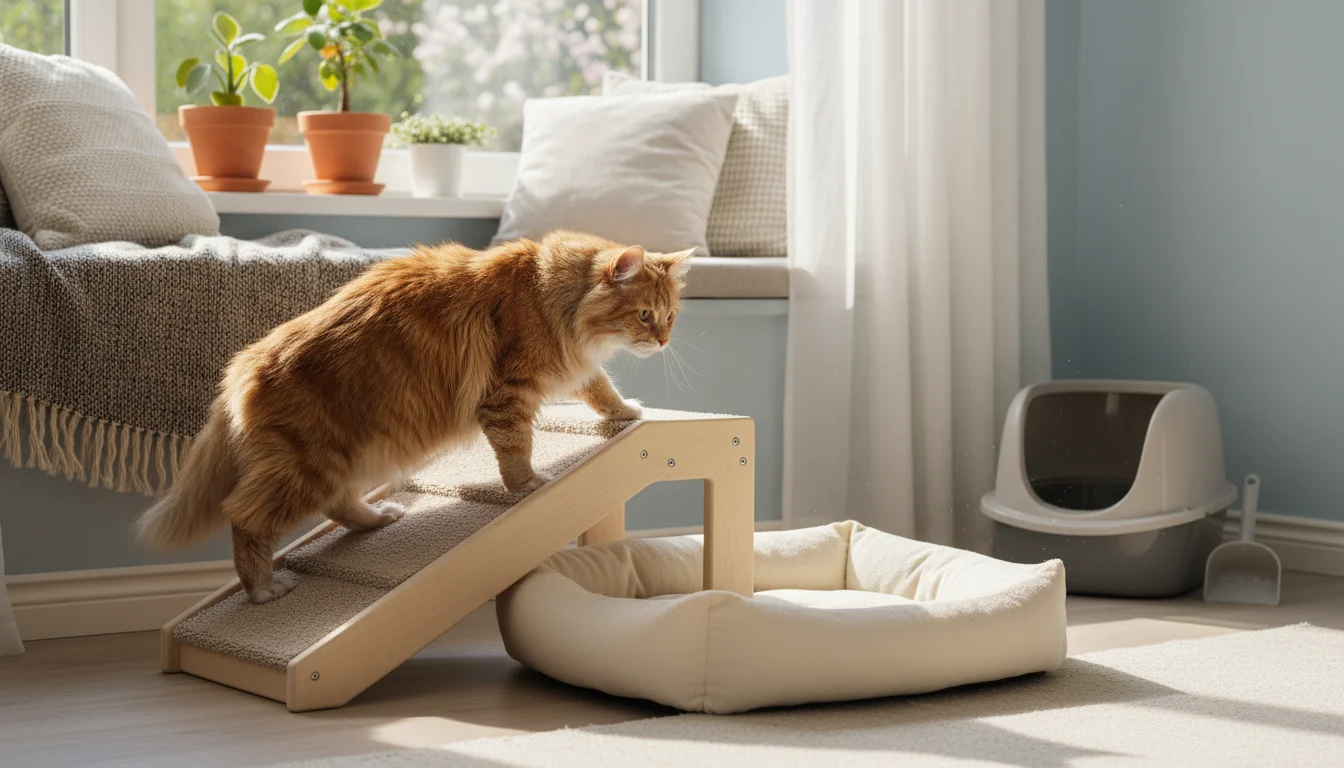
Mobility challenges, primarily due to arthritis and joint pain, are a significant concern for senior cats. You can take several steps to make your home more accessible and comfortable for them. The goal is to minimize the need for jumping and to provide soft, supportive resting places.
Consider the following adjustments:
- Ramps and steps: Install ramps or pet steps next to their favorite window perches, beds, or furniture where they used to jump. This allows them to reach elevated spots without pain.
- Soft bedding: Provide orthopedic or memory foam beds in multiple quiet, warm locations around your home. Senior cats spend more time resting, and supportive bedding alleviates pressure on their joints.
- Accessible litter boxes: Replace high-sided litter boxes with low-entry versions, making it easier for them to step in and out. Ensure there are enough litter boxes in easily accessible locations, especially on each floor of your home.
- Non-slip surfaces: If you have hardwood or tile floors, place non-slip rugs or mats in areas where your senior cat frequently walks, particularly near their food bowls, litter box, and resting spots. This helps prevent slips and falls.
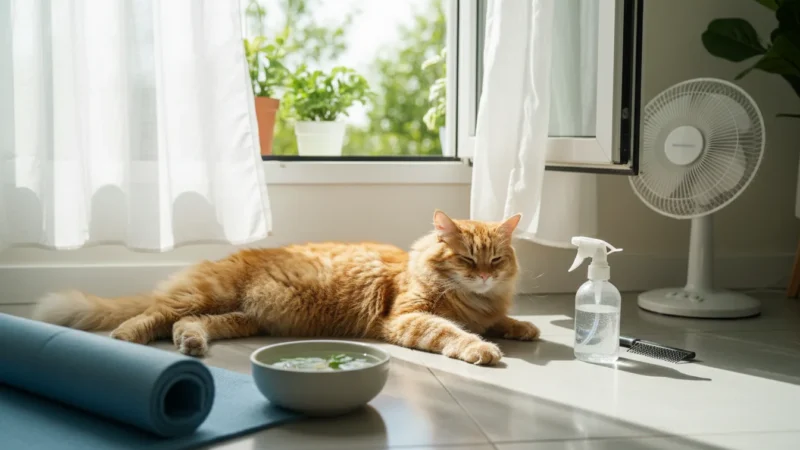
- Warmth: Many senior cats appreciate warmth, especially those with arthritis. Consider heated pet beds (ensure they are designed for pets and have safety features) or placing beds in sunbeams or near gentle heat sources.
Your veterinarian can prescribe pain management medications, such as NSAIDs, or recommend supplements like glucosamine and chondroitin, which can significantly improve joint health and comfort. Physical therapy, though less common for cats, might also be an option in some cases. Never administer human pain medications to your cat, as many are highly toxic to felines.
Maintaining Excellent Senior Cat Grooming
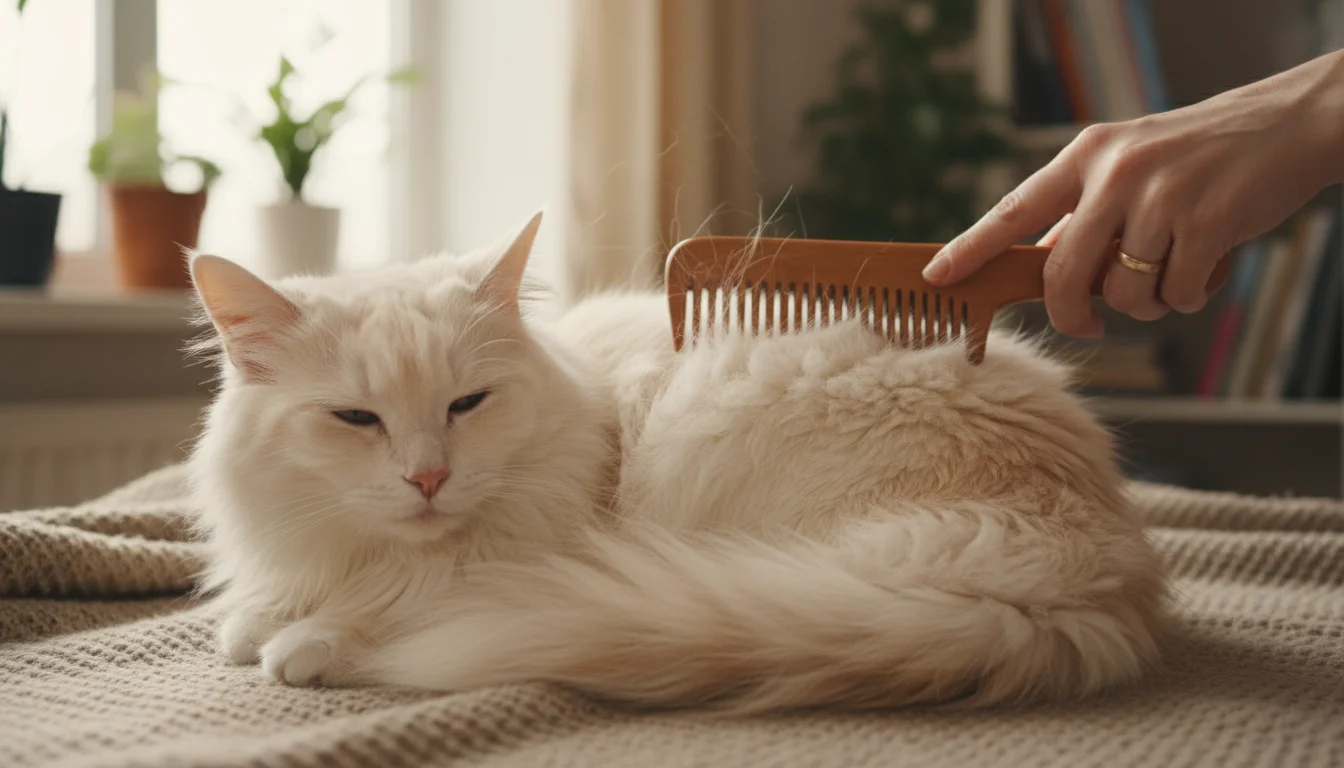
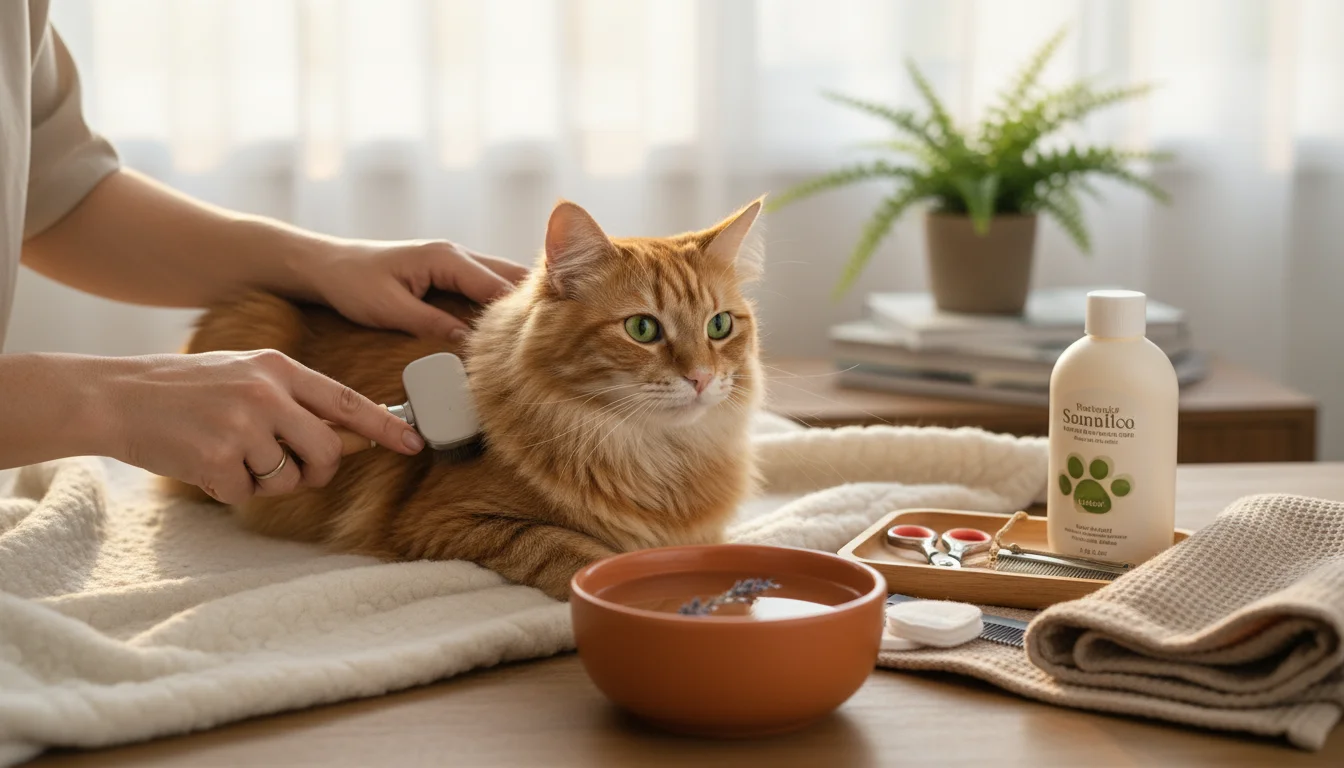
As cats age, their flexibility and energy decrease, making self-grooming more challenging. You might notice their coat becoming matted, greasy, or flaky in areas they can no longer reach, particularly on their back, hindquarters, and around their tail. Regular grooming becomes a vital part of your senior cat’s care, not just for aesthetics but for their health and comfort.
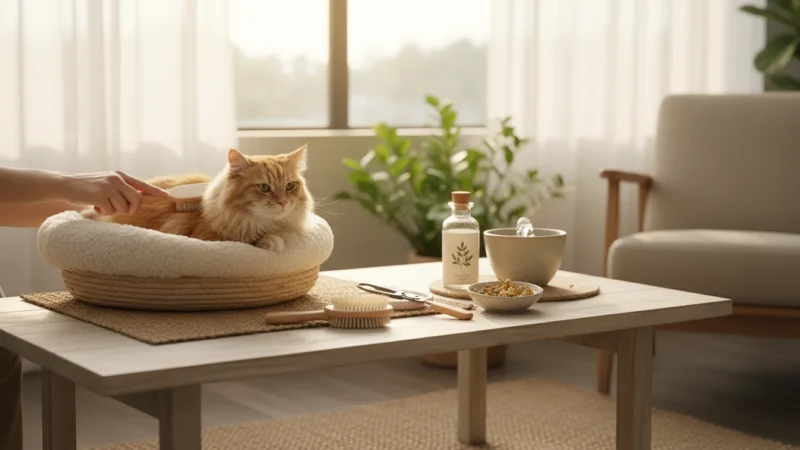
Setting up a dedicated cat grooming station can make these sessions more comfortable for both you and your aging pet.
Here’s how to adjust grooming for different coat types:
- Short-hair breeds: Daily gentle brushing with a soft-bristle brush or grooming mitt helps remove loose fur, stimulates circulation, and distributes natural oils. This prevents matting and reduces hairballs.
- Long-hair breeds: These cats require daily, more thorough brushing with a comb designed for long hair to prevent extensive matting, which can be painful and lead to skin infections. Pay extra attention to areas like the armpits, belly, and hindquarters. If mats are severe, professional grooming for a sanitary shave might be necessary.
- Hairless breeds (e.g., Sphynx): While they don’t have fur to mat, hairless cats still require regular care. Their skin can become oily and accumulate dirt, necessitating weekly bathing with a cat-specific shampoo to prevent skin issues. Their ears also need frequent cleaning.
Beyond brushing, pay attention to their nails. Senior cats are less active, so their nails might not wear down naturally, leading to overgrowth that can curl into their paw pads, causing pain and infection. Regular, gentle nail trims are essential. You can learn to do this at home with appropriate cat nail clippers, or your vet or a professional groomer can assist. Additionally, check their ears for wax buildup or signs of infection, and gently clean them if necessary with a vet-approved cleaner.
Make grooming a positive, calm experience. Use gentle strokes, short sessions, and reward your cat with treats and praise. If your cat resists, take breaks. For extensive grooming needs or if you are unsure, consult your veterinarian or a professional cat groomer. They can often manage difficult situations with less stress for your cat.
Optimizing the Senior Cat’s Environment
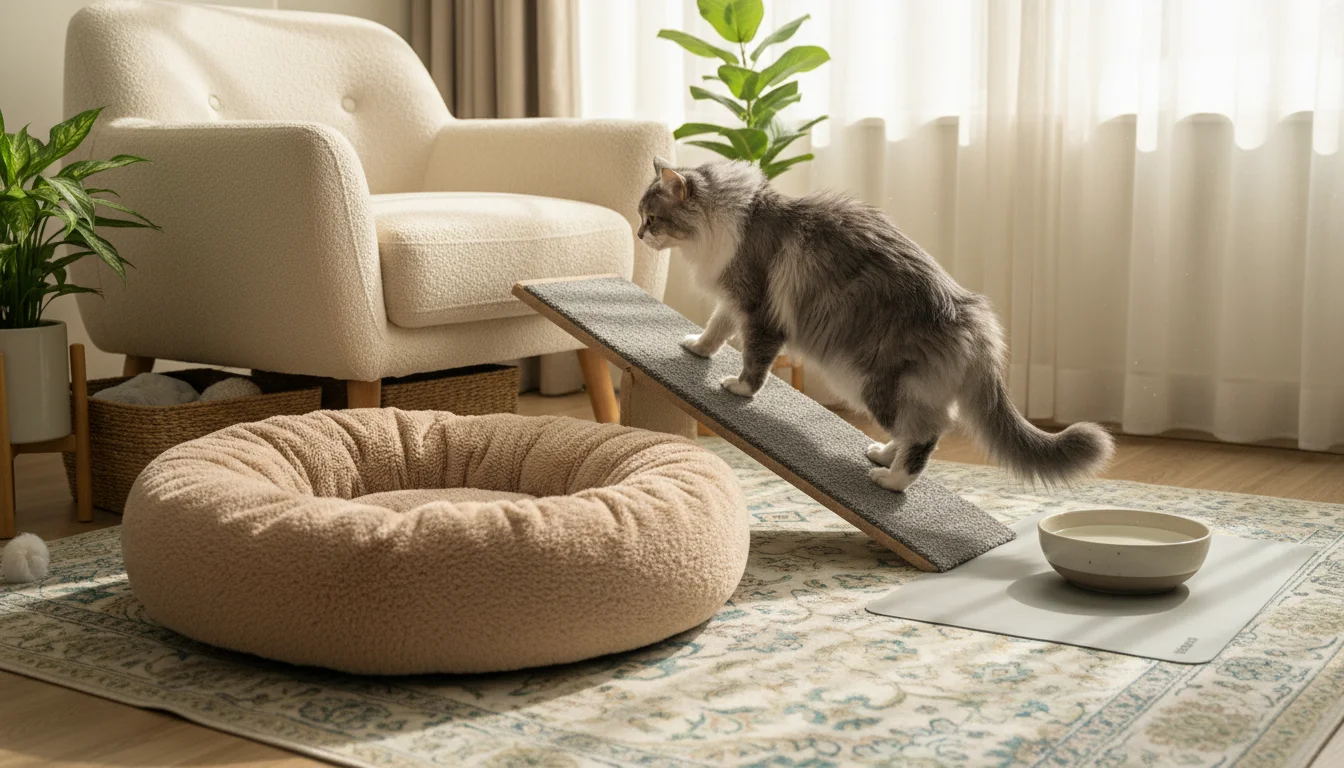
Creating an enriching and accessible indoor environment is critical for your senior cat’s physical and mental wellbeing. Their world often shrinks as their mobility declines, making their immediate surroundings more impactful. You can significantly improve their quality of life by making thoughtful adjustments.
Maintaining mental stimulation is vital, so consider ways to keep your cat entertained even as they slow down.
Indoor Environmental Enrichment:
While senior cats may not climb as high or play as vigorously, they still benefit from mental stimulation and a sense of security.
- Vertical space: Senior cats still enjoy observing their territory from above, but they need easier access. Provide cat trees with wider, less steep ramps instead of just jumping platforms. Place sturdy, low-level window perches near a sunny window. Consider a wide, cushioned cat shelf that’s easy to step onto from a chair or small step stool.
- Scratching posts: Offer a variety of scratching posts—both vertical and horizontal—made of different materials like sisal, cardboard, or carpet. Ensure they are stable and tall enough for a good stretch. Place them in prominent areas your cat frequently uses, making them easy to access without excessive movement.
- Warm, secure resting spots: Provide cozy beds in quiet, draft-free areas where your cat feels safe and undisturbed. Elevated beds keep them off cold floors. Many senior cats appreciate the warmth of a gentle heating pad (specifically designed for pets, with low heat settings and automatic shut-off) placed under their favorite blanket.
- Gentle play and mental stimulation: Engage your senior cat with shorter, less strenuous play sessions. Wand toys, laser pointers (used carefully to avoid frustration), and puzzle feeders can keep their minds active. Rotate toys to maintain interest.
Litter Box Management:
Litter box issues are common in senior cats due to arthritis, cognitive changes, or underlying medical conditions. You can prevent many accidents by optimizing their litter box setup. According to the ASPCA, ensuring easy access and sufficient boxes is key to feline litter box happiness.
- Placement: Place litter boxes in quiet, easily accessible locations. Avoid basements with steep stairs or areas that require navigating around furniture or other pets. Ensure there’s a box on every floor of your home.
- Cleaning: Scoop litter boxes at least twice daily. Senior cats, like all cats, prefer a clean environment. A soiled box can deter them from using it.
- Low-sided boxes: Use litter boxes with low entry points to accommodate cats with mobility issues. You can even cut down one side of a regular plastic storage container for a DIY low-entry option.
- Multi-cat households: The general rule is one litter box per cat, plus one extra. In a multi-cat household with a senior cat, this becomes even more critical to prevent stress or resource guarding, especially if the senior cat is slower to reach a box.
Proactive Health Monitoring and Veterinary Care
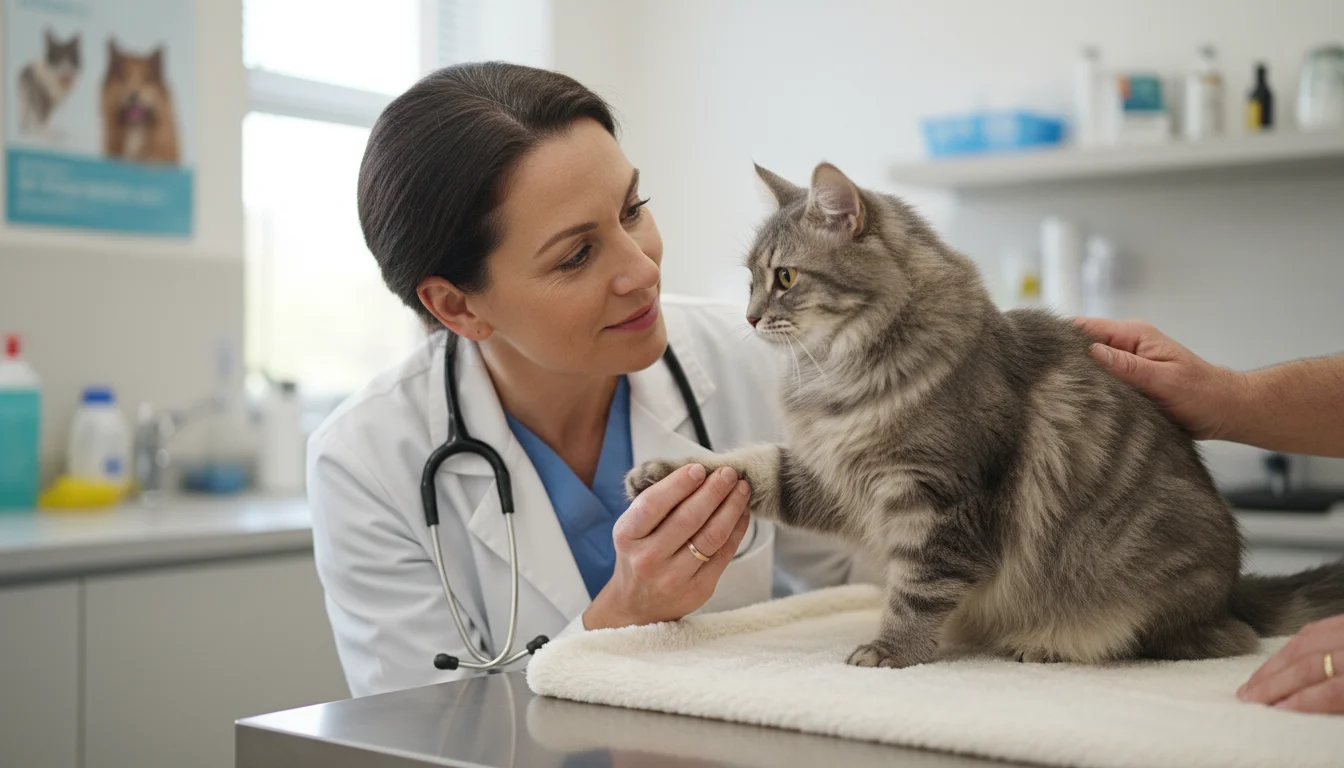
One of the most impactful things you can do for your senior cat is to establish a routine of proactive health monitoring and regular veterinary care. Cats are masters at hiding signs of illness, a survival instinct that can make it difficult for you to recognize when something is wrong until a condition is advanced. This is especially true for senior pets, who are more susceptible to a range of age-related diseases.
Familiarizing yourself with the signs your cat is happy and healthy makes it easier to spot when their condition changes.
The American Animal Hospital Association (AAHA) recommends semi-annual veterinary examinations for senior cats. These more frequent visits allow your veterinarian to catch subtle changes early when interventions are most effective. During these check-ups, your vet will perform a thorough physical examination, checking their weight, teeth, gums, eyes, ears, heart, lungs, and abdomen. They may also recommend diagnostic tests such as:
- Bloodwork: Comprehensive blood panels can detect early signs of common senior cat diseases like kidney disease, hyperthyroidism, diabetes, and liver issues.
- Urinalysis: A urine sample provides valuable information about kidney function, urinary tract infections, and diabetes.
- Blood pressure monitoring: High blood pressure is common in older cats and can lead to kidney damage, blindness, and heart problems.
- Dental examinations: Regular dental checks and professional cleanings, when necessary, prevent pain and infection from dental disease.
Beyond routine vet visits, your observations at home are invaluable. You live with your cat every day and are best positioned to notice changes. Keep an eye on:
- Appetite and thirst: Any significant increase or decrease could signal a health problem.
- Weight: Both sudden weight loss or gain are red flags.
- Litter box habits: Changes in frequency of urination or defecation, or any accidents outside the box, warrant veterinary attention.
- Mobility: Difficulty jumping, limping, or stiffness should be investigated.
- Grooming: Neglected grooming, greasy fur, or excessive licking can indicate discomfort or disease.
- Vocalization: Increased or decreased meowing, especially at unusual times, can be a sign of pain or confusion.
- Sleep patterns: Changes in how much or when your cat sleeps can indicate discomfort or cognitive decline.
Do not hesitate to contact your veterinarian if you observe any of these changes. Early detection and treatment can dramatically improve your senior cat’s prognosis and quality of life, allowing you to spend more happy, comfortable years together.
Frequently Asked Questions
What age is considered senior for a cat?
Cats typically enter their senior years around 7 to 10 years old. They are generally considered geriatric from about 11 to 14 years old and beyond. However, individual cats age at different rates, so these are general guidelines.
How often should a senior cat visit the vet?
Most veterinarians recommend semi-annual, or twice-yearly, check-ups for senior cats. This allows for early detection of age-related conditions and proactive management of any health changes, significantly improving their quality of life.
What are common signs of pain in senior cats?
Signs of pain in senior cats can be subtle. Look for changes in mobility (hesitation to jump, stiffness), decreased appetite, withdrawal, aggression when touched, neglected grooming, or excessive licking of a particular area. Increased vocalization, especially at night, can also indicate discomfort.
Can senior cats learn new things or play?
Absolutely! Senior cats can still learn and enjoy play, though their activities might be less strenuous or shorter in duration. Use puzzle feeders for mental stimulation, engage them with gentle wand toys, or teach them simple tricks using positive reinforcement. Keeping their minds active is beneficial for cognitive health.
How can I help my senior cat with mobility issues?
You can help by providing ramps or pet steps to their favorite spots, offering orthopedic beds for comfort, using low-sided litter boxes, and placing non-slip rugs on slick floors. Your veterinarian can also recommend pain management medications or supplements to improve their joint health.
For expert pet care guidance, visit
Rover — Pet Care Blog,
Preventive Vet and
American Veterinary Medical Association (AVMA).
Disclaimer: This article is for informational purposes only and is not a substitute for professional veterinary advice, diagnosis, or treatment. Always consult with a licensed veterinarian for medical concerns about your pet.

Leave a Reply