
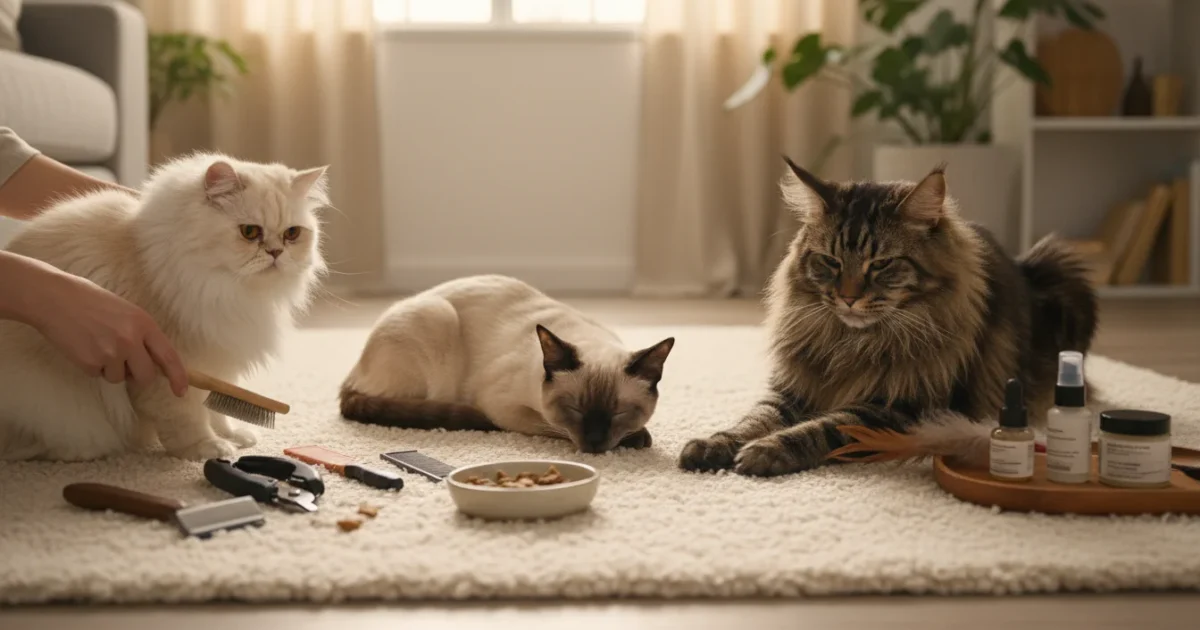
Understanding your cat’s unique coat type is fundamental to providing optimal care and ensuring their overall well-being. Your cat’s fur, far from simply being beautiful, plays a vital role in regulating body temperature, protecting their skin, and acting as an indicator of their internal health. Regular grooming, tailored to their specific coat, helps prevent painful mats, reduces shedding, and strengthens the bond you share. This guide provides practical insights into various cat coat types and outlines the essential grooming strategies you need to keep your feline companion healthy and happy. You will learn about the tools to use, techniques to employ, and how to spot potential issues.
A lustrous coat is often one of the most visible signs your cat is happy and healthy.
The Science Behind Your Cat’s Coat
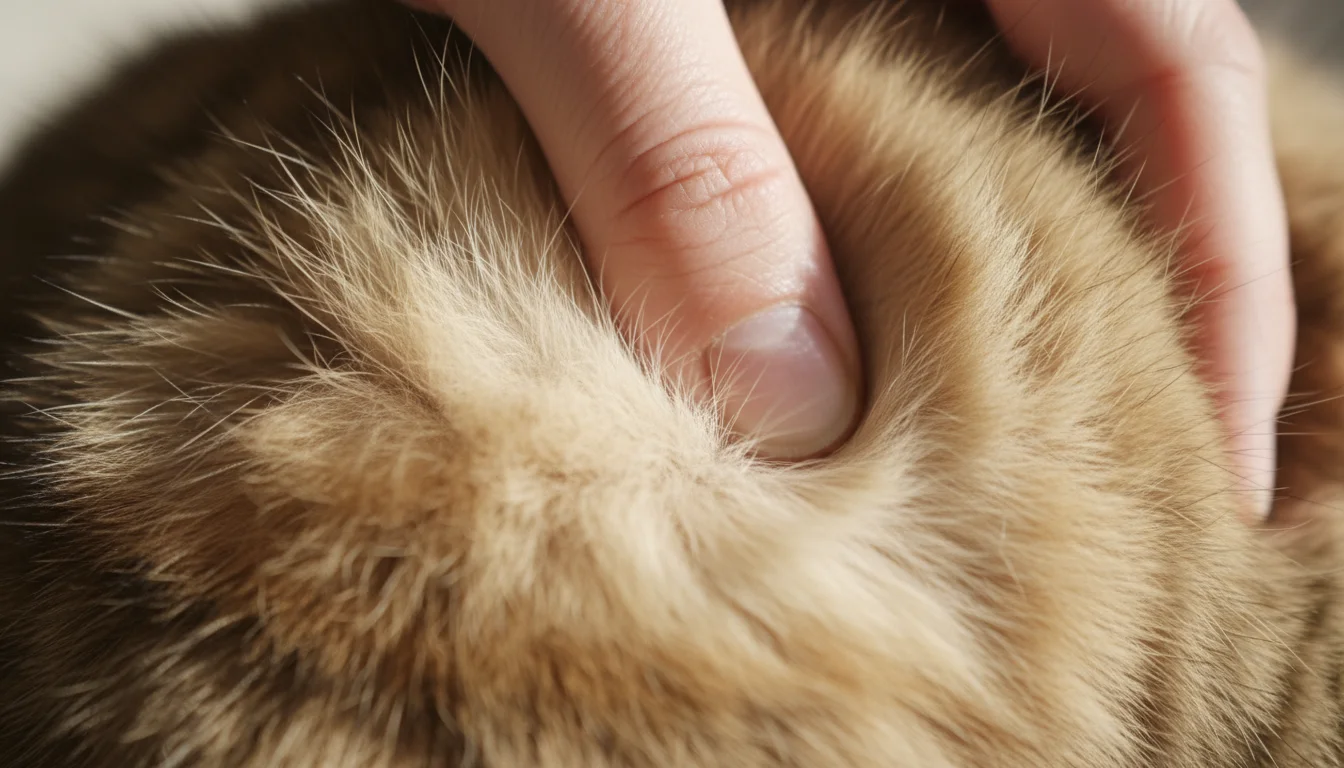
Your cat’s fur is more than just hair; it is a complex biological system designed for protection, insulation, and sensory input. A cat’s coat consists of several layers, with each hair follicle often producing multiple hairs. The primary types of hair you typically find include:
While feline fur is unique, pet owners with multi-species households might also find it useful to compare these layers with dog coat types and their grooming requirements.
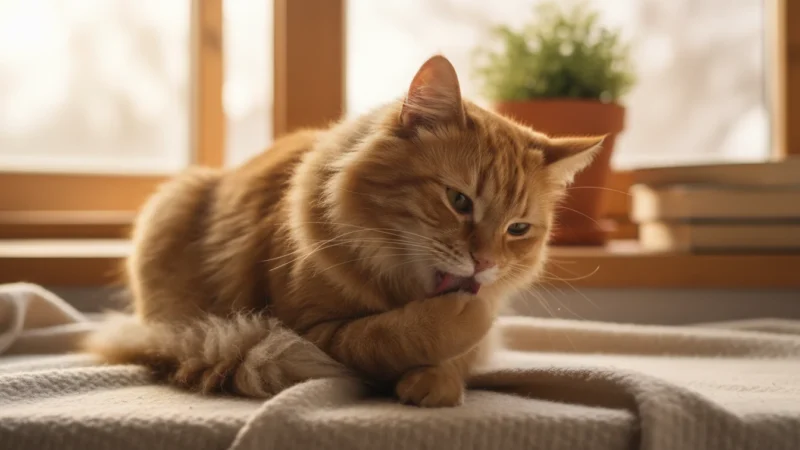
Beyond biology, it is also important to understand your cat’s grooming behavior to distinguish between normal self-care and signs of stress.
- Guard Hairs: These are the longest, thickest hairs that form the outermost layer of the coat. They provide protection from elements like sun, wind, and rain. Guard hairs also give the coat its color and texture.
- Awn Hairs: Shorter and finer than guard hairs, awn hairs form the middle layer. They provide additional insulation and contribute to the density of the coat.
- Down Hairs (Undercoat): These are the softest, shortest, and most numerous hairs, forming a dense insulating layer closest to the skin. The undercoat is crucial for warmth in cold climates and helps protect against heat in warmer weather by trapping air.
Cats shed regularly, a natural process that replaces old hair with new growth. This shedding cycle varies based on breed, season, diet, and overall health. During spring and autumn, many cats experience heavier shedding as their bodies adapt to changing temperatures, adjusting their undercoat density. Understanding these layers and cycles helps you tailor your grooming routine effectively. A healthy coat reflects a healthy cat, making regular observation during grooming a critical aspect of pet care. According to the American Veterinary Medical Association (AVMA), proper grooming is a key component of preventative pet care, contributing to skin health and early detection of potential issues.
Grooming Essentials: Tools for Every Coat
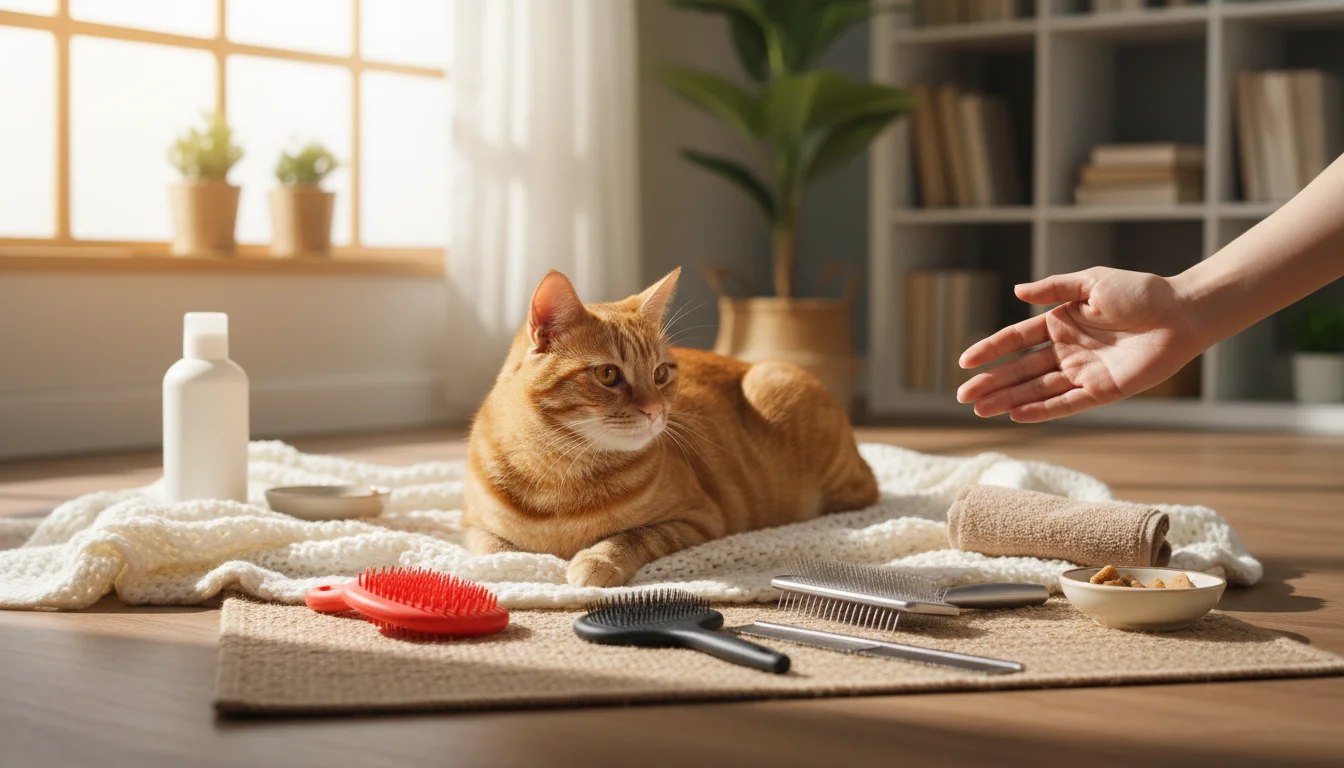
Having the right tools simplifies grooming and makes the experience more positive for you and your cat. Investing in quality items helps you maintain coat health and minimize shedding effectively.
Proper grooming is particularly important for summer cat care, as removing the insulating undercoat helps indoor cats stay comfortable in the heat.
Consider these essential grooming tools:
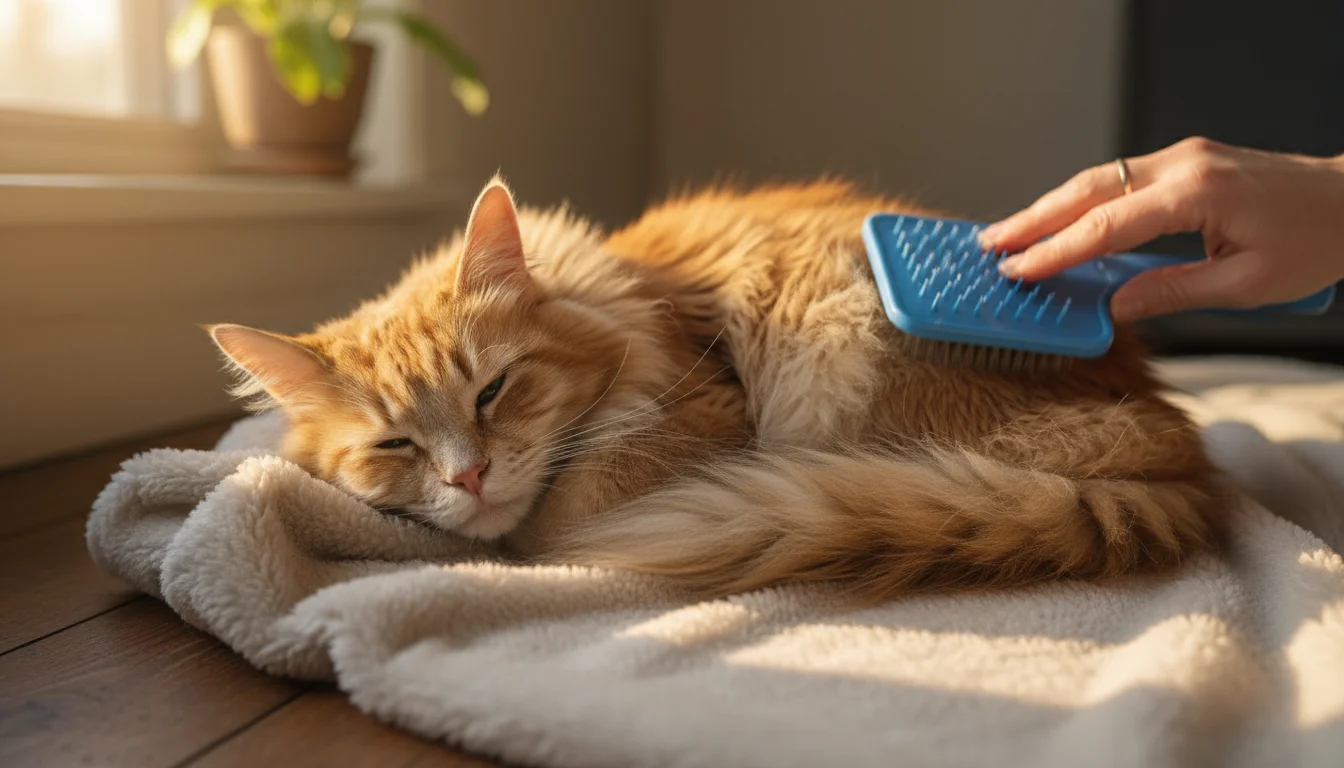
- Slicker Brush: This brush features fine, short wires packed closely together on a flat surface. It works excellently for removing loose hair, mats, and tangles from both short-haired and long-haired cats, especially those with a dense undercoat. Use it gently to avoid irritating the skin.
- Pin Brush: With widely spaced metal pins, often with rubber tips, a pin brush is ideal for cats with longer coats. It detangles without pulling too much and helps distribute natural skin oils through the fur, enhancing shine.
- Rubber Curry Brush (Grooming Mitt): These soft rubber brushes feature nubs that massage the skin, stimulate circulation, and effectively remove loose fur from short-haired cats. They are also excellent for bathing.
- Fine-Toothed Comb (Flea Comb): While useful for detecting fleas and flea dirt, a fine-toothed comb also helps remove small tangles and debris from all coat types, providing a detailed finish, especially around the face and paws.
- Deshedding Tool: Designed to reach deep into the undercoat and remove loose, dead hair without damaging the topcoat, a deshedding tool significantly reduces shedding. Use this tool sparingly, following the manufacturer’s instructions, as overuse can cause skin irritation or bald spots.
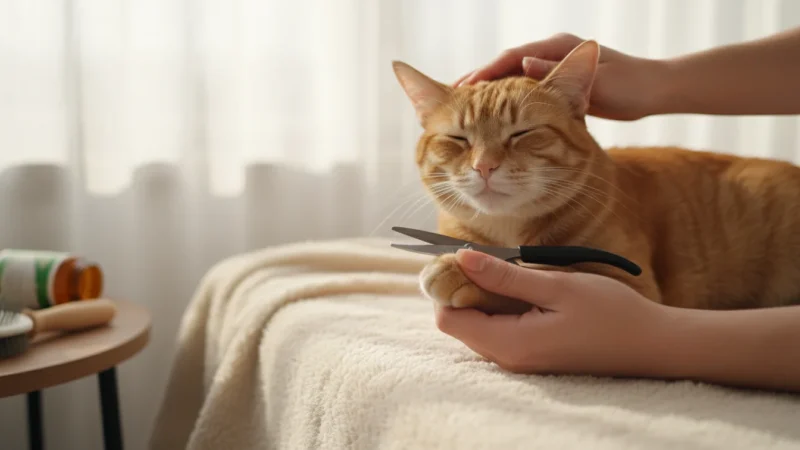
- Nail Clippers: Regular nail trims prevent overgrown claws from snagging, breaking, or growing into paw pads. Choose scissor-style or guillotine-style clippers, depending on your preference.
- Cat-Specific Shampoo and Conditioner: If your cat requires bathing, use products formulated specifically for felines. Human shampoos can irritate their skin and strip essential oils.
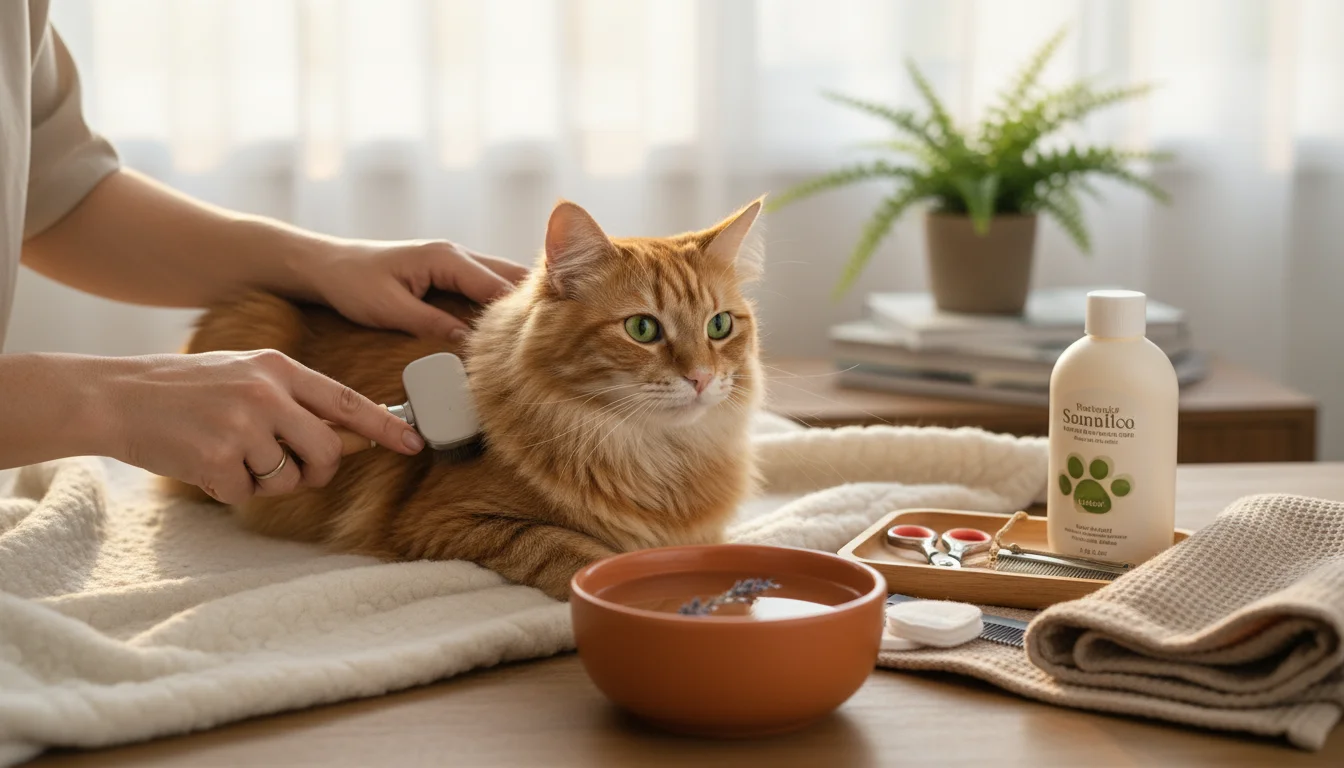
Setting up a dedicated grooming area can help make these sessions more comfortable and organized for both you and your pet.
Remember to introduce grooming tools gradually and positively. Offer treats and praise during and after grooming sessions to create a pleasant association. Start with short sessions, slowly increasing duration as your cat becomes comfortable.
Short-Haired Cats: Efficient and Easy Care
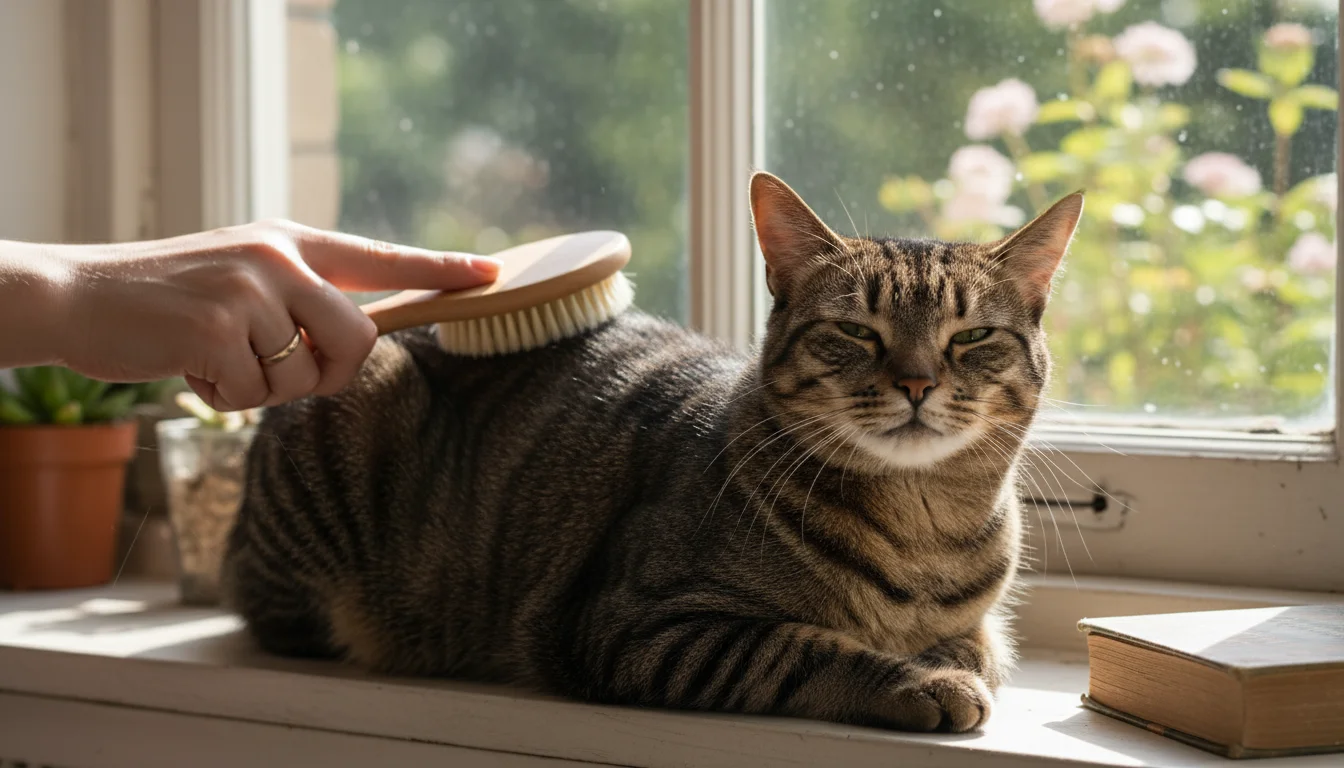
Many popular breeds fall into the short-haired category, including the American Shorthair, Siamese, Abyssinian, and Bengal. These cats generally have coats that are less prone to matting and require relatively low-maintenance grooming. Their fur typically consists of guard hairs and a less dense undercoat, if any.
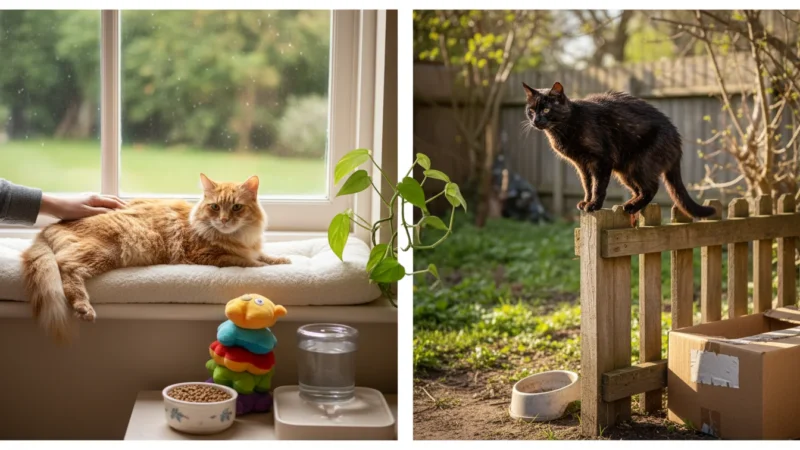
Whether your cat has a short or long coat, environmental exposure is one of the key care differences between indoor and outdoor cats that impacts their grooming needs.
If your cat is resistant to dental checks, follow a how to brush your cat’s teeth guide to make the process easier.
**Grooming Routine for Short-Haired Cats:**
1. Weekly Brushing: Aim for at least one to two brushing sessions per week. A rubber curry brush or grooming mitt effectively removes loose hair, stimulates the skin, and distributes natural oils. You can also follow up with a slicker brush for a deeper clean.
2. Nail Trims: Trim nails every 2-4 weeks. This prevents snags and maintains paw health.
3. Dental Care: Brush your cat’s teeth daily, or at least several times a week, using a cat-specific toothbrush and toothpaste. Oral hygiene is crucial for overall health.
4. Ear Cleaning: Check ears weekly for dirt, wax buildup, or unusual odors. Clean gently with a vet-approved ear cleaner and cotton balls, never inserting anything into the ear canal.
5. Occasional Bathing: Most short-haired cats do not require frequent bathing unless they get particularly dirty or have skin conditions requiring medicated washes. When you do bathe them, use a cat-specific shampoo.
Regular brushing significantly reduces the amount of hair your cat ingests during self-grooming, which helps prevent hairball formation. Although their coats are easier to manage, consistency remains key for maintaining health and comfort.
Long-Haired Cats: Majestic Coats, Dedicated Grooming
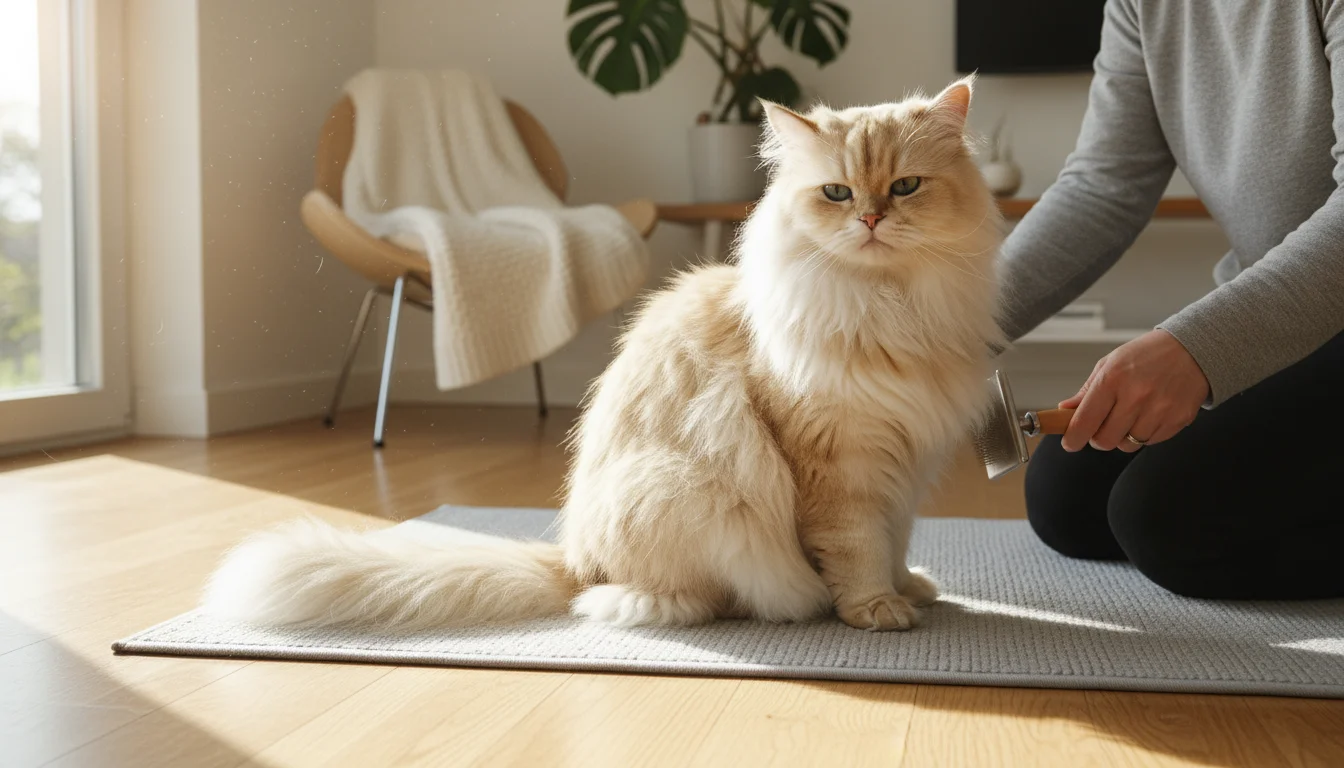
Long-haired breeds, such as Persians, Maine Coons, Ragdolls, and Himalayans, possess stunning, flowing coats that demand consistent and dedicated grooming. Their lengthy fur and often dense undercoats are highly susceptible to matting and tangling if neglected. Mats can be incredibly painful, pulling on the skin and potentially leading to skin infections.
Many of these elegant long-haired felines are also featured on the list of the best cat breeds for apartment living because of their typically calm and docile nature.
**Grooming Routine for Long-Haired Cats:**
1. Daily Brushing: Long-haired cats require daily grooming to prevent mats. Start with a wide-toothed comb or a pin brush to gently work through tangles. Follow with a slicker brush to remove loose undercoat hair and smooth the topcoat. Pay special attention to areas prone to matting: behind the ears, armpits, britches (the fur on their hind legs), and under the tail.
2. Detangling Mats: If you encounter a mat, try to gently tease it apart with your fingers or the wide teeth of a comb. Use a small amount of cat-safe detangling spray if needed. Never pull hard, as this hurts your cat. For severe or numerous mats, professional grooming or a vet visit for safe removal under sedation might be necessary. Shaving mats yourself can result in serious skin injury.
3. Sanitary Trims: Gently trim the fur around the anus and genitals to prevent fecal matter from clinging to the fur. You can use blunt-nosed scissors or a small clipper for this.
4. Paw Pad Trims: Trim fur between paw pads to prevent traction issues, slipping, and the accumulation of litter or debris.
5. Nail Trims: Long-haired cats also benefit from regular nail trims every 2-4 weeks.
6. Regular Bathing (as needed): While not all long-haired cats need frequent baths, some benefit from occasional washing, especially if their fur becomes greasy or they struggle with self-grooming. Use a cat-specific shampoo and conditioner. Ensure you rinse thoroughly to avoid skin irritation.
7. Professional Grooming: Many long-haired cat owners opt for professional grooming every few months. Professional groomers have the expertise and tools to handle dense coats, provide lion cuts if desired, and safely manage difficult matting. This helps ensure your cat’s comfort and health. The Cat Fanciers’ Association (CFA) emphasizes regular grooming as a crucial part of responsible cat ownership for all breeds, especially those with high-maintenance coats.
Consistent, gentle grooming is paramount for long-haired cats. It keeps their coat beautiful, prevents painful conditions, and makes them more comfortable.
Hairless Cats: Unique Needs, Gentle Touch
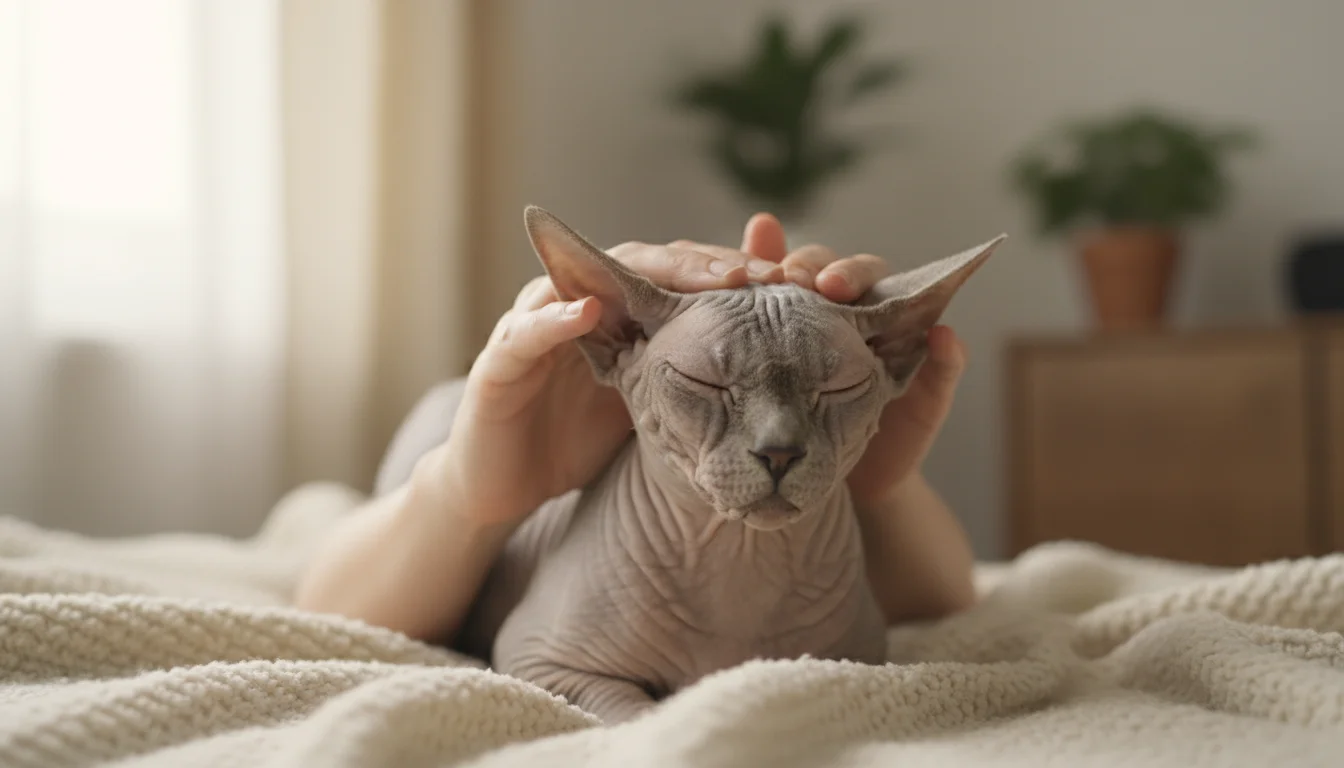
While hairless breeds like the Sphynx, Peterbald, and Don Sphynx appear to have no fur, they actually possess a fine downy fuzz, similar to peach skin. This unique characteristic means their care needs differ significantly from their furry counterparts. Without a protective coat, their skin is directly exposed to the environment and requires special attention.
**Grooming Routine for Hairless Cats:**
1. Regular Wipes/Baths: Hairless cats do not have fur to absorb their natural skin oils. These oils, mixed with dirt, can accumulate on their skin, leading to a greasy feeling and potential skin issues. Weekly or bi-weekly wiping with a damp cloth or a gentle, hypoallergenic cat-specific wipe helps manage this. Regular bathing, often weekly to bi-weekly, using a moisturizing, cat-safe shampoo, is also essential. Be sure to dry them thoroughly after baths to prevent chilling.
2. Skin Hydration: After bathing or wiping, some hairless cats benefit from a light application of a veterinarian-approved, non-comedogenic moisturizer to prevent dry skin.
3. Ear Cleaning: Hairless cats tend to produce more ear wax and lack hair in their ears to trap dirt. Regular (weekly) ear cleaning with a vet-approved solution is crucial to prevent ear infections.
4. Nail Trims: Trim nails every 2-4 weeks.
5. Sun Protection: Due to their lack of fur, hairless cats are susceptible to sunburn. Limit their exposure to direct sunlight, especially during peak hours. If they spend time outdoors, consider using cat-safe sunscreen on exposed areas, as recommended by your veterinarian.
6. Temperature Regulation: Hairless cats get cold easily. Provide warm blankets, sweaters (if tolerated), and heated beds, especially in cooler climates or during winter. Conversely, they can also overheat, so ensure they have access to cool, shaded areas in warm weather.
Caring for a hairless cat involves a commitment to regular skin care to maintain their unique health and comfort.
Beyond the Brush: Holistic Coat Health for Cats
Grooming goes far beyond brushing; several other factors significantly influence your cat’s coat quality and overall health. Addressing these elements provides comprehensive cat care and promotes a lustrous, healthy coat.
A healthy shine starts from within, so it is essential to choose the right cat food tailored to your pet’s specific life stage and nutritional needs.
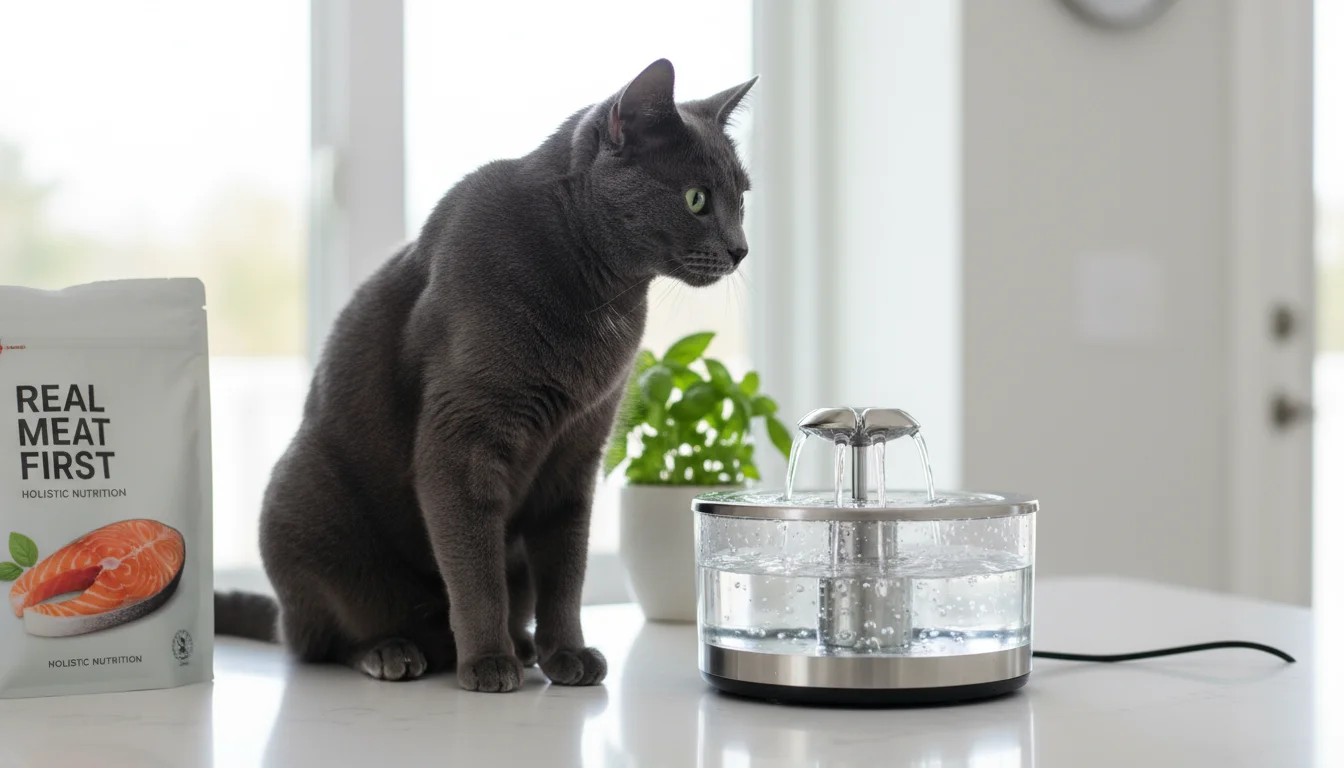
- Nutrition: A high-quality diet rich in essential fatty acids, such as Omega-3 and Omega-6, is crucial for skin and coat health. Look for cat foods that list real meat as the primary ingredient and contain balanced nutrients. Poor nutrition often manifests as a dull, dry, or brittle coat and excessive shedding. Consult your veterinarian for dietary recommendations tailored to your cat’s age, activity level, and any health conditions.
- Hydration: Adequate water intake keeps skin hydrated and supports overall bodily functions, including healthy hair growth. Ensure your cat always has access to fresh, clean water. Consider a feline-specific water fountain, which often encourages cats to drink more.
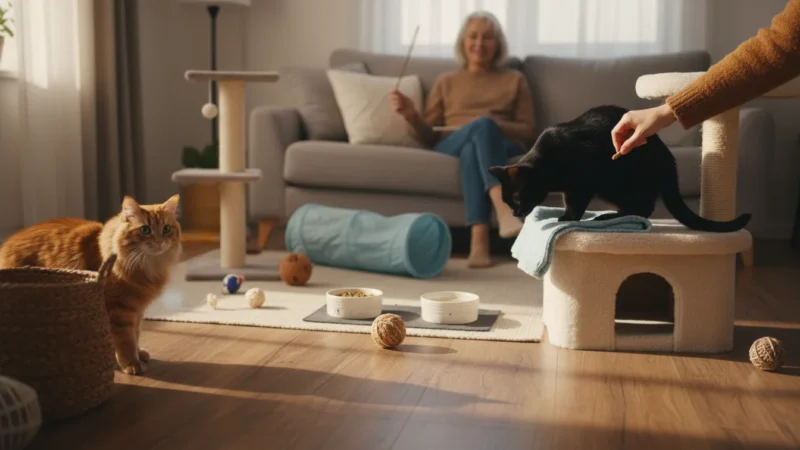
- Environmental Enrichment: A cat’s emotional well-being impacts their physical health, including their coat. Stress can lead to excessive grooming (over-grooming), causing skin irritation and bald spots, or conversely, a lack of self-grooming, leading to mats and a dirty coat. Providing a stimulating indoor environment with vertical spaces like cat trees and shelves, scratching posts, and window perches helps reduce stress and promotes normal behavior.
- Litter Box Management: A clean, accessible litter box is essential. Cats are meticulous groomers, and a dirty litter box can lead to soiled fur, especially around the hindquarters. Ensure you scoop daily, change litter regularly, and provide one litter box per cat plus one extra. Proper litter box placement in quiet, private areas also reduces stress.
- Parasite Control: Fleas, ticks, and other external parasites can wreak havoc on a cat’s skin and coat, causing itching, irritation, and allergic reactions. Maintain a year-round parasite prevention program recommended by your veterinarian.
- Regular Veterinary Check-ups: Underlying health conditions, such as allergies, hormonal imbalances, kidney disease, or hyperthyroidism, can impact coat quality. Your veterinarian can identify and treat these issues, often leading to a significant improvement in your cat’s fur. According to Cornell University College of Veterinary Medicine, changes in a cat’s coat can often signal underlying health problems, making regular veterinary examinations vital.
By focusing on these holistic aspects, you contribute significantly to your cat’s coat health and their overall happiness.
Common Coat Problems and When to See Your Vet
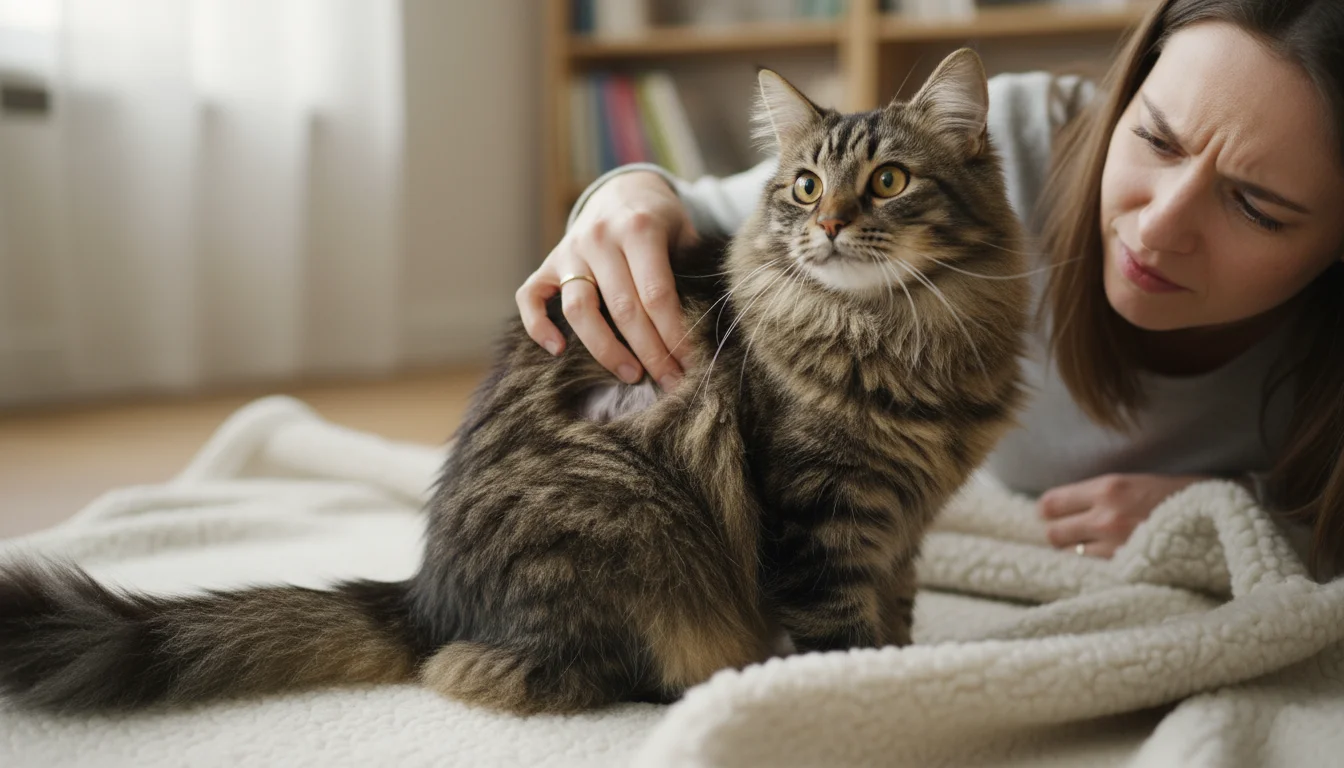
Despite your best efforts in pet care, your cat may occasionally develop coat-related issues. Recognizing these problems early allows for prompt intervention, preventing discomfort and more serious conditions.
Dullness or sudden changes in fur texture can be early warning signs of common cat health issues that warrant a consultation with your veterinarian.
Here are common coat problems and indicators for veterinary consultation:
- Mats and Tangles: Severe matting causes pain, restricts movement, and can hide skin infections. If you cannot gently remove a mat, or if your cat resists grooming due to pain, a vet or professional groomer needs to address it. Attempting to cut out tight mats at home often results in accidental cuts to the skin.
- Excessive Shedding: While normal, excessive or sudden shedding, especially accompanied by bald patches, dullness, or skin irritation, can indicate dietary deficiencies, stress, allergies, or an underlying medical condition.
- Dull, Dry, or Brittle Coat: A healthy coat typically appears soft and shiny. A dull, dry, or brittle coat often signals poor nutrition, dehydration, or a systemic illness.
- Itching, Redness, and Skin Irritation: Persistent scratching, licking, or biting at the fur, along with visible redness, rashes, bumps, or scabs, suggests allergies (food, environmental, or flea), parasites, or skin infections.
- Bald Patches or Hair Loss (Alopecia): Hair loss can result from over-grooming due to stress or pain, hormonal imbalances, ringworm (a fungal infection), or other skin diseases. Any unexplained bald spots warrant a vet visit.
- Greasy or Flaky Skin: An overly greasy coat or flaky skin can indicate seborrhea, a skin condition, or issues with oil gland regulation, especially in hairless breeds.
- Presence of Parasites: Visible fleas, ticks, or flea dirt (small black specks) require immediate treatment and ongoing prevention strategies.
Always consult your veterinarian if you notice significant changes in your cat’s coat or skin. Early diagnosis and treatment are crucial for resolving these issues effectively and maintaining your cat’s comfort and health.
Senior Cat Coat Care: Adapting to Age
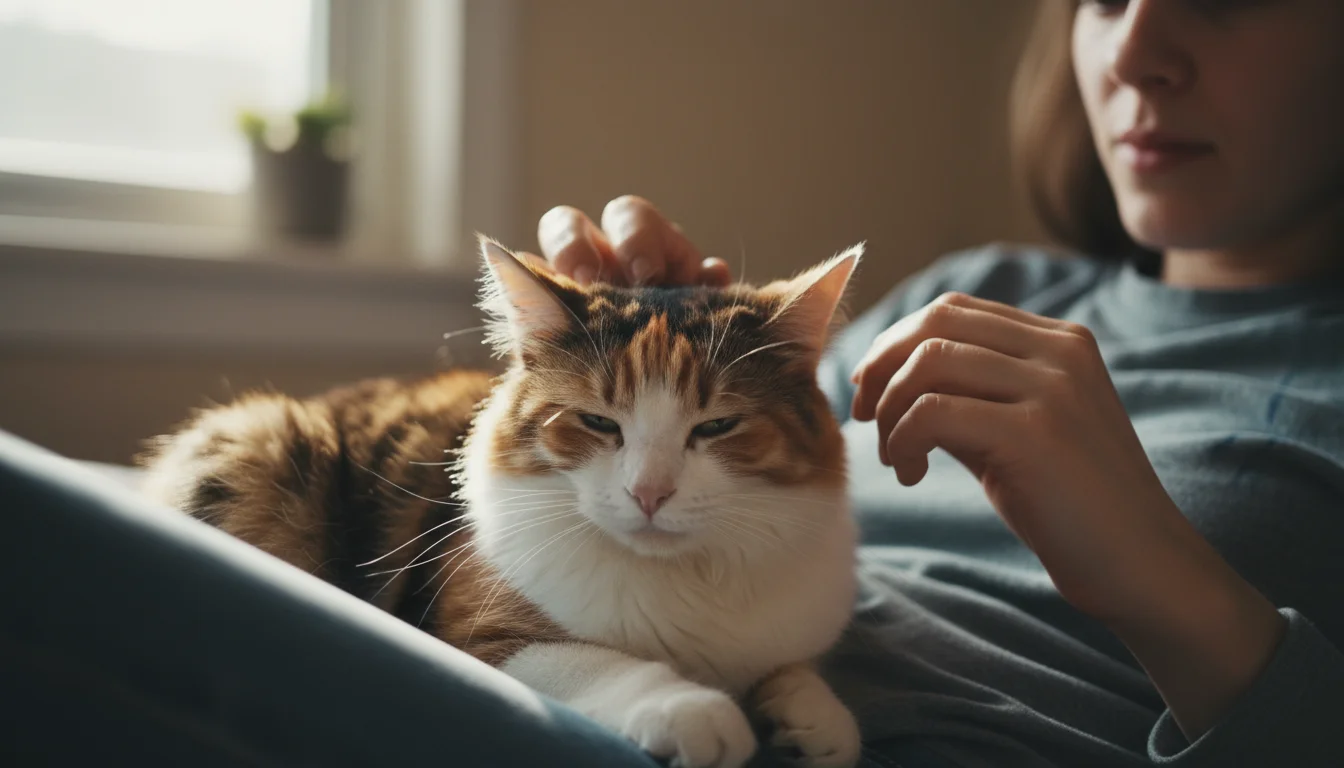
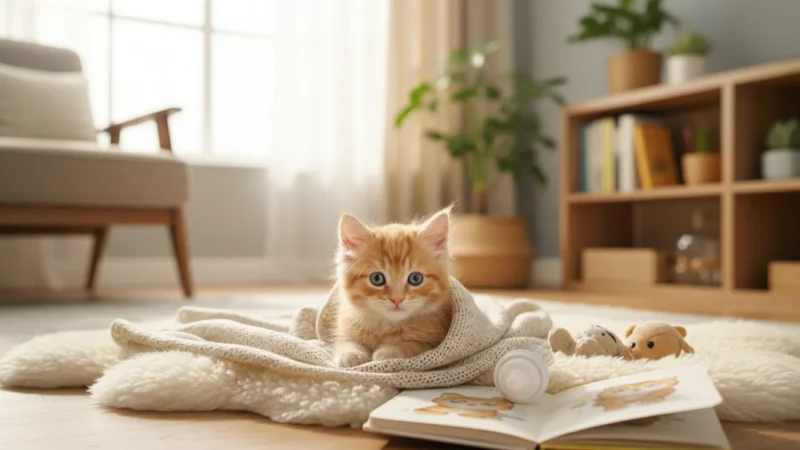
As cats age, their grooming needs change. Senior cats, generally those over 10-12 years old, often experience a decline in flexibility, mobility, and sometimes cognitive function, which impacts their ability to self-groom effectively. You might notice their coat becoming duller, oilier, or more prone to matting.
Understanding the physical changes that occur as your cat ages will help you better support their grooming and overall comfort in their golden years.
Grooming is just one part of senior cat care that requires specific adjustments as your pet enters their golden years.
Here are key considerations for senior cat coat care:
- Increased Grooming Assistance: Expect to increase your grooming frequency. Senior cats often cannot reach all areas of their bodies, such as their backs or hindquarters. Daily gentle brushing helps remove loose hair, prevents mats, and stimulates circulation. Use soft brushes or a grooming mitt to avoid irritating sensitive skin.
- Arthritis and Joint Pain: Joint pain makes movement difficult and uncomfortable, discouraging self-grooming. Be extra gentle during brushing and choose comfortable grooming positions. Consider grooming sessions when your cat is relaxed and potentially warmer, as cold can exacerbate joint stiffness.
- Skin Changes: Older cats may have thinner, more fragile skin, making them more susceptible to injury or irritation. Use a light touch with brushes and avoid any harsh pulling. Keep an eye out for lumps, bumps, or skin lesions, which are more common in older pets.
- Nail Overgrowth: Senior cats are less active, meaning their nails may not wear down as much. Overgrown nails can cause discomfort, make walking painful, and even grow into paw pads. Regular nail trims become even more critical.
- Dental Health: Poor dental health can lead to pain, impacting a cat’s willingness to groom their face. Continue with regular dental care and veterinary dental check-ups.
- Mobility Aids and Comfort: Ensure your senior cat has easy access to elevated sleeping spots or window perches through ramps or steps. Comfortable bedding reduces pressure on joints and encourages relaxation, which can indirectly support overall well-being.
- Bathing Considerations: If your senior cat needs a bath, make it a quick, stress-free experience in a warm environment. Ensure the water temperature is comfortable and dry them thoroughly to prevent chilling.
As cats get older, they often struggle with self-grooming, so understanding how your cat’s needs change as they age is essential for their comfort.
Adapting your cat care routine to accommodate your senior cat’s changing needs helps them maintain comfort, dignity, and a healthy coat throughout their golden years.
Frequently Asked Questions
How often should I groom my cat?
The frequency of grooming depends primarily on your cat’s coat type. Short-haired cats generally require brushing 1-2 times per week. Long-haired cats often need daily brushing to prevent mats and tangles. Hairless cats require daily wiping or weekly to bi-weekly baths to manage skin oil accumulation. Regardless of coat type, daily quick checks for mats, especially in high-friction areas, are always beneficial.
Can I use human shampoo on my cat?
No, you should never use human shampoo on your cat. Human shampoos have a different pH balance than cat-specific shampoos, which can strip your cat’s skin of natural oils, cause dryness, irritation, and other dermatological issues. Always use a shampoo specifically formulated for felines, ideally one recommended by your veterinarian.
What if my cat hates being groomed?
If your cat resists grooming, approach it gradually and positively. Start with very short sessions, just a few minutes, while offering high-value treats and praise. Use a soft brush or grooming mitt first, and slowly introduce other tools. Avoid forcing them, as this creates negative associations. If resistance persists, consult your veterinarian or a certified feline behaviorist for guidance on desensitization and counter-conditioning techniques. Sometimes, a gentle introduction over several weeks makes a significant difference.
How do I prevent hairballs in my cat?
Regular grooming is the most effective way to prevent hairballs. By brushing your cat frequently, you remove loose hair before they can ingest it during self-grooming. For cats prone to hairballs, consider feeding a diet specifically formulated for hairball control, which contains higher fiber to aid hair passage through the digestive system. You can also discuss veterinarian-approved hairball remedies, such as specific laxatives or supplements, with your vet.
For expert pet care guidance, visit
American Veterinary Medical Association (AVMA), American Kennel Club (AKC) and Cat Fanciers’ Association (CFA).
Disclaimer: This article is for informational purposes only and is not a substitute for professional veterinary advice, diagnosis, or treatment. Always consult with a licensed veterinarian for medical concerns about your pet.



Leave a Reply