
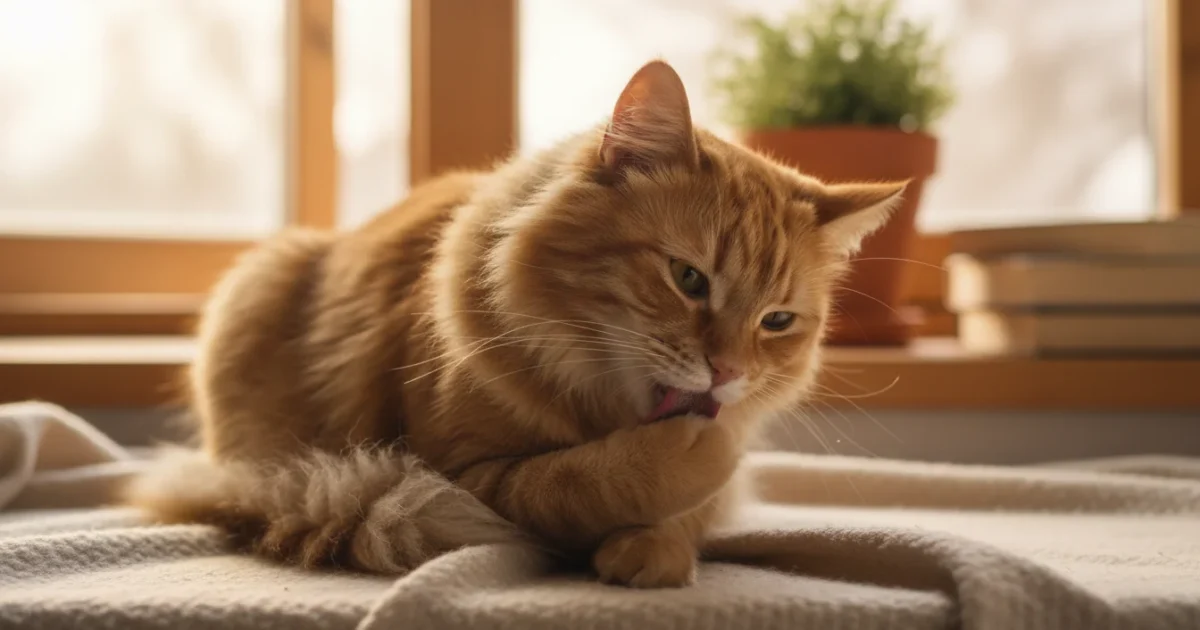
Observing your cat groom is a common sight. Cats spend a significant portion of their waking hours meticulously cleaning themselves, but this behavior extends far beyond simple hygiene. Grooming offers a window into your cat’s health, emotional state, and social interactions. By understanding the nuances of their grooming habits, you gain valuable insights into their well-being and can identify when something might be amiss. This guide provides practical, actionable insights into feline grooming behavior, empowering you to offer the best possible cat care and support your furry companion’s overall health.
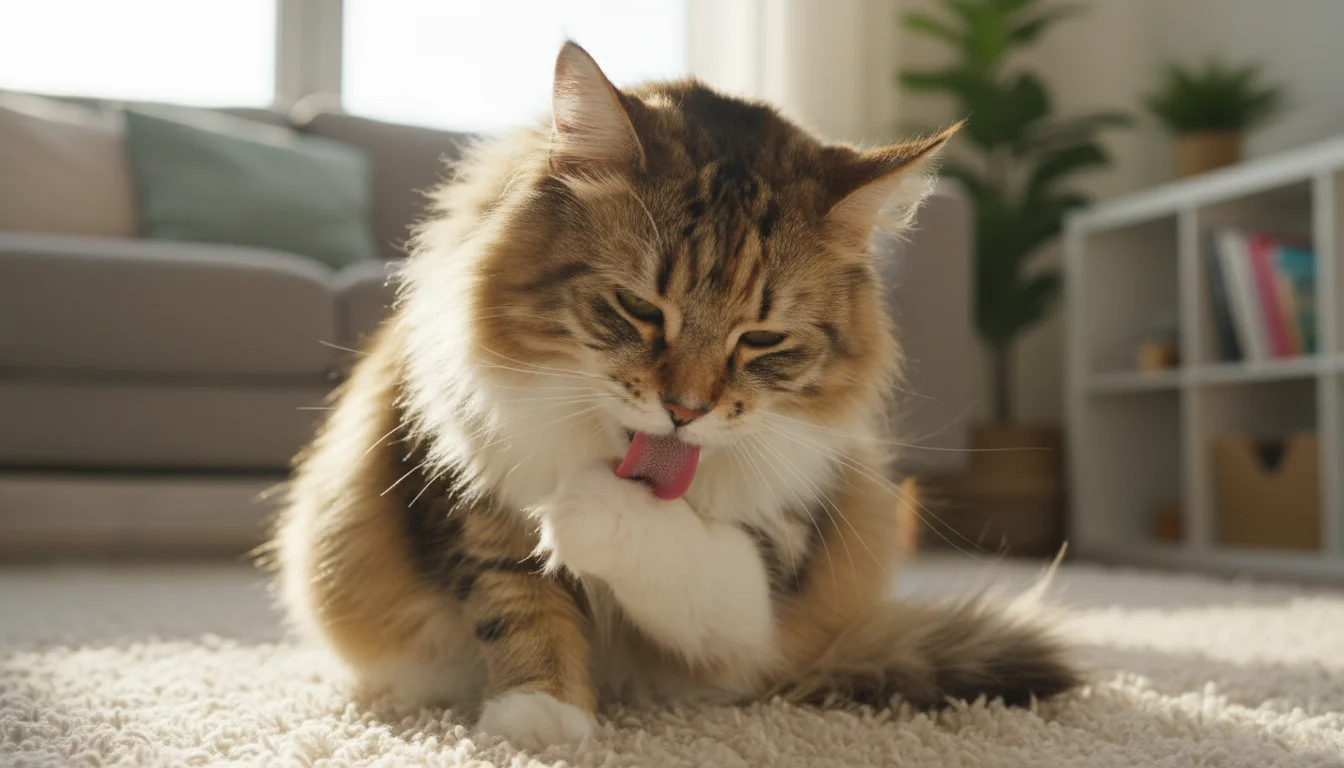
Why Cats Groom: More Than Just Cleanliness
Your cat’s constant preening serves multiple vital purposes, making it a fundamental aspect of their daily routine. Understanding these functions helps you appreciate the complexity of this innate behavior.
Proper hygiene habits are essential from a young age; our kitten care guide covers development throughout the first 12 weeks.
Learning the complete guide to cat grooming at home will help you better support these vital hygiene habits.
- Hygiene and Coat Maintenance: This is the most obvious reason. Grooming removes loose fur, dirt, debris, and parasites, keeping the coat clean and healthy. A clean coat helps prevent skin irritation and matting, especially in long-haired breeds. The barbs on a cat’s tongue act like a comb, effectively detangling fur.
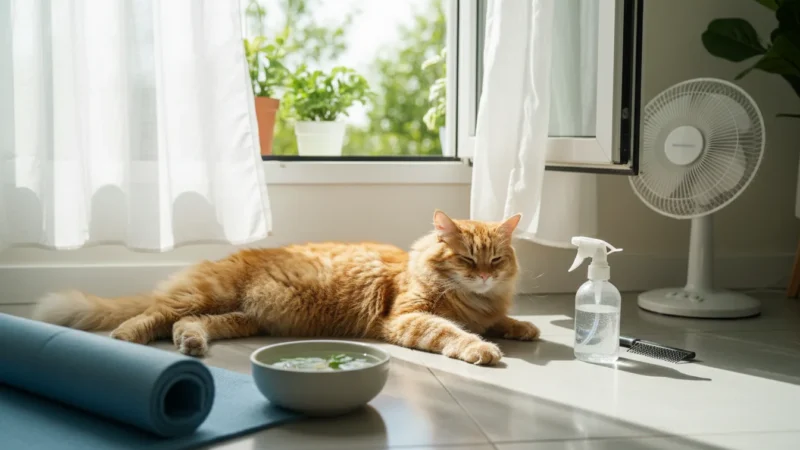
- Thermoregulation: Grooming helps regulate body temperature. In warm weather, licking coats with saliva aids in cooling through evaporation. In colder conditions, grooming smooths the fur to create an insulating layer, trapping warm air close to the body.
- Scent Distribution and Communication: Cats possess scent glands on their face, paws, and flanks. Grooming can distribute these unique scents throughout their fur, acting as a form of communication within their territory and among other cats. According to experts at the ASPCA, scent marking is a natural feline behavior used to establish territory and communicate without confrontation.
- Stress Relief and Self-Soothing: Grooming releases endorphins, natural feel-good chemicals, which helps cats relax and cope with stressful situations. You might observe a cat grooming intensely after a startling event, using the action to calm themselves. This is often referred to as displacement grooming, which we will discuss further.
- Stimulating Circulation: The act of licking and nibbling stimulates blood flow to the skin, promoting overall skin and coat health. It is like a gentle massage for your cat.
- Removing Toxins: Wild cats consume prey, and grooming helps remove any lingering traces of blood or scent that might attract predators. While domestic cats rarely face this exact threat, the instinct remains.
The Mechanics of Feline Grooming
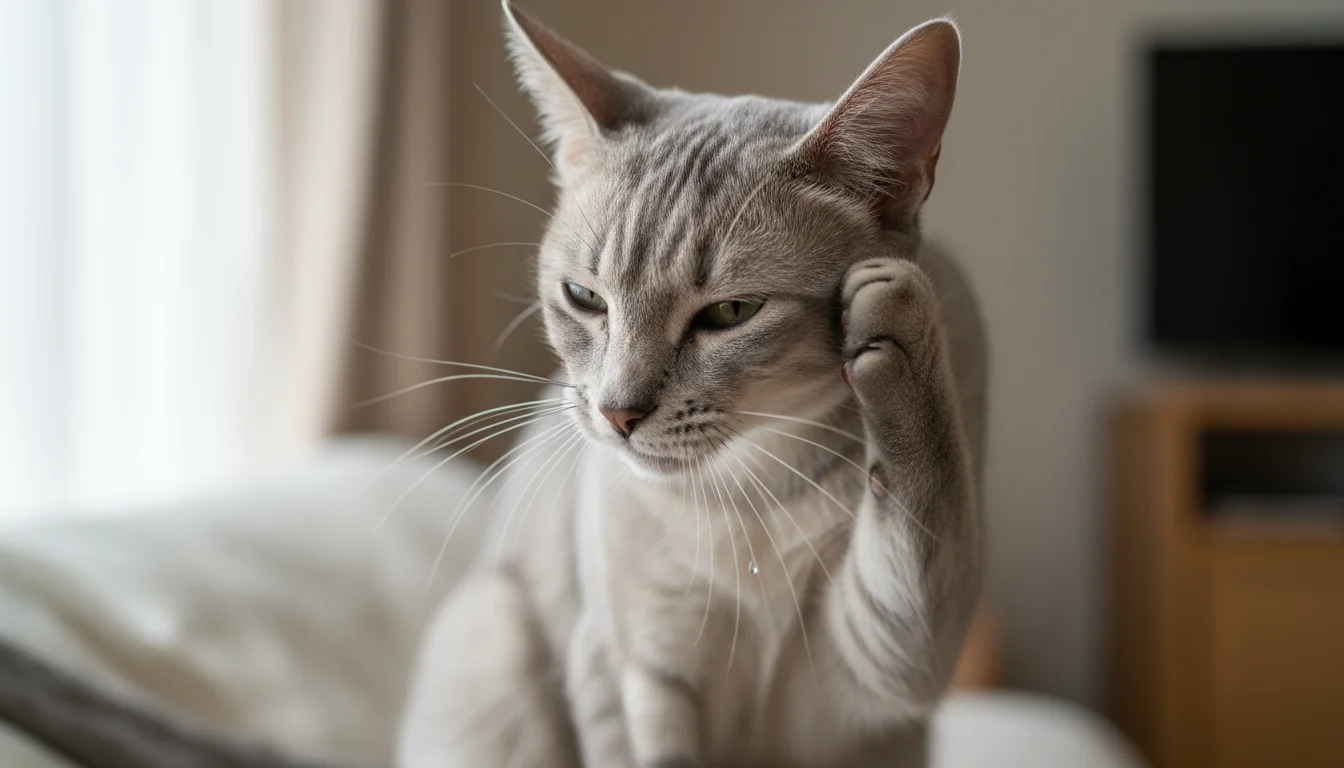
A cat’s unique anatomy allows for their effective self-grooming. Their primary tool is their tongue, covered in hundreds of tiny, backward-facing spines called papillae. These papillae are made of keratin, similar to human fingernails, and function like a natural comb, efficient at removing loose fur, dirt, and parasites. Their front paws, moistened with saliva, act like washcloths, reaching areas their tongues cannot, such as behind the ears and on the face. Their teeth are used for more targeted grooming, like nipping out fleas or untangling stubborn knots.
Keeping your cat active can also prevent boredom-induced over-grooming, so learn how to keep your cat entertained while you are away.
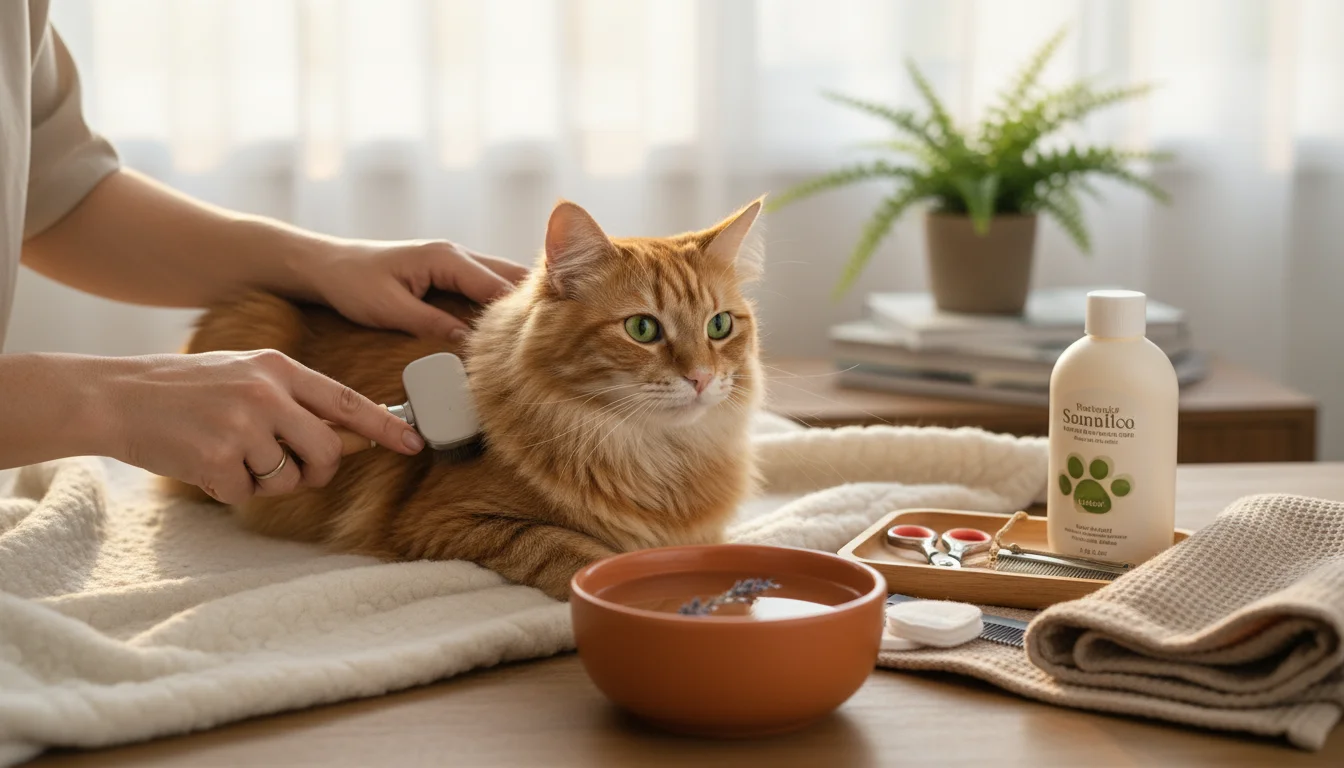
To make this process easier for both of you, consider creating the perfect cat grooming station in a quiet area of your home.
A predictable self-cleaning routine is one of the key signs your cat is happy and healthy.
A typical grooming session follows a predictable pattern. Cats usually start with their face, licking their paws and then rubbing them over their ears, eyes, and muzzle. They then progress to their front legs, shoulders, flanks, and hind legs, often finishing with their tail. This methodical approach ensures thorough coverage of their entire body.
Understanding Different Grooming Behaviors
Cats display various grooming behaviors, each offering clues about their physical and emotional state. Paying attention to these different forms of grooming helps you understand your cat better.
If grooming issues persist, it may be time to investigate potential cat behavior problems and their root causes.
Self-Grooming
This is the most common form of grooming, where your cat cleans themselves. Healthy self-grooming involves a consistent, thorough, but not obsessive, routine. You should see them grooming regularly throughout the day, maintaining a clean, healthy coat.
- Normal Self-Grooming: A well-groomed cat has a shiny, smooth coat, free of mats, dirt, or dandruff. They groom at various times, often after waking, eating, or after a play session.
- Excessive Grooming (Over-grooming): If your cat grooms so much they create bald spots, skin irritation, or sores, this signals a potential problem. This can stem from allergies, parasites (like fleas), pain in a specific area, or psychological stress and anxiety. For instance, a cat with bladder discomfort might over-groom their belly area.
- Under-Grooming: A sudden decrease or cessation of grooming is a significant red flag. This can indicate pain (especially arthritis, which makes reaching certain areas difficult), dental problems, obesity (limiting mobility), or a general illness. Senior cats commonly experience reduced grooming due to these factors.
Allogrooming (Social Grooming)
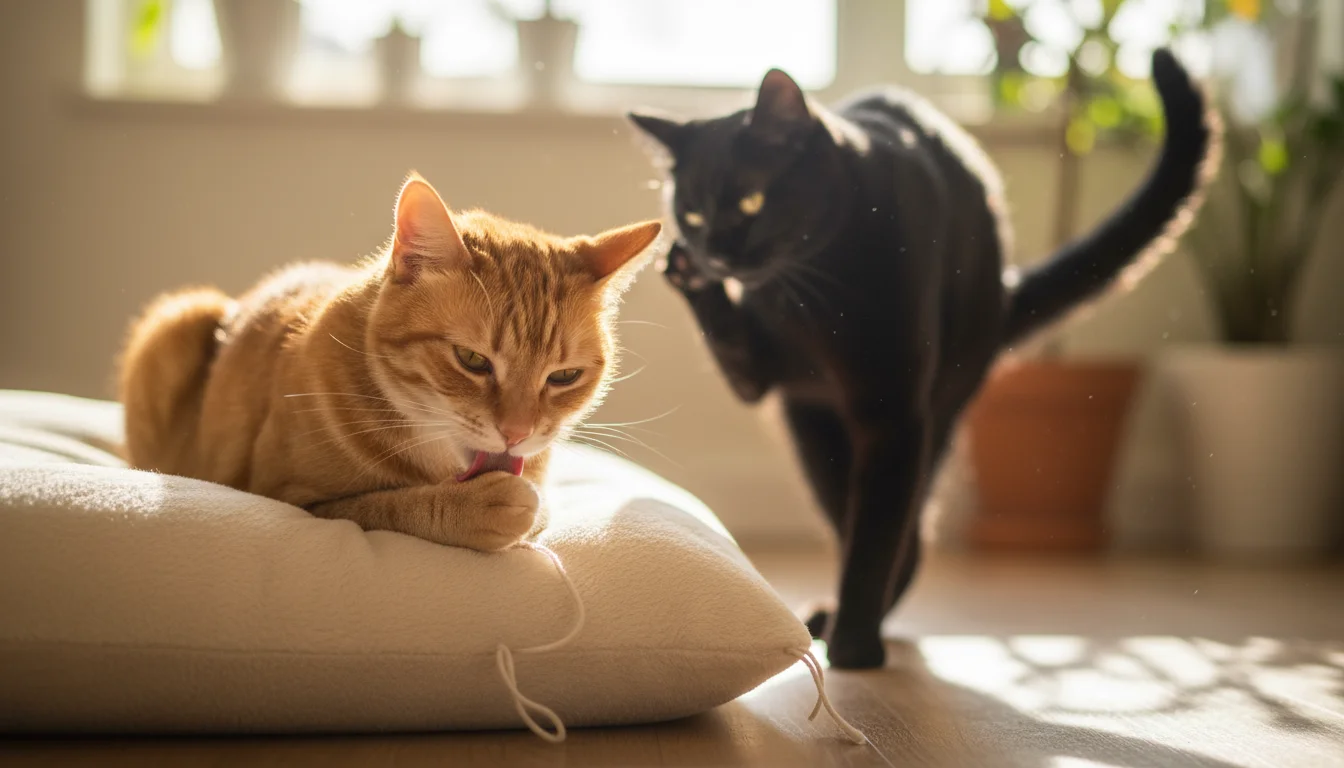
When cats groom each other, it is called allogrooming. This behavior is usually a sign of social bonding and affection within a multi-cat household. It reinforces social hierarchies and demonstrates trust. Often, a dominant cat grooms a subordinate one, or two cats with a strong bond will groom each other. You will typically see them licking each other’s heads, necks, and shoulders, areas that are difficult for a cat to reach on their own.
Displacement Grooming
Displacement grooming occurs when a cat grooms themselves in a situation of conflict, anxiety, or uncertainty. For example, if two cats have a tense standoff, one might suddenly start grooming their leg. This is not about actual cleanliness, but rather a coping mechanism to alleviate stress. It redirects their nervous energy into a familiar, calming activity. Recognizing displacement grooming helps you identify situations that cause your cat stress, allowing you to address the underlying issue.
Grooming Signals and Your Cat’s Health: What to Watch For
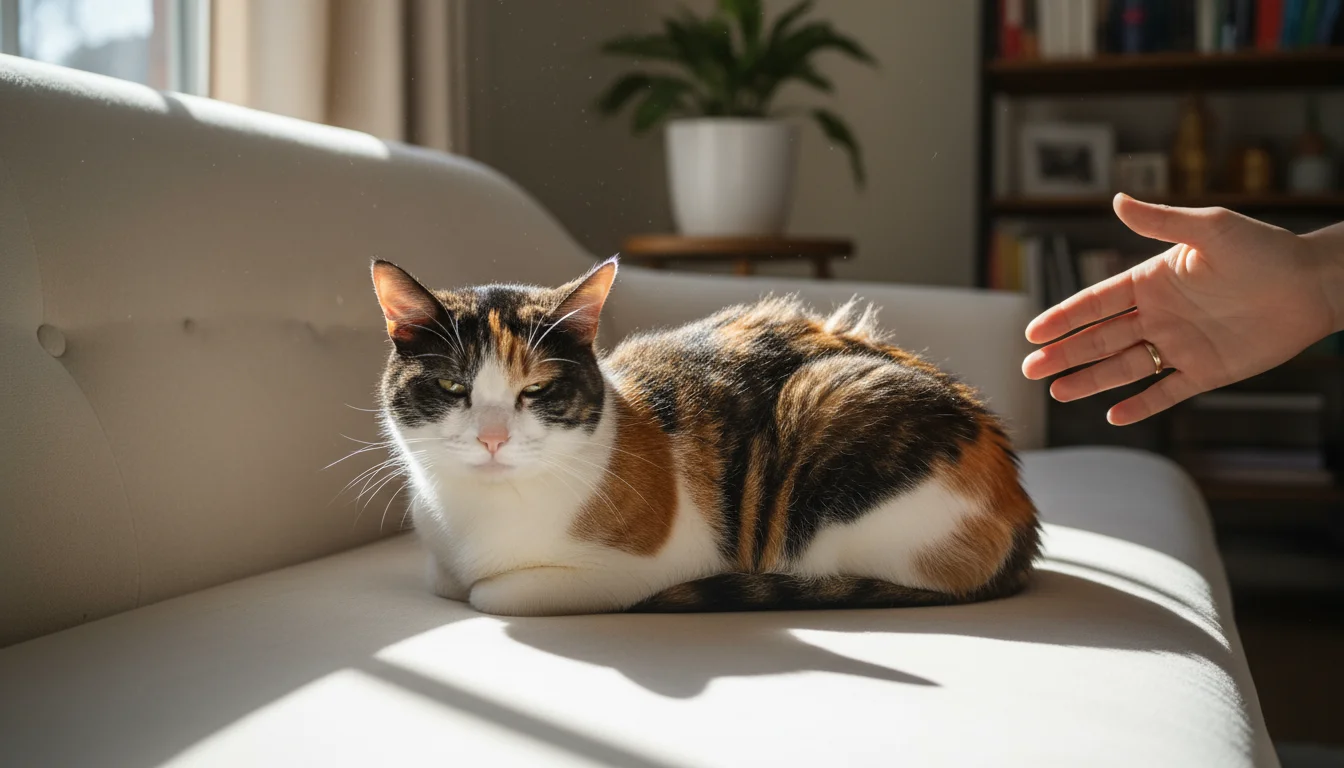
Changes in your cat’s grooming behavior or the appearance of their coat often serve as crucial indicators of their overall health. Monitoring these changes empowers you to intervene early and seek veterinary attention when necessary.
Changes in Grooming Habits
Observe the frequency, intensity, and thoroughness of your cat’s grooming. Any abrupt shifts warrant attention.
- Sudden Increase in Grooming: As discussed, over-grooming can signal allergies, parasites, or pain. For example, a cat with fleas will often chew and lick excessively, especially around the base of the tail. Persistent licking of a specific area might point to underlying pain or discomfort. Research from Cornell University College of Veterinary Medicine emphasizes that changes in grooming patterns are frequently among the first signs of illness or stress in cats.
- Sudden Decrease or Cessation of Grooming: This is particularly concerning. It might indicate:
- Pain: Arthritis, dental disease, or injuries make it difficult and painful for a cat to twist and reach all areas of their body.
- Illness: Lethargy or general malaise associated with various illnesses can reduce a cat’s motivation to groom.
- Obesity: Overweight cats struggle to reach their hindquarters and back, leading to matted or dirty fur in these areas.
- Depression or Stress: Significant environmental changes or emotional distress can lead to a decline in self-care.
Skin and Coat Issues
The condition of your cat’s coat and skin provides direct insights into their health.
- Hairballs: While occasional hairballs are normal, frequent or unusually large hairballs can indicate digestive issues, excessive grooming, or a lack of proper fiber in their diet.
- Matting: Tangled, dense clumps of fur are painful, pull on the skin, and can hide skin infections or parasites. Mats are more common in long-haired breeds but can affect any cat, particularly if they under-groom.
- Dandruff: Flaky skin often points to dry skin, allergies, nutritional deficiencies, or underlying skin conditions. Excessive dandruff might also be a sign of systemic illness.
- Parasites: Fleas, ticks, and mites cause intense itching, leading to excessive grooming, scabs, and hair loss. Regularly check your cat for signs of parasites, especially if they are scratching or grooming more than usual.
- Redness, Sores, or Lesions: These can result from excessive licking, allergic reactions, fungal infections (like ringworm), or bacterial skin infections.
Underlying Medical Conditions
Grooming changes can be secondary signs of more significant health problems.
- Pain: As noted, localized over-grooming might indicate pain in a joint or organ beneath the skin. A cat with abdominal pain, for example, might lick its belly relentlessly.
- Dental Disease: Painful teeth or gums can make grooming uncomfortable, leading to decreased attention to the face and head, or even complete cessation of grooming.
- Arthritis: Stiffness and discomfort in joints severely limit a cat’s ability to contort their body to groom, leading to a dull, unkempt coat, particularly on their back and hindquarters.
- Hyperthyroidism: This common endocrine disorder in older cats can cause an increase in grooming, often leading to a fine, silky coat that easily mats, alongside other symptoms like weight loss and increased appetite.
- Allergies: Environmental or food allergies often manifest as itchy skin, leading to chronic licking, chewing, and scratching, which impacts grooming patterns.
Supporting Your Cat’s Natural Grooming Needs
You play a crucial role in supporting your cat’s natural grooming processes and ensuring their coat and skin remain healthy. Implementing these practical cat care tips significantly contributes to their well-being.
Optimal Nutrition and Hydration
A balanced diet rich in essential fatty acids (omega-3 and omega-6) supports a healthy skin barrier and a lustrous coat. High-quality cat food provides the necessary nutrients. Ensure your cat always has access to fresh, clean water. Proper hydration keeps skin supple and can help reduce the frequency and severity of hairballs by aiding digestion. Consider multiple water stations or a cat water fountain to encourage drinking.
Regular Brushing
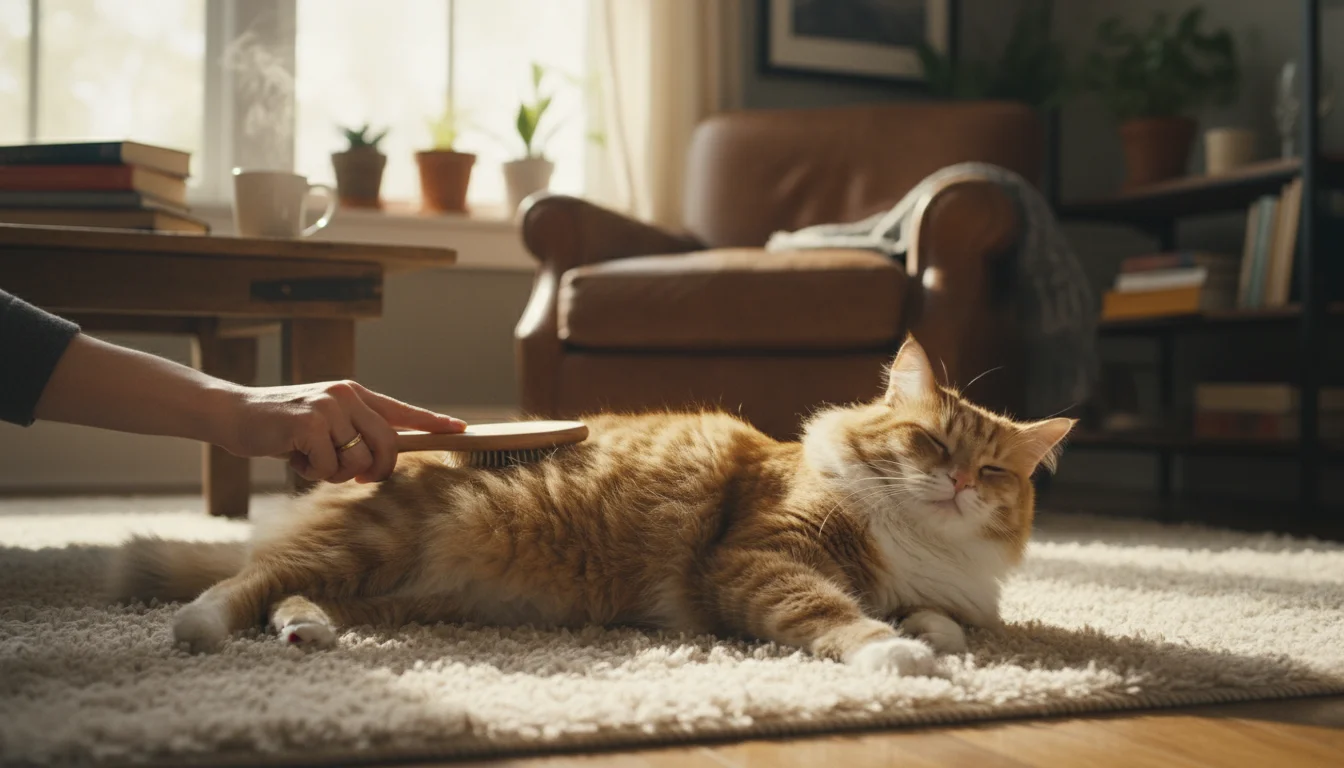
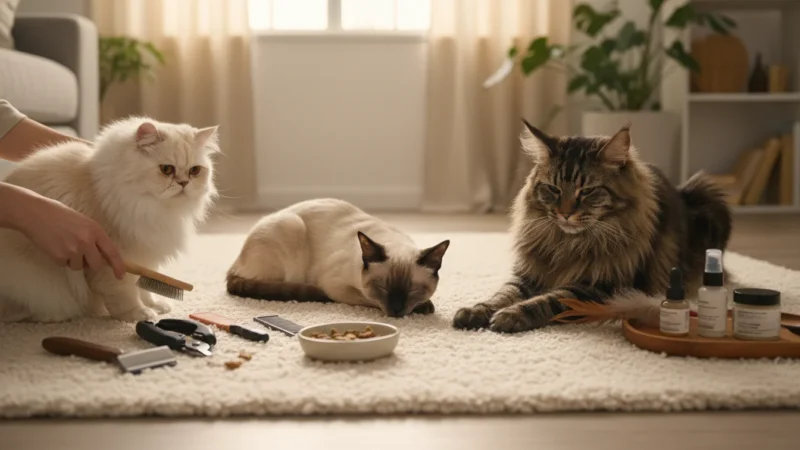
Brushing your cat is one of the best cat care tips for cat owners. It helps remove loose fur, prevents matting, reduces hairballs, and strengthens your bond. The frequency and type of brush depend on your cat’s coat type.
- Short-Hair Breeds (e.g., American Shorthair, British Shorthair): Brush 1-2 times per week. Use a rubber curry brush or a fine-toothed metal comb. These tools effectively remove loose fur and stimulate circulation.
- Long-Hair Breeds (e.g., Persian, Maine Coon): Brush daily or every other day. Use a slicker brush to untangle knots and remove dead undercoat, followed by a wide-toothed comb to ensure all mats are out. Pay special attention to areas prone to matting, like under the legs, behind the ears, and on the belly.
- Hairless Breeds (e.g., Sphynx, Peterbald): While they lack fur, hairless cats still require grooming. Their skin produces oils that need regular wiping with a warm, damp cloth, typically 2-3 times per week, to prevent skin issues. They also benefit from occasional baths.
Hairball Management
In addition to regular brushing, dietary adjustments can help. Many cat food brands offer “hairball control” formulas that contain increased fiber to help hair pass through the digestive tract. Hairball remedies, typically a paste or gel, can also aid in preventing and managing hairballs. Consult your veterinarian for recommendations on appropriate products and dosages.
Parasite Prevention
Regular parasite prevention is crucial. Fleas, ticks, and mites cause intense itching and discomfort, leading to excessive grooming and potential skin damage. Work with your veterinarian to establish a year-round parasite prevention plan tailored to your cat’s lifestyle and local risks. This proactive approach supports your cat’s skin health and comfort.
Assisted Grooming Tips for Every Coat Type
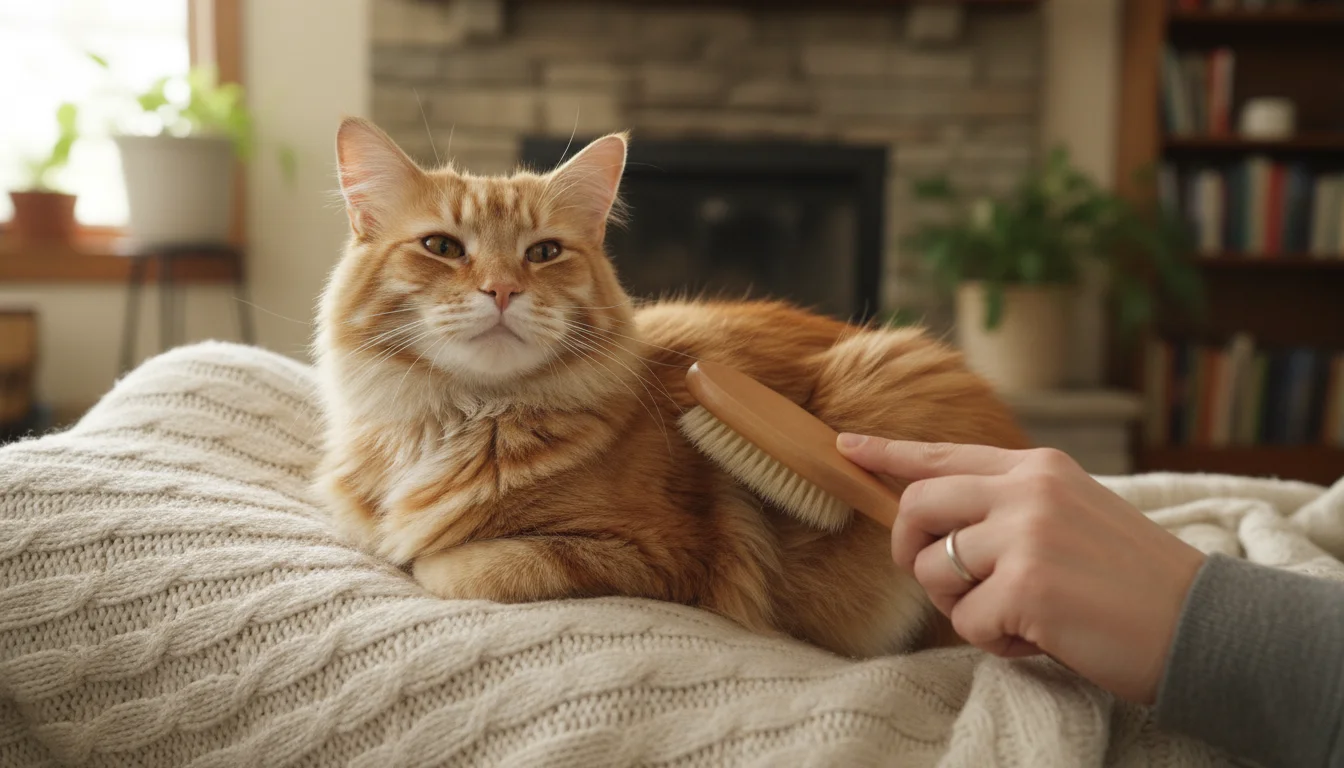
Even the most fastidious self-groomer benefits from your assistance, especially as they age or if they have specific coat types. Approaching assisted grooming with patience and positive reinforcement makes the experience stress-free for both of you.
For more hands-on advice, you can refer to our complete guide to cat grooming at home.
Creating a Positive Grooming Experience
Introduce grooming tools gradually. Start with short, positive sessions, offering treats and praise. Keep the first few sessions brief and focus on gentle strokes. If your cat shows signs of stress (tail flicking, flattened ears, growling), stop and try again later. Never force grooming, as this can create a negative association.
Brushing Techniques
- For Long-Hair Cats: Begin by gently detangling with your fingers. Use a slicker brush, moving with the direction of hair growth. Pay close attention to areas prone to mats, like the armpits, belly, and behind the ears. Follow with a wide-toothed comb to ensure no knots remain. If you encounter a mat, do not pull. Gently try to work it out with your fingers or a mat splitter. If the mat is too tight or large, professional help is required to prevent pain.
- For Short-Hair Cats: A rubber curry brush works wonderfully to remove loose hair and massage the skin. Follow up with a fine-toothed comb to remove any remaining shedding fur. Most short-hair cats enjoy brushing, as it feels like a massage.
- For Hairless Cats: Use a soft, warm, damp cloth to wipe down their skin, removing oil and dirt. Pay attention to skin folds, which can accumulate grime. Hairless cats often benefit from regular baths with a gentle, cat-specific shampoo to manage their skin’s oil production.
Nail Trimming
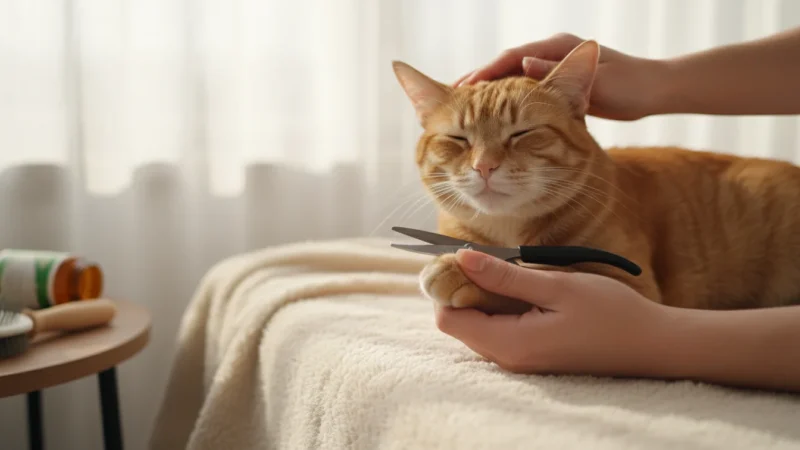
Regular nail trimming prevents nails from becoming overgrown, which can cause pain, snag on carpets, or grow into paw pads. Start clipping nails when your cat is relaxed. Hold their paw gently, press the paw pad to extend the nail, and clip only the sharp tip, avoiding the quick (the pink part containing blood vessels and nerves). If you accidentally cut the quick, apply styptic powder to stop the bleeding. Many owners prefer to take their cats to a vet or professional groomer for nail trims if they are uncomfortable doing it themselves.
Dental Care
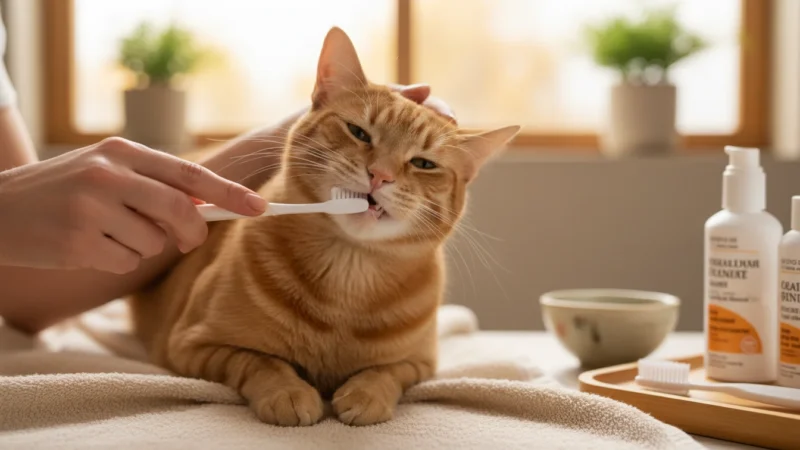
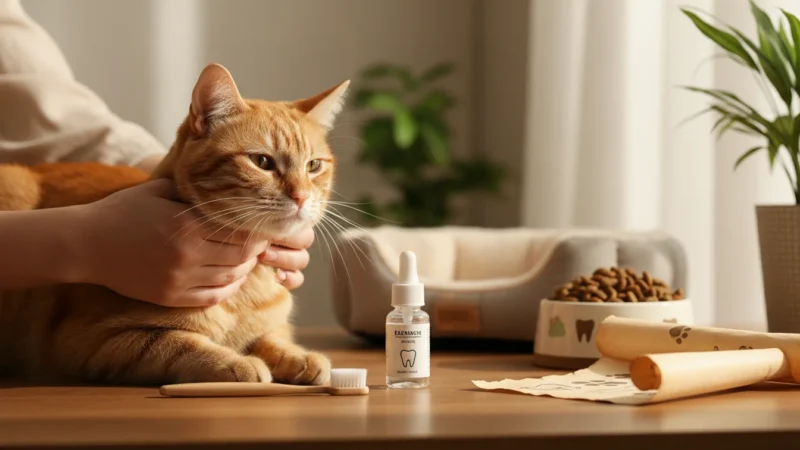
While not strictly grooming, dental health is intimately linked to a cat’s ability to groom. Painful gums or teeth can make self-grooming difficult. Introduce tooth brushing gradually, using a cat-specific toothbrush and toothpaste. Never use human toothpaste. Regular dental check-ups with your veterinarian are vital for early detection and treatment of dental disease. According to the American Veterinary Medical Association (AVMA), dental disease is one of the most common health problems in pets, and prevention through regular brushing is key.
Grooming and Indoor Environmental Enrichment
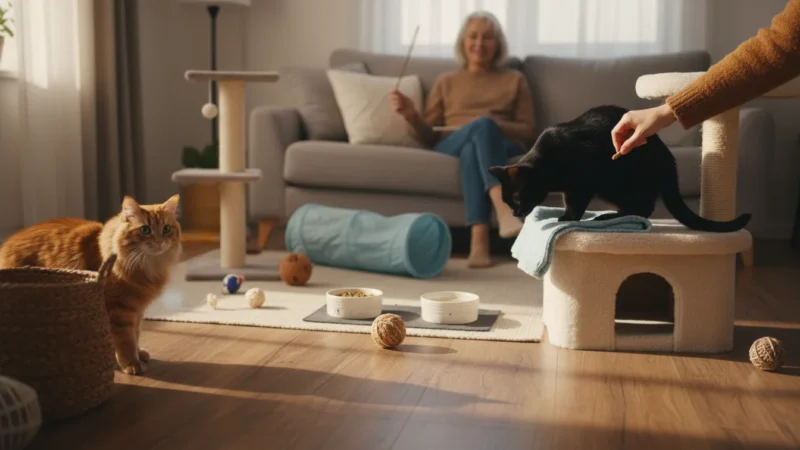
Your cat’s environment significantly influences their overall behavior, including grooming. A stimulating and secure indoor environment can reduce stress, which in turn can prevent stress-related over-grooming or under-grooming. Creating an enriching space is a cornerstone of good cat care.
Vertical Space
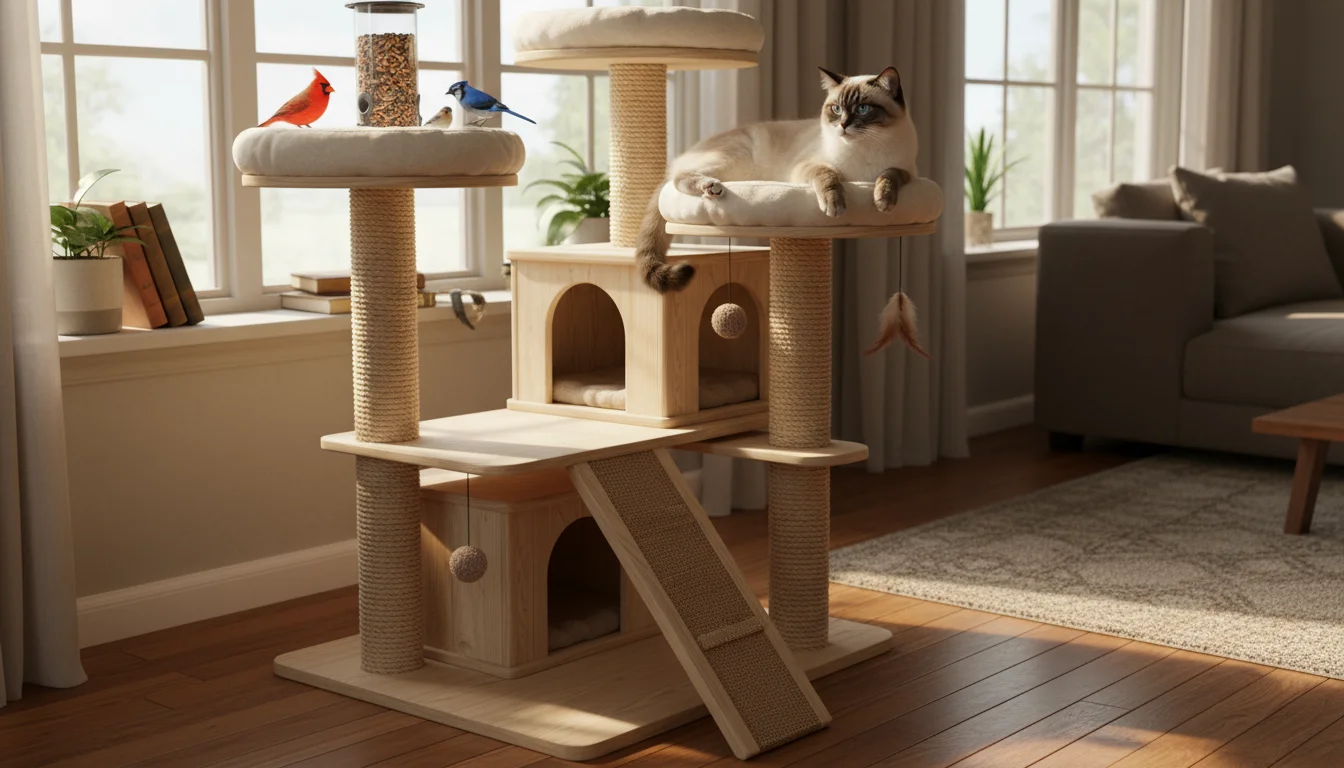
Cats are natural climbers. Providing vertical territory allows them to survey their surroundings from a safe vantage point, which reduces anxiety. Install cat trees, wall-mounted shelves, or secure ledges. This gives them places to retreat, observe, and feel secure, contributing to their mental well-being and reducing the likelihood of displacement grooming due to feeling threatened.
Scratching Posts
Scratching is a natural feline behavior that serves multiple purposes: marking territory, stretching muscles, and maintaining claw health. Offer a variety of scratching posts (sisal, cardboard, carpeted) in different orientations (vertical and horizontal). Well-placed scratching posts divert scratching behavior from furniture and allow cats to engage in a natural, stress-relieving activity. Cats also use their paws to “groom” and shed old nail sheaths, so appropriate scratching surfaces are important.
Window Perches
Window perches offer mental stimulation by providing a safe place to watch the outside world. Observing birds, squirrels, and passing cars can be a form of enrichment, reducing boredom and stress. A cat who is mentally stimulated is often a more content cat, less prone to anxiety-induced behaviors like excessive grooming.
Litter Box Management
A clean, appropriately managed litter box contributes indirectly to good grooming behavior. Cats are fastidious creatures. If their litter box is dirty, they might avoid using it or feel compelled to over-groom themselves after each use to remove perceived contaminants. Ensure you have enough litter boxes (at least one per cat plus one extra), clean them daily, and place them in quiet, accessible locations. This simple aspect of cat care reduces stress and maintains overall hygiene.
When to Seek Professional Help for Grooming Issues
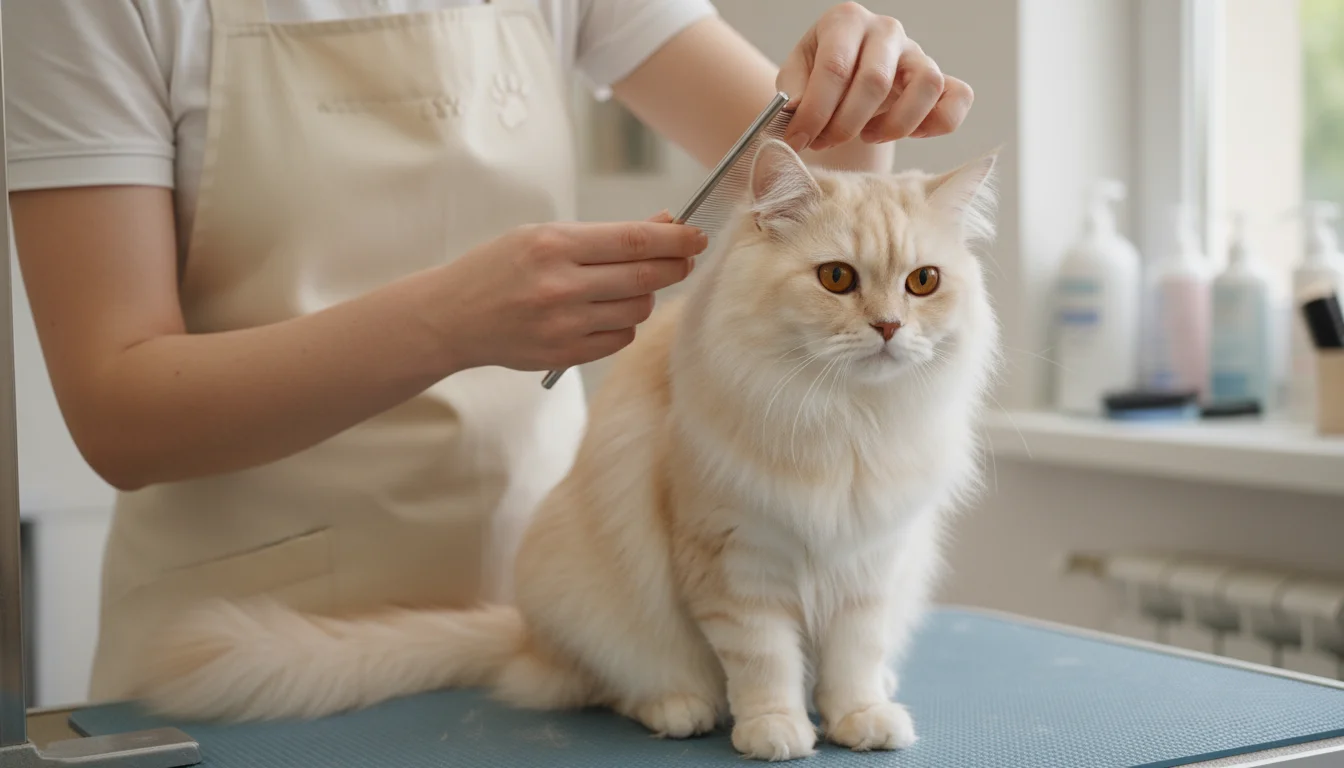
While home grooming and observation are essential, certain situations require the expertise of a professional. Knowing when to involve your veterinarian or a certified groomer is crucial for your cat’s health and comfort.
When to Consult Your Veterinarian
Any significant or sudden change in your cat’s grooming behavior warrants a vet visit. This includes:
- Excessive Grooming Leading to Skin Lesions or Hair Loss: If you notice bald patches, redness, scabs, or open sores, it is vital to rule out medical causes like allergies, parasites, fungal infections, or pain. Your vet can conduct diagnostic tests and prescribe appropriate treatment.
- Decreased Grooming: If your cat suddenly stops grooming, or their coat becomes matted, dull, or greasy, it indicates an underlying issue. This often points to pain (e.g., arthritis, dental disease), illness, or obesity. A vet can diagnose the cause and recommend a treatment plan, which might include pain management, dietary changes, or addressing other medical conditions.
- Frequent or Severe Hairballs: While occasional hairballs are normal, persistent vomiting of hairballs or signs of digestive upset (like constipation or lack of appetite) can signal a more serious gastrointestinal problem.
- Changes in Skin or Coat Quality: Persistent dandruff, greasy fur, or a rough coat without an obvious cause should be evaluated by a vet. These changes often indicate nutritional deficiencies, hormonal imbalances, or systemic diseases.
- Behavioral Changes Related to Grooming: If excessive grooming seems linked to stressful events or anxiety, your vet can help identify triggers and might recommend behavioral modification strategies or, in some cases, anti-anxiety medication. They might also refer you to a certified veterinary behaviorist.
When to Consult a Professional Groomer
For certain grooming needs, a professional groomer offers specialized skills and equipment.
- Severe Matting: If your cat develops extensive, tight mats, especially in sensitive areas, attempting to remove them yourself can be painful and dangerous. Professional groomers have tools and expertise to safely shave or demat your cat, often under sedation if necessary, to prevent injury and trauma.
- Difficult Nail Trims: If your cat is highly resistant to nail trims, or if you are nervous about cutting the quick, a professional groomer or veterinary technician can perform this task efficiently and safely.
- Breed-Specific Grooming Needs: Certain breeds, particularly long-haired ones like Persians, benefit from regular professional grooming to maintain their coat and prevent matting. Groomers can also provide sanitary clips or lion cuts, which help manage extremely dense or long fur.
- Elderly or Immobility-Challenged Cats: Senior cats often struggle to groom themselves due to arthritis or decreased flexibility. A professional groomer can provide gentle baths, brushing, and nail trims, easing discomfort and maintaining hygiene for these vulnerable pets.
Frequently Asked Questions
What does it mean if my cat is suddenly grooming a lot in one specific spot?
If your cat suddenly focuses their grooming efforts on a particular area, this often indicates pain, irritation, or an itch in that spot. It could be due to an injury, an allergic reaction, an insect bite, a skin infection, or even underlying organ pain. You should examine the area for redness, swelling, or lesions. If you cannot find a cause or if the behavior persists, consult your veterinarian for an accurate diagnosis and treatment.
How can I tell the difference between normal grooming and stress-related grooming?
Normal grooming appears calm, thorough, and integrated into your cat’s routine, without causing skin damage. Stress-related grooming, also known as displacement grooming, often seems out of context, intense, frantic, or obsessive. Your cat might suddenly start grooming themselves vigorously after a loud noise, a tense interaction, or during a vet visit. If the grooming leads to bald patches, skin sores, or seems triggered by specific stressors, it is likely stress-related. Observe your cat’s body language for other signs of stress, such as flattened ears, dilated pupils, or a tucked tail.
Is it normal for my cat to groom another cat?
Yes, allogrooming or social grooming between cats is a normal and healthy behavior, often indicating a strong bond and social acceptance within a multi-cat household. Cats who groom each other demonstrate trust and affection. This behavior can also reinforce social hierarchy. However, if one cat constantly forces grooming on another, or if grooming escalates into aggression, it might signal a tension or power dynamic that requires observation.
My cat grooms themselves less as they get older. Is this normal?
While some decrease in grooming might occur due to reduced energy levels, a significant drop in grooming behavior in senior cats is often a sign of underlying health issues, and it is not simply “normal aging.” Common culprits include arthritis, which makes reaching certain areas painful, dental disease, or other chronic illnesses. Senior cats may also become less flexible. A decrease in grooming warrants a veterinary check-up to identify and address any treatable conditions, improving your cat’s comfort and quality of life.
What can I do if my cat refuses to be brushed?
Patience and positive reinforcement are key. Start with very short sessions (10-30 seconds), using a soft brush or even just your hand, while offering highly palatable treats and praise. Gradually increase the duration as your cat becomes more comfortable. If they resist, stop and try again later. Never force the issue, as this creates negative associations. You can also try different types of brushes to see if your cat prefers a specific texture. If all else fails, a professional groomer can help manage their coat, especially for long-haired cats, and provide tips for home maintenance.
Understanding your cat’s grooming behavior provides profound insights into their world. By recognizing the purpose of their preening, identifying changes in their habits, and actively supporting their needs, you contribute significantly to their physical and emotional health. Regular observation, combined with proactive care and timely veterinary consultation, ensures your feline companion remains healthy, happy, and beautifully groomed throughout their life.
For expert pet care guidance, visit Rover — Pet Care Blog, Preventive Vet and American Veterinary Medical Association (AVMA).
Disclaimer: This article is for informational purposes only and is not a substitute for professional veterinary advice, diagnosis, or treatment. Always consult with a licensed veterinarian for medical concerns about your pet.
Before implementing a routine, it helps to understand cat coat types and care needs specific to your pet.
Maintaining oral hygiene is vital, and you can learn how to start with our step-by-step guide to brushing your cat’s teeth.

Leave a Reply