
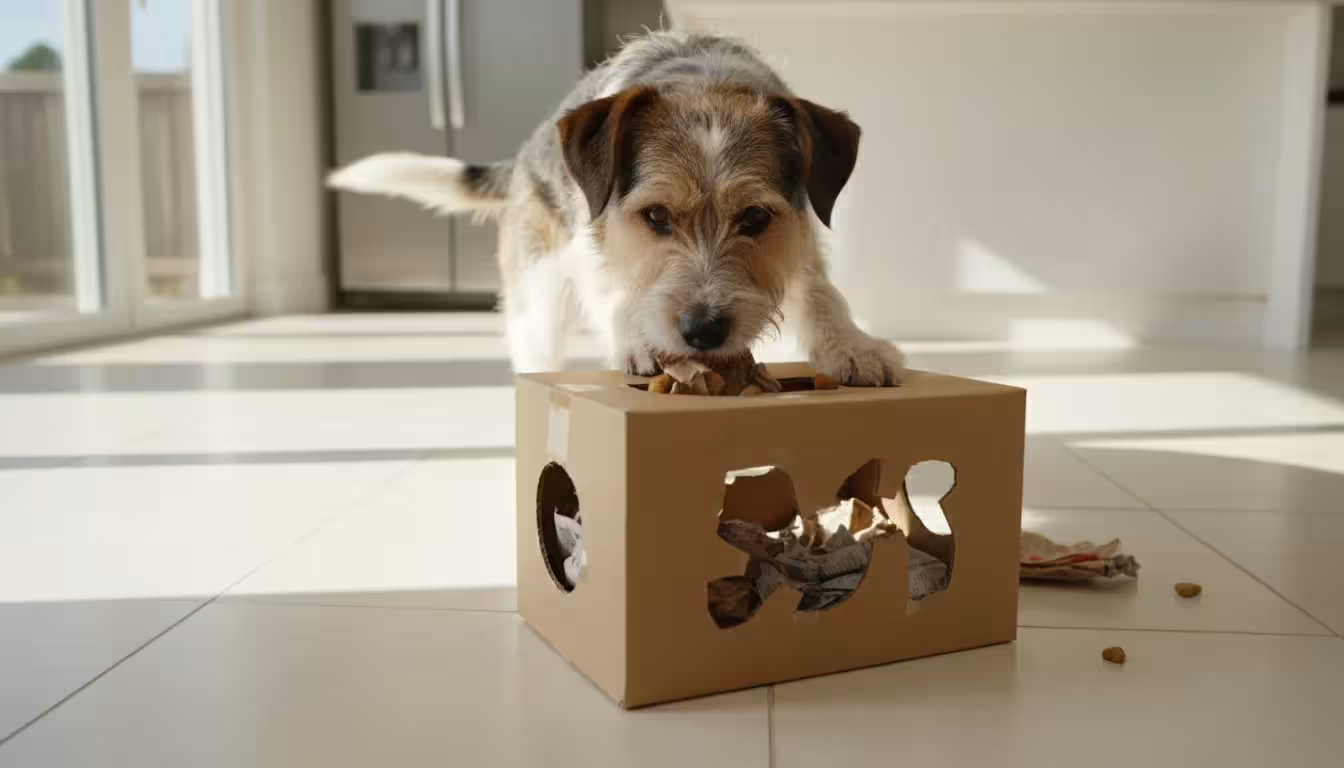
Inventive Feeding Solutions and Treat Dispensers
Slow feeders and puzzle toys turn mealtime into a mental workout, helping to prevent fast eating, boredom, and improving digestion. These diy pet projects engage your pet’s natural foraging instincts.
Project 5: Snuffle Mat
A snuffle mat is an excellent tool for enrichment, encouraging your pet to “hunt” for their kibble or treats. This mental stimulation is vital for dogs and cats alike. According to the Association of Professional Dog Trainers (APDT), enrichment activities like snuffle mats help reduce stress and improve cognitive function.
Materials:
- Rubber sink mat with holes or a plastic grid mat
- Fleece fabric, cut into strips approximately 1-2 inches wide and 6-8 inches long (use various colors for visual interest)
- Scissors
Instructions:
- Cut numerous fleece strips. The more strips you have, the denser your mat will be.
- Thread each fleece strip through two adjacent holes in the rubber mat.
- Tie the strip in a double knot on the top side of the mat, creating a standing loop of fleece.
- Continue this process, filling every hole or every other hole, until the mat is densely covered with fleece strips.
- Ensure all knots are secure.
Safety Tip:
Use a sturdy rubber mat that will not easily tear. Ensure all fleece strips are securely knotted to prevent your pet from pulling them out and ingesting them. Supervise your pet, especially initially, to ensure they do not chew on the mat itself. Always use pet-safe, non-toxic fabric.
Project 6: PVC Puzzle Feeder
A more advanced puzzle, this PVC feeder challenges your pet to retrieve treats or kibble by nudging and rolling the pipes. This provides great mental and physical stimulation, key components of effective pet care.
Materials:
- PVC pipe (1-2 inch diameter, 12-18 inches long)
- PVC end caps (2 for each pipe)
- Drill with various bit sizes (pet-safe file for smoothing edges)
- Non-toxic sandpaper
Instructions:
- Cut the PVC pipe to your desired length.
- Drill several holes along the pipe, large enough for kibble or treats to fall out but small enough to require effort. Vary the hole sizes for different challenge levels.
- Smooth all drilled edges with sandpaper or a file to prevent sharp points.
- Attach the end caps securely to both ends of the pipe.
- Clean the pipe thoroughly to remove any PVC dust or debris.
- Fill with kibble or treats and present to your pet.
Safety Tip:
Always use new, clean PVC pipes that have not been used for plumbing or chemicals. Ensure all edges, especially around the holes, are completely smooth to prevent injury. Supervise your pet during use to ensure they do not chew on the PVC itself. Inspect the feeder regularly for damage.





Leave a Reply