
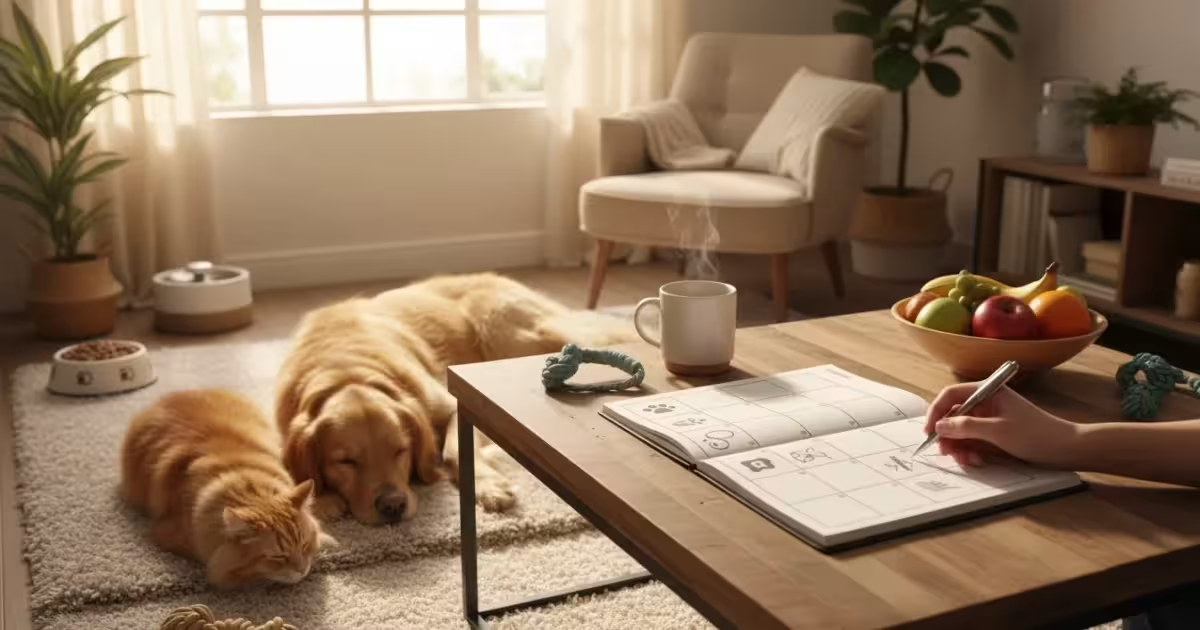
Establishing a predictable pet care routine offers remarkable benefits for both you and your cherished companion. Pets thrive on structure. A consistent schedule provides a sense of security, reduces anxiety, and helps prevent unwanted behaviors. It streamlines your day, making pet ownership a more joyful and less stressful experience. This guide helps you craft a practical pet care routine, a pet lifestyle plan, that seamlessly integrates into your unique daily schedule, ensuring your pet’s well-being and strengthening your bond.

Why a Consistent Routine Benefits Your Pet (and You)
You provide more than just food and shelter when you create a consistent pet care routine. You offer predictability, which acts as a powerful stress reducer for pets. Dogs, cats, and other companion animals often experience anxiety when their environment or daily schedule changes unexpectedly. A predictable routine signals what comes next, allowing them to relax and feel secure.
Research confirms the positive impact of routine on animal welfare. According to The Humane Society of the United States, a consistent schedule for feeding, exercise, and potty breaks significantly reduces behavioral issues such as house soiling, destructive chewing, and excessive barking. When pets know when to expect their next meal or walk, they develop a sense of calm and trust, making them happier and better-behaved companions.
For you, a routine simplifies pet ownership. It eliminates guesswork and reduces the likelihood of missed feedings or forgotten walks. Integrating your pet’s needs into your daily framework saves time, reduces stress, and strengthens the bond you share. This structure forms the foundation of a harmonious pet lifestyle.

Assessing Your Pet’s Unique Needs
A truly effective pet care routine starts with understanding your individual pet. Every animal possesses unique characteristics, and a “one size fits all” approach rarely works. Consider these factors:
- Species and Breed: A high-energy Border Collie requires far more physical and mental stimulation than a Persian cat or a guinea pig. Terriers, for instance, need outlets for digging and chasing, while some toy breeds may prefer shorter, more frequent walks. Cats benefit from interactive play sessions that mimic hunting.
- Age: Puppies and kittens demand frequent potty breaks, shorter play sessions, and more sleep. Adolescent pets often have boundless energy, needing extensive exercise and mental challenges. Senior pets, on the other hand, require shorter, gentler walks, more frequent potty breaks, and may need medication on a strict schedule.
- Health Status: Pets with chronic conditions, mobility issues, or dietary restrictions require specific adjustments. A dog recovering from surgery needs limited activity, while a pet with diabetes needs precise feeding times. Always consult your veterinarian for health-related routine adjustments.
- Personality and Temperament: Some pets are naturally calm and content with less activity, while others are anxious and benefit from more structured play and enrichment. An introverted cat might prefer quiet cuddle time over boisterous play.
- Energy Levels: High-energy dogs need vigorous daily exercise, such as long runs or challenging fetch games. Lower-energy pets may thrive with multiple short walks or indoor play.
Observe your pet’s natural rhythms. When do they seem most active? When do they typically rest? These observations provide valuable insights for creating a pet care routine that works for your pet’s biological clock.

Evaluating Your Own Daily Schedule
Just as your pet has unique needs, your human schedule also dictates the feasibility of a routine. Honesty about your availability is crucial. Consider the following:
- Work Hours and Commute: Do you work a standard 9-5 job, or do your hours vary? How long does it take you to get to and from work? These fixed points anchor your day.
- Family Commitments: School drop-offs, extracurricular activities, and family dinners all impact your free time.
- Personal Habits: Are you an early riser or a night owl? Do you prefer morning exercise or evening relaxation? Aligning your pet’s schedule with your natural rhythms makes the routine more sustainable.
- Travel Frequency: If you travel often, you need a plan for maintaining your pet’s routine with a pet sitter, boarding facility, or pet-friendly travel arrangements.
Map out a typical weekday and weekend day. Identify your busiest times and your windows of flexibility. Pinpoint when you have dedicated blocks of time for walks, playtime, and feeding. Be realistic about how much time you can consistently dedicate. Over-committing leads to frustration and an unsustainable routine.
Building the Core Elements of Your Pet’s Routine
Once you understand your pet’s needs and your availability, you can begin to build the core components of your pet’s care routine. Think of these as the non-negotiables that provide stability and well-being.
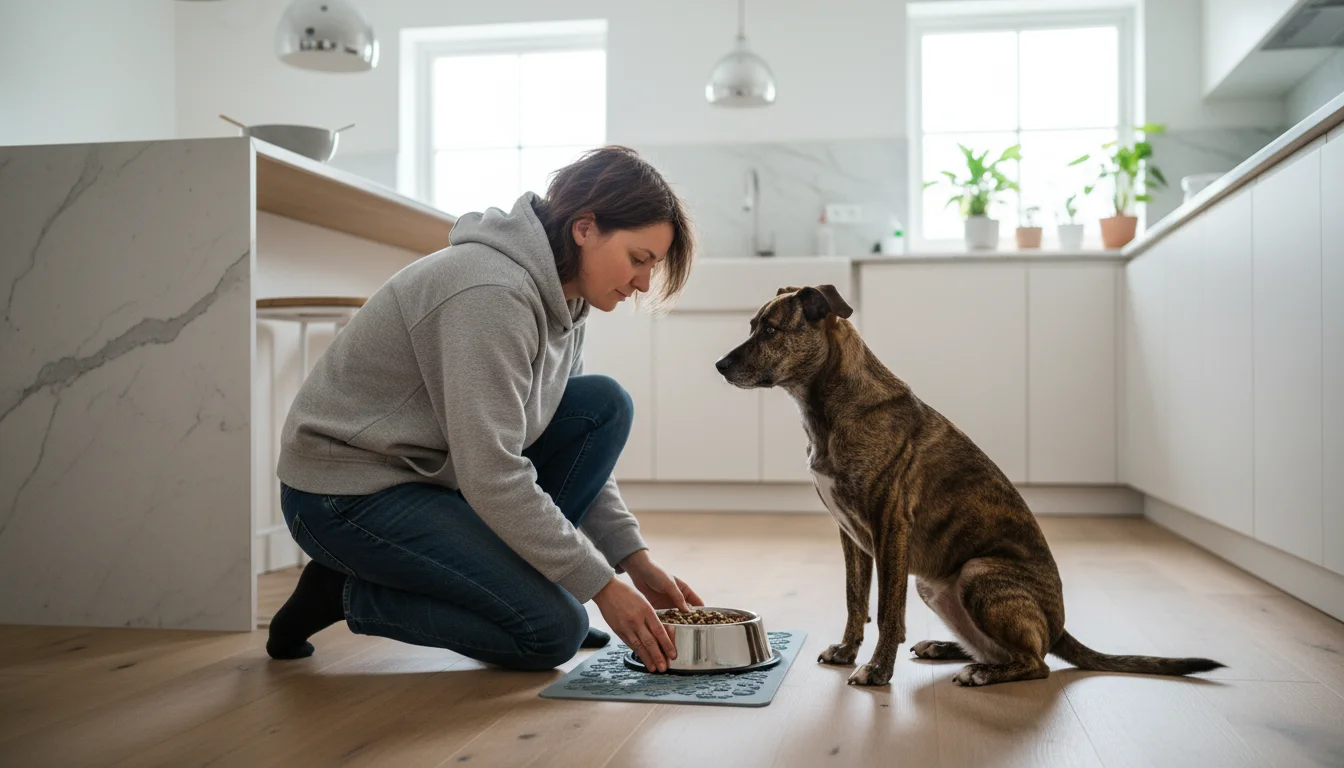
- Feeding Times: Establish consistent meal times, ideally twice a day for most adult dogs and cats. Young animals, senior pets, or those with certain medical conditions may require more frequent, smaller meals. Stick to a schedule to support digestion and manage hunger.
- Potty Breaks and Litter Box Care:
- Dogs: Puppies need breaks every 2-4 hours. Adult dogs generally need 3-5 breaks daily, including first thing in the morning, before bed, and after meals.
- Cats: Scoop litter boxes at least once daily, preferably twice. Keep the litter box in a quiet, accessible location.
Regularity here prevents accidents and supports hygiene.
- Exercise and Play: This is where the “Lifestyle & Fun” truly shines. Schedule dedicated time for physical activity and mental enrichment.
- Dogs: Daily walks are fundamental. High-energy dogs benefit from longer walks, runs, or dog park visits. Incorporate structured playtime with fetch, tug-of-war, or even agility exercises.
- Cats: Engage in interactive play with wand toys or laser pointers (ending with a treat or toy capture to prevent frustration). Schedule at least two 10-15 minute sessions daily.
- Companion Animals: Provide appropriate out-of-cage time, supervised play in secure areas, and opportunities for exploration tailored to their species.
Mental stimulation is equally vital. Puzzle toys, scent games, and short training sessions challenge your pet’s mind and prevent boredom, reducing the likelihood of destructive behaviors.
- Grooming and Health Checks: Integrate daily or weekly grooming into your routine.
- Brushing: Regular brushing prevents mats, reduces shedding, and allows you to check for lumps, bumps, or parasites.
- Dental Care: Daily tooth brushing is ideal. Supplement with dental chews or water additives as recommended by your vet.
- Nail Trims: Schedule these every 2-4 weeks.
These moments also provide opportunities for bonding and early detection of health issues.
- Training and Mental Stimulation: Short, positive reinforcement training sessions are a powerful way to reinforce good behavior and provide mental exercise. According to the Association of Professional Dog Trainers (APDT), reward-based methods effectively teach desired behaviors and strengthen your relationship. Even 5-10 minutes daily makes a significant difference. Rotate puzzle toys to keep things fresh and engaging.
- Cuddle Time and Affection: Dedicate time each day for quiet affection, petting, and snuggles. This deepens your bond and provides comfort for your pet.
Document your planned schedule. Use a planner, a whiteboard, or a calendar app. Seeing it visually helps solidify your commitment and allows for easy adjustments.

Adapting Routines for Diverse Lifestyles and Pets
Life is not static, and neither are pet care needs. Tailor your pet care routine to fit various circumstances and types of pets.
Working Pet Owners
If you work long hours, you can still provide excellent pet care:
- Morning Maximize: Get up earlier to provide a substantial walk and playtime before you leave.
- Midday Check-ins: Arrange for a trusted dog walker, pet sitter, or a neighbor to visit, provide a potty break, and offer some attention.
- Doggy Daycare: For social dogs, daycare offers supervision, exercise, and play during your workday. Carefully vet facilities for safety and positive interaction.
- Enrichment at Home: Leave puzzle toys filled with treats, or create a “snuffle mat” to keep your pet mentally engaged while alone.
- Automated Feeders: Programmable feeders can deliver meals on schedule, especially useful for cats or pets requiring multiple small feedings.
- Evening Focus: Dedicate your evening time to exercise, training, and quality bonding.
Multi-Pet Households
Managing multiple pets means balancing individual needs with group harmony. Multi-pet dynamics require thoughtful planning.
- Individual Time: Ensure each pet receives one-on-one attention, training, and playtime. This prevents jealousy and strengthens individual bonds.
- Separate Resources: Provide multiple food bowls, water dishes, and litter boxes (one per cat plus one extra is a good rule). This reduces competition.
- Managed Interactions: Supervise play, especially if pets have different play styles. Introduce new pets slowly and positively, allowing them to acclimate at their own pace.
- Staggered Routines: Sometimes staggering feeding or walk times prevents frantic energy or resource guarding.
Senior Pets
Aging pets need adjustments to their pet care routine.
- Gentle Exercise: Shorter, more frequent, low-impact walks replace long, strenuous outings. Swimming can be excellent for joints.
- Comfort: Provide easily accessible, comfortable bedding. Ramps or steps help them reach favorite spots.
- Frequent Potty Breaks: Older pets may have less bladder control. More frequent trips outside prevent accidents.
- Veterinary Check-ups: Schedule more frequent vet visits to monitor age-related conditions.
Pets with Special Needs
Pets with health issues, anxiety, or behavioral challenges require tailored routines.
- Medication Schedules: Integrate medication administration seamlessly into daily activities.
- Therapeutic Exercises: For pets undergoing physical therapy, schedule their exercises at consistent times.
- Calming Routines: Anxious pets benefit immensely from a highly predictable, quiet routine with ample safe spaces. Consult a veterinary behaviorist for severe anxiety.
Pet-Friendly Travel
Maintaining a routine during travel reduces stress. For pet-friendly travel, research destinations that welcome pets and plan for their needs.
- Car Safety: Use a crash-tested travel crate or harness for car safety.
- Packing Lists: Pack their regular food, water, bowls, bedding, toys, and any medications to maintain familiarity.
- Scheduled Breaks: Plan frequent stops for potty breaks and stretching during long car rides.
- Familiarity: Bring favorite toys or a blanket with their scent to help them settle into new environments.
Making Your Routine Flexible and Sustainable
The best pet care routine is one you can stick with. While consistency is key, life throws curveballs. Building in flexibility prevents burnout and stress.
Embrace Gradual Adjustments
Do not overhaul your entire schedule overnight. Implement changes slowly, perhaps by shifting a mealtime by 15 minutes each day until you reach your goal. This minimizes stress for your pet and allows you to adapt comfortably.
Build in Buffer Times
Life happens. Appointments run late, traffic snarls, and unexpected tasks arise. Give yourself and your pet a buffer around crucial routine elements. If your dog needs to eat by 6 PM, aim for 5:45 PM to allow for minor delays.
Have a Backup Plan
What happens if you get sick, have an emergency, or need to work late? Establish a network of trusted friends, family, or professional pet sitters who can step in. Ensure they know your pet’s routine, feeding instructions, and emergency contacts.
Recognize When to Adapt
Your pet’s needs evolve over time. A puppy’s routine will differ greatly from a senior dog’s. Your schedule also changes. Regularly review your routine every few months to ensure it still serves your pet and your family. Perhaps your pet needs more enrichment, or your work schedule has shifted. Adjust as needed, always with your pet’s well-being in mind.
DIY Solutions and Budget-Friendly Options
Creating a stimulating pet lifestyle does not require expensive gadgets or services. Many activities are DIY pet projects.
- Homemade Toys: Use old T-shirts to braid tug toys or cardboard boxes to create simple puzzle feeders.
- Treat Recipes: Bake your own pet treats using safe, wholesome ingredients.
- Indoor Games: Hide and seek, “find the treat,” or teaching new tricks cost nothing and provide great mental stimulation.
- Outdoor Adventures: Explore local dog parks, pet-friendly trails, or even new neighborhoods for walks. A change of scenery is often enough.

When to Seek Professional Guidance
While a well-structured routine addresses many pet care challenges, some situations require expert intervention. Knowing when to reach out ensures your pet receives the best possible care.
- Persistent Behavioral Issues: If your pet exhibits aggression, severe anxiety, destructive behaviors that do not improve with routine adjustments, or sudden changes in temperament, consult a certified professional dog trainer (CPDT) or a veterinary behaviorist. Organizations like the International Association of Animal Behavior Consultants (IAABC) offer resources to find qualified professionals.
- Health Concerns: Any changes in appetite, thirst, urination, bowel movements, energy levels, or the appearance of lumps or limping warrant an immediate visit to your veterinarian. They can diagnose underlying medical conditions and recommend appropriate treatment or medication.
- Difficulty Implementing Routines: If you struggle to establish or maintain a consistent routine due to a challenging pet or complex schedule, a professional trainer or pet coach can offer personalized strategies and support. They can help identify obstacles and provide tailored solutions.
- New Pet Integration: When introducing a new pet into a multi-pet household, especially if existing pets show stress or aggression, professional guidance ensures a smooth and safe transition for all animals involved.
Remember, seeking professional help is a sign of responsible pet ownership. Experts possess specialized knowledge and tools to help you and your pet overcome challenges and thrive.

Frequently Asked Questions
How long does it take to establish a new pet care routine?
Establishing a new pet care routine usually takes pets about 2-4 weeks to fully adjust. Consistency during this initial period is crucial. Be patient, reinforce positive behaviors, and celebrate small successes.
Can I ever change my pet’s routine once it is established?
Yes, you can absolutely change your pet’s routine. Life happens, and flexibility is important. Introduce changes gradually, shifting times by 15-30 minutes each day until you reach the new schedule. This gradual approach minimizes stress for your pet.
What if my personal schedule is unpredictable?
An unpredictable personal schedule presents challenges, but you can still create a stable pet lifestyle. Focus on core elements like feeding at roughly the same times. For walks or playtime, use a dog walker, pet sitter, or family member to provide consistency. Automated feeders also help maintain meal schedules. Build in flexibility and rely on a strong support network.
Is a strict pet care routine always necessary?
While consistency offers significant benefits, “strict” is not always the goal. A routine provides structure and predictability, reducing anxiety and promoting good behavior. However, healthy routines also include adaptability. Teaching your pet to tolerate slight variations prevents them from becoming overly dependent on rigid schedules and helps them cope better with unexpected changes.
How can I incorporate enrichment into a busy pet care routine?
Integrate enrichment throughout the day. Instead of a bowl, feed meals in a puzzle feeder. Turn walks into scent-work adventures by allowing your dog to sniff extensively. Schedule short 5-10 minute interactive play sessions. Rotate toys to keep them novel. Even simple DIY pet projects like a snuffle mat provide mental stimulation without consuming much time.
For expert pet care guidance, visit
American Kennel Club (AKC), Cat Fanciers’ Association (CFA), ASPCA, The Humane Society of the United States and Cornell University College of Veterinary Medicine.
Disclaimer: This article is for informational purposes only and is not a substitute for professional veterinary advice, diagnosis, or treatment. Always consult with a licensed veterinarian for medical concerns about your pet.







Leave a Reply