
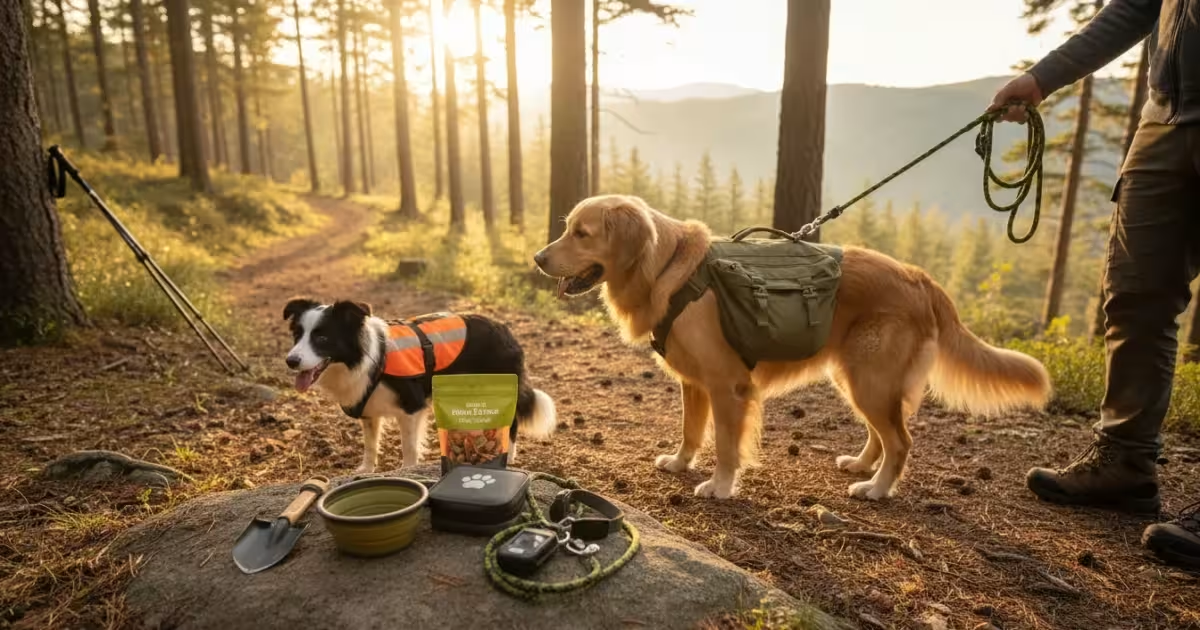
Exploring the great outdoors with your canine companion offers unparalleled joy and strengthens your bond. Hiking provides excellent physical exercise and mental stimulation for both of you, enriching your pet lifestyle. However, a successful and safe hiking adventure requires careful preparation, the right gear, and a solid understanding of trail safety. This comprehensive guide helps you plan and execute memorable, safe, and enjoyable hiking trips with your dog, focusing on practical pet care and best pet lifestyle tips.
Preparing Your Dog for the Trail: Health and Training
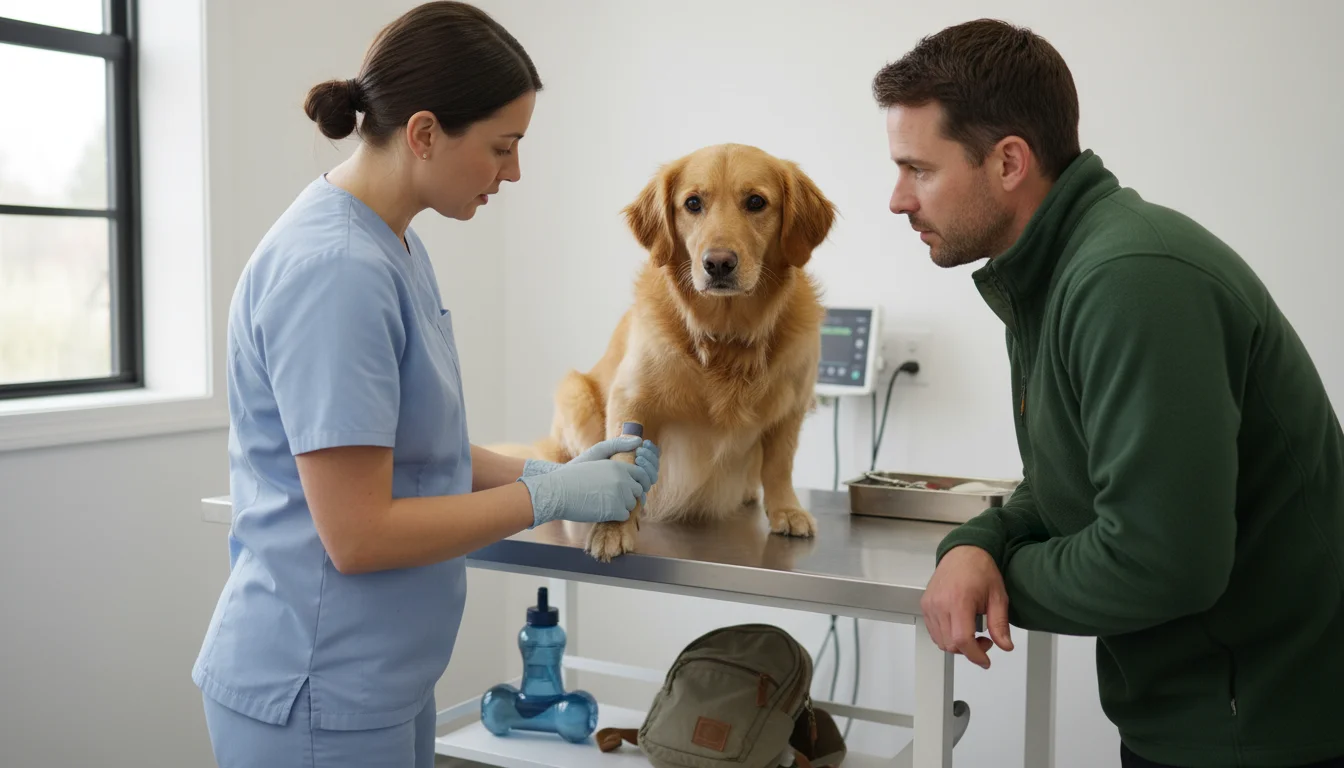
Before you hit the trails, ensure your dog is physically ready for the adventure. A pre-hike health check by your veterinarian is crucial, particularly if your dog is older, a puppy, or has any existing health conditions. Your vet assesses your dog’s overall fitness, joint health, and cardiovascular system. They can also advise on appropriate flea, tick, and heartworm prevention, which are especially important for outdoor adventures. According to the American Veterinary Medical Association (AVMA), regular preventive care, including vaccinations and parasite control, forms the cornerstone of your pet’s health, directly impacting their ability to safely enjoy activities like hiking.
Physical Conditioning
Just as humans need to train for a hike, your dog benefits from a gradual conditioning program. Start with shorter, easier walks and gradually increase the distance, duration, and difficulty of your outings. This builds your dog’s stamina and strengthens their muscles and paw pads. Avoid jumping straight into a strenuous mountain climb if your dog’s usual routine consists of backyard play. Overexertion leads to injuries and an unpleasant experience for your dog. For instance, a couch potato dog might struggle with a five-mile hike. Begin with consistent 30-minute walks, then extend to an hour, introducing varied terrain like gravel paths or gentle inclines before tackling significant trails.

Essential Obedience Training
Reliable obedience skills are paramount for trail safety and etiquette. Focus on these commands:
- Recall (“Come”): A solid recall is vital, allowing you to quickly bring your dog back to you if they stray or encounter wildlife. Practice in various environments with distractions.
- “Leave It”: This command prevents your dog from investigating or ingesting dangerous items like poisonous plants, discarded food, or dead animals.
- Loose-Leash Walking: Your dog should walk calmly beside you without pulling. This prevents you from losing balance and gives you better control on uneven terrain.
- “Stay” or “Wait”: Useful when you need your dog to pause while you navigate a tricky section of the trail, tie your shoe, or manage an approaching hiker or dog.
The Association of Professional Dog Trainers (APDT) advocates for positive reinforcement methods, emphasizing that reward-based training builds a stronger bond and encourages your dog to perform desired behaviors willingly. Consistent practice in different settings helps solidify these crucial skills.
Essential Gear for a Safe and Enjoyable Hike
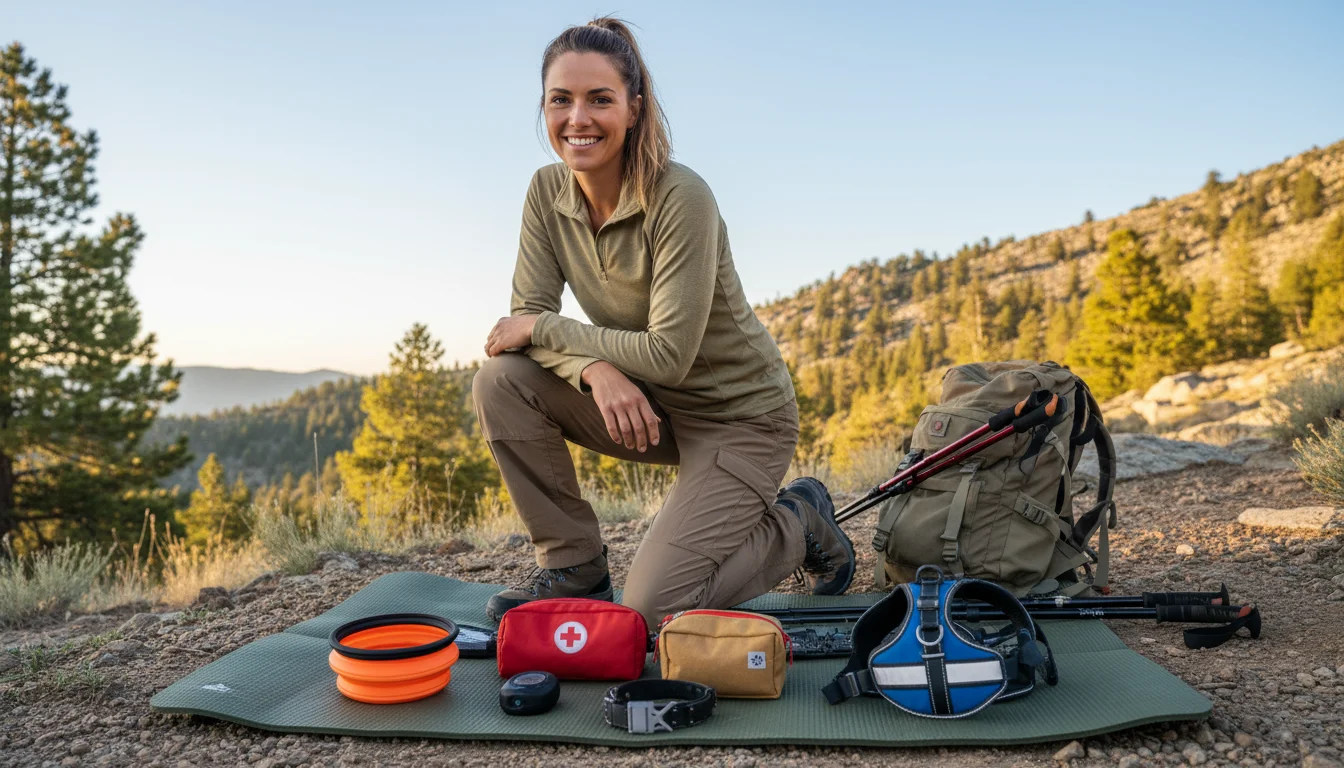
Packing the right gear ensures comfort, safety, and preparedness for unexpected situations. Think of your dog’s hiking gear as an extension of your own. You would not hike without water or a first aid kit, so your dog should not either.
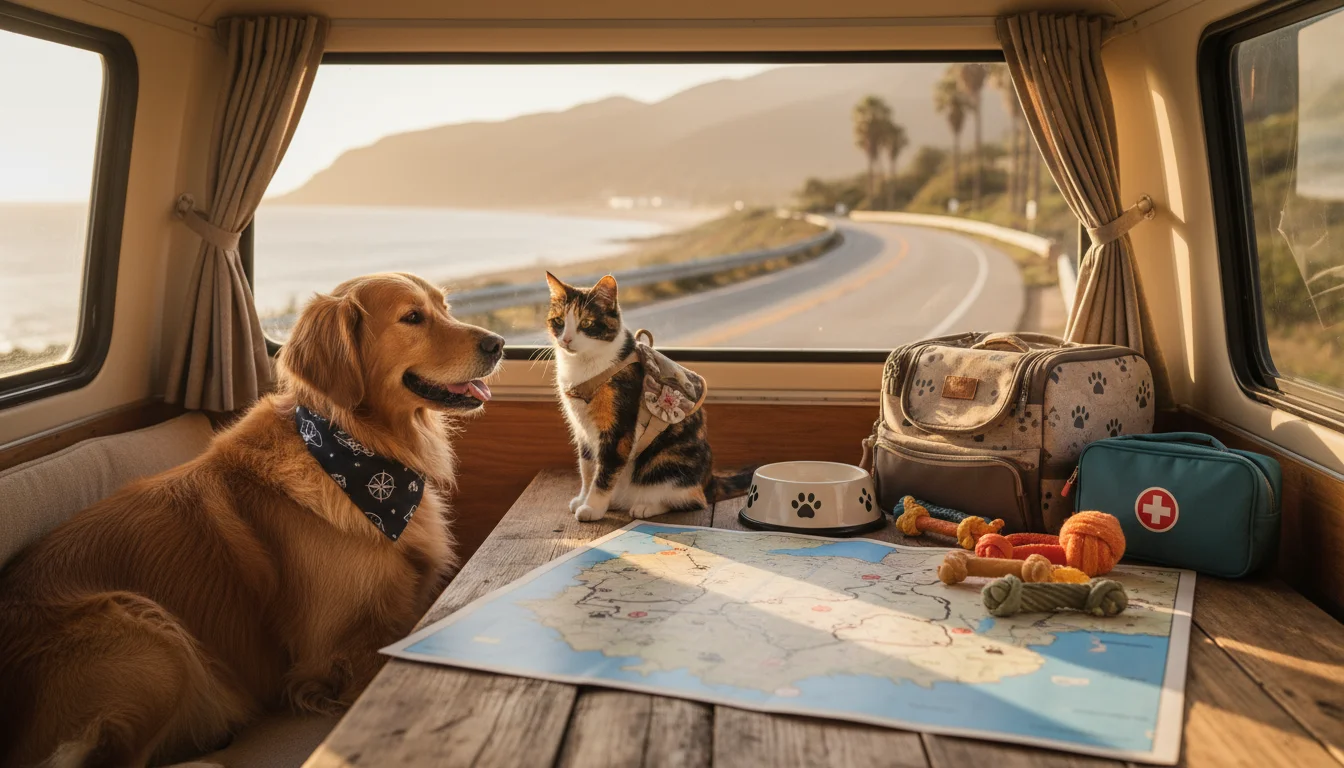
If your chosen trail requires a long drive, it is helpful to know how to plan a pet-friendly road trip to ensure your dog stays comfortable during travel.
Harness and Leash
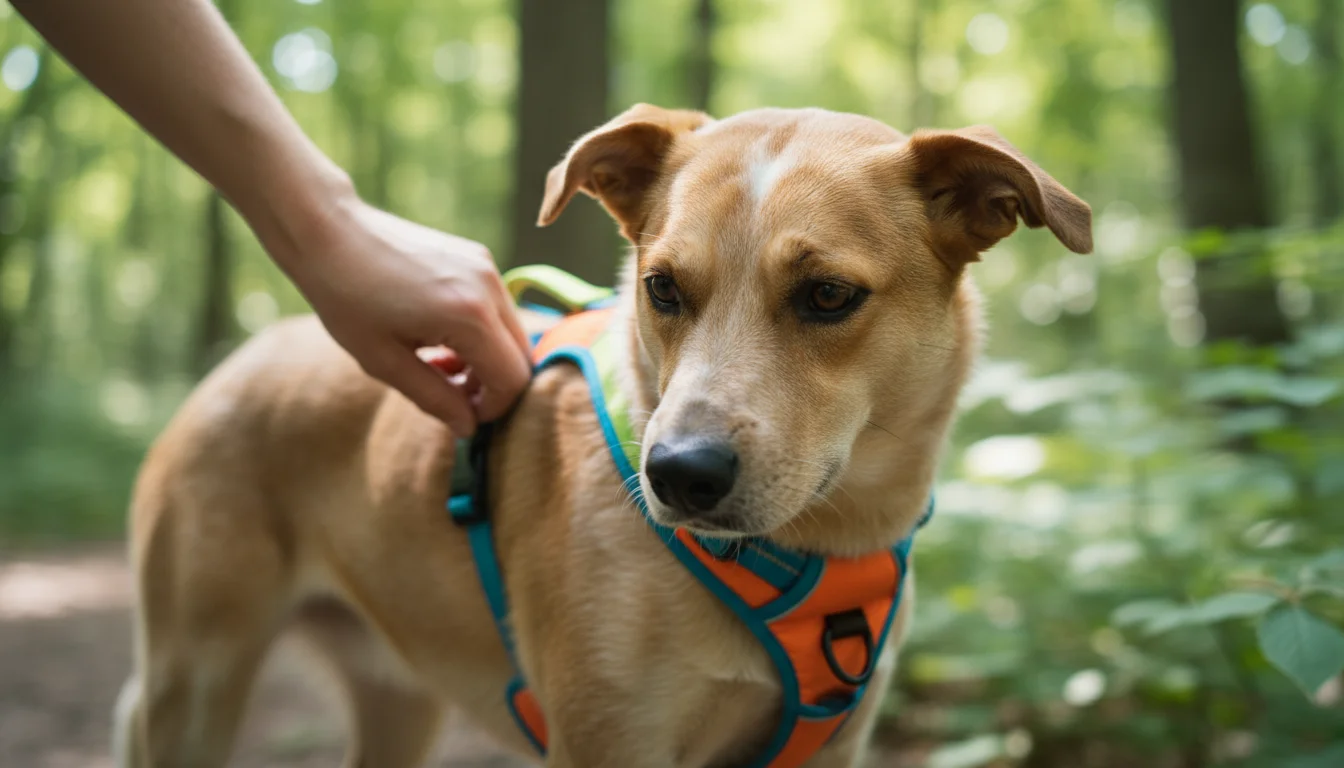
- Properly Fitting Harness: A well-fitting, comfortable harness distributes pressure evenly across your dog’s chest, reducing strain on their neck and throat. Look for harnesses with multiple adjustment points and sturdy D-rings. Avoid retractable leashes, as they offer little control and can cause injuries.
- Sturdy Leash: A 6-foot nylon or rope leash provides good control without excessive slack. Always carry an extra leash.
Hydration and Nutrition
- Water: This is non-negotiable. Carry plenty of fresh water for both you and your dog. A good rule of thumb is to carry at least 1 liter of water per person per hour of hiking, plus extra for your dog.
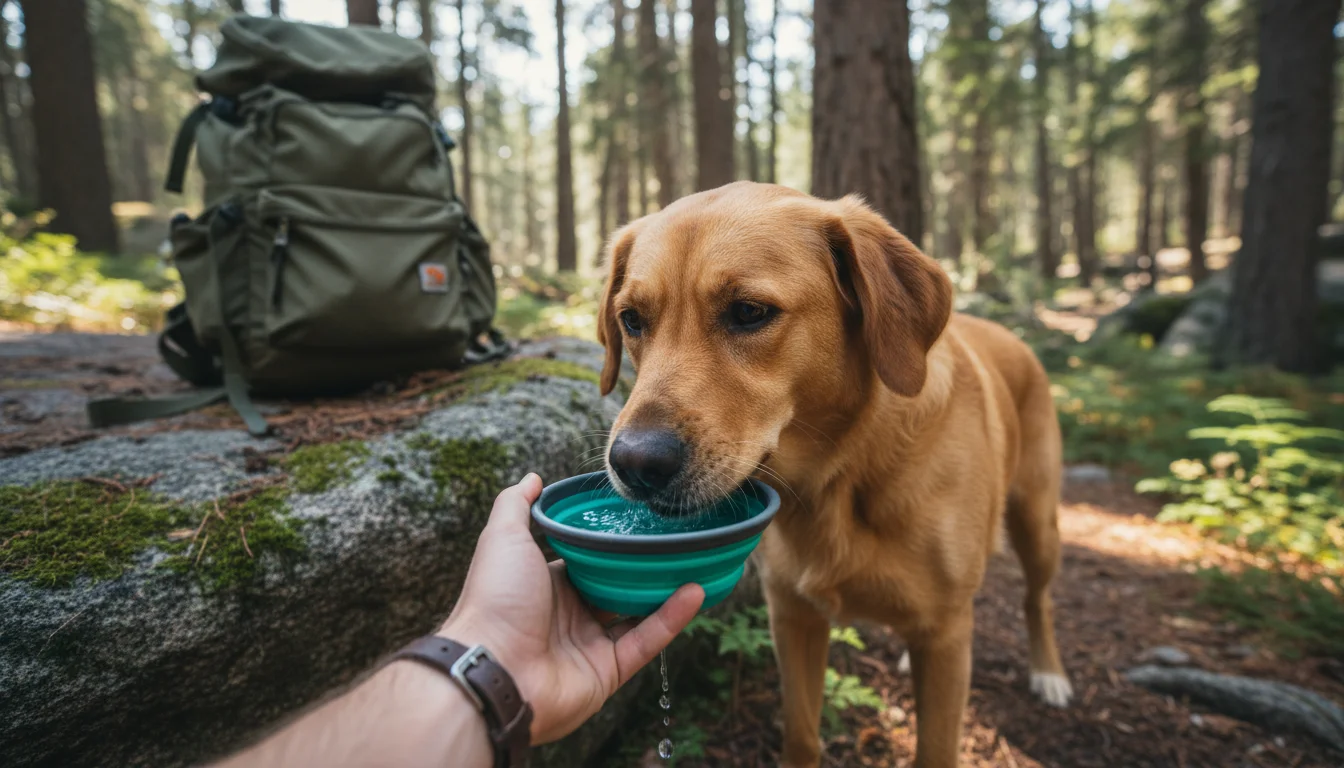
- Portable Water Bowl: Collapsible silicone bowls are lightweight and easy to carry.
- Dog Food/Treats: Pack high-energy, easily digestible treats for motivation and quick energy boosts. If hiking for several hours, bring a small portion of their regular food.
Safety and First Aid
- Dog First Aid Kit: Essential items include antiseptic wipes, gauze, adhesive tape, saline solution, pet-safe pain reliever (as directed by your vet), tick remover, tweezers, and paw balm. Always consult your vet before administering any medication.
- Waste Bags: Pack more than you think you need. Always pick up after your dog, even in remote areas, to protect the environment and maintain trail etiquette.
- ID Tags and GPS Tracker: Ensure your dog wears up-to-date ID tags on their collar, with your current contact information. A GPS tracker provides an invaluable safety net if your dog gets lost.
- Booties/Paw Protection: Dog boots protect paws from sharp rocks, hot pavement, ice, and chemical irritants. Introduce them gradually before your hike so your dog gets used to wearing them.
Additional Gear
- Dog Backpack: For longer hikes, consider a dog-specific backpack for your dog to carry some of their own supplies, such as water and food. Ensure it fits properly and is not overloaded, carrying no more than 10-12% of your dog’s body weight.
- Cooling Vest or Bandana: On hot days, these can help regulate your dog’s body temperature.
- Familiar Blanket or Toy: This offers comfort during breaks or if your dog needs to settle down.
Many of these items, like a dog backpack, contribute to making your pet lifestyle more active and enjoyable for both of you. Equipping yourselves properly contributes to the best pet lifestyle tips for outdoor adventures.
Trail Etiquette and Responsible Hiking
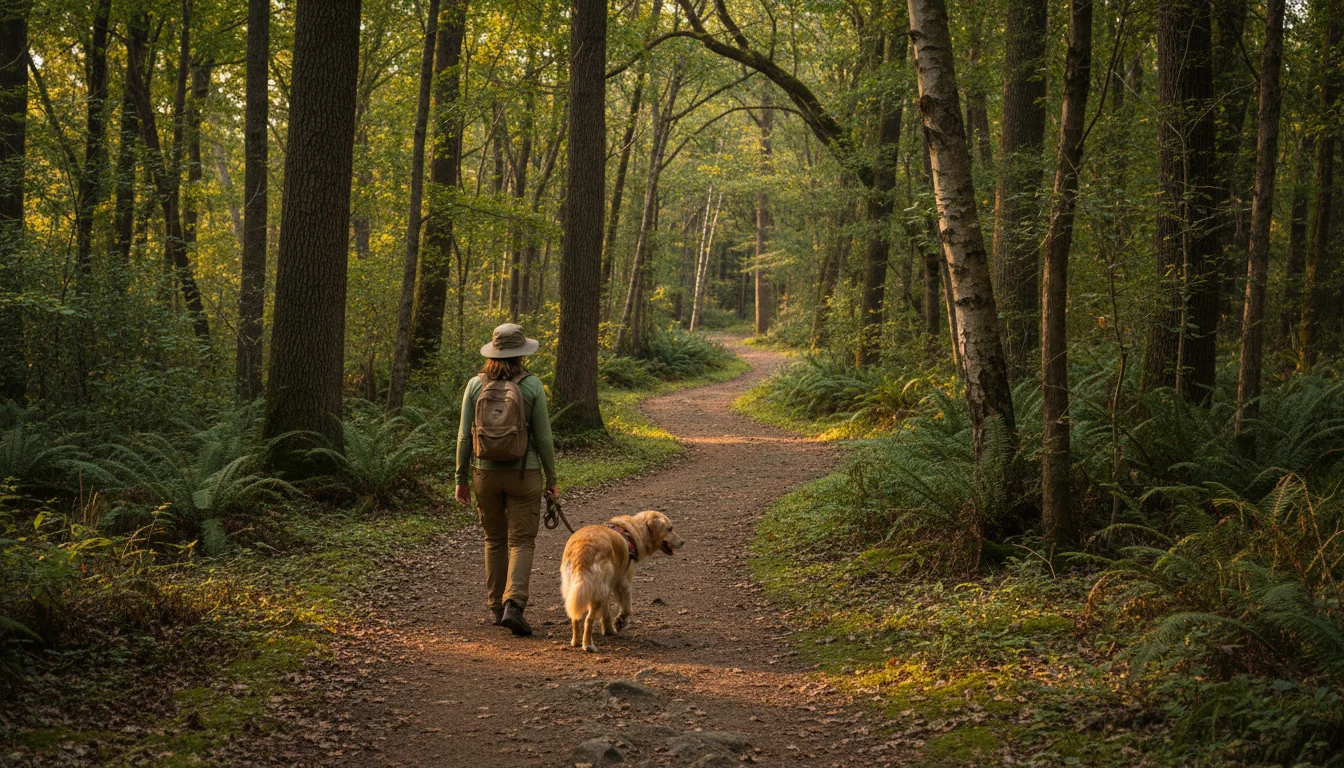
Responsible pet ownership extends to the trail. Following established etiquette ensures everyone, including wildlife, enjoys the natural environment safely.
Leash Laws and Control
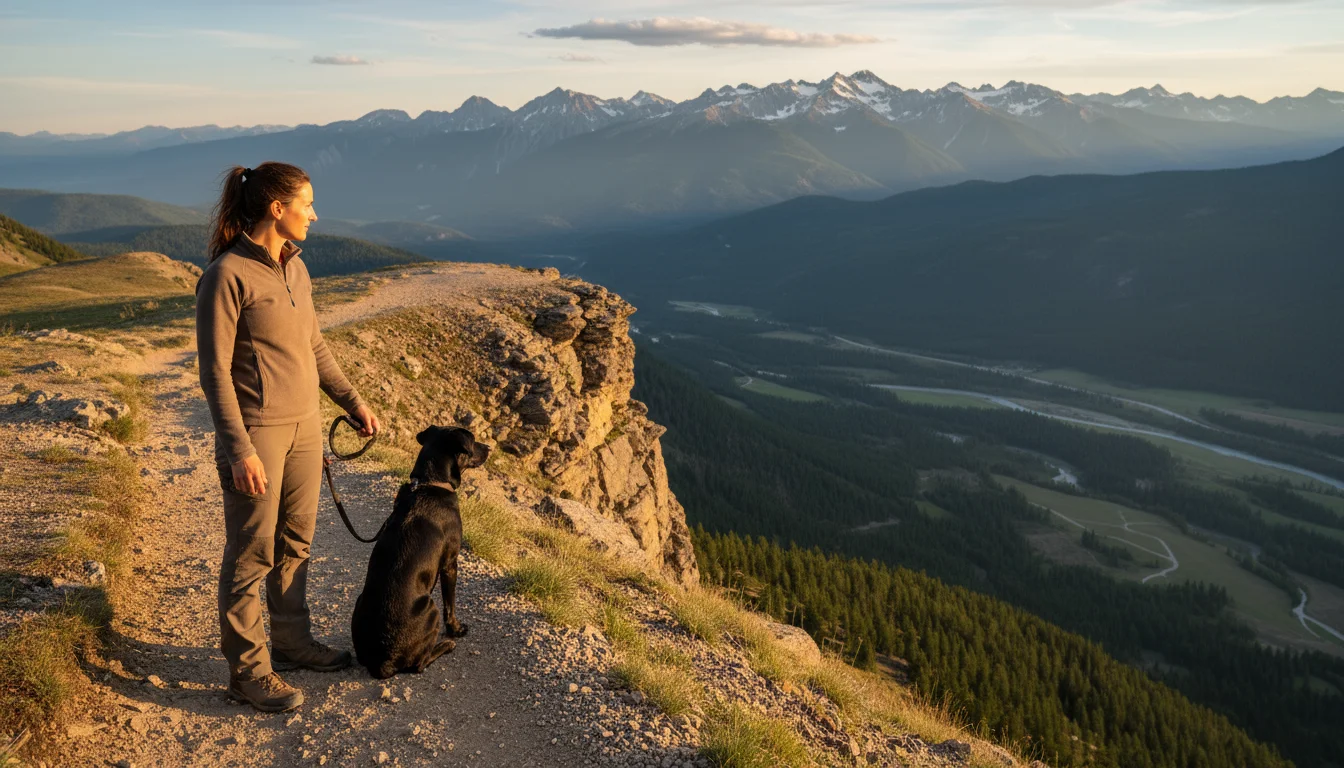
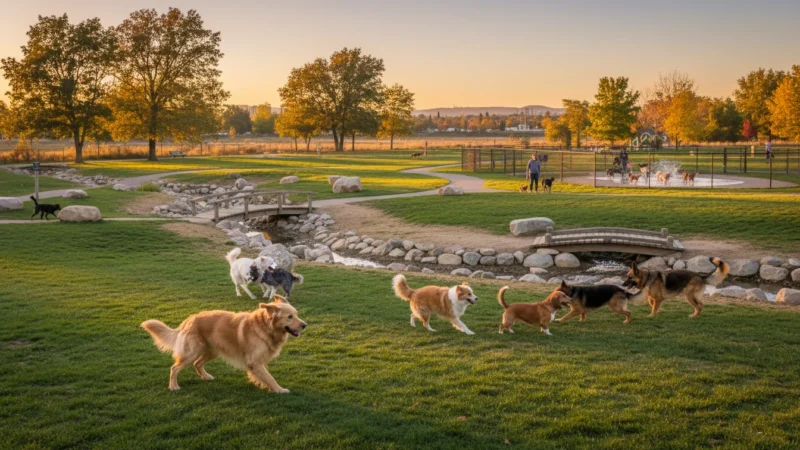
Always adhere to local leash laws. If a trail requires dogs to be leashed, keep your dog on a leash, without exception. Even if your dog has perfect recall, other hikers or wildlife may not appreciate an off-leash encounter. Leashes prevent unwanted interactions and protect your dog from potential hazards like cliffs, traffic, or aggressive animals. For trails where off-leash dogs are permitted, ensure your dog stays within your sight and responds immediately to your commands.
Waste Management
Pack it in, pack it out, especially when it comes to dog waste. Dog feces can introduce harmful bacteria to ecosystems and contaminate water sources. Carry waste bags and dispose of them properly in designated receptacles, or pack them out if no bins are available. Leaving waste bags on the side of the trail, even if you intend to pick them up later, is not acceptable; it detracts from the experience for others.
Respecting Wildlife
Keep your dog away from wildlife. Even the most well-behaved dog can startle or harass animals, disrupting their natural behaviors. If you encounter wildlife, leash your dog immediately, if they are not already, and give the animals plenty of space. Ensure your dog does not chase, bark at, or approach any animals. The Humane Society of the United States emphasizes respecting wildlife and protecting natural habitats as a core tenet of responsible human-wildlife interaction.
Sharing the Trail
Hikers, bikers, and equestrians often share trails. Yield to others, especially those on horseback or bikes, by stepping to the side of the trail and keeping your dog close. Announce your presence if approaching from behind. A friendly “Hello, hikers coming!” prevents surprises. Remember, not everyone loves dogs, and some people may have fears or allergies. Be considerate and control your dog at all times.
Navigating Common Trail Hazards
Awareness of potential dangers helps you keep your dog safe and minimizes risks on your hiking adventures. Many of these issues are preventable with foresight and planning, making for safer pet care.
Weather Conditions
Check the weather forecast before you go. Extreme temperatures pose significant risks. Hot weather leads to heatstroke, especially for brachycephalic (short-nosed) breeds like bulldogs or pugs, or dogs with thick coats. Signs of heatstroke include excessive panting, drooling, weakness, staggering, and vomiting. Cold weather, especially with wind or precipitation, risks hypothermia for dogs with thin coats or small breeds. Adjust your hike duration and intensity, or postpone your trip if conditions are unsafe.
Terrain and Footing
Uneven terrain, sharp rocks, thorns, and slippery surfaces can cause paw injuries, sprains, or falls. Stick to well-maintained trails if your dog is not accustomed to rugged paths. Dog boots offer excellent protection against various ground hazards. Regularly inspect your dog’s paws during and after the hike for cuts, blisters, or embedded debris.
Toxic Plants and Fungi
Many common plants are toxic to dogs, including poison ivy, oak, sumac, and certain wild mushrooms. Train your dog on the “leave it” command to prevent ingestion. Learn to identify common toxic plants in your hiking area. If you suspect your dog has ingested something harmful, contact the Pet Poison Helpline or your veterinarian immediately.
Water Sources
Natural water sources like puddles, streams, or lakes can contain harmful bacteria (e.g., leptospirosis, giardia), algae blooms, or parasites. Always provide your dog with fresh, clean water from your supply. If your dog drinks from a natural source, monitor them for any signs of illness in the following days, such as vomiting, diarrhea, or lethargy.
Wildlife Encounters
Encounters with snakes, bears, coyotes, or even aggressive deer can be dangerous. Keep your dog on a leash to prevent them from chasing or provoking wildlife. Make noise as you hike to alert animals to your presence. If you encounter a dangerous animal, remain calm, keep your dog close, and slowly back away without making eye contact or sudden movements. In areas known for venomous snakes, consider rattlesnake aversion training for your dog.
Ticks and Other Parasites
Ticks, fleas, and mosquitoes are prevalent in many hiking areas. Use veterinarian-recommended parasite prevention year-round. After every hike, thoroughly check your dog for ticks, paying close attention to ears, paws, armpits, and groin areas. Prompt removal of ticks minimizes the risk of Lyme disease and other tick-borne illnesses. The American Kennel Club (AKC) provides valuable resources on canine health, including guidance on parasite prevention and tick removal, which are crucial for responsible hiking with your dog for pets.
Hydration and Nutrition on the Go
Proper hydration and nutrition are fundamental for maintaining your dog’s energy and health during a hike. An active pet lifestyle demands careful attention to these aspects.
Prioritizing Hydration
Dogs dehydrate quickly, especially when exercising in warm weather. Offer your dog water frequently, every 15-20 minutes, even if they do not seem thirsty. Watch for signs of dehydration: sticky gums, sunken eyes, loss of skin elasticity (gently pinch the skin on their back, if it stays tented, your dog is likely dehydrated). Ensure the water is clean and fresh; avoid letting your dog drink stagnant water from puddles or ponds. Carry electrolyte supplements specifically designed for dogs on longer, more strenuous hikes, consulting your vet first.
Fueling Your Adventure
For shorter hikes (under 1-2 hours), your dog’s regular breakfast or dinner typically provides sufficient energy. For longer or more strenuous treks, pack high-quality, easily digestible treats or a small amount of their regular kibble. Offer small portions during breaks to replenish energy. Avoid giving your dog human food, as many items are harmful or cause stomach upset. Calorie needs increase significantly during exercise; adjust your dog’s food intake on hiking days accordingly, without overfeeding.
First Aid for Paws and Unexpected Injuries
Accidents happen, even with the best preparation. Knowing how to handle common trail injuries until you can reach professional veterinary care is a critical pet care skill.
Paw Care
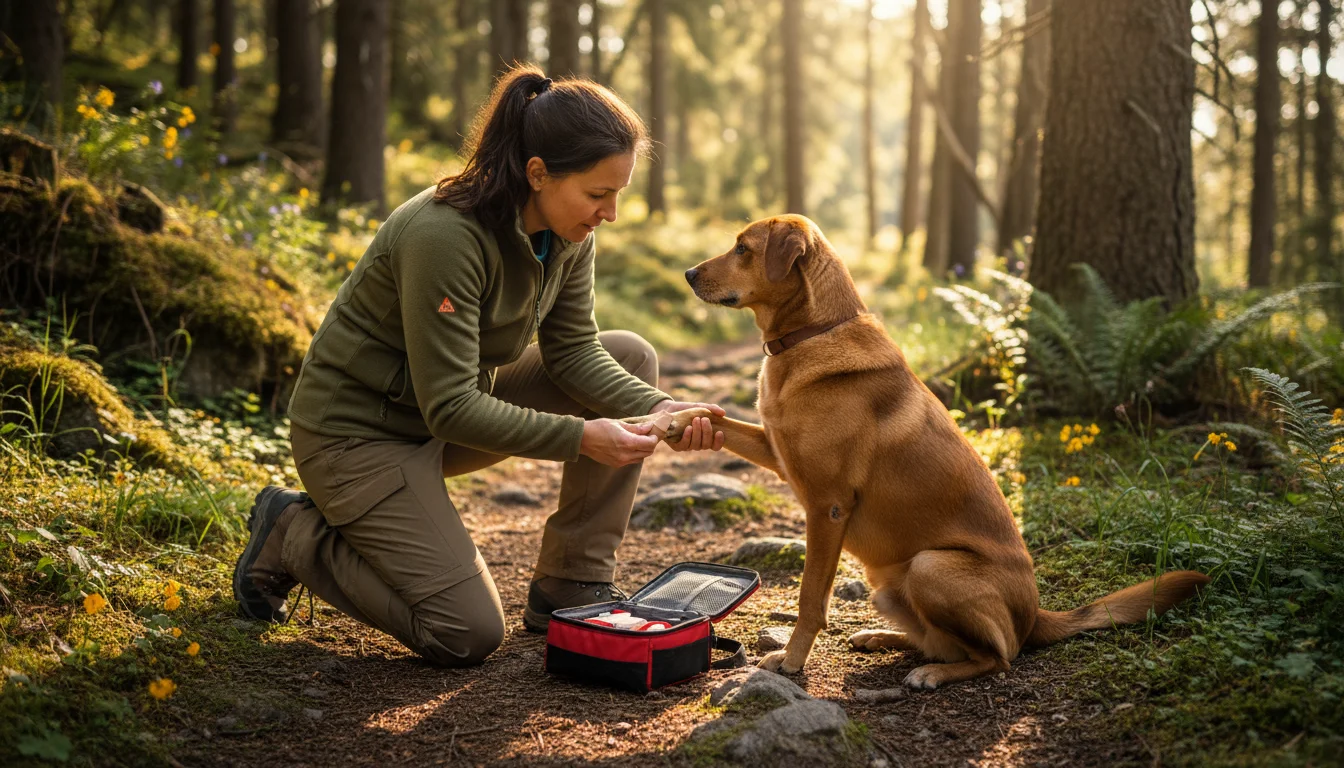
Your dog’s paws are their primary contact with the trail, making them vulnerable to injury. Inspect paws regularly during the hike for cuts, abrasions, embedded thorns, or excessive wear. If you find a foreign object, use tweezers to carefully remove it. Clean minor cuts with antiseptic wipes and apply a protective bandage. Paw balm can help soothe irritated pads after a hike. Consider dog booties for prevention, especially on rough terrain or in extreme temperatures. The American Animal Hospital Association (AAHA) provides comprehensive guidelines on pet wellness, including tips for preventing and managing common injuries like those to paws.
Cuts and Scrapes
For minor cuts or scrapes, clean the wound with saline solution or an antiseptic wipe. Apply gentle pressure with sterile gauze to stop bleeding. If the cut is deep, bleeds profusely, or involves a joint, it requires immediate veterinary attention. Secure a clean bandage over the wound to keep it clean and prevent further injury during transport.
Sprains and Limping
If your dog suddenly starts limping, immediately stop the hike. Rest your dog and carefully examine the affected limb for swelling, tenderness, or obvious deformities. If you suspect a sprain, dislocation, or fracture, minimize movement. Create a makeshift sling with a blanket or jacket to help support them, if possible, and carry them out or seek immediate transport to a vet. Do not attempt to reset a bone or force your dog to walk.
Heatstroke Recognition and Response
Heatstroke is a life-threatening emergency. Signs include excessive panting, brick-red gums, thick drool, staggering, vomiting, diarrhea, and collapse. If you suspect heatstroke, act quickly: move your dog to a shaded, cool area. Apply cool (not ice-cold) water to their belly, armpits, and paw pads. Offer small amounts of water to drink. Do not overcool them or force them to drink. Seek emergency veterinary care immediately, even if your dog appears to recover, as internal damage may still be present. This is a crucial element of pet care for dogs in active environments.
Snakebites
If your dog is bitten by a snake, especially a venomous one, try to keep your dog calm and still to slow the spread of venom. Carry them if possible. Do not attempt to suck out venom or apply a tourniquet. Seek emergency veterinary care immediately. Many areas have veterinary clinics that stock antivenom, but timely treatment is critical for your dog’s survival.
Tailoring the Hike to Your Dog’s Needs
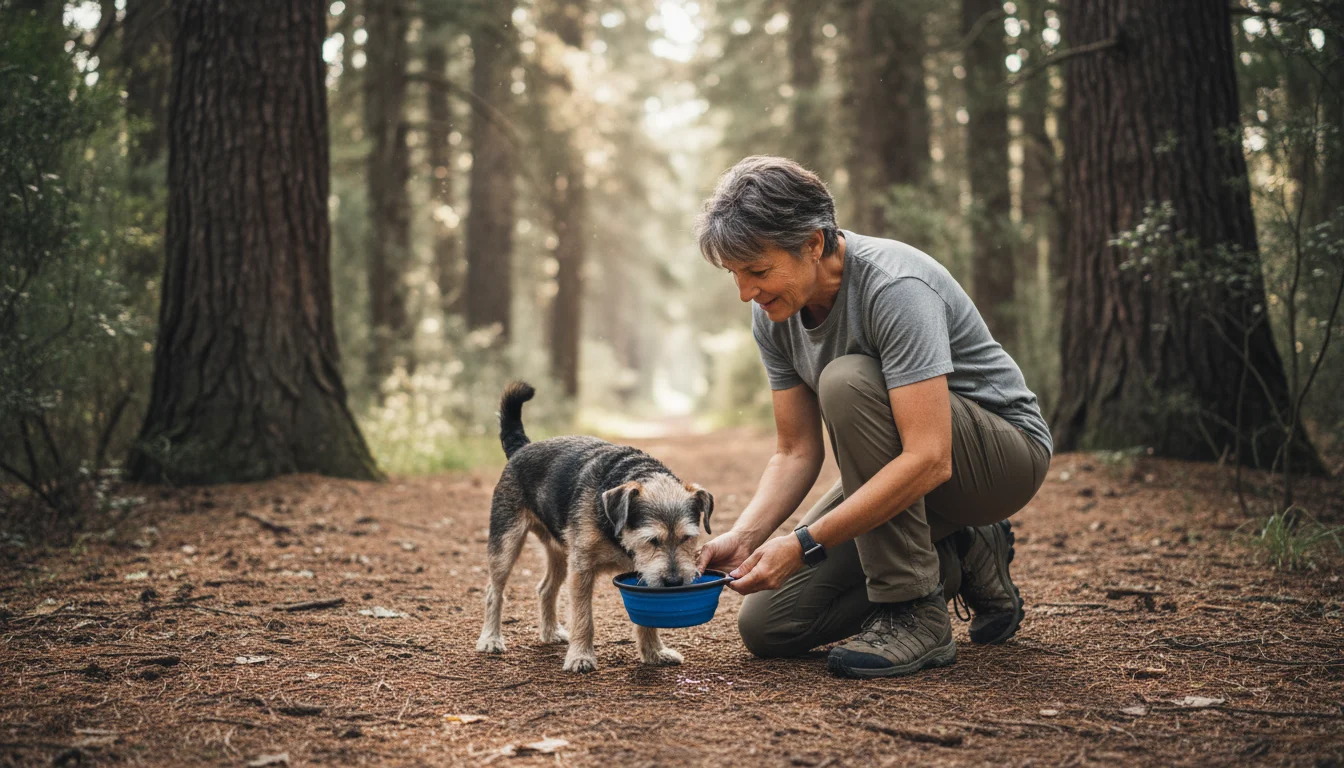
Every dog is an individual. What works for one dog may not work for another. Consider your dog’s unique characteristics when planning your hike, ensuring the best pet lifestyle tips are followed.
Age Considerations
- Puppies: Their bones and joints are still developing, making them susceptible to injury from overexertion. Keep hikes short, gentle, and on soft surfaces. A good rule of thumb is 5 minutes of exercise per month of age, twice a day, until they are full-grown. Consult your vet on safe exercise limits for your puppy’s breed.
- Senior Dogs: Arthritis, decreased stamina, and impaired vision or hearing affect older dogs. Choose flat, familiar trails with softer surfaces. Consider a dog stroller or backpack carrier for longer distances so they can still enjoy the fresh air without overtaxing their bodies. Monitor them closely for signs of pain or fatigue.
Breed and Size
Different breeds have different needs and limitations:
- Brachycephalic Breeds (e.g., Pugs, Bulldogs): These dogs have difficulty breathing and overheat easily. Avoid hiking with them in warm weather or on strenuous trails. Stick to short, cool-weather walks.
- Large, Deep-Chested Breeds (e.g., Great Danes, German Shepherds): Prone to bloat (gastric dilatation-volvulus). Avoid strenuous exercise immediately before or after meals.
- Working Breeds (e.g., Huskies, Border Collies): These dogs thrive on long, challenging hikes and often have high energy levels that need an outlet. They excel at multi-day treks.
- Small Breeds: While small dogs can hike, they may struggle with long distances, high obstacles, or extreme terrain. Be prepared to carry them through difficult sections or choose shorter, less demanding trails.
Fitness Level and Health Conditions
Be honest about your dog’s current fitness level. If they are usually sedentary, start with very easy, flat trails. If your dog has medical conditions like heart disease, diabetes, or orthopedic issues, consult your vet for specific recommendations on safe exercise limits. Always prioritize your dog’s comfort and health over reaching a particular hiking goal.
Temperament and Reactivity
If your dog is reactive towards other dogs, people, or wildlife, choose trails that are less crowded or hike during off-peak hours. Keep your dog on a short leash and use management techniques to prevent stressful encounters. Consider working with a certified professional dog trainer to address reactivity before attempting busy trails. Your dog’s enjoyment hinges on their comfort and safety, and managing their temperament is a key pet care responsibility.

Post-Hike Recovery and Wellness Check
The adventure does not end when you leave the trail. Post-hike care is just as important as preparation for your dog’s well-being.
Thorough Inspection
Once you are home, conduct a head-to-tail inspection of your dog. Check their entire coat, especially behind ears, in armpits, groin, and between paw pads, for ticks, burrs, or other debris. Use a tick remover to safely extract any ticks. Look for any cuts, scrapes, or blisters on their paws. Check their ears for foxtails or other plant matter.
Hydration and Rest
Offer your dog fresh water immediately upon returning home. Provide a comfortable, quiet place for them to rest and recover. Some dogs might sleep for several hours after a strenuous hike, which is normal. Monitor their appetite and energy levels over the next 24-48 hours.
Nutrition
If your dog is hungry, offer their regular meal. Avoid overfeeding them as a “reward,” which can lead to stomach upset. Adjust meal portions if your dog is consistently losing or gaining weight due to changes in their activity level. For instance, an active pet lifestyle may require more calories than a sedentary one.
Muscle Soreness and Stiffness
Just like humans, dogs can experience muscle soreness after a strenuous hike. Watch for stiffness, reluctance to move, or unusual gait the day after. Gentle stretching, massage, or warm compresses can provide comfort. If soreness persists for more than 24-48 hours or your dog shows signs of severe pain, contact your veterinarian.
When to See a Veterinarian
Seek veterinary attention if your dog:
- Shows persistent lameness or reluctance to bear weight.
- Develops a high fever or seems lethargic or weak.
- Has severe vomiting or diarrhea.
- Exhibits changes in behavior, such as increased pain sensitivity or anxiety.
- Has any wounds that are deep, bleeding excessively, or show signs of infection (redness, swelling, pus).
These are all signs that your dog may have sustained a more serious injury or illness on the trail.
Frequently Asked Questions
How long can my dog safely hike?
The safe hiking duration for your dog depends on their breed, age, fitness level, and current weather conditions. A healthy adult dog in good condition can typically hike for 1-2 hours on moderate trails. For longer hikes, gradually build their stamina over weeks. Always prioritize your dog’s comfort over reaching a mileage goal. Watch for signs of fatigue such as lagging behind, excessive panting, or seeking shade, and take frequent breaks. Puppies and senior dogs require much shorter, gentler outings.
What if my dog is reactive towards other dogs or people on the trail?
If your dog is reactive, choose less-trafficked trails or hike during off-peak hours to minimize encounters. Keep your dog on a short, non-retractable leash and maintain distance from other hikers and dogs. Use management techniques, such as turning around or stepping off the trail, to avoid potential triggers. Consider working with a certified professional dog trainer or behaviorist to address the reactivity. Their expertise provides strategies to help your dog feel more comfortable and safe in various environments, improving overall pet care.
Are dog boots really necessary for hiking?
Dog boots are not always necessary for every hike, but they offer significant benefits depending on the terrain and weather. They protect paws from sharp rocks, hot pavement, ice, snow, chemical de-icers, and thorns. If you plan to hike on rugged, rocky trails, in extreme temperatures, or through areas with known hazards, boots are highly recommended. Introduce boots slowly at home before your hike to allow your dog to adjust to wearing them.
How do I train my dog for off-leash hiking?
Off-leash hiking is only safe and responsible if your dog has a rock-solid recall, responds immediately to commands, and demonstrates excellent trail manners. Start with controlled, safe environments, like a securely fenced area, and practice recall extensively. Gradually introduce off-leash time in designated off-leash areas, ensuring your dog stays within sight and always responds to your commands. Never allow your dog off-leash in areas where it is prohibited, around wildlife, or near roads. A strong bond and consistent positive reinforcement training are key for this best pet lifestyle tip.
What are the immediate signs of heatstroke in a dog?
Immediate signs of heatstroke include excessive, relentless panting, drooling, a dark red or purple tongue and gums, weakness, dizziness, and stumbling. As it progresses, your dog may vomit, have diarrhea, or collapse. If you observe these symptoms, act quickly: get your dog to a cool, shaded area, apply cool (not ice-cold) water to their body, and seek emergency veterinary care immediately. Time is critical in treating heatstroke.
Hiking with your dog is an incredibly rewarding experience, offering both physical and mental benefits for your best friend. By focusing on thoughtful preparation, equipping yourselves with the right gear, understanding trail safety, and always prioritizing your dog’s well-being, you create lasting memories and enjoy a fulfilling pet lifestyle together. These practical pet tips ensure your adventures are safe and enjoyable, embodying the best pet lifestyle tips for responsible pet owners.
For expert pet care guidance, visit
American Kennel Club (AKC), Cat Fanciers’ Association (CFA), ASPCA and The Humane Society of the United States.
Disclaimer: This article is for informational purposes only and is not a substitute for professional veterinary advice, diagnosis, or treatment. Always consult with a licensed veterinarian for medical concerns about your pet.






Leave a Reply