
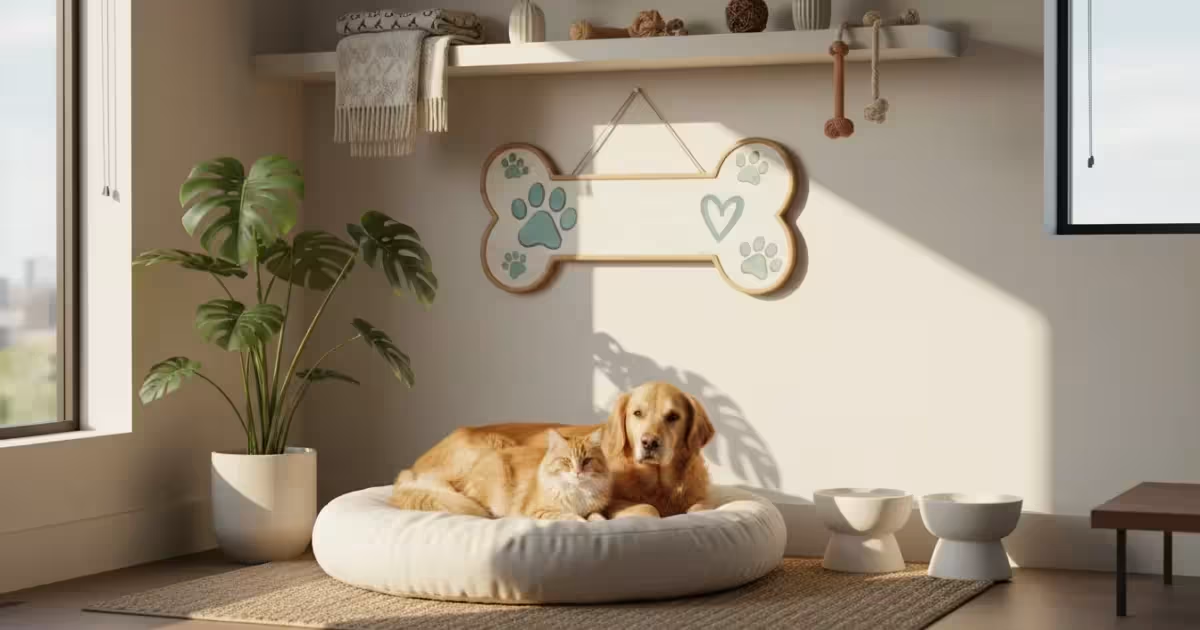
Creating an Instagram-worthy pet space goes beyond aesthetics. It involves designing an environment that not only looks beautiful but also prioritizes your companion animal’s comfort, safety, and enrichment. You want to craft a pet lifestyle zone that genuinely enhances your pet’s daily life, offering them joy, security, and stimulation, all while seamlessly integrating into your home’s decor. This guide provides practical, actionable insights to help you achieve a stunning yet functional pet space.
Once you have styled the perfect environment, you can use these pet photography tips to capture professional-looking photos of your furry friend in their new space.
Beyond Aesthetics: Prioritizing Your Pet’s Well-being
An Instagram-worthy pet space must first and foremost be a pet-friendly haven. While beautiful decor certainly attracts attention, the primary goal remains your pet’s health and happiness. You design a space not for likes, but for your pet’s genuine well-being. This means considering their natural behaviors, safety requirements, and species-specific needs.
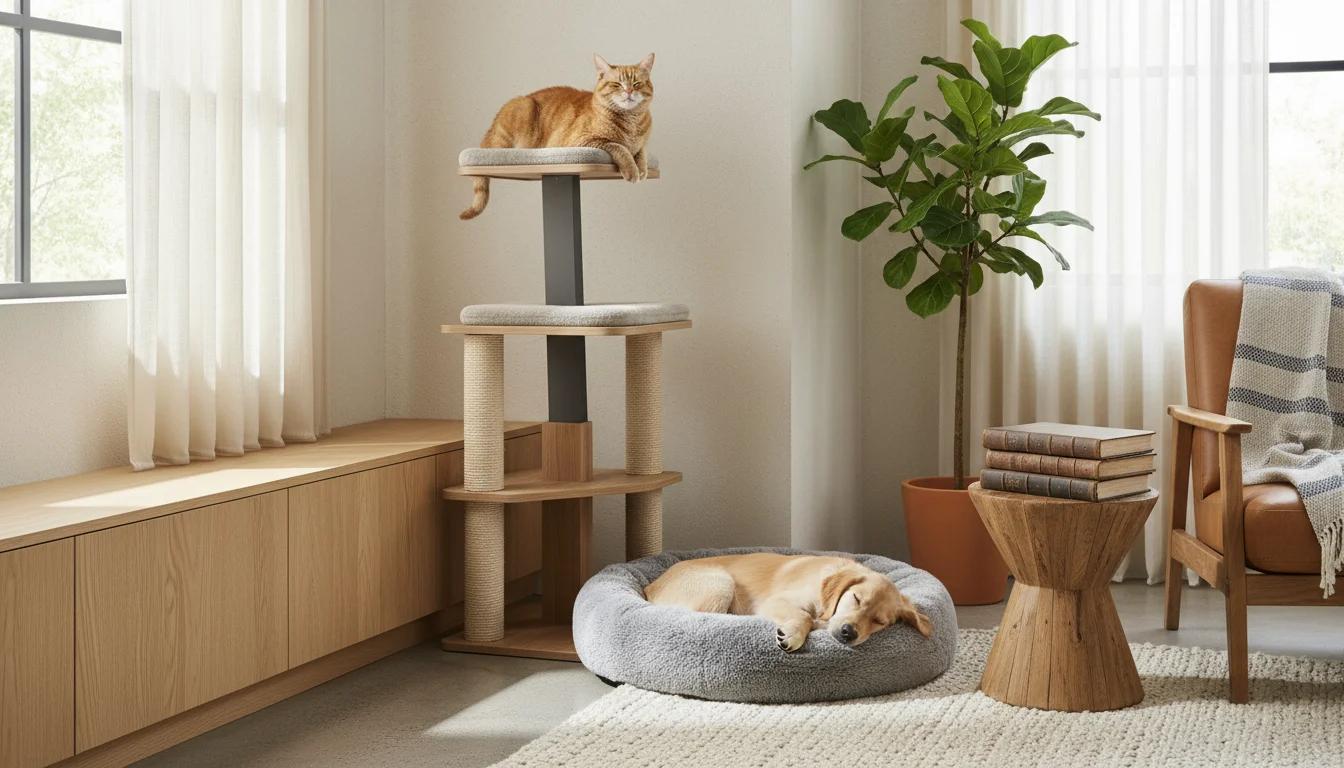
For example, cats naturally seek high vantage points. Incorporating vertical spaces like cat trees or wall-mounted shelves satisfies this innate desire, giving them a sense of security and territory. According to the ASPCA, providing cats with opportunities to climb and perch significantly reduces stress and promotes healthy exercise. For dogs, a comfortable, secure den or bed helps them feel safe and provides a personal retreat. Ensure any furniture or decor you introduce is non-toxic and robust enough to withstand your pet’s natural interactions, whether it involves chewing, scratching, or playful romps. Prioritize materials that are easy to clean and maintain, supporting good pet hygiene and minimizing allergens.
Understand Your Pet’s Unique Needs
Every pet possesses a unique personality, breed, age, and activity level, all of which influence their ideal living space. What works for a shy senior cat will differ greatly from the requirements of an energetic young puppy. Before you begin styling, take a moment to observe your pet. Where do they naturally gravitate? What activities do they enjoy most?
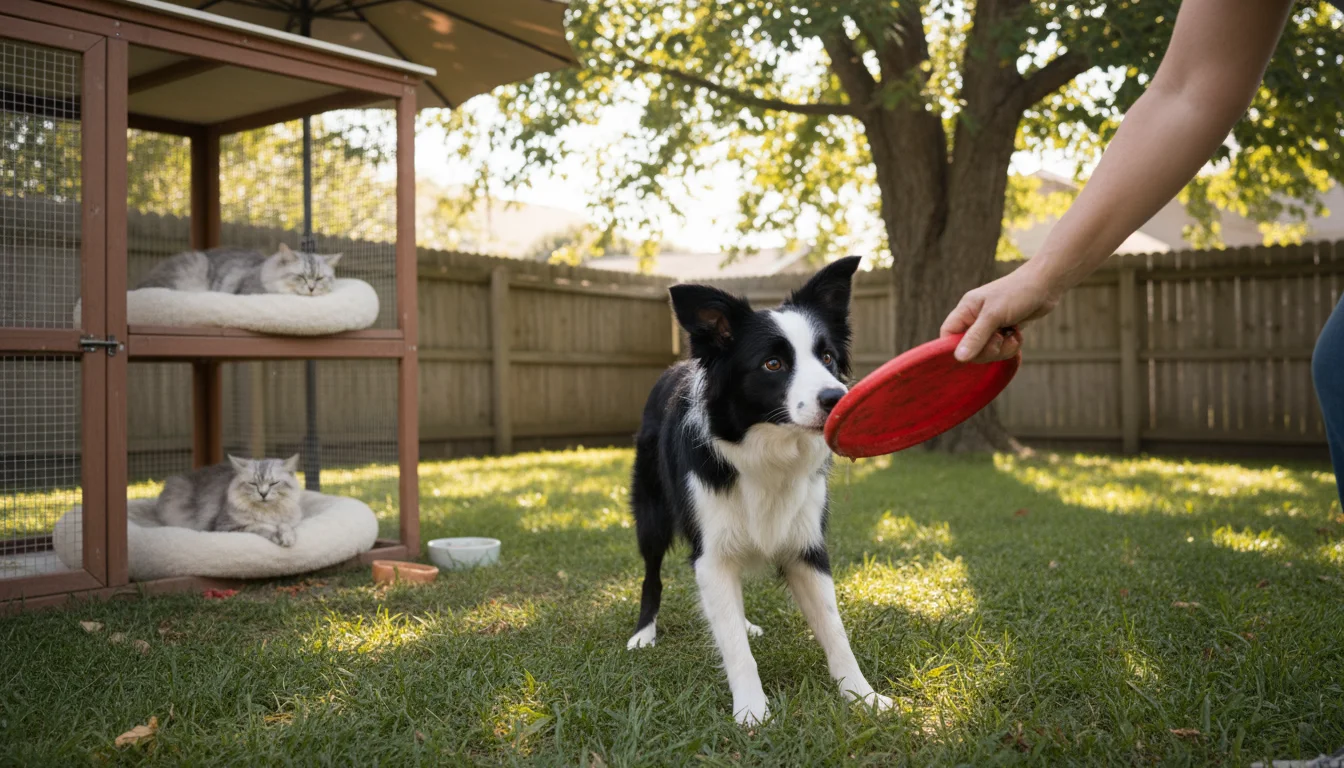
Consider a high-energy dog, such as a Border Collie or a Jack Russell Terrier. Their space benefits from dedicated areas for interactive pet tips and play, perhaps even a durable indoor agility tunnel or a designated retrieve zone. They require toys that challenge their minds and bodies. In contrast, a calm elderly dog might need easily accessible, orthopedic beds in quiet, draft-free locations. For cats, think about their climbing abilities and preferences for scratching surfaces. A Maine Coon, with its large size, needs a sturdy, oversized cat tree, while a smaller domestic shorthair might prefer a cozy, hidden cubby. Small companion animals, like rabbits or guinea pigs, require spacious enclosures with opportunities for tunneling, foraging, and hiding, mimicking their natural habitats. You must adapt your design choices to directly support these individual needs, creating a truly functional pet lifestyle environment.
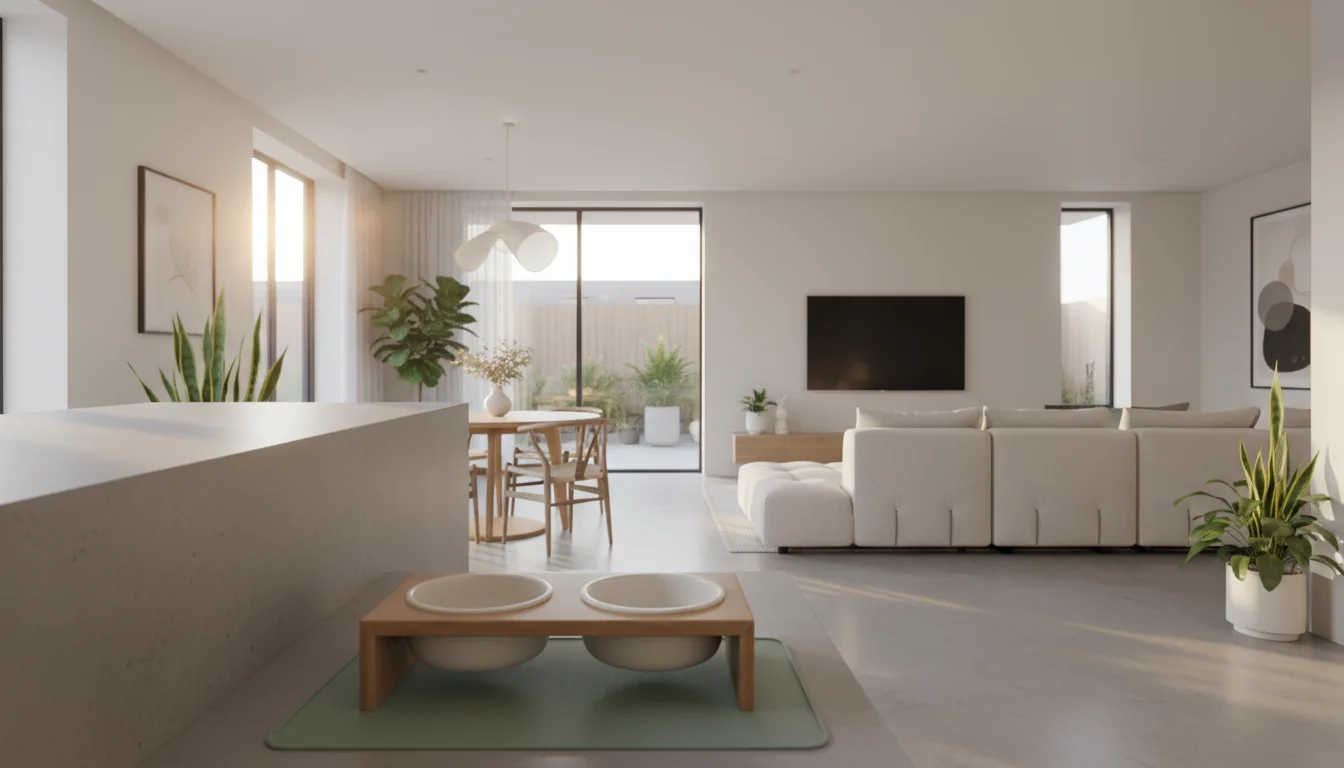
Strategic Placement: Location is Key
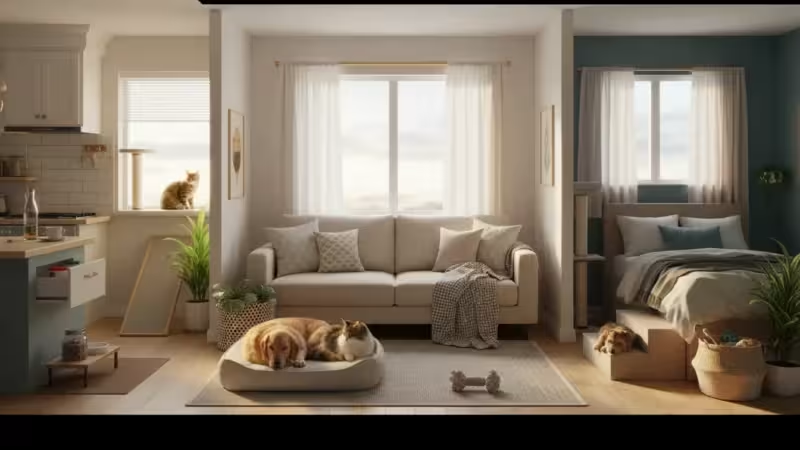
The placement of your pet’s essentials significantly impacts their comfort and your home’s flow. Thoughtful arrangement enhances both functionality and aesthetic appeal. You want to integrate pet areas seamlessly into your living space, making them feel like a natural extension of your home.
If your pet enjoys spending time outside as well, you should apply similar design principles when creating a safe outdoor space for your dog.
Consider the following:
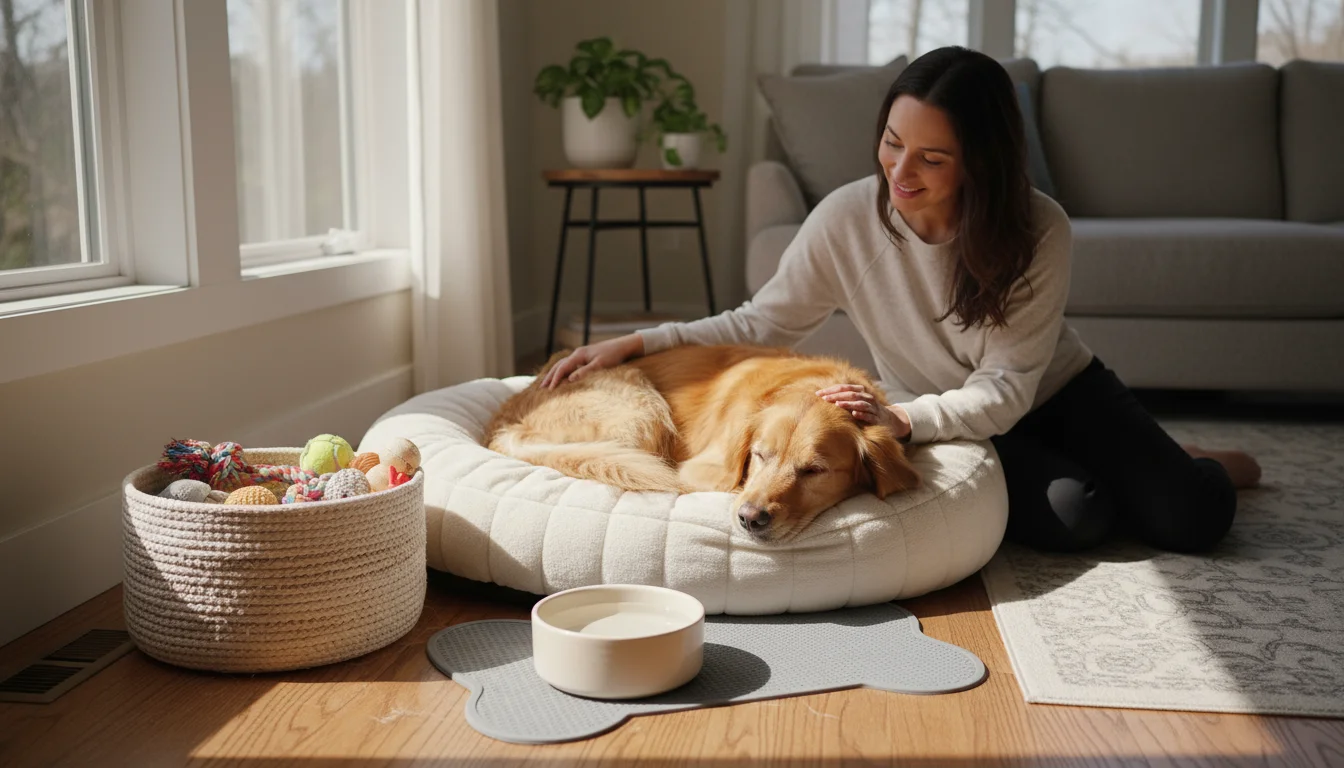
- Sleeping Areas: Place beds or crates in quiet, low-traffic areas where your pet can retreat undisturbed. For dogs, this might be a corner of the living room or your bedroom. Cats often prefer elevated spots or cozy nooks away from direct drafts. Ensure these spots receive natural light but are not exposed to harsh sun or cold drafts.
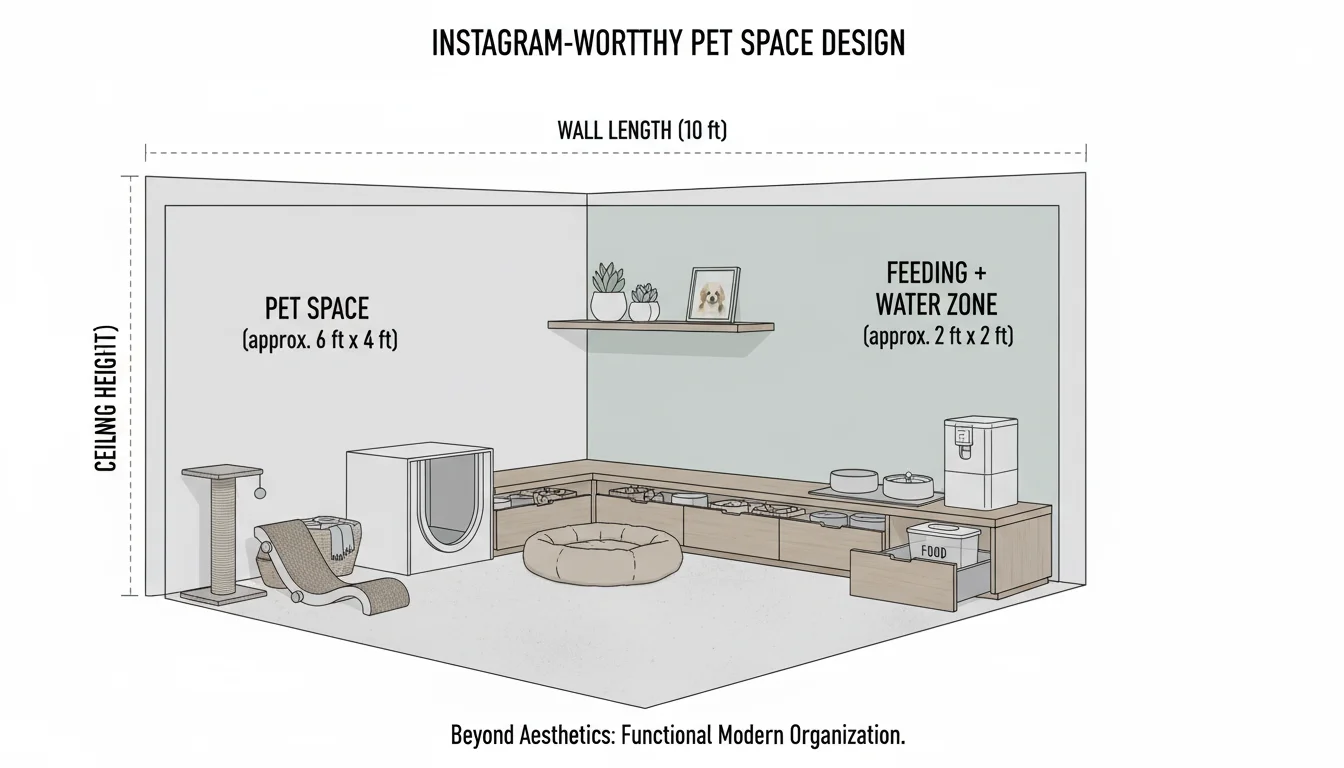
- Feeding Stations: Designate a consistent feeding spot in an area easy to clean, such as a kitchen corner or laundry room. Elevate food and water bowls for larger dogs to promote better digestion, as recommended by veterinary professionals. Use mats underneath to catch spills.
- Litter Boxes: Locate litter boxes in quiet, private, and easily accessible areas for cats. Avoid placing them near food and water. For multi-cat households, aim for one litter box per cat plus one extra, distributed throughout the home to prevent resource guarding. Ensure adequate ventilation to minimize odors.
- Play Zones: Dedicate a specific area for toys and active play. This helps contain the mess and signals to your pet that this is where fun happens. For interactive pet care, you might include a sturdy rug for grip during play or a clear path for fetch.
Strategic placement ensures your pet feels secure and their needs are met, contributing to a harmonious pet lifestyle for everyone.
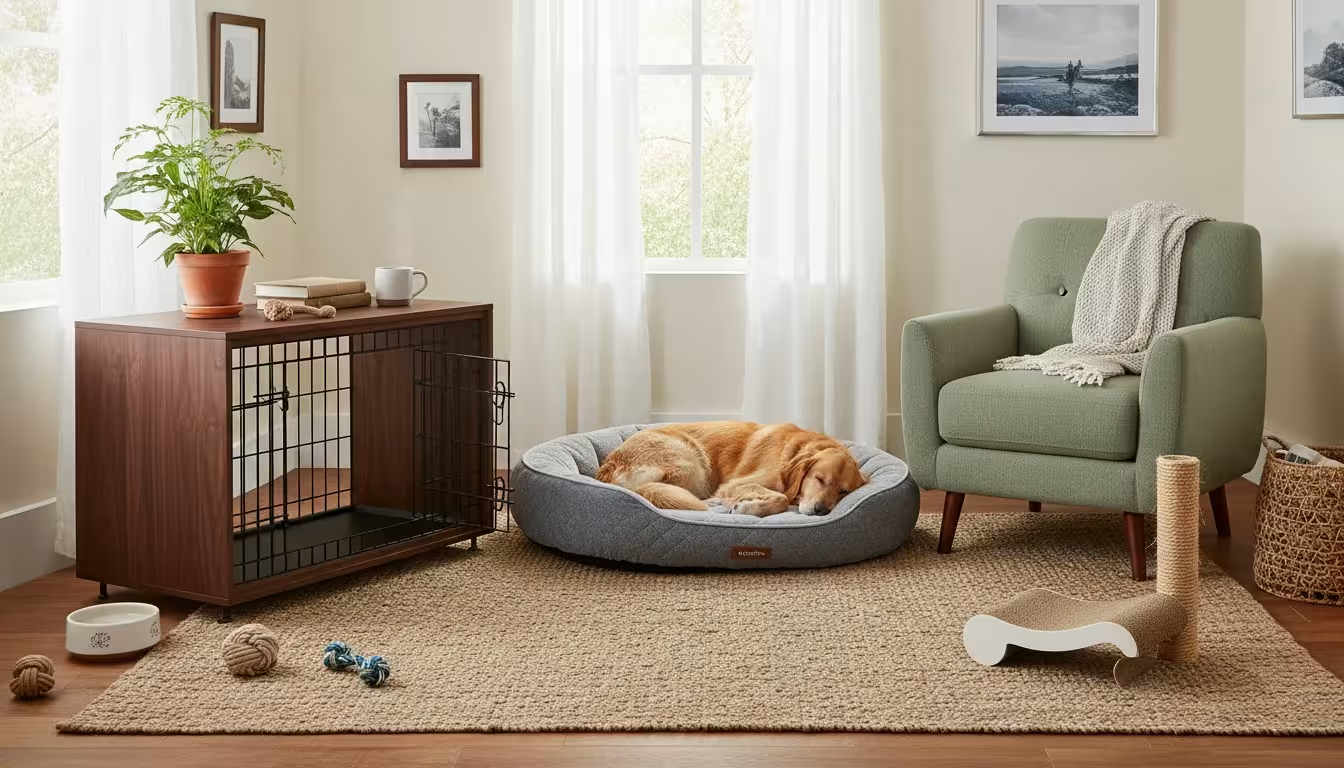
Furnishings and Fixtures: Comfort Meets Style
Selecting the right pet furniture and fixtures transforms a generic space into an Instagram-worthy pet haven. Focus on pieces that offer both comfort for your pet and design appeal for your home. You can find many options that blend seamlessly with your existing decor.
When choosing beds, consider orthopedic options for older pets or those with joint issues. Look for removable, washable covers to maintain hygiene. Crates can double as stylish end tables or console tables when covered with a decorative top and skirt. Many companies now offer attractive wooden crates that look like furniture, rather than utilitarian cages.
For cats, prioritize vertical space. Cat trees come in various designs, from minimalist modern to rustic natural wood, allowing you to match your home’s aesthetic. Wall-mounted shelves and cat walkways provide climbing opportunities without taking up floor space, creating dynamic visual interest. Ensure all cat furniture is stable and securely mounted to prevent accidents. According to the Humane Society of the United States, enrichment items like scratching posts and cat trees are crucial for a cat’s physical and mental health, reducing destructive behaviors.
Always opt for pet-safe materials. Look for fabrics that resist stains and hair, like microfiber or canvas. Choose non-toxic finishes for wooden furniture. You can even find elevated feeding stations made from stylish ceramic or wood that complement your kitchen design.
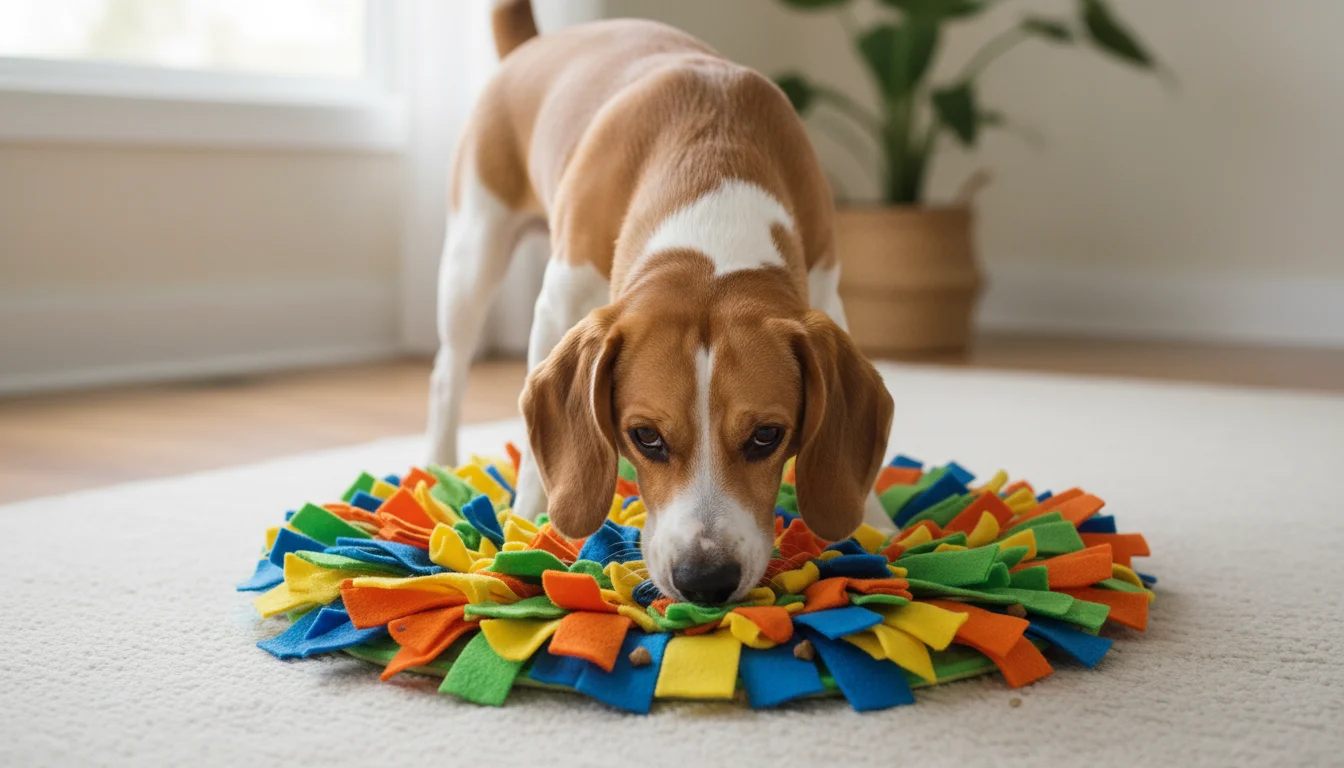
Enrichment Essentials: Engaging Minds and Bodies
An Instagram-worthy pet space truly shines when it offers stimulating enrichment that keeps your pet happy and engaged. These elements not only prevent boredom and destructive behaviors but also provide fantastic photo opportunities as your pet interacts with them. You integrate pet care into play.
Strategic enrichment is vital for feline owners to learn how to keep your cat entertained during the day, preventing boredom-induced mischief.
Consider a variety of enrichment options:
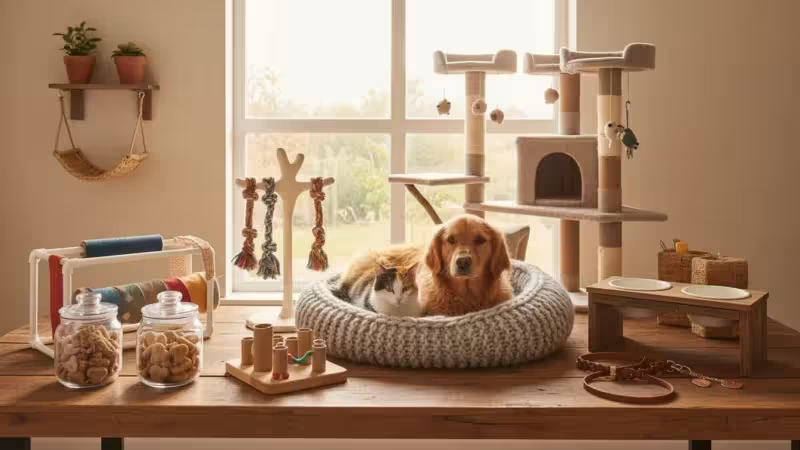
- Puzzle Toys: Incorporate puzzle feeders for dogs and cats. These toys dispense treats or kibble as your pet solves a problem, stimulating their cognitive abilities. You can find them in aesthetically pleasing designs made from natural wood or durable, colorful plastics.
- Scent Games: Create a designated area for “nose work.” Hide treats or toys for your dog to find, tapping into their natural scenting abilities. Snuffle mats, which are fabric mats with many folds for hiding treats, also offer excellent mental stimulation and look charming.
- Interactive Play Zones: Set up a small area with interactive toys like automatic laser pointers for cats (use with caution, ensuring the cat “catches” a physical toy at the end to prevent frustration) or flirt poles for dogs. Rotate toys regularly to keep interest high, storing unused toys in attractive bins or baskets.
- Chew Stations: For dogs, a designated chew area with appropriate, safe chew toys satisfies their natural urge to chew, protecting your furniture.
By providing ample enrichment, you create a dynamic and engaging environment, supporting a fulfilling pet lifestyle and preventing common behavioral issues. Remember to choose toys appropriate for your pet’s size and chewing habits, always prioritizing safety.
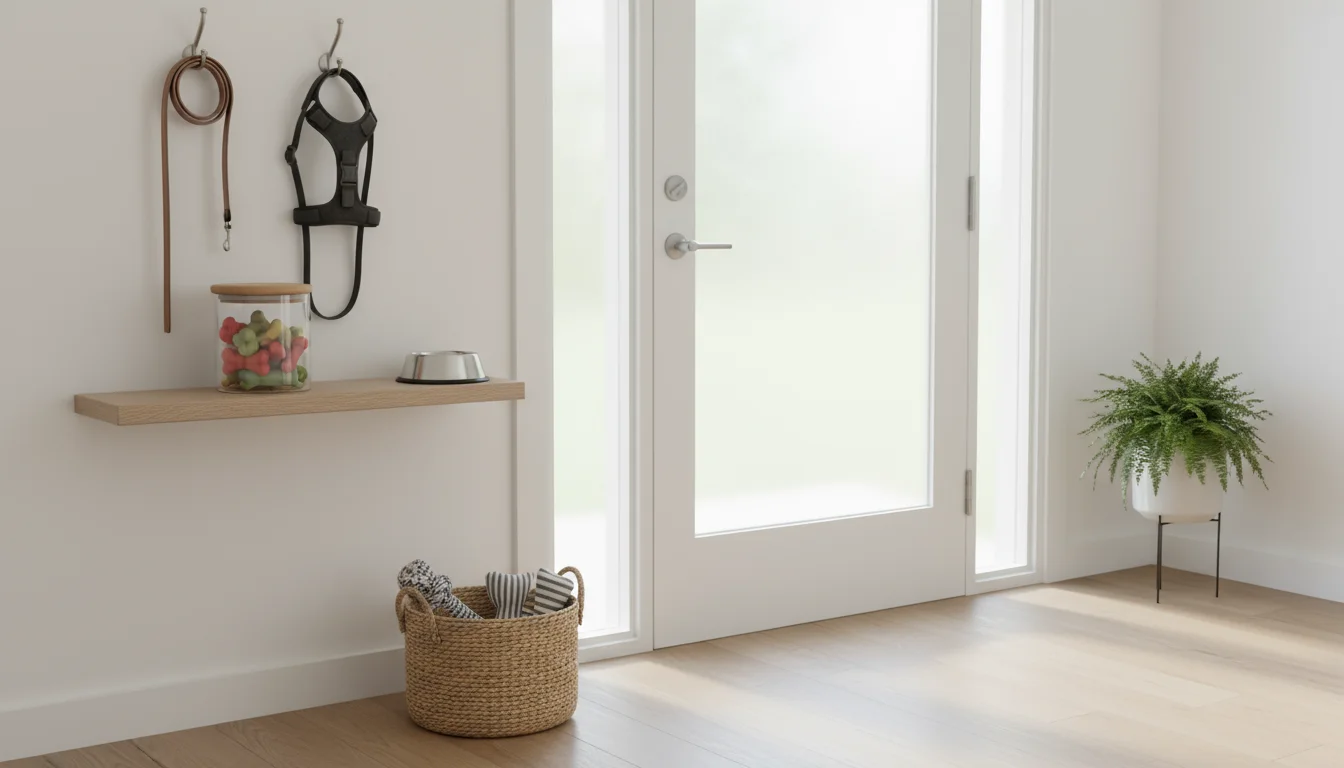
Organization and Cleanliness: The Unseen Art
A truly Instagram-worthy pet space maintains an impeccable appearance, and that includes excellent organization and cleanliness. An organized space reduces stress for both you and your pet and makes daily pet care much simpler. You actively manage pet clutter to maintain a serene environment.
To keep the rest of your home fur-free, consider creating a dedicated grooming station that blends into your organized aesthetic.
Implement clever storage solutions for pet supplies. Use decorative baskets or bins for toys, placing them within easy reach for your pet but out of the main thoroughfare. Attractive airtight containers keep treats fresh and odors contained. Wall-mounted hooks can hold leashes, harnesses, and grooming mitts, keeping them tidy and accessible.
Regular cleaning is paramount. Invest in a good pet-specific vacuum cleaner designed to handle pet hair. Keep pet-safe cleaning sprays readily available for quick cleanups of accidents or muddy paw prints. According to Fear Free Pets, maintaining a clean environment reduces stress for animals and minimizes exposure to potential irritants. Regularly wash pet beds, blankets, and crate liners. For litter boxes, scoop daily and perform a full litter change and box cleaning weekly. By integrating these habits into your routine, you ensure your pet’s space always looks its best, ready for its close-up.
Personal Touches: Making it Uniquely Yours
Injecting personal touches transforms a well-designed pet space into one that truly reflects your bond with your companion. These unique elements make the space authentic and contribute to its Instagram appeal. You infuse your pet’s area with warmth and character.
For a truly custom look, explore these DIY pet projects to build your own unique furniture and accessories.
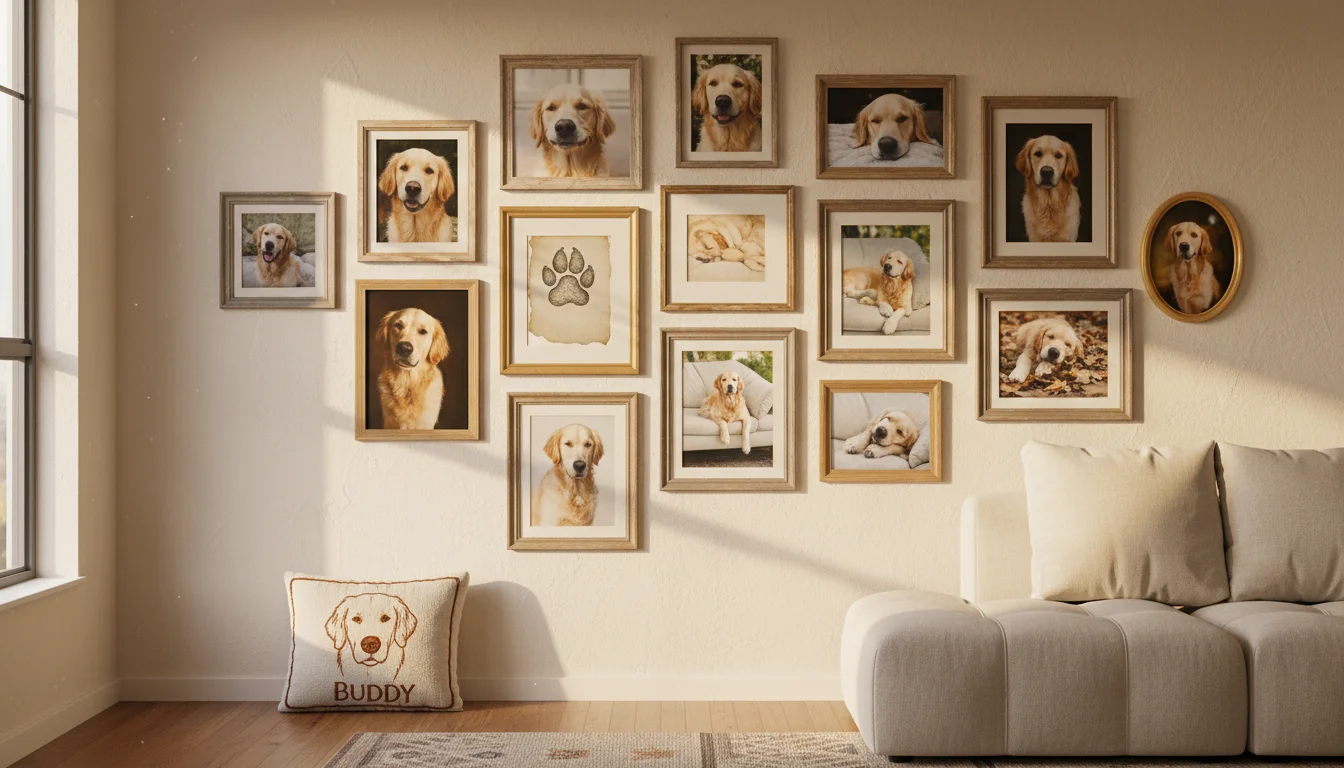
Consider incorporating custom elements. A personalized food bowl with your pet’s name, a custom-embroidered bed, or a piece of wall art featuring your pet’s likeness adds a charming touch. Display photos of your pet enjoying various adventures or simply relaxing in their favorite spots. You can create a gallery wall dedicated to your furry family members, featuring framed photos of them, paw print art, or even custom illustrations.
Themed decor can also elevate the space. If your home has a specific aesthetic, like modern farmhouse or bohemian, select pet accessories that complement that style. For example, a macrame cat hammock for a boho home or a rustic wooden dog bed for a farmhouse feel. Remember to always prioritize pet safety when adding decor. Ensure items are securely placed, non-toxic, and do not pose a choking hazard. Choose sturdy, durable materials that can withstand playful interactions. These thoughtful details create a truly unique and heartwarming pet lifestyle environment.
Troubleshooting and Adapting Your Space
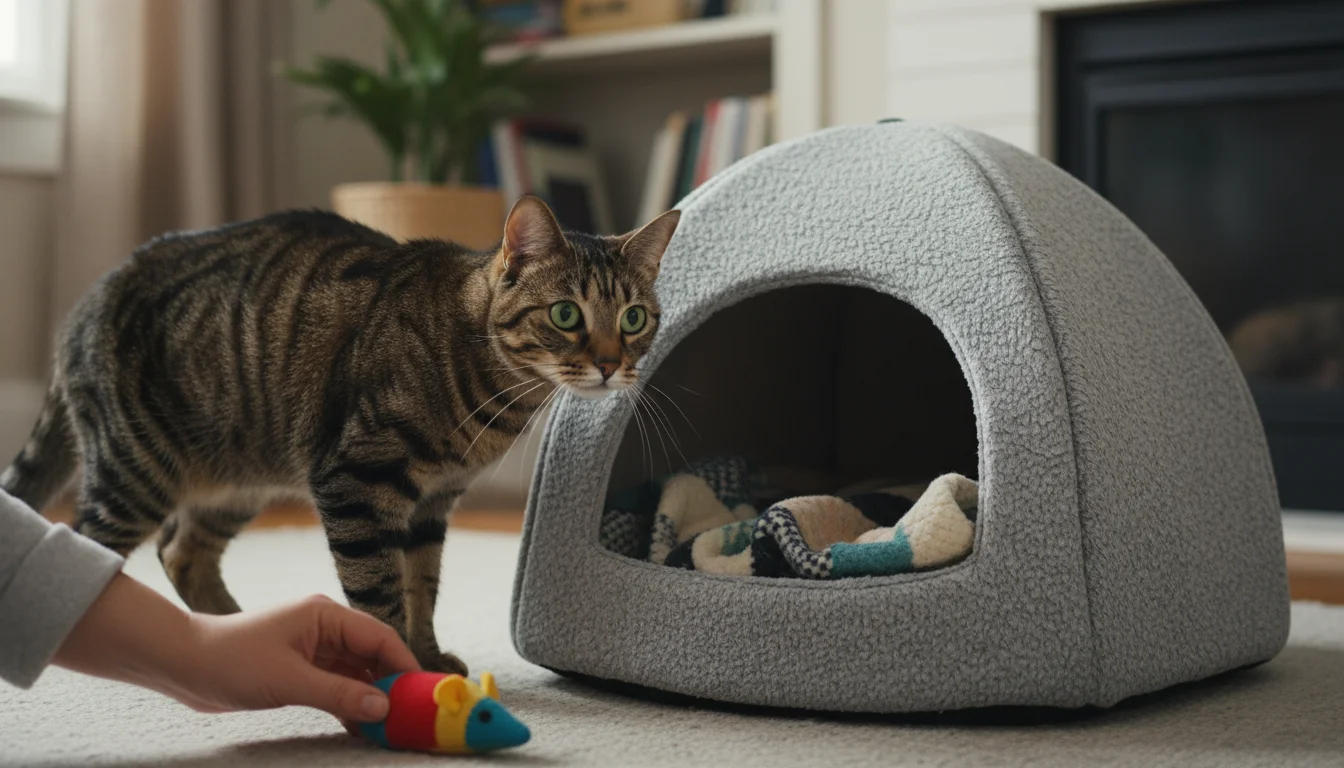
Even with the best intentions, your pet might not immediately take to their new Instagram-worthy space. Pets, like people, have preferences, and you might need to make adjustments. You proactively solve any issues to ensure your pet’s comfort.
If your pet avoids a new bed or area, try these practical pet tips:
- Scent Transfer: Place a blanket or toy with your pet’s familiar scent in the new spot. For cats, spraying feline pheromone sprays can help them feel more secure.
- Positive Association: Lure your pet to the new area with high-value treats or favorite toys. Offer praise and gentle petting when they are in the space. Never force them into it. According to the Certification Council for Professional Dog Trainers (CCPDT), positive reinforcement creates lasting positive associations.
- Adjust Location: If a spot proves too noisy or busy, try moving the bed or litter box to a quieter corner. Observe your pet’s reaction in different areas.
- Material Preferences: Some pets prefer softer textures, while others might like a firmer surface. Experiment with different types of bedding or scratching materials.
As your pet ages, their needs will change. Older pets might require more accessible beds or ramps to reach elevated spots they once managed easily. Similarly, if you introduce a new pet, you will need to adapt the space to accommodate multi-pet dynamics, ensuring each animal has their own designated safe zone and resources. Always monitor your pet’s behavior for signs of discomfort or stress, and consult with a veterinarian or certified professional dog trainer if behavioral issues persist.
Frequently Asked Questions
How do I make my cat’s litter box less visible for photos?
You can use stylish litter box enclosures that blend with your furniture, or place the litter box inside a cabinet with a pet-access hole. Some modern litter boxes feature sleek designs that are less conspicuous. Ensure the enclosure provides ample space and ventilation for your cat’s comfort and health.
What if my dog chews on everything in their new space?
This behavior often indicates boredom, anxiety, or a lack of appropriate chew outlets. Ensure you provide plenty of durable, pet-safe chew toys suitable for your dog’s size and chewing intensity. Supervise your dog, redirecting them to appropriate chews when they start on furniture. If destructive chewing persists, consult a certified professional dog trainer or veterinary behaviorist for guidance.
How can I make my pet’s feeding station more appealing?
Choose ceramic or stainless steel bowls in colors that complement your decor. Elevate bowls for larger dogs using a stylish wooden or metal stand. Place a decorative, washable mat underneath to catch spills, and keep the area tidy. Consider a slow-feeder bowl if your pet eats too quickly, which also adds visual interest and mental stimulation.
Are air purifiers safe to use in a pet space?
Many air purifiers are safe and can significantly improve air quality by reducing pet dander and odors. Look for models with HEPA filters. Ensure the purifier does not use ozone or strong ionizers, as these can be harmful to pets. Position it where your pet cannot easily knock it over or chew on the cord.
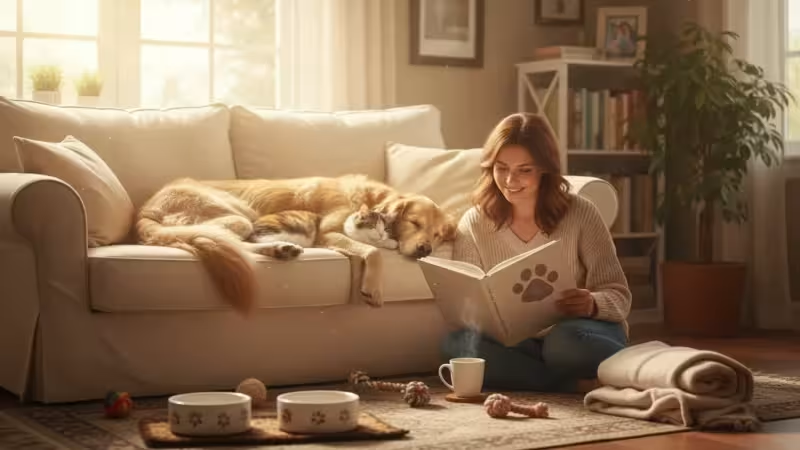
You possess the tools and knowledge to create a truly spectacular pet space. By combining aesthetic appeal with genuine concern for your pet’s well-being, you design an environment that is not only Instagram-worthy but also deeply enriching for your beloved companion. Enjoy the process of crafting a beautiful and functional pet lifestyle zone.
For expert pet care guidance, visit
Vetstreet,
Fear Free Pets and
The Spruce Pets.
Disclaimer: This article is for informational purposes only and is not a substitute for professional veterinary advice, diagnosis, or treatment. Always consult with a licensed veterinarian for medical concerns about your pet.



Leave a Reply