
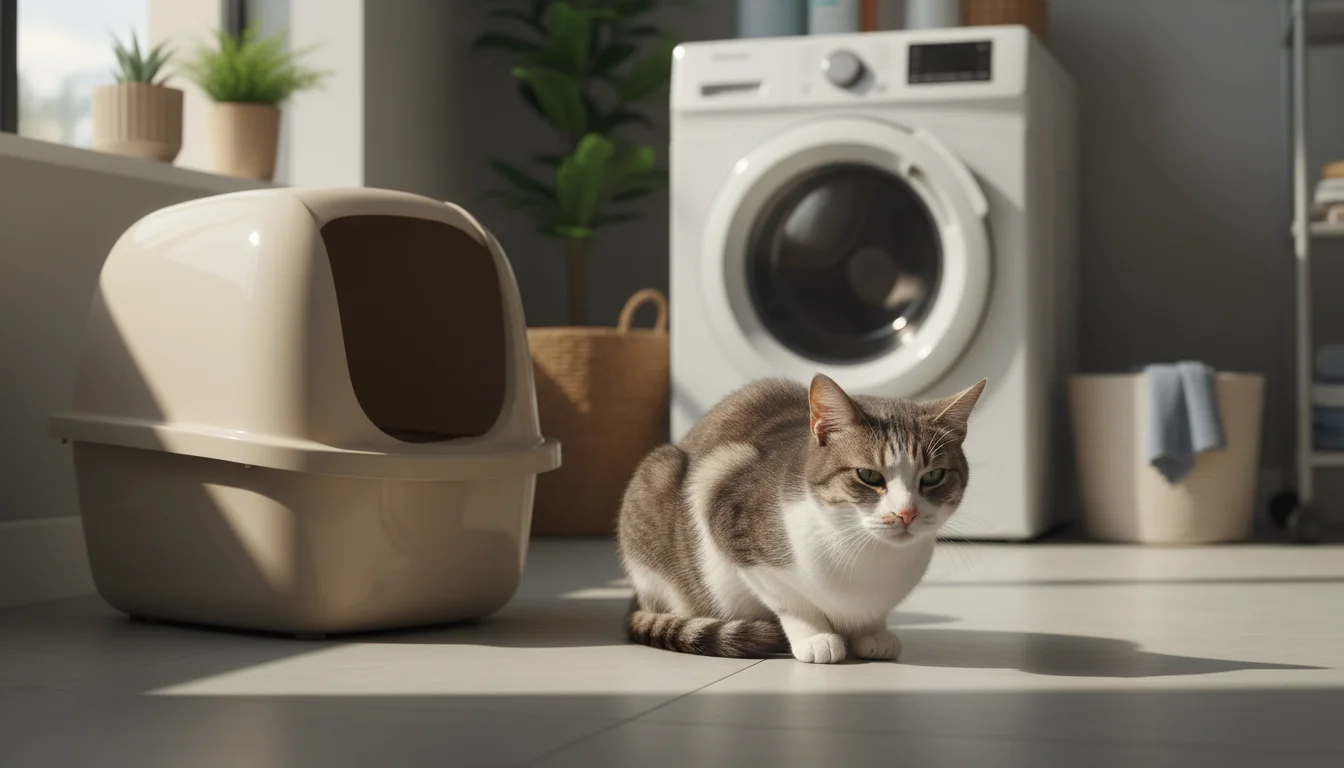
Common Gastrointestinal Issues in Cats
Digestive upset is a frequent concern for cat owners. While occasional vomiting or diarrhea might be benign, persistent or severe symptoms warrant veterinary attention. Recognizing what are signs of trouble helps you decide when to seek professional help.
Preventing digestive upset often starts with nutrition, so choosing the right cat food for your pet’s age and activity level is a vital first step.
Vomiting
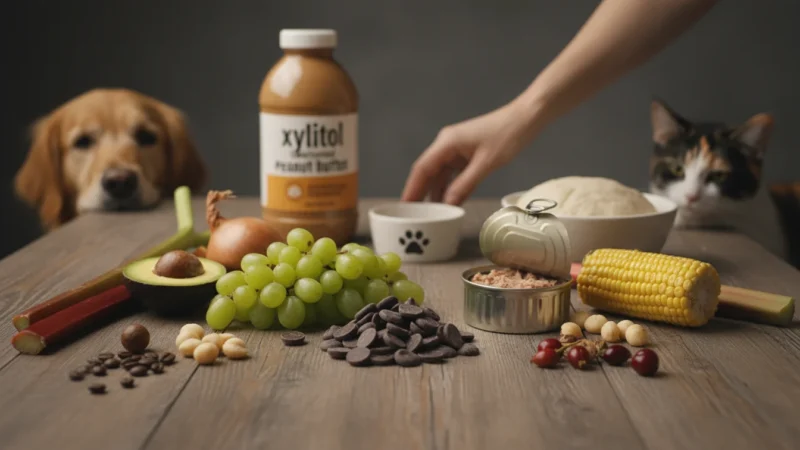
Sudden gastrointestinal distress can sometimes be caused by dietary mishaps, including the ingestion of common human foods that are dangerous for pets.
Cats vomit for various reasons, from hairballs to serious underlying illnesses.
Common Causes:
- Hairballs: Cats groom themselves meticulously, often ingesting loose fur that forms hairballs in their digestive tract. While occasional hairball vomiting is normal, frequent or productive vomiting (vomiting food and hair) could indicate an issue.
- Dietary Indiscretion: Eating something spoiled, too quickly, or an abrupt change in diet can lead to vomiting.
- Food Allergies or Sensitivities: Some cats react poorly to certain ingredients in their food.
- Parasites: Intestinal worms can irritate the stomach and intestines.
- Inflammatory Bowel Disease (IBD): A chronic condition causing inflammation of the digestive tract.
- Kidney Disease, Pancreatitis, Hyperthyroidism: More serious systemic diseases often present with vomiting as a symptom.
Warning Signs: Persistent vomiting (more than once or twice in 24 hours), vomiting blood, lethargy, loss of appetite, dehydration, or concurrent diarrhea.
Home Monitoring: If your cat vomits once and then seems fine, monitor them for a few hours. Withhold food for 12-24 hours (with vet approval for kittens or cats with other conditions), then offer small amounts of a bland diet (boiled chicken and rice or a veterinary gastrointestinal diet). Ensure access to fresh water.
Diarrhea
Diarrhea in cats, characterized by loose or watery stools, can also range from mild to severe.
Common Causes:
- Dietary Changes or Indiscretion: Similar to vomiting, new foods or eating inappropriate items can cause diarrhea.
- Parasites: Giardia, coccidia, and various intestinal worms are common culprits.
- Bacterial or Viral Infections: Salmonella, Campylobacter, Feline Panleukopenia.
- Food Allergies/Sensitivities: Specific ingredients can trigger digestive upset.
- Inflammatory Bowel Disease (IBD): Chronic diarrhea is a hallmark symptom.
- Pancreatitis or Hyperthyroidism: These systemic diseases can also cause diarrhea.
Warning Signs: Persistent diarrhea (more than 24-48 hours), blood in stool, black tarry stool (melena), vomiting, lethargy, dehydration, straining to defecate, or weight loss.
Home Monitoring: For mild, single-episode diarrhea, ensure hydration. A bland diet for a few days may help. Collect a stool sample if possible, as your vet may request it.







Leave a Reply