
Skin and Coat Problems: Allergies, Parasites, and More
A healthy coat is a good indicator of overall health. Changes in your cat’s skin or fur can signal underlying issues, from external parasites to allergies or systemic diseases.
Common Skin Issues:
- Fleas: Even a few fleas can cause intense itching, especially in sensitive cats. You might see flea dirt (tiny black specks, which are flea feces) on your cat’s skin.
- Allergies: Cats can develop allergies to food, environmental allergens (pollen, dust mites), or flea bites (flea allergy dermatitis). This leads to intense itching.
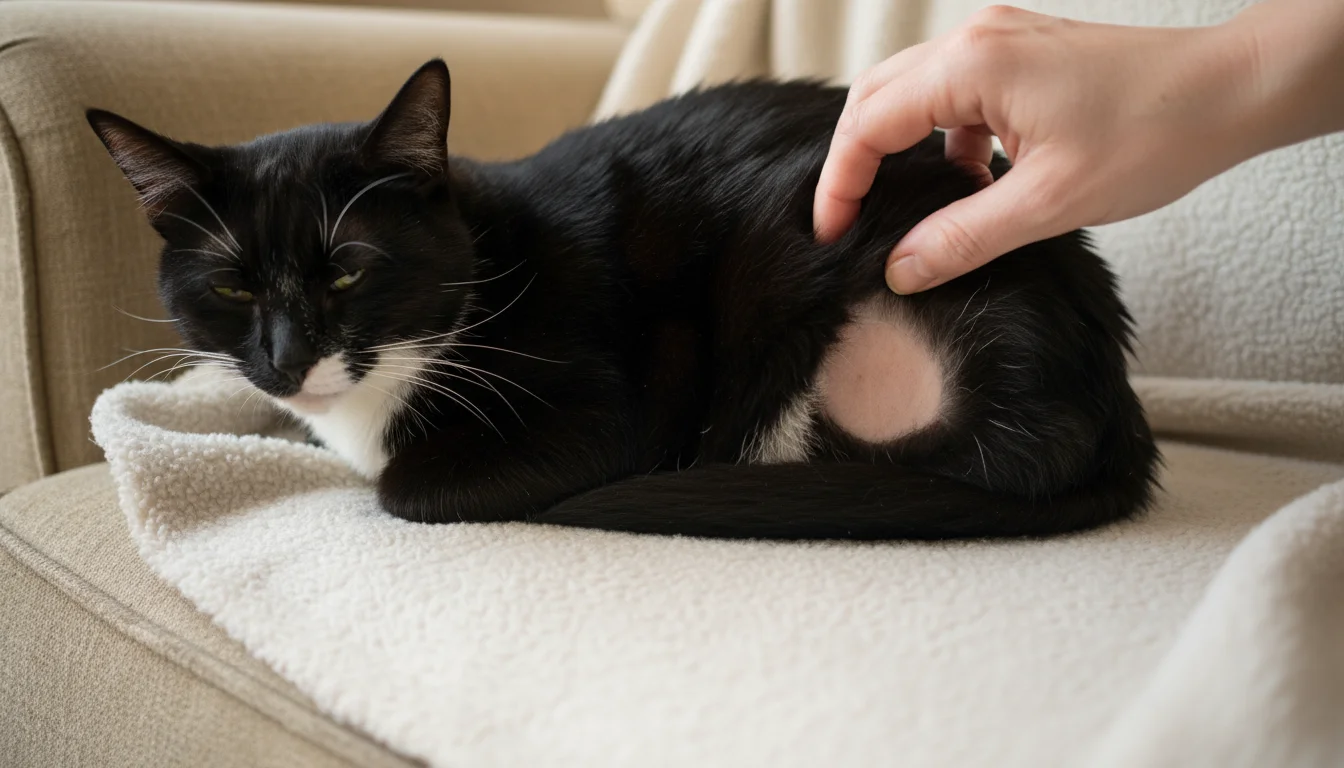
- Ringworm: A fungal infection causing patchy hair loss and scaly lesions, often circular. It is zoonotic, meaning it can spread to humans.
- Mange: Caused by microscopic mites, leading to hair loss, scabs, and severe itching.
- Dermatitis: General inflammation of the skin, often caused by self-trauma from over-grooming due to itchiness.
Warning Signs:
- Excessive Scratching, Licking, or Chewing: Concentrated on specific areas or generalized.
- Hair Loss (Alopecia): Patches of thin or missing fur.
- Redness or Inflammation of the Skin.
- Scabs, Bumps, or Lesions.
- Dandruff or Flaky Skin.
- Matted or Oily Coat: Especially if your cat stops grooming due to pain or illness.
When to See a Vet: Any persistent skin issue warrants a vet visit. Your veterinarian can perform diagnostic tests to identify the cause, which might include skin scrapings, fungal cultures, or allergy testing. Timely intervention prevents further discomfort and secondary infections.
| Condition | Primary Symptoms | Common Causes |
|---|---|---|
| Flea Allergy Dermatitis | Intense itching, hair loss, scabs (especially on hindquarters, tail base) | Flea bites (even just a few) |
| Ringworm | Circular patches of hair loss, scaling, crusting | Fungal infection |
| Environmental Allergies | Generalized itching, excessive grooming, skin inflammation | Pollen, dust mites, mold |
| Food Allergies | Chronic itching (often around head/neck), gastrointestinal upset | Specific food proteins (e.g., chicken, beef, fish) |
Recognizing Pain and Mobility Issues
Cats are notoriously stoic, making pain recognition challenging. Changes in mobility or behavior can be subtle but are critical indicators of discomfort or underlying musculoskeletal problems, particularly in older cats. Early intervention can significantly improve your cat’s quality of life.
Subtle Signs of Pain:
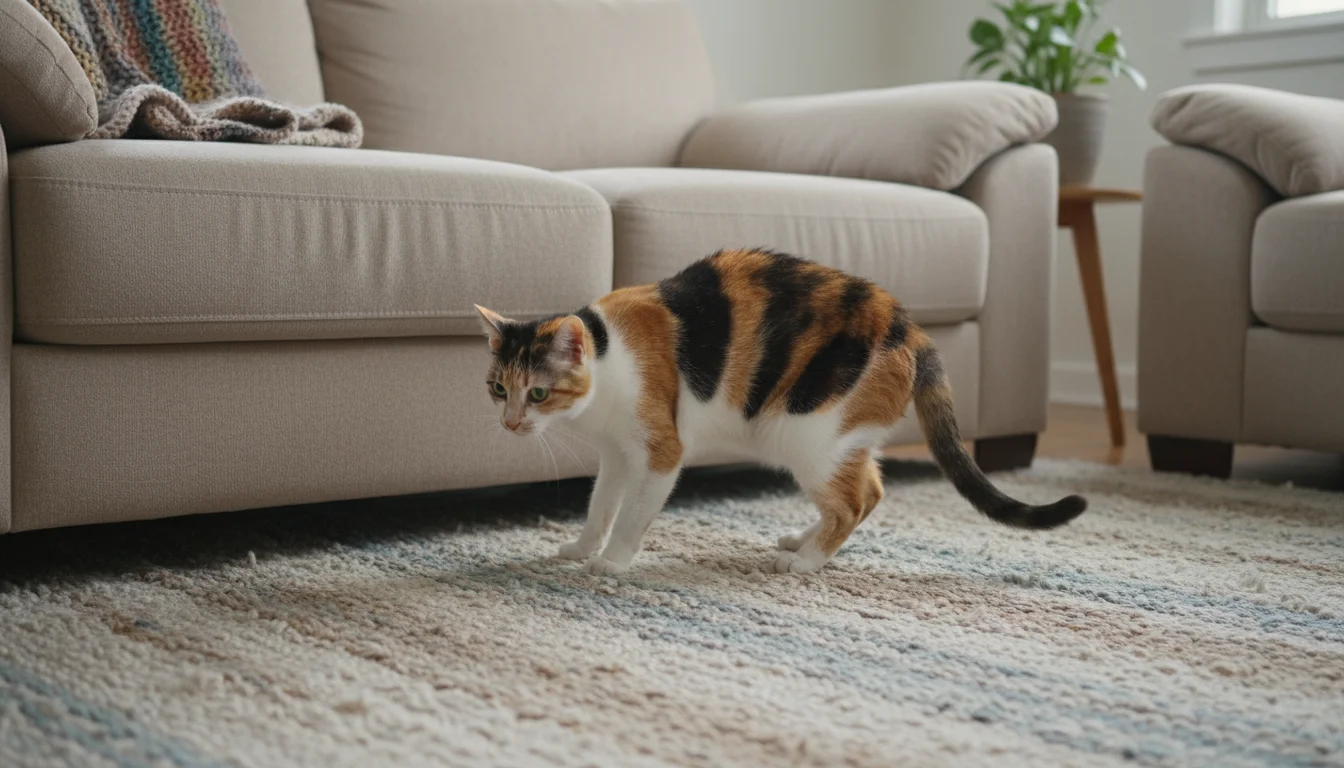
- Changes in Gait: Limping, stiffness, difficulty jumping onto furniture they once easily accessed, or favoring a limb.
- Reluctance to Move: Less active, sleeping more, avoiding play, or hesitating to use stairs.
- Difficulty with Grooming: Matted or unkempt fur, especially in areas they can no longer reach, such as the back or hindquarters.
- Changes in Litter Box Habits: Difficulty getting into or out of the litter box, leading to accidents outside.
- Vocalization: Increased meowing, growling, or hissing when touched or moving.
- Hiding or Increased Irritability: Seeking isolation, becoming aggressive when handled, or reacting defensively.
- Altered Posture: Hunching, holding a limb abnormally, or a generally tense body posture.
- Loss of Appetite or Weight Loss: Pain can suppress appetite.
Common Causes of Pain and Mobility Issues:
- Arthritis (Osteoarthritis): Degenerative joint disease, common in older cats. It causes chronic pain and stiffness in joints.
- Injuries: Sprains, fractures, or soft tissue injuries from falls or trauma.
- Neurological Conditions: Disc disease, nerve damage, or other spinal problems.
- Dental Disease: As discussed, severe dental pain can manifest as general discomfort and reluctance to eat.
- Organ Disease: Kidney disease, pancreatitis, or cancer can cause generalized discomfort and lethargy.
When to See a Vet: If you notice any of these signs, even subtle ones, schedule a veterinary examination. Your vet can perform a thorough physical assessment, possibly recommending X-rays or other diagnostics to identify the cause of pain. Management may involve pain medication, joint supplements, weight management, environmental modifications, or physical therapy. The goal is to make your cat as comfortable as possible and improve their overall pet health.





Leave a Reply