

As a devoted pet owner, you prioritize your companion’s health and happiness. Part of responsible pet care involves safeguarding them from pervasive pests: fleas and ticks. These tiny invaders pose more than just an annoyance. They transmit diseases, cause painful skin conditions, and can severely impact your pet’s well-being. This guide provides comprehensive, actionable insights into effective flea and tick prevention year-round, ensuring your furry friend stays healthy and comfortable.

Why Year-Round Flea and Tick Prevention is Essential
Many pet owners mistakenly believe fleas and ticks disappear during colder months. This common misconception leaves pets vulnerable. Fleas and ticks are hardy parasites, adapting to survive diverse conditions. Fleas, in particular, thrive indoors year-round, nesting in carpets, furniture, and pet bedding, only to re-emerge when temperatures rise. Ticks also remain active in surprising ways. Some species, like the blacklegged tick (deer tick), actively search for hosts even in near-freezing temperatures when snow cover is minimal. Others overwinter in leaf litter, ready to emerge with the first hint of warmth.
The consequences of infestation extend beyond discomfort. Fleas cause intense itching, leading to skin infections, hair loss, and flea allergy dermatitis, a severe allergic reaction to flea saliva. Heavy infestations, especially in puppies and kittens, lead to anemia, a potentially fatal condition. Fleas also transmit tapeworms to both pets and humans.
Ticks present an even more serious threat. They carry a variety of debilitating diseases, including Lyme disease, Anaplasmosis, Ehrlichiosis, Rocky Mountain spotted fever, and Babesiosis. These diseases often cause chronic pain, joint issues, kidney failure, and neurological problems. Some, like Rocky Mountain spotted fever, even pose a risk to humans. Protecting your pet means protecting your entire household from these insidious parasites. This is why a consistent, year-round approach to how to flea and tick prevention: a year-round guide strategy is a non-negotiable aspect of responsible pet health management.

Understanding Your Enemy: Fleas and Ticks Explained
Effective prevention starts with understanding the pests you aim to control.
Fleas: Tiny Leapers with a Complex Life Cycle
The most common flea affecting pets is the cat flea, Ctenocephalides felis, which happily infests both cats and dogs. Fleas have a four-stage life cycle: egg, larva, pupa, and adult. Only adult fleas live on your pet and feed on blood. The female flea lays eggs on your pet, which then fall off into the environment (your home, yard, car). These eggs hatch into larvae, which feed on organic debris, including adult flea feces. Larvae then develop into pupae, encased in a protective cocoon, where they can survive for months. Warmth, vibrations, and carbon dioxide trigger pupae to emerge as hungry adult fleas, ready to jump onto a host and restart the cycle.
This understanding highlights a critical point: if you only treat your pet, you miss the vast majority of the flea population residing in your home. For every flea you see on your pet, hundreds more eggs, larvae, and pupae hide in the environment.
Ticks: Stealthy Disease Vectors
Ticks are arachnids, related to spiders, and they undergo four life stages: egg, larva, nymph, and adult. Each active stage (larva, nymph, adult) requires a blood meal to progress. Ticks attach to a host, feed for several days, and then drop off to molt or lay eggs. They do not jump or fly; instead, they “quest,” waiting on vegetation for a host to brush by. They then crawl onto the host and find a suitable spot to attach.
Different tick species transmit different diseases:
- Deer Tick (Blacklegged Tick, Ixodes scapularis): Primarily responsible for Lyme disease, Anaplasmosis, and Powassan virus.
- American Dog Tick (Wood Tick, Dermacentor variabilis): Transmits Rocky Mountain spotted fever and Tularemia.
- Brown Dog Tick (Rhipicephalus sanguineus): Unique for completing its entire life cycle indoors, transmitting Ehrlichiosis and Babesiosis.
- Lone Star Tick (Amblyomma americanum): Known for transmitting Ehrlichiosis, Tularemia, and STARI (Southern Tick-Associated Rash Illness).
Awareness of these common species and their associated risks helps you understand the importance of comprehensive flea and tick prevention for pets.

Choosing the Right Preventative for Your Pet
With a multitude of products available, selecting the best preventative for your pet requires careful consideration. Consult your veterinarian to discuss options tailored to your pet’s specific needs, health status, and lifestyle. Never use a product designed for a dog on a cat, or vice versa, as ingredients and dosages differ significantly and can be toxic.
In addition to parasite control, maintaining a complete vaccination schedule is another vital pillar of your companion’s long-term health.
Oral Medications (Chewables)
How they work: These palatable tablets typically contain an insecticide or insect growth regulator that enters your pet’s bloodstream. When a flea or tick bites your pet, it ingests the active ingredient, which then kills or sterilizes the parasite.
Pros: Highly effective, generally well-tolerated, no messy application, not affected by bathing or swimming, good for pets with skin sensitivities, and safe for households with small children who might touch topical applications.
Cons: Requires ingestion, so some picky eaters might resist. Side effects are rare but can include vomiting, diarrhea, or neurological symptoms.
Examples: Bravecto, NexGard, Simparica Trio (also protects against heartworm and other internal parasites), Credelio.
Best for: Most dogs and cats, especially those who swim frequently, have skin conditions, or live in households with young children.
Topical Spot-Ons
How they work: Applied directly to the skin, usually between the shoulder blades, these solutions spread over the pet’s skin and coat, often concentrating in the oil glands. They repel or kill fleas and ticks on contact or after a bite.
Pros: Easy to apply for many pets, generally effective.
Cons: Can leave a greasy residue, requires careful application (parting fur to reach skin), needs strict drying time, can be washed off if bathing too soon, some pets might have skin irritation at the application site. Not suitable for pets that lick the application site or live with other pets who might groom the treated area.
Examples: Frontline Plus, K9 Advantix II (dogs only, toxic to cats), Advantage II.
Best for: Pets who tolerate topical application and do not have sensitive skin, or in households where oral medications are not feasible.
Flea and Tick Collars
How they work: Modern flea and tick collars release active ingredients that either repel or kill parasites on contact or are absorbed into the pet’s skin oils. Older, cheaper collars often only repelled pests in the immediate vicinity of the collar.
Pros: Convenient, long-lasting (up to 8 months for some collars), no oral medication needed.
Cons: Potential for skin irritation under the collar, less effective on body areas far from the collar, can pose a choking or entanglement hazard if not properly fitted. Some pets react poorly to chemicals in collars.
Examples: Seresto (dogs and cats).
Best for: Pets who tolerate collars well and whose owners prefer a longer-lasting, low-maintenance option.
Shampoos, Sprays, and Dips
How they work: These products typically provide immediate, temporary relief from an active infestation but offer little to no residual protection. Shampoos wash off, sprays coat the fur, and dips involve immersing the pet in a chemical solution.
Pros: Immediate kill of existing parasites.
Cons: Short-lived effectiveness, often harsh chemicals, labor-intensive, some dips can be toxic if not used correctly. Not suitable for long-term prevention.
Best for: As a first step to reduce an active, heavy infestation, followed by a long-term preventative.
Factors to discuss with your veterinarian when choosing a preventative:
- Pet Species and Age: Ensure the product is specifically approved for your pet (dog or cat) and their age (e.g., puppies and kittens require specific formulations).
- Weight: Dosage is weight-dependent. An incorrect dose can be ineffective or dangerous.
- Health Conditions: Certain medications might interact with existing health conditions or other medications.
- Lifestyle: An indoor-only cat still needs protection, but an outdoor hunting dog might need more robust coverage. Traveling to areas with high parasite prevalence also influences choices.
- Geographic Location: Your vet knows which parasites are most prevalent in your area and which products effectively target them.
- Multi-Pet Household: Consider potential interactions if pets groom each other.
- Presence of Children: Some topicals require caution around children until dry.
- Budget: While preventative care is an investment, discuss options that fit your financial situation without compromising effectiveness.
According to the American Veterinary Medical Association (AVMA), regular veterinary visits are crucial for establishing an effective parasite control program tailored to your pet’s specific needs and risk factors.

A Comprehensive Year-Round Prevention Strategy
A truly effective pet health approach to flea and tick prevention extends beyond applying a single product. It involves a holistic strategy encompassing your pet, your home, and your yard.
Because peak parasite activity often aligns with rising temperatures, you may also want to review our tips for summer dog care to keep your pet comfortable.
1. Consistent Pet Treatment
This is the cornerstone of your strategy. Administer your chosen preventative product consistently, year-round, without skipping doses. If your product is monthly, apply it every month. If it lasts for three months, reapply punctually. Set reminders on your phone or mark your calendar to avoid lapses in protection. Even if you don’t see any fleas or ticks, they are likely present in the environment or could hitch a ride on you or other animals.

2. Environmental Control for Fleas
Since the vast majority of a flea population lives off your pet, you must address your home environment.
- Vacuum Regularly: Frequent vacuuming (daily for heavy infestations, several times a week otherwise) removes flea eggs, larvae, and pupae from carpets, rugs, and upholstery. Immediately empty the vacuum bag outside into a sealed trash bag to prevent fleas from escaping.
- Wash Bedding: Wash all pet bedding, blankets, and your own bedding (if your pet sleeps with you) in hot water at least once a week.
- Treat Hot Spots: Consider treating areas where your pet spends a lot of time with veterinary-approved environmental sprays or powders containing insect growth regulators (IGRs). IGRs prevent flea eggs and larvae from developing into biting adults.
- Outdoor Yard Treatment: If your yard is a known source of fleas, you might consider professional pest control or pet-safe yard treatments. Focus on shady, moist areas where fleas thrive.
3. Regular Tick Checks
Even with preventatives, ticks can attach before the product kills them. This is especially true in areas with high tick populations. Perform a thorough tick check on your pet every time they come in from outdoors, especially after walks in wooded or grassy areas. Focus on:
- Behind and inside the ears
- Around the face and chin
- In the armpits
- Between the toes
- Around the tail
- Under the collar
Run your hands over your pet’s body, feeling for any small bumps. If you find one, remove it promptly and correctly.
4. Landscape Management to Deter Ticks
You can make your yard less attractive to ticks:
- Keep grass mowed short.
- Remove leaf litter and brush piles.
- Create a barrier of wood chips or gravel (3 feet wide) between wooded areas and your lawn.
- Trim shrubs and trees to increase sunlight and reduce humidity.
- Consider deer-resistant plantings if deer are common in your area, as they are major tick hosts.
These pet tips can significantly reduce your pet’s exposure risk.

Application Best Practices and Common Mistakes
Even the best preventative is ineffective if you do not use it correctly. Proper application is vital for your pet’s safety and the product’s efficacy.
For Topical Spot-Ons:
- Read Instructions Carefully: Each product has specific instructions. Follow them precisely regarding dosage, application site, and frequency.
- Apply to Skin, Not Fur: Part your pet’s fur at the application site (usually between the shoulder blades) until you see the skin. Apply the entire contents of the applicator directly onto the skin. If your pet has a long body, apply the product in a few spots along the spine to ensure proper distribution.
- Avoid Licking: Prevent your pet from licking the application site until it is completely dry. This is crucial for cats, as many dog-specific topical ingredients are toxic to them. You might need to use an Elizabethan collar for a short period or distract your pet.
- No Bathing Before/After: Wait at least 48 hours before and after application to bathe your pet, as bathing can reduce the product’s effectiveness by stripping natural skin oils.
- Proper Storage: Store products according to manufacturer guidelines, out of reach of children and pets.
For Oral Medications:
- Administer with Food: Many oral medications are more palatable and better absorbed when given with a meal. Check the specific instructions for your product.
- Ensure Full Dose: Make sure your pet eats the entire tablet. If they spit it out or only eat part of it, they may not receive adequate protection. You might need to hide it in a treat.
- Observe for Reactions: Monitor your pet for any adverse reactions after administration, especially with the first dose.
Common Mistakes to Avoid:
- Skipping Doses: Inconsistent application creates gaps in protection, allowing infestations to take hold.
- Using the Wrong Product: Never use a dog product on a cat. Many dog products contain permethrin, which is highly toxic to cats. Always confirm the product is safe for your specific pet’s species and age.
- Incorrect Dosage: Using a dose meant for a smaller or larger pet compromises efficacy or safety.
- Not Treating the Environment: Focusing solely on your pet without addressing eggs and larvae in the home sets you up for recurrent infestations.
- Assuming Immunity: Even indoor pets or those with short coats can get fleas and ticks. They hitch rides on humans, other pets, or even rodents.
- Believing “Natural” Remedies are Sufficient: While some natural deterrents like essential oils may have mild repellent properties, they do not offer the consistent, science-backed protection of veterinary-prescribed products and can even be toxic to pets. Always prioritize proven solutions and consult your vet.
The ASPCA stresses the importance of using only veterinary-approved flea and tick products, as many over-the-counter options can be ineffective or even harmful if misused.
What to Do If You Find Fleas or Ticks
Even with the best preventative plan, finding an occasional flea or tick can happen. Prompt action is key.
In some cases, knowing how to administer first aid is useful if your pet has a localized reaction to a tick bite.
If You Find a Tick:
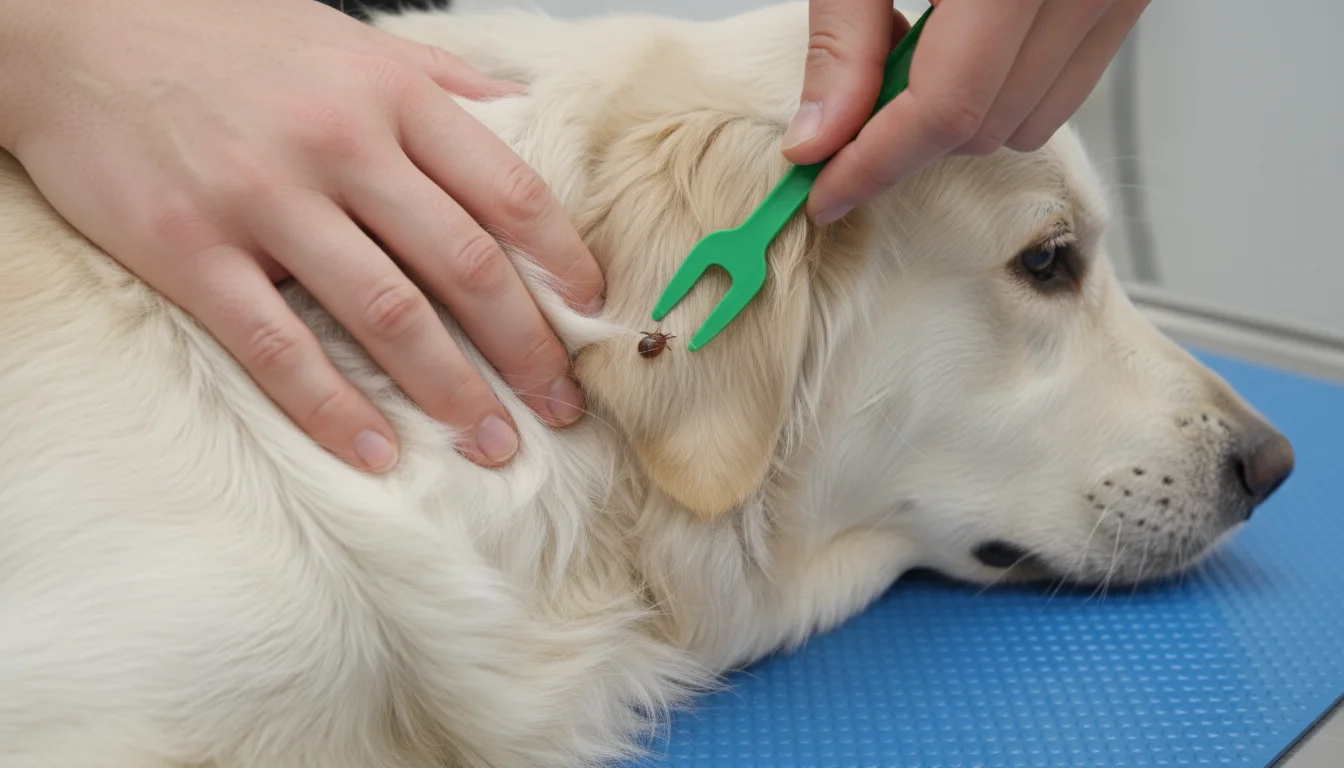
Safe Removal:
- Gather Supplies: You will need fine-tipped tweezers, gloves, antiseptic, and rubbing alcohol.
- Grasp Firmly: Using the tweezers, grasp the tick as close to your pet’s skin as possible. Do not twist or jerk the tick, as this can leave mouthparts embedded in the skin.
- Pull Straight Up: Pull upward with steady, even pressure. The tick should release its grip.
- Clean the Area: Clean the bite area with antiseptic.
- Dispose of the Tick: Drown the tick in rubbing alcohol or flush it down the toilet. Do not crush it with your fingers.
- Monitor: Watch the bite area for any signs of infection or irritation. If you notice swelling, redness, or discharge, contact your vet.
Consider saving the tick in a sealed bag with a damp paper towel to show your veterinarian, especially if your pet develops symptoms of a tick-borne illness.
If You Find Fleas:
If you find one or two fleas, it likely indicates a larger environmental problem. An active infestation requires a multi-pronged approach:
- Treat Your Pet: Administer a fast-acting, veterinarian-recommended flea killer to eliminate adult fleas on your pet. Continue with your regular preventative schedule.
- Bathe Your Pet (Optional): A flea shampoo can provide immediate relief by killing fleas present at the time of bathing. Remember to follow up with a long-term preventative once your pet is dry.
- Treat Your Home Environment: This is critical. Vacuum daily, wash all bedding in hot water, and consider using a pet-safe environmental flea spray or fogger with an IGR for severe infestations. Focus on cracks, crevices, and areas where your pet rests.
- Treat All Pets: If you have multiple pets, even those not showing signs of fleas need treatment, as they can harbor the parasites and contribute to the environmental load.
- Consult Your Vet: If the infestation is severe or persistent, your vet can provide stronger treatments and advice.

When to Consult Your Veterinarian
Your veterinarian is your primary resource for all aspects of pet health, including parasite prevention. Do not hesitate to contact them if you encounter any of these situations:
Beyond parasite concerns, familiarizing yourself with warning signs your pet needs a vet can help you identify other health issues early.
Familiarizing yourself with the warning signs your pet needs a vet visit can help you act quickly if an infestation leads to secondary health issues.
- Before Starting a New Preventative: Always consult your vet to choose the safest and most effective product for your pet’s specific needs, breed, age, and health status. They offer tailored pet tips.
- Adverse Reactions: If your pet experiences vomiting, diarrhea, lethargy, skin irritation, seizures, or any unusual behavior after administering a preventative, seek immediate veterinary attention.
- Persistent Infestations: If you continue to find fleas or ticks despite consistent preventative use and environmental control, your vet can investigate for resistance issues, suggest alternative products, or rule out underlying health problems.
- Signs of Disease: If your pet shows any symptoms of a tick-borne illness (e.g., lameness, lethargy, fever, loss of appetite, swollen joints) or flea-borne disease (e.g., extreme itching, hair loss, pale gums from anemia, “rice-like” segments near the anus from tapeworms), contact your vet promptly. Early diagnosis and treatment are crucial. For example, Cornell University College of Veterinary Medicine provides extensive information on the diagnosis and treatment of Lyme disease in dogs, emphasizing the importance of veterinary intervention.
- Travel to New Areas: Inform your vet if you plan to travel with your pet to regions where different or more prevalent parasites exist. They might recommend additional or different preventative measures.
- Questions about Integrated Pest Management: For severe environmental issues, your vet can guide you on integrating various control methods effectively.

Frequently Asked Questions
Are natural flea and tick remedies effective and safe?
While some natural substances like essential oils (e.g., citronella, cedarwood, peppermint) may have mild repellent properties, they do not offer consistent, long-term, or proven protection against fleas and ticks. Many are also toxic to pets if ingested or applied incorrectly. Always rely on veterinary-approved, science-backed products for effective prevention, and discuss any natural remedies with your vet before use.
Can indoor-only pets still get fleas and ticks?
Absolutely. Fleas and ticks are opportunistic. Ticks can enter your home on your clothing or hair. Fleas can hitch a ride on humans, other pets that occasionally go outdoors, or even rodents that enter your home. Once inside, fleas can establish a thriving population in your carpets and furniture. Year-round prevention is essential for all pets, regardless of their indoor or outdoor status.
What if my pet has a bad reaction to their preventative?
If your pet experiences any adverse reactions (e.g., vomiting, diarrhea, skin irritation, lethargy, seizures) after receiving a preventative, contact your veterinarian immediately. They can assess the situation, provide appropriate care, and recommend an alternative product that is safer for your pet.
Can I split a dose of preventative meant for a larger pet to use on a smaller one?
Never split or alter dosages of flea and tick preventatives. These products are precisely formulated for specific weight ranges and species. Splitting doses can result in an ineffective dose, leaving your pet unprotected, or an incorrect dose that could lead to toxicity. Always purchase the correct product for your pet’s exact weight and species.
Do fleas and ticks develop resistance to preventatives over time?
Yes, parasites can develop resistance to certain active ingredients over time, making some products less effective in particular regions. This is why veterinarians often stay updated on local resistance patterns and may recommend rotating preventatives or switching to products with different active ingredients if an existing one becomes less effective. Always follow your vet’s recommendations for the most current and effective options.
For expert pet care guidance, visit
Cat Fanciers’ Association (CFA),
ASPCA and
The Humane Society of the United States.
Disclaimer: This article is for informational purposes only and is not a substitute for professional veterinary advice, diagnosis, or treatment. Always consult with a licensed veterinarian for medical concerns about your pet.
If your pet is resistant to swallowing pills, you can learn how to give your dog medication effectively using various stress-free methods.
It is also important to consider senior pet health needs, as older animals may have different sensitivities to certain medications.









Leave a Reply