

Unexpected accidents and sudden illnesses are a part of life, even for our beloved pets. Knowing how to administer first aid to your pet in an emergency can make a critical difference, potentially saving their life or preventing further injury until you can reach a veterinarian. While nothing replaces professional veterinary care, your quick, informed actions can provide crucial support. This guide empowers you with the knowledge and practical steps to respond effectively during a pet emergency. You will learn to prepare for common incidents, recognize signs of distress, and apply basic first aid techniques tailored for cats, dogs, and other companion animals, ensuring your pet health and safety remains a top priority.

The Importance of Pet First Aid
Every pet owner hopes their animal companion never faces an emergency, yet preparedness is key to responsible pet care. First aid for pets involves immediate, temporary care provided to an injured or ill animal before professional veterinary treatment becomes available. Your ability to act calmly and knowledgeably during a crisis directly impacts your pet’s outcome. From a sudden injury during a walk to an unexpected allergic reaction, understanding how to administer first aid to your pet bridges the gap between an incident and expert medical intervention. This vital skill minimizes pain, prevents conditions from worsening, and can even save a life. Consider it an essential part of your ongoing commitment to pet health.
It is also beneficial to learn about senior pet health to recognize age-related emergency risks before they become critical.
Beyond preparing for emergencies, establishing a relationship with a professional is vital, so take the time to learn how to choose a veterinarian you can trust for routine care.
While specific situations vary between species, general principles of pet first aid apply to dogs, cats, and many other small companion animals. For instance, addressing severe bleeding or choking requires prompt action regardless of the pet type, although the exact technique may differ based on size. Recognizing that an emergency requires immediate attention, and knowing what to do, empowers you as a pet owner. According to the American Veterinary Medical Association (AVMA), being prepared for emergencies involves having a plan and knowing basic first aid, reinforcing the importance of this knowledge for every pet parent.
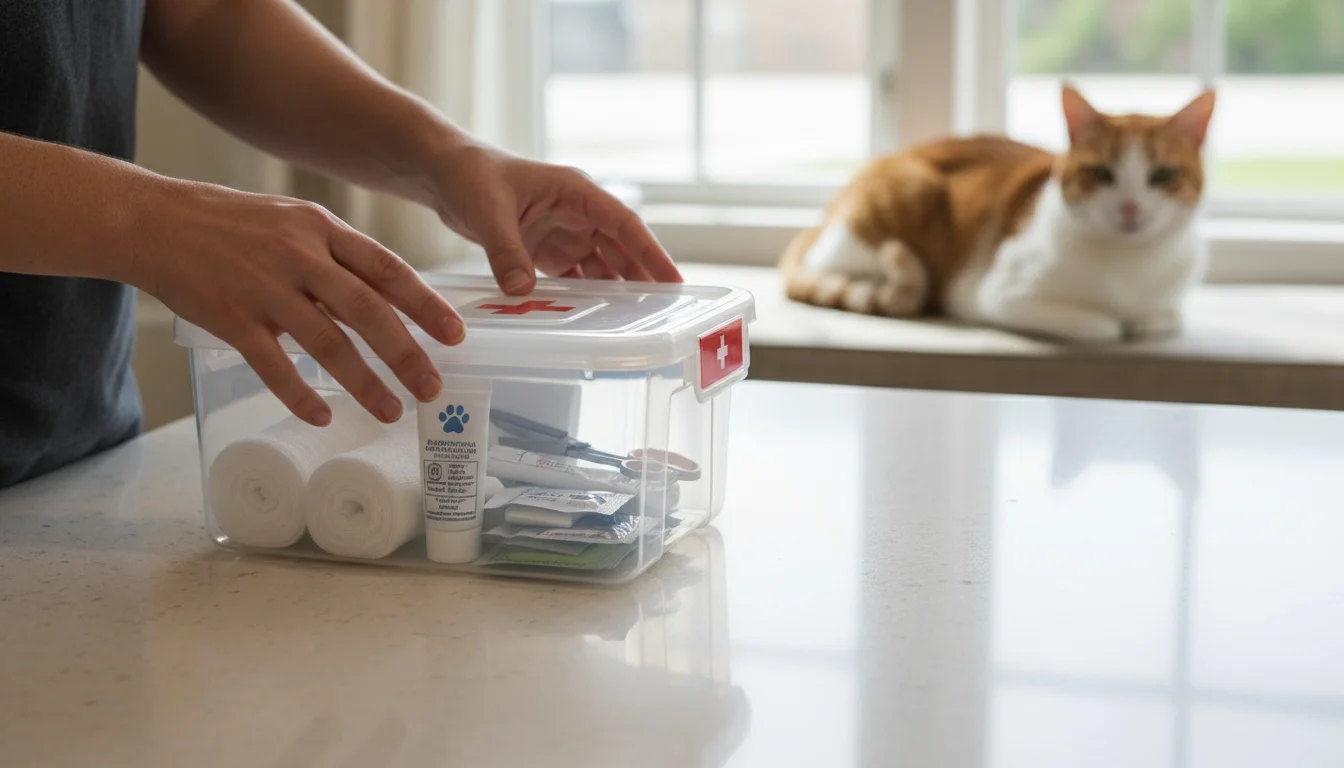
Building Your Essential Pet First Aid Kit
A well-stocked pet first aid kit is your initial line of defense in an emergency. You can purchase pre-made kits, but assembling your own allows for customization based on your pet’s specific needs, your location, and potential regional hazards. Keep this kit readily accessible both at home and when traveling. Regularly check expiration dates on medications and replace used items. This proactive step is fundamental to effective pet first aid.
Having a financial plan for emergencies is just as important as having physical supplies, so take a moment to look into understanding pet insurance.
Key Items for Your Pet First Aid Kit:
- Absorbent Gauze Pads and Rolls: Use these for cleaning wounds and creating pressure bandages.
- Adhesive Tape (Veterinary Wrap or Self-Adhering Bandage): Secure gauze pads and provide support. Do not apply too tightly, as this can cut off circulation.
- Non-Stick Bandage Material: Ideal for covering wounds without sticking to fur.
- Antiseptic Wipes or Solution (e.g., Chlorhexidine or Diluted Betadine): Clean wounds to prevent infection. Consult your vet for safe options.
- Sterile Saline Solution: Flush wounds or irritations gently, such as eye irritations.
- Cotton Balls or Swabs: Apply antiseptics or clean small areas.
- Blunt-Tipped Scissors: Cut bandages, tape, or trim fur around wounds.
- Tweezers: Remove splinters, ticks, or foreign objects from paws or fur.
- Digital Rectal Thermometer (Pet-Specific): Monitor your pet’s temperature. Normal ranges vary; consult your vet for your pet’s baseline.
- Disposable Gloves: Protect yourself and your pet during wound care.
- Clean Towels or Blankets: Provide warmth, comfort, or use as a makeshift stretcher.
- Leash and Collar (with ID tags): Essential for securing your pet and transport.
- Muzzle (Basket Muzzle is best): A distressed pet, even a gentle one, may bite out of pain or fear. A muzzle ensures your safety while you administer care. Always introduce muzzle training positively before an emergency occurs.
- Petroleum Jelly or K-Y Jelly: Lubricate the thermometer for comfortable insertion.
- Styptic Powder or Cornstarch: Stop bleeding from minor nail cuts.
- Hydrogen Peroxide (3% solution): Only use as directed by your veterinarian, primarily for inducing vomiting in specific poisoning cases under professional guidance. Never use it to clean deep wounds.
- Syringe or Eyedropper: Administer liquid medication or water.
- Emergency Contact Information: Your veterinarian’s number, nearest emergency vet clinic, Pet Poison Helpline, and a trusted friend or family member.
- Copy of Your Pet’s Medical Records: Include vaccination history, current medications, and known allergies.
- Flashlight: Examine wounds in low light or check pupils.
- Pain Relievers: NEVER administer human pain medication to pets unless specifically instructed by your vet. Keep vet-prescribed pain medication if your pet has a chronic condition.

Recognizing a Pet Emergency: Signs and Symptoms
Early recognition of an emergency is crucial for successful pet first aid. Your pet often cannot tell you what is wrong, so you must observe their behavior and physical condition closely. Understanding what constitutes a true emergency empowers you to act swiftly. Pay attention to sudden changes in behavior, appetite, breathing, or mobility. Always err on the side of caution; if you suspect an emergency, contact your vet immediately.
For a broader look at health indicators, familiarize yourself with these 10 warning signs your pet needs a vet visit to ensure you never miss a subtle cry for help.
Critical Signs Requiring Immediate Attention:
- Severe Bleeding: Any uncontrolled or excessive bleeding, especially from arterial wounds (bright red, spurting blood).
- Difficulty Breathing: Labored breathing, gasping, choking, blue-tinged gums or tongue (cyanosis), noisy breathing.
- Collapse or Unconsciousness: Inability to stand, sudden loss of consciousness, unresponsive.
- Seizures: Uncontrolled muscle spasms, paddling of limbs, drooling, loss of bladder/bowel control.
- Severe Pain: Whining, crying, trembling, reluctance to move, aggression when touched, hunched posture.
- Bloated or Distended Abdomen: Especially in deep-chested dogs, accompanied by retching, restlessness, or pain. This could indicate gastric dilatation-volvulus (GDV), a life-threatening condition.
- Repeated Vomiting or Diarrhea: Especially if accompanied by lethargy, weakness, or blood.
- Inability to Urinate or Defecate: Straining without producing anything, especially in male cats, can indicate a urinary blockage, which is a life-threatening emergency.
- Exposure to Toxins: Ingestion of poisons, medications, or chemicals. Signs can include vomiting, tremors, drooling, hyperactivity, or lethargy.
- Trauma: Car accidents, falls, animal attacks, deep wounds, potential fractures.
- Heatstroke or Hypothermia: Excessive panting, drooling, lethargy, red gums, confusion (heatstroke); shivering, weakness, cold skin, shallow breathing (hypothermia).
- Unexplained Weakness or Lethargy: A sudden and significant decrease in energy or responsiveness.

Approaching and Assessing an Injured Pet Safely
When your pet is in distress, your natural instinct is to rush to their side. However, an injured or frightened animal, even your own loving companion, may bite or scratch out of pain, fear, or confusion. Prioritize your safety first, then your pet’s. Approaching an emergency situation calmly and methodically protects both of you. Safety is paramount when you administer first aid to your pet.
Knowing how to check your pet’s vital signs at home ahead of time makes the assessment much faster during a crisis.
Steps for Safe Approach and Initial Assessment:
- Ensure Your Safety: Look for any immediate dangers to yourself or your pet, such as traffic, aggressive animals, or unsafe structures. Remove the pet from the dangerous situation if safe to do so.
- Calm Approach: Speak to your pet in a soft, reassuring voice. Move slowly and avoid sudden movements that might startle them.
- Secure Your Pet (If Possible): If your pet is mobile, secure them on a leash or in a carrier to prevent escape or further injury.
- Muzzle if Necessary: If your pet shows any signs of pain or aggression, or if you anticipate they might bite, apply a muzzle gently but firmly. A basket muzzle allows for panting and some movement. Even if your pet has never bitten before, pain can cause unpredictable behavior. Remove the muzzle if your pet struggles to breathe or vomits.
- Perform a Quick Visual Scan: From a safe distance initially, observe your pet for obvious injuries, bleeding, or difficulty breathing. Note their posture, responsiveness, and any unusual vocalizations.
- Check ABCs (Airway, Breathing, Circulation):
- Airway: Is anything obstructing their mouth or throat? (Be cautious if attempting to check).
- Breathing: Are they breathing? Watch for chest movements. Feel for breath from their nostrils.
- Circulation: Check for a pulse (femoral artery in the inner thigh or directly over the heart). Observe gum color (should be pink). Capillary refill time (CRT) is another indicator: press your finger firmly on the gums until they blanch white, then release. The color should return within 1-2 seconds.
- Assess Responsiveness: Gently try to rouse your pet by speaking their name or gently touching them. Unresponsiveness is a severe sign.
- Look for Bleeding: Identify any external bleeding and note its severity and location.
- Evaluate for Shock: Signs of shock include weakness, shallow breathing, rapid heart rate, pale gums, and cold extremities. If you suspect shock, keep your pet warm and transport them immediately to a vet.
Once you complete this initial assessment, you can begin targeted first aid based on the specific emergency, while preparing for immediate transport to your veterinary clinic.

Common First Aid Scenarios and Actionable Steps
Knowing how to respond to specific situations empowers you to provide crucial immediate care. These scenarios cover many common pet emergencies, giving you actionable insights into pet first aid.
Feline owners should also be aware of specific common cat health issues that might manifest differently than canine emergencies.
1. Wounds and Bleeding
Minor cuts and scrapes are common, but deep lacerations or uncontrolled bleeding require prompt attention.
- Minor Cuts/Scrapes:
- Clean the wound gently with sterile saline solution or mild antiseptic wipes approved by your vet. You can trim hair around the wound with blunt-tipped scissors if necessary, being careful not to cut the skin.
- Apply a thin layer of antibiotic ointment (only if safe for pets and approved by your vet).
- Cover with a clean, non-stick gauze pad and secure with vet wrap or medical tape. Change daily and monitor for signs of infection (redness, swelling, pus).
- Severe Bleeding:
- Apply direct, firm pressure to the wound using a clean cloth, gauze pad, or even your hand. Maintain continuous pressure for at least 5-10 minutes.
- Elevate the injured limb if possible, above the level of the heart, to help reduce blood flow.
- If bleeding saturates the cloth, add more layers on top; do not remove the original dressing.
- Once bleeding slows, secure a pressure bandage firmly (but not so tight it cuts off circulation) over the wound.
- Seek immediate veterinary attention. Pressure bandages are temporary.
- Nail Bleeding:
- Apply styptic powder (available at pet stores) or cornstarch directly to the bleeding nail.
- Apply firm pressure for several minutes until the bleeding stops.
- Keep your pet calm and off the bleeding paw for a short period.
2. Choking
Choking occurs when a foreign object obstructs the airway. Signs include pawing at the mouth, frantic behavior, difficulty breathing, blue gums, or collapse.
- Conscious Choking Pet:
- Stay calm and try to identify the object if safely visible by quickly sweeping the mouth with your finger (be extremely cautious of bites).
- If you cannot remove the object, perform the Heimlich maneuver:
- Small Pets (Cats, small dogs): Hold your pet with their back against your chest. Place your hands just behind their last rib, make a fist, and give 3-5 quick, upward thrusts.
- Large Dogs: Stand over your dog’s back. Place your hands around their abdomen, just behind the ribs. Make a fist and give 3-5 sharp, upward thrusts. Alternatively, lay the dog on its side, place a hand over the abdomen just behind the ribs, and push sharply toward the diaphragm.
- Check the mouth after each set of thrusts for the object.
- If the object dislodges, still have your pet checked by a vet for internal injury.
- Unconscious Choking Pet:
- Lay the pet on their side.
- Open their mouth and attempt to remove the object if you can see it.
- Administer rescue breaths or begin CPR if necessary (see next section), and rush to the vet.
3. Poisoning
Ingestion of toxins (plants, human foods, medications, chemicals) requires immediate action. The Pet Poison Helpline provides critical guidance in these situations.
- Initial Response:
- Immediately contact your veterinarian or a pet poison control center. Do not wait for symptoms to appear.
- Gather any packaging, labels, or remnants of the suspected toxin. Note the amount ingested and when.
- DO NOT induce vomiting unless specifically instructed by a veterinarian or poison control. Some substances cause more harm coming back up (e.g., corrosives, petroleum products).
- If instructed to induce vomiting, your vet may guide you to use 3% hydrogen peroxide, typically 1 teaspoon per 10 pounds of body weight, given orally.
- Transport your pet and the toxin packaging to the vet clinic immediately.
4. Heatstroke and Hypothermia
These are life-threatening temperature extremes.
- Heatstroke: (Heavy panting, drooling, red gums, weakness, collapse)
- Move your pet to a cooler environment immediately.
- Offer small amounts of cool (not ice-cold) water to drink.
- Apply cool (not ice-cold) water-soaked towels to your pet’s body, especially the chest, neck, and inner thighs. Use a fan if available.
- Monitor their temperature if you have a rectal thermometer. Stop cooling when their temperature reaches 103°F (39.4°C) to prevent hypothermia.
- Seek immediate veterinary care, even if your pet seems to recover, as internal damage may not be apparent.
- Hypothermia: (Shivering, weakness, cold skin, shallow breathing, collapse)
- Move your pet to a warm, dry area.
- Wrap them in blankets or towels. You can use warm (not hot) water bottles wrapped in towels and placed around their body, but ensure direct heat sources do not touch their skin.
- Offer small amounts of warm broth or water if they are conscious and able to swallow.
- Seek immediate veterinary care.
5. Fractures and Sprains
A fracture is a broken bone; a sprain is damage to a ligament. Both cause pain, lameness, and swelling.
- Response:
- Muzzle your pet to prevent bites.
- Handle your pet as little as possible. Support the injured limb as you move them.
- For an obvious open fracture (bone protruding), cover the wound with a clean cloth to prevent contamination.
- You can create a temporary splint for smaller limbs using rolled newspaper or a small stick, padded with gauze, and secured with vet wrap or tape. Immobilize the joint above and below the injury. However, improper splinting can worsen injury, so if you are unsure, simply provide support and avoid further movement.
- Transport your pet to the vet immediately.
6. Seizures
A seizure is uncontrolled electrical activity in the brain. Your pet may fall, paddle their legs, drool, or lose bladder/bowel control.
- During a Seizure:
- Remain calm. Do not touch or try to restrain your pet; they may inadvertently bite you.
- Move any objects away from them to prevent injury.
- Note the duration of the seizure.
- Keep the room quiet and dim.
- After a Seizure:
- Your pet may be disoriented, confused, or temporarily blind. Keep them safe and away from stairs or hazards.
- Speak to them softly.
- Contact your vet immediately, especially if it is their first seizure, or if seizures are prolonged (over 5 minutes) or occur in clusters.
7. Insect Stings and Allergic Reactions
Most insect stings cause localized swelling and pain. Severe allergic reactions (anaphylaxis) are less common but life-threatening.
- Mild Reaction:
- If you see a stinger, gently scrape it out with a credit card edge (do not squeeze, as this releases more venom).
- Apply a cold compress to reduce swelling and pain.
- Observe your pet closely for worsening symptoms.
- Severe Allergic Reaction (Anaphylaxis): (Facial swelling, hives, difficulty breathing, vomiting, collapse)
- Seek immediate veterinary care. This is a medical emergency.
- If your vet has previously prescribed an antihistamine (like diphenhydramine) for allergic reactions, administer it as directed while you are on your way to the clinic. Do not give human medications without veterinary guidance.
Performing CPR and Rescue Breathing for Pets
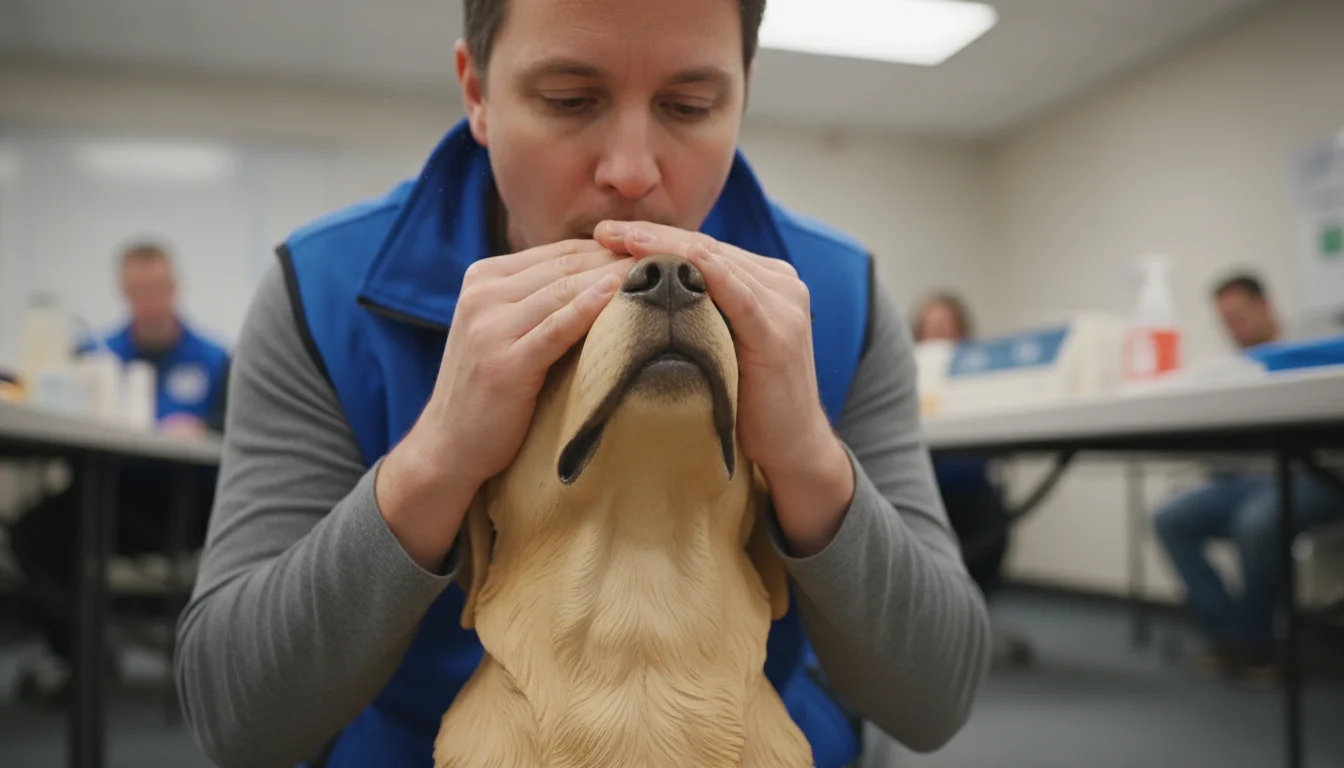
Cardiopulmonary Resuscitation (CPR) and rescue breathing are life-saving techniques applied when a pet stops breathing or their heart stops beating. These are advanced first aid measures, and training courses are highly recommended. Always verify that your pet is truly unresponsive, not breathing, and has no pulse before beginning CPR. These interventions are critical to pet health in dire circumstances.
Rescue Breathing (If Not Breathing But Has a Pulse):
- Position: Lay your pet on their side. Ensure the airway is clear by gently pulling the tongue forward.
- Seal the Mouth: Close your pet’s mouth firmly.
- Breathe into Nostrils: Place your mouth over your pet’s nose, forming a tight seal.
- Deliver Breaths: Give 2 initial rescue breaths, each lasting 1-2 seconds. Watch for chest rise. For smaller pets, use less air.
- Continue: Give 1 breath every 4-5 seconds (12-15 breaths per minute).
- Check Pulse: After every minute, recheck for a pulse. If a pulse develops, continue rescue breathing until breathing resumes naturally or you reach a vet. If no pulse, begin chest compressions.
CPR (If Not Breathing and No Pulse):
CPR combines chest compressions with rescue breathing. The general ratio is 30 compressions to 2 breaths (30:2) for one person, or 15 compressions to 2 breaths (15:2) for two people.
- Position: Lay your pet on their right side on a firm surface. Locate the heart, generally where the elbow touches the chest when bent.
- Compressions:
- Small Dogs/Cats (under 30 lbs): Use the heel of one hand or both hands to compress the chest wall directly over the heart. Compress 1/3 to 1/2 of the chest width.
- Medium to Large Dogs (30-90 lbs): Use both hands, one over the other, directly over the widest part of the chest. Compress 1/3 to 1/2 of the chest width.
- Deep-Chested Dogs (over 90 lbs): Place hands directly over the widest part of the chest (rib cage). Compress 1/3 to 1/2 of the chest width.
- Rate: Aim for 100-120 compressions per minute. Perform compressions smoothly, allowing the chest to fully recoil between each compression.
- Breaths: After 30 compressions, give 2 rescue breaths (as described above).
- Continue: Continue cycles of 30 compressions and 2 breaths. Recheck for a pulse and breathing every 2 minutes.
- Transport: Continue CPR while transporting your pet to the nearest emergency veterinary clinic.
CPR is physically demanding and most effective when multiple people can rotate. Enrolling in a certified pet first aid and CPR course provides invaluable hands-on training for these critical techniques.

When to Seek Immediate Veterinary Care
While first aid is vital, it is never a substitute for professional veterinary treatment. Knowing when your pet needs immediate medical attention is just as crucial as knowing how to administer initial care. Always contact your veterinarian or the nearest emergency vet clinic as soon as an emergency arises. Describe the situation clearly and follow their instructions carefully. Your vet can advise you on pet first aid and whether to bring your pet in.
Situations Requiring Immediate Veterinary Intervention:
- Any suspected internal injury: After a fall, car accident, or animal attack, even without visible external wounds.
- Uncontrolled bleeding: If direct pressure fails to stop significant bleeding after 5-10 minutes.
- Difficulty breathing or choking: If your pet continues to struggle after initial first aid attempts.
- Collapse or unconsciousness: Any unexplained loss of consciousness or inability to stand.
- Severe allergic reactions: Rapid facial swelling, hives, vomiting, or breathing difficulties.
- Ingestion of toxins: Any known or suspected poisoning, regardless of symptoms. Do not wait.
- Seizures: Especially if prolonged, clustered, or if it is your pet’s first seizure.
- Bloated or distended abdomen: With or without retching, this is a sign of a life-threatening condition like GDV.
- Inability to urinate or defecate: Particularly critical for male cats.
- Severe pain: Indicated by vocalization, limping, aggression when touched, or abnormal posture.
- Burns: Chemical, thermal, or electrical burns always require vet care.
- Eye injuries: Any trauma or sudden change in the eye’s appearance.
- Heatstroke: Even if your pet appears to recover, veterinary follow-up is essential to check for organ damage.
When in doubt, always contact your veterinarian. They are your best resource for maintaining optimal pet health and providing guidance during emergencies. You will never regret an unnecessary trip to the vet, but you might regret delaying care.

Preventive Care and Safety Measures for Your Pet
The best first aid is prevention. Implementing proactive measures reduces the likelihood of emergencies, promoting long-term pet health and safety. Responsible pet care involves creating a safe environment and adhering to preventive care protocols.
Key Preventive Strategies:
- Pet-Proof Your Home:
- Store all medications (human and pet), cleaning supplies, chemicals, and toxic foods (chocolate, xylitol, grapes, onions) out of your pet’s reach.
- Secure trash cans.
- Identify and remove toxic plants from your home and yard. The ASPCA provides extensive lists of toxic and non-toxic plants.
- Cover electrical cords.
- Keep small objects that could be swallowed out of reach.
- Supervision:
- Supervise your pet, especially puppies and kittens, to prevent them from ingesting foreign objects or getting into dangerous situations.
- Never leave pets unattended in cars, particularly in warm weather, due to the risk of heatstroke.
- Leash and Microchip:
- Always keep dogs on a leash in unfenced areas to prevent them from running into traffic or getting lost.
- Microchip all pets and ensure your contact information is up to date. This greatly increases the chance of recovery if they go missing.
- Vaccination and Parasite Prevention:
- Follow your veterinarian’s recommended vaccination schedule to protect against common and dangerous diseases.
- Maintain regular flea, tick, and heartworm prevention as advised by your vet.
- Regular Veterinary Check-ups:
- Schedule annual or semi-annual wellness exams. Early detection of health issues often leads to better outcomes and prevents minor problems from escalating into emergencies.
- Discuss any behavioral changes or concerns with your vet during these visits.
- Proper Nutrition and Weight Management:
- Feed a high-quality, life-stage appropriate diet.
- Maintain a healthy weight to prevent conditions like arthritis, diabetes, and heart disease.
- Emergency Preparedness Plan:
- Keep a list of emergency contacts, including your vet, emergency vet clinic, and a pet poison control hotline, in an easily accessible location and programmed into your phone.
- Know the fastest route to the nearest emergency veterinary hospital.
By integrating these preventive measures into your daily routine, you significantly enhance your pet’s overall well-being and reduce the need for emergency pet first aid, allowing you to enjoy many happy, healthy years together.

Frequently Asked Questions
What is the most important thing to remember during a pet emergency?
The most important thing to remember is to stay calm and prioritize your safety. A panicked owner cannot effectively help their pet. Secure your pet, apply a muzzle if necessary, and then assess the situation before attempting any first aid. Immediately contact your veterinarian or an emergency clinic for guidance.
Can I give my pet human medication for pain?
No, you should never give your pet human medication for pain unless specifically instructed by your veterinarian. Many human medications, such as ibuprofen, acetaminophen, and aspirin, are toxic to pets and can cause severe, life-threatening organ damage. Always consult your vet before administering any medication to your pet.
How do I know if my pet is in shock?
Signs of shock in pets include weakness, lethargy, rapid and shallow breathing, a fast but weak pulse, pale or white gums, and cold extremities (ears, paws). If you suspect your pet is in shock, keep them warm, handle them gently, and transport them to the nearest emergency veterinarian immediately. Shock is a critical, life-threatening condition.
Should I induce vomiting if my pet eats something poisonous?
You should NEVER induce vomiting without explicit instructions from a veterinarian or a pet poison control center. Some substances, like corrosive chemicals or petroleum products, can cause more harm coming back up. Always call your vet or a poison helpline first, providing them with as much information as possible about what your pet ingested.
How often should I check and replenish my pet first aid kit?
Check your pet first aid kit at least every 6-12 months. Review expiration dates on medications and solutions, replace any items that have been used or are nearing expiration, and ensure all emergency contact numbers are current. A well-maintained kit guarantees you have effective supplies ready when you need them for pet first aid.
For expert pet care guidance, visit
Cornell University College of Veterinary Medicine, UC Davis School of Veterinary Medicine, American Animal Hospital Association (AAHA) and Association of Professional Dog Trainers (APDT).
Disclaimer: This article is for informational purposes only and is not a substitute for professional veterinary advice, diagnosis, or treatment. Always consult with a licensed veterinarian for medical concerns about your pet.









Leave a Reply