
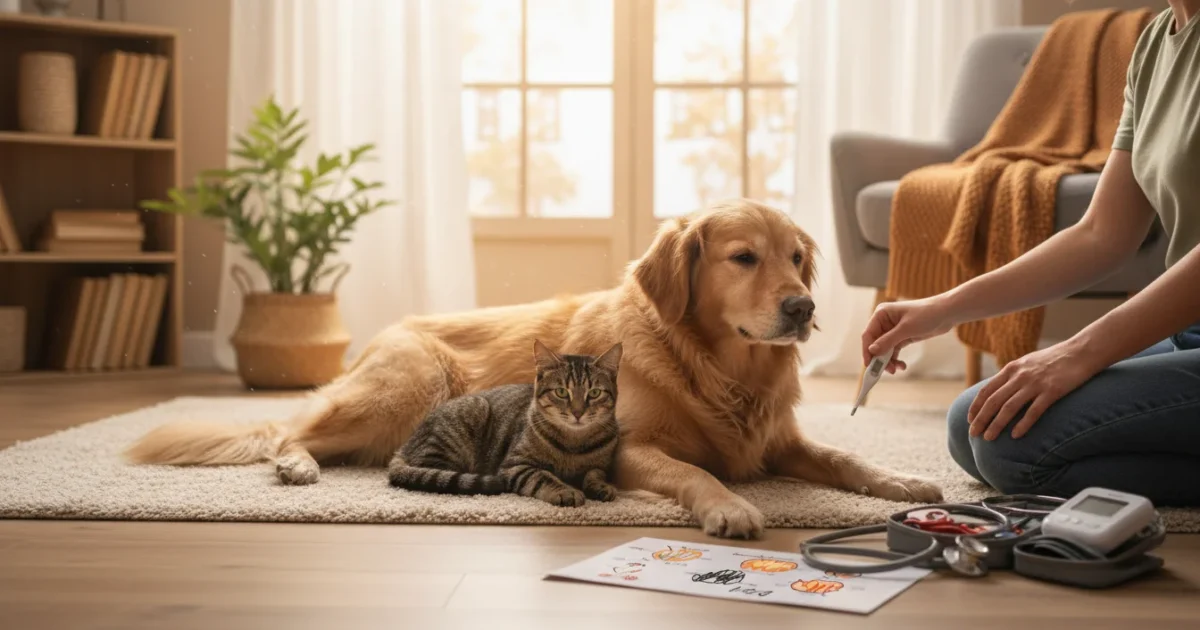
Understanding your pet’s vital signs offers a powerful tool for monitoring their overall health and catching potential issues early. Just like with humans, an animal’s heart rate, breathing, temperature, and gum color provide crucial insights into their well-being. Regular checks empower you with valuable information to share with your veterinarian, enhancing your proactive approach to pet health. This guide provides actionable steps for how to check your pet’s vital signs at home, giving you confidence in your pet care routine.

Why Monitor Your Pet’s Vital Signs?
Proactive pet health monitoring allows you to become an active participant in your animal’s well-being. By knowing what are vital signs at home and how to assess them, you gain an early warning system. Subtle changes in heart rate, breathing, or gum color often indicate underlying health issues before they become severe. For instance, a slight increase in resting respiration might signal pain or heart trouble, while pale gums could point to anemia or shock. Regular checks establish a baseline for your individual pet, making it easier to identify deviations. This empowers you to seek veterinary attention promptly, potentially leading to faster diagnoses and more successful treatments for your cherished companion.
Detecting health issues early through monitoring is also a practical reason for understanding pet insurance to help manage unexpected medical costs.
Incorporating these observations into your 10 essential daily dog care tasks ensures you stay ahead of any medical concerns.
Many pet owners integrate these checks into their regular grooming or petting routines. This familiarity helps pets become comfortable with the process, making future checks less stressful. It also deepens your understanding of your pet’s unique physiology and behavior. Understanding their normal provides invaluable pet tips for recognizing when something feels “off.”

Understanding Your Pet’s “Normal” Ranges
Before you can identify what is abnormal, you need to establish your pet’s individual normal baseline. Every animal is unique, and factors such as species, breed, age, and activity level influence vital sign readings. For example, a calm, adult cat will have different normal ranges than an energetic puppy. We will provide general guidelines, but observing your pet when they are healthy and at rest gives you the most accurate personal baseline.
Consistent readings are among the top signs your cat is happy and healthy and thriving in their environment.
Establishing a baseline is especially vital for senior pet health, as older companions are more susceptible to gradual physiological changes.
Make a habit of checking your pet’s vital signs periodically when they are relaxed and comfortable. Record these readings in a journal or on your phone. This creates a valuable record of their typical health status, which you can then refer to if you ever suspect an issue. This practice is a cornerstone of responsible pet care and vital for understanding your pet’s typical rhythms.
- Dogs:
- Heart Rate: 60-140 beats per minute (BPM) for most adult dogs; smaller breeds and puppies can have higher rates (up to 180 BPM).
- Respiratory Rate: 10-30 breaths per minute at rest.
- Temperature: 101.0-102.5°F (38.3-39.2°C).
- Cats:
- Heart Rate: 120-180 BPM for most adult cats.
- Respiratory Rate: 15-30 breaths per minute at rest.
- Temperature: 100.0-102.5°F (37.8-39.2°C).
- Other Companion Animals (General Guidance, always consult your vet for specifics):
- Small Mammals (Rabbits, Guinea Pigs): Heart rates are typically much higher (150-300+ BPM). Respiratory rates also range higher (30-60+ breaths per minute). Their normal body temperatures are often similar to dogs and cats or slightly higher. Always verify normal ranges with a veterinarian experienced in exotic pets.
Remember, these are general guidelines. Your veterinarian remains the best resource for determining what is normal for your specific pet. Consistent recording helps you track changes over time, a crucial aspect of thorough pet care.

Preparing for Vital Sign Checks
Setting the stage for a calm and successful vital sign check involves preparation. A relaxed pet makes the process easier and less stressful for everyone. Gather your tools beforehand and choose a quiet time when your pet is naturally relaxed, perhaps after a nap or a gentle petting session.
Building this level of comfort with handling also makes other grooming tasks, like trimming your dog’s nails safely at home, much easier.
Mastering these techniques is a key part of learning how to administer first aid to your pet in an emergency situation.
- Choose a Calm Environment: Select a quiet room without distractions, loud noises, or other stimulating pets. Your pet should feel safe and comfortable.
- Gather Your Tools:
- Watch with a Second Hand or Timer: Essential for accurate timing of heart and respiratory rates.
- Pet Thermometer: A digital rectal thermometer designed for pets, or a human rectal thermometer. Always label it for pet use only.
- Flashlight: Useful for inspecting gums in lower light.
- Lubricant (Petroleum Jelly or Water-Based): Necessary for rectal temperature taking.
- Notebook and Pen (or Phone App): For recording your findings and tracking changes.
- Treats: Small, high-value treats for positive reinforcement.
- Approach with Gentleness: Speak in a calm, soothing voice. Never force your pet into position. If they resist, stop, try again later, or simply focus on one vital sign at a time until they become more accustomed to the handling.
- Practice Regularly: Regular, short sessions, even just for petting the areas you will eventually check, build positive associations. This helps your pet tolerate the handling required for vital sign assessment.

Checking Your Pet’s Heart Rate (Pulse)
Monitoring your pet’s heart rate provides a direct measure of their cardiovascular health. A consistent rhythm and rate indicate proper circulation, crucial for overall pet health. This is a fundamental aspect of `how to check your pet’s vital signs at home`.
- Locate the Femoral Artery: For dogs and cats, the easiest place to feel the pulse is usually the femoral artery. Gently place two fingers (your index and middle finger, not your thumb, as your thumb has its own pulse) on the inside of your pet’s upper thigh, near where the leg joins the body. You should feel a distinct pulsation there.
- Count the Beats: Once you locate the pulse, count the beats you feel in 15 seconds.
- Calculate Beats Per Minute (BPM): Multiply the number you counted by four to get the beats per minute. For example, if you count 30 beats in 15 seconds, your pet’s heart rate is 120 BPM.
- Assess Rhythm and Strength: As you count, pay attention to the rhythm. It should be strong and regular. Any skipped beats, very weak beats, or an erratic rhythm warrant a call to your veterinarian.
Sometimes, a pet’s heart rate can fluctuate with breathing, especially in dogs. This is called sinus arrhythmia and is often normal. However, consistently irregular or weak pulses should always prompt veterinary consultation. According to the American Veterinary Medical Association (AVMA), regular monitoring of heart rate forms a critical component of preventative pet care, helping identify issues like arrhythmias or heart disease early.

Assessing Your Pet’s Respiratory Rate
Your pet’s breathing rate offers insight into their respiratory and cardiovascular systems. An elevated breathing rate at rest often signals pain, fever, stress, or underlying health problems like heart disease or lung conditions. This is another key element of what are vital signs at home.
- Observe Your Pet at Rest: Watch your pet’s chest or abdomen rise and fall. Ensure they are completely at rest, not panting from exertion, excitement, or heat.
- Count Breaths: Count the number of times their chest or abdomen rises (one full inhale and exhale counts as one breath) in 15 seconds.
- Calculate Breaths Per Minute (BPM): Multiply this number by four. For example, if you count 5 breaths in 15 seconds, your pet’s respiratory rate is 20 BPM.
- Note Effort: Also observe if your pet is breathing with excessive effort, shallow breaths, or if they appear to struggle. Open-mouth breathing in cats, for instance, is always an emergency.
Normal breathing should be quiet and effortless. Pay attention to any unusual sounds such as wheezing, gasping, or crackling. If your pet’s resting respiratory rate is consistently high or labored, consult your veterinarian immediately. Monitoring respiratory rate is one of the important pet tips for general wellness.

Taking Your Pet’s Temperature
A pet’s body temperature provides a crucial indicator of infection, inflammation, or other systemic health issues. Taking a rectal temperature offers the most accurate reading for dogs and cats. While ear or temporal thermometers exist, they often prove less reliable for pets.
In hotter months, checking for a fever is a vital part of keeping your pup cool and safe from heat-related illnesses.
- Prepare the Thermometer: Use a digital rectal thermometer. Lubricate the tip generously with petroleum jelly or a water-based lubricant.
- Position Your Pet: Have someone gently hold your pet, providing reassurance. Standing or lying on their side can work, depending on your pet’s comfort.
- Insert the Thermometer: Gently lift your pet’s tail. Slowly and carefully insert the lubricated thermometer about one inch (for cats and small dogs) or two to three inches (for larger dogs) into the rectum. Never force it.
- Hold and Wait: Hold the thermometer firmly in place until it beeps (for digital thermometers), indicating it has a reading.
- Remove and Read: Carefully remove the thermometer, clean it, and read the temperature.
- Reward Your Pet: Offer praise and a treat immediately after to create a positive association.
If your pet’s temperature falls outside the normal range (100.0-102.5°F for most pets), or if they seem unwell, contact your veterinarian. A fever can indicate serious infection, while a low temperature can signal shock or hypothermia. According to Cornell University College of Veterinary Medicine, understanding how to accurately take your pet’s temperature is a critical skill for responsible pet ownership and contributes significantly to early disease detection.
Evaluating Gums: Color and Capillary Refill Time (CRT)
Your pet’s gums offer a quick visual assessment of their circulatory health and hydration status. Healthy gums tell you a lot about their blood flow and oxygen levels, making this a valuable part of `how to check your pet’s vital signs at home`.
While examining the mouth, be sure to look for other signs your dog needs a dental checkup, such as persistent bad breath or heavy tartar.
While checking gum color, take a moment to look for signs of plaque or inflammation to maintain overall pet dental health.
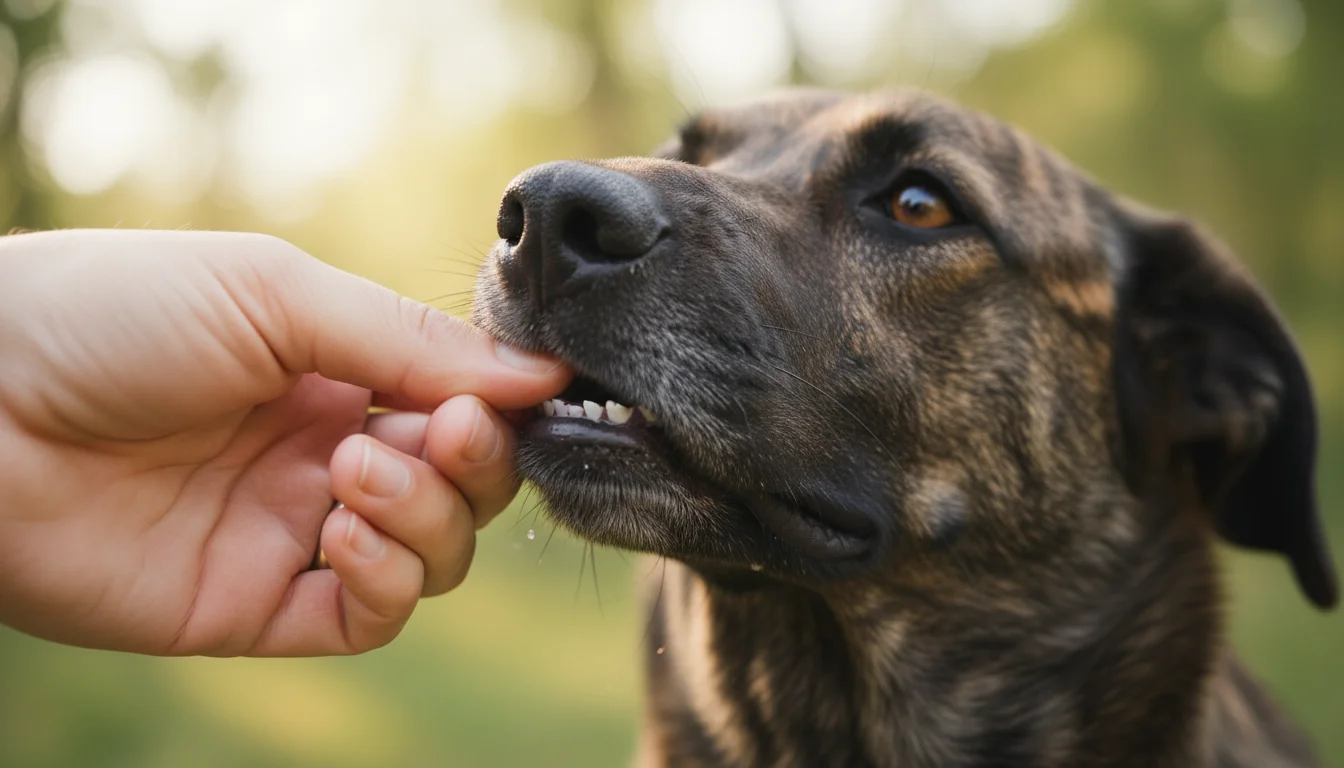
- Examine Gum Color: Gently lift your pet’s upper lip to expose their gums.
- Normal: Gums should be pink, similar to the color of bubble gum.
- Pale Pink/White: Indicates anemia, poor circulation, blood loss, or shock. This is an emergency.
- Bright Red: Suggests heatstroke, fever, or sometimes early stages of shock.
- Blue/Purple (Cyanotic): Indicates a severe lack of oxygen. This is an immediate emergency.
- Yellow (Jaundiced): Points to liver disease or severe red blood cell breakdown.
- Perform Capillary Refill Time (CRT):
- Gently press your index finger firmly on your pet’s gum for a few seconds until the spot turns white.
- Release your finger and count how long it takes for the color to return to pink.
- Normal: The color should return within 1-2 seconds.
- Slow Refill (More than 2 seconds): Suggests dehydration, poor circulation, or shock.
- Fast Refill (Less than 1 second): Could indicate inflammation or early shock.
Always check gums that appear healthy and vibrant. If you notice any deviations in color or a prolonged CRT, contact your veterinarian immediately. These visual cues are vital pet tips for emergency preparedness.

Recognizing Red Flags: When to Call Your Veterinarian
Knowing what are vital signs at home is only half the battle. Understanding when a reading falls outside the normal range, or when other symptoms accompany vital sign changes, is critical for prompt and effective pet care. Never hesitate to contact your veterinarian if you have concerns; they are your best resource.
If you don’t already have a preferred clinic to call when red flags appear, learn how to choose a veterinarian you can trust for your pet’s ongoing care.
Beyond deviations in heart or respiratory rates, it is helpful to recognize other warning signs your pet needs a vet visit to ensure timely intervention.
Seek immediate veterinary attention if you observe any of the following:
- Extreme Deviations in Vital Signs:
- Heart rate significantly above or below normal.
- Respiratory rate consistently above 40 breaths per minute at rest, or labored breathing.
- Temperature below 99°F or above 104°F.
- Abnormal Gum Color: Pale, white, blue, purple, or yellow gums.
- Prolonged Capillary Refill Time: If the gums take longer than 2 seconds to return to pink.
- Weak or Irregular Pulse: Any noticeable inconsistency or weakness in the pulse.
- Behavioral Changes: Lethargy, sudden weakness, disorientation, collapse, difficulty moving, severe pain.
- Vomiting or Diarrhea: Especially if severe, bloody, or prolonged, leading to dehydration.
- Difficulty Urinating or Defecating: Straining, pain, or absence of waste.
- Seizures: Any uncontrolled muscle activity.
- Swelling or Injury: Sudden, unexplained swelling, lameness, or visible wounds.
- Loss of Appetite or Thirst: If your pet refuses to eat or drink for more than 24 hours.
These signs indicate potential emergencies that require professional evaluation. When you call your vet, be prepared to share your pet’s recent vital sign readings, observations, and any other symptoms you have noted. This information helps your veterinarian triage the situation and provide the best advice or treatment. Early intervention significantly improves outcomes for many conditions.

Making it a Positive Experience for Your Pet
Your pet’s cooperation during vital sign checks stems from trust and positive associations. Approach these checks not as a chore, but as an opportunity for bonding and gentle handling. This emphasis on positive reinforcement is a hallmark of good pet care.
- Start Slow and Be Patient: Introduce one step at a time. For example, initially practice just touching their thigh to locate the pulse, or gently lifting their lip.
- Use High-Value Rewards: Immediately after each successful step or even just a calm attempt, offer a favorite treat, praise, or a gentle scratch in a favored spot.
- Keep Sessions Short: End the session on a positive note before your pet becomes anxious or resistant. A minute or two is often enough, especially when starting out.
- Practice When Calm: Always initiate checks when your pet is already relaxed. Avoid trying to take vitals when they are stressed, excited, or in pain.
- Avoid Punishment: Never scold or punish your pet for resisting. This creates negative associations and makes future checks much harder. If they resist, pause and try again later.
- Regular, Gentle Touch: Incorporate touching their paws, ears, tail, and gums into your daily petting routine. This desensitizes them to handling the areas you need to check.
Creating a positive experience ensures that monitoring your pet’s health becomes a routine part of your shared life, strengthening your bond rather than causing stress. Many experts, including those from Fear Free Pets, advocate for low-stress handling techniques to improve veterinary visits and home care.

Special Considerations: Breed, Age, and Size
While general guidelines apply, individual characteristics impact normal vital signs and the ease of checking them. Recognizing these differences refines your approach to pet care and makes you a more informed owner.
- Breed-Specific Nuances:
- Brachycephalic Breeds (e.g., Pugs, Bulldogs, Persian Cats): These flat-faced breeds often have naturally higher respiratory rates or more audible breathing due to their compacted airways. They are also more prone to heatstroke, so monitoring their temperature and breathing becomes even more critical. Their gum color might also be harder to assess if they have pigmented gums.
- Giant Breeds (e.g., Great Danes, Mastiffs): Typically have lower resting heart rates than smaller breeds. Their sheer size means finding the femoral pulse is often easier, but taking their temperature requires a longer thermometer insertion.
- Toy Breeds (e.g., Chihuahuas, Yorkies): Often have higher resting heart rates. Their small size makes finding a pulse challenging, and they can chill easily, requiring careful temperature monitoring.
- Age-Related Differences:
- Puppies and Kittens: Have significantly higher heart and respiratory rates than adults. Their temperatures can also fluctuate more easily. They are also more susceptible to dehydration.
- Senior Pets: May have lower activity levels, potentially affecting their baseline vital signs. Underlying conditions like arthritis or heart disease can also influence readings, making regular monitoring crucial for geriatric pet care.
- Size and Temperament:
- Larger pets might be easier to palpate for a pulse, but their sheer strength can make restraint difficult if they are uncooperative.
- Smaller or more anxious pets might hide their symptoms or become stressed during checks. Patience and positive reinforcement are paramount for these individuals.
Always consider your individual pet’s background. If you have any questions about what is normal for your specific pet, discuss it with your veterinarian. They provide tailored pet tips based on your animal’s unique profile.
Building Your Pet First Aid Kit
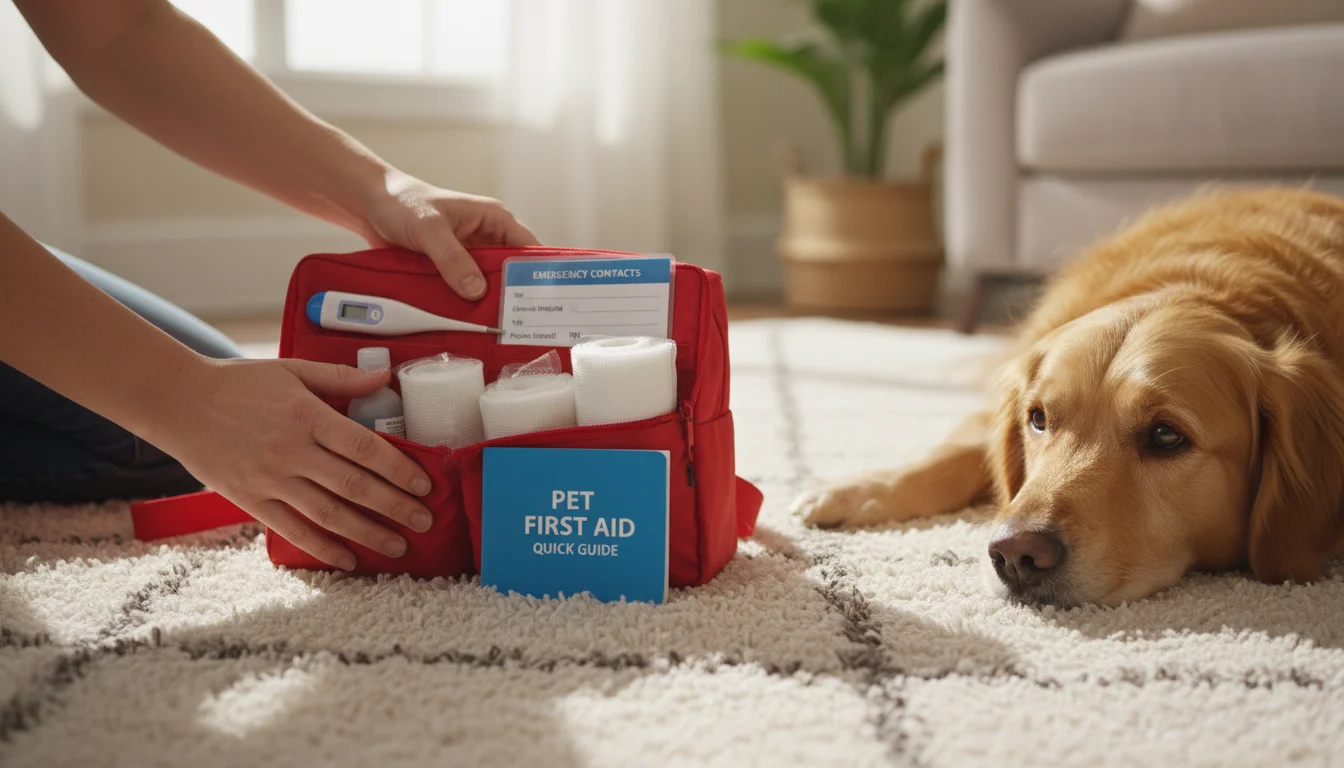
An emergency can strike at any time, and having a well-stocked pet first aid kit prepares you to act quickly. Many items in the kit assist with checking vital signs or addressing immediate concerns before veterinary help arrives. This is an essential component of responsible pet health and emergency preparedness.
If your kit includes prescribed treatments, it is helpful to master how to give your dog medication to ensure they receive the full dose without stress.
Include the following items:
- Contact Information: Your veterinarian’s number, nearest emergency veterinary clinic, and Pet Poison Helpline.
- Medical Records: Copies of vaccination history and any current medications.
- Pet First Aid Book: A reliable guide for basic pet first aid.
- Rectal Thermometer: Digital, specifically for pets.
- Petroleum Jelly/Lubricant: For thermometer use.
- Sterile Gauze Pads and Rolls: For wounds or bandaging.
- Adhesive Tape: Pet-safe, non-stick varieties.
- Antiseptic Wipes/Solution: Such as chlorhexidine or povidone-iodine (consult vet on appropriate dilution).
- Blunt-Ended Scissors: For cutting gauze or tape.
- Tweezers: For removing splinters or ticks.
- Latex Gloves: For hygiene.
- Towel or Blanket: For warmth or gentle restraint.
- Non-Sterile Saline Solution: For flushing wounds or eyes.
- Hydrogen Peroxide (3%): Only use under direct veterinary guidance to induce vomiting.
- Syringes (without needles): For administering liquid medications or flushing wounds.
- Pet-Specific Pain Reliever: NEVER use human pain medications without veterinary instruction.
- Muzzle: To prevent bites (even from a sweet pet who is in pain).
- Leash and Carrier: For safe transport.
Keep your kit easily accessible at home and consider a smaller version for your car or when traveling. Check expiration dates on medications and replace items as needed. The ASPCA emphasizes the importance of having a well-stocked first aid kit as part of responsible pet ownership, helping you provide immediate pet care in unexpected situations.

Frequently Asked Questions
How often should I check my pet’s vital signs?
For a healthy pet, checking vital signs once a month helps you stay familiar with the process and establish a strong baseline. If your pet has a chronic health condition, your veterinarian may recommend more frequent monitoring, perhaps weekly or daily, depending on their specific needs. Consistency in pet care allows you to quickly spot deviations.
For those who have just brought a new animal home, knowing how to prepare for your pet’s first vet visit can help you discuss these vital signs with a professional.
Can I use a human thermometer for my pet?
Yes, you can use a standard digital rectal thermometer designed for humans, but you must label it clearly for “pet use only” to avoid cross-contamination. Never use an oral thermometer in your pet’s mouth. Ensure it is cleaned and disinfected thoroughly after each use. Rectal thermometers provide the most accurate temperature for pets.
What if my pet resists having their vitals checked?
Patience and positive reinforcement are key. If your pet resists, stop the check, offer praise and treats, and try again later when they are more relaxed. Start with very short sessions, focusing on just one component, like gently touching their leg for a pulse check, then gradually build up. Never force or punish them, as this creates a negative association with pet care and makes future attempts harder. If resistance continues, consult your veterinarian or a certified professional pet trainer for guidance on desensitization techniques.
Should I check my pet’s vitals if they seem perfectly fine?
Absolutely. Regularly checking your pet’s vital signs when they are healthy establishes their individual “normal” baseline. This baseline is invaluable when your pet does become ill, as it allows you to quickly identify how much their readings deviate from their healthy state. This proactive approach supports excellent pet health and early detection.
Are there any risks associated with checking my pet’s vital signs at home?
When done gently and carefully, checking vital signs at home carries minimal risks. The primary risk lies in misinterpreting the results or delaying veterinary care if you suspect a problem. Always prioritize your pet’s comfort and safety. If your pet becomes overly stressed or aggressive, stop immediately. Remember, these home checks are a tool for informed pet care and not a substitute for professional veterinary diagnosis or treatment.
For expert pet care guidance, visit
Cat Fanciers’ Association (CFA), ASPCA, The Humane Society of the United States, Cornell University College of Veterinary Medicine and UC Davis School of Veterinary Medicine.
Disclaimer: This article is for informational purposes only and is not a substitute for professional veterinary advice, diagnosis, or treatment. Always consult with a licensed veterinarian for medical concerns about your pet.
Monitoring these baselines is particularly vital for senior pet health, as ranges can shift more frequently as animals age.
In addition to tracking vitals, ensuring your dog follows an essential vaccination schedule is a cornerstone of preventative medicine.
Because cats are experts at hiding illness, knowing common cat health issues can help you interpret subtle changes in their vital signs.








Leave a Reply