

Making informed decisions about your pet’s health involves many factors, and spaying or neutering stands out as one of the most critical. This veterinary procedure offers significant benefits to your pet’s long-term health, behavior, and overall well-being. It is a fundamental aspect of responsible pet ownership, impacting your pet, your family, and the wider community.
As a devoted pet owner, you naturally want the best for your animal companion. Understanding the science-backed advantages of spaying and neutering equips you with the knowledge to provide optimal pet care. We will explore the specifics of these procedures, the ideal timing, and what you can expect, ensuring you feel confident in this important choice for your beloved dog, cat, or companion animal.
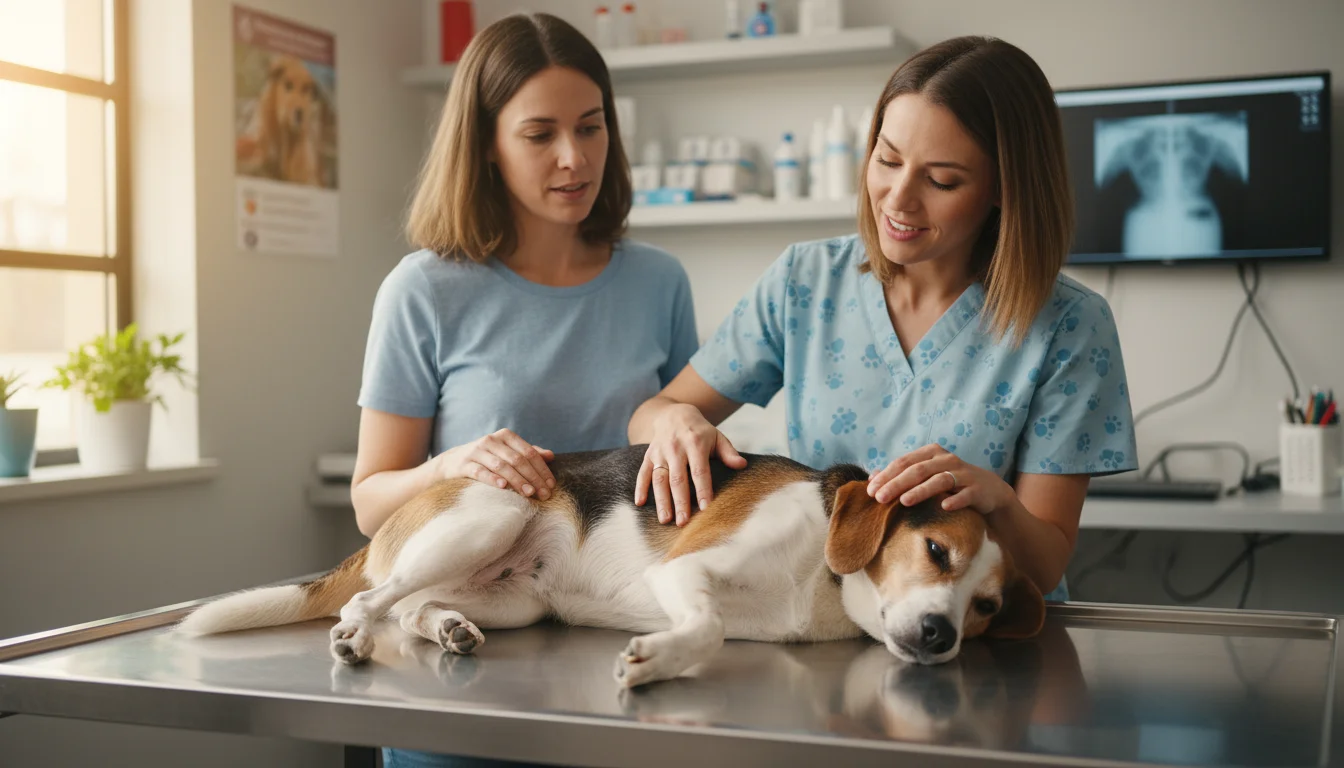
Understanding Spaying and Neutering: The Basics
Spaying and neutering represent routine surgical procedures that remove a pet’s reproductive organs. Veterinarians perform these surgeries frequently, making them very safe when conducted by qualified professionals in a sterile environment. These procedures permanently prevent your pet from reproducing, which offers numerous advantages beyond population control.
During your pre-surgical consultation, it is also a great time to discuss comprehensive parasite prevention to ensure your pet stays healthy and protected.
To ensure a stress-free experience, it’s helpful to know how to prepare for your pet’s first vet visit before scheduling the surgery.
For female pets, the procedure is called spaying, or an ovariohysterectomy. During this surgery, the veterinarian removes the ovaries and uterus. Your pet receives general anesthesia, and the surgeon makes an incision in the abdomen. This eliminates heat cycles, which means no more bleeding, mess, or attracting intact males.
For male pets, the procedure is called neutering, or an orchiectomy. The veterinarian removes the testicles through a small incision, typically in front of the scrotum. This procedure requires general anesthesia. Neutering removes the primary source of testosterone, leading to significant behavioral and health benefits.
Both surgeries require careful pre-operative assessment, including a physical exam and often blood work, to ensure your pet is healthy enough for anesthesia. Post-operative care involves pain management and monitoring during recovery. These procedures are vital aspects of proactive pet health management, contributing significantly to your pet’s quality of life.

Significant Health Benefits for Your Pet
Spaying and neutering provide profound health advantages that contribute to a longer, healthier life for your pet. These benefits directly reduce the risk of several serious diseases and conditions, making it one of the best pet health tips you can follow.
Alongside surgical benefits, consistent year-round flea and tick prevention is another essential pillar of your pet’s preventative health strategy.
Beyond surgery, keeping up with essential vaccinations for dogs is another fundamental step in providing comprehensive preventative care.
Along with sterilization, staying on top of pet dental health is a vital part of preventative care.
Health Benefits for Female Pets (Spaying):
- Eliminates the Risk of Uterine Infections (Pyometra): Pyometra is a life-threatening bacterial infection of the uterus that commonly affects unspayed female dogs and cats. It requires emergency surgery, which is often more complex and risky than a routine spay. Spaying completely removes this risk.
- Prevents Uterine and Ovarian Tumors: Spaying removes the organs where these cancers can develop. While rare, these cancers are often aggressive when they occur.
- Significantly Reduces Mammary Cancer Risk: Studies consistently show that spaying a female pet before her first heat cycle dramatically reduces her risk of developing mammary (breast) cancer. The risk increases with each subsequent heat cycle. According to the American Veterinary Medical Association (AVMA), spaying before the first heat offers the greatest protection against this common and often aggressive cancer in dogs and cats.
- Prevents Unwanted Pregnancies and Associated Risks: Pregnancy and birth carry their own set of health risks, including complications during delivery, infections, and stress on the mother’s body. Spaying eliminates these concerns.
Health Benefits for Male Pets (Neutering):
- Eliminates Testicular Cancer Risk: Neutering removes the testicles, completely eliminating the possibility of testicular cancer. This cancer is particularly common in older, unneutered male dogs.
- Reduces Risk of Prostate Problems: Intact male dogs are prone to prostate enlargement (benign prostatic hyperplasia), infections, and cysts, especially as they age. Neutering significantly reduces the incidence of these conditions, which can cause pain, difficulty urinating, and other complications.
- Decreases Perianal Tumors and Hernias: These conditions often have a hormonal component influenced by testosterone. Neutering helps reduce their occurrence.
These preventive care protocols offered by spaying and neutering contribute to your pet’s overall well-being, helping you avoid costly and stressful treatments for preventable conditions in the future.

Positive Behavioral Changes You Can Expect
Beyond the impressive health benefits, spaying and neutering can lead to significant improvements in your pet’s behavior, making them more enjoyable companions and often safer pets. These positive changes are a key part of practical pet care.
While surgery helps with hormonal behaviors, teaching essential dog commands remains the foundation for a well-mannered companion.
To further support these positive changes, using positive reinforcement training can help solidify good habits and a calm demeanor.
If you notice unusual behaviors beyond typical hormonal cycles, consult a guide on the warning signs your pet needs a vet visit to rule out other issues.
Behavioral Benefits for Male Pets:
- Reduced Roaming and Escaping: Intact male dogs, driven by the instinct to find a mate, often have a strong desire to roam. This puts them at risk of traffic accidents, fights with other animals, getting lost, or encountering dangerous situations. Neutering significantly reduces this urge, keeping your pet safer at home.
- Decreased Urine Marking and Spraying: Hormonal intact males, especially cats, frequently mark their territory with urine. This spraying can occur indoors and creates unpleasant odors. Neutering often eliminates or substantially reduces this behavior, leading to a cleaner, more hygienic home environment.
- Less Aggression: While not a cure-all for aggression, neutering can reduce hormonally driven aggression in some male dogs, particularly toward other males. Early neutering often yields the best results in mitigating such behaviors.
- Reduced Mounting Behavior: Neutering can decrease or eliminate unwanted mounting of people, other pets, or objects.
Behavioral Benefits for Female Pets:
- Eliminates Heat Cycles: Female dogs typically go into heat twice a year, and cats cycle much more frequently. During this period, they can experience restlessness, vocalization, nervousness, and attract unwanted attention from intact males. Spaying eliminates these cycles and the associated behaviors and mess.
- Reduced Restlessness and Anxiety: Pets in heat can become agitated and stressed due to hormonal changes and the intense drive to mate. Spaying removes these hormonal fluctuations, leading to a calmer pet.
These behavioral adjustments contribute to a more harmonious household and stronger bond between you and your pet. You spend less time managing unwanted behaviors and more time enjoying your well-adjusted companion.
Community Impact and Population Control
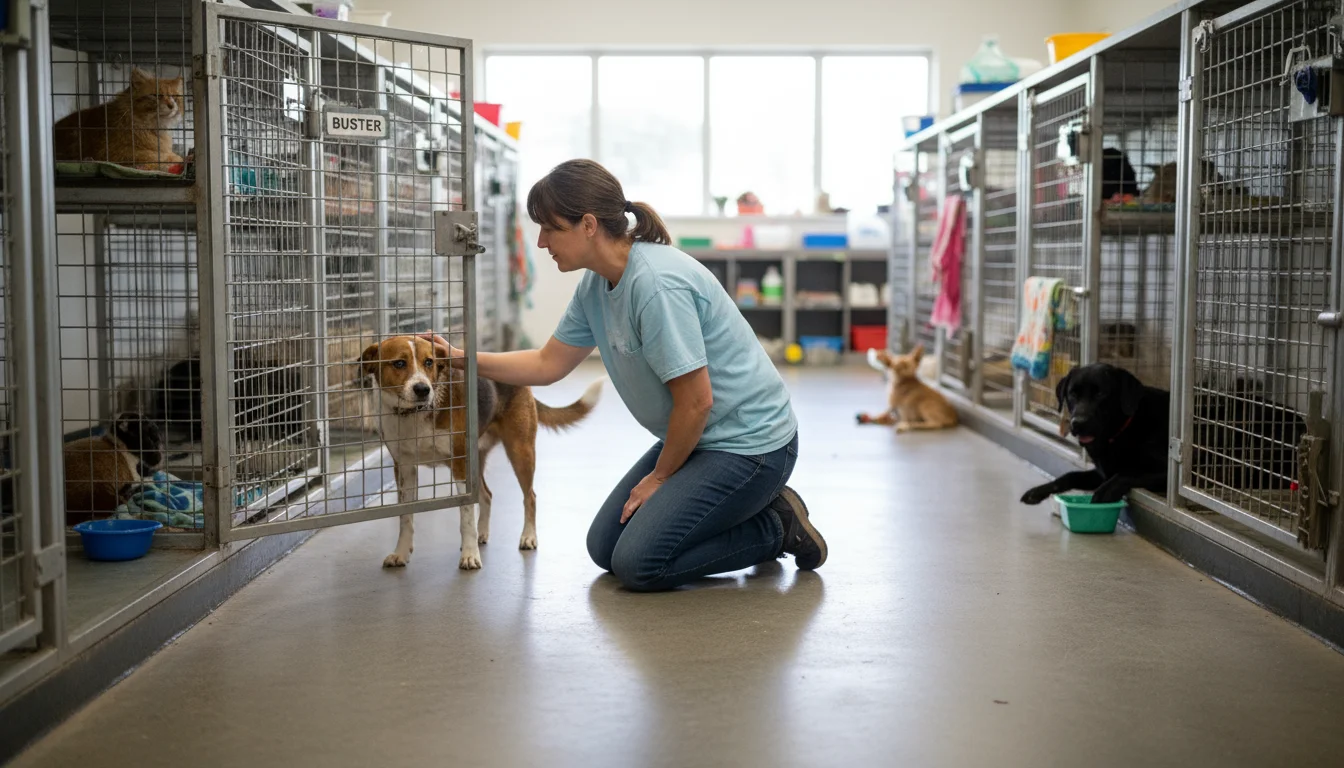
Responsible pet ownership extends beyond your individual pet to the broader community. Spaying and neutering play a critical role in addressing pet overpopulation, a pressing issue that affects countless animals in shelters across the country. This is one of the most impactful pet tips you can implement.
Each year, millions of homeless animals enter shelters. Many of these animals are healthy and adoptable but tragically face euthanasia due to a lack of available homes. Uncontrolled breeding significantly contributes to this crisis. One unspayed female cat and her offspring can produce tens of thousands of kittens over just a few years. Similarly, one unspayed dog and her puppies can lead to thousands of descendants. The numbers quickly become overwhelming.
By spaying or neutering your pet, you actively participate in reducing the number of unwanted animals. This directly alleviates the burden on animal shelters and rescue organizations, allowing them to focus resources on the animals already in their care. The ASPCA consistently highlights spaying and neutering as the most effective method for preventing pet overpopulation, emphasizing its critical role in saving lives.
Beyond the shelters, a responsible spay/neuter program benefits the community by reducing the number of stray animals. Fewer strays mean less public health risk from disease transmission, fewer traffic accidents involving animals, and a safer environment for both pets and people. It helps maintain a balanced ecosystem and prevents the spread of diseases among wildlife and domestic animals.
Choosing to spay or neuter your pet is a compassionate decision that reflects a commitment to animal welfare and responsible citizenship. You become part of the solution to a widespread problem, making a tangible difference for animals in need.

When Is the Right Time for the Procedure?
Determining the ideal age for spaying or neutering your pet is a common question among owners. While general guidelines exist, the best timing often depends on your pet’s individual circumstances, including species, breed, size, and overall health. Always discuss this with your veterinarian to make the most informed decision.
If you have recently welcomed a new dog, incorporating this procedure into your early puppy care routine is a fundamental step for their development.
Budgeting for these procedures is easier when you have a clear understanding of pet insurance and what it typically covers for elective surgeries.
General Guidelines:
- Cats: Most veterinarians recommend spaying or neutering cats around 5 months of age, before they reach sexual maturity. Some clinics may perform early-age spay/neuter as young as 8 weeks, especially in shelter settings, provided the kittens are healthy and meet weight requirements. Early spaying for female cats prevents their first heat cycle, which can start as early as 4-5 months.
- Small to Medium Breed Dogs: For these dogs, generally weighing under 45 pounds at maturity, the traditional recommendation often falls between 5 to 6 months of age. This timing provides excellent protection against mammary cancer in females and helps prevent early unwanted pregnancies.
- Large and Giant Breed Dogs: Recent research and veterinary understanding suggest that delaying neutering for some large and giant breed dogs (over 45-50 pounds at maturity) until they are more skeletally mature, around 12 to 18 months of age, may offer orthopedic benefits. Growth plates in these breeds close later, and sex hormones play a role in their development. Delaying may reduce the risk of certain joint conditions like hip dysplasia and cranial cruciate ligament tears in some breeds. However, delaying also means managing an intact pet for longer, which comes with its own set of risks (roaming, unwanted pregnancies). For example, a male Golden Retriever might benefit from later neutering for joint health, but you must strictly manage his environment to prevent roaming and accidental breeding.
Factors Influencing Timing:
- Breed-Specific Considerations: Certain breeds may have unique recommendations. For instance, some Rottweilers might be recommended for later neutering. Discuss your specific breed with your vet.
- Individual Health: Your veterinarian assesses your pet’s overall health, vaccination status, and any existing medical conditions before recommending surgery. A pet with an underlying health issue might require different timing or pre-operative management.
- Lifestyle: If your dog frequently interacts with intact dogs or has access to unsupervised outdoor areas, earlier spaying/neutering might be safer to prevent unwanted pregnancies or behavioral issues.
- Shelter Recommendations: Most shelters spay or neuter animals prior to adoption, often at younger ages, to ensure population control and responsible ownership from the outset.
Consulting with your veterinarian is paramount. They will consider your pet’s specific circumstances, discuss the latest scientific evidence, and help you determine the optimal timing for spaying or neutering, aligning with the best pet care practices. For comprehensive guidance on individualized care, organizations like the Cornell University College of Veterinary Medicine offer valuable insights into breed-specific considerations and the nuances of spay/neuter timing.

Preparing for and Recovering From Surgery
Understanding the surgical process and proper aftercare helps ensure a smooth experience for both you and your pet. Spaying and neutering are common procedures, but they still require careful preparation and diligent post-operative care.
During the recovery phase, you might need tips on how to give your dog medication effectively if any are prescribed for pain or infection.
Before the Surgery:
- Pre-Operative Exam and Blood Work: Your vet will conduct a thorough physical exam to ensure your pet is healthy enough for anesthesia. They will often recommend pre-anesthetic blood tests to check organ function and detect any underlying issues that could complicate the procedure or recovery. This is a crucial step for your pet’s safety.
- Fasting Instructions: You will typically need to withhold food for 8-12 hours before surgery, and sometimes water for a few hours. Follow your vet’s specific instructions closely to prevent complications like vomiting during anesthesia.
- Drop-Off: You will usually drop your pet off at the clinic in the morning. The veterinary team will provide instructions on when to expect updates and when to pick up your pet.
During the Surgery:
Your pet will receive general anesthesia and undergo continuous monitoring by trained veterinary staff. This monitoring includes heart rate, breathing, blood pressure, and oxygen levels. The surgical site is shaved and sterilized, and the veterinarian performs the procedure using sterile techniques. Pain medication is administered before, during, and after surgery to keep your pet comfortable.
After the Surgery: Home Care and Recovery:
Recovery usually takes 10-14 days. Your role in providing diligent home care is essential for preventing complications and ensuring your pet heals properly. Here’s what you need to do:
- Restrict Activity: Limit running, jumping, rough play, and climbing stairs for the entire recovery period. Keep your pet calm and confined to a small, comfortable area (e.g., a crate, small room) if necessary. Leash walks for bathroom breaks are generally fine, but avoid off-leash activity.
- Prevent Licking the Incision: Licking, chewing, or excessive grooming of the incision site can lead to infection or reopening of the wound. Use an Elizabethan collar (E-collar or “cone of shame”) or a recovery suit/medical pet shirt to prevent your pet from accessing the incision. Keep the cone on at all times, especially when unsupervised. Many pets adapt quickly to the cone.
- Monitor the Incision: Check the incision site daily for signs of swelling, redness, discharge, or any opening. A small amount of redness or bruising is normal initially, but significant changes warrant a call to your vet.
- Administer Medications: Your vet will prescribe pain medication and possibly anti-inflammatory drugs. Follow the dosage and schedule precisely, even if your pet seems to be feeling better. Never give human medications to your pet.
- Observe Appetite and Urination/Defecation: Your pet’s appetite may be slightly suppressed on the first day, but it should return to normal quickly. Ensure your pet is eating, drinking, urinating, and defecating normally.
- Keep Incision Dry: Do not bathe your pet or allow the incision to get wet until your vet gives you approval, usually after the sutures are removed or dissolved, around 10-14 days post-op.
- Follow-Up Appointment: Many vets schedule a follow-up appointment to check the incision and remove any external sutures (if applicable). Make sure you attend this appointment.
If you observe any concerning symptoms, such as persistent vomiting, lethargy, loss of appetite, pale gums, difficulty breathing, or significant swelling/discharge from the incision, contact your veterinarian immediately. Quick action can prevent minor issues from becoming serious complications.

Addressing Common Myths and Concerns
Many pet owners have questions and concerns about spaying and neutering, often based on common misconceptions. Let’s address some of these to provide clear, evidence-based answers.
Myth 1: “Spaying/Neutering will make my pet fat.”
Fact: The procedure removes hormones that play a role in metabolism, which can lead to a slight decrease in metabolic rate. However, spaying or neutering does not automatically cause weight gain. Pets gain weight due to overfeeding and lack of exercise. You can easily manage your pet’s weight by adjusting their diet and ensuring they receive appropriate daily physical activity. Many commercial pet foods offer “weight management” formulas for spayed/neutered pets, providing fewer calories per serving. Focus on portion control and regular playtime to keep your pet at a healthy weight.
Myth 2: “My pet’s personality will change, and they will become less active or playful.”
Fact: Spaying and neutering primarily affect hormonally driven behaviors, not fundamental personality traits. You might notice a decrease in aggression, roaming, urine marking, or heat-related restlessness, which often makes pets calmer and more focused on their human companions. Your pet’s playful nature, intelligence, and unique personality remain intact. In many cases, pets become more affectionate and less distracted by reproductive urges, strengthening your bond.
Myth 3: “My female pet needs to have one litter before being spayed.”
Fact: This is a persistent and medically unfounded myth. There are no known health or behavioral benefits to allowing a female dog or cat to have a litter before spaying. In fact, delaying spaying until after a heat cycle or pregnancy increases the risk of mammary cancer and pyometra, as discussed earlier. Early spaying provides the most significant health protection. Additionally, responsible pet ownership involves preventing unwanted litters.
Myth 4: “It’s too expensive.”
Fact: The initial cost of spaying or neutering can seem like an investment, but consider the long-term financial implications. The cost of caring for an unwanted litter (food, veterinary care for mother and babies) far exceeds the cost of spaying. Furthermore, treating reproductive health issues like pyometra or mammary cancer can involve expensive emergency surgeries, chemotherapy, and extended recovery periods. Many organizations offer affordable spay/neuter programs, which we will explore next.
Myth 5: “My male pet will feel less ‘masculine’ or somehow lose his identity.”
Fact: Pets do not have a concept of “masculinity” or identity in the human sense. Their behaviors are primarily driven by instinct and hormones. Neutering eliminates the hormonal drives associated with reproduction, leading to behavioral improvements without causing any psychological distress to the pet. Your pet will simply be freed from the instinctual urges that can cause frustration and behavioral problems.
By understanding these facts, you can move forward with confidence, knowing that spaying or neutering is a loving and responsible choice for your pet’s pet health.

Finding Affordable Spay/Neuter Options
The cost of veterinary care, including spaying and neutering, can be a concern for some pet owners. However, a range of affordable options exists to ensure every pet can receive this vital procedure. Prioritizing your pet’s well-being means exploring these avenues.
Here are several ways to access affordable spay/neuter services:
- Low-Cost Spay/Neuter Clinics: Many communities have dedicated low-cost clinics that specialize in high-volume, affordable spay/neuter surgeries. These clinics typically operate with streamlined processes to keep costs down while maintaining high standards of care. A quick online search for “low-cost spay neuter near me” often reveals local options.
- Animal Shelters and Humane Societies: Local animal shelters and humane societies frequently offer low-cost spay/neuter programs to the public. They often receive grants or donations that allow them to subsidize the cost of these surgeries as part of their mission to combat pet overpopulation. Contact your local shelter to inquire about their services.
- Veterinary School Clinics: If you live near a veterinary teaching hospital, their clinics often provide services at a reduced rate. While they are teaching environments, all procedures are supervised by experienced, board-certified veterinarians, ensuring excellent care.
- Voucher Programs and Financial Assistance: Some non-profit organizations and local government agencies offer voucher programs or financial assistance to qualifying pet owners. These programs help cover a portion or the entirety of the surgical cost. Search for pet financial aid resources in your area.
- Veterinary Payment Plans: Some private veterinary practices offer payment plans or work with third-party financing options (like CareCredit) that allow you to pay for the surgery in installments. Discuss these possibilities with your veterinarian’s office.
- Community and Rescue Group Initiatives: Many smaller rescue groups and community animal welfare organizations host periodic low-cost spay/neuter events or partner with local vets to offer discounted services. Keep an eye out for these local initiatives.
Do not let the perceived cost deter you from providing your pet with this essential preventative care. Investing in spaying or neutering often saves you money in the long run by preventing expensive emergency treatments for reproductive issues or the costs associated with caring for an unexpected litter. Accessing these services is a proactive pet health tip that benefits both your pet and your wallet.

Frequently Asked Questions
Is spaying or neutering painful for my pet?
Your pet receives general anesthesia during the procedure, so they feel no pain. After surgery, your veterinarian provides pain medication to manage discomfort during recovery. Most pets recover quickly and resume normal activities within a few days, often without showing significant signs of pain when pain medication is administered as directed.
Will my pet’s personality change after being spayed or neutered?
Fundamental personality traits like playfulness and affection do not change. You may notice positive behavioral adjustments, such as reduced roaming, less urine marking, or a decrease in hormonally driven aggression, particularly in males. Females will no longer experience the stress and restlessness associated with heat cycles. These changes often make your pet a calmer, more focused companion.
Can older pets still be spayed or neutered?
Yes, older pets can often be safely spayed or neutered. While the risks associated with anesthesia can increase with age, especially if there are underlying health conditions, your veterinarian will conduct a thorough pre-operative exam and blood work to assess your pet’s suitability for surgery. The health and behavioral benefits generally extend to older pets as well.
How long is the recovery period for spaying or neutering?
The typical recovery period lasts 10 to 14 days. During this time, you must restrict your pet’s activity, prevent them from licking the incision site with an E-collar, and administer all prescribed medications. Following your veterinarian’s post-operative instructions carefully ensures a smooth and complete recovery.
Spaying and neutering are foundational choices in pet care, offering a lifetime of benefits for your beloved companion and contributing positively to the welfare of animals in your community. By understanding the health, behavioral, and societal advantages, you make an informed decision that upholds the highest standards of responsible pet ownership.
For expert pet care guidance, visit
Preventive Vet,
American Veterinary Medical Association (AVMA),
American Kennel Club (AKC) and
Cat Fanciers’ Association (CFA).
Disclaimer: This article is for informational purposes only and is not a substitute for professional veterinary advice, diagnosis, or treatment. Always consult with a licensed veterinarian for medical concerns about your pet.









Leave a Reply