

Understanding pet allergies empowers you to provide your companion with the best possible care, alleviating discomfort and improving their quality of life. Allergies represent one of the most common reasons pet owners seek veterinary attention. When your pet develops an allergy, their immune system overreacts to otherwise harmless substances, called allergens, leading to uncomfortable symptoms. Identifying these triggers and implementing effective management strategies are key steps in helping your pet thrive. This comprehensive guide details common symptoms, diagnostic approaches, and treatment options for various pet allergies, offering you practical, science-backed insights to navigate this challenging condition.
Recognizing 10 warning signs your pet needs a vet visit can help you determine if an allergic reaction requires urgent medical attention.

What Exactly Are Pet Allergies?
A pet allergy occurs when your animal’s immune system mistakenly identifies a harmless substance as a threat. In response, the body releases histamines and other chemicals, causing an inflammatory reaction. These reactions typically manifest as skin problems, digestive upset, or respiratory issues. Unlike humans, who often sneeze and get watery eyes, pets primarily express allergies through their skin. This immune system overreaction can start at any age, though it frequently appears in young to middle-aged pets, and can worsen over time. Understanding pet allergies for pets begins with recognizing this fundamental immune response.
Because some reactions can be severe, it is also helpful to know how to administer first aid for your pet in an emergency.
Allergens, the substances that trigger these reactions, vary widely. They can be microscopic particles in the air, ingredients in food, or even the saliva from a flea bite. Your pet’s genetic predisposition often plays a significant role in developing allergies. Certain breeds, such as Golden Retrievers, German Shepherds, Boxers, and many terrier breeds, show a higher incidence of environmental allergies. Similarly, some cats, like Devon Rex and Sphynx breeds, might have a genetic predisposition. Environmental factors also contribute, including exposure to various pollens, dust mites, or certain food components early in life.

Recognizing the Signs: Common Symptoms Across Species
Identifying the signs of pet allergies early allows for prompt intervention and improved comfort for your animal. While symptoms vary depending on the type of allergy and individual pet, several common indicators signal an allergic reaction. Pay close attention to changes in your pet’s skin, coat, behavior, and digestive patterns.
Chronic itching and skin irritation can cause significant distress; understanding the signs your pet is in pain can help you assess their overall comfort during flare-ups.
For dogs, the most prominent symptom involves intense itching, also known as pruritus. You might observe your dog:
- Constantly scratching, licking, or chewing their paws, flanks, groin, or ears.
- Developing red, inflamed skin, often with hair loss in affected areas.
- Having recurrent ear infections, characterized by head shaking, ear scratching, a foul odor from the ears, or discharge.
- Experiencing hot spots, which are localized, moist, painful skin infections that appear suddenly.
- Rubbing their face against furniture or carpet.
- Showing signs of secondary skin infections due to self-trauma, such as pustules or crusts.
Feline owners should also stay informed about other common cat health issues to better distinguish allergic reactions from other medical concerns.
Cats also exhibit intense itching, but their symptoms can be more subtle or present differently. Look for:
- Over-grooming, leading to hair loss or bald patches, particularly on the belly, inner thighs, or flanks.
- Miliary dermatitis, which appears as small, crusty bumps on the skin, often felt before seen.
- Eosinophilic granuloma complex, a group of skin lesions including plaques, ulcers, or granulomas that can appear anywhere on the body, especially the lips or inner thighs.
- Frequent scratching, head shaking, or ear infections similar to dogs.
- Sneezing, wheezing, or coughing, especially with environmental allergies.
For both dogs and cats, gastrointestinal signs can indicate a food allergy or intolerance, though they are less common than skin symptoms. These include:
- Vomiting.
- Diarrhea.
- Frequent bowel movements.
- Straining to defecate.
Regardless of the species, consistent monitoring of your pet’s behavior and physical condition provides the best pet health tips for early allergy detection. Documenting when and where symptoms occur, as well as any changes in their environment or diet, provides valuable information for your veterinarian.

The Main Types of Pet Allergies
Understanding the different categories of pet allergies helps you and your veterinarian narrow down potential causes and implement targeted treatments. The three most common types are environmental, food, and flea bite allergies.
While proteins are common triggers, you should also be aware of which human foods are dangerous for pets to prevent accidental ingestion.
Environmental Allergies (Atopic Dermatitis)
Environmental allergies, or atopic dermatitis, develop when your pet reacts to airborne particles. These include pollens from trees, grasses, and weeds, mold spores, and dust mites. Symptoms often have a seasonal pattern, mirroring the prevalence of certain pollens, but pets allergic to dust mites or molds may experience year-round discomfort. Atopy typically manifests as skin itching and inflammation, especially on the paws, face, ears, armpits, and groin. According to the American Veterinary Medical Association (AVMA), atopic dermatitis is one of the most common chronic allergic skin diseases in dogs.
Food Allergies
Food allergies occur when your pet’s immune system reacts adversely to specific ingredients in their diet, most commonly proteins like beef, chicken, dairy, or wheat. Unlike food intolerances, which cause digestive upset but do not involve an immune response, true food allergies trigger skin reactions or, less frequently, gastrointestinal issues such as vomiting and diarrhea. Symptoms are often non-seasonal and can appear at any age, even after years of consuming the same food without issues. Diagnosing food allergies requires a strict food elimination trial, which we will discuss in more detail.
Flea Allergy Dermatitis (FAD)
Flea Allergy Dermatitis, or FAD, is the most common skin disease in pets. It results from an allergic reaction to proteins in flea saliva. Even a single flea bite can trigger an intense, generalized allergic reaction in a hypersensitive pet, leading to severe itching and skin inflammation. Pets with FAD often chew or scratch vigorously at their hindquarters, tail base, and inner thighs, leading to hair loss, scabbing, and secondary skin infections. This condition highlights the critical importance of consistent flea prevention as a vital component of pet care.
Contact Allergies
While less common than the other types, contact allergies occur when your pet’s skin comes into direct contact with an irritating substance. Common culprits include certain cleaning products, fabrics, plants (like poison ivy), or materials in bowls or collars. Symptoms typically appear only at the point of contact, such as red, itchy skin on the belly if they lie on an irritating carpet, or around the chin if they use a plastic bowl. Identifying and removing the offending substance provides the most direct treatment for this type of allergy.
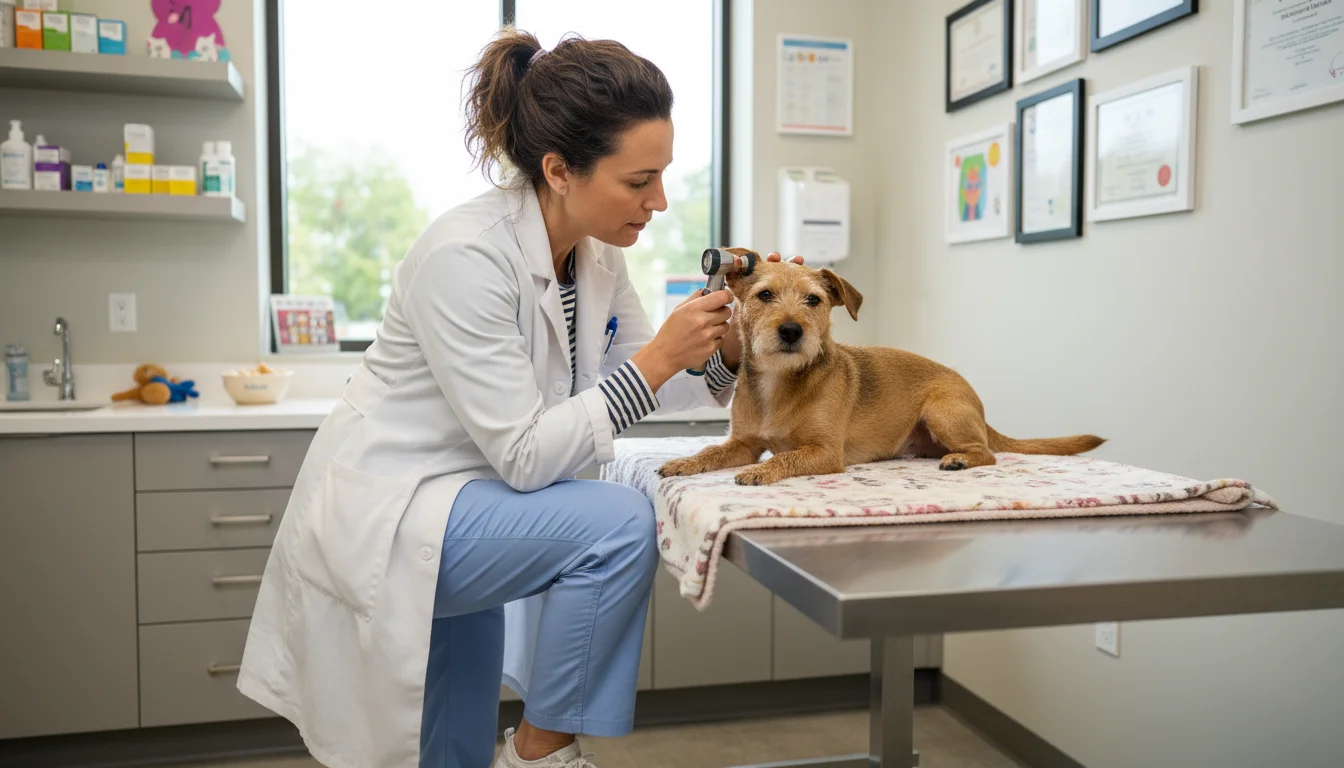
Diagnosing Pet Allergies: Your Veterinary Partner
Diagnosing pet allergies can be a complex and often lengthy process, requiring a close partnership with your veterinarian
Since long-term allergy management can be costly, understanding pet insurance may provide peace of mind regarding the financial aspects of chronic care.
. It often involves a methodical approach to rule out other conditions and pinpoint specific allergens. This journey tests your patience, but ultimately leads to a clearer understanding and more effective treatment for your pet’s discomfort.
Initial Veterinary Examination and Ruling Out Other Conditions
Your veterinarian begins with a thorough physical examination and gathers a detailed history of your pet’s symptoms. They will ask about the onset of symptoms, their seasonality, your pet’s diet, flea prevention regimen, and any changes in their environment. The first crucial step involves ruling out other causes of itching and skin problems, such as parasitic infestations (mites, lice), fungal infections (ringworm), or bacterial skin infections. Your vet may recommend skin scrapings, fungal cultures, or cytology (examining cells from the skin under a microscope) to identify or exclude these possibilities. Addressing secondary infections is often necessary before tackling the underlying allergy.
Environmental Allergy Testing
Once other causes are ruled out, your vet may suggest testing for environmental allergies. Two primary methods exist:
- Intradermal Skin Testing (IDST): Considered the “gold standard” by many veterinary dermatologists. Your pet receives a mild sedative, and a small area of fur is shaved. The vet injects tiny amounts of common allergens into the skin. A positive reaction manifests as a red, raised welt at the injection site, similar to a human allergy test. This test identifies specific environmental triggers, which guides immunotherapy.
- Blood Testing (Serum Allergy Testing): A blood sample is taken and sent to a lab to measure antibodies (IgE) against various environmental allergens. While less sensitive than IDST, it is less invasive and widely available. Results help identify potential triggers, though interpretation requires veterinary expertise.
Food Elimination Trials
Diagnosing food allergies requires a strict food elimination trial, the only reliable method. This process is time-consuming but essential for accurate diagnosis.
- Select a Novel Protein or Hydrolyzed Diet: Your vet will prescribe a specialized diet containing either a protein source your pet has never eaten before (e.g., duck, venison, kangaroo) or a hydrolyzed protein diet where proteins are broken down into particles too small to trigger an immune response.
- Strict Adherence: Feed *only* this prescribed diet for 8-12 weeks. Absolutely no other food, treats, table scraps, flavored medications, or chew toys that might contain allergens are allowed. This requires meticulous attention from you and your family. According to UC Davis School of Veterinary Medicine, strict adherence is critical for the success of an elimination diet.
- Monitor Symptoms: During the trial, observe your pet’s symptoms closely. If they improve significantly, it strongly suggests a food allergy.
- Reintroduction (Challenge) Phase: If symptoms improve, your vet may recommend reintroducing previous food ingredients one at a time. If symptoms return after reintroducing a specific ingredient, you have identified the allergen. This step confirms the diagnosis.
This process is a prime example of the dedication required for effective pet care when dealing with chronic conditions.

Effective Management and Treatment Strategies
Managing pet allergies involves a multifaceted approach tailored to your pet’s specific needs and allergy type. The goal is to reduce symptoms, prevent secondary infections, and improve your pet’s overall comfort. Many strategies combine medical treatments with environmental and dietary management.
Managing Environmental Allergies (Atopic Dermatitis)
If your treatment plan includes oral prescriptions, mastering how to give your dog medication can help ensure they receive the full benefit of their therapy.
Treatment for environmental allergies often involves several components:
- Antihistamines: Over-the-counter antihistamines like diphenhydramine (Benadryl) or cetirizine (Zyrtec) can provide mild relief for some pets, but they are effective in only a small percentage of cases. Always consult your veterinarian for appropriate dosages and to ensure suitability for your pet.
- Corticosteroids: Steroids, such as prednisone, effectively reduce inflammation and itching. They offer rapid relief but come with potential side effects, including increased thirst, urination, appetite, and long-term health risks with chronic use. Veterinarians typically prescribe them for short-term control of severe flare-ups.
- Immunomodulatory Drugs: Medications like cyclosporine (Atopica) suppress the immune response that causes allergic reactions. They are often used for long-term management and can be highly effective, though they can take several weeks to show full benefit.
- Targeted Biologic Therapies: Newer medications, such as oclacitinib (Apoquel) and lokivetmab (Cytopoint), specifically target the itch pathway or allergic antibodies. Apoquel is an oral tablet that rapidly reduces itching. Cytopoint is an injectable antibody that can provide 4-8 weeks of itch relief. These drugs are generally very safe and effective, offering excellent solutions for many allergic pets.
- Allergen-Specific Immunotherapy (ASIT): Often called “allergy shots” or “allergy drops,” ASIT involves administering gradually increasing doses of the identified allergens to desensitize your pet’s immune system over time. This is the only treatment that targets the underlying cause of the allergy, potentially offering long-term relief and reducing the need for other medications. Success rates vary, but many pets show significant improvement.
- Topical Treatments: Medicated shampoos, conditioners, mousses, and sprays containing ingredients like chlorhexidine, miconazole, or hydrocortisone can soothe irritated skin, reduce inflammation, and help manage secondary infections. Frequent bathing with appropriate products can remove allergens from the coat and provide temporary relief.
Dietary Solutions for Food Allergies
Once you identify a food allergy through an elimination trial, managing it becomes a matter of strict dietary control.
- Novel Protein Diets: Continue feeding a diet that contains only the protein and carbohydrate sources your pet tolerates. Many commercial “limited ingredient” or “novel protein” diets exist. Always check the ingredient list meticulously.
- Hydrolyzed Protein Diets: These prescription diets are excellent for managing food allergies because the proteins are broken down so extensively that your pet’s immune system does not recognize them as allergens.
- Homemade Diets: Under veterinary guidance, you can prepare a homemade diet using tolerated ingredients. This requires careful nutritional balancing to ensure your pet receives all necessary nutrients, as improper homemade diets can lead to deficiencies.
Best pet health tips for food allergies include vigilant label reading and preventing access to unauthorized foods or treats.
Preventive Strategies for Flea Allergy Dermatitis
The most effective treatment for FAD is rigorous, year-round flea prevention for all pets in the household.
- Prescription Flea Control: Use high-quality, veterinarian-recommended oral or topical flea prevention products. These are more effective than over-the-counter options. Examples include monthly oral medications or long-acting topical treatments.
- Environmental Flea Control: Treat your home environment to eliminate fleas at all life stages. This involves frequent vacuuming, washing pet bedding in hot water, and potentially using veterinary-approved environmental sprays or foggers if the infestation is severe.
- Symptomatic Relief: While prevention is key, your vet may prescribe short-term medications like corticosteroids or antihistamines to alleviate severe itching and inflammation during a flare-up.

Integrated Approaches for Long-Term Pet Health
Successful allergy management often involves more than just a single medication. An integrated approach, combining various therapies and lifestyle adjustments, typically yields the best long-term outcomes for your pet. This holistic perspective focuses on reducing the overall allergen load and strengthening your pet’s natural defenses.
Supplements and Dietary Support
Omega-3 fatty acid supplements, specifically EPA and DHA, play a crucial role in skin health and inflammation reduction. They can help strengthen the skin barrier, reducing allergen penetration and soothing inflamed skin. While not a standalone treatment, omega-3s often work synergistically with other therapies. Probiotics also show promise in supporting gut health, which impacts overall immune function and can sometimes modulate allergic responses. Always discuss any supplements with your veterinarian before adding them to your pet’s regimen, ensuring they are appropriate and correctly dosed.
Environmental Control Measures
Reducing your pet’s exposure to environmental allergens significantly contributes to symptom control.
- Dust Mites: These microscopic creatures thrive in bedding, carpets, and upholstered furniture. Wash pet beds weekly in hot water. Consider using washable covers on pet beds and opting for hard-surface flooring over carpets if possible. Regular vacuuming with a HEPA filter vacuum cleaner helps, as does using HEPA air purifiers in rooms where your pet spends the most time.
- Pollen: During high pollen seasons, keep windows closed, especially during peak pollen times (morning and late afternoon). Wipe down your pet’s paws and coat with a damp cloth or pet-safe wipe after outdoor excursions to remove pollen. Bathing with a gentle, hypoallergenic shampoo can also remove environmental allergens from the fur.
- Mold: Address any mold or dampness in your home. Use dehumidifiers in basements or humid areas.
Implementing these pet care strategies can minimize the triggers your pet encounters daily.
Addressing Secondary Infections
Allergies compromise the skin barrier and lead to excessive scratching, making allergic pets highly susceptible to secondary bacterial (pyoderma) and yeast (Malassezia) infections. These infections exacerbate itching and discomfort. Your veterinarian will often prescribe antibiotics for bacterial infections and antifungal medications for yeast infections, either orally or topically, alongside allergy management. Treating these infections is critical to break the itch-scratch cycle and allows underlying allergy treatments to be more effective. Regular monitoring of your pet’s skin health and prompt treatment of any infection flare-ups are essential best pet health tips for managing allergies.
Stress Reduction
Stress can sometimes worsen allergic symptoms in pets, similar to how it impacts human health. Creating a predictable, comfortable, and low-stress environment supports your pet’s overall well-being. This includes maintaining consistent routines, providing adequate exercise and mental stimulation, and ensuring they have a safe, quiet space to rest. Using positive reinforcement for training and interaction also contributes to a positive emotional state, which indirectly supports their physical health.

Living with an Allergic Pet: Daily Care Tips
Caring for an allergic pet requires consistent effort and attention to detail. Integrating specific daily care practices into your routine helps manage their symptoms and ensures their comfort.
Grooming and Skin Care
Regular grooming plays a vital role in allergy management.
- Bathing: Frequent bathing with a hypoallergenic or medicated shampoo recommended by your veterinarian removes allergens from the coat, moisturizes the skin, and helps control secondary infections. Aim for baths every few days to once a week, depending on your vet’s advice and your pet’s condition. Always use cool to lukewarm water to avoid irritating already sensitive skin.
- Wiping Paws and Face: After outdoor activities, wipe your pet’s paws, belly, and face with a damp cloth or pet-safe allergy wipe. This immediately removes pollens and other environmental allergens before they have a chance to penetrate the skin.
- Ear Cleaning: Allergic pets are prone to ear infections. Regular ear cleaning with a vet-approved solution, often once or twice a week, helps remove debris, excess wax, and allergens, preventing infection. Watch for signs of irritation or infection, such as redness, odor, or discharge.
Diet Management and Treats
For pets with food allergies, strict diet management remains paramount. Ensure everyone in the household understands the importance of feeding only the approved diet.
- Read Labels Carefully: Scrutinize all food, treat, and supplement labels. Many commercial treats contain common allergens. Look for single-ingredient treats that your pet tolerates, such as boiled chicken or specific vegetables, if approved by your vet.
- Avoid Cross-Contamination: Store your allergic pet’s food separately from other pets’ food. Use separate bowls and ensure they do not share food or chew toys.
- Communicate with Caretakers: Inform pet sitters, groomers, and boarding facilities about your pet’s specific dietary restrictions. Provide clear instructions and appropriate food.
Monitoring and Documentation
Maintaining a detailed record of your pet’s symptoms, treatments, and environmental exposures offers invaluable data for your vet.
- Symptom Journal: Note when itching or other symptoms flare up, their severity, and any potential triggers you observe. Include details about specific areas affected, such as “licking paws intensely after walking in grass.”
- Treatment Response: Document how your pet responds to medications, baths, or dietary changes. This helps your vet fine-tune the treatment plan.
- Photos: Take photos of skin lesions, redness, or hair loss over time. Visual documentation provides concrete evidence of progression or improvement.
This consistent monitoring helps you and your veterinarian adjust your pet’s care plan effectively.

When to Consult Your Veterinarian
While you can manage some aspects of pet allergy care at home, knowing when to seek professional veterinary help is crucial. Early intervention can prevent minor issues from escalating into serious problems and ensures your pet receives the most appropriate treatment.
You should consult your veterinarian if you observe any of the following:
- New or Worsening Symptoms: If your pet develops new symptoms, or if existing itching, licking, or skin irritation intensifies despite home care.
- Signs of Infection: Red, inflamed skin, pus, crusts, foul odor, or hot spots indicate a secondary bacterial or yeast infection. These require immediate veterinary attention and often necessitate antibiotics or antifungals.
- Persistent Discomfort: If your pet shows constant discomfort, restlessness, or difficulty sleeping due to itching, their quality of life is severely impacted, and professional help is needed to alleviate their suffering.
- Changes in Eating or Drinking Habits: While less common, severe allergies can sometimes affect appetite or lead to excessive thirst. If accompanied by other allergy symptoms, consult your vet.
- Respiratory Distress: Although rare in pets, severe environmental allergies can sometimes trigger sneezing, coughing, wheezing, or difficulty breathing. Treat any respiratory distress as an emergency.
- Lack of Response to Current Treatment: If your pet’s current allergy management plan seems ineffective, or if symptoms continually recur, your veterinarian can re-evaluate the diagnosis and adjust therapies. This might involve exploring advanced diagnostics or new medications.
Beyond skin irritation, knowing other warning signs your pet needs a vet visit can save vital time in an emergency.
Regular wellness exams, which often include discussions about your pet’s overall health and any emerging issues, are among the best pet health tips for comprehensive preventive care. Consistent communication with your veterinary team forms the cornerstone of effective long-term allergy management. According to the American Animal Hospital Association (AAHA), routine veterinary visits are essential for managing chronic conditions like allergies.

Frequently Asked Questions
Are pet allergies curable?
Pet allergies are generally not curable, but they are highly manageable. The goal of treatment focuses on reducing symptoms, preventing flare-ups, and improving your pet’s quality of life. Immunotherapy, while not a cure, can desensitize your pet to allergens over time, significantly reducing the severity and frequency of their reactions.
Can pets be allergic to humans?
While extremely rare, pets can develop allergies to human dander, similar to how humans react to pet dander. These cases are uncommon and typically involve environmental allergy symptoms like skin itching or respiratory issues. Diagnosis and management would follow the same principles as other environmental allergies.
How long does it take to see results from allergy treatment?
The time to see results varies significantly based on the type of allergy and treatment. Medications like Apoquel or Cytopoint can provide rapid itch relief, sometimes within hours or days. Dietary changes for food allergies require 8-12 weeks of strict adherence before significant improvement occurs. Immunotherapy is a long-term commitment, often taking 6-12 months to show noticeable benefits, with full effects potentially taking longer.
Is it expensive to treat pet allergies?
Managing pet allergies can incur significant costs, especially for initial diagnosis and specialized treatments. This includes veterinary visits, diagnostic tests, prescription foods, and long-term medications or immunotherapy. You can discuss various treatment options and their associated costs with your veterinarian to find a plan that fits your pet’s needs and your budget. Many vets offer different strategies, balancing immediate relief with long-term management.
Can pet allergies suddenly appear in an older pet?
Yes, allergies can develop at any age, including in older pets. While allergies often manifest in young to middle-aged animals, an older pet’s immune system can change over time, potentially leading to new sensitivities. If your older pet suddenly develops allergy symptoms, consult your veterinarian for proper diagnosis and treatment.
For expert pet care guidance, visit
American Kennel Club (AKC), Cat Fanciers’ Association (CFA) and ASPCA.
Disclaimer: This article is for informational purposes only and is not a substitute for professional veterinary advice, diagnosis, or treatment. Always consult with a licensed veterinarian for medical concerns about your pet.
While focusing on allergens, it is equally important to eliminate access to human foods that are dangerous for pets to prevent acute toxic reactions.









Leave a Reply