

Cats bring immense joy into our lives, yet they often express themselves in ways humans find confusing or challenging. When your feline friend exhibits behaviors you struggle to understand or manage, you want practical, effective solutions. This guide helps you identify common cat behavior problems, understand their root causes, and determine when seeking professional help from a certified behaviorist becomes essential. You possess the power to improve your cat’s well-being and strengthen your bond by approaching these issues with knowledge and a positive mindset.
Addressing cat behavior problems early prevents escalation and fosters a happier home environment. We explore proactive strategies, environmental adjustments, and the specific signs indicating it is time to consult an expert in feline behavior.

Understanding Cat Behavior: More Than Just Finicky
Cats are complex creatures with unique communication styles and deeply ingrained instincts. You cannot expect them to act like small dogs or humans. Understanding their natural behaviors provides the foundation for solving problems. Cats communicate through scent, vocalizations, and body language. A change in behavior often signals an unmet need, stress, or an underlying medical issue.
Strengthening your connection through ways to bond with your cat can provide the emotional security they need to feel safe in their environment.
Felines are predators, territorial, and creatures of habit. They require specific resources, including food, water, litter boxes, scratching surfaces, and safe resting spots. When these resources are insufficient, inappropriately placed, or cause stress, behavior problems emerge. For example, a cat might spray urine to mark territory if they feel threatened, or scratch furniture if they lack appropriate scratching posts.
Positive reinforcement forms the cornerstone of effective behavior modification for cats. This means rewarding desired behaviors to increase their frequency. For instance, you praise and offer a treat when your cat uses their scratching post, making them more likely to repeat the action. Punishment, in contrast, creates fear and anxiety, damaging your bond and often intensifying unwanted behaviors. According to the International Association of Animal Behavior Consultants (IAABC), force-free, positive reinforcement methods lead to lasting behavioral change and improved animal welfare. By recognizing and rewarding appropriate actions, you gently guide your cat towards better choices.
Common Cat Behavior Problems You Might Encounter
Many cat owners experience challenges with their pets. Recognizing these common cat behavior problems for pets helps you identify issues early. Here are some of the most frequent concerns:
- Inappropriate Urination or Defecation: Your cat eliminates outside the litter box. This is one of the most common and frustrating problems, signaling a potential medical issue, stress, or dissatisfaction with their litter box setup.
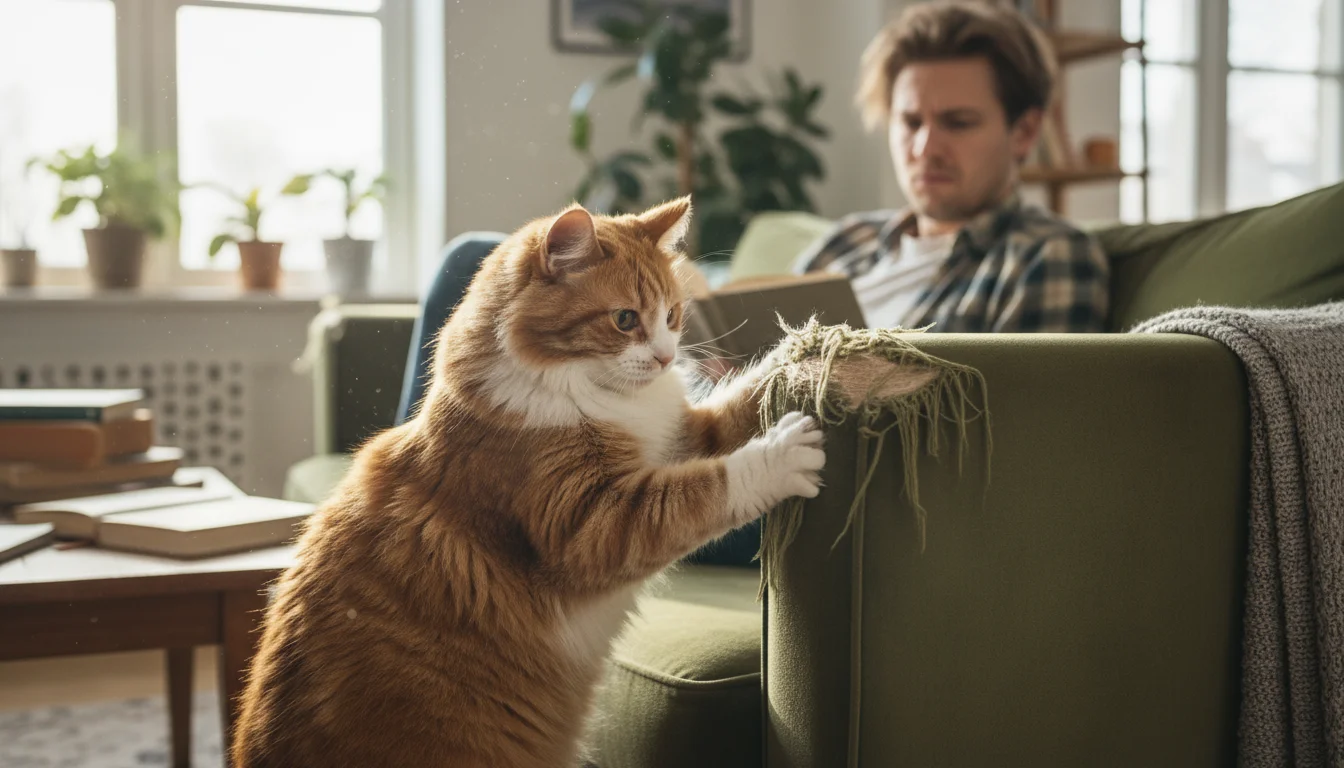
- Destructive Scratching: Cats scratch to maintain claw health, mark territory, and stretch. When they choose furniture over scratching posts, it becomes a problem.
- Aggression: This includes aggression towards humans, other pets, or even self-aggression. It can manifest as biting, scratching, hissing, or swatting. Aggression often stems from fear, pain, territoriality, or improper socialization.
- Excessive Vocalization: Constant meowing, yowling, or purring can indicate pain, stress, senility, or a demand for attention.
- Anxiety and Fear: Hiding, destructive chewing, excessive grooming, or eliminating outside the litter box often signal anxiety. Loud noises, new environments, or changes in routine trigger these reactions.
- Over-grooming (Psychogenic Alopecia): Your cat licks or chews their fur excessively, causing hair loss or skin irritation. Stress, boredom, or an underlying medical condition causes this behavior.
- Play Aggression: Kittens and young cats sometimes bite and scratch during play, mistaking human hands or feet for toys. This requires redirection and appropriate play outlets.
Any sudden change in your cat’s behavior warrants immediate attention. Ignoring these signs allows the behavior to become entrenched, making future modification more difficult. Early intervention, starting with a veterinary check, provides the best chance for successful resolution.
Initial Steps: Addressing Behavior Challenges at Home
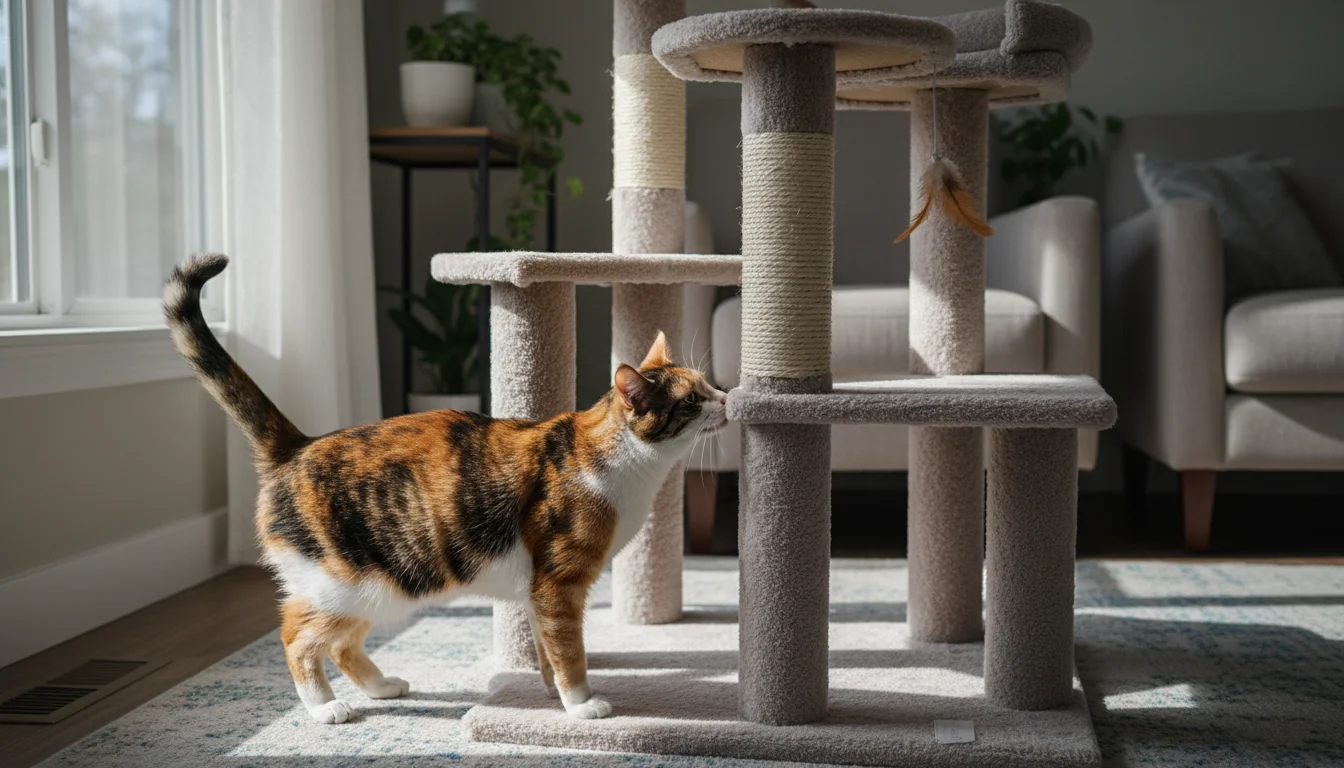
When you first notice a behavior problem, you have several crucial steps to take before considering professional help. These initial strategies, rooted in pet training and behavior science, often resolve mild to moderate issues.
To ensure your efforts at home are successful, it is helpful to review common training mistakes that many pet owners inadvertently make.
1. Veterinary Check-up: Rule Out Medical Causes
Always schedule a complete veterinary examination first. Many behavior changes, especially inappropriate elimination, aggression, or excessive vocalization, stem from underlying medical conditions. Pain, urinary tract infections, kidney disease, hyperthyroidism, arthritis, and dental issues all manifest as behavioral problems. A veterinarian diagnoses and treats these conditions, often resolving the behavior issue entirely. Without ruling out medical causes, any behavior modification efforts may prove ineffective.
2. Environmental Enrichment: Fulfilling Feline Needs
Cats thrive in enriched environments that allow them to express natural behaviors. Evaluate your home for these elements:
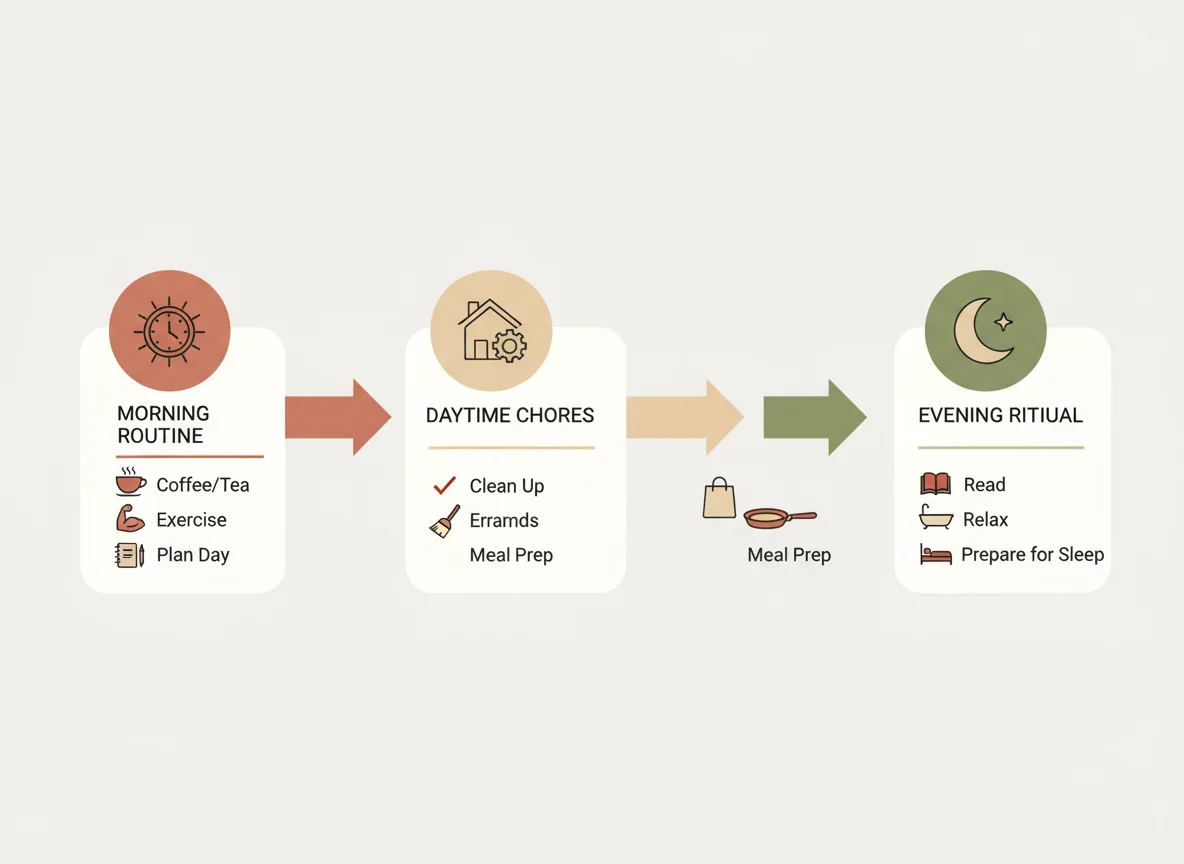
- Vertical Space: Cats feel safer and more confident when they have elevated perches. Provide cat trees, shelves, or window perches.
- Scratching Posts: Offer a variety of scratching surfaces (cardboard, sisal, carpet) in different orientations (vertical, horizontal) in prominent areas. Ensure posts are tall and sturdy enough for a full stretch.
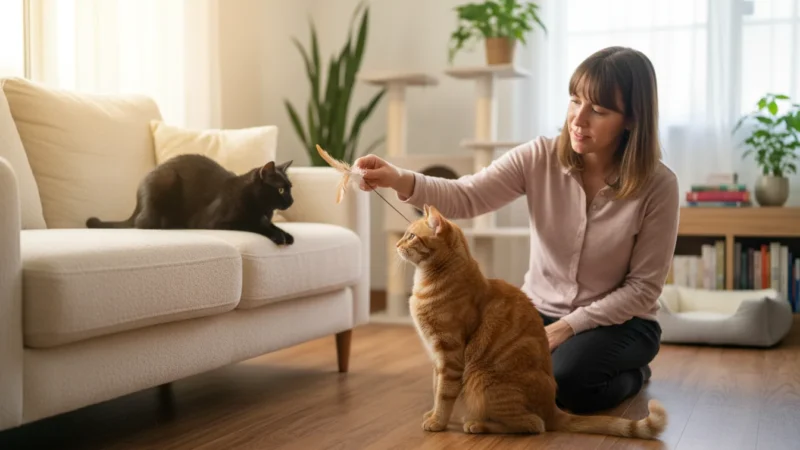
- Play and Exercise: Engage your cat daily with interactive toys like wand toys. Mimic hunting behavior with short, frequent play sessions, followed by a “kill” (allowing them to catch the toy) and a small treat. This helps manage play aggression and boredom.
- Hidden Treats and Puzzle Feeders: Encourage foraging behavior by hiding treats or using puzzle feeders. This provides mental stimulation and slows down eating.
- Safe Retreats: Ensure your cat has quiet, private spaces to hide and rest, away from household commotion or other pets.
3. Litter Box Audit: Optimizing the Feline Restroom
Litter box problems often resolve with simple adjustments. The general rule is one litter box per cat, plus one extra, placed in quiet, accessible locations. Consider these factors:
- Number and Location: Distribute boxes throughout your home, not all in one spot. Avoid high-traffic areas or places near loud appliances.
- Type of Box: Many cats prefer large, uncovered boxes. Avoid boxes with hoods or liners if your cat dislikes them.
- Litter Type: Cats have strong preferences for litter texture and scent. Experiment with different unscented, clumping litters until you find one your cat prefers.
- Cleanliness: Scoop litter boxes at least once daily, preferably twice. Clean the entire box with mild, unscented soap weekly or bi-weekly.
Implementing these best pet training tips and environmental changes often makes a significant difference. Give each change time to work, typically 2-4 weeks, while maintaining consistency.

When DIY Isn’t Enough: Signs You Need Professional Help
You apply proactive strategies and make environmental changes with consistency. Despite your best efforts, some cat behavior problems persist or even worsen. This indicates a need for professional guidance. Recognizing these signs helps you make the timely decision to seek expert help, protecting your cat’s welfare and your peace of mind.
If you have a multi-pet household, it may also be useful to review signs a dog needs professional help to ensure every animal’s needs are met.
- Escalation and Safety Concerns: The behavior becomes more intense, frequent, or dangerous. This includes aggression leading to injury to humans or other pets, or self-harm (e.g., excessive licking causing open wounds).
- Lack of Progress: You have consistently applied positive reinforcement and environmental changes for several weeks, yet you see no improvement. This suggests the underlying cause is more complex or your approach needs refinement.
- Sudden Onset of Behavior Problems: A behavior problem appears suddenly, with no apparent trigger, and a vet has ruled out medical causes. This often indicates a significant stressor or a developing psychological issue.
- Severe Anxiety or Phobias: Your cat exhibits extreme fear, hiding constantly, showing significant destructive behaviors when alone, or having panic attacks. These are complex emotional states requiring expert intervention.
- Inappropriate Elimination Continues: After medical clearance and thorough litter box optimization, your cat continues to urinate or defecate outside the box. This frequently points to deep-seated stress, territorial conflicts, or learned behaviors that need expert modification.
- Your Frustration Levels Are High: Living with challenging cat behavior causes significant stress for you. This impacts your relationship with your pet. A professional offers objective insights and a clear path forward, alleviating your burden.
According to experts at the American College of Veterinary Behaviorists (ACVB), intervening early with a professional provides the best prognosis for many serious behavior issues. You should not wait until the situation becomes intolerable; prompt action is always beneficial.

Types of Behavior Professionals: Who Can Help Your Cat?
Navigating the world of pet behavior professionals can feel confusing. Different titles represent varying levels of education, experience, and scope of practice. Understanding these distinctions helps you choose the most appropriate expert for your cat’s specific needs.
Veterinary Behaviorists (DACVB)
These individuals are licensed veterinarians who have completed extensive postgraduate training and passed a rigorous examination to become board-certified specialists in animal behavior. They hold the designation of Diplomate of the American College of Veterinary Behaviorists (DACVB). Veterinary behaviorists possess the unique ability to:
- Diagnose and treat both medical and behavioral conditions.
- Prescribe psychotropic medications when necessary to help manage severe anxiety, aggression, or compulsive disorders, often in conjunction with behavior modification.
- Understand the interplay between physical health and behavior.
You should consult a DACVB for complex cases involving aggression, severe anxiety, compulsive disorders, or when medication might be part of the treatment plan.
Certified Applied Animal Behaviorists (CAAB/ACAAB)
These professionals typically hold a Ph.D. or Master’s degree in animal behavior or a related field. They possess extensive academic training in animal learning, ethology, and behavior modification techniques. While they do not prescribe medication, they excel at diagnosing behavioral problems and developing comprehensive, science-based behavior modification plans. The Animal Behavior Society certifies these individuals as CAAB (Certified Applied Animal Behaviorist) or ACAAB (Associate Certified Applied Animal Behaviorist).
Certified Cat Behavior Consultants (e.g., IAABC-CABC)
These consultants specialize specifically in feline behavior. Organizations such as the IAABC offer certification for Cat Behavior Consultants (CABC). These professionals have demonstrated expertise in feline ethology, learning theory, and problem-solving through a combination of coursework, practical experience, and examinations. They provide comprehensive behavior assessments and implement positive reinforcement-based modification plans for common cat issues like inappropriate elimination, scratching, and inter-cat aggression. They work closely with your veterinarian to ensure medical causes are addressed.
What About “Pet Trainers”?
While many excellent pet trainers exist, their primary focus typically lies in teaching basic obedience skills or simple behavioral manners (e.g., clicker training for cats, leash training). They may not possess the specialized training to diagnose or treat complex behavioral disorders involving fear, anxiety, or aggression. Always look for certifications (like CPDT-KA for dog trainers, though some apply similar principles to cats) and verify their approach aligns with positive reinforcement. For deep-rooted problems, you need a specialist.
When selecting a professional, always verify their credentials and ensure they use humane, positive reinforcement methods. A reputable behaviorist or consultant will collaborate with your veterinarian to provide the most holistic care for your pet.

The Consultation Process: What to Expect
When you decide to engage a professional behaviorist, you embark on a structured journey designed to understand and resolve your cat’s issues. Knowing what to expect during the consultation process helps you feel prepared and maximizes the effectiveness of the intervention.
Initial Intake and History Gathering
Your first contact usually involves a detailed questionnaire or interview. The behaviorist gathers extensive information about your cat, including their medical history, daily routine, diet, environment, the onset and progression of the behavior problem, and previous attempts at resolution. They also inquire about your household dynamics, other pets, and your goals for your cat’s behavior. This comprehensive history is crucial for an accurate diagnosis.
Behavioral Assessment
The behaviorist conducts an in-depth assessment. This often involves observing your cat in their home environment, either in person or via video recordings you provide. They look for specific body language cues, interactions with family members or other pets, and responses to various stimuli. This observation helps them understand the context and triggers of the problem behavior.
Diagnosis and Prognosis
Based on the gathered history and assessment, the behaviorist provides a diagnosis, identifying the underlying causes of your cat’s behavior. They explain the contributing factors and offer a realistic prognosis for improvement. They communicate this diagnosis clearly, ensuring you understand why your cat behaves a certain way.
Developing a Treatment Plan
The behaviorist then develops a customized, multi-modal treatment plan. This plan typically includes:
- Behavior Modification Techniques: Step-by-step instructions for implementing positive reinforcement, counter-conditioning (changing your cat’s emotional response to a trigger), and desensitization (gradually exposing your cat to triggers).
- Environmental Management: Recommendations for optimizing your cat’s living space, including enrichment, resource placement, and household routine adjustments.
- Management Strategies: Techniques to prevent the problem behavior from occurring, such as strategic separation of pets or securing valuable items from destructive scratching.
- Medication (if applicable): If you work with a veterinary behaviorist, they might recommend medication to reduce anxiety or impulse control issues, making behavior modification more effective. They explain the medication’s purpose, dosage, and potential side effects.
Follow-up and Support
Behavior modification is rarely a quick fix. Behaviorists schedule follow-up appointments, often via phone or video, to monitor progress, adjust the treatment plan as needed, and provide ongoing support. They understand that consistency and patience from you are key to success. They empower you with the knowledge and tools to implement the plan effectively.
The entire process is collaborative. You actively participate in implementing the plan, and your commitment directly impacts the outcome. Expect an objective, evidence-based approach focused on improving your cat’s quality of life.

Preparing for Your Behaviorist Visit
Effective preparation significantly contributes to a successful consultation with a cat behaviorist. By gathering relevant information and organizing your thoughts, you help the professional quickly grasp the situation and formulate an accurate plan.
1. Gather Comprehensive Information
- Medical History: Compile your cat’s complete veterinary records, including vaccine history, past illnesses, current medications, and any recent diagnostic tests. This is critical as medical issues often influence behavior.
- Behavioral Timeline: Create a detailed timeline of the behavior problem. Note when it started, how frequently it occurs, specific triggers, and how the behavior has changed over time.
- Daily Routine: Describe your cat’s typical day, including feeding times, play sessions, litter box habits, and interactions with other pets or people.
- Previous Interventions: Document any attempts you have made to address the problem, what you did, and whether it helped or made the situation worse.
2. Take Videos of the Behavior
Videos provide invaluable insights. It is often difficult for your cat to exhibit the problem behavior on cue during a consultation. Capture short, clear videos of the behavior in different contexts, but do so safely and without provoking your cat. Ensure the videos include the triggers, the behavior itself, and your cat’s response. This gives the behaviorist an objective view of the issue.
3. List Your Questions and Goals
Write down all your questions and concerns beforehand. This ensures you cover everything during the consultation. Also, clearly define your goals for your cat’s behavior. Are you hoping to eliminate the behavior entirely, or manage it to a tolerable level? Realistic expectations are important for both you and the behaviorist.
4. Discuss Budget and Logistics
Behavioral consultations and ongoing support involve costs. Discuss fees, payment plans, and the estimated duration of the treatment plan upfront. This avoids surprises and helps you plan financially. If the consultation is in-person, clarify what you need to bring, if anything, like your cat’s favorite treats or toys.
Your thorough preparation empowers the behaviorist to provide the most accurate assessment and effective behavior modification strategies for your cat. Your commitment to this process, from initial information gathering to consistent follow-through, offers the best chance for a positive outcome.

Frequently Asked Questions
What is the typical success rate for cat behavior problems?
Success rates vary significantly depending on the specific behavior problem, its duration and intensity, underlying causes, your commitment to the treatment plan, and your cat’s individual temperament. Many common issues, like inappropriate urination or mild aggression, show significant improvement or full resolution with dedicated effort. Complex or long-standing problems may require ongoing management rather than a complete cure. Early intervention generally leads to a better prognosis.
How long does it take to see results from behavior modification?
You should expect behavior modification to take time, often weeks or months. Simple environmental adjustments or training new behaviors might show results in a few days or weeks. Deep-rooted issues, such as anxiety or chronic aggression, require more extended periods of consistent effort. Patience, consistency, and realistic expectations are paramount. Celebrate small victories, and remember that setbacks can occur, requiring adjustments to the plan.
Are behavioral medications safe for cats?
Veterinary behaviorists prescribe medications only after a thorough evaluation and when they deem them necessary and safe. These medications, often similar to those used in humans for anxiety or depression, help regulate brain chemistry to make behavior modification more effective. Your veterinary behaviorist monitors your cat closely for side effects and adjusts dosages as needed. Medication is almost always part of a comprehensive plan, not a standalone solution.
Can I afford a cat behaviorist? What are the costs?
Costs for behavior consultations vary widely based on the professional’s qualifications, location, and the complexity of the case. Initial consultations can range from a few hundred dollars to over a thousand. Follow-up sessions are usually less expensive. Many behaviorists offer different service tiers, from one-time consultations to comprehensive packages. While an investment, the cost often pays for itself by resolving issues that might otherwise lead to rehoming or ongoing veterinary expenses for stress-related illnesses. Discuss fees upfront to understand the financial commitment.
Does my cat hate me if they pee outside the litter box?
No, your cat does not hate you. Cats do not act out of spite or malice. Behavior problems, like inappropriate elimination, are almost always a symptom of an underlying issue: a medical problem, stress, fear, or dissatisfaction with their environment. They communicate distress or unmet needs through their behavior. Understanding this helps you approach the problem with empathy and a focus on finding the root cause rather than assigning human emotions to your pet.
For expert pet care guidance, visit
The Spruce Pets,
Rover — Pet Care Blog and
Preventive Vet.
Disclaimer: This article is for informational purposes only and is not a substitute for professional veterinary advice, diagnosis, or treatment. Always consult with a licensed veterinarian for medical concerns about your pet.








Leave a Reply