
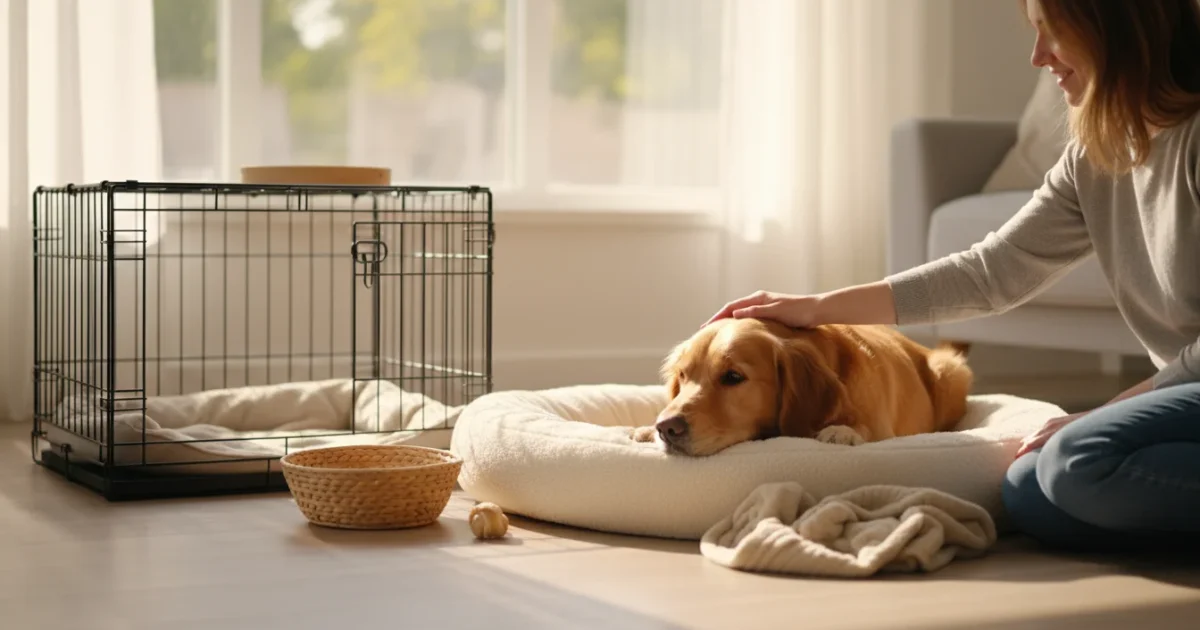
Dog separation anxiety is a challenging and often heartbreaking issue for many pet owners. It goes beyond a dog simply missing you; it is a genuine panic response that can manifest in destructive behaviors, excessive vocalization, and inappropriate elimination when left alone. Understanding the root causes and implementing effective, positive reinforcement strategies are crucial for helping your dog feel safe and secure, even when you are away. This comprehensive guide provides actionable insights and evidence-based techniques to help you address and manage separation anxiety in your beloved companion.
Every dog deserves to feel comfortable in their own home, whether you are present or not. Addressing separation anxiety improves your dog’s welfare and strengthens the bond you share, transforming stressful absences into calm, confident alone time.
What is Dog Separation Anxiety?
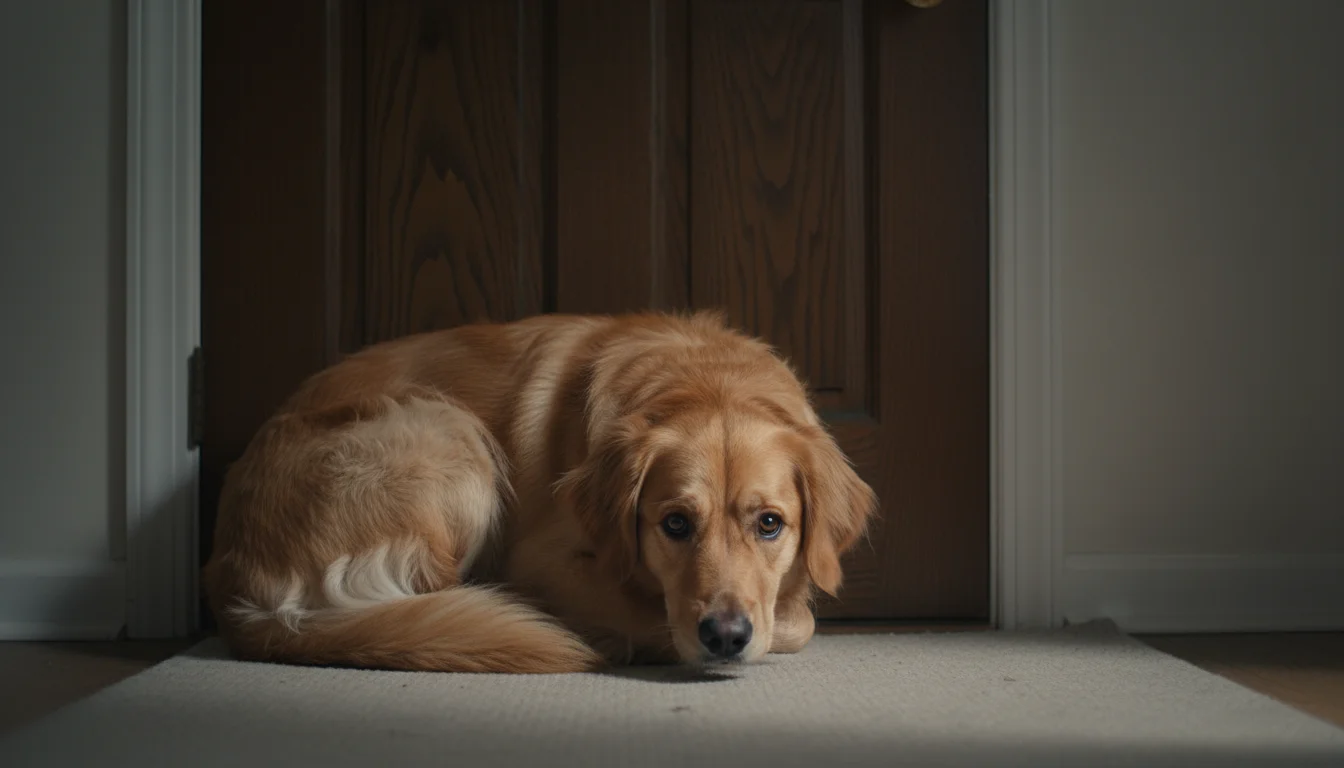
Dog separation anxiety is a behavioral condition where a dog experiences extreme distress when separated from their primary attachment figure, usually you. This is distinct from a dog simply getting bored or misbehaving; the behaviors stem from a genuine panic attack. When a dog with separation anxiety is left alone, they genuinely fear abandonment and react to this profound stress. It is not an act of defiance or spite. Your dog is not “getting back at you” for leaving; they are experiencing severe emotional distress.
It is also helpful to distinguish between anxiety-driven behaviors and other reactivity, such as dog aggression.
Research indicates that separation anxiety affects a significant portion of the dog population, with estimates ranging from 15% to 30%. This makes understanding and managing dog separation anxiety for pets a crucial aspect of responsible pet care.
Recognizing the Signs of Separation Anxiety
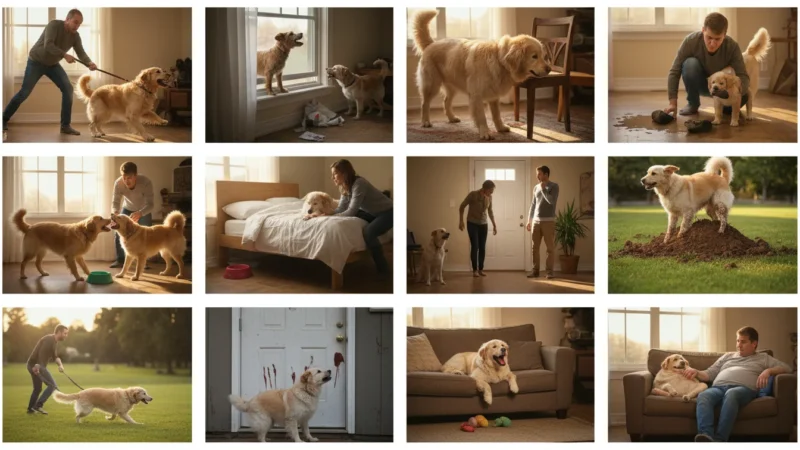
Identifying separation anxiety involves observing specific behaviors that consistently occur when you leave your dog alone or when they anticipate your departure. These signs typically do not happen when you are present. Look for a combination of these indicators:
Understanding dog body language is a key step in identifying subtle cues of distress before they escalate into full panic.
- Excessive Vocalization: Your dog may bark, howl, or whine continuously when left alone. Neighbors often report this, providing valuable insight into your dog’s distress.
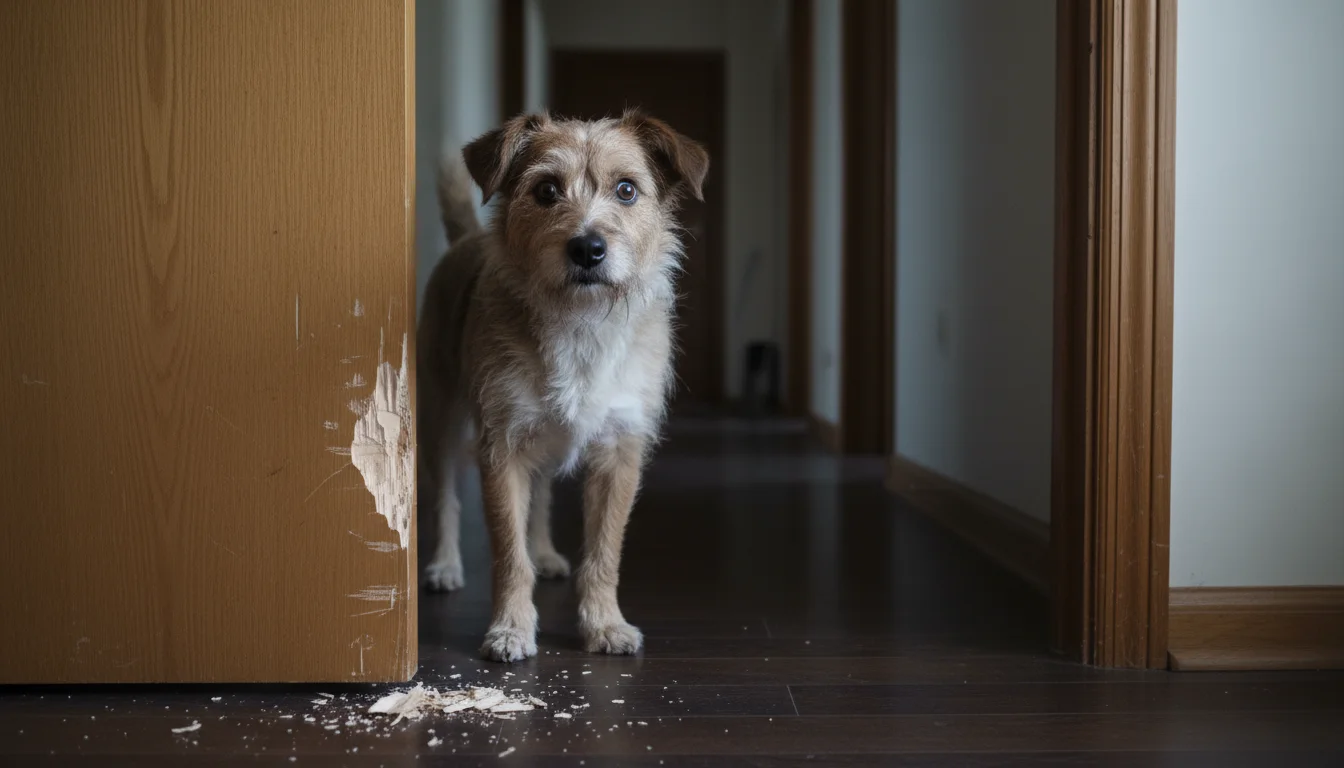
- Destructive Chewing and Digging: Many dogs with separation anxiety chew on doorframes, furniture, or other household items, particularly around exit points. They might also dig at doors or windows, attempting to escape to find you. This destructive behavior aims to alleviate anxiety, not simply to be mischievous.
- Inappropriate Urination or Defecation: A house-trained dog might urinate or defecate indoors only when left alone. This is not a house-training lapse but a physiological response to extreme stress and panic.
- Pacing and Restlessness: Your dog may pace frantically, often in a repetitive pattern, or appear unable to settle when you are gone.
- Escape Attempts: Dogs might try to break out of crates, rooms, or even the house, often injuring themselves in the process. This is a clear indicator of their desperation to reunite with you.
- Drooling and Panting: Excessive drooling or panting beyond what is normal for the temperature can signal stress and anxiety.
- Exaggerated Greetings: While happy greetings are normal, a dog with separation anxiety might show overly excited, prolonged, or almost frantic greetings upon your return, as if they were gone for weeks, even if you only left for minutes.
If you observe these behaviors consistently, your dog likely experiences separation anxiety. Documenting these occurrences, perhaps with a pet camera, provides valuable information for a professional.
Why Dogs Develop Separation Anxiety
The development of separation anxiety is complex, often stemming from a combination of factors. It is not fully understood why some dogs develop it while others do not, but several common contributing elements exist:
When helping your pet cope, it is vital to avoid common training mistakes that could inadvertently increase their stress levels.
For older pets, anxiety can sometimes be linked to age-related changes, so adjusting senior dog care is a vital part of their overall well-being.
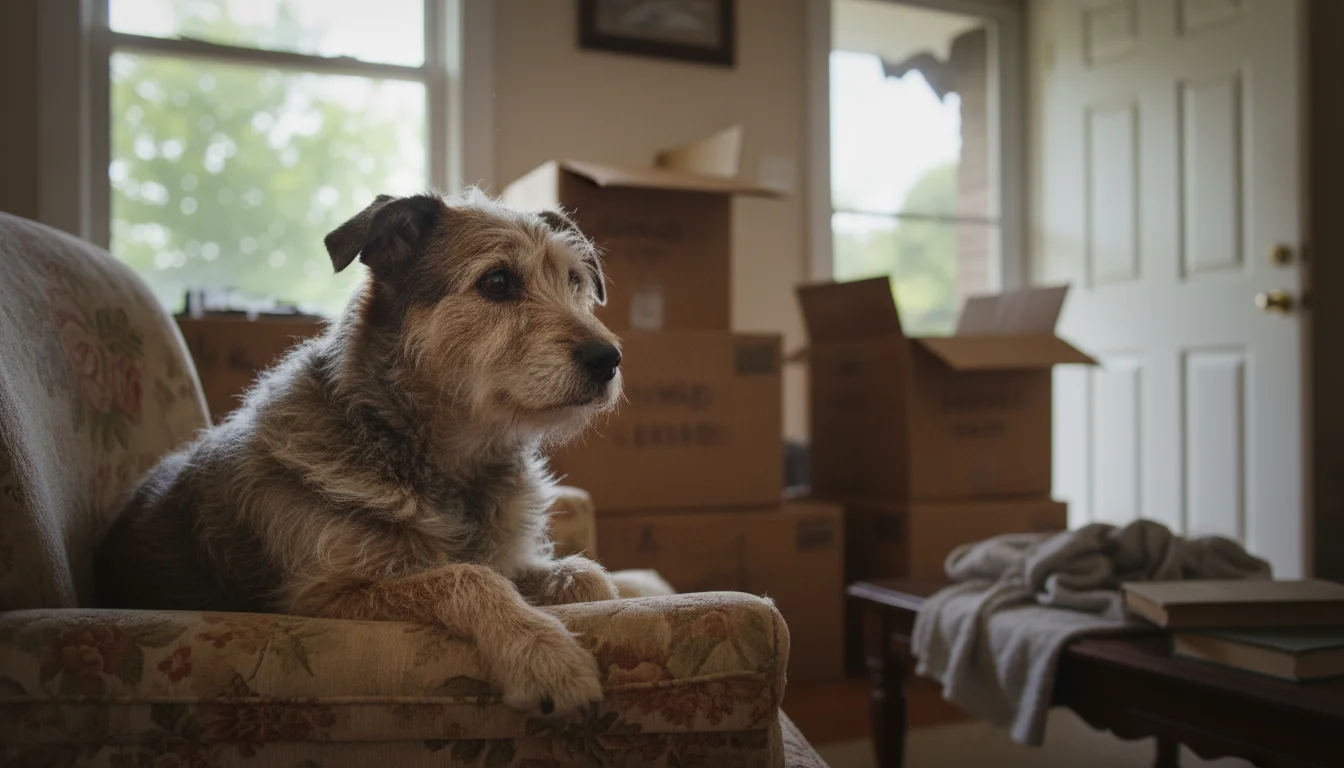
- Changes in Routine or Environment: A sudden shift in your household schedule, moving to a new home, or the loss of a family member (human or pet) can trigger anxiety. Dogs thrive on routine, and disruptions create insecurity.
- Shelter or Rescue Background: Dogs adopted from shelters, especially those with unknown histories or multiple previous homes, sometimes have a higher propensity for separation anxiety. They may have experienced abandonment or inconsistent care, making them more fearful of being left alone again.
- Traumatic Events: A frightening experience while alone, such as a severe thunderstorm, fireworks, or a house fire, can be a catalyst for the development of separation anxiety.
- Over-Attachment: While a strong bond is wonderful, an overly dependent relationship where the dog is never alone and constantly interacting with their owner can inadvertently foster separation anxiety. The dog never learns to cope independently.
- Genetics and Breed Predisposition: Some research suggests a genetic component to anxiety disorders in dogs. Certain breeds, particularly those bred for close companionship or working partnerships, such as herding breeds or toy breeds, might be more prone to developing separation anxiety due to their strong desire for connection.
- Lack of Independence Training: Puppies who are always with their owners and never experience short, positive periods of solitude may not develop the coping skills needed for later independence.
Understanding these potential causes helps you approach prevention and management with a more informed perspective. Knowing what might trigger anxiety helps you preemptively introduce positive associations with alone time.
Diagnosing Separation Anxiety: When to Consult a Professional
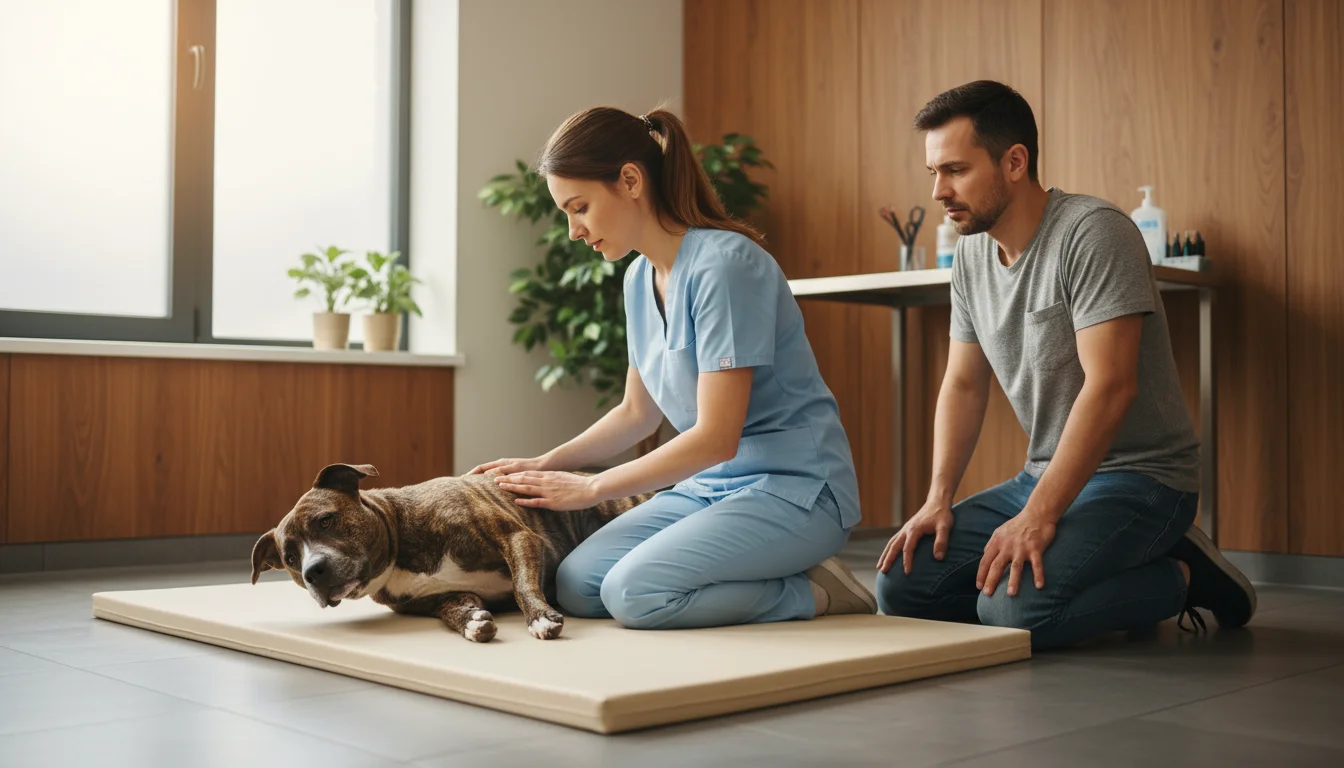
Proper diagnosis is the first critical step in addressing separation anxiety. It is essential to differentiate true separation anxiety from other behavioral issues that present similarly, such as boredom, incomplete house-training, or barrier frustration. Your veterinarian is the primary point of contact for this initial assessment.
If you are unsure whether your pet’s distress requires expert intervention, these 12 signs your dog needs professional training help can provide valuable clarity.
- Veterinary Consultation: Schedule an appointment with your veterinarian. They will conduct a thorough physical examination and potentially recommend diagnostic tests to rule out any underlying medical conditions that could cause or exacerbate the symptoms. For example, urinary incontinence or gastrointestinal issues could explain inappropriate elimination, and pain could lead to restlessness. As noted by experts at the American Veterinary Medical Association (AVMA), a comprehensive health check is fundamental before embarking on behavioral modification.
- Certified Professional Dog Trainer (CPDT-KA): If medical issues are ruled out, a certified professional dog trainer, particularly one with expertise in behavior modification and anxiety, can offer invaluable guidance. Trainers certified by organizations like the Certification Council for Professional Dog Trainers (CCPDT) use science-based, positive reinforcement methods. They help you implement a tailored training plan, focusing on desensitization and counterconditioning techniques.
- Veterinary Behaviorist (DACVB): For severe cases of separation anxiety, a veterinary behaviorist is the most qualified professional. These are veterinarians who have specialized in animal behavior and are board-certified by the American College of Veterinary Behaviorists (DACVB). A veterinary behaviorist can prescribe medication, if necessary, in conjunction with a behavior modification plan, offering a multi-modal approach to treatment. They also address complex behavioral cases that may have multiple contributing factors.
Working with professionals ensures your dog receives the most appropriate and humane care. Do not hesitate to seek help; early intervention often leads to better outcomes for your pet’s long-term well-being.
Building a Foundation for Success: Preventative Measures and Basic Training
Prevention is always better than cure. For puppies and new adult dogs, establishing good habits from the start can significantly reduce the likelihood of separation anxiety developing. Even for dogs already showing signs, these foundational elements are vital components of their recovery plan.
Providing mental stimulation through indoor games is an excellent way to help your dog build confidence and independence while you are home.
In addition to specific anxiety management, teaching essential dog commands provides mental structure and improves communication between you and your pet.
Positive Reinforcement Fundamentals
Positive reinforcement training is the cornerstone of effective pet training, especially when dealing with sensitive issues like anxiety. This method focuses on rewarding desired behaviors, making your dog more likely to repeat them.
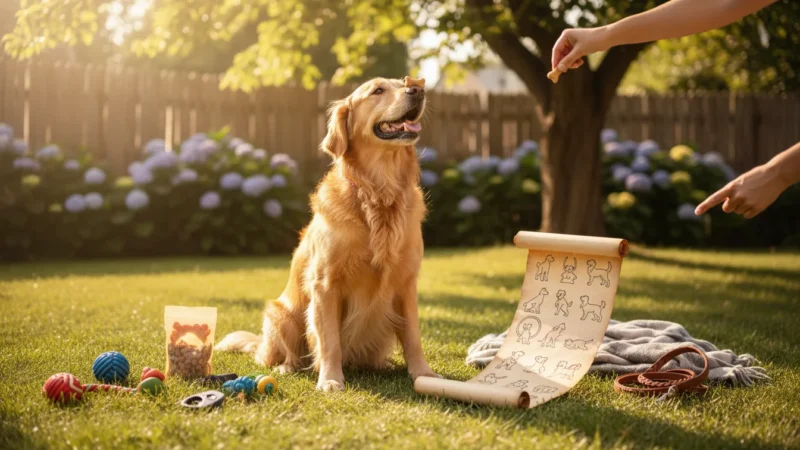
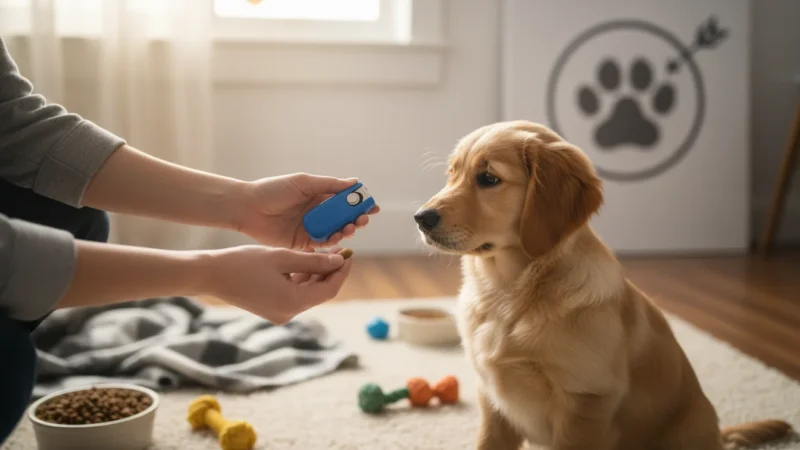
- Marker Training: Use a verbal marker (“yes!”) or a clicker to precisely mark the exact moment your dog performs the desired behavior. Follow the marker immediately with a high-value reward. This clear communication helps your dog understand what earned them the treat.
- Reward Timing: Deliver rewards within 1-3 seconds of the desired behavior. Delayed rewards lose their impact and confuse your dog.
- Motivation: Understand what truly motivates your dog. This might be small, tasty treats, favorite toys, or enthusiastic praise. High-value rewards are essential for teaching new, challenging behaviors.
Promoting Independence and Calmness
Teach your dog that being alone can be a positive, calm experience.
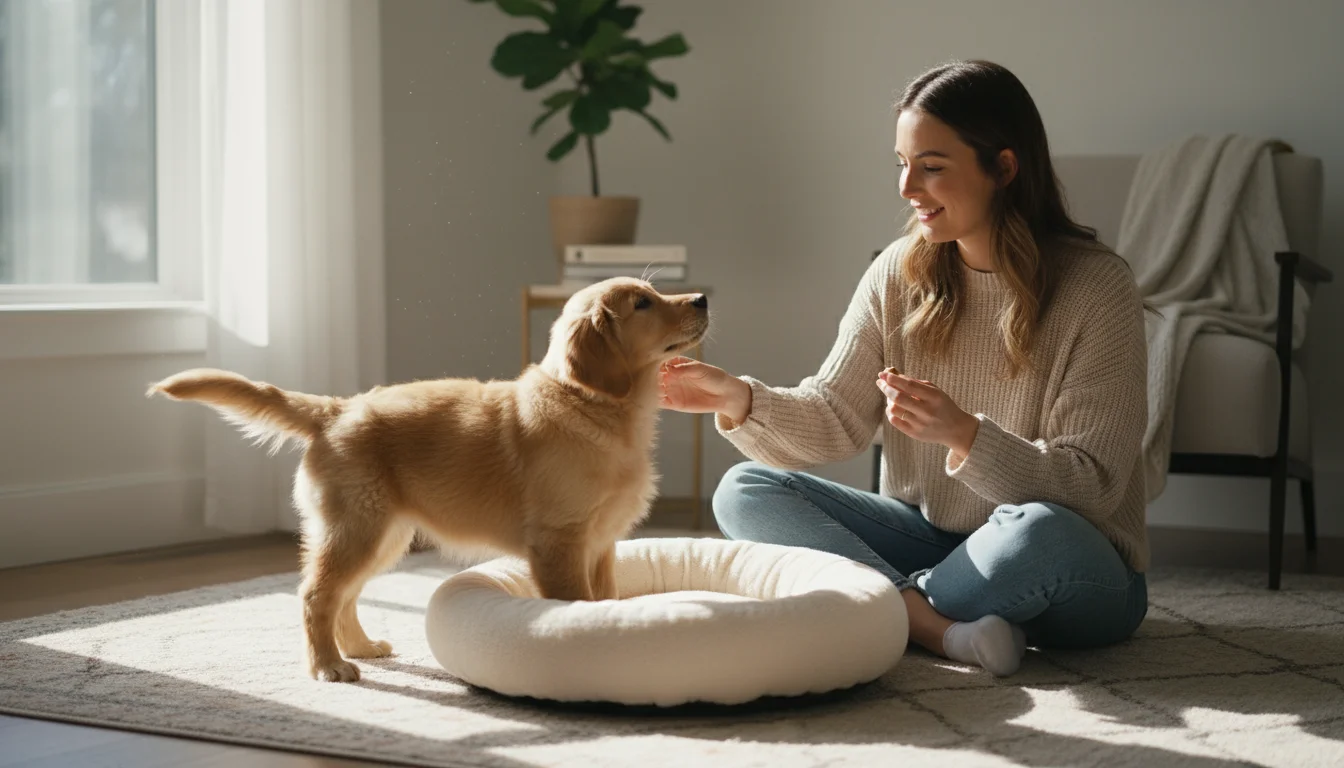
- “Go to Your Place” Training: Train your dog to settle calmly on a mat or bed in a designated area. Reward them for staying there while you move around the house. This builds a foundation for them to be calm when you are not directly interacting with them.
- Crate Training (If Positive): A crate can be a safe den for your dog, but only if introduced positively. Never use the crate as punishment. Make it a comfortable, inviting space with soft bedding and puzzle toys. Gradually accustom your dog to spending short periods in it while you are home, then briefly leave the room. If your dog panics in the crate, it is not a suitable tool for separation anxiety management.
- Structured Alone Time: From a young age, or immediately after adoption, practice short, calm separations. Leave your dog in a safe, designated area with a puzzle toy for a few minutes while you go to another room or outside. Return before they show any signs of distress, keeping arrivals and departures low-key.
- Enrichment and Exercise: A physically tired and mentally stimulated dog is a calm dog. Ensure your dog receives adequate exercise appropriate for their breed and age daily. Mental enrichment, such as puzzle feeders, scent work, and training sessions, also helps drain energy and build confidence. A tired dog is less likely to have excess energy to fuel anxiety-driven behaviors.
These best pet training tips lay the groundwork for a secure, confident companion, reducing their reliance on your constant presence for comfort.
Step-by-Step Guide to Managing Separation Anxiety
Managing separation anxiety requires patience, consistency, and a gradual approach. The goal is to change your dog’s emotional response to your absence from panic to calm.
Phase 1: Addressing Immediate Distress (Management)
Before you even begin training for alone time, focus on preventing your dog from experiencing full-blown panic. Each panic attack reinforces the anxiety.
- Avoid Leaving Your Dog Alone: If possible, arrange for dog sitters, dog walkers, or take your dog to work. This temporarily prevents the anxiety from escalating while you prepare for training. This is a critical step; do not rush past it.
- Create a Safe Space: Designate a quiet, comfortable area where your dog feels secure. This might be a bedroom, a specific corner, or a positively introduced crate. Ensure it has comfortable bedding and some engaging chew toys.
- Provide Appropriate Enrichment Before Leaving: Before you consider short absences, ensure your dog is well-exercised and has mentally stimulating toys. A frozen Kong filled with peanut butter or wet food, or a challenging puzzle feeder, can distract them and associate alone time with positive experiences.
Phase 2: Gradual Desensitization Training
This is the core of separation anxiety treatment. You slowly accustom your dog to your absence, starting with incredibly short durations and gradually increasing them.
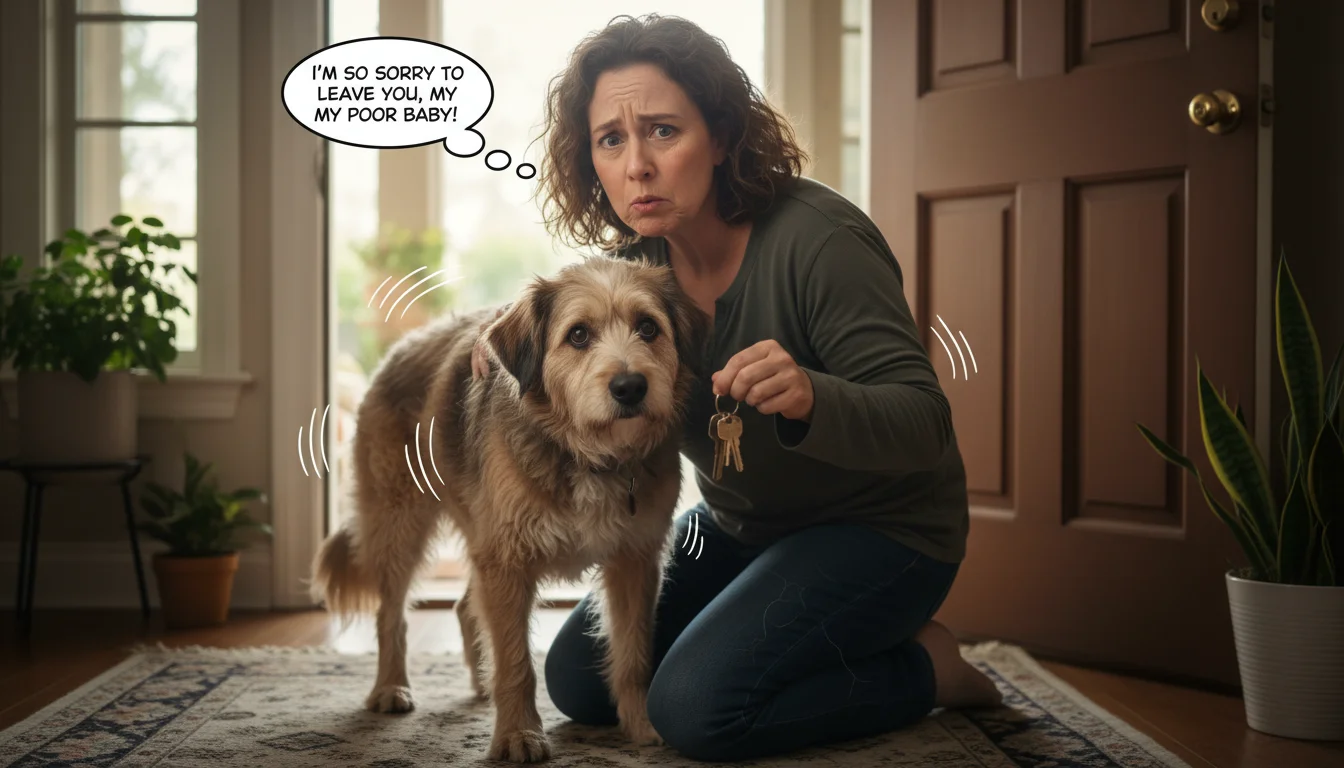
- Desensitize to Departure Cues: Dogs often pick up on “pre-departure cues” like grabbing your keys, putting on shoes, or picking up your bag. Practice these actions randomly throughout the day without leaving. This helps decouple these cues from your actual departure, reducing anticipatory anxiety.
- Low-Key Departures and Arrivals: Make your departures and arrivals as uneventful as possible. Avoid prolonged goodbyes or overly enthusiastic greetings. Acknowledge your dog calmly after they have settled for a few minutes upon your return. This helps them understand your leaving and coming back are normal parts of life.
- The “Practice Absence” Protocol:
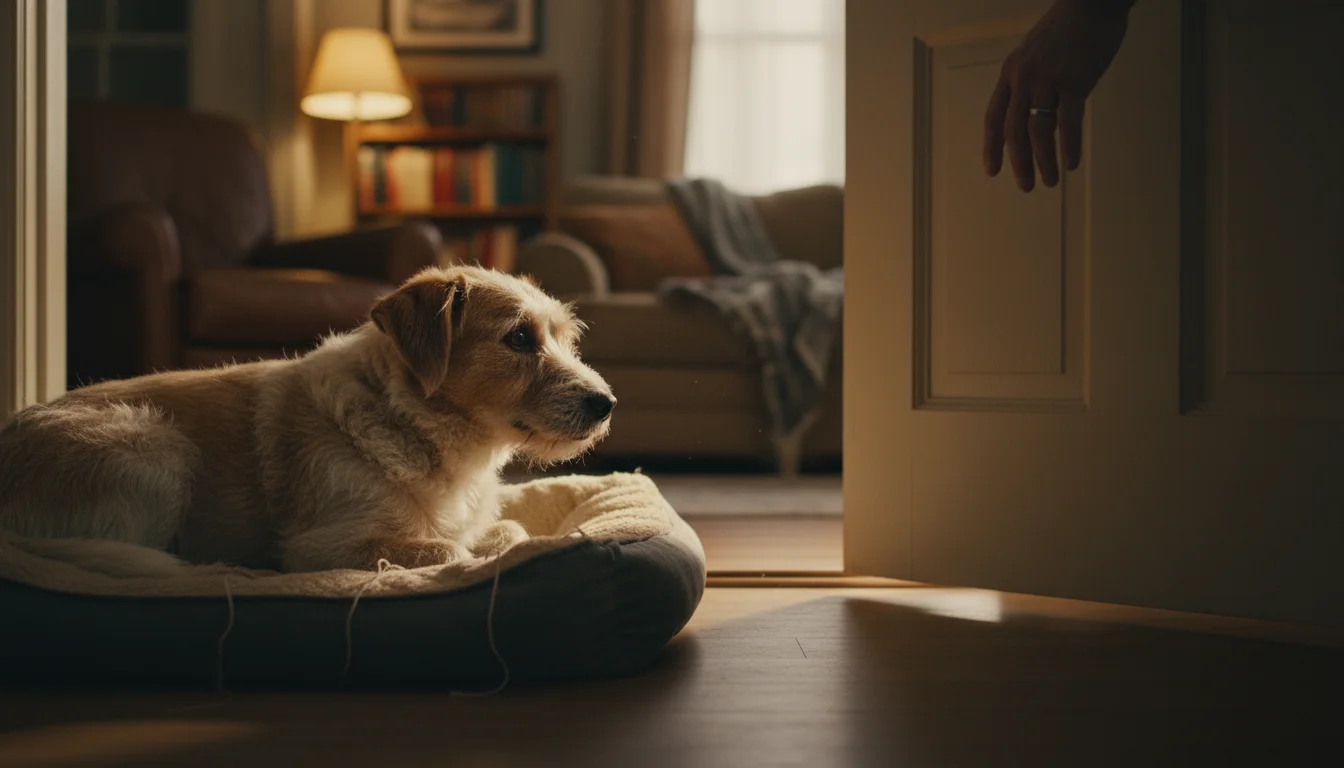
- Start Small: Begin by leaving for just a few seconds. Step outside your door, close it, and immediately return. Before your dog shows any signs of distress, reward them for calmness.
- Gradually Increase Duration: Over days and weeks, slowly increase the time you are gone by mere seconds or a minute at a time. The key is to return BEFORE your dog shows any anxiety. If they panic, you have gone too fast; reduce the duration of the next absence.
- Vary Absences: Mix up the duration and the cues. Sometimes leave for 30 seconds, sometimes for 2 minutes, then back to 1 minute. Vary which pre-departure cues you perform.
- Use a Camera: A pet camera is invaluable. It allows you to monitor your dog’s behavior in real-time and return before they become distressed.
- Counterconditioning: Pair your departure with something positive and long-lasting, like a high-value puzzle toy stuffed with frozen treats. Only give this special toy when you leave, and take it away when you return. This creates a positive association with your absence.
Phase 3: Consistency and Patience
This process takes time. Be prepared for setbacks and celebrate small victories.
- Establish a Routine: Predictable routines for walks, meals, and playtime can provide a sense of security.
- Build Confidence: Continue positive reinforcement training for other behaviors, like impulse control and obedience. A confident dog is generally less anxious.
- Continue Enrichment: Always ensure your dog receives sufficient physical exercise and mental stimulation daily. This helps them relax and cope better with alone time.
Phase 4: Medication and Professional Support
For moderate to severe cases, a multi-modal approach combining behavior modification with medication under veterinary supervision often yields the best results. Medications do not “cure” separation anxiety, but they can lower your dog’s overall anxiety levels, making them more receptive to training.
- Veterinary Assessment: Only a licensed veterinarian or veterinary behaviorist can prescribe medication. Discuss your dog’s specific symptoms and your training plan with them to determine if medication is a suitable option.
- Certified Trainer/Behaviorist Collaboration: If you are considering medication, work closely with a veterinary behaviorist or a certified professional dog trainer. They can guide both the behavioral program and the integration of medication for optimal results.
Remember, addressing separation anxiety is a journey. With consistency, positive methods, and professional support, you can help your dog overcome their fears and enjoy calm, confident alone time. Research from Fear Free Pets emphasizes that creating positive emotional experiences for pets in all situations, including alone time, is key to their overall well-being.
Common Pitfalls and Troubleshooting
Even with the best intentions, owners can inadvertently make separation anxiety worse or hinder progress. Recognizing these common mistakes helps you avoid them.
- Using Punishment: Punishing your dog for anxiety-driven behaviors (like barking or chewing) is counterproductive and harmful. It does not address the underlying fear and only increases their anxiety and fear of you. Never use punishment for separation anxiety. Positive reinforcement is the only humane and effective approach.
- Making Departures/Arrivals a Big Deal: Exaggerated goodbyes or excited greetings reinforce your dog’s belief that your leaving or returning is a significant event. Keep them calm and neutral to teach your dog that your absence is not a cause for drama.
- Moving Too Fast in Training: Rushing the desensitization process is the most common mistake. If your dog panics during a practice absence, you increased the duration too quickly. Always go back a step and progress more slowly. The goal is success, not speed.
- Confusing Boredom with Separation Anxiety: A bored dog might chew or be destructive, but a dog with separation anxiety does these things out of panic. Ensure your dog receives adequate physical exercise and mental stimulation every day. A dog that receives 30-60 minutes of vigorous activity before you leave might be calmer.
- Ignoring Medical Issues: Assuming all issues are behavioral without a vet check is a major pitfall. Always rule out medical causes for behaviors like inappropriate elimination or excessive vocalization.
- Not Seeking Professional Help: Trying to manage severe separation anxiety entirely on your own often leads to frustration and limited progress. Professionals offer expertise, objective assessment, and customized plans.
Troubleshooting often involves reviewing your current approach. Are you consistent? Are you going slow enough? Is your dog getting enough exercise and mental stimulation? Is the environment truly safe and comfortable? Adjusting these variables can often get you back on track.
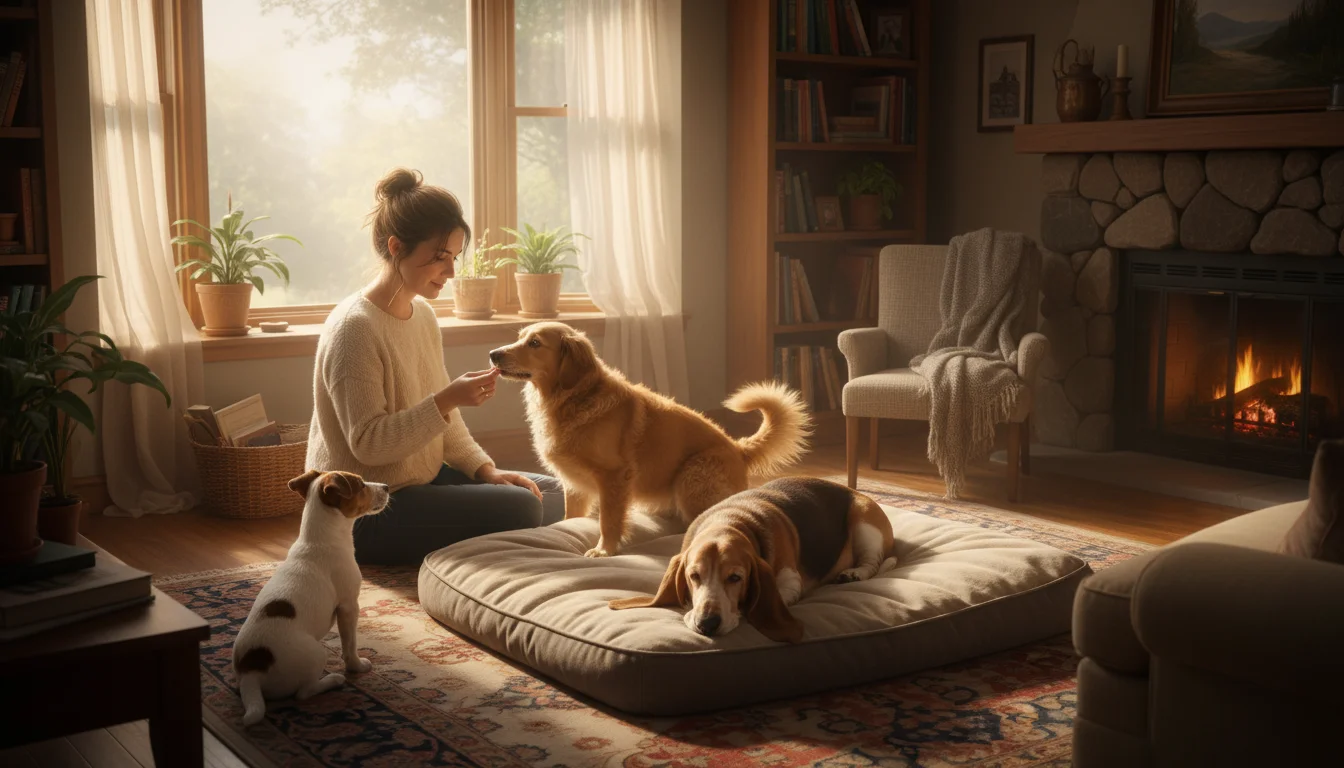
Considerations for Different Dogs: Age, Breed, and Background
While the core principles of managing separation anxiety remain consistent, individual dogs require tailored approaches based on their unique characteristics.
Puppies and Young Dogs
Prevention is key for puppies. Start early with independence training:
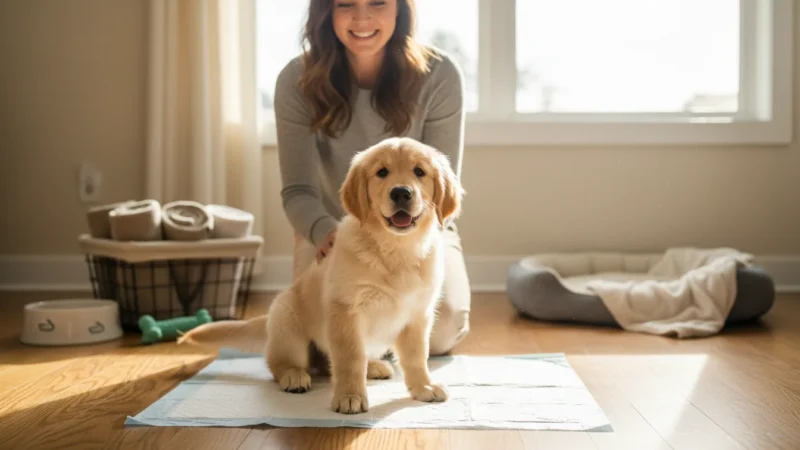
- Controlled Alone Time: From the moment you bring a puppy home, begin practicing short periods of alone time in a safe, puppy-proofed area or a positively introduced crate. Start with minutes while you are in another room, gradually extending the duration.
- Positive Associations: Always leave your puppy with a safe, engaging chew toy or a food puzzle. Make alone time a positive experience rather than something to dread.
- Avoid Constant Contact: While it is tempting to always be with a new puppy, resist the urge to carry them everywhere. Encourage them to settle independently in their own space.
Adult and Senior Dogs
Adult dogs might have established habits, while senior dogs might face new challenges:
- Routine is Paramount: Consistent daily routines help adult and senior dogs feel secure. Predictable feeding times, walks, and potty breaks reduce uncertainty.
- Health Considerations for Seniors: Older dogs might develop anxiety due to declining senses, cognitive dysfunction (doggy dementia), or pain. A comprehensive veterinary check is even more crucial for seniors to rule out or manage underlying health issues. Medication might be more frequently recommended for seniors to improve their quality of life.
- Adjust Training Pace: Adult dogs might take longer to unlearn old habits. Be patient and understand their learning style.
Rescue Dogs and Dogs with Unknown Backgrounds
Many rescue dogs have experienced abandonment or inconsistent care, making them predisposed to separation anxiety:
- Extra Patience and Empathy: These dogs often have deep-seated fears. Approach their training with immense patience and understanding.
- Building Trust: Focus on building a strong, trusting relationship through positive interactions and predictable routines.
- Gradual Acclimation: Take extra time with the desensitization process. Their past experiences mean they might need significantly longer to feel secure in your absence. Many rescue organizations, such as the ASPCA, offer resources and advice specifically for helping adopted pets adjust to their new homes and overcome behavioral challenges.
Breed-Specific Tendencies
While any dog can develop separation anxiety, some breeds show a higher predisposition:
- Herding Breeds (e.g., Border Collies, Australian Shepherds): Bred to work closely with humans, they often form intense bonds and can become anxious if not given sufficient mental and physical stimulation or if left alone for long periods.
- Toy Breeds (e.g., Chihuahuas, Maltese): Often highly attached to their owners, these small dogs are frequently carried and may not learn independent coping skills.
- Working Breeds (e.g., German Shepherds, Labrador Retrievers): Intelligent and needing a “job,” these dogs can develop anxiety if under-stimulated or not adequately trained for independence.
Regardless of your dog’s age, breed, or background, the core principles of positive reinforcement, gradual desensitization, and professional support remain the most effective path to helping them overcome separation anxiety.
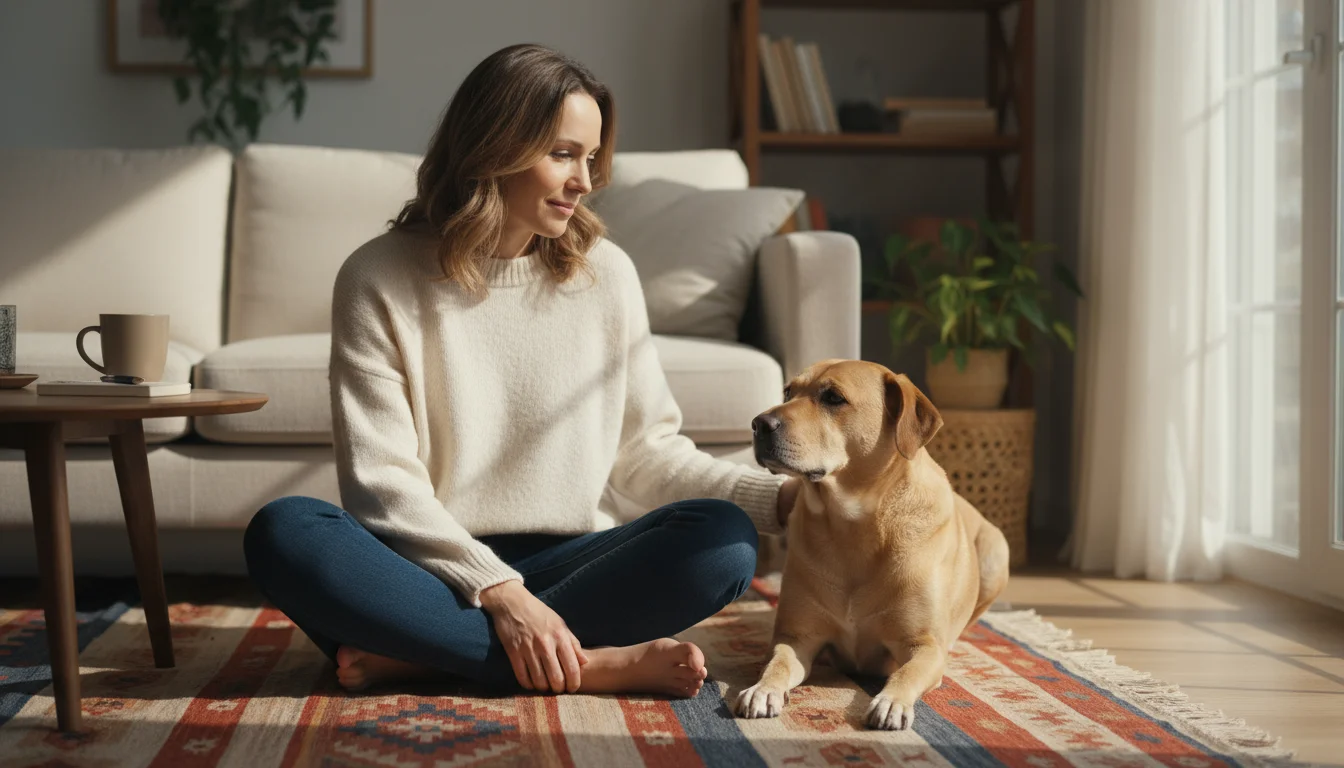
Frequently Asked Questions
Can separation anxiety be cured?
Separation anxiety is a complex behavioral issue that can be significantly managed and often resolved with consistent positive reinforcement training, patience, and sometimes professional intervention or medication. While “cure” implies it will never return, most dogs can learn to cope calmly with alone time and live happy, confident lives. Early and consistent intervention offers the best prognosis.
How long does it take to resolve separation anxiety?
The timeline varies greatly depending on the severity of the anxiety, the dog’s individual personality, the owner’s consistency, and whether professional help or medication is involved. Mild cases might show improvement in weeks, while severe cases can take many months or even over a year. Patience and a willingness to progress at your dog’s pace are essential.
Is crating my dog good for separation anxiety?
Crating can be beneficial if your dog views the crate as a safe, comfortable den. However, if your dog shows signs of panic or distress in the crate (excessive barking, destructive attempts to escape, injury), crating is detrimental and can intensify their anxiety. Never force a dog with separation anxiety into a crate if they are uncomfortable with it. A professional can help determine if a crate is appropriate for your dog.
What type of enrichment toys are best for a dog with separation anxiety?
Look for interactive puzzle toys that dispense treats slowly, such as KONGs, Snuffle Mats, or Lickimats. Freezing treats inside a KONG makes it last longer, providing extended distraction. Chews made from durable, safe materials also work well. These toys should be high-value and only given when you leave, creating a positive association with your absence. Ensure the toys are safe for your dog to be left with unsupervised.
Can I leave the TV or radio on for my dog?
Some dogs benefit from ambient noise, such as a radio or TV, as it can mask outside noises that might trigger alarm barking and provide a sense of presence. However, this is usually a management tool, not a solution for true separation anxiety. It might offer a small comfort but does not replace a comprehensive desensitization and counterconditioning training program.
For expert pet care guidance, visit
Association of Professional Dog Trainers (APDT), Certification Council for Professional Dog Trainers (CCPDT), International Association of Animal Behavior Consultants (IAABC), American College of Veterinary Behaviorists (ACVB) and Pet Poison Helpline.
Disclaimer: This article is for informational purposes only and is not a substitute for professional veterinary advice, diagnosis, or treatment. Always consult with a licensed veterinarian for medical concerns about your pet.
Learning how to socialize your puppy correctly during their development helps them build the confidence needed to handle being alone.
During this process, being mindful of common training mistakes can help ensure your management plan remains effective and consistent.
Leave a Reply