
Myth 4: Cats Are Low-Maintenance Pets Requiring Little Interaction or Enrichment
This myth is perhaps one of the most damaging, as it often leads to cats experiencing boredom, stress, and a host of behavioral problems. The idea that cats are content to simply eat, sleep, and use a litter box overlooks their complex needs for mental stimulation, physical activity, and environmental enrichment, which are crucial for their psychological and physical well-being.
Many owners struggle to provide enough stimulation, but learning how to keep your cat entertained while you work can prevent boredom-related behaviors.
The Indispensable Need for Environmental Enrichment
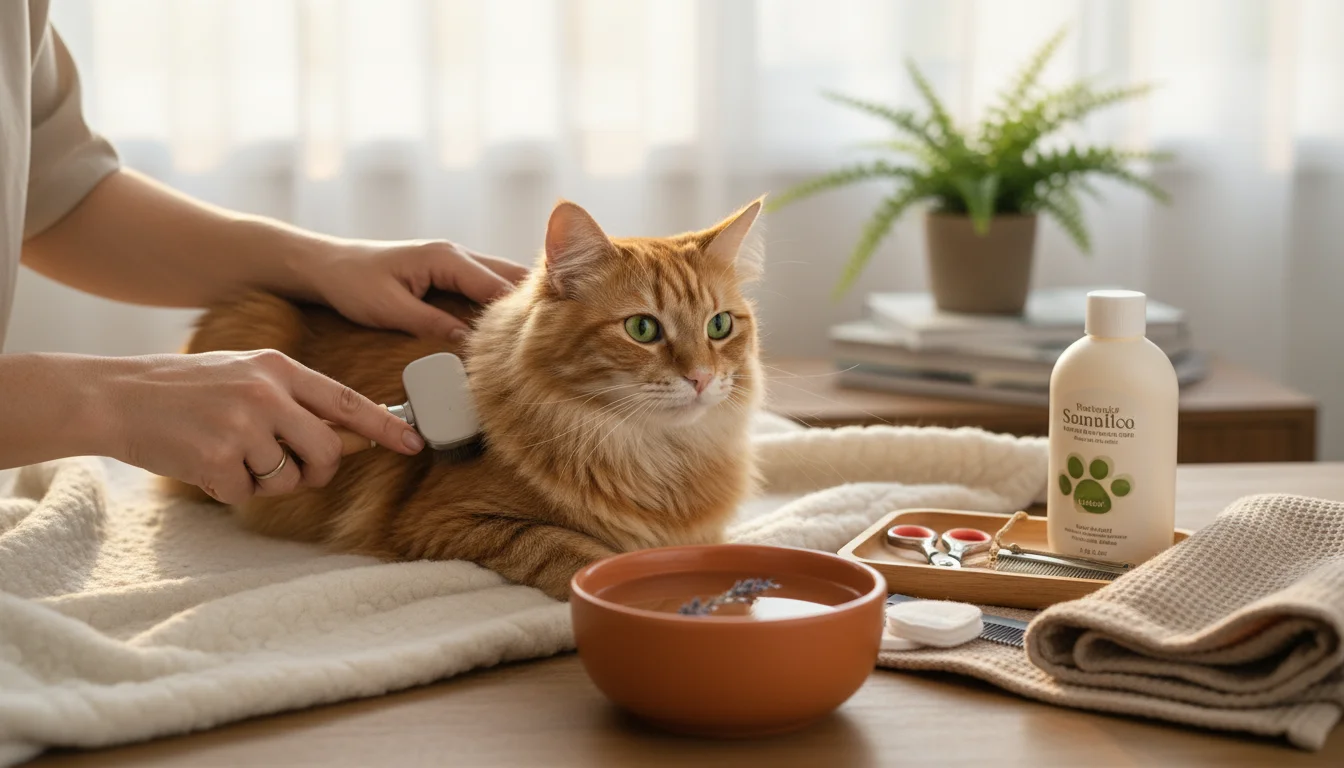
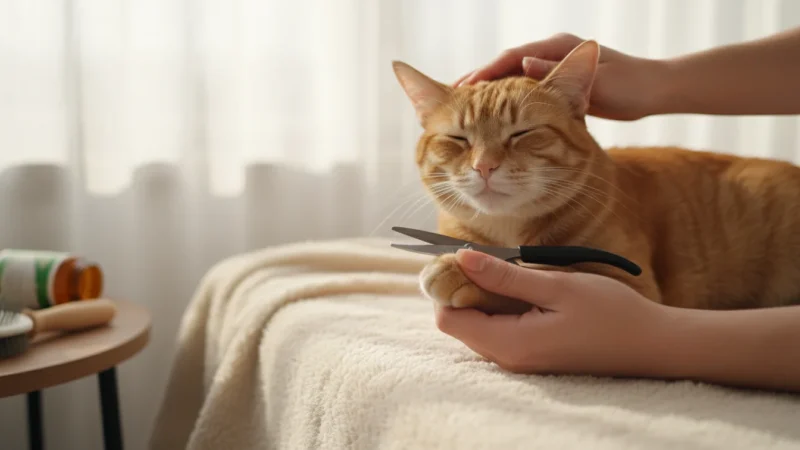
Alongside enrichment, knowing how to trim your cat’s claws without the drama is an essential skill that supports their natural grooming needs without stress.
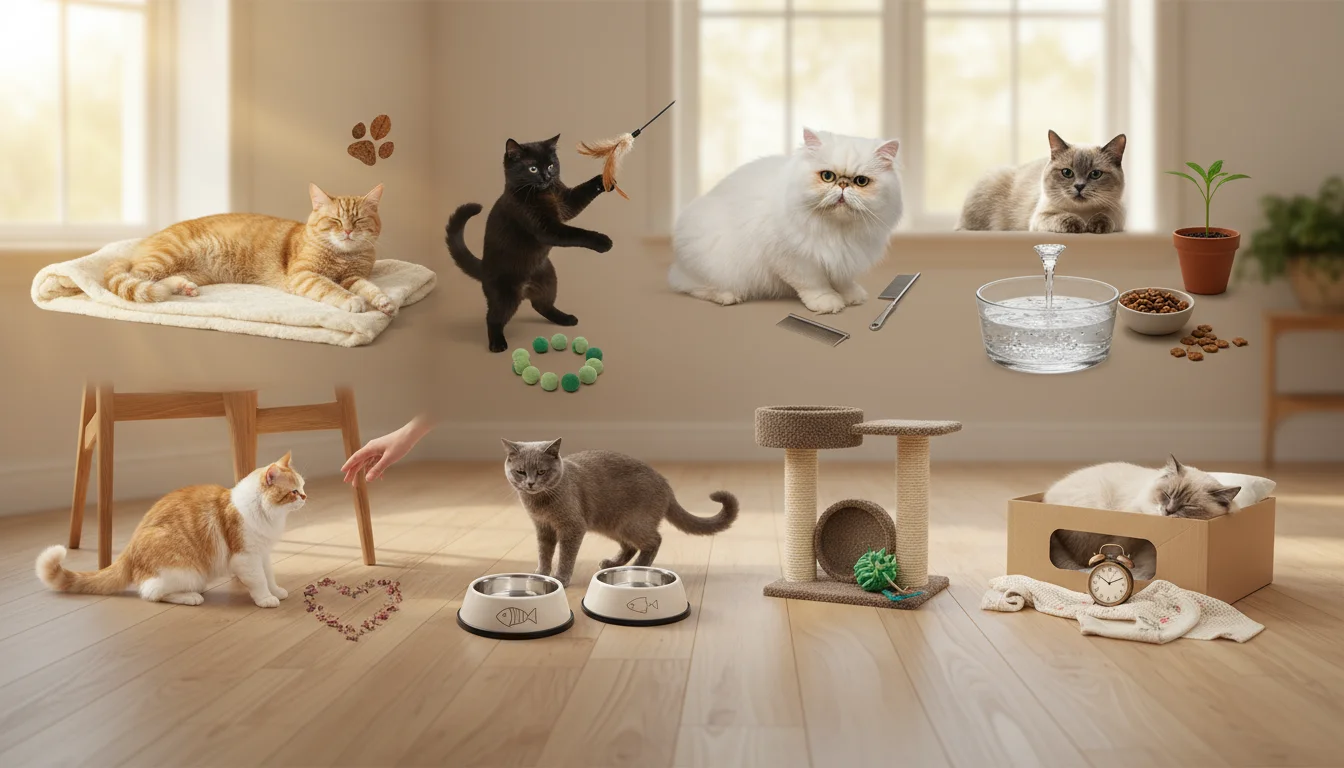
Cats are natural hunters, climbers, and explorers. Confining them to an indoor environment without adequate stimulation can lead to a range of issues, including destructive behaviors, excessive vocalization, aggression (towards humans or other pets), over-grooming, anxiety, or withdrawal and lethargy. Providing a rich, stimulating environment caters to their natural instincts and actively prevents boredom and stress. Key elements of indoor environmental enrichment include:
- Vertical Space: Cats feel safe, secure, and confident when they can observe their surroundings from an elevated position. Provide cat trees of varying heights, sturdy wall-mounted shelves, and comfortable window perches. These structures satisfy their instinct to climb, provide escape routes, and create crucial “territory” in a multi-cat household. The Cornell University College of Veterinary Medicine highlights the importance of vertical territory for feline well-being and reducing inter-cat conflict.
- Scratching Posts and Surfaces: Cats scratch for essential reasons: to mark territory (visually and with scent from paw glands), to stretch their muscles, and to shed the outer dead layers of their claws. Provide a variety of scratching surfaces (cardboard, sisal, carpet, wood) in both vertical and horizontal orientations. Place them in prominent areas where your cat typically stretches or “marks,” such as near their sleeping areas or entryways to rooms.
- Interactive Toys and Play: Engage your cat with toys that mimic prey. Wand toys, feather teasers, and light-reflecting toys are excellent for interactive play. Puzzle feeders and motorized toys can provide solo entertainment. Rotate toys regularly to keep them novel and exciting, ensuring your cat does not get bored with the same items. Aim for at least two 10-15 minute interactive play sessions daily.
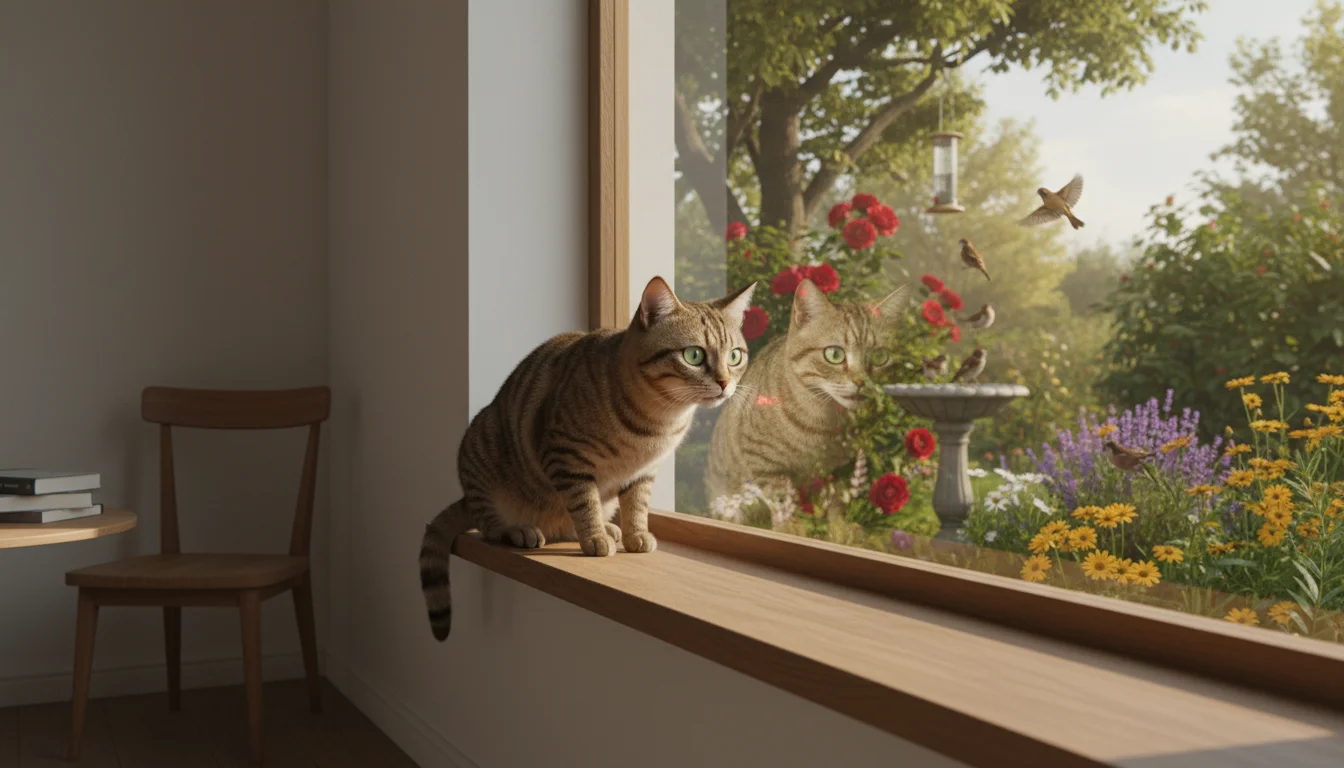
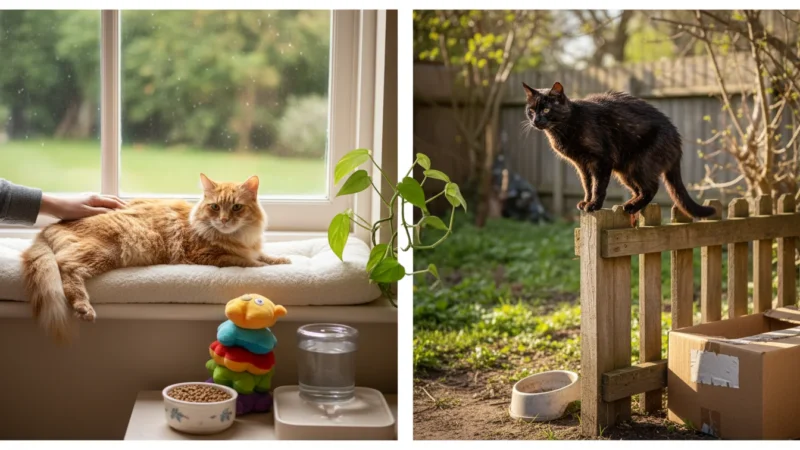
- Window Perches and “Cat TV”: Allow your cat to safely observe the outside world. A comfortable window perch provides mental stimulation as they watch birds, squirrels, or passersby. Consider placing a bird feeder outside a window to create “cat TV” entertainment for hours.
- Foraging Opportunities: Instead of feeding all meals in a single bowl, use puzzle feeders or hide small portions of dry food or treats around the house. This stimulates their natural hunting and foraging instincts, making mealtime a more engaging and mentally challenging activity.
Feline Behavior Understanding and The Power of Positive Reinforcement
Understanding feline body language and vocalizations is crucial for effective interaction and building a strong bond. A slow blink, for example, often indicates trust and contentment. An arched back with piloerection (raised fur) and hissing signals fear or aggression. Learning to read these subtle cues helps you respond appropriately, preventing misunderstandings and reducing stress for your cat. Positive reinforcement, using treats, praise, or play, is the gold standard for encouraging desired behaviors and is far more effective and humane than punishment. Punishment creates fear, erodes trust, and can lead to increased stress, anxiety, and potentially more severe behavioral issues. Instead, reward good behavior, such as scratching on a post, to reinforce positive habits.

Leave a Reply