
Myth 5: It’s Okay to Declaw a Cat to Stop Scratching
Declawing, or onychectomy, is a surgical procedure that involves amputating the last bone of each toe. This is not merely a nail trim; it is a serious and irreversible surgery comparable to removing the last knuckle of each of your fingers. Veterinary organizations worldwide largely oppose declawing for non-medical reasons due to its painful nature and potential for long-term physical and behavioral complications that significantly impact a cat’s quality of life.
The Realities and Risks of Declawing
The Humane Society of the United States and many other animal welfare organizations consider declawing an inhumane and unnecessary procedure when performed for convenience. The procedure severs tendons, nerves, and ligaments, and the recovery is often painful. Cats may experience chronic paw pain, nerve damage, or lameness long after the surgery. This pain can lead to changes in gait, making walking and jumping uncomfortable. Furthermore, declawed cats may develop aversions to their litter box due to paw pain, leading to inappropriate elimination outside the box. They can also become more prone to biting as their primary defense mechanism is removed, causing them to feel vulnerable. The procedure ultimately compromises your cat’s natural anatomy and behavior, often for the owner’s convenience rather than the cat’s welfare.
Humane and Effective Alternatives to Declawing
You can effectively manage your cat’s natural scratching behaviors without resorting to painful and ethically questionable surgery. Consider these humane and highly effective alternatives:
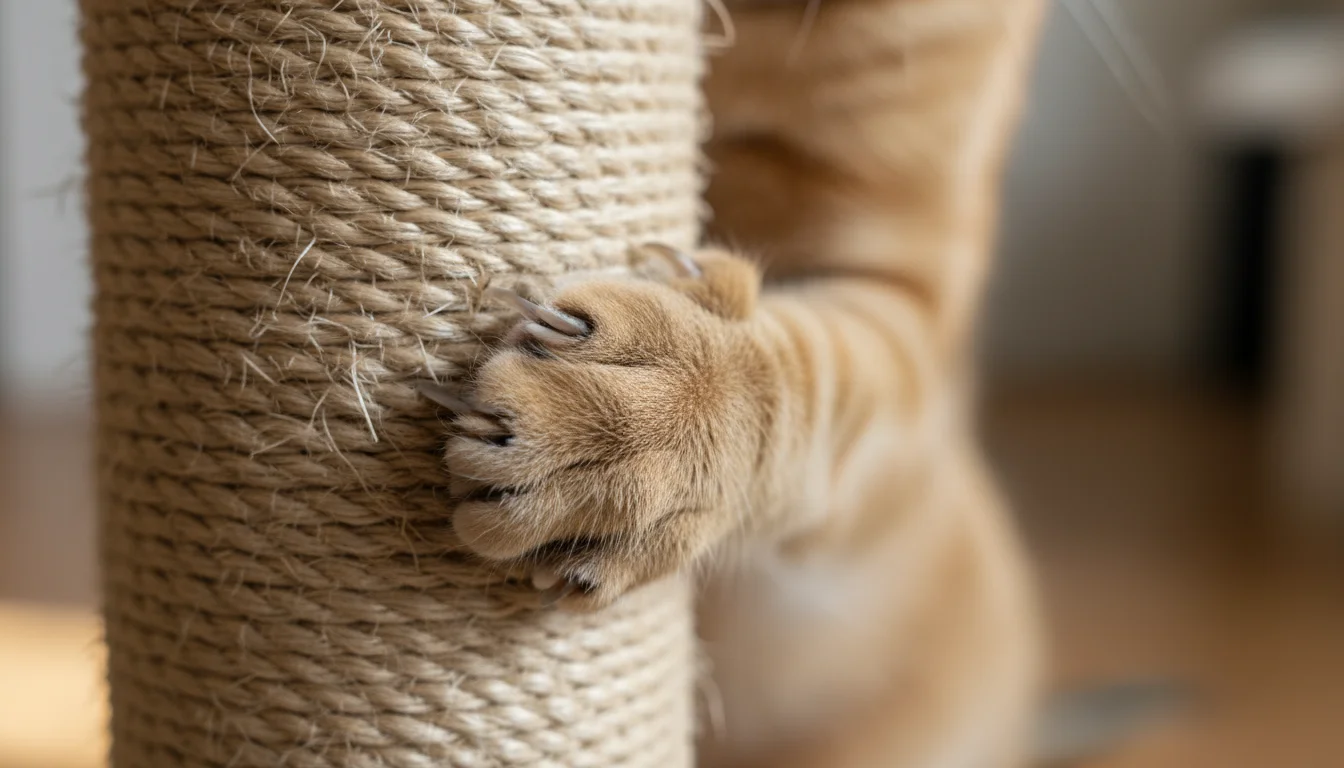
- Provide Abundant and Appropriate Scratching Surfaces: Offer a variety of scratching posts (vertical, horizontal, angled) made from different materials (sisal rope, corrugated cardboard, carpet, wood). Cats often have preferences for texture and orientation. Place these posts in areas where your cat naturally wants to scratch, such as near furniture, doorways, or their favorite resting spots.
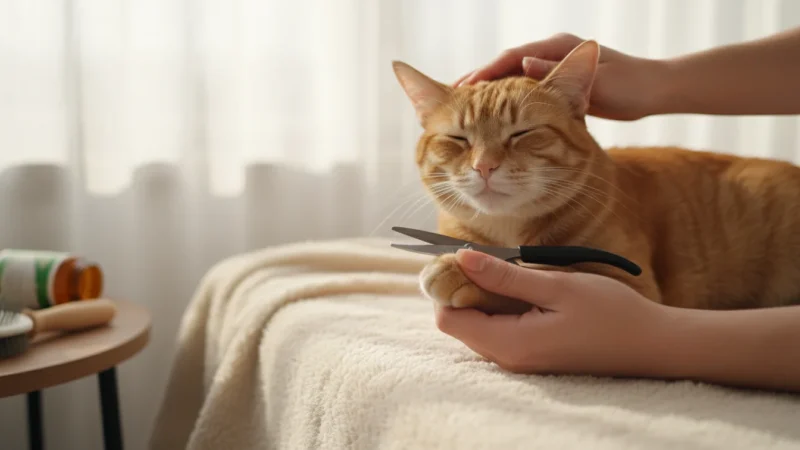
- Regular Nail Trims: Keep your cat’s nails trimmed every 2-4 weeks. This simple routine significantly reduces the damage they can inflict on furniture and keeps their paws healthy. Introduce nail trims early in life and make it a positive, calm experience with treats and praise. If you are unsure how to trim your cat’s nails, ask your veterinarian or groomer for a demonstration.
- Soft Paws (Nail Caps): These are vinyl caps that you glue onto your cat’s claws. They effectively blunt the claws, preventing scratching damage, and typically last 4-6 weeks before needing replacement as the nail grows. Most cats tolerate them well, and they offer an immediate, non-invasive solution.
- Positive Reinforcement Training: Redirect your cat to appropriate scratching posts using treats, praise, and interactive play. Make the designated scratching areas highly appealing by rubbing catnip on them or playing near them. Reward generously when your cat uses the post.
- Protective Barriers: Temporarily cover furniture or areas your cat is scratching with deterrents like double-sided sticky tape, aluminum foil, or plastic protectors. These make the undesired surfaces less appealing, helping to redirect them to appropriate scratchers.








Leave a Reply