
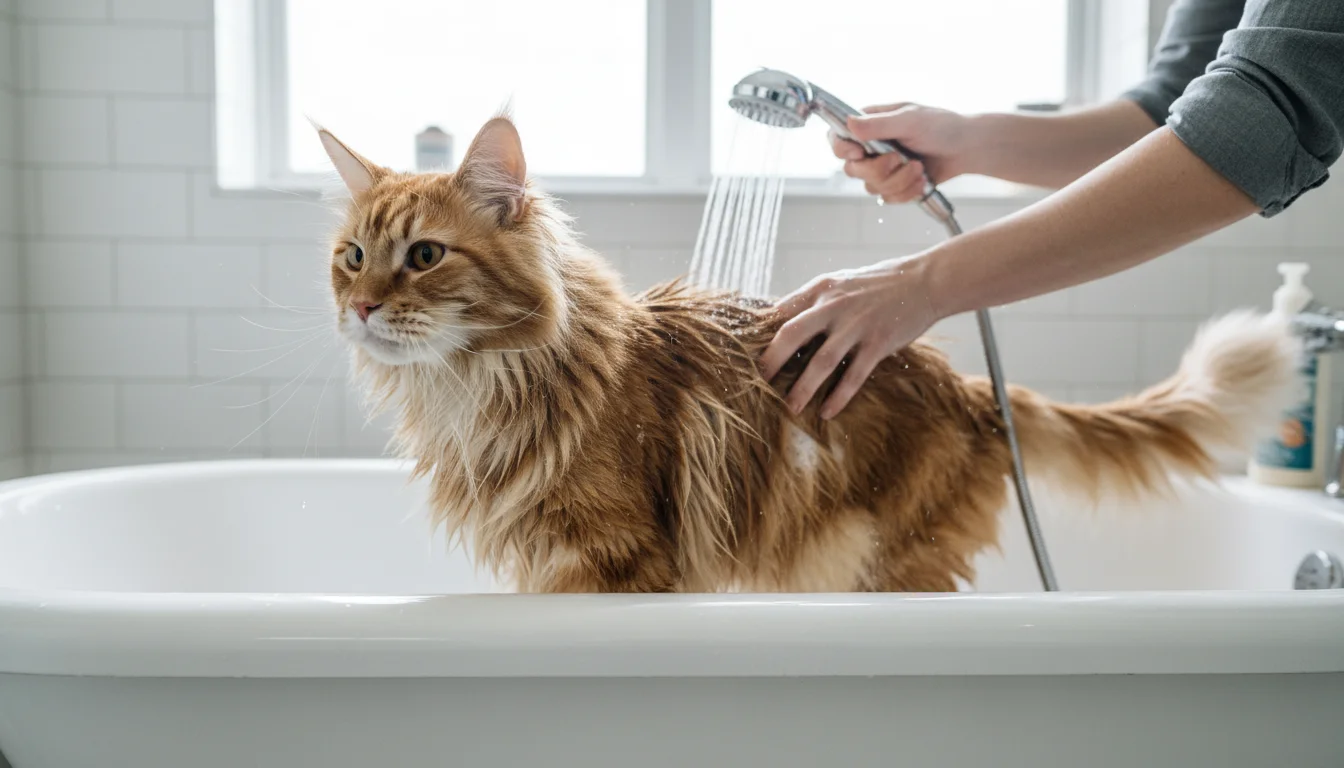
Myth 7: All Cats Hate Water and Cannot Be Bathed
The image of a cat desperately trying to avoid a bath is iconic, yet it is a significant oversimplification. While many cats certainly dislike being submerged in water, this is not a universal truth. Some breeds actively enjoy water, and even those who do not can be acclimated to bathing when necessary. Furthermore, bathing is sometimes a crucial part of grooming, especially for certain coat types, health conditions, or after outdoor adventures.
Variations in Water Preferences Across Breeds and Individuals
The aversion to water is not inherent to all felines but rather influenced by genetics, early life experiences, and individual personality. Certain cat breeds, such as the Turkish Van (often nicknamed the “swimming cat” due to their love for water), Maine Coon, and Bengal, frequently show a natural affinity for water, playing in it or even swimming. Their unique coat textures are often more water-resistant than other breeds. If introduced positively and gently from a young age, many cats can learn to tolerate or even enjoy brief baths, especially if the experience is associated with positive reinforcement.
Grooming by Coat Type: When and Why Bathing Is Necessary
Most cats are fastidious self-groomers, meticulously cleaning themselves for hours each day. However, some require assistance, and bathing becomes essential. Your bathing frequency depends on your cat’s specific needs:
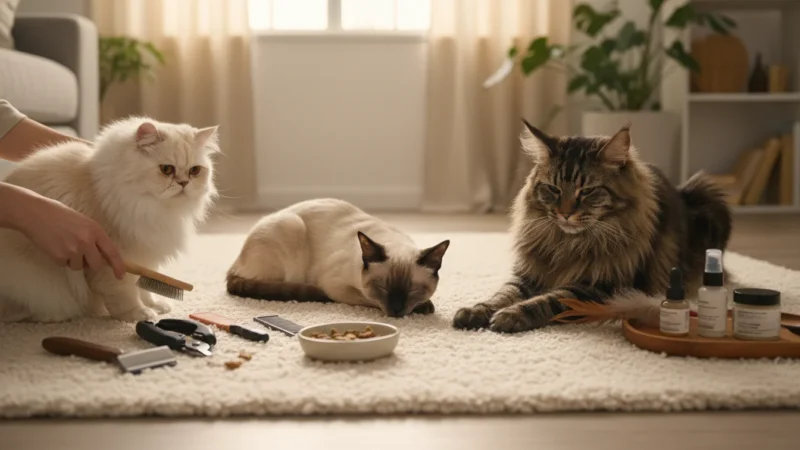
- Short-hair Breeds: Generally require minimal bathing. A bath every few months, or as needed for dirt, odor, or a sticky mess, suffices. Regular brushing (2-3 times a week) is more important for these breeds to remove loose fur and prevent hairballs.
- Long-hair Breeds: Breeds like Persians, Maine Coons, or Ragdolls benefit from more frequent bathing, perhaps every 4-6 weeks, to prevent mats, tangles, and keep their extensive coats clean. Daily brushing is essential to prevent painful knots and reduce shedding.
- Hairless Breeds: Breeds such as the Sphynx require regular bathing, often weekly, because they lack fur to absorb body oils. These oils can build up on their skin, requiring careful cleaning with a gentle shampoo to prevent skin issues and keep them comfortable.
- Medical or Environmental Necessity: Your veterinarian might recommend therapeutic baths for specific skin conditions, allergies, flea infestations, or if your cat has become excessively dirty or encountered a toxic substance. In these cases, bathing becomes a vital part of their treatment plan or safety protocol.
Practical Tips for a Stress-Free Bath: Gradual Acclimation
Making bath time a calm experience for your cat requires patience and preparation:
- Prepare Everything in Advance: Gather all your supplies before bringing your cat into the bathroom: cat-specific shampoo, several towels (one for the bottom of the tub, others for drying), a non-slip mat, cotton balls for ears, and plenty of treats.
- Introduce Gradually and Positively: Start by letting your cat explore the dry tub, offering treats and praise. Gradually introduce lukewarm water, perhaps just a shallow depth in the bottom of the tub. Use a gentle stream from a detachable shower head or a cup to wet them.
- Maintain Support and Security: Use a non-slip mat in the tub to help your cat feel secure. Gently support your cat throughout the bath, keeping one hand on them. Speak in a calm, soothing voice.
- Protect Sensitive Areas: Avoid getting water or shampoo directly into their eyes, ears, and nose. Use a damp washcloth to gently clean around their face and ears. Place cotton balls lightly in their ears to prevent water entry.
- Reinforce Positively: Offer treats and praise generously during and immediately after the bath. Keep the experience short, efficient, and as calm as possible to build positive associations for future baths.


Leave a Reply