
Myth 8: A Purring Cat Is Always Happy and Content
The gentle rumble of a purr is often perceived as the ultimate sign of feline contentment and relaxation. While purring frequently indicates happiness, it is a myth to assume it is the *only* meaning behind this unique vocalization. Cats also purr when they are stressed, fearful, in pain, or even during labor. Understanding the full range of reasons behind purring helps you better interpret your cat’s overall well-being and provide appropriate care.
The Complexities of Feline Vocalizations and the Healing Purr
Purring is a low-frequency vibration produced through rhythmic contractions of the laryngeal muscles and diaphragm. Scientific research suggests that the frequency of a cat’s purr (typically ranging between 25 and 150 Hertz) may have therapeutic benefits. These specific frequencies are known to promote bone growth, tissue regeneration, pain relief, and wound healing. This fascinating aspect could explain why cats purr when they are injured, ill, or under duress. It serves as a self-soothing or self-healing mechanism, similar to how humans might hum or rock themselves for comfort during distress. This phenomenon is particularly relevant for senior cat care, where persistent purring might mask chronic discomfort from conditions like arthritis, dental pain, or other age-related ailments.
Interpreting Purrs in Context: Body Language is Key
To accurately interpret your cat’s purr, you must consider their overall body language, the specific situation, and their usual behavior patterns. A purr is just one piece of the puzzle:
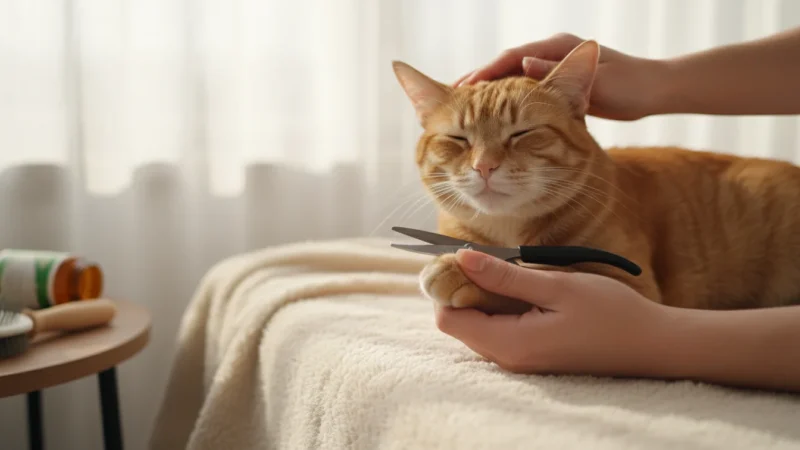
- Contentment Purr: Often accompanied by a relaxed posture, half-closed eyes, slow blinking, soft facial expression, kneading (making biscuits), and rubbing against you. The cat appears calm, at ease, and responsive to your interaction.
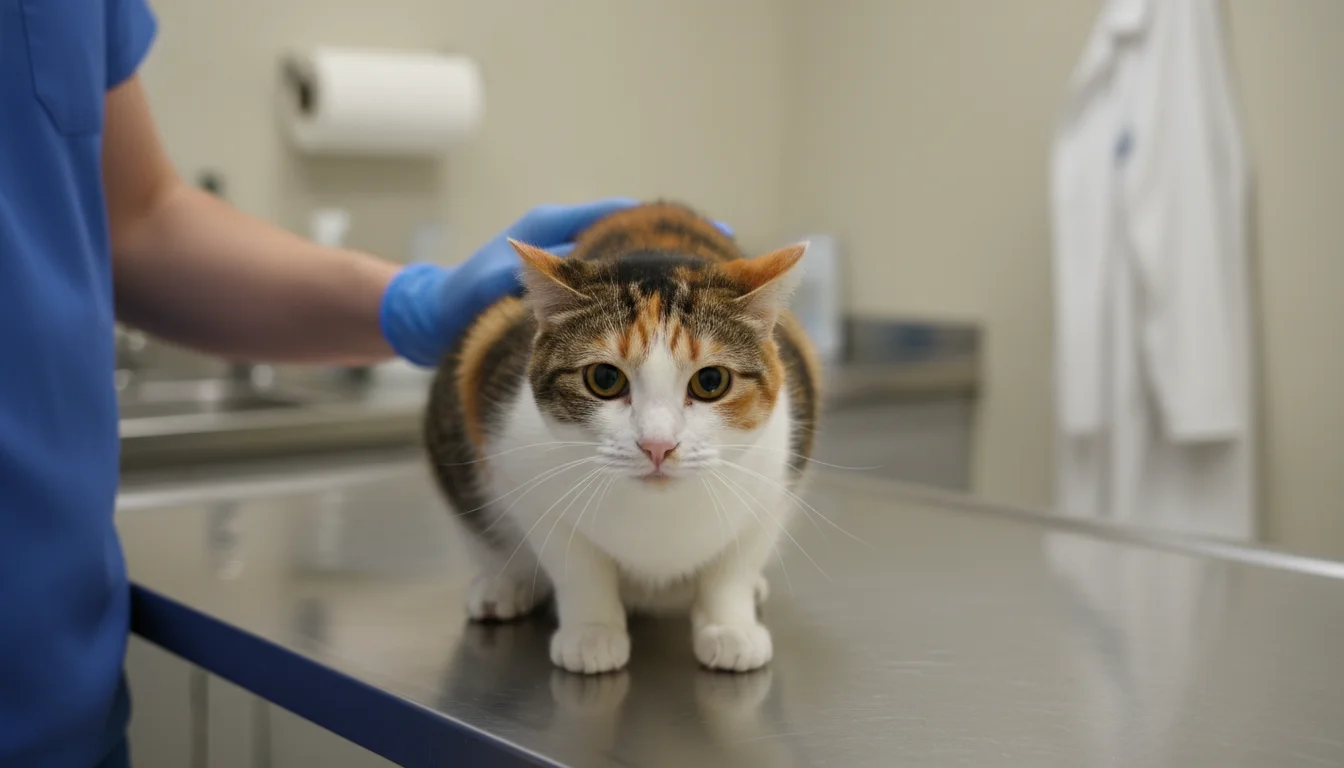
- Stress or Pain Purr: May be accompanied by a stiff or hunched posture, dilated pupils, flattened ears, hiding, decreased appetite, limping, or reluctance to move or interact. If your cat is purring intensely while showing any of these signs of discomfort or after a known injury, it is a strong indicator that they are attempting to self-soothe due to pain or anxiety.
- Solicitation Purr: Some cats develop a distinct “solicitation purr,” which is a higher-pitched purr incorporating elements of a meow. Cats often use this specific purr to get your attention for food, affection, or to communicate a specific desire.
When to Seek Veterinary Advice Regarding Purring:
If your cat suddenly starts purring more frequently, or if their purr is accompanied by other signs of illness, pain, or unusual behavior (e.g., hiding, loss of appetite, changes in litter box habits, aggression), contact your veterinarian promptly. Your vet can conduct a thorough examination to determine if the purring is a symptom of discomfort or an underlying health issue rather than contentment. Early intervention can make a significant difference in your cat’s recovery and quality of life.

Leave a Reply