
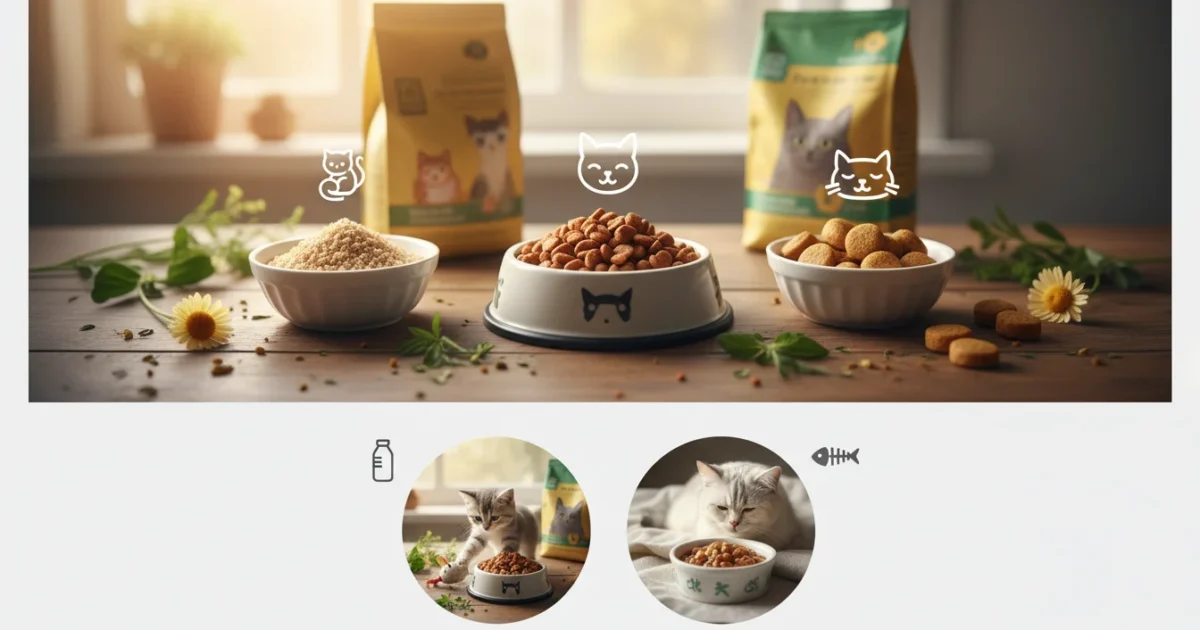
Selecting the right cat food represents a fundamental pillar of responsible cat care. Your cat’s diet directly impacts their energy levels, coat health, immune system, and overall longevity. However, cat food is not a one-size-fits-all product. A kitten’s nutritional requirements differ vastly from a senior cat’s, making it essential for you to understand how to choose the right cat food by life stage for cats. This guide empowers you with practical, science-backed insights, ensuring you provide optimal pet food for your cherished feline companion.
While this guide focuses on felines, understanding how to choose the right dog food is equally important for households with both species.
Providing a diet tailored to their specific needs is one of the most important signs your cat is happy and healthy.
Every cat transitions through distinct life stages, each demanding specific dietary considerations. Feeding an inappropriate diet can lead to health issues ranging from obesity and digestive upset to more severe developmental problems in kittens or organ decline in seniors. By aligning their pet food with their current life stage, you actively support their health and vitality. This article explores the unique nutritional needs at each stage, helping you make informed decisions about your cat’s diet.
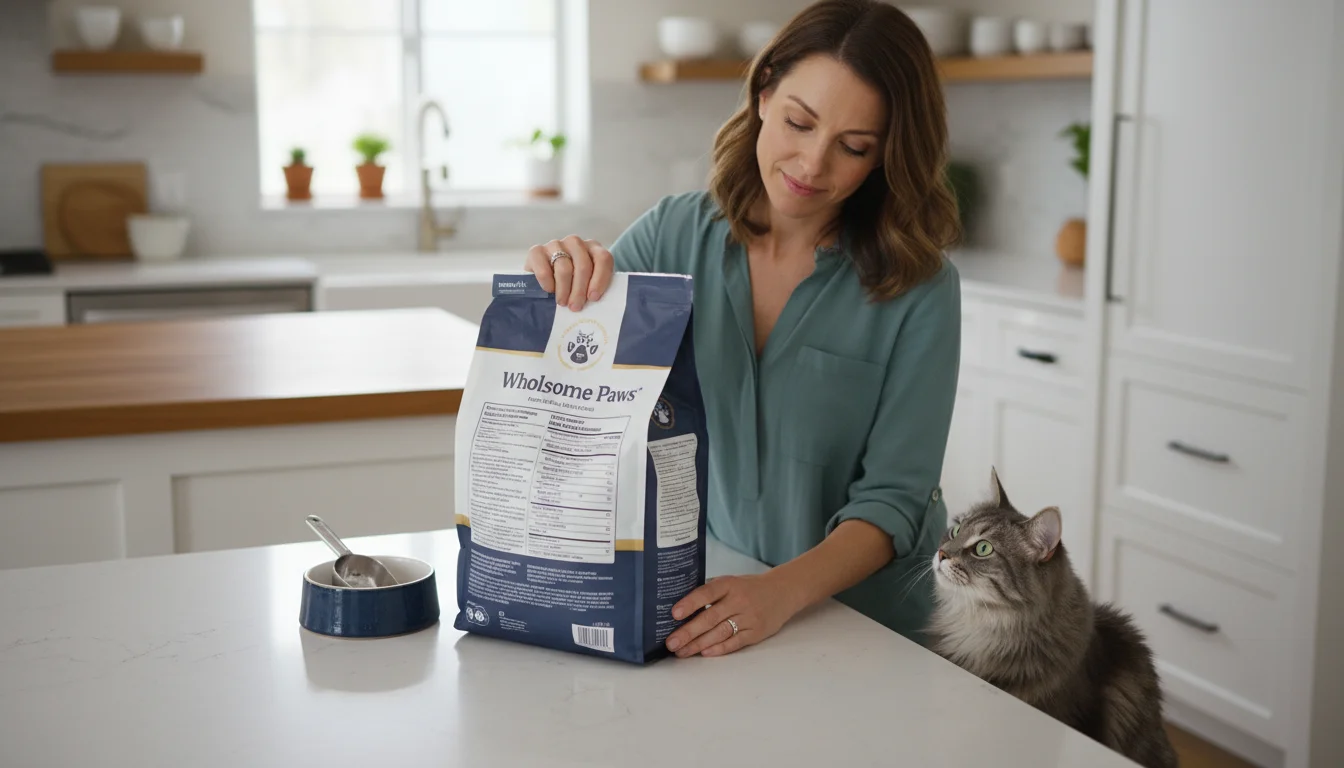
Understanding Your Cat’s Unique Nutritional Needs
Cats are obligate carnivores, meaning their bodies require nutrients found almost exclusively in animal products. Their digestive systems evolved to process meat, relying on high protein, moderate fat, and minimal carbohydrates. Understanding these fundamental requirements forms the basis of choosing appropriate pet food.
The Association of American Feed Control Officials (AAFCO) sets nutritional standards for cat food in the United States. Reputable cat food brands formulate their products to meet or exceed these AAFCO standards for specific life stages: Growth (for kittens and pregnant/lactating queens), Adult Maintenance, or All Life Stages. Always look for an AAFCO statement on the label, which assures you the food provides complete and balanced nutrition for the specified life stage.
As noted by experts at the Cornell University College of Veterinary Medicine, a cat’s nutritional demands change dramatically from kittenhood through their senior years. Ignoring these shifts can lead to nutritional deficiencies or excesses, impacting health. For instance, kittens need more calories and protein for rapid growth, while senior cats might benefit from diets lower in phosphorus to support kidney health.
Kitten Nutrition: Fueling Growth and Development
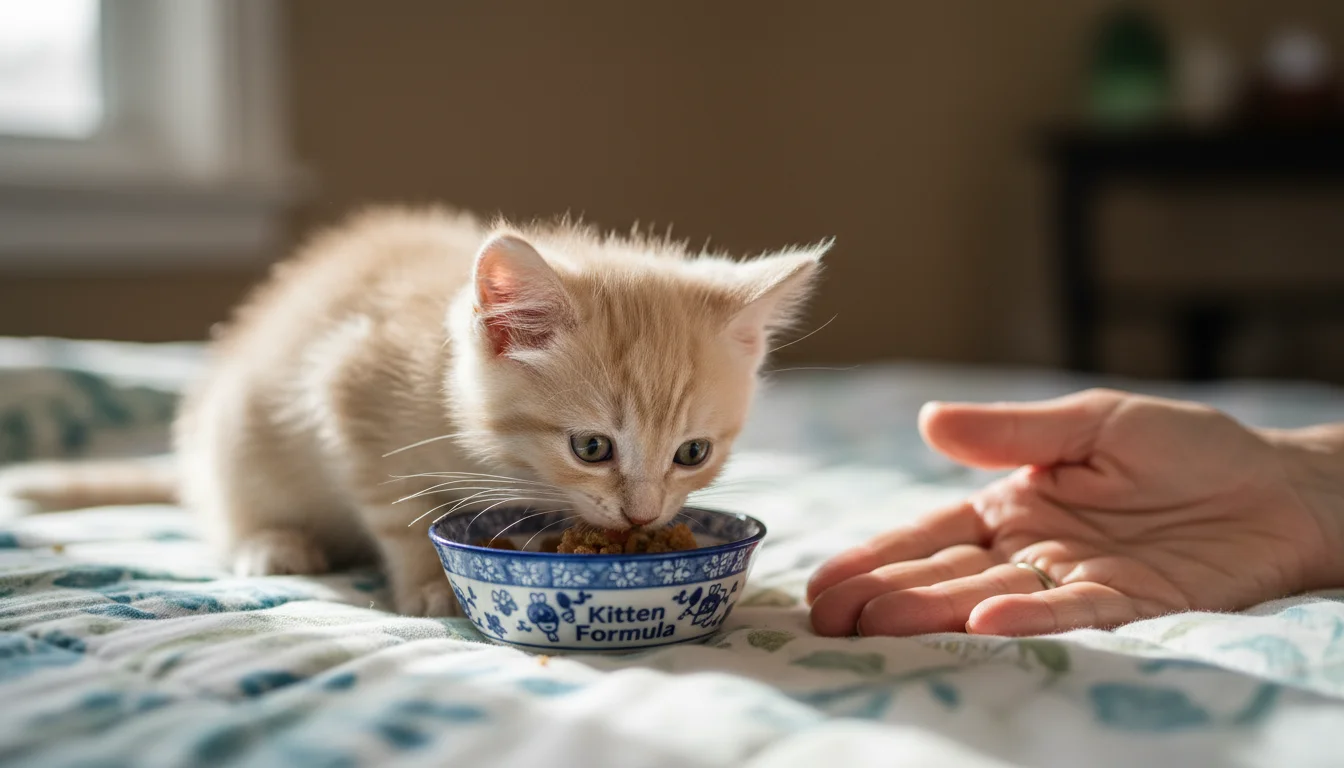
Kittenhood is a period of intense growth and development, lasting from birth until about 12 months of age. During this critical time, kittens require a diet significantly different from adult cats to support their rapid physical and cognitive maturation. When you select food for your kitten, prioritize formulas specifically labeled “for kittens” or “for growth and development.”
Establishing a solid nutritional foundation is a key step in our kitten care guide for the first 12 weeks of life.
Key Nutritional Needs for Kittens:
- Higher Protein: Kittens need a higher percentage of protein, typically around 30-40% on a dry matter basis, to build muscle, tissue, and organs. Look for animal-based protein sources like chicken, turkey, or fish as the first ingredients.
- Higher Fat: Fat provides concentrated energy for active kittens and supports the absorption of fat-soluble vitamins. Kitten foods often contain 18-35% fat on a dry matter basis. Essential fatty acids, particularly DHA, are crucial for brain and vision development.
- Increased Calories: Due to their fast metabolism and growth, kittens require more calories per pound of body weight than adult cats. Feeding small, frequent meals helps meet these energy demands without overfeeding at one time.
- Specific Vitamins and Minerals: A balanced ratio of calcium and phosphorus is vital for strong bone development. Taurine, an amino acid, is indispensable for heart health and vision in all cats, but especially crucial for growing kittens.
You should offer kitten food in small, frequent meals throughout the day, usually 3-4 times. As your kitten grows, gradually increase the portion sizes. Monitor their body condition to ensure healthy growth, not excessive weight gain. Consistent vet checks during this period confirm they are on the right track for proper development.

Adult Cat Food: Maintaining Health and Vitality
Once your cat reaches approximately 1 year of age, their growth slows, and their nutritional needs shift to maintenance. Adult cat food aims to sustain their health, energy levels, and ideal body weight without promoting excessive growth or fat accumulation. Most cats remain in the “adult” life stage until about 7-10 years old, depending on the breed and individual health.
This calorie management is especially true for the best cat breeds for apartment living who may have limited space for daily exercise.
Feeding time is also one of many ways to bond with your cat and strengthen your lifelong connection.
Key Nutritional Needs for Adult Cats:
- Moderate Protein: Adult cats still require high-quality animal protein to maintain muscle mass and body functions, typically around 26-30% on a dry matter basis. Protein also contributes to a healthy coat and skin.
- Moderate Fat: Fat remains an important energy source and aids in nutrient absorption, but in slightly lower amounts than kitten food, usually 9-15% on a dry matter basis. This helps prevent obesity, a common issue in adult indoor cats.
- Controlled Calories: The primary goal for adult cat food is maintaining an ideal body weight. Calorie needs vary based on activity level, indoor vs. outdoor lifestyle, and individual metabolism. Portion control becomes crucial to prevent weight gain.
- Balanced Nutrients: A complete and balanced adult diet provides all necessary vitamins, minerals, and amino acids to support organ function, immune health, and overall well-being.
Many adult cats thrive on two meals a day, but some prefer smaller, more frequent meals. You should adjust portion sizes based on your cat’s activity level and body condition. Regular exercise through interactive play also helps maintain a healthy weight and provides valuable indoor environmental enrichment.
Senior Cat Care: Supporting Aging Felines
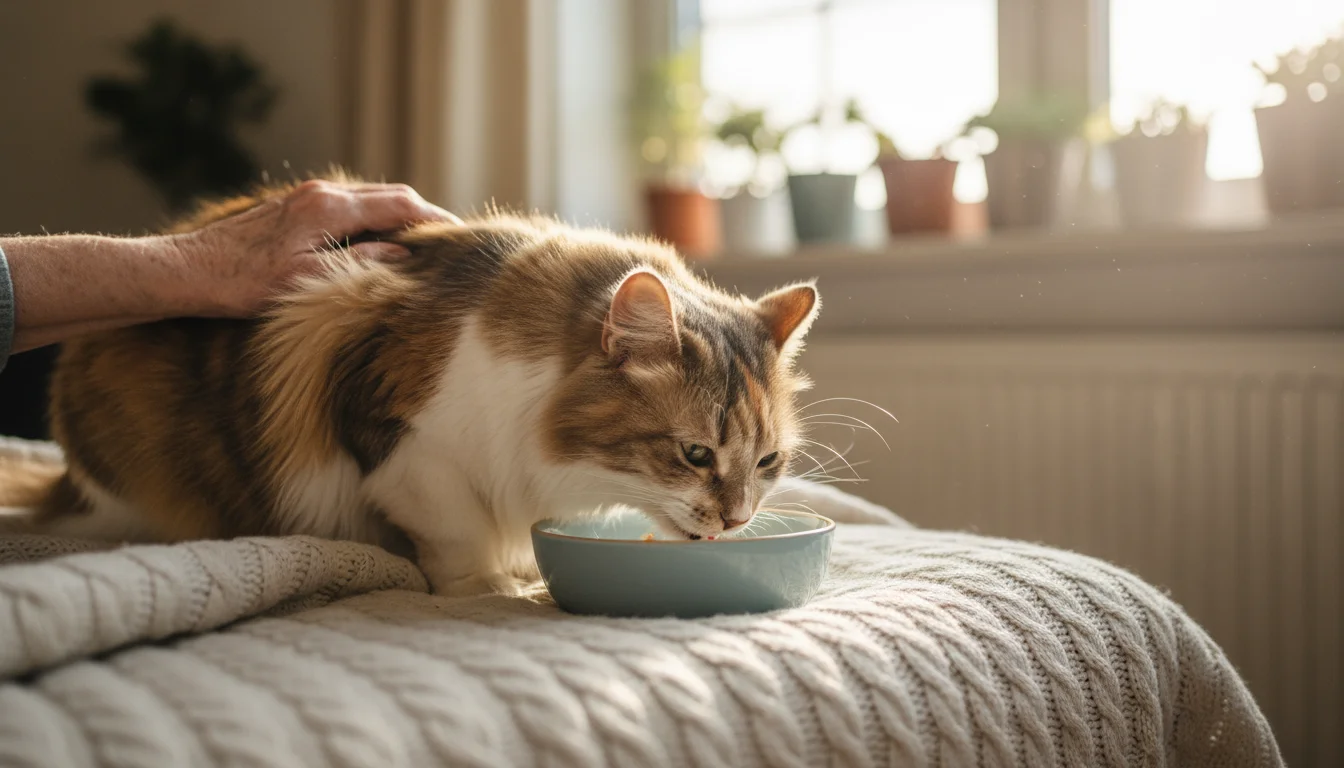
Cats typically enter their senior years around 7-10 years of age, though some definitions may vary. As cats age, their metabolism, activity levels, and organ functions change, necessitating a dietary adjustment. Senior cat food aims to support their aging bodies, address potential health issues, and maintain comfort and quality of life.
Along with dietary changes, following a cat dental care guide becomes increasingly important for preventing oral discomfort in older cats.
Key Nutritional Needs for Senior Cats:
- Easily Digestible Protein: Senior cats may experience decreased digestive efficiency. Providing high-quality, highly digestible protein (often in the 28-35% range on a dry matter basis) helps maintain muscle mass, which can naturally decline with age.
- Lower Fat (Often): Many senior cats become less active, so a lower-fat diet (typically 9-12%) helps prevent weight gain. However, some older cats lose weight, in which case a higher-calorie, palatable diet might be more appropriate.
- Controlled Phosphorus: Kidney disease becomes more prevalent in older cats. Diets with controlled phosphorus levels can help slow the progression of kidney disease. Your veterinarian can recommend specific therapeutic diets if kidney issues are diagnosed.
- Added Joint Support: Many senior cat foods include supplements like glucosamine and chondroitin to support joint health and mobility, alleviating discomfort from arthritis.
- Antioxidants and Omega-3 Fatty Acids: Antioxidants support the immune system, and omega-3s can reduce inflammation and benefit cognitive function.
Monitoring your senior cat’s weight, appetite, and water intake becomes even more critical. They may need more palatable foods if their sense of smell or taste diminishes. Ensure easy access to food and water, perhaps in multiple locations, especially if mobility issues arise. Regular veterinary check-ups are essential to catch and manage age-related health conditions early, informing dietary changes.

Decoding Cat Food Labels: Ingredients and Quality
Understanding cat food labels empowers you to make informed decisions for your cat’s specific life stage. The ingredient list, guaranteed analysis, and AAFCO statement provide crucial information. Knowing how to interpret these helps you compare pet food options effectively.
Quality ingredients ensure your cat maintains a healthy appearance, which is often reflected in their daily grooming behavior.
Learning to read labels correctly helps you avoid falling for 8 common cat care myths regarding food quality and ingredient safety.
Key Elements of a Cat Food Label:
- AAFCO Statement: This is the most important part. It confirms whether the food is “complete and balanced” for “Growth,” “Adult Maintenance,” or “All Life Stages.” A product labeled “for intermittent or supplemental feeding only” is not a complete diet.
- Ingredient List: Ingredients are listed by weight before cooking. Look for real meat, poultry, or fish as the first few ingredients (e.g., “chicken,” “salmon,” “lamb meal”).
- Meat By-products: These are often nutritious and can include organ meats, which cats thrive on. High-quality by-products are not inherently bad.
- Grains: While cats are carnivores, small amounts of easily digestible grains (like rice or oats) can provide essential nutrients. Grain-free diets are not inherently superior unless a specific allergy or intolerance exists.
- Fillers: Ingredients providing little nutritional value are generally undesirable.
- Guaranteed Analysis: This section lists the minimum percentages of crude protein and crude fat, and maximum percentages of crude fiber and moisture. Remember these are “as fed” values. To compare foods accurately, especially wet vs. dry, convert to “dry matter basis” (subtract moisture percentage from 100%, then divide the nutrient percentage by the dry matter percentage).
- Nutritional Adequacy Statement: This statement indicates whether the food meets AAFCO nutrient profiles through formulation or feeding trials. Feeding trials are generally considered the gold standard.
- Calorie Content: Listed as kcal (kilocalories) per kilogram and per cup or can. This helps you manage portion control to maintain your cat’s ideal weight.
Avoid being swayed solely by marketing claims like “human grade” or “natural” without scrutinizing the entire label. Focus on the nutritional adequacy statement and the quality of the first few ingredients. When in doubt, consulting your veterinarian for cat food recommendations is always a wise choice.
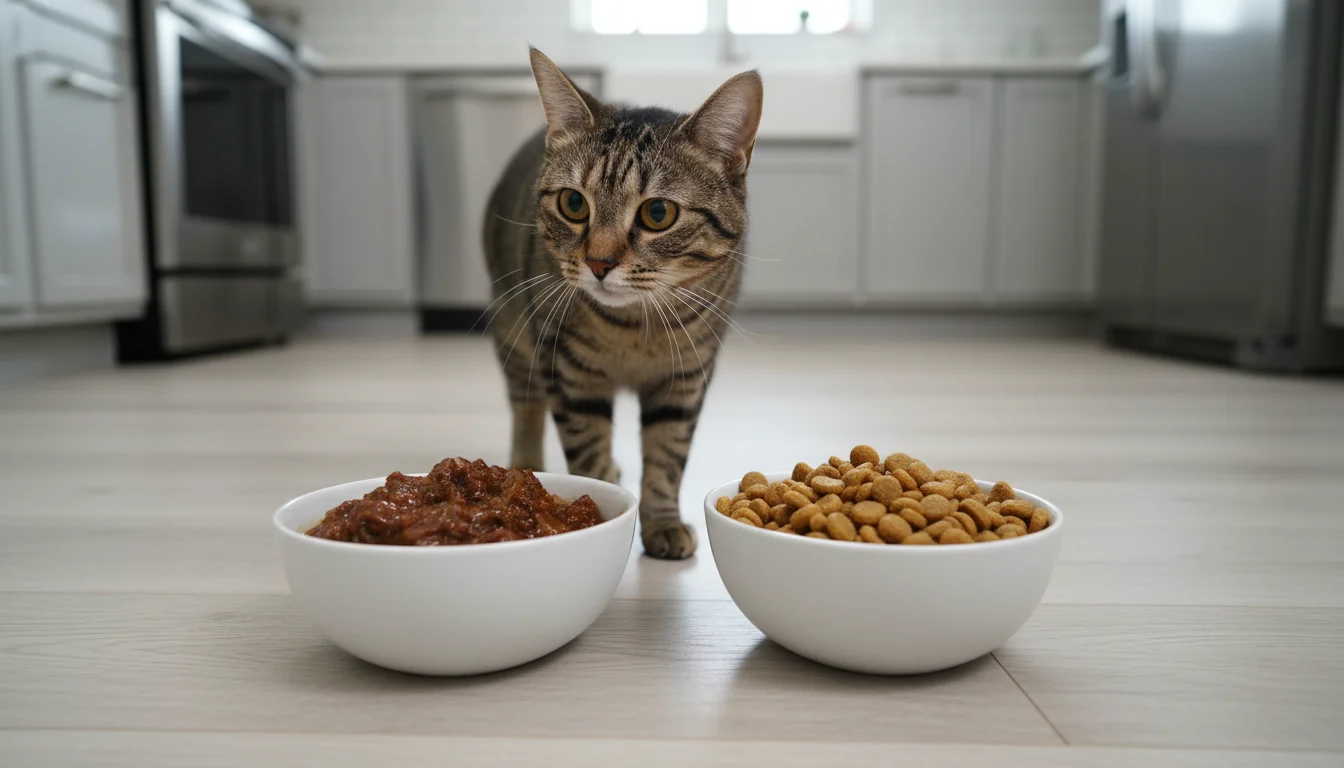
Wet vs. Dry Food: Which is Best for Your Cat?
The choice between wet (canned) and dry (kibble) cat food, or a combination of both, depends on various factors including your cat’s health, preferences, and your lifestyle. Both have advantages and disadvantages.
| Feature | Wet Cat Food | Dry Cat Food |
|---|---|---|
| Moisture Content | High (70-80%) | Low (5-10%) |
| Hydration Benefits | Excellent, supports urinary tract health, beneficial for cats prone to kidney issues or urinary crystals. | Minimal, cats need to drink more water separately. |
| Palatability | Often more palatable due to higher moisture and aroma, good for picky eaters or senior cats with reduced sense of smell. | Can be less appealing to some cats; texture can vary. |
| Dental Health | Does not contribute significantly to dental hygiene; some specifically formulated dental diets exist. | Some kibble formulations designed to reduce plaque and tartar buildup (look for VOHC seal). |
| Calorie Density | Lower calories per serving due to high water content, can help with weight management. | Higher calories per serving, easy to overfeed. |
| Convenience & Cost | Less convenient (needs refrigeration), generally more expensive per serving. | More convenient (can be left out), generally less expensive per serving. |
| Satiety | High moisture content helps cats feel full. | Less filling for the same calorie count. |
Many veterinarians recommend incorporating wet food into a cat’s diet, especially for cats prone to urinary tract issues, constipation, or those that do not drink enough water. The increased moisture intake from wet food contributes significantly to overall hydration and kidney function. According to the American Veterinary Medical Association (AVMA), proper hydration is crucial for feline health.
You can offer a combination of wet and dry food. For example, provide wet food in the morning and evening, and leave a measured amount of dry food out during the day, particularly if you have a multi-cat household where continuous access to food may be necessary. Ensure you always provide fresh, clean water regardless of the type of food you choose. For multi-cat households, consider separate feeding stations to prevent resource guarding and ensure each cat receives adequate nutrition.

Special Dietary Needs: Addressing Health Concerns
Beyond life stage, some cats develop specific health conditions that require specialized therapeutic diets. These conditions can range from allergies and sensitivities to more complex issues affecting organs like the kidneys, liver, or heart.
Common Conditions Requiring Special Diets:
- Food Allergies/Sensitivities: Cats can develop adverse reactions to certain protein sources or other ingredients. Symptoms include skin itching, chronic ear infections, vomiting, or diarrhea. Your veterinarian might recommend a novel protein diet (featuring an unusual protein like duck or venison) or a hydrolyzed protein diet (where proteins are broken down to be less allergenic).
- Obesity: A prevalent issue in indoor cats, obesity can lead to diabetes, arthritis, and heart disease. Weight management diets are lower in calories and fat but high in fiber and protein to promote satiety and muscle maintenance while facilitating weight loss.
- Urinary Tract Disease: Cats prone to urinary crystals or stones often benefit from prescription diets that manipulate urine pH, mineral content, and moisture to prevent recurrence. These diets often have controlled magnesium, phosphorus, and calcium levels.
- Kidney Disease: For cats with chronic kidney disease, diets lower in phosphorus, controlled in protein (high quality, highly digestible), and supplemented with omega-3 fatty acids can help manage the condition and slow its progression.
- Gastrointestinal Issues: Cats with chronic vomiting, diarrhea, or inflammatory bowel disease (IBD) may require highly digestible diets with specific fiber blends or novel proteins to soothe the digestive tract.
- Diabetes: Diabetic cats often benefit from high-protein, low-carbohydrate diets to help regulate blood sugar levels.
You should never self-diagnose your cat or put them on a prescription diet without veterinary guidance. These diets are formulated to address specific medical conditions and can cause harm if used inappropriately. Always consult your veterinarian if you suspect your cat has a health issue. They will perform a thorough examination, run diagnostic tests, and recommend the most appropriate therapeutic pet food plan for your cat’s specific needs.
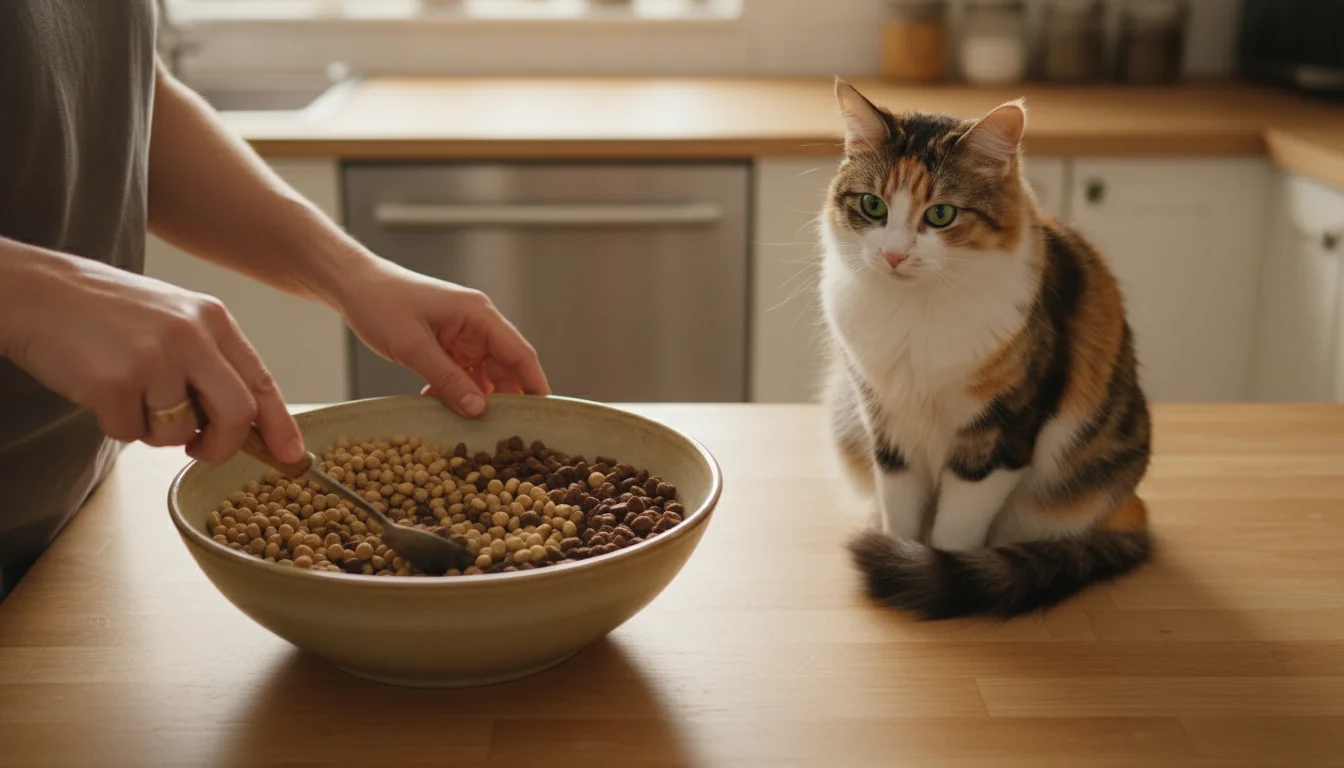
Transitioning Cat Food: A Smooth and Stress-Free Process
Changing your cat’s food, even if it is for a better life stage appropriate option, requires a gradual approach. Abrupt changes can lead to digestive upset, including vomiting, diarrhea, or a refusal to eat. A slow transition minimizes stress and allows your cat’s digestive system to adapt.
Step-by-Step Transition Guide:
- Day 1-2: Mix 25% new food with 75% old food. Offer this mixture for their regular meals.
- Day 3-4: Increase the new food to 50% and reduce the old food to 50%. Continue this mixture.
- Day 5-6: Shift to 75% new food and 25% old food. Most cats will be comfortable with this ratio by now.
- Day 7: If your cat is eating well and shows no signs of digestive upset, you can transition to 100% new food.
This seven-day timeline serves as a general guideline. Some cats, especially those with sensitive stomachs or picky eaters, may require an even slower transition, extending the process over 10-14 days. If your cat refuses to eat or experiences digestive upset at any point, revert to the previous ratio and consult your veterinarian. Consistency is key when introducing new cat care routines, including dietary changes.
Consider the environment during feeding. Cats prefer quiet, safe feeding areas away from busy household traffic. If you have multiple cats, provide separate feeding bowls to prevent competition, which can be stressful and lead to changes in eating habits. This aligns with good multi-cat household dynamics, ensuring all pets feel secure.

Common Mistakes in Cat Feeding and How to Avoid Them
Even with the best intentions, pet owners can make mistakes in cat feeding that impact their feline’s health. Recognizing these common pitfalls helps you avoid them and provides the best cat care.
- Free-Feeding Dry Kibble: Leaving a bowl of dry food out all day allows cats to graze continuously, often leading to overeating and obesity. Instead, measure out daily portions and offer them in scheduled meals.
- Over-Treating: Treats should only comprise a small percentage (ideally less than 10%) of your cat’s daily caloric intake. Excessive treats can unbalance their diet and contribute to weight gain. Consider puzzle feeders for treats to offer mental stimulation.
- Ignoring Hydration: Cats often do not drink enough water, especially those on a primarily dry food diet. Provide multiple water bowls in different locations, use ceramic or stainless steel bowls, and consider a pet water fountain to encourage drinking.
- Feeding Table Scraps: Human food often contains ingredients toxic to cats (like onions, garlic, grapes, chocolate) or is too rich and fatty, causing digestive upset. Stick to nutritionally complete and balanced cat food.
- Not Consulting Your Veterinarian: Diet is a cornerstone of health. Regular veterinary check-ups allow your vet to monitor your cat’s weight, overall health, and make informed diet recommendations based on their specific needs and any emerging health concerns.
- Making Abrupt Diet Changes: As discussed, sudden food changes can cause digestive upset. Always transition gradually over several days to weeks.
- Feeding a “Grain-Free” Diet Without Reason: While popular, grain-free diets are not inherently healthier for most cats unless they have a diagnosed grain allergy. Focus on overall ingredient quality and nutritional balance rather than specific marketing trends.
Active voice and proactive cat care go hand-in-hand. You take control of your cat’s health by preventing these common feeding mistakes. Providing adequate indoor environmental enrichment also helps maintain a healthy weight by encouraging activity.

Frequently Asked Questions
Can I feed my cat dog food?
No, you should never feed dog food to your cat. Dog food is formulated for the nutritional needs of dogs, which differ significantly from cats. Cats are obligate carnivores, requiring higher protein levels, specific amino acids like taurine, and certain vitamins that are either absent or in insufficient quantities in dog food. Feeding dog food long-term can lead to severe nutritional deficiencies and serious health problems in cats.
How often should I feed my cat?
Most adult cats thrive on two meals per day, typically morning and evening. Kittens, due to their rapid growth and high energy needs, may require 3-4 smaller meals throughout the day. Senior cats might also benefit from more frequent, smaller meals if their appetite or digestive efficiency changes. Always measure portions according to the food’s caloric content and your cat’s ideal weight to prevent overeating.
How do I know if my cat is overweight or underweight?
You can assess your cat’s body condition by sight and touch. For an ideal weight, you should easily feel their ribs, spine, and hip bones without seeing them prominently. They should have a visible waist when viewed from above and a slight abdominal tuck from the side. If you cannot feel their ribs or spine, or if they have a saggy belly, they are likely overweight. If bones are highly prominent and there is no fat covering, they are likely underweight. Consult your veterinarian for a professional assessment and weight management plan.
Is it safe to make homemade cat food?
While possible, formulating a nutritionally complete and balanced homemade cat food diet is extremely challenging and often risky without expert guidance. Cats have complex and specific nutritional requirements. Deficiencies in essential nutrients like taurine can lead to serious health issues. If you consider homemade food, work closely with a board-certified veterinary nutritionist to ensure the diet meets all your cat’s needs and remains safe.
Choosing the right cat food by life stage is a foundational element of exceptional pet care. By understanding your cat’s evolving nutritional needs and interpreting food labels effectively, you provide them with the fuel they require to thrive. Prioritize quality, consult your veterinarian for personalized advice, and always transition new foods gradually. Your commitment to proper cat care directly translates into a healthier, happier life for your cherished feline companion.
For expert pet care guidance, visit
Preventive Vet, American Veterinary Medical Association (AVMA) and Cornell University College of Veterinary Medicine.
Disclaimer: This article is for informational purposes only and is not a substitute for professional veterinary advice, diagnosis, or treatment. Always consult with a licensed veterinarian for medical concerns about your pet.





Leave a Reply