
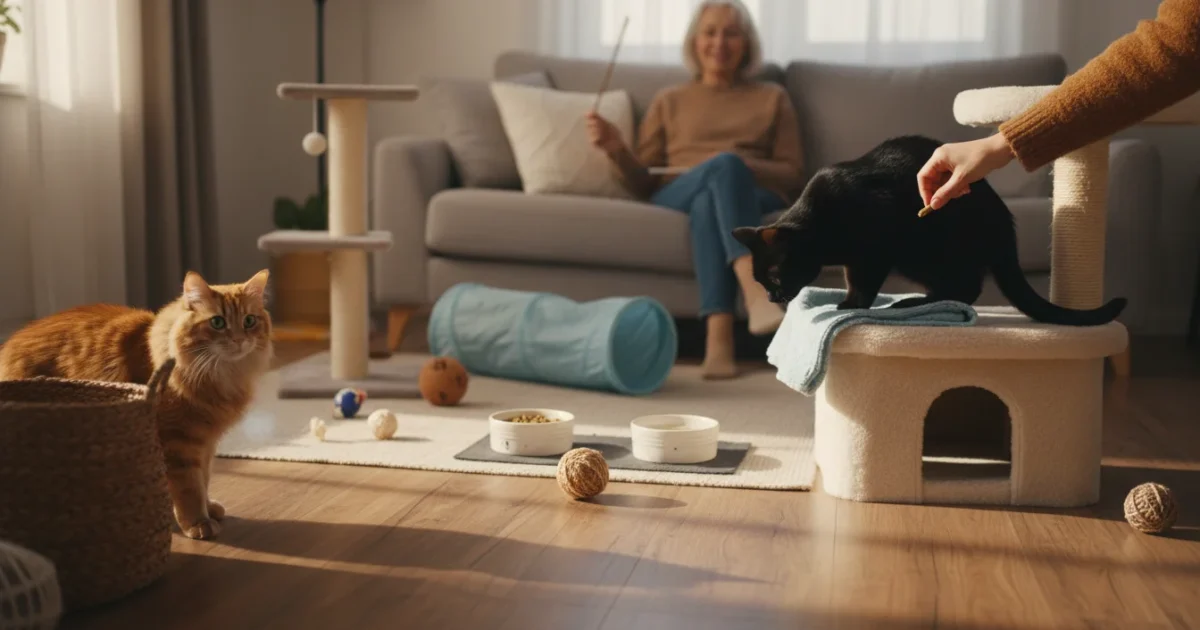
Bringing a new cat into your home is an exciting time, whether you are expanding your feline family or welcoming your very first companion. While your heart might be full of joy, it is important to remember that introducing a new cat, especially to a household with existing pets, requires careful planning and patience. Cats are territorial animals, and a rushed introduction can lead to stress, fear, and long-term behavioral problems for all involved. A thoughtful, step-by-step approach sets the stage for a harmonious multi-cat household, fostering a sense of security and belonging for every member of your furry family.
While you wait for your new arrival, it is also helpful to understand the general principles of how to introduce a new pet to your current pet regardless of species.
If your new arrival is a young one, be sure to review our kitten care guide for specialized advice on early development.
This guide provides you with practical, evidence-based strategies to help your new feline friend settle in smoothly and integrate successfully with any resident pets. By understanding feline behavior and following these proven methods, you empower your cats to form positive associations, leading to a peaceful and happy home for years to come.

Understanding Feline Social Dynamics
Cats are often perceived as solitary creatures, but they can and do form complex social bonds. However, unlike dogs, who often have a more hierarchical pack mentality, cats tend to view their social structures through the lens of shared resources and territory. A new cat entering an established territory can be perceived as a threat, triggering defensive behaviors. Understanding this innate feline behavior is the first step in successful cat care and integration.
If your pets show signs of hostility during these early stages, it is important to focus on understanding cat aggression and reducing it through controlled environmental management.
When you bring a new cat home, you are not simply adding another pet, you are introducing a new variable into your existing cat’s established world. This includes their territory, their routine, and their access to essential resources like food, water, litter boxes, and preferred resting spots. According to experts at the ASPCA, slow and controlled introductions are critical to minimize stress and prevent aggression, allowing both cats to gradually adjust to each other’s presence. This gradual process avoids overwhelming your pets, helping them to associate positive experiences with each other.
The goal is to facilitate positive associations and prevent negative ones. A well-managed introduction reduces stress for both cats, preventing common issues such as fighting, fear, hiding, and inappropriate elimination. Your proactive approach ensures a smoother transition for your new cat and helps maintain the peace and well-being of your resident cat.

Preparing Your Home for the New Arrival
Before your new feline friend even steps through the door, adequate preparation of your home lays the groundwork for a successful introduction. This crucial step is part of responsible pet care and ensures your new cat feels secure from day one, while your resident cat maintains their comfort.
Preparing for a new pet is also the perfect time to learn how to trim your cat’s claws without the drama for easier handling later.
Establish a Sanctuary Room for Your New Cat
Designate a quiet, secluded room for your new cat. This “sanctuary room” serves as their safe haven during the initial adjustment period. It should be a space where they can feel secure, away from the resident pet, giving them time to acclimate to their new surroundings without feeling overwhelmed. This room should contain all the necessary resources:
- Litter Box: Place one litter box, ideally away from food and water, in their sanctuary room. Ensure it is clean and accessible. If you have a multi-cat household, the general rule of thumb for litter boxes is one per cat, plus one extra, distributed throughout the house once introductions are complete.
- Food and Water Bowls: Provide fresh water and their designated food in separate bowls.
- Scratching Post: Offer a scratching post or pad to encourage appropriate scratching behavior and provide an outlet for natural instincts. Vertical and horizontal options cater to different preferences.
- Comfortable Bedding: A soft bed or blanket gives them a cozy spot to rest and feel safe.
- Toys: A variety of interactive and solo toys helps with enrichment and reduces boredom.
- Vertical Space: Include a cat tree, shelves, or a window perch in the sanctuary room. Vertical spaces are essential for feline enrichment, providing opportunities for climbing, observing, and feeling secure. This is a key aspect of good cat care.
Safety-Proofing and Resource Management
Beyond the sanctuary room, ensure your entire home is safe for a curious feline. Secure windows and screens, tuck away electrical cords, and remove any toxic plants or hazardous chemicals. This prevents accidents and contributes to a stress-free environment.
For your resident cat, ensure their access to resources remains uninterrupted. Do not move their food, water, or litter boxes just because a new cat is arriving. Maintaining their routine and resource availability helps them feel secure and reduces the likelihood of them viewing the new cat as a threat to their established territory. Consider adding extra resources around the house, like additional scratching posts, beds, and water bowls, even before the new cat starts exploring, to prepare for eventual multi-cat dynamics.

The Initial Confinement Period (Days 1-7)
The first week, or even longer, is critical for your new cat to settle into their sanctuary room. This period of isolation is not punitive, it is a vital step in how to introduce a new cat to your home successfully. It allows your new cat to feel safe and comfortable in their immediate surroundings before facing the larger household and its inhabitants.
Focus on Scent Swapping
During this stage, the primary method of introduction is through scent. Cats rely heavily on their sense of smell to gather information and identify friend or foe. By gradually exposing them to each other’s scents, you begin the process of desensitization, helping them understand that the other cat is not a threat. Here is how you can perform scent swapping:
- Swap Bedding: Take a small blanket or towel that has the scent of your new cat and place it in an area where your resident cat spends time. Observe your resident cat’s reaction. Do they sniff it cautiously, ignore it, or show signs of agitation like hissing? Repeat the process by taking a scented item from your resident cat to the new cat’s room.
- Rubbing and Swapping: Gently rub a cloth on your new cat’s cheeks and flanks, areas where they have scent glands. Then, place this cloth near your resident cat’s food bowl or resting area. Do the same with your resident cat’s scent and introduce it to the new cat.
This daily routine helps both cats become accustomed to the new scent. When they encounter the scent without any negative consequences, they start to form a neutral, then potentially positive, association. This is a crucial pet tip for reducing initial tension.
Positive Reinforcement and Routine
Spend time with your new cat in their sanctuary room, offering gentle play, petting, and treats. This helps them bond with you and feel secure in their new space. Similarly, maintain your usual routine with your resident cat, ensuring they still receive plenty of attention, playtime, and affection. This reassures them that their place in the family is secure and prevents them from associating the new cat with a loss of attention. Feeding both cats on opposite sides of the closed sanctuary door can also help create a positive association with each other’s scent, as they connect the scent with a pleasant experience, food.
Monitor both cats for signs of stress during this initial period. Stress indicators can include hiding, changes in appetite, excessive grooming, or litter box avoidance. If you observe these signs, slow down the process and spend more time on scent swapping. Remember, patience is key in all cat care efforts.

Controlled Scent and Sight Introductions
Once both cats seem comfortable with scent swapping, showing no signs of aggression or fear towards the other’s smell, you can move to the next stage: controlled sight and further scent exposure. This is a natural progression in how to introduce a new cat to your home for cats that are beginning to adapt.
Gradual Visual Access
The goal is to allow the cats to see each other for brief periods in a controlled, positive manner. This can be achieved through a variety of methods:
- Baby Gate or Screen Door: Install a baby gate or a screen door in the doorway of the sanctuary room. This allows the cats to see and smell each other without direct physical contact. Start with short durations, perhaps 10-15 minutes, and gradually increase the time as they remain calm.
- Crack the Door: Another option is to simply crack the sanctuary room door open just enough for them to peek at each other. Supervise closely, ready to close the door immediately if any signs of aggression appear.
During these visual introductions, keep the experience positive. Distract both cats with treats, toys, or interactive play. If they are eating, try feeding them on opposite sides of the barrier. The sight of the other cat should always be associated with something good, like delicious food or engaging playtime. This is critical for forming positive associations rather than fear or aggression.
Supervised Play and Feeding Sessions
While still maintaining the barrier, engage both cats in play sessions simultaneously. Use a wand toy to play with each cat on their respective sides of the gate. This encourages parallel play and helps them expend energy positively in the presence of the other cat. Continue feeding them on opposite sides of the barrier. If either cat shows signs of stress, such as hissing, growling, flattening ears, or a puffed tail, immediately separate them and revert to scent swapping for a longer period. You want these interactions to be calm and positive, never forced or stressful.
The length of this stage varies widely depending on the individual personalities of your cats. Some cats may be ready to move on in a few days, while others might need several weeks. Observe their body language carefully and always let their comfort level dictate the pace. Rushing this stage can undo all your hard work and create long-lasting animosity.

Supervised Face-to-Face Meetings
Once your cats are consistently calm and comfortable with visual access through a barrier, showing curiosity rather than aggression, you can proceed to supervised, direct interactions. This is a delicate phase in how to introduce a new cat to your home, requiring your full attention and readiness to intervene.
Short, Positive Encounters
Choose a neutral room for the first face-to-face meeting, a space where neither cat feels they have an exclusive claim. Keep these initial meetings very brief, only 5-10 minutes, and always supervise them closely. Ensure you have easy access to separate the cats if necessary. Consider having a high-value treat ready for each cat, or engaging toys to distract them.
During these meetings, your primary role is to create a positive environment. Offer treats, gentle praise, and calm reassurance to both cats. If they interact calmly, even just by glancing at each other or sniffing briefly, reward them immediately. Use interactive toys to engage them in parallel play, encouraging them to focus on a shared activity rather than solely on each other. The goal is for them to associate the presence of the other cat with pleasant experiences.
Reading Feline Body Language
Understanding feline body language is crucial during these interactions. Look for signs of relaxation and curiosity:
- Positive Signs: Relaxed body posture, soft gaze, sniffing, slow blinks, tail held in a neutral or slightly upward position, calm grooming.
- Warning Signs: Fixed stare, flattened ears, dilated pupils, stiff body, low growls, hissing, swiping, piloerection (puffed fur, especially on the tail).
If you observe any warning signs of aggression or intense fear, calmly but immediately separate the cats and end the session. Do not punish them for negative behavior, simply remove them from the stressful situation. Pushing them through aggression will only reinforce negative associations. Revert to the previous stage, visual access through a barrier, and try again when both cats are more relaxed, perhaps for even shorter periods.
Repeat these short, positive meetings multiple times a day, gradually increasing the duration as long as both cats remain calm and happy. The pace is entirely dictated by your cats’ comfort levels. It may take days, weeks, or even months for them to fully accept each other. Patience and consistency are your greatest allies in this pet care endeavor.

Integrating into the Household
Once your cats consistently show relaxed body language during supervised face-to-face meetings, you can gradually allow them more unsupervised time together, working towards full integration into the household. This stage focuses on managing multi-cat household dynamics effectively to prevent conflicts.
The environment you prepare may also differ based on the needs of indoor vs outdoor cats and their specific safety requirements.
Resource Distribution is Key
One of the most common sources of conflict in multi-cat homes is competition for resources. To mitigate this, ensure an abundance of essential resources distributed throughout your home. As noted by experts at Cornell University College of Veterinary Medicine, providing ample resources is essential for feline well-being in multi-cat environments. This means:
- Litter Boxes: The general rule is one litter box per cat, plus one extra, scattered in various locations to prevent one cat from monopolizing access. Keep them impeccably clean.
- Food and Water Bowls: Place multiple food and water stations in different rooms. This allows cats to eat and drink without feeling threatened or needing to share, especially if one cat is a fast eater or territorial about food.
- Scratching Posts: Offer a variety of scratching posts and pads in different textures and orientations (vertical, horizontal) in multiple areas of the house.
- Beds and Resting Spots: Provide plenty of comfortable beds, blankets, and cat trees. Cats often appreciate elevated resting spots where they can feel safe and observe their surroundings.
Creating Ample Vertical Space and Hideaways
Cats thrive on vertical space. Providing cat trees, wall-mounted shelves, and window perches allows cats to escape perceived threats, observe from a safe distance, and exercise. This is especially important for smaller or shyer cats who might feel intimidated by a larger or more confident feline. Ensure there are enough hideaways, such as cardboard boxes or igloo beds, for each cat to retreat to when they need alone time. These options are vital for preventing conflict and reducing stress in multi-cat households.
Ongoing Positive Reinforcement
Continue to reward calm, positive interactions between your cats. Praise them when they share a space peacefully, eat near each other, or engage in friendly play. Positive reinforcement helps solidify these good behaviors. If you notice any tension or early signs of conflict, intervene calmly by distracting them or separating them temporarily. Do not wait for a full-blown fight to occur.
Remember that full integration can take time. Some cats may become best friends, while others may simply coexist peacefully. Both outcomes are successes. Your primary goal in how to introduce a new cat to your home for cats is to ensure a safe, stress-free, and respectful environment for all your pets.

Troubleshooting Common Challenges and When to Seek Help
Even with the most careful introduction plan, challenges can arise. Recognizing these common issues and knowing when to seek professional help ensures the welfare of all your pets and helps you navigate the complexities of multi-cat living.
Addressing Persistent Hissing, Growling, or Fighting
If your cats continue to hiss, growl, or engage in physical altercations despite your best efforts, it is a clear sign that you have progressed too quickly. In such cases, revert to an earlier stage of the introduction process. Return the new cat to their sanctuary room and restart with scent swapping, allowing a longer period for this stage. Reintroduce visual access through a barrier with extreme caution, ensuring all interactions are brief and positive.
Sometimes, conflict can stem from resource guarding. Re-evaluate your home to ensure there are truly enough resources (litter boxes, food, water, scratching posts, beds) distributed in various locations. Adding more resources often alleviates competition and reduces tension.
Signs of Stress and What They Mean
Stress can manifest in various ways, and it is important to be vigilant for subtle changes in behavior. Common stress indicators include:
- Hiding excessively: One or both cats constantly retreating and avoiding interaction.
- Changes in appetite or thirst: Eating or drinking significantly more or less than usual.
- Inappropriate urination or defecation: Eliminating outside the litter box, which can be a sign of stress, territorial marking, or a medical issue.
- Excessive grooming or lack of grooming: Over-grooming can be a stress response, while a lack of grooming might indicate depression or illness.
- Increased vocalizations: More meowing, yowling, or unusual sounds.
- Aggression towards owners: Redirected aggression can occur when cats are stressed by another cat’s presence.
If you notice any of these signs, particularly inappropriate elimination, consult your veterinarian first. A medical condition could be causing the behavior, and ruling this out is always the priority. Once medical issues are excluded, these behaviors point to significant stress related to the introduction.
When to Contact a Professional
While this guide provides comprehensive pet tips for how to introduce a new cat to your home, some situations require expert intervention. Do not hesitate to seek help from professionals if:
- Persistent Aggression: If cats engage in frequent, intense fights, cause injuries, or if one cat constantly harasses or bullies the other.
- Chronic Stress: If one or both cats exhibit ongoing signs of severe stress, such as chronic hiding, fear, or inappropriate elimination, even after slowing down the introduction process.
- Fear or Phobia: If one cat develops an intense fear or phobia of the other cat, leading to severe behavioral changes.
- Sudden Behavioral Changes: Any sudden, unexplained behavioral shifts in either cat should first prompt a veterinary visit to rule out underlying health issues.
For behavioral challenges, seek assistance from a certified feline behaviorist or a veterinary behaviorist. Organizations like the International Association of Animal Behavior Consultants (IAABC) or the American College of Veterinary Behaviorists (ACVB) provide directories of qualified professionals who can assess your specific situation and develop a tailored behavior modification plan. These experts have specialized knowledge in feline behavior and can offer guidance that goes beyond general pet care advice, helping to resolve complex inter-cat dynamics and ensure a peaceful living environment for all.

Frequently Asked Questions
How long does it take to introduce a new cat?
The timeline varies significantly depending on the individual personalities of the cats, their past experiences, and your consistency with the introduction process. Some introductions can take a few days or weeks, while others may require several months. The key is to go at your cats’ pace, never rushing any stage. Patience and careful observation of their body language are paramount.
What if my resident cat is very aggressive?
If your resident cat displays significant aggression, such as consistent growling, hissing, swatting, or even attacking the new cat (even through a barrier), you must slow the introduction down considerably. Focus heavily on positive scent swapping, feeding both cats simultaneously on opposite sides of a closed door, and using calming pheromones. If aggression persists, consult a certified feline behaviorist or your veterinarian to rule out underlying issues and develop a tailored management plan. Do not force interactions, as this can worsen the aggression.
Should I get two new cats at once?
Introducing two new cats to a home with no existing pets can sometimes be easier than introducing one, especially if the two new cats are already bonded. They provide comfort and familiarity to each other. However, if you have existing resident cats, introducing two new cats simultaneously can be more challenging, as it means introducing two new sets of scents and personalities at once. In most multi-cat household scenarios, introducing one new cat at a time is generally recommended to allow your resident cat to adjust more easily.
What’s the best way to handle feeding time with multiple cats?
Feeding time can be a significant source of stress in multi-cat households due to resource guarding. To prevent conflict, feed cats in separate locations, or at least far enough apart that they feel secure. Consider using microchip-activated feeders if one cat eats another’s food. For cats still in the introduction phase, feeding them on opposite sides of a closed door or a baby gate helps create positive associations with each other’s presence. Always provide enough food bowls so each cat has their own.
Can a senior cat adjust to a new kitten?
Yes, senior cats can adjust to new kittens, but it often requires even more patience and careful management. Senior cats appreciate routine and quiet, and a playful, energetic kitten can be overwhelming. Ensure the senior cat has ample escape routes and quiet retreats away from the kitten’s boisterous energy. Focus on very gradual introductions, use plenty of positive reinforcement, and supervise interactions closely. Never force the senior cat to interact, and protect their access to essential resources. Sometimes, a calmer, adult cat is a better match for a senior resident than a rambunctious kitten.
Introducing a new cat to your home is a journey that requires time, understanding, and unwavering commitment. By embracing the principles of gradual exposure, positive reinforcement, and careful observation, you are not just adding another pet, you are thoughtfully expanding your family. The rewards of a peaceful, multi-cat household where every feline feels secure and cherished are well worth the effort. With your patience and guidance, your cats can truly become a harmonious and happy family.
For expert pet care guidance, visit
Rover — Pet Care Blog,
Preventive Vet,
American Veterinary Medical Association (AVMA),
American Kennel Club (AKC) and
Cat Fanciers’ Association (CFA).
Disclaimer: This article is for informational purposes only and is not a substitute for professional veterinary advice, diagnosis, or treatment. Always consult with a licensed veterinarian for medical concerns about your pet.









Leave a Reply