
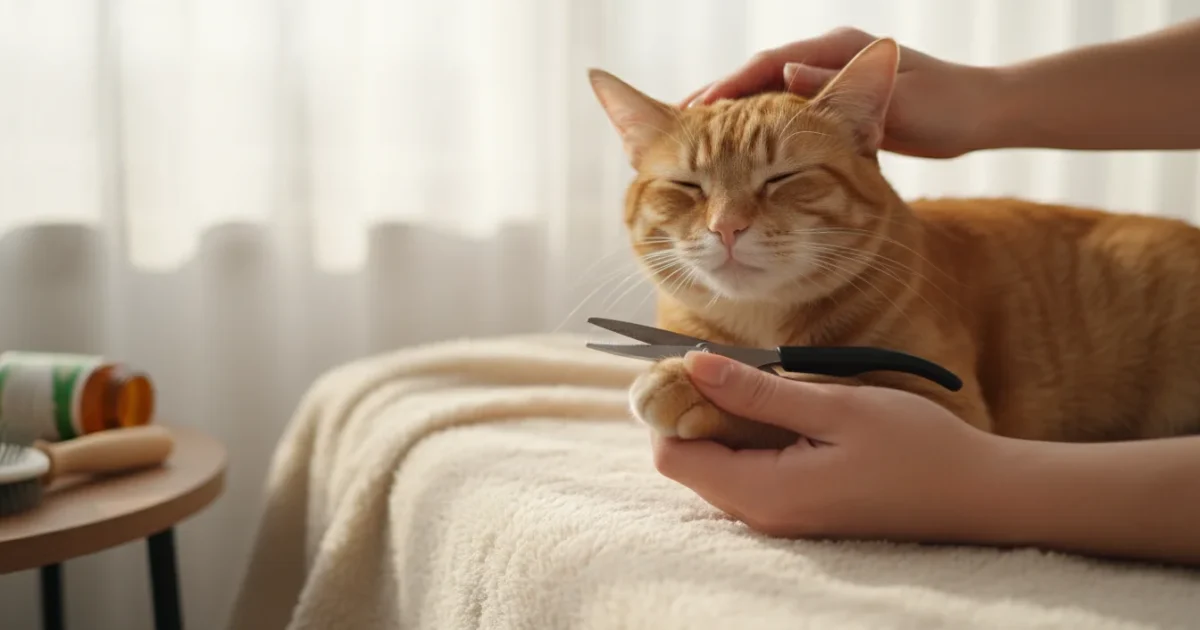
Trimming your cat’s claws might seem like a daunting task, fraught with potential scratches, hisses, and general feline disapproval. However, regular claw trimming is a vital part of responsible cat care, contributing significantly to your pet’s overall health and well-being, while also protecting your furniture. With the right approach, patience, and positive reinforcement, you can transform this chore into a manageable and even calm experience for both you and your feline companion. This guide provides practical, actionable insights to help you trim your cat’s claws without the drama.
Understanding the basics of the complete guide to cat grooming at home can help you prepare for this process.
Why Claw Trimming Matters for Your Cat’s Health
Many cat owners overlook regular claw trimming, assuming their cats manage their claws naturally. While scratching posts help maintain claw health, they do not always keep claws short enough, especially for indoor cats who do not have natural opportunities to wear them down on rough surfaces like outdoor cats do. Neglecting your cat’s claws can lead to several problems, impacting their comfort and potentially their health.
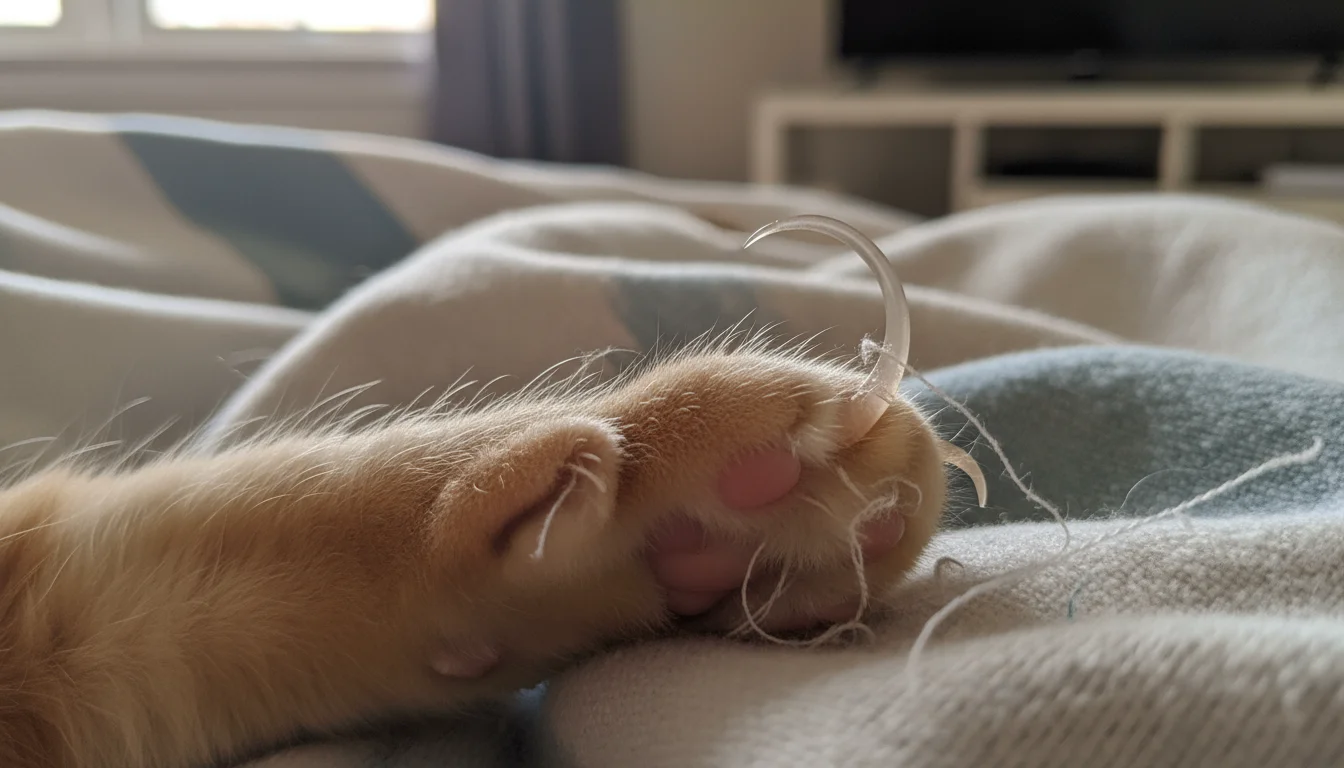
Overgrown claws can curl inward, growing into your cat’s paw pads. This causes significant pain, discomfort, and can lead to serious infections. Long claws also get snagged on carpets, furniture, and blankets, which can injure your cat by tearing the claw or even dislocating a toe. For senior cats, long claws can impede their ability to walk comfortably, climb, or even stand steadily, exacerbating existing mobility issues like arthritis. Regular trimming prevents these painful scenarios, ensuring your cat moves freely and comfortably. It also reduces accidental scratches to you and your family, and minimizes damage to your household items. Ultimately, integrating claw trimming into your routine is a proactive step in preventive pet care, aligning with recommendations from veterinary experts for optimal feline wellness.
Understanding Your Cat’s Claws: Anatomy and Function
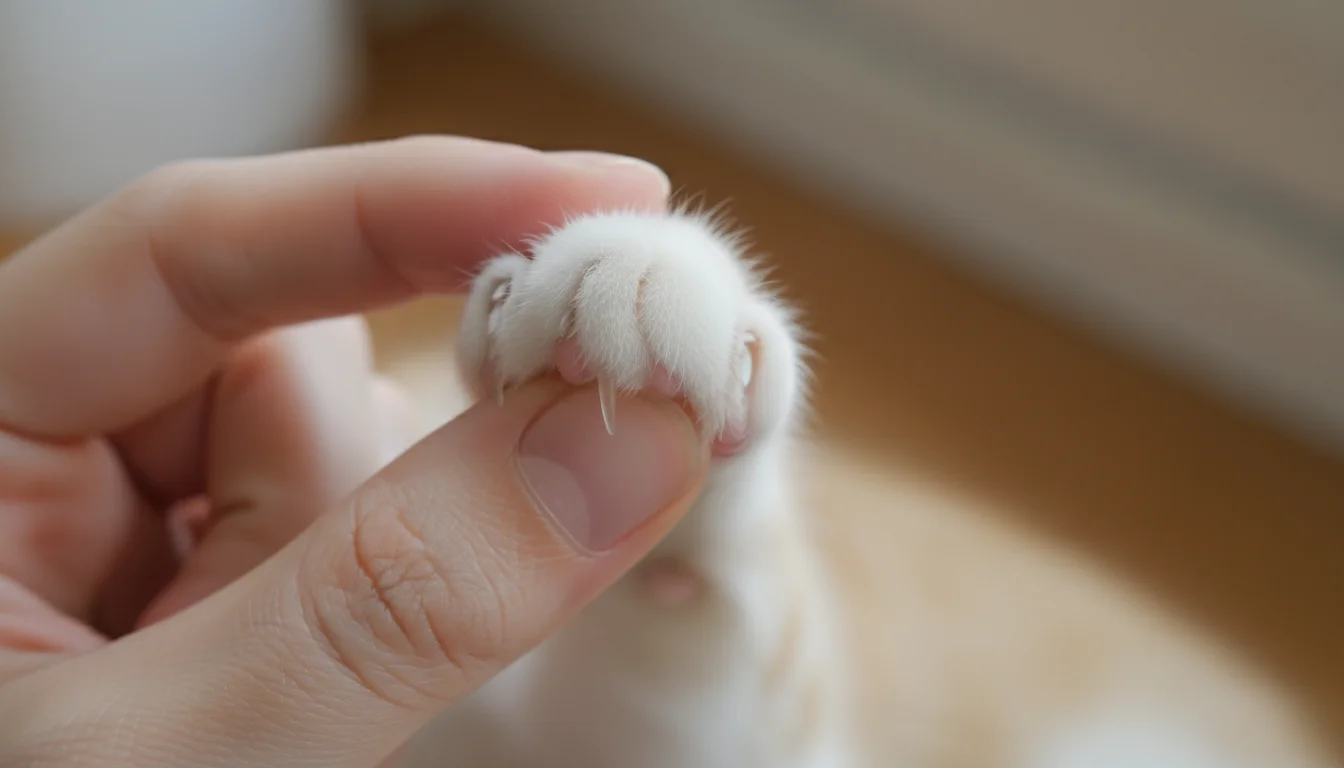
To trim your cat’s claws effectively and safely, you must understand their anatomy. Each cat claw consists of a hard, outer keratin sheath and an inner pinkish part called the “quick.” The quick contains blood vessels and nerves. Cutting into the quick is painful for your cat and will cause bleeding. Your goal is to trim only the sharp, transparent tip of the claw, avoiding the quick.
Cats’ claws are retractable, meaning they can pull them back into their paw pads. This protects the claws from wear and tear during normal walking and allows them to move silently. When you trim, you will extend the claw by gently pressing on the top of the paw (where the toe joint is) and the bottom of the paw pad. This action pushes the claw out, making it visible and accessible for trimming. Understanding this retraction mechanism helps you properly position the claw for a safe cut.
For cats with light-colored claws, you can usually see the pink quick through the transparent claw. For cats with dark claws, identifying the quick is more challenging. In these cases, trim only the very tip of the claw, taking off small slivers at a time until you see a small, dark dot appear in the center of the trimmed surface. This dot indicates you are nearing the quick. The Cornell University College of Veterinary Medicine provides valuable resources on feline anatomy and care, emphasizing the importance of understanding your cat’s unique physical characteristics for proper grooming.

Assembling Your Clipping Toolkit: Essential Supplies
Having the right tools ready before you start significantly reduces stress for both you and your cat. Gather these items in advance:
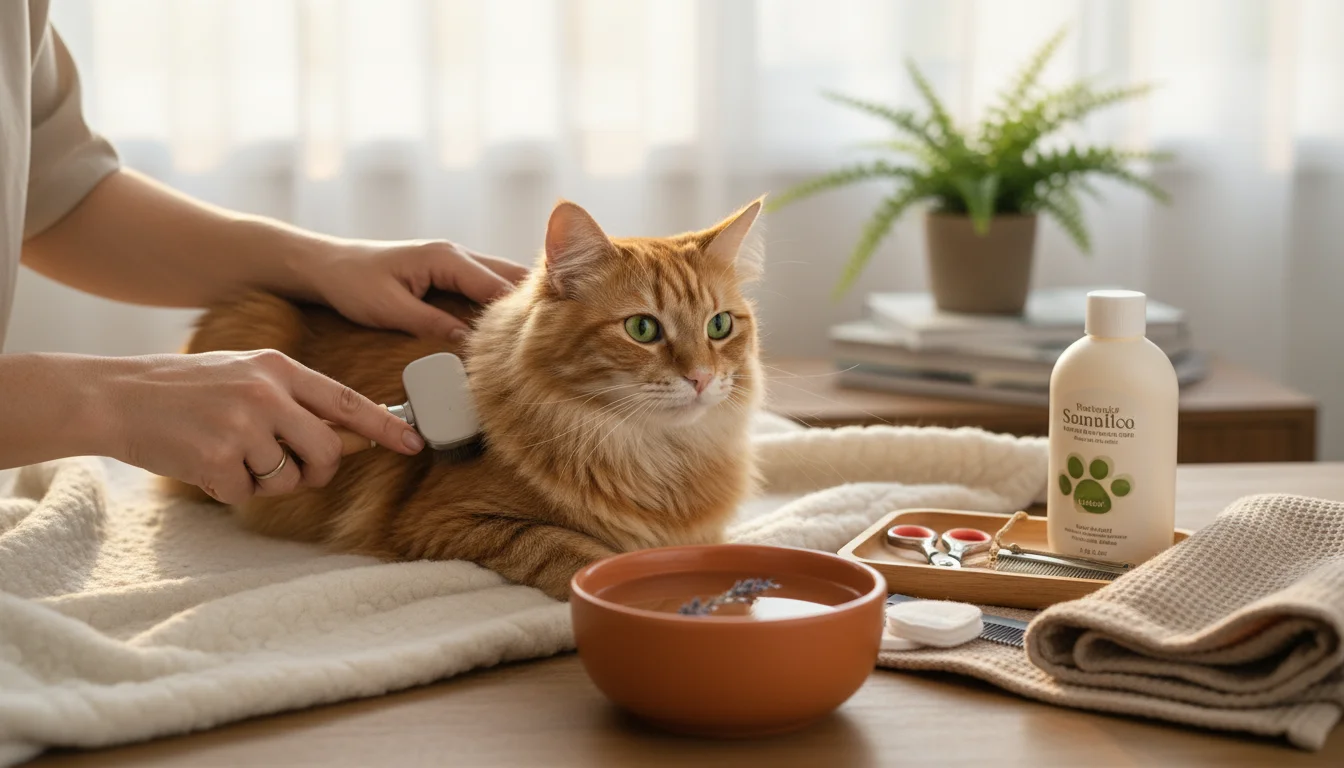
To stay organized, consider creating the perfect cat grooming station to keep all your supplies in one convenient location.
- Cat-Specific Nail Clippers: Do not use human nail clippers. Cat claws are shaped differently, and human clippers can split or crush them, causing pain. Two main types of cat clippers exist:
- Scissor-Style Clippers: These resemble small scissors and are often preferred for their precision and ease of use, especially for smaller cats or kittens.
- Guillotine-Style Clippers: These have a small hole where you insert the claw, and a blade slides to make the cut. They can be effective, but some owners find them trickier to position correctly.
Choose a pair that feels comfortable in your hand and has sharp blades for a clean cut.
- Styptic Powder: This is a non-negotiable item. Even with the utmost care, accidents happen, and you might nick the quick. Styptic powder (or cornstarch if you are in a pinch) quickly stops bleeding. Keep it within arm’s reach.
- High-Value Treats: These are crucial for positive reinforcement. Use treats your cat absolutely loves, whether it is tuna flakes, a lickable treat, or their favorite crunchy kibble.
- A Soft Towel or Blanket: Useful for gently wrapping your cat if they tend to be squirmy. This provides a sense of security and can help prevent scratches.
- Good Lighting: A well-lit area is essential to clearly see the claw and the quick, minimizing the risk of accidental cuts.
- Optional: Feliway Spray: A synthetic feline facial pheromone spray can help create a calming atmosphere. Spray it on a towel or in the room 15-20 minutes before your session.
The right equipment empowers you to perform this essential pet care task with confidence and minimize your cat’s discomfort.
Creating a Stress-Free Environment: Setting the Stage for Success
Preparation extends beyond just gathering tools; it involves preparing the environment and your cat emotionally. A calm, positive experience starts long before the clippers come out.
By understanding your cat’s grooming behavior, you can better interpret their body language and adjust your approach to reduce anxiety.
- Choose the Right Time: Select a time when your cat is relaxed, perhaps after a meal or a play session when they are sleepy and mellow. Avoid times when they are overly energetic or anxious.
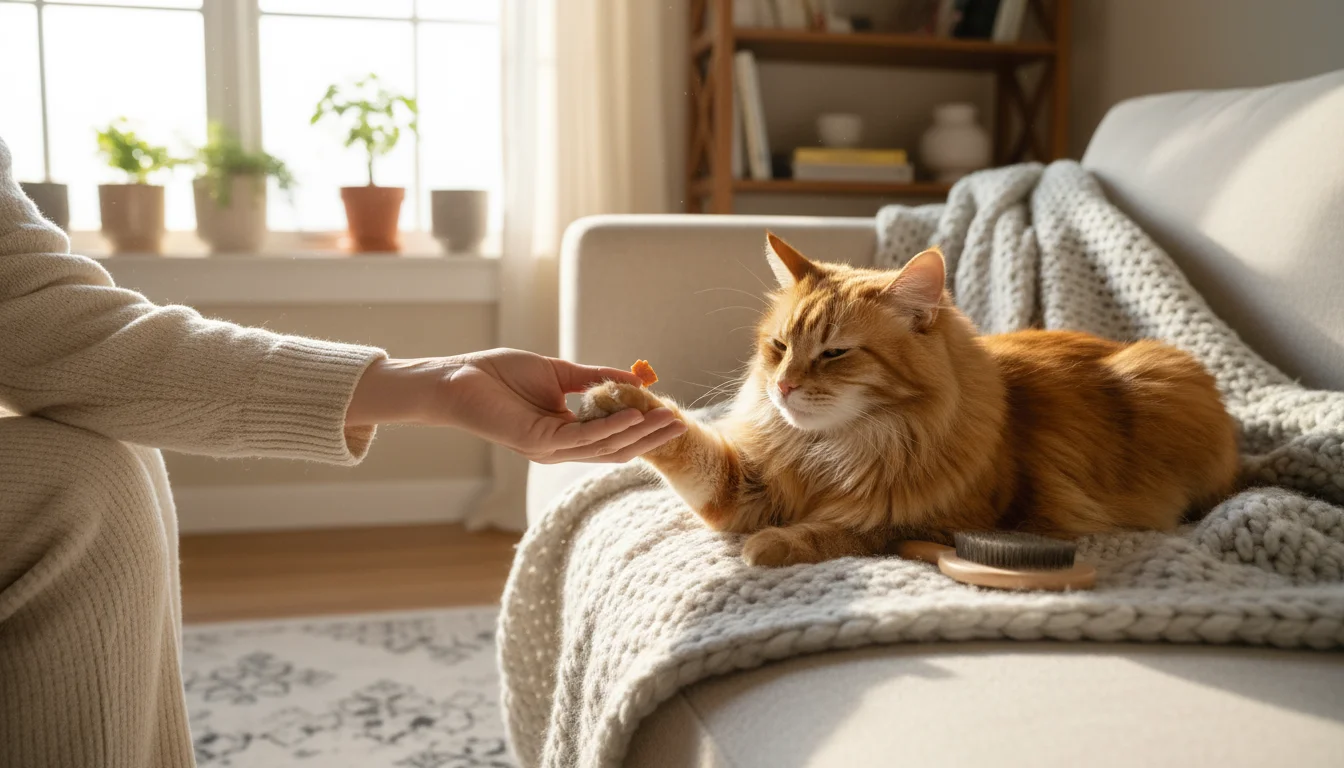
- Positive Association: Begin by associating paw handling with positive experiences. Gently touch your cat’s paws while offering treats and praise. Do this for short sessions daily, gradually increasing the duration and intensity. This process, often called desensitization, helps your cat become accustomed to having their paws manipulated without fear.
- Introduce the Clippers Gradually: Allow your cat to see and sniff the clippers without using them. Place them near your cat’s favorite resting spot. Offer treats whenever they are calm in the presence of the clippers. This helps them understand the clippers are not a threat.
- Minimize Distractions: Choose a quiet room away from loud noises, other pets, or children. This focused environment helps your cat remain calm and allows you to concentrate.
- Use a Gentle Tone: Speak to your cat in a soothing, reassuring voice throughout the process. Your calm demeanor will transmit to them.
Building positive associations and creating a calm setting are paramount. As noted by experts at Fear Free Pets, prioritizing emotional well-being and reducing stress during veterinary visits and grooming is critical for a pet’s long-term health and happiness. Apply this philosophy to your at-home claw trimming.

The Gentle Approach: Step-by-Step Trimming
Once your cat is comfortable with paw handling and the clippers, you can begin the trimming process. Remember, patience and positive reinforcement are key. Do not rush, and celebrate every small success.
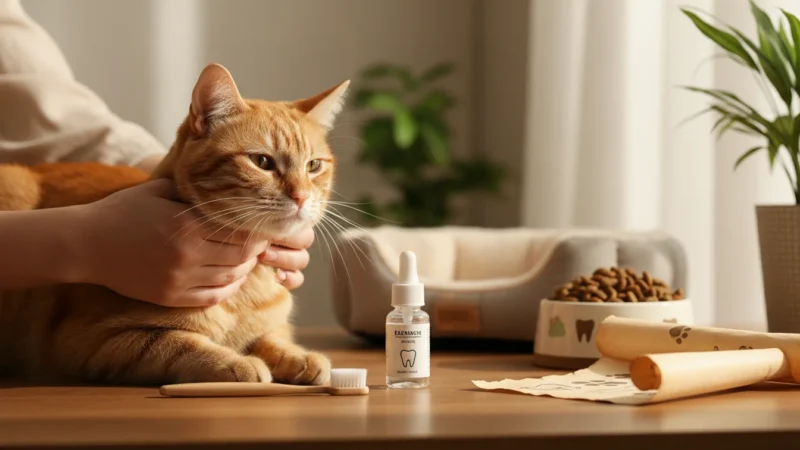
Once you have mastered claw care, you might also want to learn how to brush your cat’s teeth as part of their regular hygiene routine.
Step 1: Position Your Cat Comfortably
Sit in a comfortable chair with your cat in your lap, facing away from you, or with their side against your body. Some cats prefer being held by another person. If your cat is particularly squirmy, gently wrap them in a towel like a “purrito” with only one paw exposed at a time. This provides security and limits struggling without causing distress.
Step 2: Extend the Claw
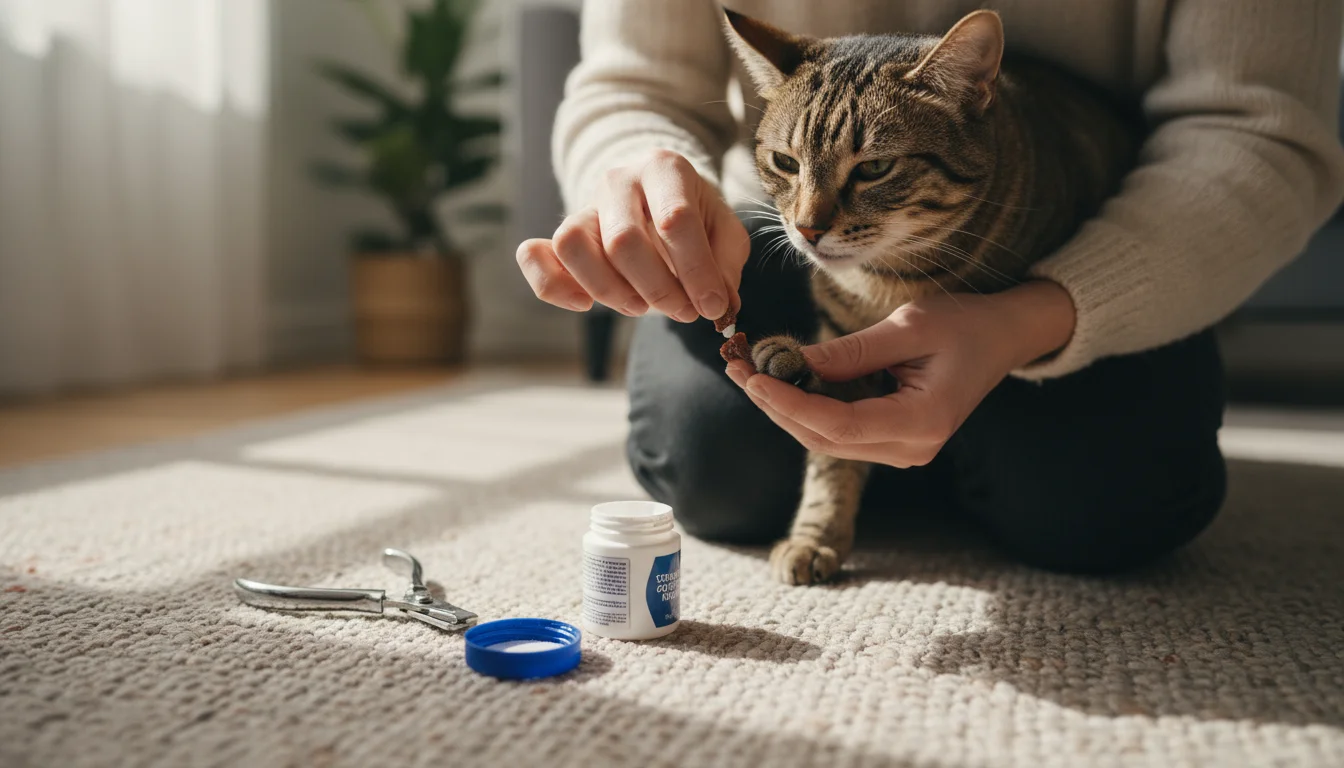
Gently take one of your cat’s paws in your hand. Use your thumb on top of the toe and your index finger on the bottom of the paw pad, just behind the claw. Gently squeeze to extend the claw fully. This action also helps to separate the claw from the fur, especially important for long-haired breeds.
Step 3: Identify the Quick
Look carefully at the claw. For light-colored claws, you will see a pinkish area (the quick) inside the transparent claw. You want to cut only the clear, sharp tip, about 2-3 millimeters beyond the quick. For dark claws, trim only the very sharp, pointed tip. If you are unsure, err on the side of caution and take off less. You can always trim more later, but you cannot undo a cut too short.
Step 4: Make the Cut
Position the clippers so you are cutting straight across the tip of the claw, just below the quick. Make a quick, decisive snip. A dull blade will crush the claw, causing pain, so ensure your clippers are sharp. Focus on making one clean cut.
Step 5: Reward and Repeat (or Pause)
Immediately after trimming one claw, offer a high-value treat and praise your cat. If your cat tolerates it, proceed to the next claw. If they show signs of stress (tail flicking, tensing up, trying to pull away), stop the session. It is better to trim one claw today and the rest tomorrow, or even later the same day, than to force the issue and create a negative association. Your goal is to keep the experience positive.
Step 6: Consistency is Key
Regular trimming, typically every 2-4 weeks, keeps the quick receding, making future trims easier and less risky. Frequent, short sessions are far more effective than infrequent, stressful struggles.
Troubleshooting Common Challenges: Navigating Tricky Situations
Even with the best preparation, you might encounter difficulties. Here is how to address common issues:
If your pet reacts with genuine hostility, understanding cat aggression can help you identify if the issue is fear-based or requires professional intervention.
- If You Cut the Quick: Do not panic. Apply styptic powder directly to the bleeding claw, holding gentle pressure for a few seconds. The bleeding should stop quickly. Reassure your cat with a calm voice and treats. End the trimming session for the day to avoid further stress. Monitor the paw for any signs of infection, such as swelling or pus, and contact your vet if you have concerns.
- Your Cat Hates It: If your cat strongly resists, go back to basics. Increase the frequency and duration of positive reinforcement sessions focusing on paw handling. Practice extending claws without clipping, always following with a treat. Consider breaking the process down even further: perhaps only touching the clippers to one claw (without clipping) before rewarding. Build up to actual trimming over several days or weeks.
- Dark Claws: As mentioned, dark claws make the quick invisible. Trim only the very tip, a small sliver at a time. With each tiny trim, look at the cut surface. When you start to see a small, dark dot in the center, stop. That dot signifies you are very close to the quick. More frequent, tiny trims are safer for cats with dark claws.
- Scratching or Biting: If your cat becomes aggressive, stop immediately. Do not punish them, as this will only worsen their fear and resistance. Re-evaluate your approach. Perhaps your cat needs more desensitization, a more secure wrapping method, or professional assistance. Never put yourself at risk of injury.
Remember, patience and consistency are your greatest allies. Every cat is an individual, and some will require more time and understanding than others.

Special Considerations for Different Cats
Claw trimming needs can vary depending on your cat’s age, breed, and living situation. Tailor your approach to meet their specific needs.
Kittens
Start trimming kittens’ claws early, even if they are very short. This introduces them to the process at a young age, making them more tolerant of it as adults. Their claws are soft and tiny, so use kitten-specific clippers or very sharp, small scissor-style clippers. Focus on making the experience positive with lots of praise and treats.
Senior Cats
Older cats may have thicker or more brittle claws, making them prone to splitting. They may also have arthritis, which can make paw handling painful. Be extra gentle and use very sharp clippers. Their claws might also grow faster or become more curved, increasing the risk of ingrown claws. Regular checks and frequent, gentle trims are essential. Provide a soft, stable surface for them to sit or lie on during trimming.
Long-Haired Breeds
Breeds like Persians or Maine Coons have long fur that can obscure their claws. Gently part the fur around each claw to ensure a clear view of the quick before clipping. You might need to trim the fur around the paw pads if it interferes with visibility or causes matting.
Indoor Environmental Enrichment
While trimming is crucial, supporting your cat’s natural claw behaviors is also vital. Provide plenty of appropriate scratching posts (vertical and horizontal), window perches for vertical space, and cat trees. These outlets allow your cat to stretch, mark territory, and shed outer claw layers, complementing your trimming efforts. According to the ASPCA, providing environmental enrichment is a key component of responsible cat ownership, promoting both physical and psychological health.
When to Seek Professional Help for Claw Trimming
While many cat owners can master at-home claw trimming, sometimes professional help is the best option. Do not hesitate to reach out to experts if:
- Persistent Aggression: Your cat consistently exhibits severe aggression, such as biting or drawing blood, making trimming unsafe for both of you.
- Extreme Fear or Anxiety: Your cat becomes extremely distressed, hiding, shaking, or urinating during attempts to trim. Forcing the issue can damage your bond and worsen their fear.
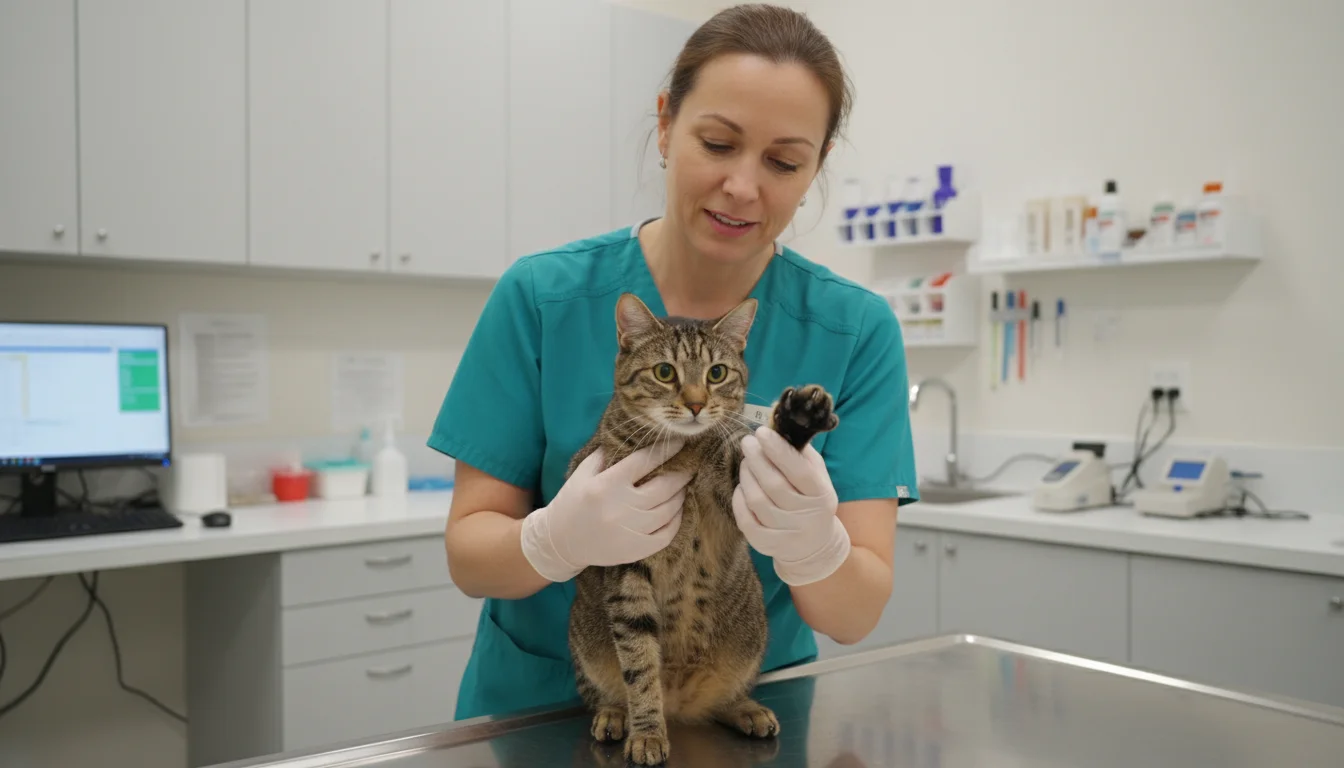
- Injuries or Infections: If your cat has an ingrown claw, an infection around the claw, lameness, or any other paw injury, a veterinarian should examine and treat it. They can safely trim the claw and address the underlying medical issue.
- You Simply Cannot Do It: If you feel overwhelmed, lack confidence, or simply do not have the time, professional groomers or veterinary technicians can often perform claw trims quickly and efficiently. Many clinics offer this service for a small fee. Consider looking for “Fear Free” certified professionals who specialize in low-stress handling techniques.
Remember, seeking professional help is a sign of responsible pet ownership. Your cat’s welfare and your safety are always the top priorities.

Frequently Asked Questions
How often should I trim my cat’s claws?
Most indoor cats need their claws trimmed every 2-4 weeks. The frequency depends on how quickly your cat’s claws grow and how effective their scratching habits are at wearing them down. Check your cat’s claws weekly to determine if they need a trim.
What if my cat absolutely refuses to let me trim their claws?
If your cat is highly resistant, break down the process into tiny, manageable steps. Start with just touching their paws for a second, then reward. Gradually increase duration and add the clippers to the environment. If persistent efforts fail or lead to aggression, consult with your veterinarian or a certified cat behaviorist. They can provide guidance on desensitization techniques or offer professional trimming services.
Can I use human nail clippers on my cat?
No, you should not use human nail clippers. Human clippers are designed for flat human nails and can crush or split your cat’s rounded claws, causing pain and potential damage. Always use sharp, cat-specific nail clippers for a clean, safe cut.
What should I do if I accidentally cut the quick?
If you accidentally cut the quick, your cat’s claw will bleed. Immediately apply styptic powder (or cornstarch) to the tip of the claw and apply gentle pressure until the bleeding stops. Reassure your cat with treats and praise, and end the trimming session for the day. If bleeding persists or you notice signs of infection, contact your veterinarian.
Does declawing prevent claw issues, and is it a good alternative to trimming?
Declawing, a surgical procedure that involves amputating the last bone of each toe, is a painful and controversial procedure with significant ethical implications. It is not a humane alternative to regular claw trimming or providing scratching posts. Many veterinary organizations, including the American Veterinary Medical Association (AVMA), discourage declawing. Regular trimming, providing appropriate scratching surfaces, and positive reinforcement training effectively manage a cat’s claws without resorting to this irreversible and potentially harmful surgery.
For expert pet care guidance, visit
Preventive Vet, American Veterinary Medical Association (AVMA), American Kennel Club (AKC), Cat Fanciers’ Association (CFA) and ASPCA.
Disclaimer: This article is for informational purposes only and is not a substitute for professional veterinary advice, diagnosis, or treatment. Always consult with a licensed veterinarian for medical concerns about your pet.






Leave a Reply