

Bringing another animal into your home significantly changes your household dynamic. While the idea of a new furry friend often sparks joy, a thoughtful, informed approach ensures a harmonious transition for everyone, including your existing pet and yourself. Successfully integrating a second companion requires careful consideration of your current pet’s temperament, your living situation, and your commitment to providing excellent pet care for two. This guide offers practical, actionable insights to help you determine if now is the right time to expand your family, focusing on key indicators that suggest you are ready for this exciting next step in your pet lifestyle.

Evaluating Your Current Pet’s Readiness
Your existing pet’s personality and health are paramount when considering a second companion. A happy, well-adjusted pet forms the foundation for a successful multi-pet household. You need to observe your pet’s behavior closely.
- Assess Sociability: Does your dog enjoy meeting other dogs at the park? Does your cat tolerate, or even seek out, interactions with other cats or cat-friendly dogs through a fence or screen? If your current pet exhibits extreme fear, aggression, or anxiety around other animals, introducing a new one will likely cause significant stress for all involved.
- Health and Age: A senior pet with declining health may not appreciate the energy of a new puppy or kitten. Similarly, a pet with chronic health issues might struggle with the added stress of a new animal. Consider how a new pet’s energy level or specific needs might impact your existing pet’s well-being. For example, a young, energetic dog might overwhelm an older, quieter cat.
- Behavioral History: Your pet’s past experiences with other animals are strong indicators. A rescue dog with a history of trauma involving other dogs requires a careful, professional assessment before you consider adopting a second. Conversely, a pet that has successfully lived with other animals in the past often adapts more easily.
The Humane Society of the United States emphasizes that gradual introductions and positive reinforcement are key to helping resident pets accept new family members. This thoughtful approach minimizes stress and fosters positive associations.

Assessing Your Home Environment
A second pet means doubling the impact on your living space. Consider whether your home offers enough room for two animals to coexist comfortably, including individual spaces.
- Space for All: Do you have enough physical space for two beds, two feeding stations, and distinct play areas? Cats, in particular, benefit from vertical space like cat trees or shelves, allowing them to retreat and observe from above. Dogs need sufficient room to play and relax without constantly bumping into each other.
- Resource Availability: Resource guarding is a common issue in multi-pet households, where one pet becomes possessive over food, toys, or even attention. Prevent this by ensuring each pet has their own set of resources. This includes separate food bowls, water bowls, beds, and toys. For cats, provide at least one litter box per cat, plus one extra, in different locations.
- Safety and Retreat Zones: Each pet needs a safe, private retreat where they can relax undisturbed. This might be a crate, a separate room, or a high perch. These “safe zones” are crucial during the initial introduction phase and as ongoing havens when pets need alone time. This careful planning contributes to a positive pet lifestyle for both animals.

Your Lifestyle and Time Commitment
Adding another pet doubles your daily responsibilities. Evaluate if your current lifestyle can accommodate the increased demands on your time and energy. This is a crucial aspect of responsible pet care and maintaining a harmonious pet lifestyle.
- Daily Routine Adjustments: Think about your daily schedule. Can you dedicate individual time to each pet for training, playtime, and walks? A new pet, especially a puppy or kitten, requires extensive time for house-training, basic obedience, and socialization. Even an adult rescue pet needs time to adjust and bond with you.
- Individual Attention: Each pet needs individual attention and bonding time with you. This prevents jealousy and strengthens your relationship with both animals. This could mean separate play sessions, one-on-one cuddle time, or individual training sessions.
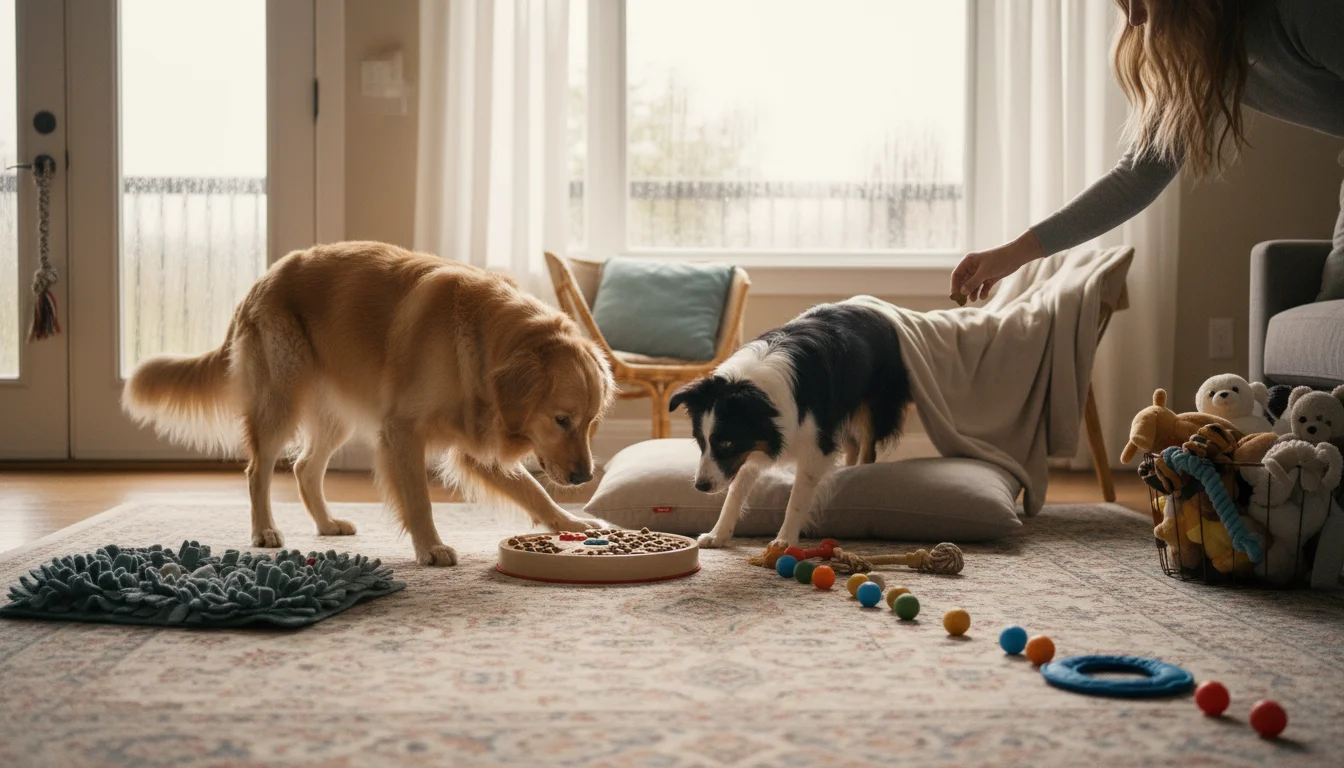
- Enrichment for Two: Providing enrichment for two pets requires creative planning. While some games, like fetch in a yard, can involve both, you also need activities catering to individual preferences and energy levels. Puzzle toys, interactive feeders, and outdoor adventures become essential elements of your pet care strategy.
The time commitment extends beyond basic needs. It involves actively managing multi-pet dynamics, ensuring each animal feels secure and loved, and continuously adapting your pet lifestyle to meet evolving needs. These are some of the best pet lifestyle tips for success.

Financial Stability for Double the Care
Two pets mean double the expenses. Before you adopt, realistically assess your financial capacity to cover all costs associated with two animals, not just the adoption fee.
- Routine Veterinary Care: This includes annual check-ups, vaccinations, parasite prevention (flea, tick, heartworm), and dental care for both pets. These costs add up significantly over a year.
- Food and Supplies: High-quality food is a major ongoing expense. Also consider treats, litter, toys, beds, and grooming supplies for two. For example, two medium-sized dogs might consume $100-$150 worth of food monthly.
- Emergency Funds: Accidents and unexpected illnesses happen. Veterinary emergencies can easily run into thousands of dollars. Do you have an emergency fund specifically for your pets, or pet insurance for both? According to the American Veterinary Medical Association (AVMA), pet insurance can help manage these unpredictable costs, but it requires monthly premiums for each animal.
- Training and Enrichment: Budget for training classes, especially if you adopt a young animal or one with behavioral needs. Enrichment items, like puzzle toys or durable chews, also contribute to ongoing costs.
Adopting a second pet is a long-term financial commitment. Ensuring you can comfortably afford their care prevents difficult decisions later.

Your Dedication to Training and Socialization
Successfully integrating a new pet requires a strong commitment to training and continued socialization for both animals. This commitment is central to positive pet care.
- Individual Training: Your new pet needs training just like your first one did. This includes house-training, basic obedience cues (sit, stay, come), and leash manners. Dedicate consistent time to these training sessions using positive reinforcement methods.
- Continued Socialization: Both pets benefit from ongoing positive exposure to new people, places, and experiences. For dogs, this might mean parallel walks, controlled playdates, or visits to pet-friendly stores. For cats, gradual introductions to new environments within the home can be beneficial.
- Behavior Management: You will become the primary manager of their interactions. This means supervising play, redirecting unwanted behaviors, and ensuring fair access to resources. A solid understanding of positive reinforcement training techniques is invaluable here. The Association of Professional Dog Trainers (APDT) advocates for reward-based training as the most effective and humane approach for teaching new behaviors and managing existing ones.
A second pet often means reinforcing existing rules and establishing new ones that apply to both animals. This consistent effort ensures harmony in your multi-pet household.

Understanding Pet Compatibility and Introduction Protocols
Not all pets are compatible. Researching and understanding appropriate introduction protocols for different species and temperaments is crucial. This step is vital for seamless multi-pet dynamics and family harmony.
- Matching Personalities: Consider the energy levels and play styles of your current pet and the potential new pet. A boisterous puppy might overwhelm a shy, older dog. A confident, playful cat might thrive with another similar cat, while a territorial cat might need a calm, submissive feline companion.
- Age and Breed/Species Considerations: Generally, introducing a younger animal to an older one can work well, as the younger animal might respect the elder. However, ensure the age gap is not so large that the younger animal’s play style is too rough for the older one. Different species, like dogs and cats, require even more careful management and supervision during introductions.
- Gradual Introductions: Never simply “throw them together.” Follow a structured, slow introduction process. This typically involves:
- Scent Swapping: Allow pets to get used to each other’s scent before physical contact.
- Sight but No Touch: Use a baby gate or crate to allow visual contact without direct interaction.
- Supervised Visits: Short, controlled, positive interactions in a neutral territory.
- Increased Freedom: Gradually allow more supervised time together, always ending on a positive note.
For cats, ensure vertical spaces and escape routes are always available.
Careful selection and a patient introduction process minimize stress and set the stage for a positive relationship. If you are unsure about compatibility, consult with a certified professional dog trainer or a feline behaviorist.
Having Adequate Space and Resources
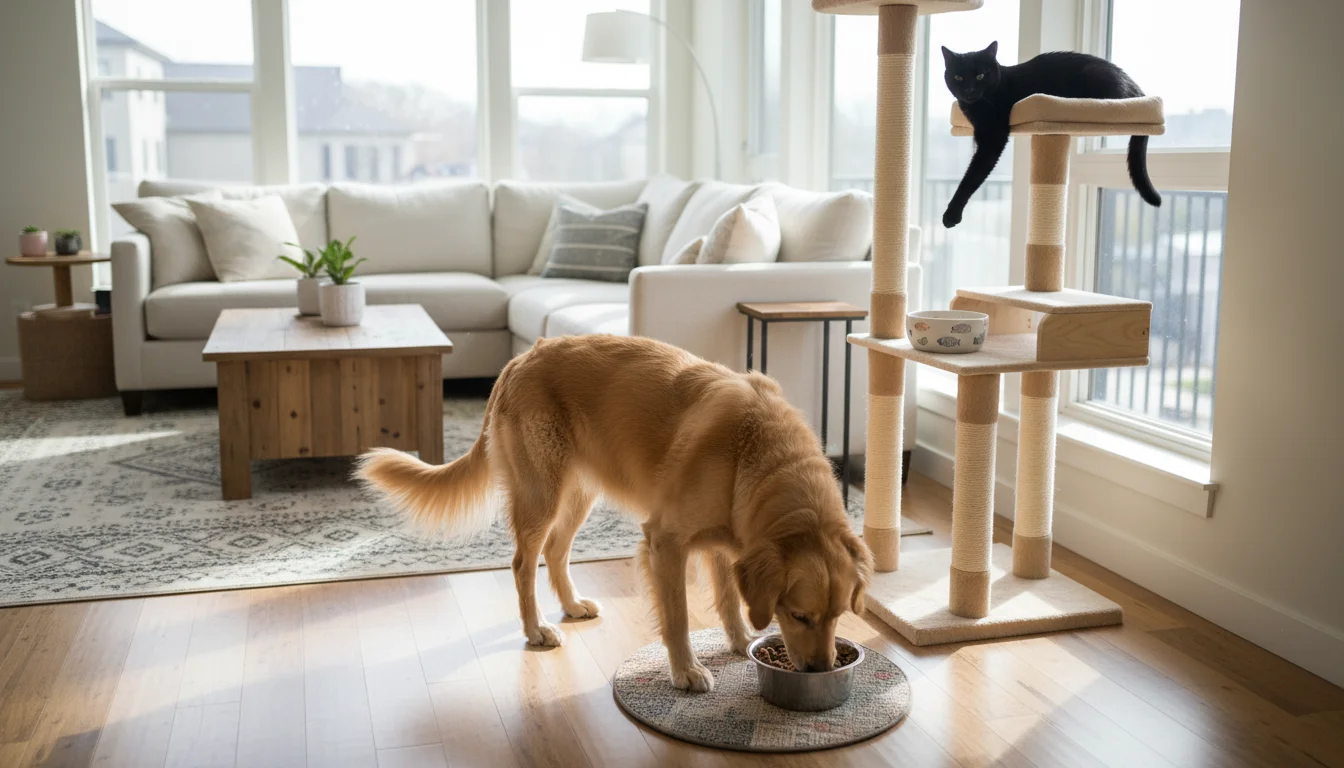
Even with careful introductions, ensuring adequate individual space and resources is a non-negotiable aspect of successful multi-pet living. This goes beyond just having enough square footage; it means thoughtful allocation of critical items to avoid conflict.
- Separate Feeding Stations: To prevent competition and resource guarding, feed pets separately. This could mean different rooms, or at least far enough apart that they cannot access each other’s food. Supervise meal times closely until you establish a routine.
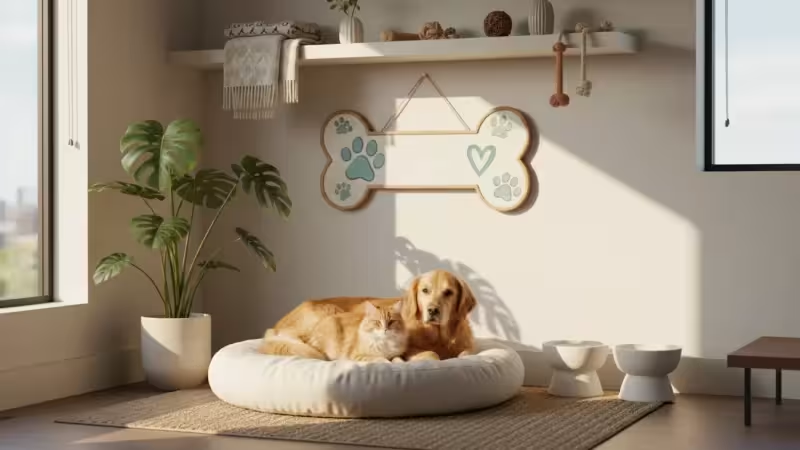
- Individual Resting Spots: Every pet needs their own comfortable bed, crate, or designated resting area. These spots provide security and a place to retreat. For cats, this includes vertical perches like cat trees or window hammocks, offering them a sense of security and oversight.
- Dedicated Play Areas: While pets might play together, having separate areas for individual play or relaxation can be beneficial. This reduces constant interaction pressure and allows for calm downtime.
- Managing Shared Items: If you use shared toys, introduce them carefully and supervise play to prevent possessiveness. Provide an abundance of individual toys for each pet.
Planning for these individual needs from the start prevents common behavioral problems and promotes a peaceful home environment for all your pets.

Planning for Travel and Activities
Integrating a second pet affects your existing pet-friendly travel and activity plans. Consider how another animal impacts your adventures and pet lifestyle.
- Car Safety: If you travel with your existing pet, you now need to accommodate two. This means two crash-tested car crates, seatbelt harnesses, or secure carriers. Ensure both animals are safe and comfortable during car rides.
- Pet-Friendly Destinations: Finding accommodations that welcome two pets can be more challenging. Research pet-friendly hotels, cabins, or campgrounds well in advance, confirming their policies for multiple animals.
- Outdoor Adventures: Enjoy hiking, beach trips, or camping with your dog? Consider how a second dog might change the dynamic. You need to manage two leashes, potentially two different energy levels, and ensure both are equally trained for outdoor safety. For cats, outdoor adventures might involve separate carriers or specialized harnesses.
- Activities and Games: Some activities, like puzzle toys, can be done individually. Group activities, such as training sessions or walks, require more coordination. If you enjoy DIY pet projects, consider making toys or enrichment items suitable for both pets, but still offering individual options.
A second pet offers more opportunities for shared experiences, but it also means more planning and greater attention to individual needs and safety during all activities.

Seeking Professional Guidance When Needed
You may encounter challenges even with the best intentions and preparation. Knowing when to seek professional help ensures the well-being of all your pets and strengthens your pet care strategy.
- Veterinarian: Consult your veterinarian before adopting to discuss your current pet’s health and any potential risks a new pet might introduce. They can also advise on vaccination schedules, preventative care, and provide general health assessments for potential new family members.
- Certified Professional Dog Trainer (CPDT): If you encounter training challenges or need assistance with behavior modification, a CPDT can provide positive reinforcement-based strategies. They are invaluable for helping with introductions, addressing resource guarding, or improving multi-pet manners. The Certification Council for Professional Dog Trainers (CCPDT) offers a directory of qualified professionals.
- Veterinary Behaviorist (DACVB) or Certified Applied Animal Behaviorist (CAAB/IAABC): For complex behavioral issues, such as severe aggression, extreme fear, or separation anxiety in a multi-pet household, a veterinary behaviorist (a veterinarian specializing in behavior) or a certified applied animal behaviorist is the appropriate expert. They can diagnose underlying issues and develop comprehensive treatment plans. The International Association of Animal Behavior Consultants (IAABC) provides resources for finding qualified professionals.
Never hesitate to reach out for professional help. Early intervention often prevents minor issues from escalating into major problems, contributing to the best pet lifestyle for your family.
Your Emotional Readiness for the Journey
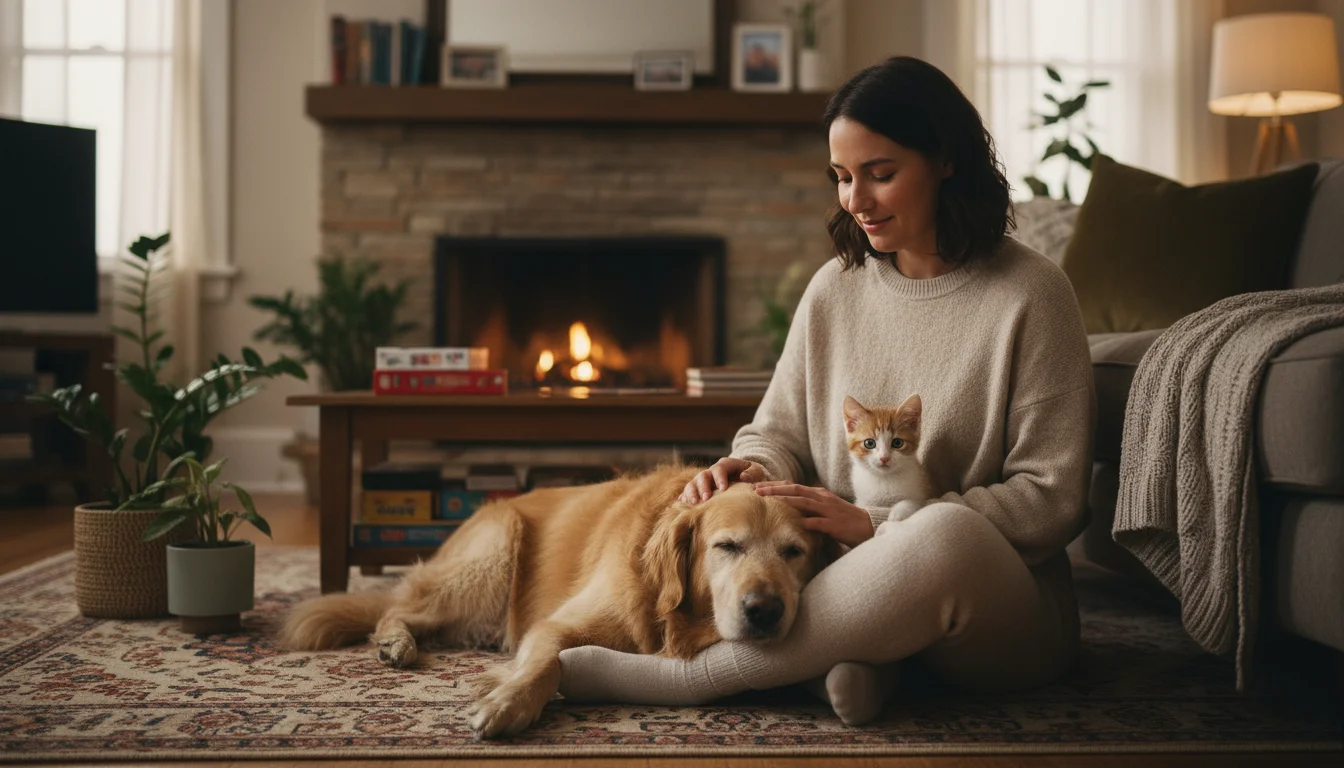
Beyond the practical considerations, your emotional readiness plays a significant role in successfully adding a new pet. Expanding your pet family is a journey of patience, flexibility, and immense love.
- Patience and Flexibility: Expect an adjustment period. It takes time for pets to adapt to each other and for everyone to settle into a new routine. There will be good days and challenging days. Your ability to remain patient and flexible, adapting your expectations and strategies as needed, is crucial.
- Understanding Challenges: Be prepared for potential setbacks, such as temporary squabbles between pets, house-training accidents, or initial aloofness from your existing pet. Understand that these are normal parts of the integration process, not failures.
- Embracing the Joy: Despite the challenges, the joy of a multi-pet household is profound. Watching your pets bond, seeing them play together, and experiencing double the love and companionship enriches your life in countless ways. The unique bonding experiences you develop with each pet, and the joy of seeing them interact, are incredibly rewarding.
When you are emotionally ready to navigate the ups and downs with an open heart and a commitment to their well-being, you are truly ready for a second pet.

Frequently Asked Questions
How long does it take for pets to adjust to a new animal?
Adjustment times vary widely based on individual personalities, species, and the introduction methods used. Some pets adjust within a few weeks, while others can take several months to a year to truly settle into a harmonious multi-pet dynamic. Consistency, patience, and positive reinforcement significantly speed up the process.
What if my current pet doesn’t get along with the new one?
If initial introductions are difficult or persistent tension arises, immediately consult a certified professional dog trainer or a veterinary behaviorist. They can assess the situation, identify underlying causes, and develop a tailored behavior modification plan using positive methods. It might involve more structured introductions, separate living spaces, or medication in severe cases.
Is it better to get a puppy/kitten or an adult pet as a second companion?
Both options have pros and cons. A puppy or kitten might be more adaptable, but requires extensive training and socialization. An adult pet’s personality is often more established, making compatibility easier to predict. However, adult rescue pets might come with their own past experiences or specific needs. Consider your current pet’s age and energy level for the best match.

How can I ensure both pets receive enough attention?
Schedule dedicated individual time with each pet daily, even if it is just a few minutes of training, cuddling, or a short walk. You can also incorporate group activities where both pets receive attention, such as a family play session. Ensure you provide separate enrichment activities that cater to each pet’s preferences, making pet care equitable.
Do I need to get pet insurance for both animals?
While not mandatory, purchasing pet insurance for both animals is highly recommended. It helps manage the financial burden of unexpected accidents, illnesses, or emergency veterinary care, which can be substantial. Research different providers and plans to find coverage that fits your budget and pets’ needs.
Adopting a second pet enriches your life and provides companionship for your existing animal. Approaching this decision with thorough preparation, a commitment to positive pet care, and an understanding of multi-pet dynamics ensures a smooth, joyful transition for everyone. By evaluating these ten signs, you set yourself up for a fulfilling and harmonious pet lifestyle with your expanded family.
For expert pet care guidance, visit
Pet Poison Helpline,
FDA Center for Veterinary Medicine and
PetMD.
Disclaimer: This article is for informational purposes only and is not a substitute for professional veterinary advice, diagnosis, or treatment. Always consult with a licensed veterinarian for medical concerns about your pet.







Leave a Reply