
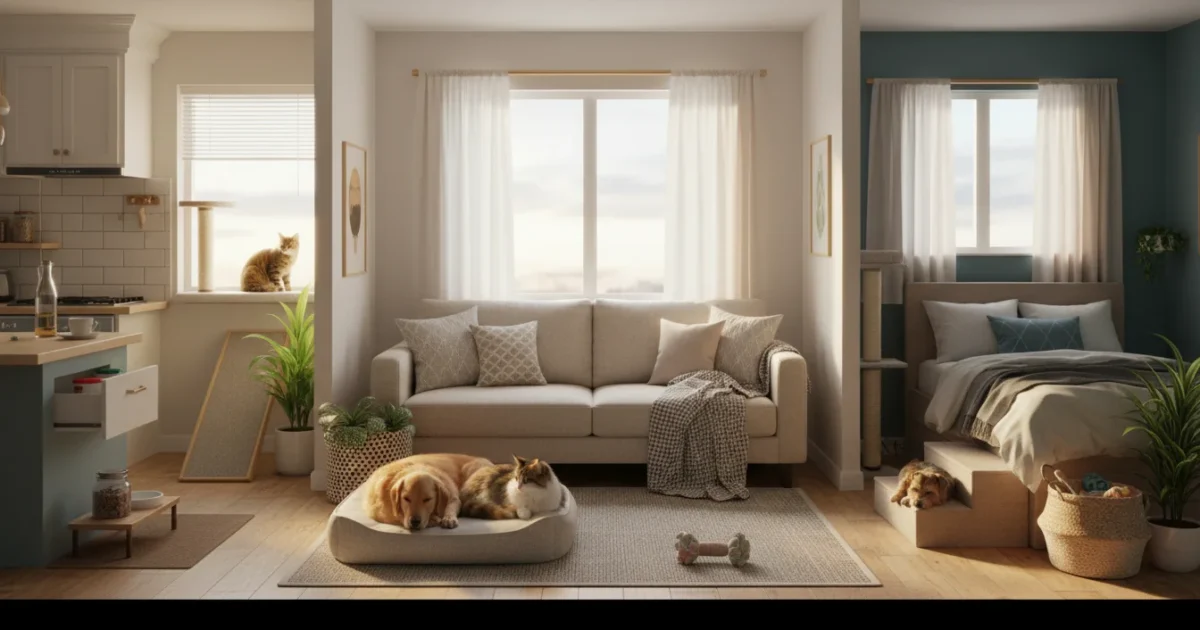
Your home is a sanctuary, a place of comfort and safety for you and your loved ones. When you share that space with pets, it transforms into a vibrant, dynamic environment. Creating a pet-friendly home involves more than just buying a food bowl, it means intentionally designing a living space that prioritizes your companion animal’s safety, comfort, and enrichment, fostering a deeper bond and a harmonious household. This comprehensive guide walks you through each room, offering practical, actionable advice to make every corner of your home a haven for your furry, feathered, or scaled friends.
Foundational Principles: Safety, Comfort, and Enrichment
Transforming your home into a truly pet-friendly environment begins with a few core principles: ensuring safety, providing comfort, and offering consistent enrichment. These pillars support your pet’s physical and mental well-being, reducing stress and promoting positive behaviors.
Establishing these safety routines at home makes it much easier to maintain focus when you eventually plan a pet-friendly road trip.
Prioritize Safety: Hazard Identification and Prevention
Walk through your home at your pet’s eye level. This simple exercise reveals potential hazards you might overlook. Identify and secure anything that could pose a risk, from electrical cords to small objects your pet might ingest. Loose electrical wires attract chewing, leading to dangerous shocks. Secure these cords, using cord covers or tucking them away behind furniture. Small items like coins, rubber bands, hair ties, or children’s toys present choking hazards or can cause internal blockages if swallowed. Keep these items out of reach in closed drawers or containers.
Toxic substances pose another significant threat. This includes common household cleaners, medications, and certain houseplants. Store all cleaning products, chemicals, and human medications in high, securely latched cabinets. For a comprehensive list of toxic plants, refer to resources like the ASPCA’s plant list. Remove any hazardous plants or place them in inaccessible locations.
Create Comfort Zones: Designated Retreats
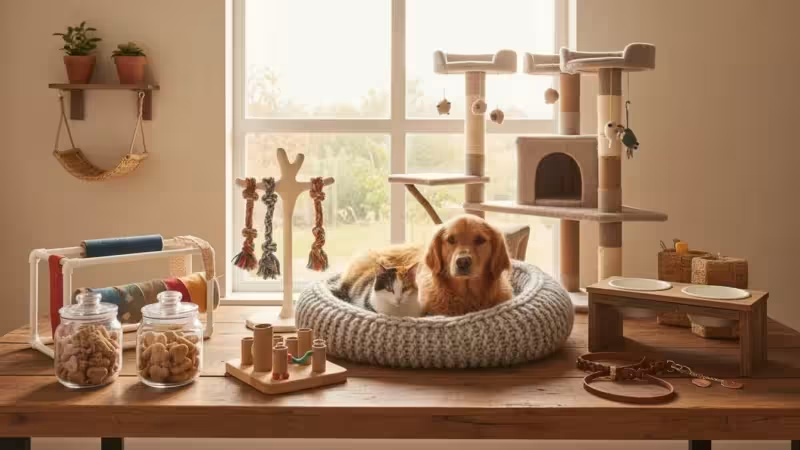
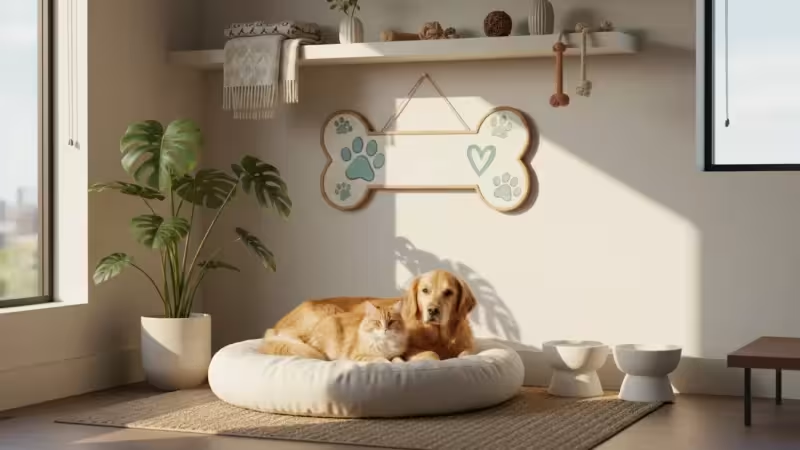
Every pet benefits from having a safe, comfortable space that belongs entirely to them. For dogs, this might be a crate, a soft bed in a quiet corner, or a dedicated dog bed in the living room. For cats, vertical spaces such as cat trees, window perches, or cozy cubbies provide security and a sense of ownership. Ensure these spaces offer a sense of retreat from household activity, allowing your pet to rest undisturbed. Comfort zones are especially vital for multi-pet households, providing individual solace and preventing conflict. Consider factors like temperature, noise levels, and traffic patterns when selecting these spots.
Offer Enrichment: Stimulating Mind and Body
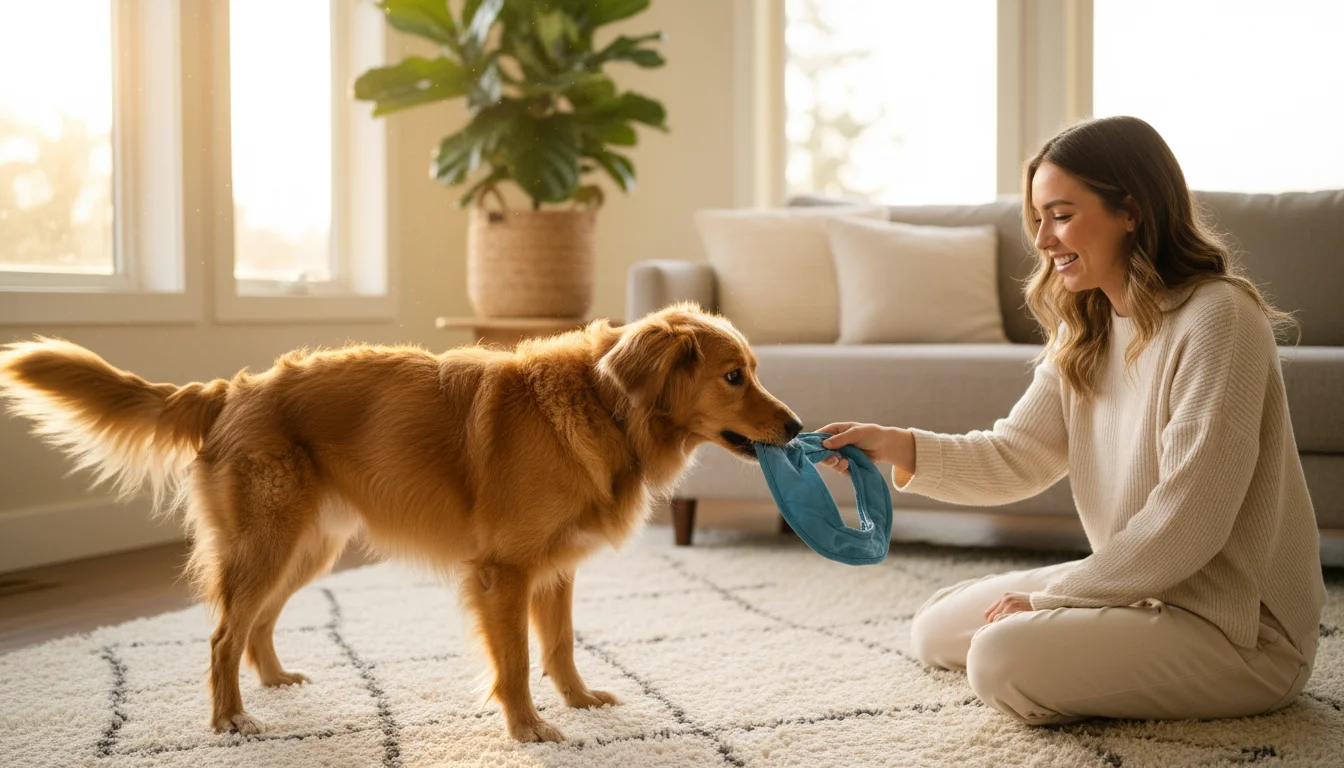
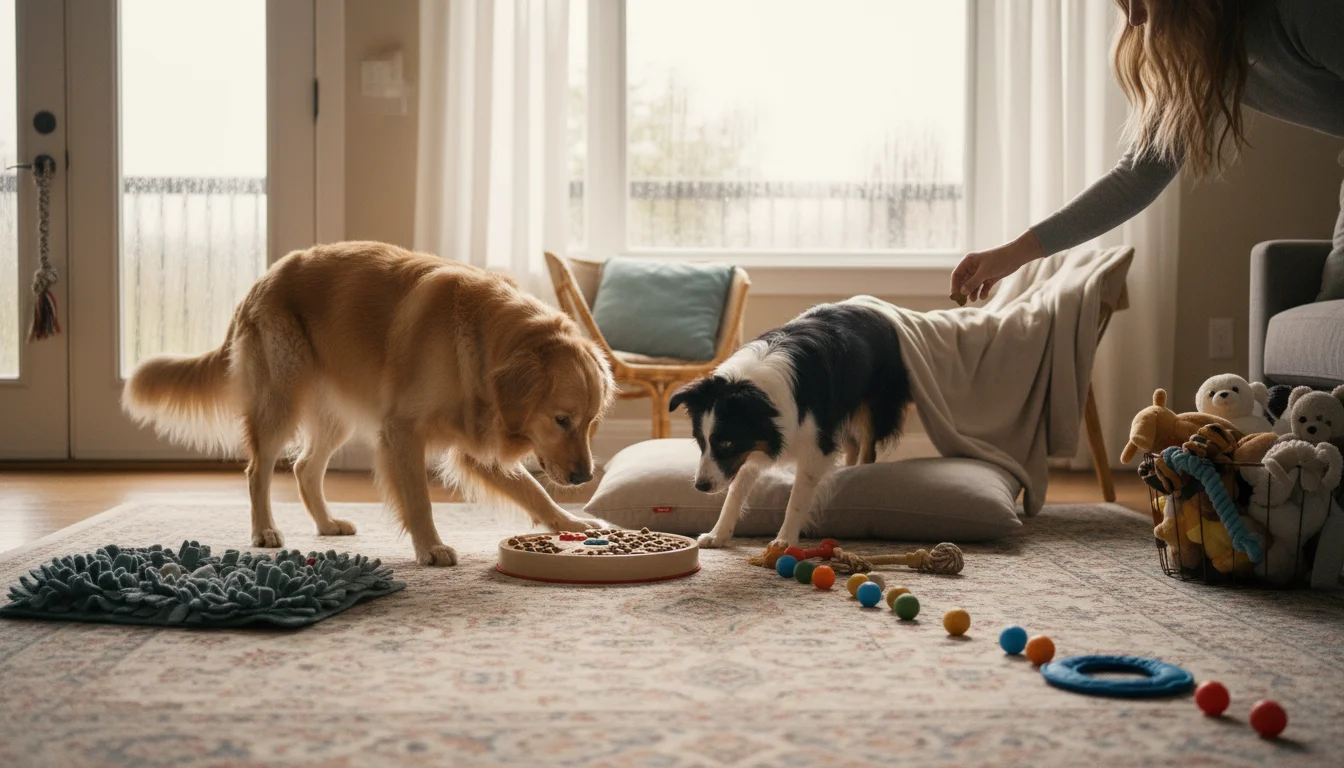
Enrichment is crucial for preventing boredom, reducing destructive behaviors, and promoting mental stimulation. This involves more than just toys, it encompasses activities, puzzles, and environmental elements that engage your pet’s natural instincts. For dogs, enrichment can include puzzle feeders that dispense kibble slowly, scent games, or supervised outdoor play. Cats benefit immensely from scratching posts, climbing structures, interactive toys that mimic prey, and access to window views. Rotating toys keeps things fresh and exciting, preventing your pet from losing interest. Regular playtime with you also serves as vital enrichment, strengthening your bond and providing physical exercise.
Embrace Positive Reinforcement
As you introduce new rules or features in your pet-friendly home, use positive reinforcement. This humane and effective training method involves rewarding desired behaviors with treats, praise, or toys. For example, if you want your dog to stay off a certain piece of furniture, reward them when they choose their designated bed instead. Positive reinforcement builds trust and encourages your pet to repeat behaviors you appreciate, making the training process a positive experience for both of you. According to the Association of Professional Dog Trainers (APDT), reward-based methods are more effective and humane than punishment-based approaches for teaching desired behaviors.
The Living Room: Your Pet’s Play and Rest Hub
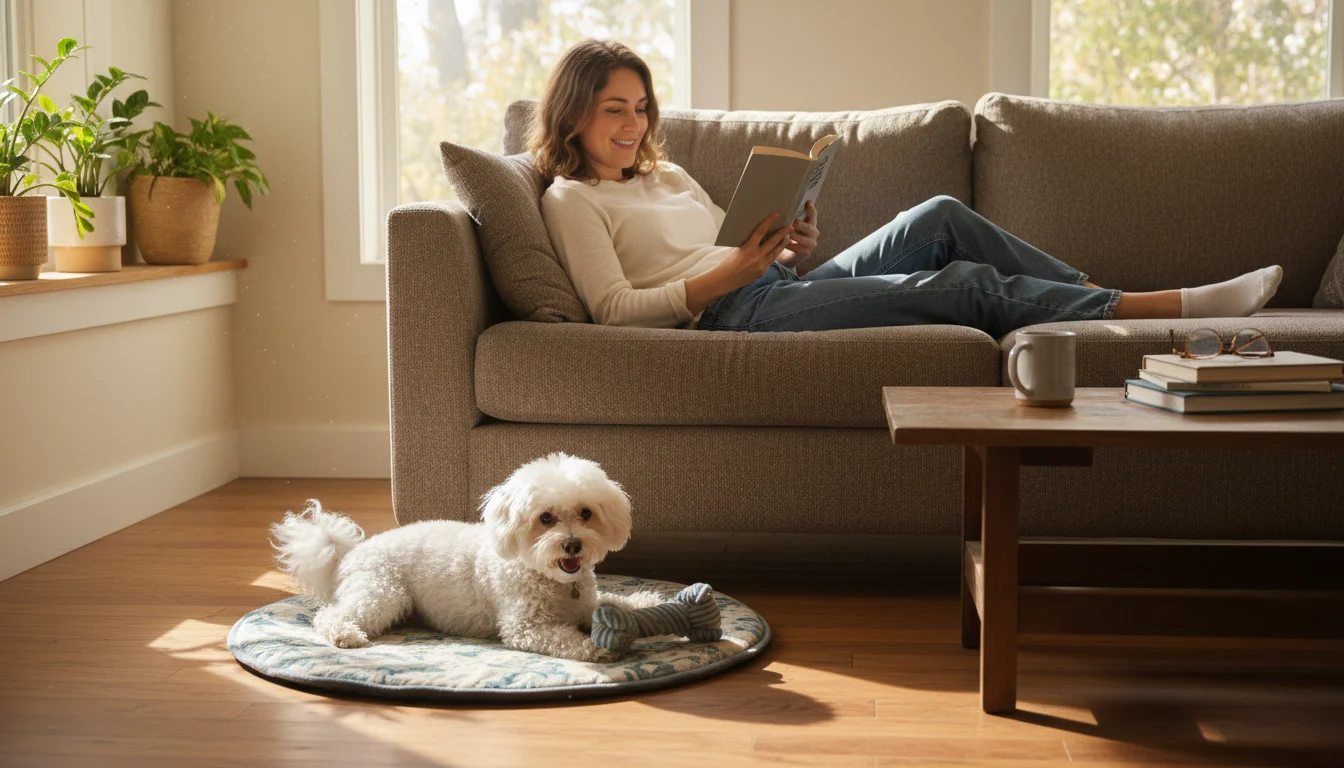
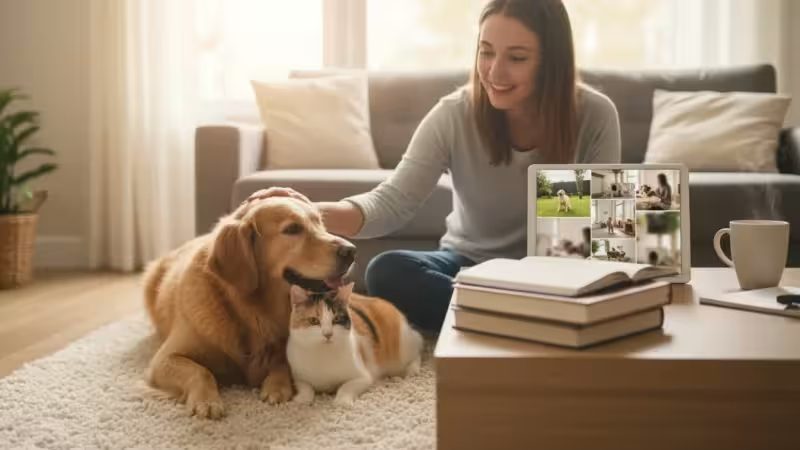
The living room often serves as the heart of your home, where family gathers and pets frequently join in the activity. Designing this space for shared enjoyment means balancing human comfort with pet needs, ensuring both safety and fun.
With the right decor choices, it is easy to maintain an Instagram-worthy pet space that looks beautiful and remains functional.
Protecting Furniture and Floors
Your furniture can withstand pet wear with a few strategic choices. Opt for durable, easy-to-clean fabrics like microfibers, leather, or tightly woven materials. Slipcovers offer a flexible solution, allowing you to protect upholstery and change aesthetics easily. For pets prone to scratching, provide ample scratching posts or mats (for cats) and discourage inappropriate scratching with deterrents like double-sided tape or citrus sprays in undesirable areas. For floors, consider rugs with non-slip backing for traction, especially for older pets or those prone to slipping on hard surfaces. These also absorb noise and provide a softer lounging spot.
Safe Toys and Engagement
The living room is an ideal space for supervised play. Select toys appropriate for your pet’s size and chewing habits, always choosing non-toxic and durable options. Regularly inspect toys for wear and tear, discarding any broken pieces that could become choking hazards. Incorporate interactive toys, such as treat-dispensing balls for dogs or feather wands for cats, to encourage mental engagement. Create designated toy storage, like a basket or bin, and teach your pet to “put away” their toys as a fun trick. This tidiness helps prevent clutter and keeps small items off the floor.
Defining Boundaries and Training
Use baby gates or pet barriers to restrict access to certain areas, particularly when you cannot supervise your pet. This proves especially useful for new puppies, kittens, or multi-pet households. Establish clear rules about furniture access early on, if that is your preference, and consistently reinforce them with positive training. For example, teach your dog to “place” on their bed when guests arrive. This proactive approach prevents unwanted behaviors and promotes a well-behaved companion.
The Kitchen & Dining Area: Guarding Against Hidden Dangers
The kitchen, with its enticing aromas and numerous potential hazards, demands careful attention to pet proofing. It is a room full of delicious scents for humans, but many common foods and cleaning products pose serious threats to pets.
Toxic Foods and Substances
Many everyday human foods are toxic to pets. Common culprits include chocolate, xylitol (a sugar substitute found in many sugar-free products), onions, garlic, grapes, raisins, avocados, macadamia nuts, and alcohol. Keep all human food, especially snacks and ingredients, securely stored in cupboards, pantry, or refrigerator. Never leave food unattended on countertops or dining tables. Secure trash cans with heavy lids or child-proof locks to prevent pets from foraging. Even cooked bones splinter and cause internal damage, so always dispose of them safely.
According to the Pet Poison Helpline, immediate veterinary attention is critical if you suspect your pet has ingested any toxic substance. Familiarize yourself with common household toxins to act quickly in an emergency.
Food and Water Stations
Create a dedicated food and water station for your pet that is easy to access, clean, and out of the main traffic flow to prevent accidental spills. Choose bowls made from ceramic or stainless steel, as these are easier to keep clean and discourage bacterial growth compared to plastic. For larger dogs, elevated bowls can improve digestion and reduce strain on their neck and joints. Ensure fresh water is always available and clean bowls daily.
Chemical and Appliance Safety
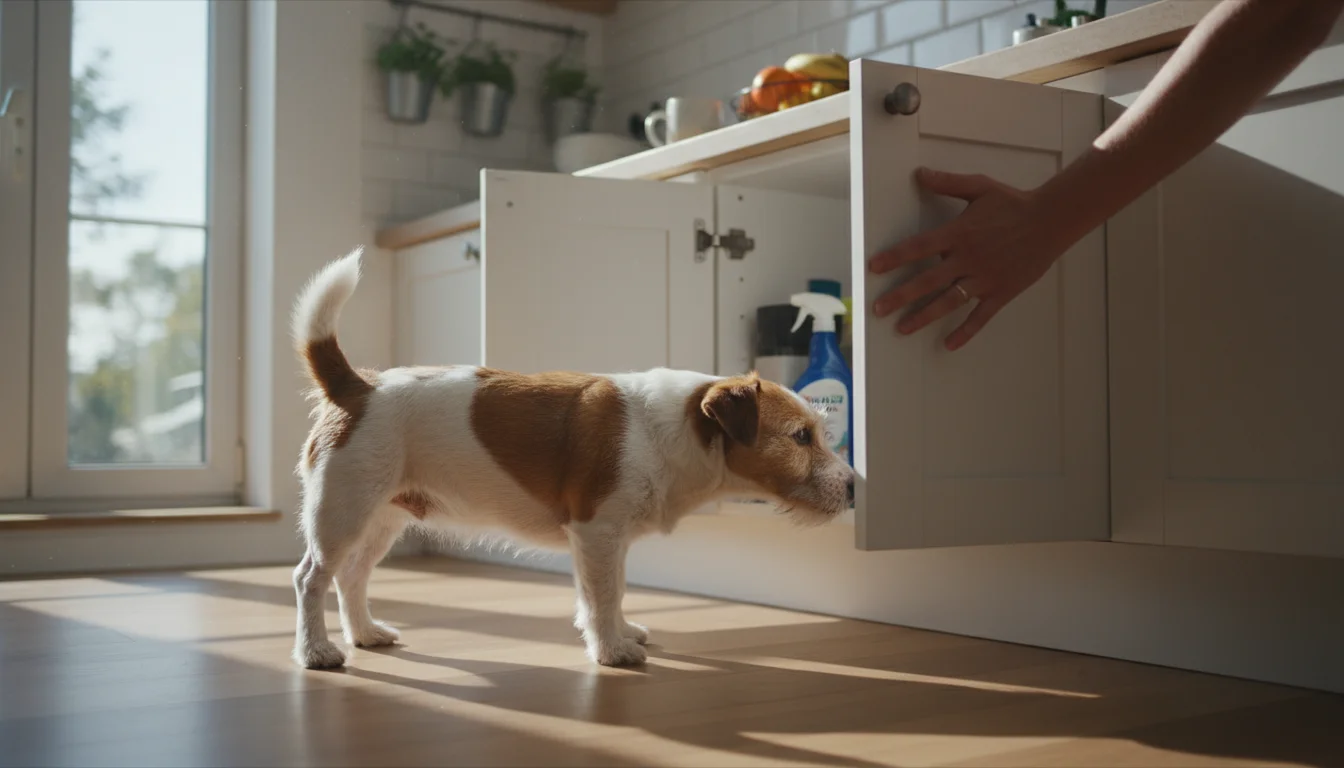
Store all cleaning products, detergents, and pest control chemicals in high, locked cabinets. Remember that pets, especially cats, can be attracted to spills or residue. Wipe up any chemical spills immediately and thoroughly. Be mindful of hot stoves and ovens, keeping pets away during cooking. Oven cleaners, if not fully removed, can also be toxic if your pet licks the surface. Always read product labels for pet safety warnings and choose pet-safe alternatives whenever possible.
Bedrooms & Personal Spaces: Shared Comfort and Private Retreats
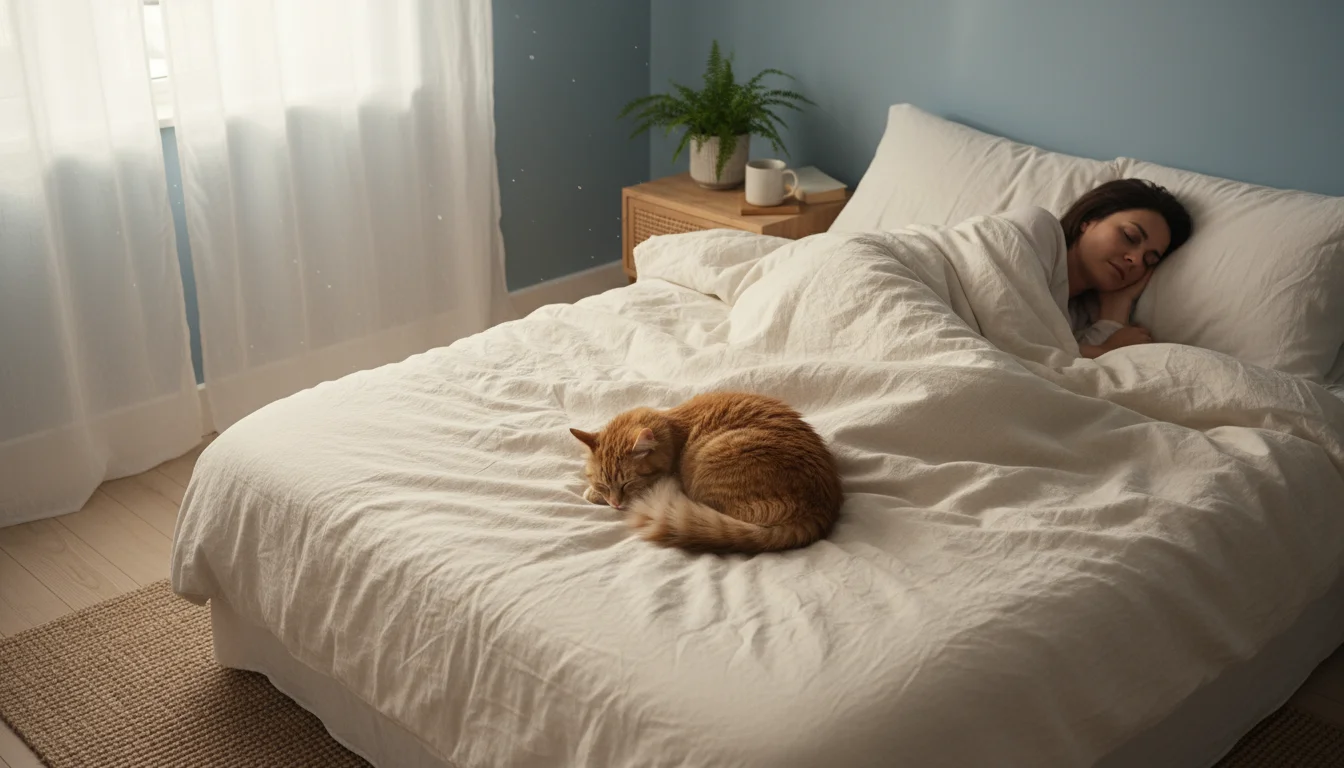
Bedrooms often become shared spaces where pets love to snuggle. Balancing your comfort with their needs involves thoughtful arrangement and clear boundaries.
Pet Sleeping Areas
Designate specific sleeping areas for your pet. This might be a cozy dog bed next to yours, a cat tree by the window, or a comfortable crate. Provide soft bedding that you can wash regularly to maintain hygiene. If your pet sleeps on your bed, consider a washable blanket or throw to protect your bedding. This offers a compromise, allowing shared snuggles while keeping your sheets clean.
Managing Shared Beds and Hygiene
If you allow your pet on your bed, establish good hygiene practices. Regular grooming, including brushing and paw cleaning, helps minimize shedding and dirt transfer. Wash pet bedding frequently to prevent odors and control allergens. For pets prone to accidents, consider waterproof mattress protectors. If sharing your bed leads to disrupted sleep for either of you, gently transition your pet to a comfortable bed near yours using positive reinforcement.
Securing Medications and Small Items
Bedrooms typically contain medications, toiletries, jewelry, and other small items that are dangerous if ingested by pets. Keep all medications, vitamins, and supplements in secure containers within closed drawers or cabinets. Small items like earrings, buttons, or hair ties pose choking hazards or can cause intestinal blockages. Develop a habit of putting away personal items immediately after use to reduce risk.
Allergy Considerations
If anyone in the household suffers from pet allergies, thoughtful planning is essential. Regular vacuuming with a HEPA filter, frequent washing of pet bedding, and using air purifiers can significantly reduce allergens. Designating a “pet-free” zone, such as one bedroom, can provide an allergen-reduced sanctuary for allergy sufferers. Consult with an allergist for personalized advice, and consider allergy-friendly bedding and furniture materials.
Bathrooms & Laundry Rooms: Moisture, Chemicals, and Hazards
These utility spaces, while practical for humans, present unique dangers to pets due to chemicals, moisture, and small objects. A proactive approach protects your pet from these often-overlooked hazards.
Bathroom Hazards: Water and Medications
Always keep the toilet lid down to prevent pets from drinking potentially contaminated toilet water, especially if you use toilet bowl cleaners. Store all human medications, toiletries, and cleaning products in securely latched cabinets or on high shelves. Many over-the-counter and prescription medications, even in small doses, are toxic to pets. Items like dental floss, razors, cotton swabs, and soap bars present choking hazards or can cause digestive upset if chewed or swallowed. Make it a habit to put away all personal items after use.
Laundry Room Dangers: Detergents and Appliances
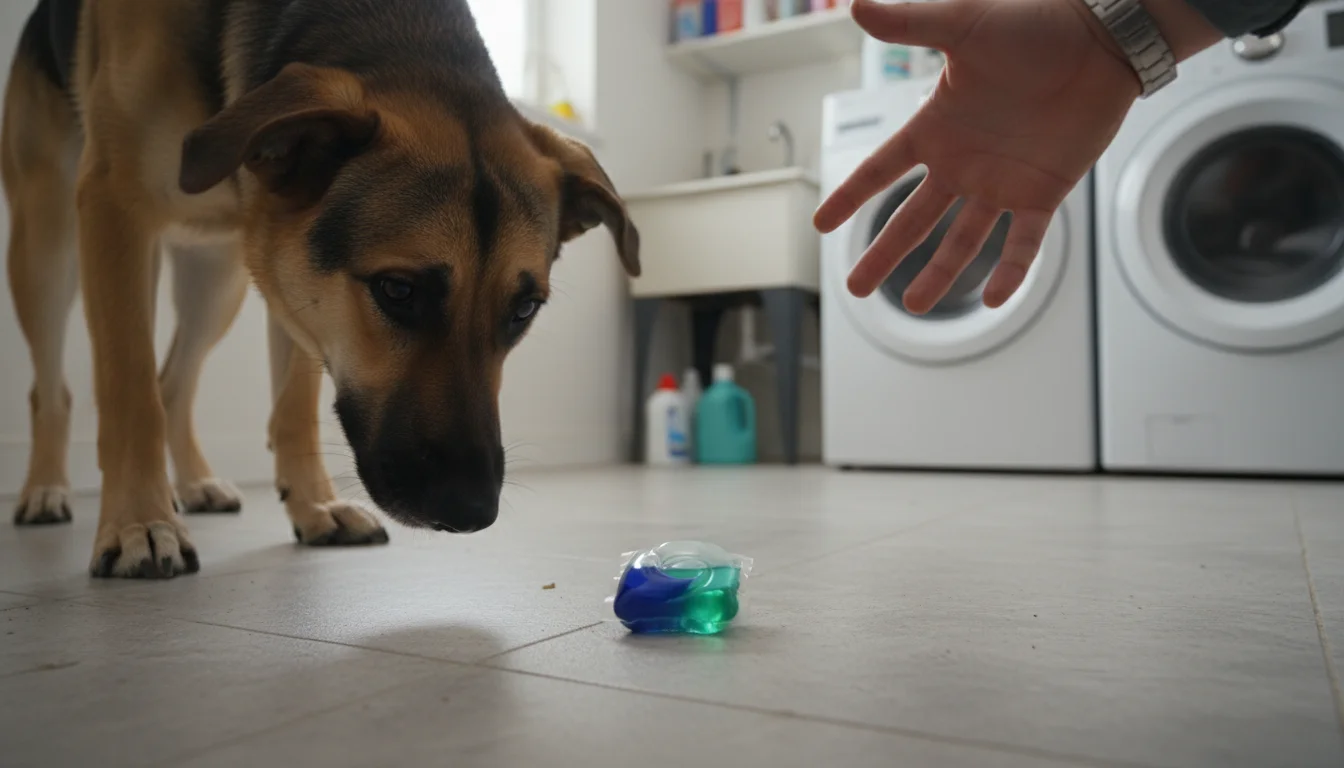
Laundry rooms house a range of chemicals that are toxic to pets. Laundry detergent pods are particularly attractive to curious pets due to their colorful appearance and soft texture, but they contain highly concentrated chemicals that cause severe irritation or burns. Store all detergents, fabric softeners, and other laundry products in secure, high cabinets. Keep washer and dryer doors closed to prevent pets from climbing inside and becoming trapped or injured, especially if they are curious about warm, enclosed spaces. Check inside appliances before starting a cycle.
Pet Grooming Station
If you regularly groom your pet at home, consider setting up a dedicated grooming station in the bathroom or laundry room. This could involve a non-slip mat in the tub for bathing or a designated area with good lighting for brushing and nail trims. Store grooming tools neatly and out of reach when not in use. Having a specific spot for these activities makes the process easier for both you and your pet.
Outdoor Spaces & Entrances: Security and Supervised Fun
Your outdoor areas offer opportunities for fresh air and play, but they also require careful attention to security and safety. Entrances serve as crucial transition zones, demanding vigilance to prevent escapes.
Secure Fencing and Gates
For homes with yards, a secure fence is paramount for pet safety. Regularly inspect your fence for gaps, loose boards, or areas where your pet could dig underneath. The height and material of your fence should be appropriate for your pet’s breed and temperament. For example, a dig-prone dog needs an anti-dig barrier, and an agile cat requires an escape-proof enclosure or “catio.” Ensure all gates have secure latches that your pet cannot open and close them promptly after entering or exiting.
Pet-Safe Landscaping and Pest Control
Research pet-safe plants for your garden. Many common garden plants, such as lilies, sago palms, azaleas, and rhododendrons, are highly toxic to pets. Opt for non-toxic alternatives. Be extremely cautious with fertilizers, pesticides, and herbicides, as these chemicals can be very harmful if ingested or absorbed through paws. If you use pest control, choose pet-friendly options or ensure your pets are kept away from treated areas until it is safe for them to return. The Cornell University College of Veterinary Medicine provides valuable resources on toxic plants for pets.
Mud Rooms and Entrance Strategies
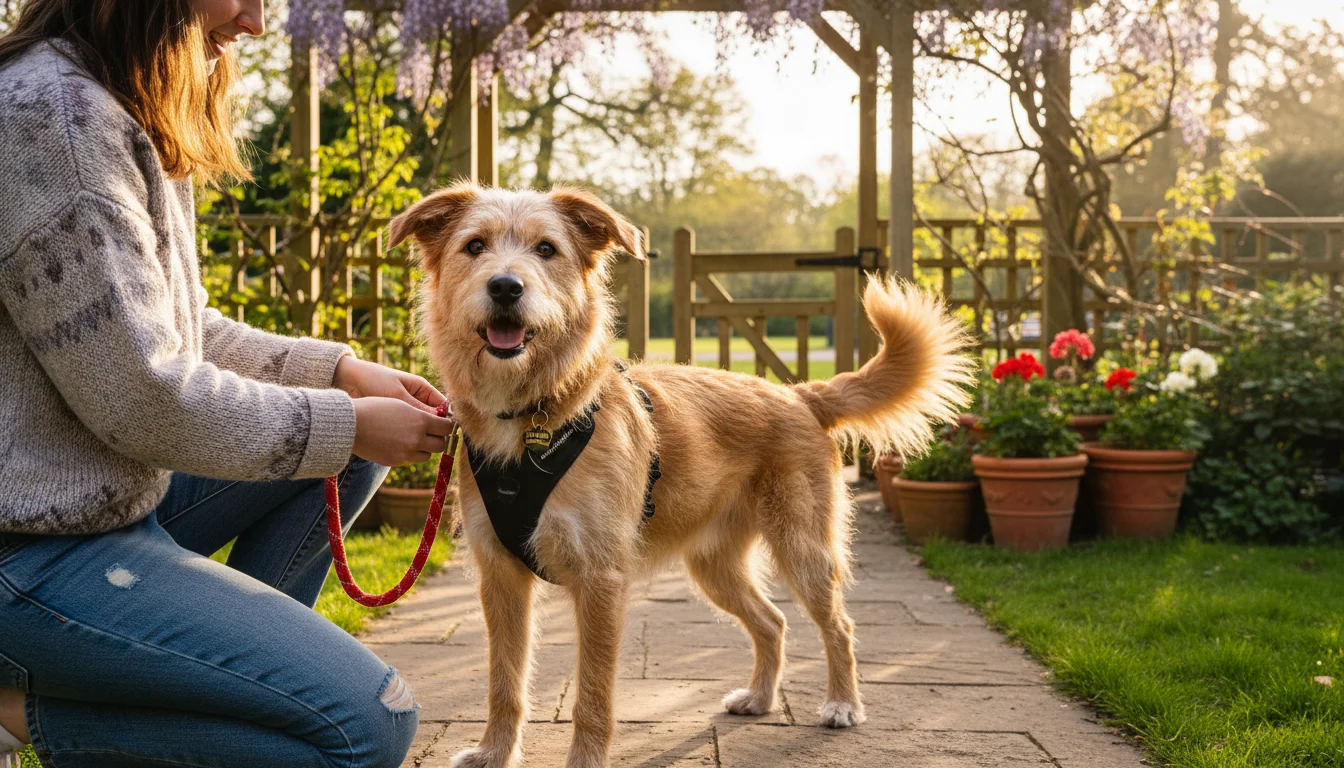
The entrance to your home is a high-traffic area and a critical point for managing pet safety. A dedicated mud room or entrance space simplifies pet transitions. Keep leashes, harnesses, and waste bags readily accessible. Install a paw-cleaning station, such as a shallow bin with water and a towel, to minimize tracking dirt indoors. For pets prone to darting out the door, train them to sit and wait patiently before you open the door. Using a double-gate system at the entrance also provides an extra layer of security, especially for excitable dogs or quick cats.
Pet Doors: Convenience and Security
Pet doors offer convenience, allowing your pet independent access to a secured yard. However, careful selection and installation are crucial. Choose a pet door appropriate for your pet’s size and consider features like locking mechanisms or microchip-activated doors to prevent unwanted visitors (wildlife or other animals). Properly train your pet to use the door, initially guiding them with treats and praise, making it a positive experience.
Essential Pet Products: Smart Buys for a Happy Home
Investing in the right products significantly enhances your pet’s quality of life and simplifies your pet care routine. From basic necessities to smart technologies, thoughtful product choices create a more harmonious home.
High-Quality Food and Water Bowls
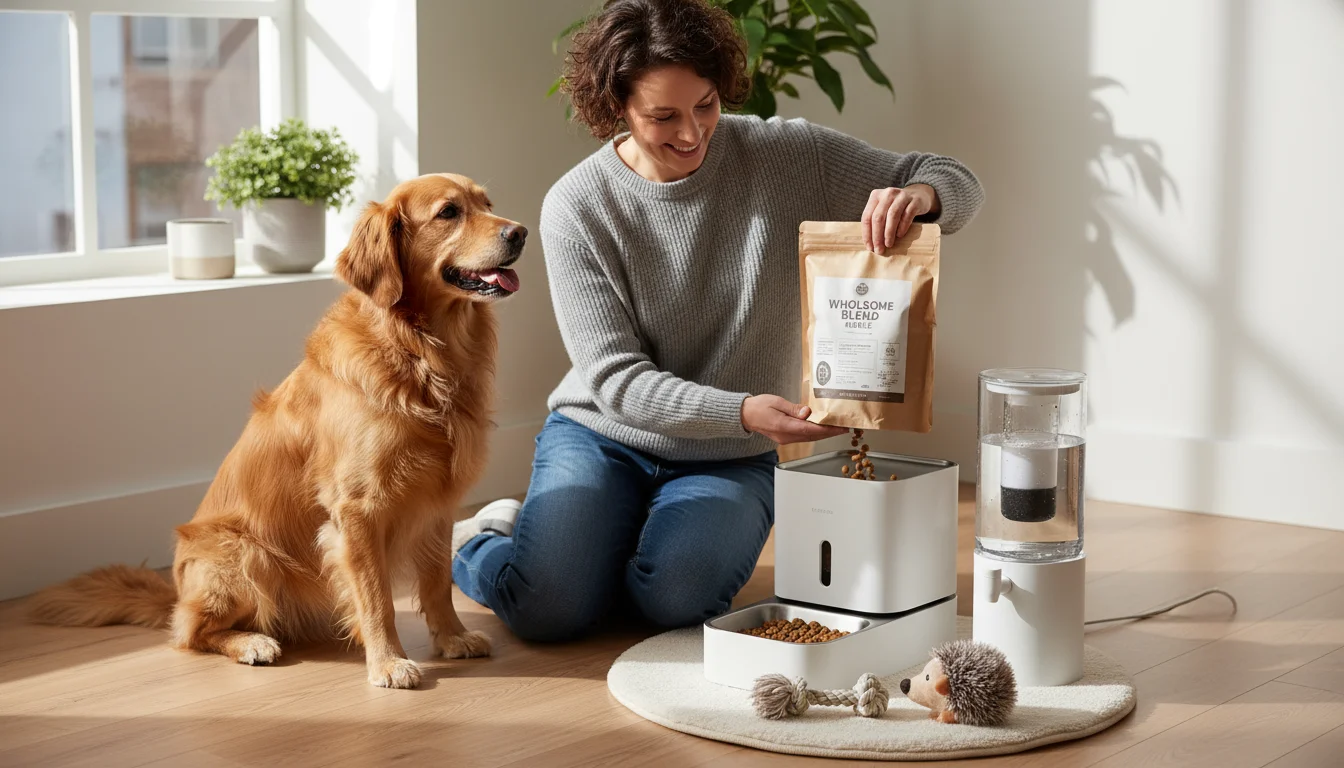
Select bowls made from durable, non-porous materials like stainless steel or ceramic. These materials are easy to clean, resist bacterial growth, and are less likely to cause allergic reactions than some plastics. Consider slow-feeder bowls for pets who eat too quickly, which can help prevent digestive issues like bloat. Automatic water fountains encourage increased water intake, which is beneficial for kidney health, especially in cats.
Durable, Non-Toxic Toys
Toys provide essential mental and physical stimulation. Choose toys appropriate for your pet’s size, chewing strength, and play style. Look for products made from non-toxic materials and durable construction to prevent pieces from breaking off and becoming choking hazards. Rotating toys regularly keeps your pet engaged and prevents boredom. Include a variety: chew toys, puzzle toys, interactive toys, and comfort toys.
Comfortable and Washable Bedding
A comfortable bed offers your pet a secure and cozy resting place. Select bedding that is easy to machine wash and made from durable fabrics. Consider orthopedic beds for senior pets or those with joint issues, providing extra support. For pets who enjoy burrowing, a hooded or cave-style bed offers a sense of security. Place beds in quiet, draft-free areas where your pet can retreat.
Grooming Tools
Regular grooming contributes to your pet’s health and reduces shedding and dander in your home. Essential tools include brushes, combs, nail clippers, and pet-specific shampoos. For cats, a good deshedding tool helps manage hairballs. For dogs, a variety of brushes suit different coat types. Introduce grooming tools positively with treats, making the experience pleasant for your pet.
Pet First-Aid Kit Essentials
Assemble a basic pet first-aid kit for minor injuries and emergencies. Include items such as antiseptic wipes, gauze pads, adhesive tape, blunt-tipped scissors, tweezers, a pet-specific thermometer, and a muzzle (to prevent bites if your pet is in pain). Always have your veterinarian’s contact information and the nearest emergency vet clinic readily available. Knowing basic pet first aid can provide crucial support before professional help arrives.
Smart Home Technology for Pets
Modern technology offers innovative solutions for pet owners. Wi-Fi enabled pet cameras allow you to monitor your pet’s activity, talk to them, and even dispense treats remotely. Automatic feeders ensure precise meal portions and consistent feeding schedules. Smart pet doors can be programmed to respond to your pet’s microchip, preventing other animals from entering your home. These tools offer convenience and peace of mind, especially if you work long hours.
Multi-Pet Household Considerations
If you have multiple pets, provide separate resources for each whenever possible. This includes individual food and water bowls, beds, and designated spaces. This strategy minimizes competition and stress, allowing each pet to feel secure in their own space. Ensure toys and enrichment activities are sufficient for all pets to prevent resource guarding. Careful introductions and supervision are key to maintaining harmony.
Troubleshooting & Maintaining Your Pet-Friendly Haven
Even with careful planning, challenges can arise. Addressing common issues proactively and understanding when to seek professional help ensures your pet-friendly home remains a happy and safe environment.
Addressing Destructive Chewing or Scratching
Destructive chewing in dogs often stems from boredom, anxiety, or teething (for puppies). Provide appropriate chew toys and ensure your pet receives adequate exercise and mental stimulation. For cats, inappropriate scratching usually indicates a lack of suitable scratching surfaces or dissatisfaction with existing ones. Offer a variety of scratching posts (vertical, horizontal, cardboard, sisal) and reward positive scratching behavior. Deterrents like bitter apple spray or double-sided tape can protect specific items. If destructive behaviors persist, it suggests an underlying issue that requires attention.
Managing Territorial Behaviors
Territorial marking, resource guarding, or inter-pet aggression can disrupt household harmony. For dogs, establishing a clear hierarchy through positive training and providing individual spaces helps. For cats, ensuring ample vertical space, separate litter boxes, food bowls, and quiet retreats reduces perceived threats. If behaviors escalate or cause stress to any household member, including other pets, professional guidance is crucial.
Regular Safety Checks
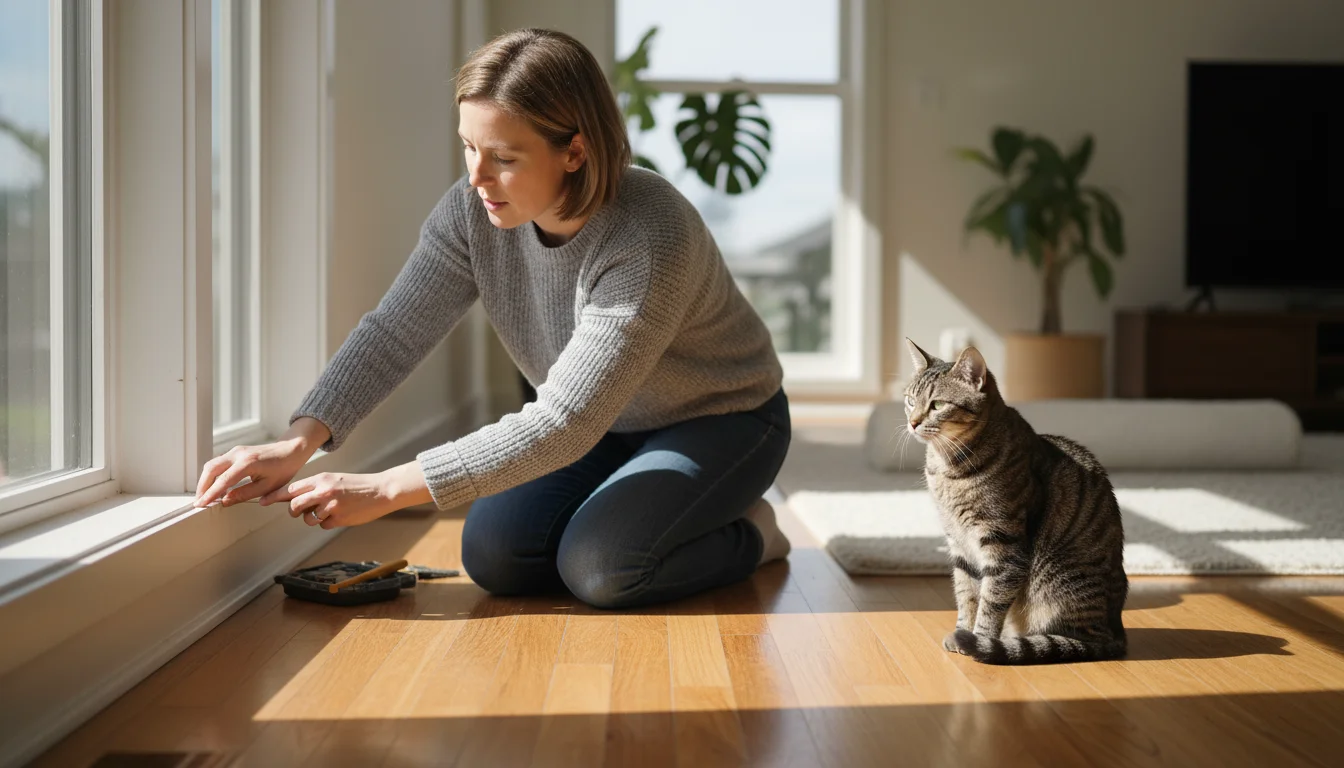
A pet-friendly home is not a one-time setup, it requires ongoing maintenance. Regularly inspect your home for new hazards as your pet grows or as items shift. Check electrical cords, secure loose items, and replenish pet-safe cleaning supplies. Review your plant collection periodically. For older pets, assess their mobility and consider ramps, non-slip mats, or accessible water bowls to accommodate their changing needs.
Adapting for Age: Puppies/Kittens to Seniors
The needs of your pet change significantly throughout their life stages. Puppies and kittens require intensive supervision and extensive puppy-proofing to protect them from curiosity-driven dangers. Senior pets often face mobility issues, vision loss, or cognitive decline. Adjust your home by adding ramps for stairs or furniture, providing extra soft bedding, increasing the number of accessible water sources, and maintaining a consistent routine. Be patient and understanding as your older pet adjusts to new challenges.
When to Seek Professional Help
While this guide offers many practical solutions, some situations warrant professional intervention. Consult your veterinarian immediately for any sudden changes in behavior, unexplained illness, or suspected ingestion of toxins. For persistent behavioral issues like severe anxiety, aggression, or destructive habits that do not respond to positive training, seek guidance from a certified professional dog trainer (CPDT), a certified animal behaviorist (CAB), or a veterinary behaviorist (DACVB). These experts provide tailored strategies and support, ensuring the best outcomes for your pet and your family.
Frequently Asked Questions
How do I make my small apartment pet-friendly without feeling cluttered?
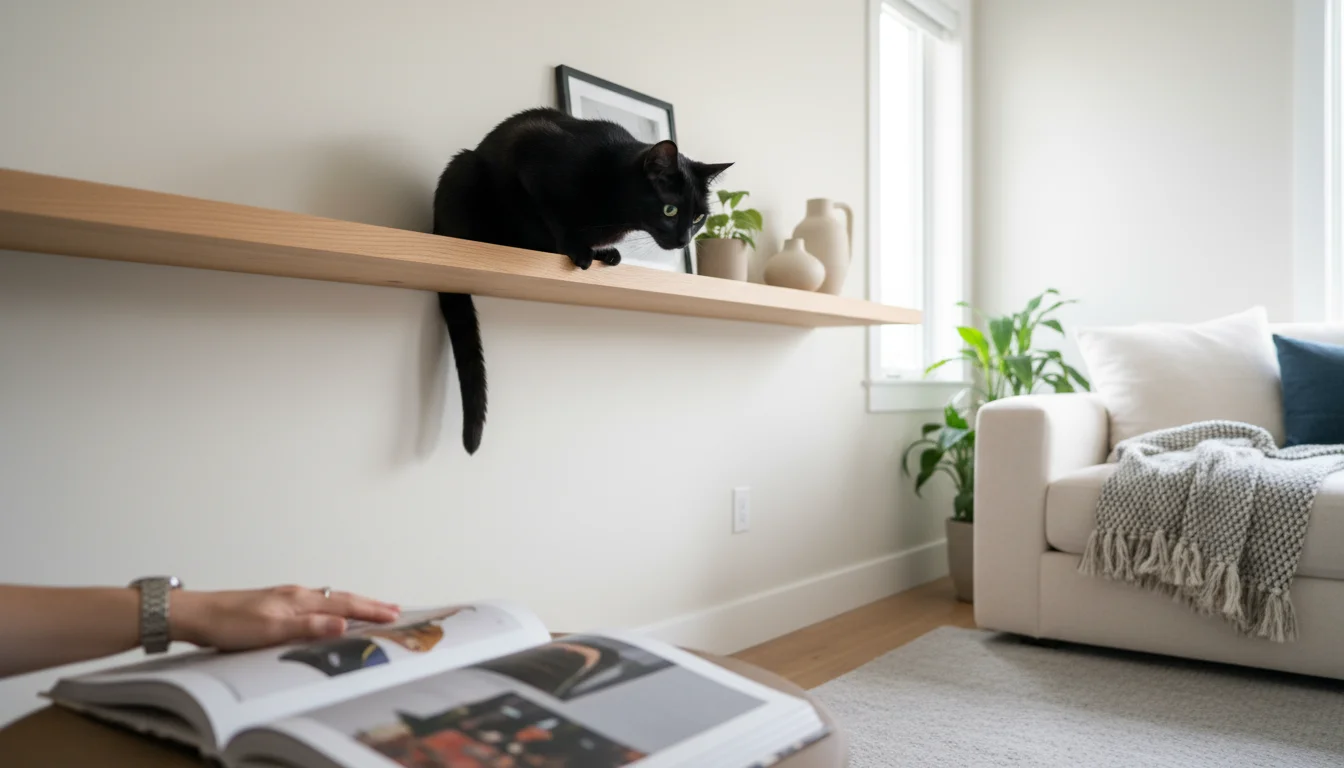
Focus on maximizing vertical space and choosing multi-functional items. For cats, tall cat trees or wall-mounted shelves provide climbing and resting spots without occupying floor space. For dogs, compact beds that fit under tables or in corners work well. Opt for furniture with built-in storage to minimize clutter and keep pet supplies organized. Regular decluttering is key, and using neutral colors can make a small space feel larger and more serene.
What if I have multiple pets with different needs?
Address each pet’s needs individually. Provide separate food and water stations, litter boxes (n+1 for cats, where n is the number of cats), and distinct sleeping areas to prevent competition and stress. Ensure a variety of toys and enrichment items suitable for each pet’s species, age, and play style. For example, a cat might need vertical space, while a senior dog requires easy access to ground-level amenities. Supervise interactions, especially during feeding times, and seek professional guidance if conflicts arise.
How often should I update my pet’s toys?
Regularly inspect all toys for wear and tear, discarding any that are broken or frayed to prevent choking hazards. Rotate toys every few days or weeks to keep your pet engaged and prevent boredom. This does not mean buying new toys constantly, rather, keep a selection of toys and introduce a few at a time. Replacing toys as they wear out ensures safety and continues to provide novel stimulation for your pet.
Can I really have nice furniture with pets?
Yes, you can absolutely have stylish furniture. The key lies in choosing durable, pet-friendly materials and proactive training. Select fabrics like microfiber, leather, or performance fabrics designed to resist stains, scratches, and odors. Use washable slipcovers or throws on upholstered pieces for easy cleaning. Train your pet positively to use their designated bed or scratching post, and provide plenty of appropriate alternatives to furniture. Consistent maintenance, such as regular vacuuming and grooming, also helps keep your home looking great.
When should I introduce a pet to a new home?
Introduce a new pet to your home when you have sufficient time to supervise and help them adjust, ideally over a quiet weekend or during a vacation. For puppies and kittens, early socialization to their new environment is important. Start with a confined, safe space, like a single room, allowing them to explore and gradually introduce them to other areas of the house. This gradual introduction reduces stress and helps them feel secure in their new surroundings. Ensure all pet-proofing is complete before their arrival.
For expert pet care guidance, visit
The Spruce Pets, Rover — Pet Care Blog, Preventive Vet, American Veterinary Medical Association (AVMA) and American Kennel Club (AKC).
Disclaimer: This article is for informational purposes only and is not a substitute for professional veterinary advice, diagnosis, or treatment. Always consult with a licensed veterinarian for medical concerns about your pet.




Leave a Reply