
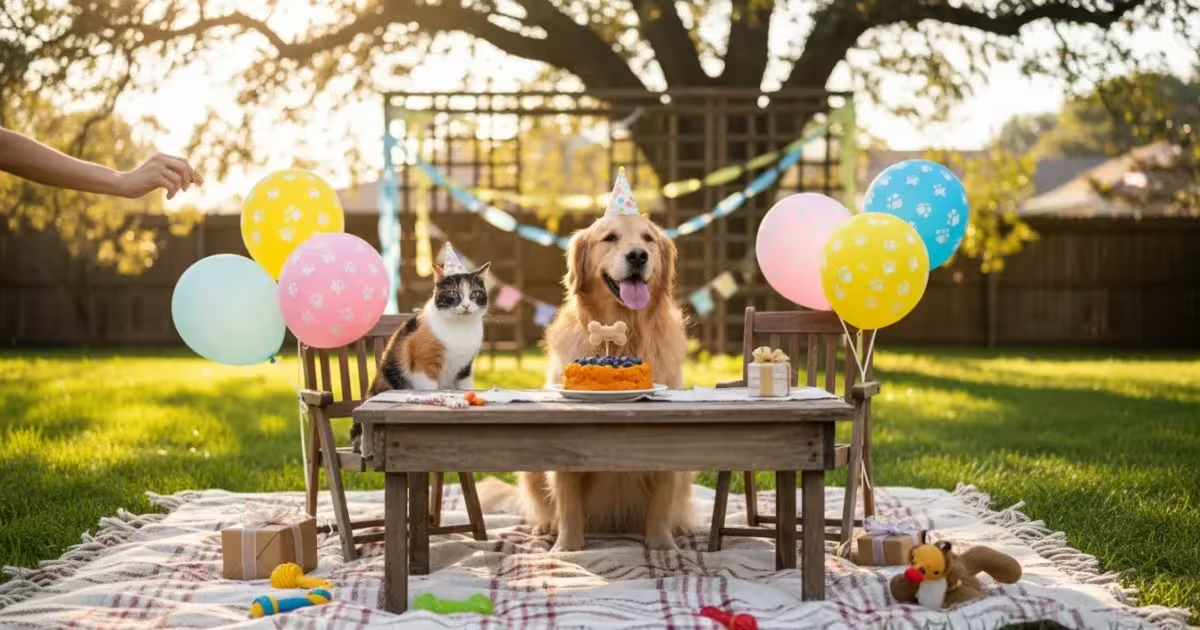
Your pet brings immeasurable joy and companionship into your life every single day. Marking their birthday or “gotcha day” offers a wonderful opportunity to show your appreciation and strengthen your bond. These celebrations are more than just an excuse for fun; they are a chance to create lasting memories and enrich your pet’s lifestyle. You can plan a simple, loving gesture or an elaborate pet-friendly party, ensuring the experience suits your individual companion and their preferences. Focusing on positive reinforcement and safety makes any celebration a success.
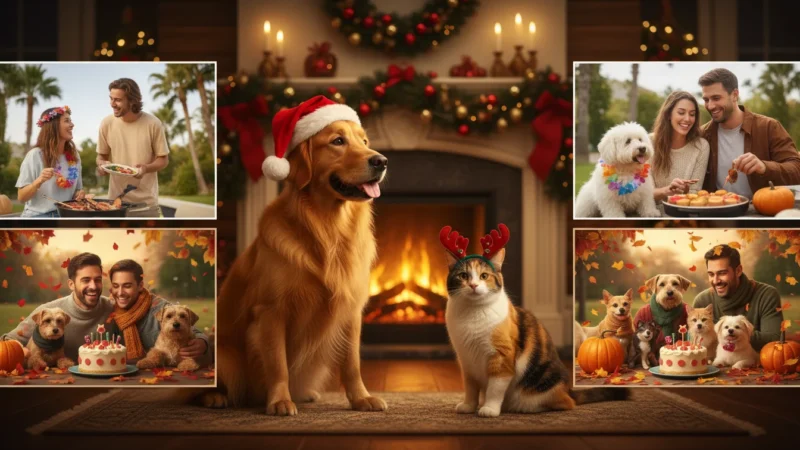
Many of these tips can also be adapted for other pet-friendly holiday celebrations you might host throughout the year.

Why Celebrate Your Pet’s Special Day?
Celebrating your pet’s birthday or adoption anniversary marks a significant milestone in your shared journey. It is an act of gratitude and love, acknowledging the unique role your pet plays in your family. These special occasions enhance your pet’s emotional well-being by providing positive experiences and focused attention. Studies consistently show that positive interactions strengthen the human-animal bond, leading to happier, more secure pets. According to the Humane Society of the United States, building a strong, positive relationship with your pet contributes to their overall health and longevity. It is also an excellent opportunity to reinforce positive associations and create fun, memorable moments for both of you.
While the exact date of birth may be unknown for adopted pets, choosing a “gotcha day” or an arbitrary date for a birthday celebration works just as well. The sentiment behind the celebration matters most. This dedicated time allows you to observe your pet’s favorite activities, indulge them responsibly, and simply enjoy their company. It shifts your focus to their happiness and enrichment, which is a cornerstone of responsible pet care and pet lifestyle. Whether your companion is a playful puppy, a regal cat, or a quiet guinea pig, every pet deserves to feel cherished.
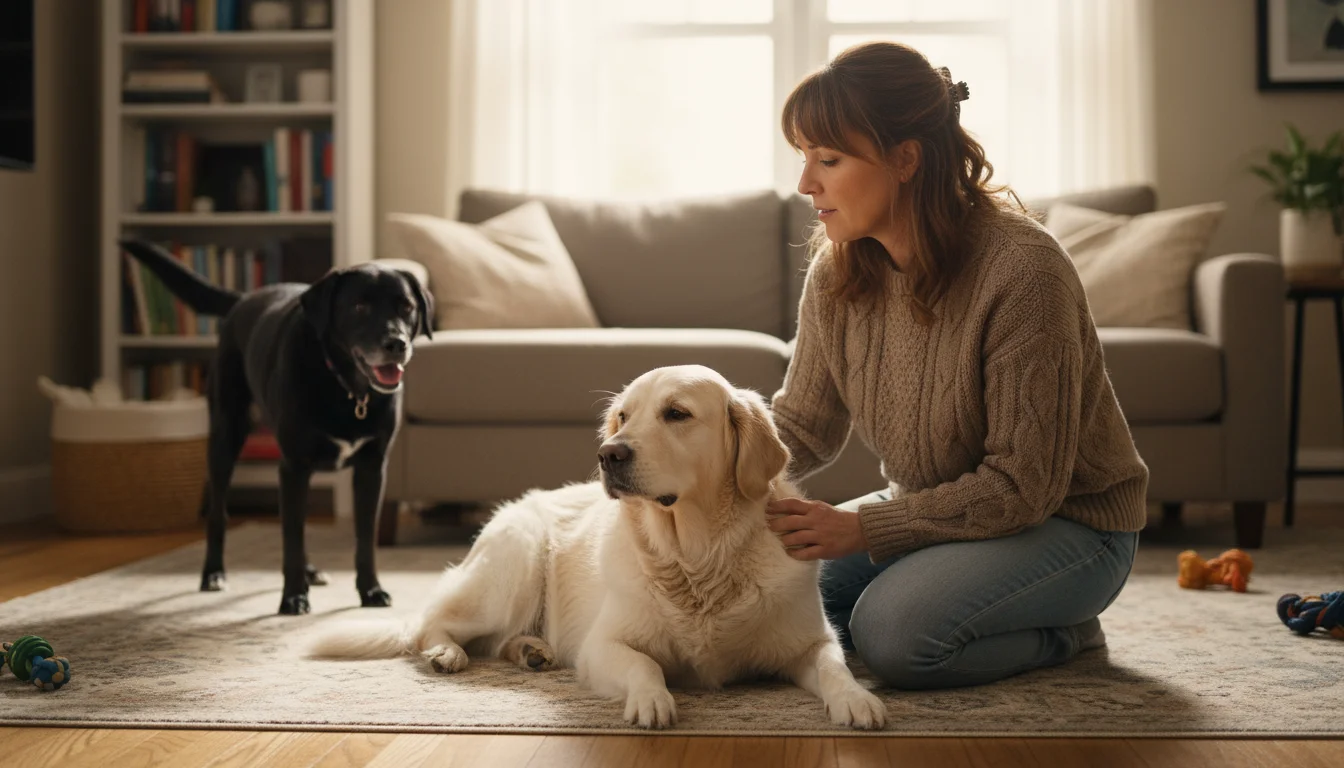
Crafting the Perfect Pet-Friendly Party: Planning and Guest List
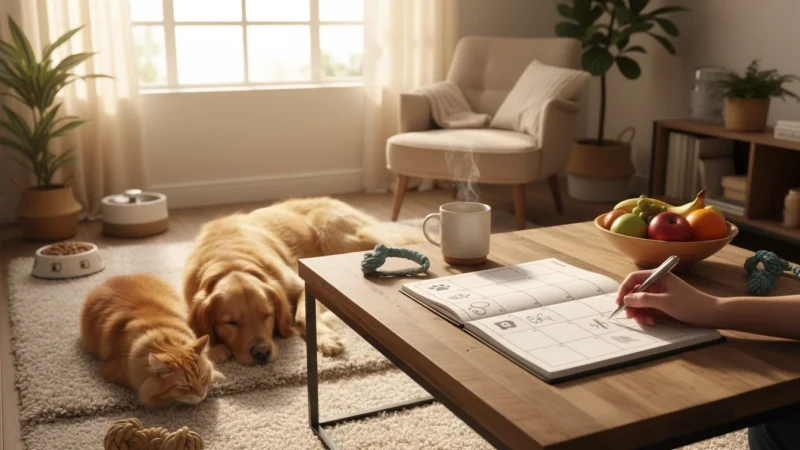
Planning a successful pet birthday celebration begins with understanding your pet’s personality and comfort levels. Some pets thrive in social settings, while others prefer quiet, intimate affairs. Your goal is to create a positive experience, not a stressful one. Consider these practical pet tips for your party planning:
- Know Your Pet’s Social Battery: Does your dog love other dogs, or do they prefer human company? Is your cat easily overwhelmed by new scents and sounds? Tailor the guest list to their preferences. For highly social dogs, a small gathering with well-known, vaccinated dog friends can be wonderful. For shyer pets, focus on quality time with their favorite humans.
- Location, Location, Location: Choose a venue where your pet feels secure and happy. Your home, a secure backyard, or a pet-friendly park often make excellent choices. Ensure the area is fully pet-proofed, removing any potential hazards like toxic plants, small objects, or accessible cleaning supplies.
- The Guest List: If inviting other pets, verify they are all well-socialized, fully vaccinated, and parasite-free. Discuss play styles with other pet parents beforehand to prevent conflicts. Always have more human supervisors than pets to manage interactions effectively. Remember, not all pets enjoy mingling, so a party focused solely on your pet’s human family can be equally fulfilling.
- Timing is Everything: Plan your celebration during a time when your pet is typically energetic and alert. For many dogs, this might be morning or late afternoon after a good nap. Avoid times when they might be tired or prone to overstimulation. Keep the duration relatively short, especially for puppies or senior pets, to prevent exhaustion.

Baking Up Joy: Safe & Scrumptious Birthday Treats
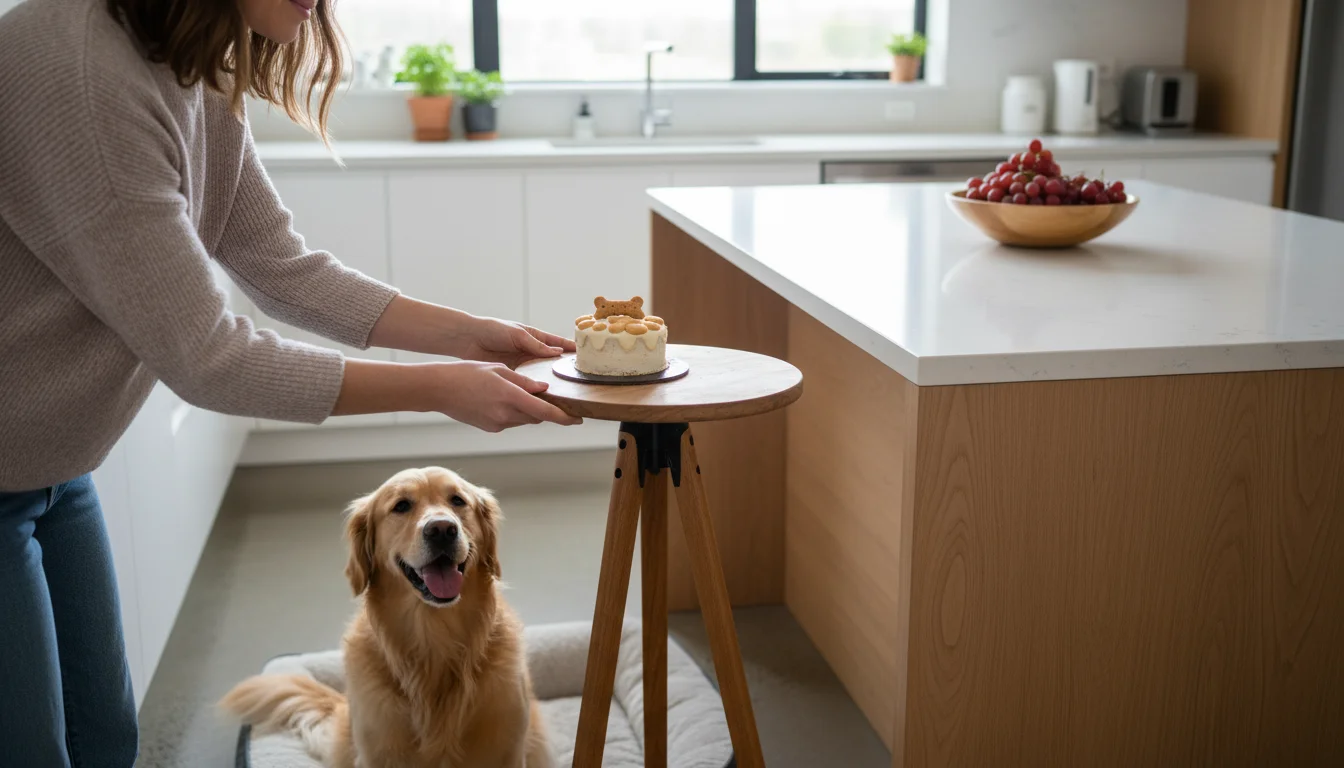
No birthday celebration is complete without treats, and your pet’s day is no exception. Ensuring these treats are pet-safe is paramount. Avoid human ingredients that are toxic to pets, such as chocolate, xylitol (a common sugar substitute), grapes, raisins, onions, garlic, and avocado. When in doubt, always err on the side of caution. Veterinary resources like the Pet Poison Helpline provide comprehensive lists of toxic substances.
If you enjoy getting creative, you can combine treat-making with other fun DIY pet projects to personalize the celebration.
DIY Pet Cake & Cookie Recipes
Making homemade treats allows you to control the ingredients and tailor them to your pet’s dietary needs or sensitivities. Here are some simple, pet-friendly ideas:
- Peanut Butter Banana “Pupcakes”: Mix ripe mashed bananas, plain pumpkin puree (not pie filling), a tablespoon of natural, xylitol-free peanut butter, an egg, and a small amount of whole wheat flour. Bake in mini muffin tins until golden brown. Frost with plain yogurt or cream cheese (in moderation) and garnish with a tiny piece of carrot or a favorite treat.
- Tuna “Cakes” for Cats: Combine a can of drained, unsalted tuna (in water), an egg, and a tablespoon of whole wheat flour or finely ground oat flour. Form into small patties and bake at 350°F (175°C) for 10-15 minutes until firm. Cats often adore these savory snacks.
- Frozen Yogurt Bites: Blend plain, unsweetened yogurt with pet-safe fruits like blueberries or strawberries. Pour into ice cube trays or silicone molds and freeze. These offer a refreshing, cool treat, especially on warmer days.
Store-Bought Options and Responsible Indulgence
If baking is not your forte, many pet supply stores offer specialty birthday cakes, cookies, and gourmet treats for pets. Always read the ingredient list carefully, checking for artificial preservatives, excessive sugars, and potential allergens your pet may have. Choose reputable brands known for quality pet products.
Remember that even pet-safe treats should be offered in moderation to avoid upsetting your pet’s stomach. A small, special portion is usually enough. For pets with allergies or sensitive stomachs, consult your veterinarian for appropriate treat recommendations. Over-indulging can lead to digestive upset, which no one wants on a birthday!
Engaging Activities & Gifts for Every Pet Personality
Enrichment activities are vital for your pet’s mental and physical health. A birthday is the perfect time to introduce new games or special outings. Consider your pet’s breed characteristics, age, and energy level when selecting activities.
Interactive Play and Mind Games
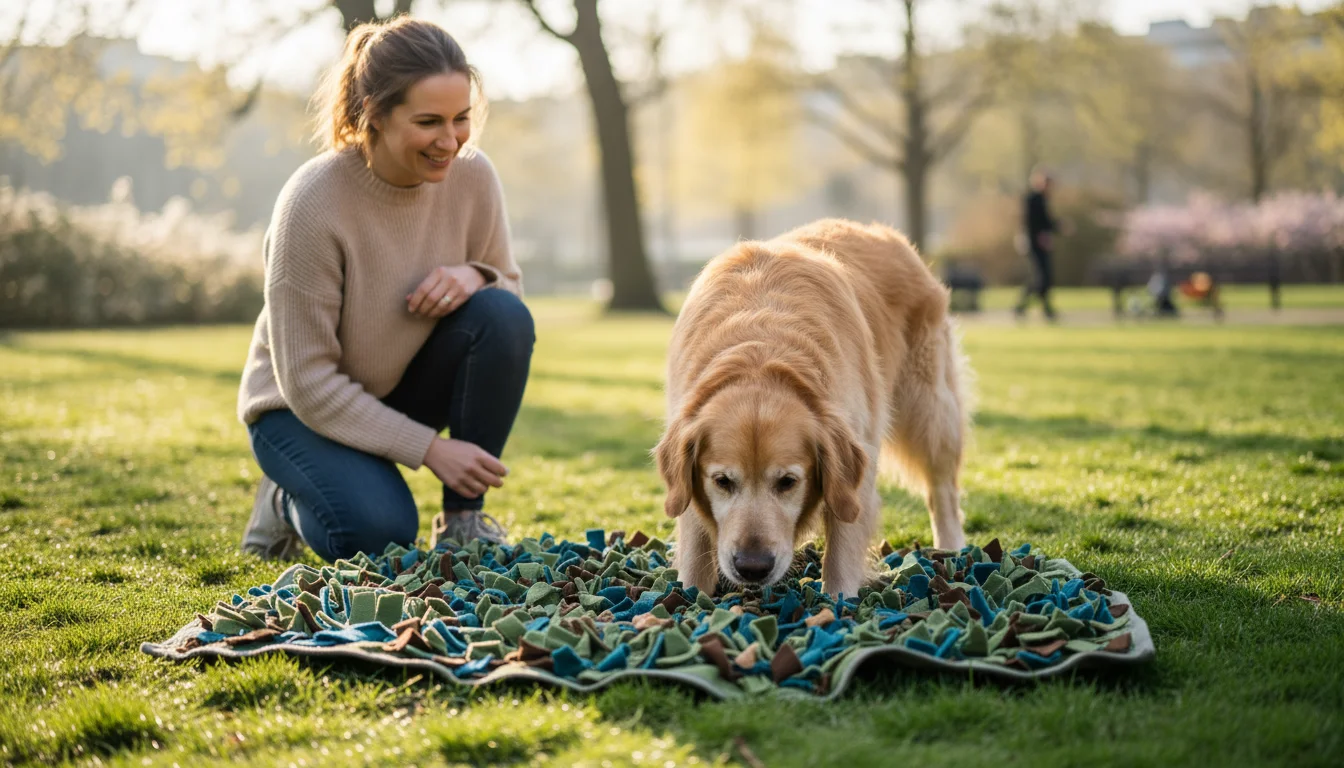
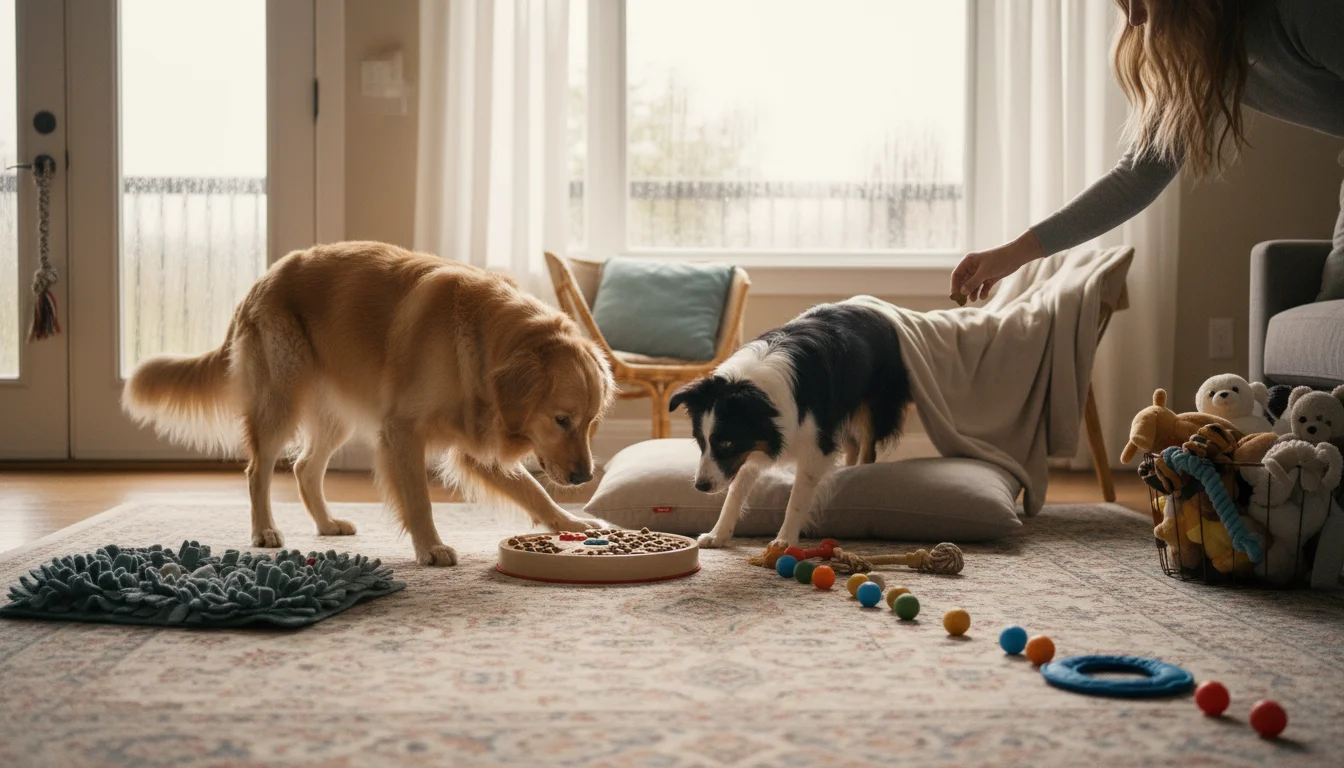
- Puzzle Toys: These challenge your pet to “work” for a treat, engaging their problem-solving skills. Look for options appropriate for your pet’s size and chewing habits. Dogs and cats both benefit from these mental exercises.
- New Toy Unboxing: Present a new, durable toy as a special gift. For dogs, consider sturdy chew toys, squeaky toys, or fetch balls. For cats, interactive wand toys, crinkly balls, or catnip-filled mice can provide hours of entertainment.
- Scent Games: Hide treats or toys around the house or yard and encourage your pet to sniff them out. This engages their natural foraging instincts and provides excellent mental stimulation. This is a wonderful activity for all pets, including those with mobility issues.
- Training Refreshers: Use this special day to practice fun tricks or reinforce basic obedience cues with positive reinforcement. It is a bonding activity that builds confidence and strengthens communication. As the Association of Professional Dog Trainers (APDT) emphasizes, reward-based training makes learning enjoyable and effective.
Outdoor Adventures and Special Outings
For adventurous pets, a birthday outing can be a fantastic way to celebrate. Always prioritize safety and ensure your pet is comfortable in new environments.
- Nature Walk or Hike: Explore a new pet-friendly trail or park. Always keep dogs on a leash, especially in unfamiliar areas, and be mindful of local regulations. Pack water, collapsible bowls, and waste bags.
- Beach Day: If you live near a pet-friendly beach, a supervised swim or stroll can be invigorating. Rinse off sand and salt afterward to prevent skin irritation. Ensure your dog is a strong swimmer and supervise them closely near water.
- Pet-Friendly Restaurant Patio: Many establishments welcome well-behaved, leashed dogs on their outdoor patios. This offers a change of scenery and a chance to enjoy a meal together (with your pet safely under the table, perhaps with a chew toy).
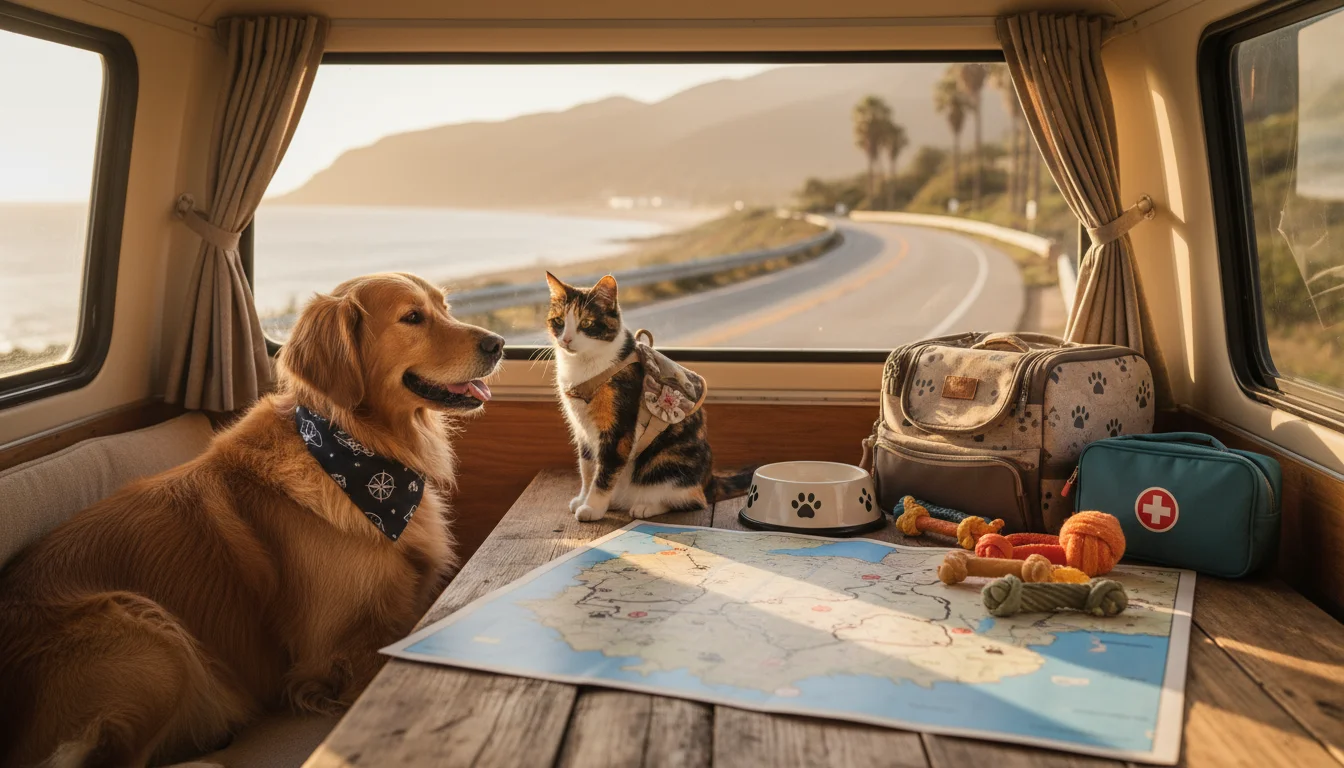
- Car Ride with a View: For pets who enjoy car travel, a drive to a scenic spot for a short walk or just to enjoy the fresh air from a safely secured window can be a simple pleasure. Always use a proper pet car seat, harness, or crate for safety during travel.
Remember to match the activity to your pet’s energy level and health. Senior pets or those with health conditions might prefer a gentle stroll or a cozy indoor game over an extensive hike.
Decorations, Photo Ops, and Memories to Cherish
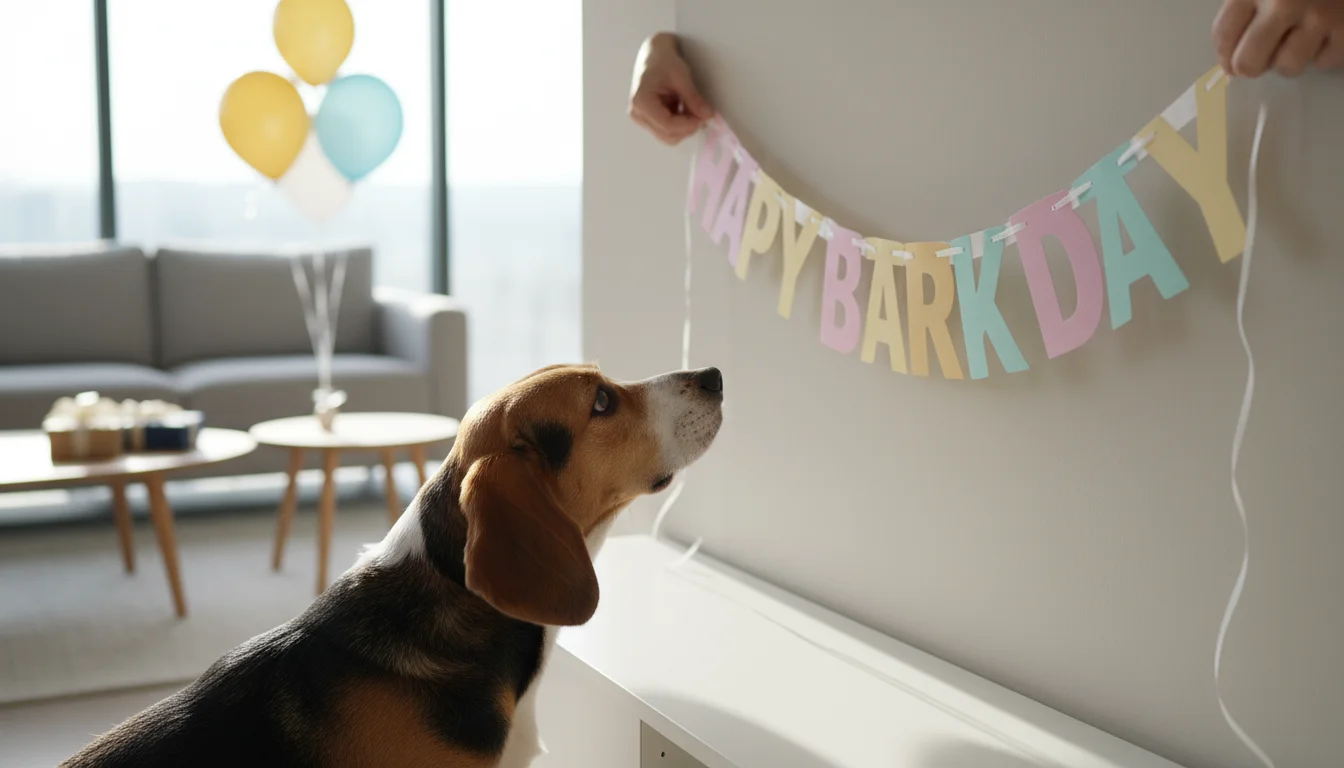
Creating a festive atmosphere adds to the celebration, but always keep pet safety in mind when choosing decorations. Many common party items can pose risks.
- Pet-Safe Decorations: Opt for balloons filled with air (not helium, as deflated balloons can be choking hazards), banners hung well out of reach, and sturdy tablecloths. Avoid string, streamers, confetti, tinsel, and candles, as these can be ingested, leading to choking or intestinal blockages. Keep small, easily swallowed items off the floor.
- Capture the Moment: Designate a photo area with a simple backdrop and a few pet-safe props like a small party hat (worn briefly and supervised) or a festive bandana. Capture candid shots of your pet enjoying their special treats and gifts. These photos become cherished keepsakes of your pet’s lifestyle.
- Memory Keepsakes: Consider making paw prints in clay, creating a custom pet portrait, or starting a scrapbook dedicated to your pet’s milestones. These tangible memories celebrate their unique journey with you.
Tailoring the Celebration: From Cats to Senior Companions
Every pet is an individual, and a successful birthday celebration recognizes their unique needs and preferences. What delights a high-energy puppy might overwhelm a timid cat or a senior dog with arthritis.
Celebrating Cats and Small Animals
Cats, birds, rabbits, and other small companion animals often have different celebratory needs than dogs. Cats generally prefer quiet environments and familiar routines. Introduce new toys, a special treat like freeze-dried chicken, or a new scratching post. A new cat tree or a fresh batch of catnip can also be a wonderful gift. For rabbits, consider a new tunnel, a fresh selection of safe greens, or a cardboard box castle. Birds might enjoy new foraging toys or a special, safe fruit or vegetable treat.
The key for these pets is enrichment in their existing environment, minimizing stress while maximizing positive experiences. Focus on their natural behaviors: provide opportunities for scratching, climbing, burrowing, or foraging, depending on the species.
Senior Pet Comfort
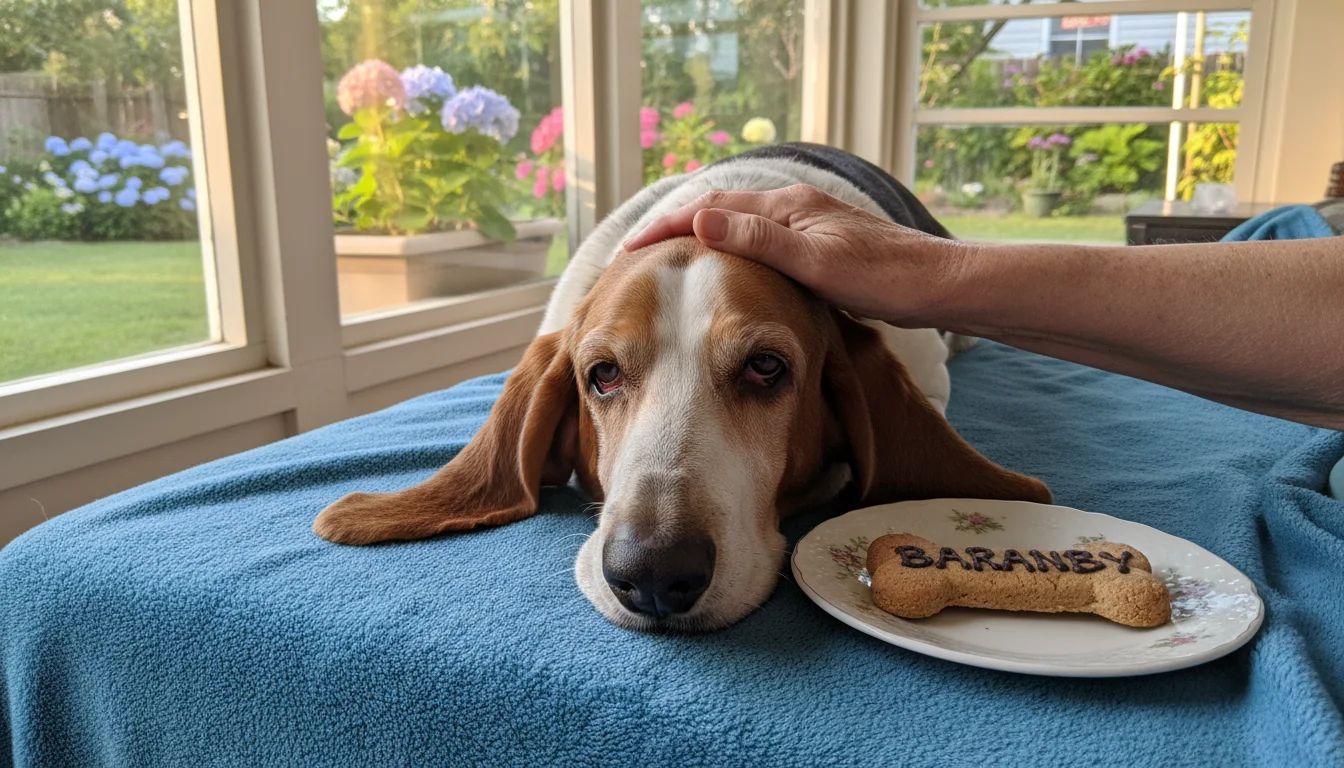
Senior pets often appreciate comfort and familiarity above all else. Their birthday celebration should prioritize their well-being and minimize exertion. Offer a soft, new bed, a gentle massage, or a special, easily digestible meal. A slow, gentle walk in a favorite, quiet spot can be perfect. Avoid loud parties or strenuous activities that could cause discomfort or stress. According to the American Veterinary Medical Association (AVMA), maintaining comfort and routine is crucial for senior pets’ quality of life.
Multi-Pet Households
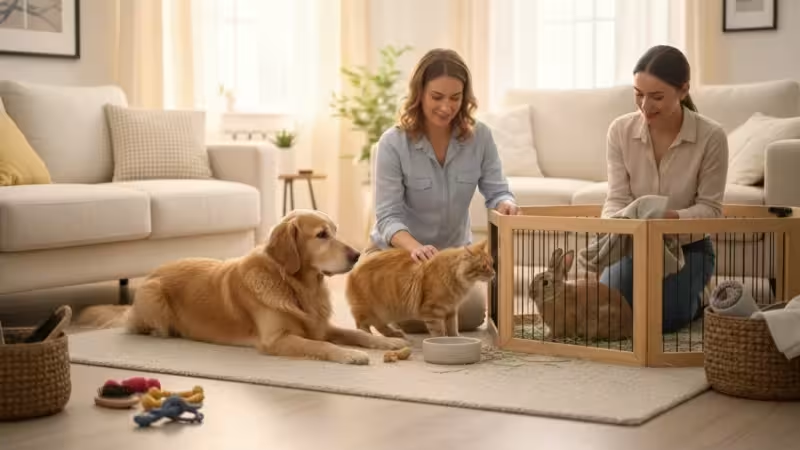
In homes with multiple pets, ensure each animal receives individual attention during the celebration. Offer separate, special treats to prevent resource guarding or squabbles. If throwing a party with other pets, ensure all introductions are positive and supervised. Provide ample space for pets to retreat if they feel overwhelmed. Equal attention helps maintain family harmony and prevents any pet from feeling left out.
Safety First: Ensuring a Stress-Free Celebration
Safety is the cornerstone of any successful pet celebration. A fun event can quickly turn into an emergency without careful planning. Here are critical safety considerations and troubleshooting tips:
- Toxic Foods and Plants: Double-check all food items, human and pet-specific, for toxic ingredients. Keep alcoholic beverages, chocolate, caffeine, grapes, raisins, xylitol-containing products, onions, garlic, and macadamia nuts strictly out of reach. Similarly, be aware of common household plants toxic to pets. The ASPCA’s Animal Poison Control Center offers a comprehensive list of toxic plants.
- Choking Hazards: Supervise all treat and toy consumption. Small pieces of food, deflated balloons, ribbons, string, and small toy parts can become choking hazards. Select toys appropriate for your pet’s size and chewing habits.
- Managing Excitement and Stress: Even the most social pet can become overstimulated. Provide a quiet “safe zone” or crate where your pet can retreat if they need a break from the festivities. Watch for signs of stress: lip licking, yawning, tucked tail, flattened ears, excessive panting, or hiding. If your pet exhibits these signs, gently remove them from the situation and offer comfort.
- Leash and Containment: If celebrating outdoors or with unfamiliar pets, always keep dogs on a leash or in a securely fenced area. Ensure gates are latched and escape routes are blocked.
- Supervision is Key: Never leave pets unsupervised with party food, decorations, or other pets. Constant vigilance prevents accidents.
- Know Your Vet’s Emergency Number: Keep your veterinarian’s number and the number for the nearest 24-hour emergency veterinary clinic readily accessible. Prompt action in an emergency can be life-saving.
If you observe any concerning behavior, injury, or signs of illness, do not hesitate to contact your veterinarian immediately. It is always better to be cautious when your pet’s health is at stake.
Budget-Friendly Birthday Fun: DIY and Cost-Effective Ideas
A memorable pet birthday does not require a large budget. Many of the most enriching experiences are free or low-cost, focusing on quality time and creativity. These pet tips make celebration accessible for everyone.
- Homemade Treats: As discussed, baking your own pet-safe treats is often more economical and allows for full control over ingredients. Recipes using common pantry staples like pumpkin, bananas, oats, and peanut butter are cost-effective.
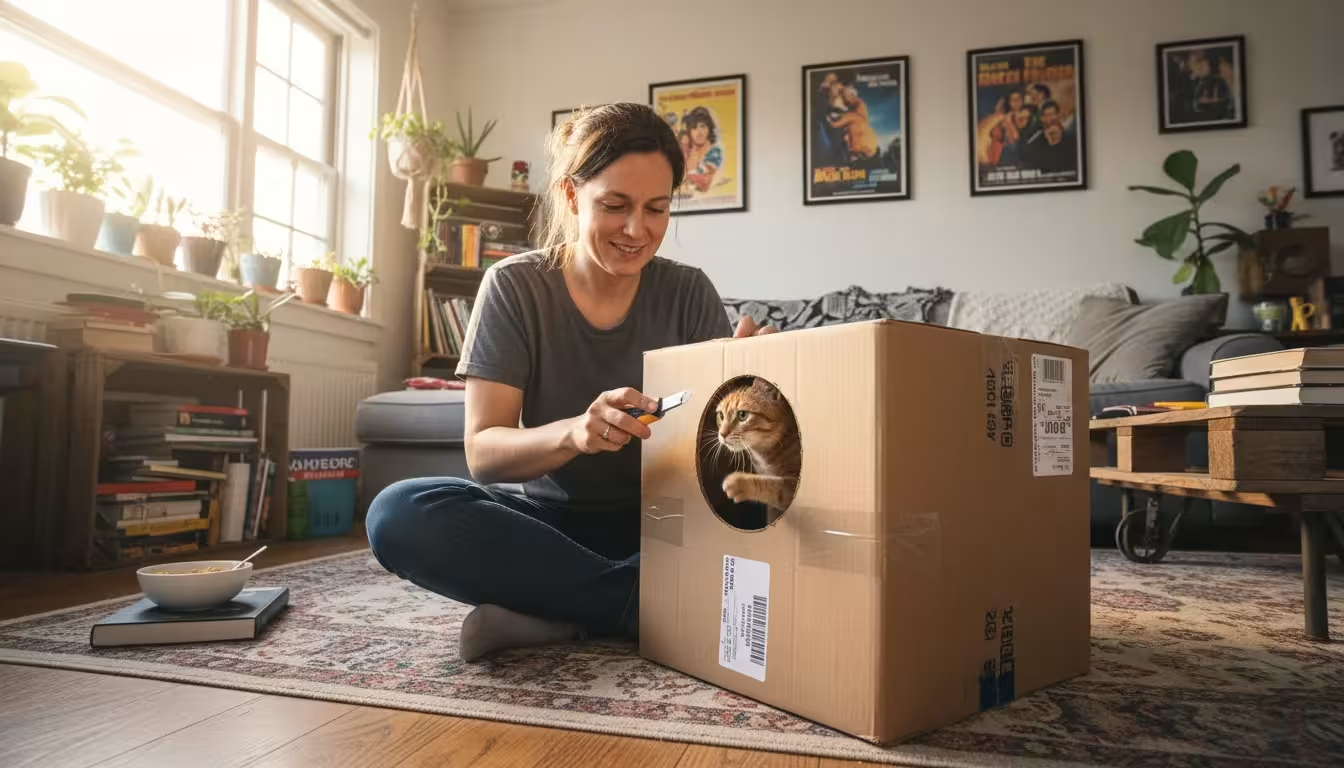
- DIY Toys: Repurpose household items into engaging toys. A clean, empty cardboard box can become a fantastic cat fort or a puzzle for dogs when filled with shredded paper and hidden treats. Old T-shirts or fleece can be braided into tug toys. Ensure any homemade toy is safe, durable, and free of small parts that could be ingested.
- Nature Walks and Park Play: A long walk in a favorite park, a hike on a local trail, or a game of fetch in the backyard costs nothing but provides immense joy and exercise. These outdoor adventures enhance your pet’s lifestyle.
- Focused Attention: Sometimes the best gift is simply your undivided attention. Spend extra time cuddling, grooming, or playing your pet’s favorite games. This dedicated bonding time is invaluable and completely free.
- Playdates, Not Parties: Instead of a big party, arrange a small, supervised playdate with one or two well-known pet friends at a local dog park or a secure backyard. This provides social interaction without the expense or stress of a larger gathering.
The essence of celebrating your pet’s birthday lies in the love and attention you provide, not the cost of the festivities. A thoughtful, safe, and personalized celebration creates the most cherished memories.

Frequently Asked Questions
Can I give my pet a “human” birthday cake?
No, you should not give your pet a human birthday cake. Most human cakes contain sugar, chocolate, and sometimes xylitol, all of which are harmful or toxic to pets. Stick to pet-safe birthday treats specifically made for animals, or make your own with pet-friendly ingredients like pumpkin, peanut butter (xylitol-free), and bananas.
How do I know if my pet is enjoying their birthday celebration?
Observe your pet’s body language closely. Signs of enjoyment include a relaxed posture, wagging tail (for dogs), purring (for cats), playful behavior, and engagement with treats or toys. Signs of stress or discomfort might include hiding, excessive licking, panting, yawning, a tucked tail, or aggression. If your pet seems stressed, simplify the celebration, remove them from the stimulating environment, and focus on quiet, comforting activities.
Should I invite other pets to my pet’s birthday party?
Only invite other pets if your pet is highly social, well-behaved around other animals, and enjoys group play. Ensure all invited pets are healthy, vaccinated, and known to interact positively with each other. Always supervise interactions closely, have separate food and water bowls, and provide space for pets to retreat if they need a break. For most pets, a celebration with just their immediate human family is often less stressful and equally enjoyable.
What are some easy, pet-safe gifts I can give my pet?
Easy, pet-safe gifts include new durable chew toys, interactive puzzle feeders, a comfy new bed or blanket, a fun new collar or bandana, a grooming session with extra cuddles, or a special, approved treat. For cats, a new scratching post or a window perch can be a great gift. The best gifts are those that cater to your pet’s individual preferences and provide enrichment without posing a safety risk.
For expert pet care guidance, visit
Fear Free Pets,
The Spruce Pets,
Rover — Pet Care Blog,
Preventive Vet and
American Veterinary Medical Association (AVMA).
Disclaimer: This article is for informational purposes only and is not a substitute for professional veterinary advice, diagnosis, or treatment. Always consult with a licensed veterinarian for medical concerns about your pet.


Leave a Reply