

As devoted cat owners, you want nothing more than a long, healthy, and happy life for your feline companion. Cats are masters at hiding illness, a survival instinct from their wild ancestors. This ability to conceal discomfort makes it crucial for you to be vigilant and recognize subtle changes in their behavior or physical condition. Early detection of health issues significantly improves treatment outcomes and helps you provide the best possible pet care.
In addition to monitoring behavior, learning how to check your pet’s vital signs at home can provide critical data during a health scare.
Establishing a baseline for your pet’s normal behavior by knowing the signs your cat is happy and healthy is the first step in effective monitoring.
Understanding common cat health issues and their warning signs empowers you to act quickly when your cat needs help. This guide focuses on actionable, science-backed insights to help you monitor your cat’s health, identify potential problems, and know when a trip to the veterinarian is essential. By staying informed about your cat’s health, you become their most important advocate.
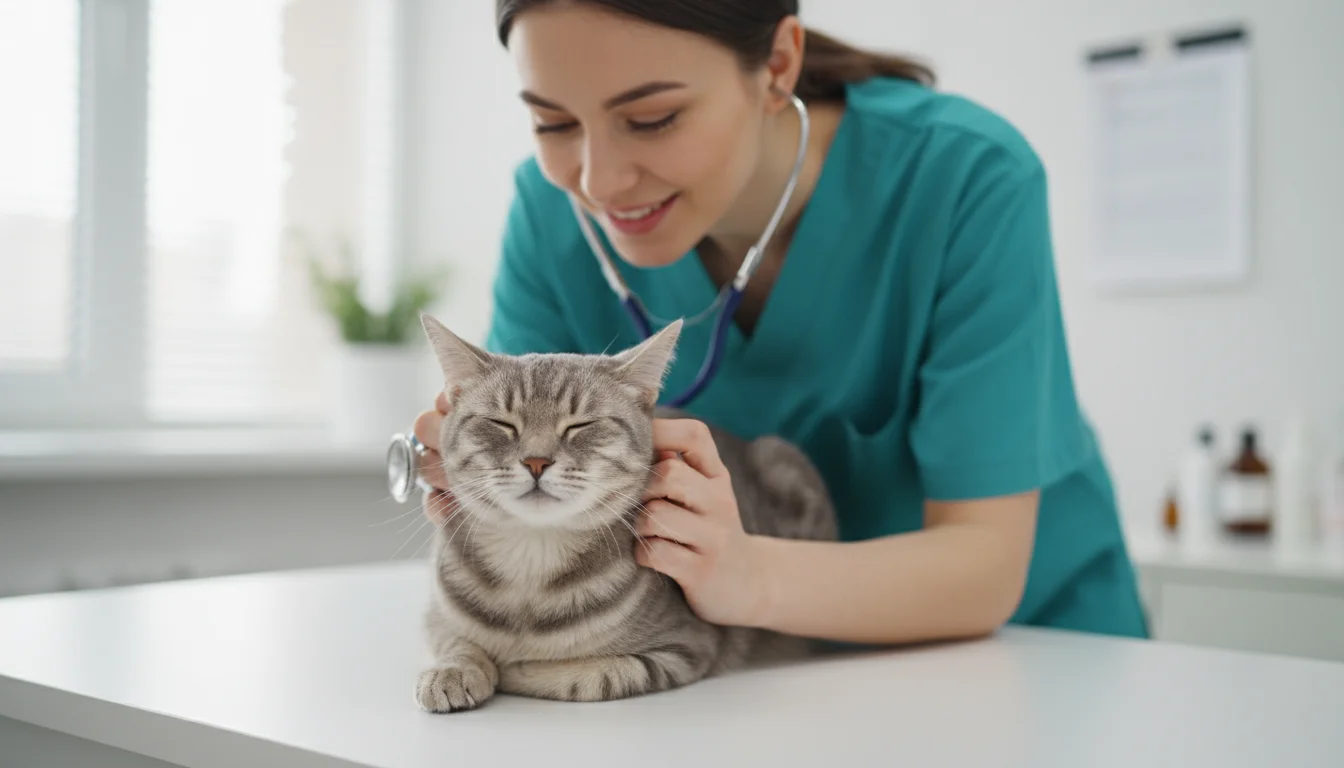
Understanding Cat Wellness: The Importance of Preventive Care
Preventive pet care forms the foundation of your cat’s long-term health. Regular veterinary check-ups, appropriate vaccinations, and consistent parasite prevention
For owners of older felines, understanding the specifics of senior pet health is key to managing the gradual changes that occur over time.
If you have recently added a young feline to your family, following a comprehensive kitten care guide ensures they hit their early developmental milestones.
To ensure your cat receives the best lifelong medical oversight, learn how to choose a veterinarian you can trust.
are not optional they are critical. These measures help prevent serious health problems and catch developing issues before they become severe.
Vaccination Schedules
Vaccinations protect your cat from highly contagious and potentially fatal diseases. Core vaccines, recommended for all cats regardless of lifestyle, include protection against Feline Panleukopenia (FPL), Feline Viral Rhinotracheitis (FHV-1), Feline Calicivirus (FCV), and Rabies. Your veterinarian determines the specific schedule based on your cat’s age, previous vaccination history, and exposure risk.
- Kittens: Typically receive a series of core vaccines starting around 6-8 weeks of age, with boosters every 3-4 weeks until 16 weeks old.
- Adult Cats: Require regular booster shots, usually every one to three years, depending on the vaccine and your vet’s recommendations.
- Lifestyle Vaccines: Cats with outdoor access or exposure to other cats may need additional vaccines, such as for Feline Leukemia Virus (FeLV). According to the American Veterinary Medical Association (AVMA), tailoring vaccination protocols to individual pet risk is a key component of responsible pet health.
Parasite Prevention
Both internal and external parasites pose significant health risks to cats, even indoor ones. Fleas, ticks, heartworms, and intestinal worms can cause discomfort, serious illness, and even transmit diseases to humans.
- Fleas and Ticks: Use veterinarian-prescribed topical or oral medications year-round. These products effectively kill parasites and break their life cycles.
- Heartworm: Though less common than in dogs, cats can get heartworm disease, which is difficult to treat and often fatal. Monthly preventive medication is available.
- Intestinal Worms: Regular fecal exams help identify roundworms, hookworms, and tapeworms. Your vet can prescribe deworming medication as needed. Many monthly parasite preventives also cover common intestinal worms.
Wellness Exams
Annual or bi-annual wellness exams are vital, especially as your cat ages. During these visits, your vet performs a thorough physical examination, listens to your cat’s heart and lungs, checks their teeth, eyes, ears, and palpates their abdomen. They also discuss nutrition, behavior, and any concerns you may have. These exams are the best pet health tips for early disease detection, often before you notice any symptoms at home.









Leave a Reply