
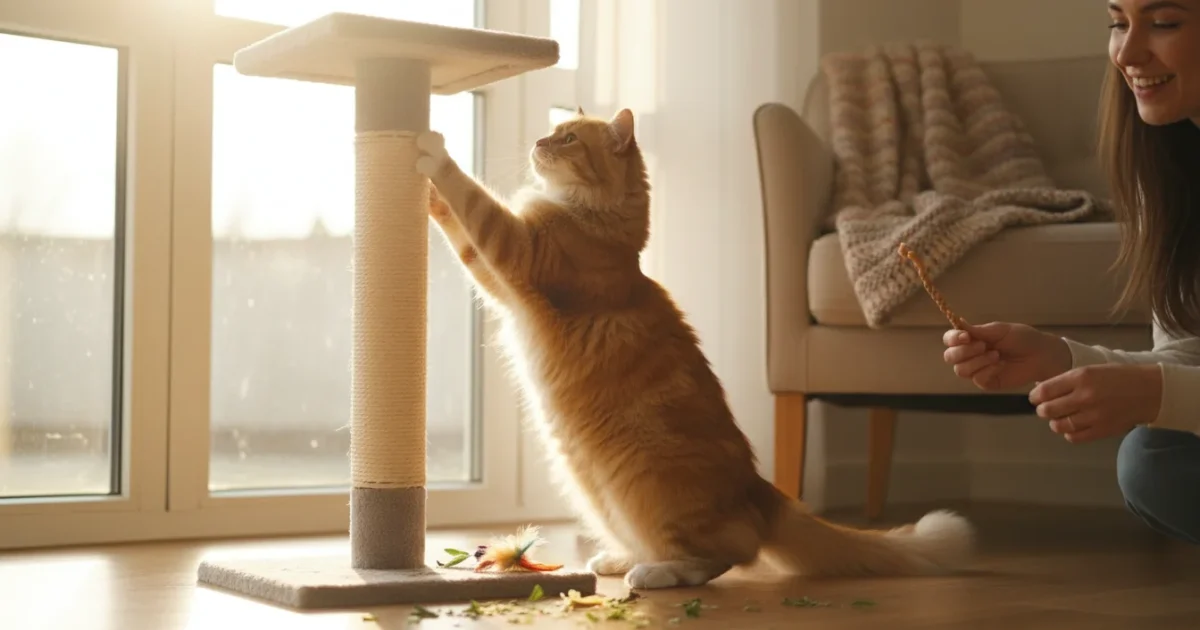
Cats naturally need to scratch. This isn’t naughty behavior, it’s an essential part of being a cat, serving multiple purposes from physical health to emotional well-being. Understanding this instinct is the first step in successful pet training. By providing appropriate outlets, you prevent damage to your furniture and create a happier environment for everyone in your home. This guide offers practical, science-backed strategies to help you train your cat to use a scratching post, ensuring your cat thrives and your belongings remain intact.
Understanding Your Cat’s Natural Need to Scratch
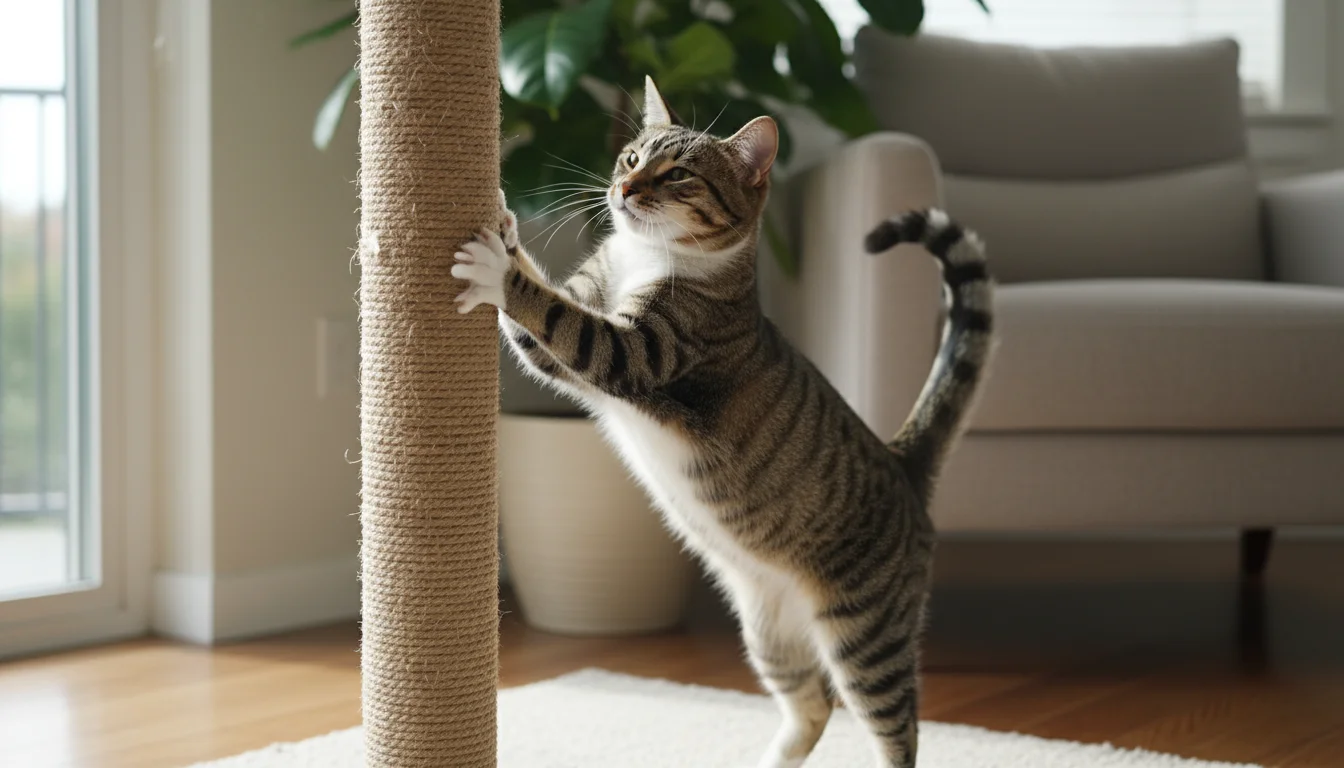
Scratching is fundamental to cat behavior, not a defiant act. You train your cat more effectively when you understand the deep-rooted reasons behind this behavior. Cats scratch for several vital purposes:
For those starting with a young pet, integrating these habits is a vital part of a comprehensive kitten care guide.
- Claw Maintenance: Scratching removes the dead outer layers of your cat’s claws, keeping them sharp and healthy. This helps prevent ingrown claws and maintains mobility.
- Stretching and Exercise: When your cat stretches and scratches, they work various muscle groups, from their back to their paws. This provides essential exercise, keeping them flexible and strong.
- Scent Marking: Your cat’s paws contain scent glands. When they scratch, they leave behind their unique scent, marking their territory. This communicates their presence to other cats and helps them feel secure in their environment.
- Visual Marking: The visible claw marks also serve as a visual signal to other felines, reinforcing their territorial claims.
- Stress Relief: Scratching can be a form of stress relief or an outlet for excitement, helping your cat manage emotions.
Recognizing these instincts transforms your approach to pet training. Instead of trying to stop scratching, you redirect it to appropriate surfaces. According to the ASPCA, understanding your cat’s natural behaviors is crucial for fostering a harmonious household and successful training outcomes.
Choosing the Right Scratching Post for Your Cat
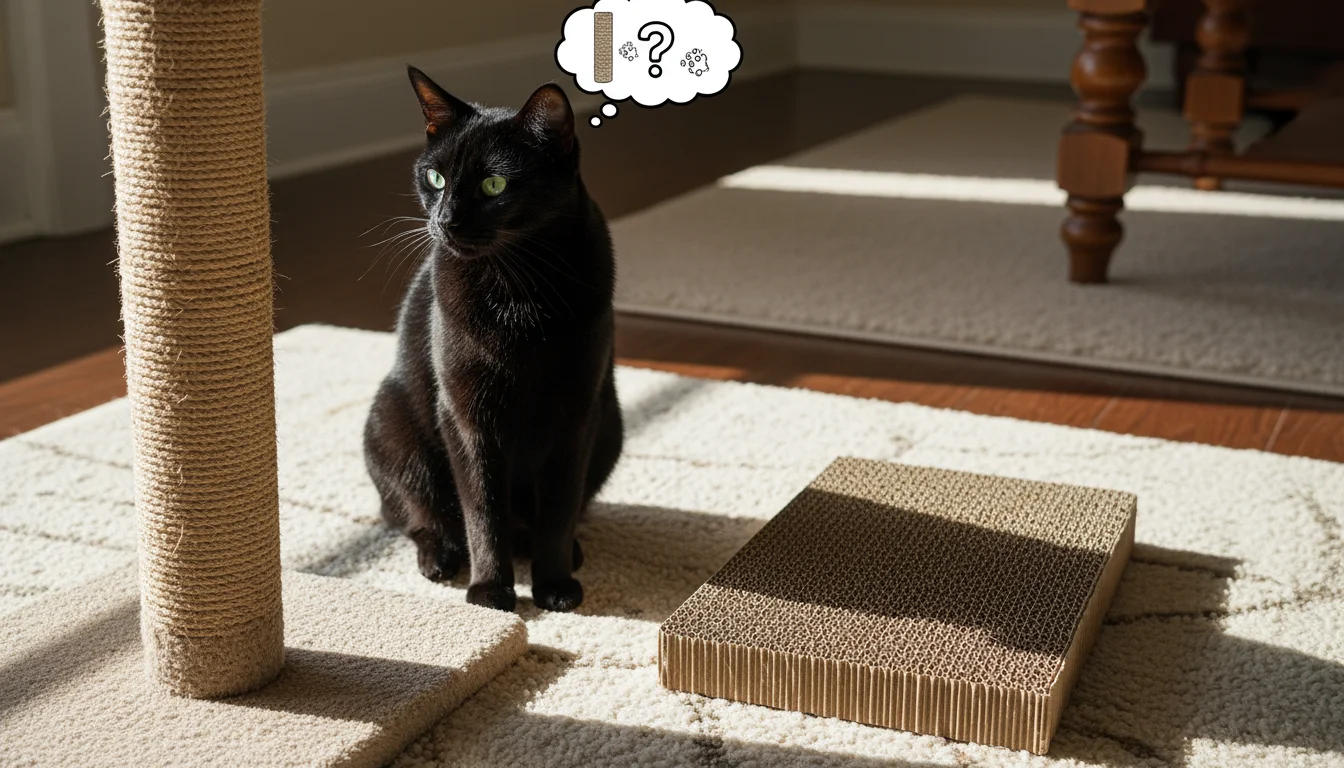
The success of your scratching post training hinges on providing options your cat will actually use. Many factors influence a cat’s preference. Consider these points when selecting the ideal scratching post or pad:
Along with the right post, learning how to keep your cat entertained will ensure they have plenty of stimulation to prevent boredom-based scratching.
- Material Matters:
- Sisal Rope: This durable, fibrous material is highly popular. Many cats enjoy digging their claws into its rough texture.
- Corrugated Cardboard: Affordable and often preferred by cats who enjoy shredding. Look for options that can be replaced easily.
- Carpet: Some cats prefer carpet, especially if they have previously scratched your carpeted furniture. However, using carpeted posts might confuse your cat about what carpet is acceptable to scratch.
- Wood: Less common, but some cats enjoy scratching bare wood.
- Vertical Versus Horizontal:
- Vertical Posts: Most cats prefer vertical scratching surfaces because they allow for a full body stretch. The post should be tall enough for your cat to fully extend their body upwards while scratching. Aim for at least 32 inches in height.
- Horizontal Scratchers: Some cats, particularly older cats or those with arthritis, prefer scratching on a flat surface. Cardboard scratch pads are excellent for this. Offer both vertical and horizontal options to see what your cat prefers.
- Stability is Key: A wobbly scratching post discourages use. Your cat needs a sturdy surface that does not tip over when they lean on it or pull their weight against it. A wide, heavy base ensures stability.
- Location, Location, Location: You place the scratching post where your cat already scratches. We delve into this in the next section.
- Variety: Provide several types of scratchers in different materials and orientations. Your cat might love a sisal post in one room and a cardboard scratch pad in another. Experimentation helps you discover their preferences.
Strategic Placement for Scratching Post Success
Even the perfect scratching post fails if you place it in the wrong spot. Strategic placement is a cornerstone of effective pet training for scratching. Observe your cat’s existing scratching habits and natural lounging spots.
Proper resource placement is especially critical when you introduce a new cat to a multi-cat household.
Strategic placement of all resources is vital for felines, as poor household layout can also contribute to common issues like litter box problems.
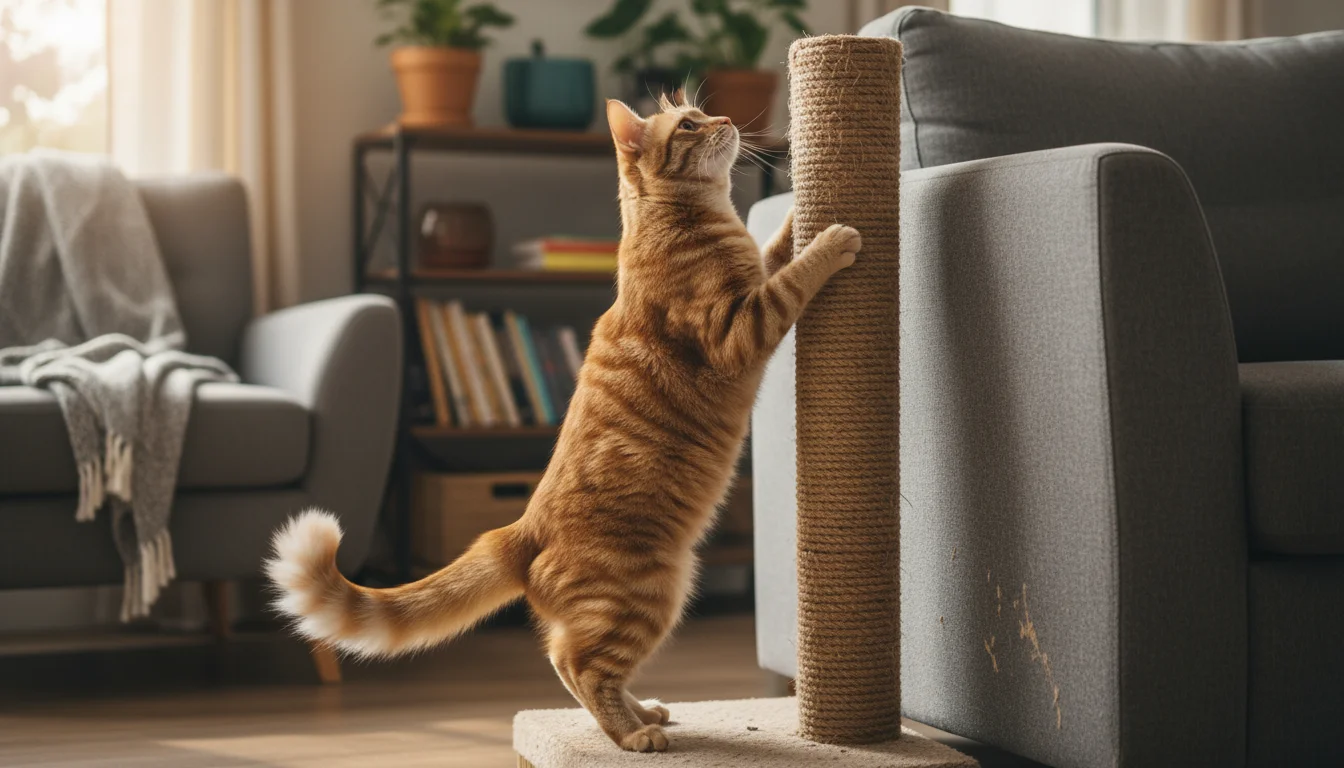
- Near Problem Areas: The most crucial placement strategy involves putting a new scratching post directly next to the furniture your cat currently targets. If your cat scratches the arm of your sofa, place a post right beside that spot. Once your cat consistently uses the post, you can gradually move it a few inches each day toward a more permanent, desirable location.
- High-Traffic Areas: Cats often scratch to mark territory in prominent locations. Place scratchers in areas where your cat spends a lot of time, like near their favorite sleeping spots, feeding areas, or entryways to rooms.
- Near Waking-Up Spots: Cats love a good stretch and scratch immediately after waking from a nap. Place a scratcher near their cat bed, a sunny window perch, or any area where they frequently nap.
- Multiple Scratching Stations: Do not rely on just one scratching post. Provide multiple options throughout your home, especially in rooms where your cat spends significant time. This ensures a convenient and appealing scratching outlet is always nearby. For instance, if you have a multi-story home, place at least one scratcher on each floor.
- Consider Your Cat’s Personality: Some shy cats prefer to scratch in a more secluded area, while confident cats might prefer a highly visible spot. Adjust placement based on your individual cat’s temperament.
Effective placement minimizes the effort your cat needs to choose the appropriate scratching surface. This increases the likelihood of them using the designated post instead of your valuable furniture.
Introducing Your Cat to the Scratching Post: A Step-by-Step Guide
Introducing a new scratching post requires patience and positive reinforcement, key elements in any successful pet training endeavor. Follow these steps to guide your cat toward using their new designated scratcher:
- Make it Inviting:
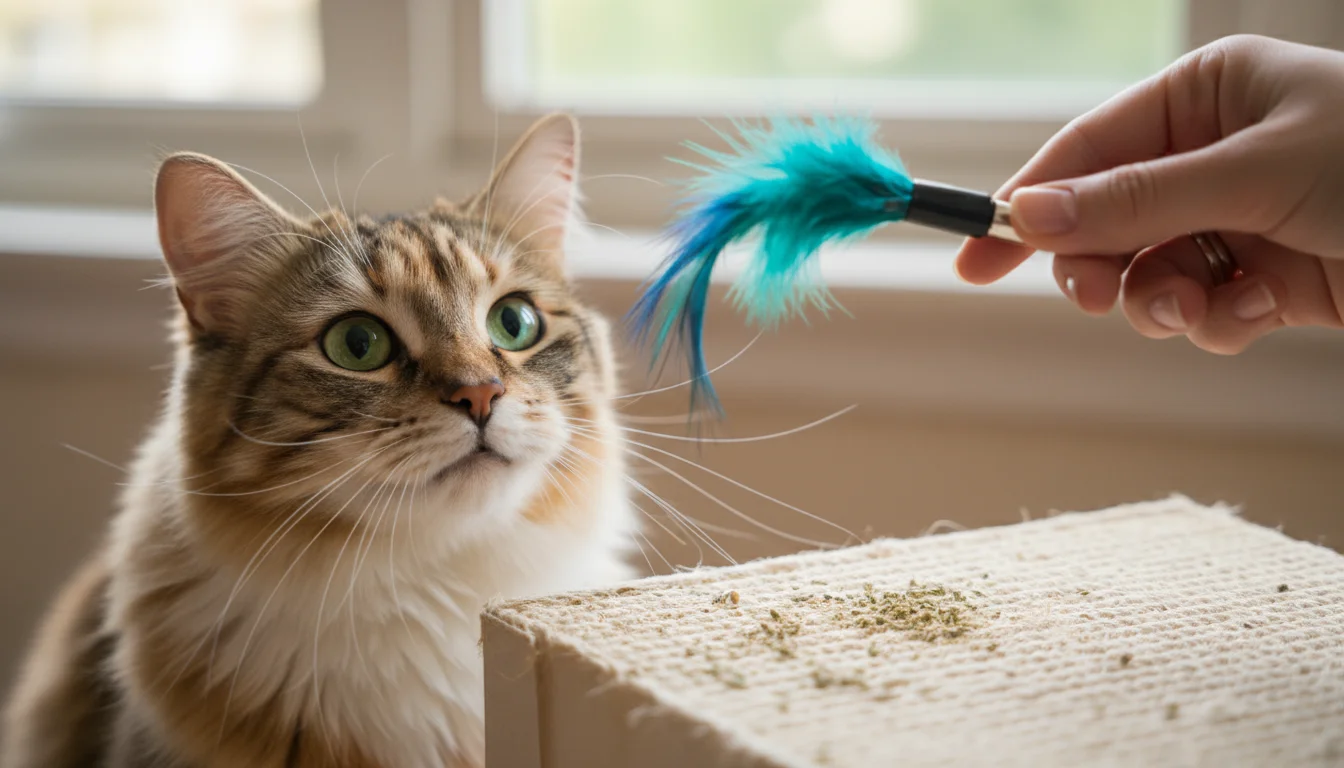
- Apply Catnip: If your cat responds to catnip, rub fresh catnip onto the scratching post. You can also use a catnip spray. This immediately makes the post more appealing.
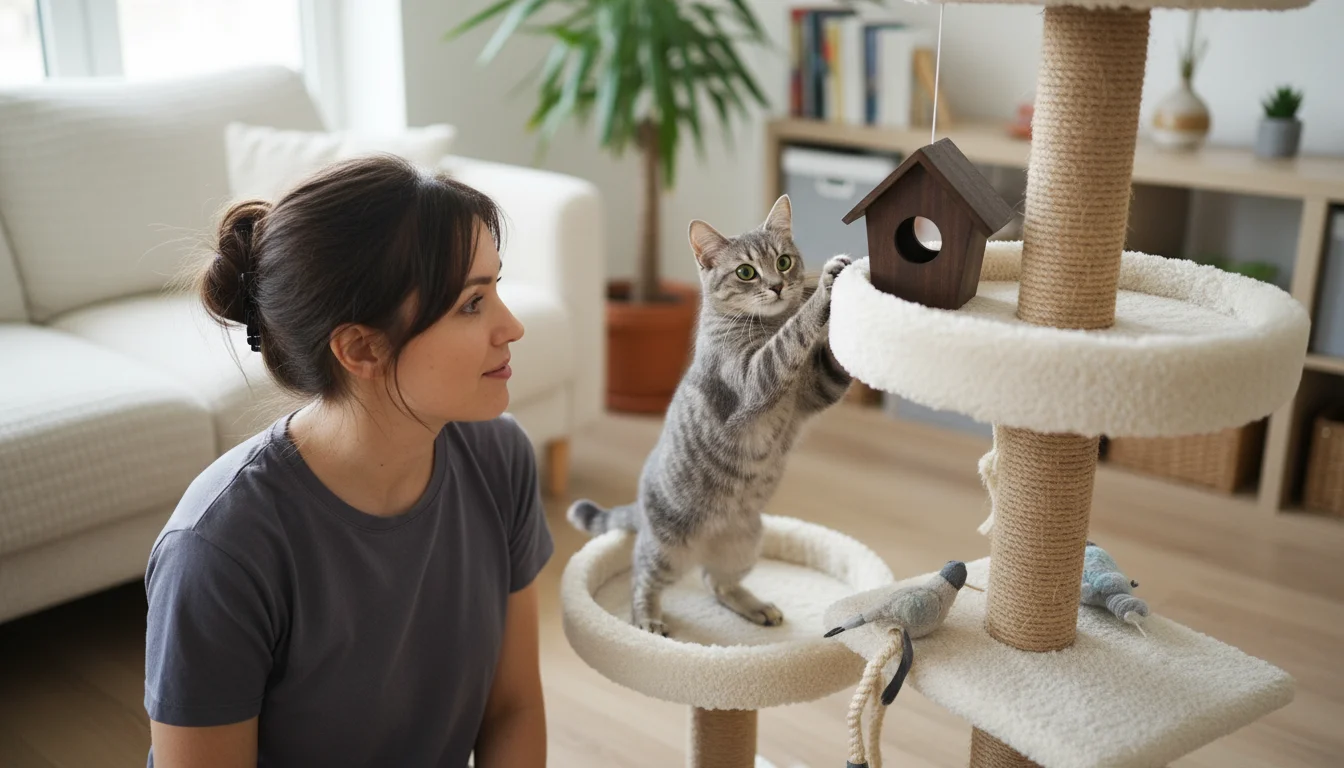
- Use a Toy: Dangling a favorite toy near or on the post can attract your cat’s attention.
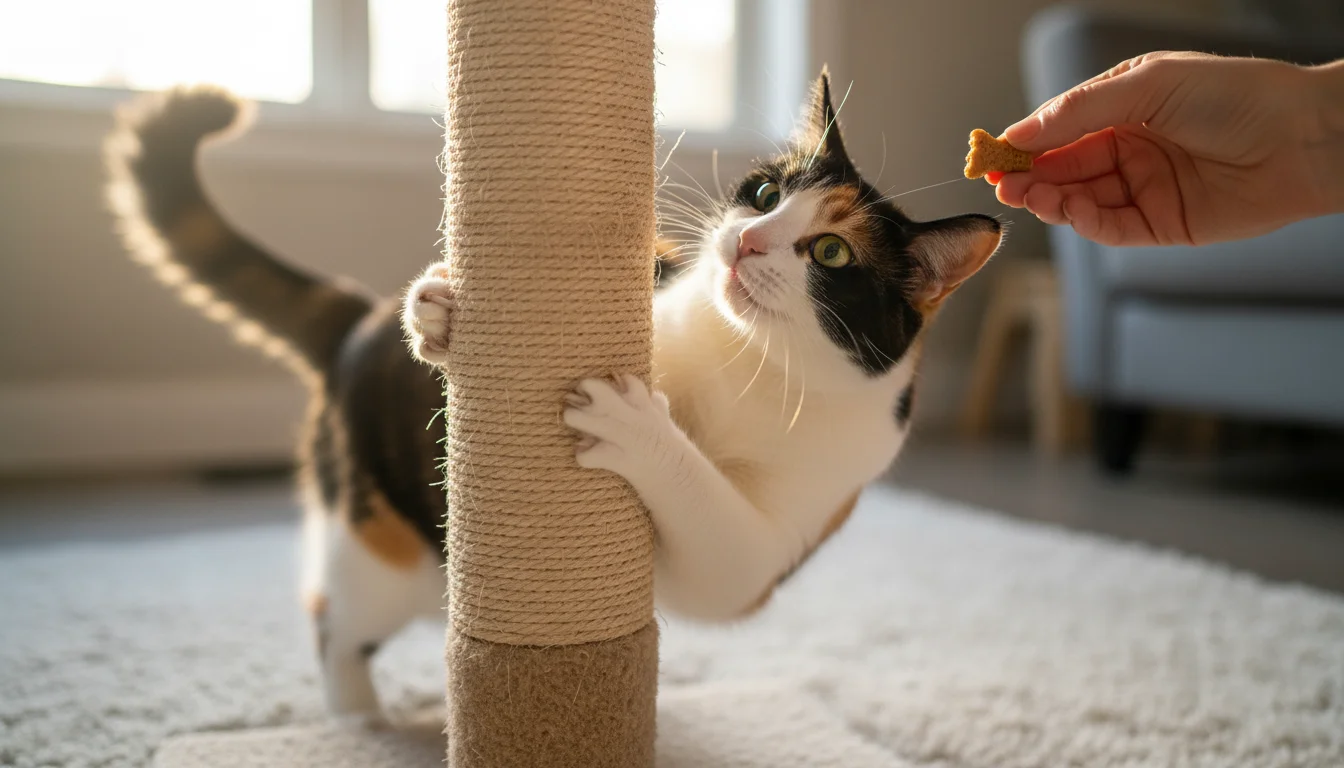
- Treats: Place a few small, enticing treats on top of or near the base of the post to draw your cat closer.
- Gentle Encouragement (No Force): Never force your cat to scratch the post. Do not grab their paws and try to demonstrate. This often creates a negative association. Instead, gently entice them.
- Demonstrate (Optional and Gentle): You can gently scratch the post yourself with your fingernails to demonstrate the action and sound, making it more appealing. Your cat learns by observation.
- Reward Any Interaction: The moment your cat investigates, sniffs, rubs against, or even lightly touches the post, praise them immediately.
- Positive Reinforcement for Scratching:
- When your cat genuinely scratches the post, offer immediate praise, a favorite treat, or a short play session with a toy.
- Timing is critical. Deliver the reward within a few seconds of the desired behavior so your cat connects the action with the positive outcome.
- Consistency is Key: Repeat this process consistently. Every time you see your cat near or interacting with the post, reinforce the behavior positively.
- Never Punish: Do not scold, yell, or spray your cat with water if you catch them scratching furniture. Punishment instills fear and stress, damaging your bond and making them less likely to use the post when you are present. It also does not teach them what they should do.
This patient, positive approach helps your cat develop a strong, positive association with their new scratching area. Success builds through consistent, gentle encouragement and rewarding good choices.
Positive Reinforcement Techniques for Scratch Training
Positive reinforcement forms the bedrock of humane and effective pet training, especially when teaching a cat to use a scratching post. This method focuses on rewarding desired behaviors, making your cat more likely to repeat them. Here’s how you apply these fundamentals:
If redirecting your pet becomes an uphill battle, you might want to learn more about when to call a behaviorist for complex issues.
By avoiding 8 common training mistakes, you can build a stronger bond with your cat and see faster results.
- Marker Training (Optional but Effective): A “marker” is a signal that tells your cat exactly when they perform the correct action. A clicker or a verbal marker like “Yes!” works well.
- When your cat scratches the post, immediately click (or say “Yes!”) and then follow with a treat.
- The marker bridges the time between the action and the reward, making the connection clearer for your cat.
- Reward Timing and Delivery:
- Instant Rewards: Deliver the treat or praise within 1-3 seconds of your cat scratching the post. Delayed rewards lose their impact.
- High-Value Rewards: Use treats your cat absolutely loves. Small pieces of cooked chicken, tuna, or special commercial cat treats often work wonders.
- Variety in Rewards: Do not just use food. Offer verbal praise, gentle petting (if your cat enjoys it), or a quick play session with a favorite toy as rewards.
- Motivation is Paramount:
- Understand what truly motivates your cat. Some cats are highly food-motivated, others prefer play, and some value social interaction. Tailor your rewards to their individual preferences.
- Keep training sessions short, positive, and fun. Cats have shorter attention spans than dogs, so a few minutes of focused training multiple times a day is more effective than one long session.
- Shaping Behavior: Start by rewarding approximations of the desired behavior. Initially, you might reward your cat just for approaching the post, then for sniffing it, then for touching it with a paw, and finally for scratching it. This gradual approach helps them understand what you want.
- Praise and Enthusiasm: Your vocal encouragement makes a big difference. Use a happy, upbeat tone when your cat uses the post. They pick up on your enthusiasm.
By consistently applying positive reinforcement, you help your cat associate the scratching post with pleasant experiences, making it their preferred scratching surface. The Cat Fanciers’ Association (CFA) emphasizes that positive reinforcement training strengthens the bond between you and your cat, fostering trust and cooperation.
Addressing Inappropriate Scratching and Troubleshooting
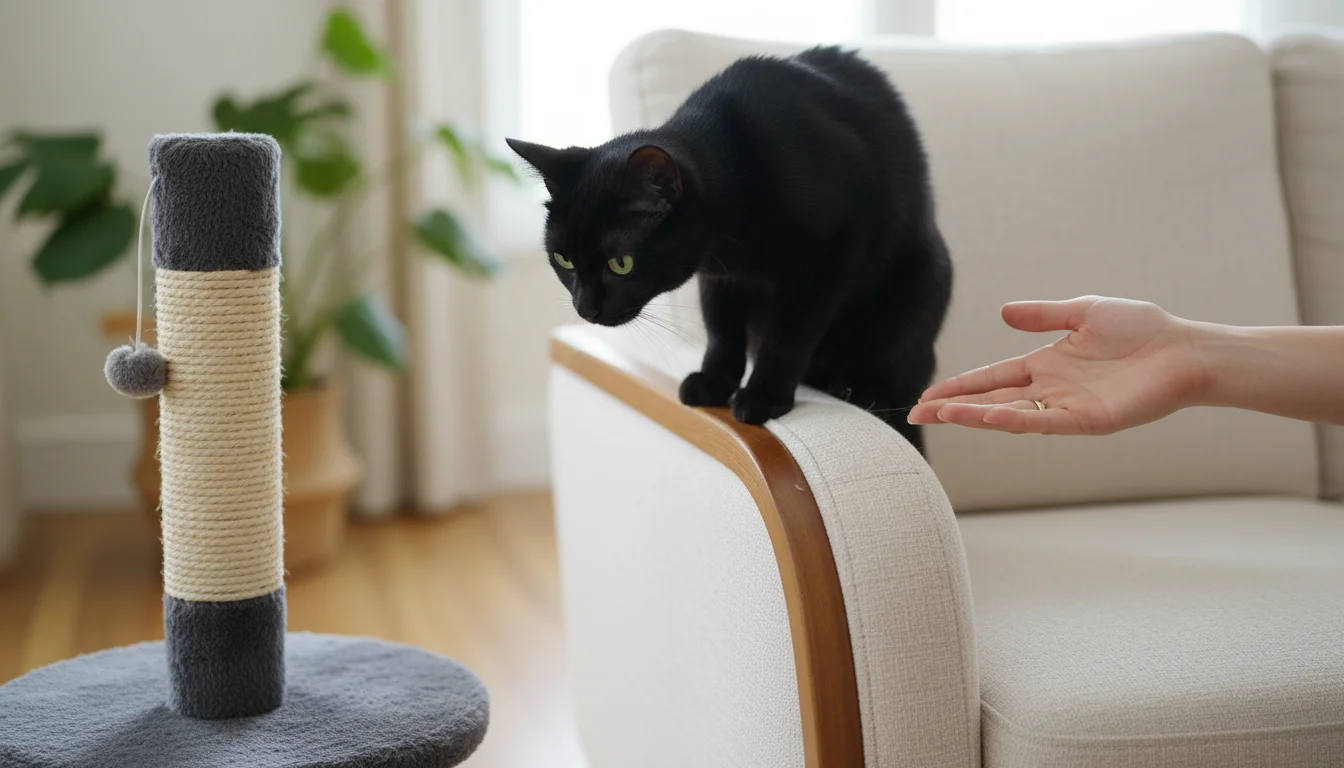
Even with the best intentions, your cat might still scratch furniture. This requires a multi-faceted approach involving deterrents, attractive alternatives, and careful observation. Remember, the goal is always to redirect, not punish.
Effective Strategies for Redirecting Scratching
- Make Problem Areas Undesirable:
- Tactile Deterrents: Cover targeted furniture spots with materials your cat dislikes, such as double-sided sticky tape (sticky paws), aluminum foil, or plastic sheets. Cats generally dislike the feel of these surfaces.
- Scent Deterrents: Spray citrus-scented deterrents on furniture. Many cats dislike citrus. Always ensure any spray is pet-safe.
- Physical Barriers: Temporarily block access to favorite scratching furniture with blankets or strategically placed objects until your cat reliably uses the post.
- Enhance Scratching Post Appeal:
- Experiment with Materials: If your cat ignores the post, try a different material or texture.
- Change Orientation: Offer both vertical and horizontal options.
- Regular Catnip Application: Re-apply catnip or catnip spray to keep the post interesting.
- Play and Engagement: Play near the scratching post with interactive toys, encouraging your cat to interact with the area.
- Increase Number of Scratchers: If your cat is still scratching furniture, you might not have enough appealing scratching surfaces. Add more posts and pads in different locations.
- Trim Claws Regularly: Keep your cat’s claws trimmed. While this does not stop scratching, it reduces the damage caused if they do scratch furniture. Introduce nail trimming early and make it a positive experience with treats.
- Environmental Enrichment: Boredom or stress can lead to inappropriate scratching. Ensure your cat has plenty of mental and physical enrichment, including interactive toys, puzzle feeders, window perches, and regular play sessions. A stimulated cat is often a well-behaved cat.
Common Mistakes to Avoid
- Punishment: As discussed, punishment creates fear and anxiety, making the problem worse. Your cat associates you with negative experiences, not the bad behavior.
- Removing the Post Too Soon: Do not remove a scratching post from a “problem” area until your cat has been consistently using it for several weeks and you have successfully redirected the behavior.
- Giving Up: Training takes time. Be patient and consistent.
Maintaining Good Scratching Habits
Once your cat consistently uses their scratching post, the work isn’t over. Maintaining these good habits ensures long-term success and continued protection for your furniture. Think of this as ongoing pet care and enrichment.
- Regular Post Maintenance:
- Inspect for Wear and Tear: Scratching posts eventually wear out. Replace sisal rope that unravels, or cardboard scratchers that become too shredded. A worn-out post loses its appeal and effectiveness.
- Cleanliness: While cats are generally clean, a regularly used scratcher can accumulate dust and dander. A quick vacuum or wipe down helps keep it fresh.
- Keep it Exciting:
- Rotate Scratchers: If you have multiple scratchers, rotate them periodically to keep things fresh.
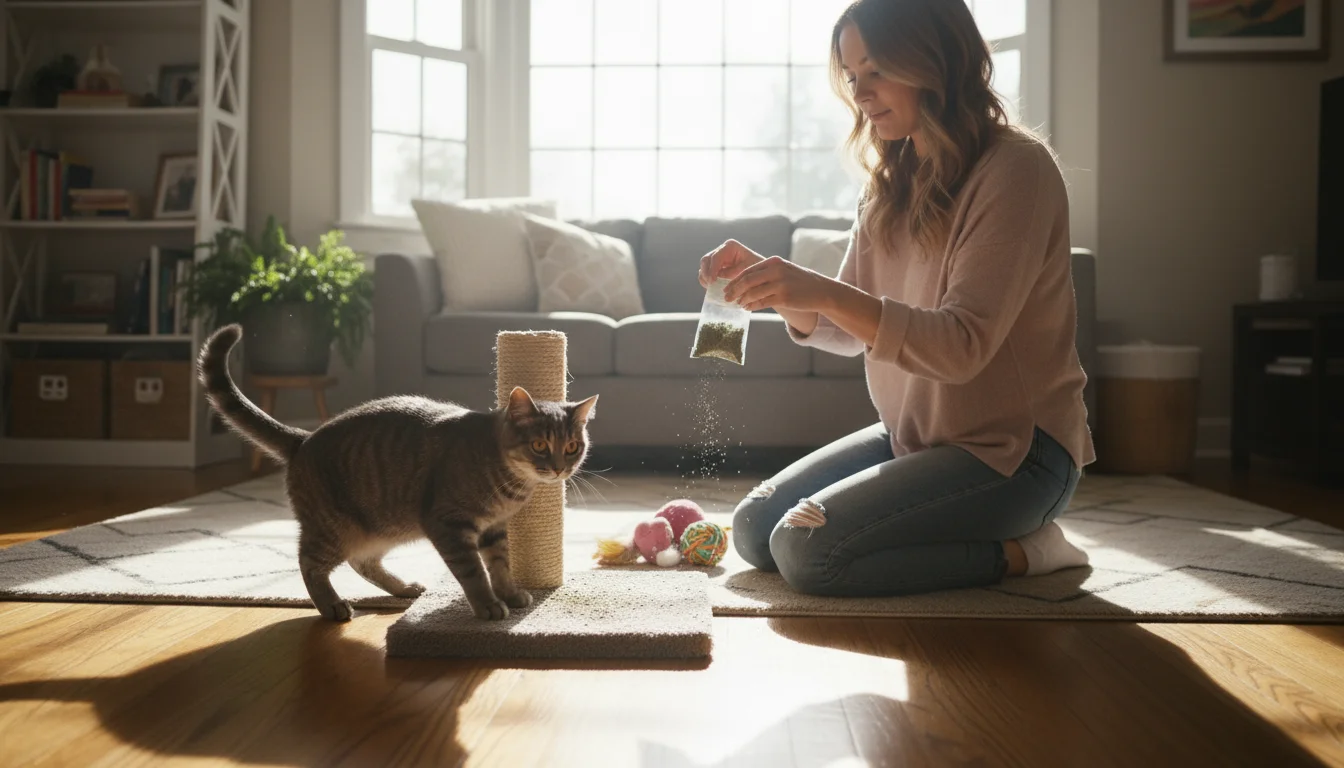
- Refresh Catnip: Apply fresh catnip or catnip spray every few weeks to maintain interest.
- New Scratchers: Introduce a new type of scratcher occasionally. A novel texture or design might spark renewed enthusiasm.
- Continue Positive Reinforcement: Even after your cat is a pro, offer praise or a small treat when you see them using the post. This reinforces the positive association and maintains the behavior. You do not need to reward every single time, but occasional reinforcement keeps the habit strong.
- Observe Your Cat: Pay attention to your cat’s preferences and any changes in their scratching behavior. If they suddenly start scratching furniture again, it could signal a need for a new post, more posts, or increased enrichment. It might also indicate stress or a medical issue.
- Integrate into Daily Routine: Make the scratching post a natural part of your cat’s daily life. Play near it, place treats on it, and ensure it remains a central, appealing feature of their environment. This continuous positive association solidifies the scratching post as an essential pet care item.
By actively managing and maintaining the appeal of their designated scratching areas, you empower your cat to continue expressing their natural instincts appropriately and healthily.

When to Seek Professional Help for Cat Behavior
Most scratching issues resolve with consistent training, appropriate scratcher choices, and strategic placement. However, some cases might indicate deeper behavioral or medical concerns requiring expert intervention. Knowing when to seek professional help is a crucial part of responsible pet care.
Consider consulting a professional if:
- Sudden Changes in Behavior: Your cat suddenly starts scratching furniture excessively, aggressively, or in new locations, especially if accompanied by other changes like appetite loss, lethargy, or litter box issues. A veterinarian rules out underlying medical problems.
- Aggressive Scratching: Your cat exhibits aggressive scratching toward people or other pets, moving beyond simple redirected scratching.
- High Stress or Anxiety: The scratching seems linked to extreme stress, fear, or anxiety, possibly triggered by environmental changes, new pets, or household disruptions.
- Inability to Redirect: Despite consistent effort with appropriate posts, positive reinforcement, and deterrents, your cat continues to damage property extensively.
- Damage to Themselves: Your cat scratches to the point of injuring themselves, such as raw or bald patches.
Who to Consult:
- Your Veterinarian: Always start with a visit to your primary veterinarian. They perform a thorough physical examination to rule out any medical conditions (like arthritis, skin allergies, or pain) contributing to the scratching behavior. Medical issues often manifest as behavioral changes.
- Certified Feline Behavior Consultant: If medical causes are ruled out, your veterinarian might recommend a certified feline behavior consultant. These professionals specialize in understanding cat behavior and developing tailored modification plans. Look for certifications from organizations such as the International Association of Animal Behavior Consultants (IAABC) or the Certification Council for Professional Dog Trainers (CCPDT) for their feline-specific programs.
- Veterinary Behaviorist (DACVB): For complex or severe cases, especially those involving aggression, high anxiety, or behaviors resistant to other interventions, a Board-Certified Veterinary Behaviorist (Diplomate of the American College of Veterinary Behaviorists, DACVB) is the highest level of expertise. These are veterinarians with advanced training in animal behavior and often integrate medication with behavior modification strategies.
Early intervention often leads to better outcomes. Do not hesitate to reach out to a professional if you feel overwhelmed or your efforts are not yielding results. They provide tailored advice, ensuring the well-being of your cat and the harmony of your home.
Frequently Asked Questions
Why does my cat ignore the scratching post and keep scratching the sofa?
Your cat likely ignores the post because it’s not appealing enough or not in the right location. Cats have strong preferences for material, texture, stability, and height. Ensure the post is tall and sturdy, in a preferred material (sisal, cardboard), and placed directly next to the furniture your cat currently scratches. Make the post more attractive with catnip and positive reinforcement. Simultaneously, make the sofa less appealing with double-sided tape or foil.
How many scratching posts do I need for my cat?
The general recommendation is to have at least one scratching post per cat, plus one extra. Place these throughout your home, especially in areas where your cat frequently spends time, wakes up, or has previously scratched furniture. Offering a variety of materials and orientations (vertical and horizontal) increases the chances your cat finds a preferred option.
Can I trim my cat’s claws instead of training them to use a scratching post?
While regular claw trimming is an essential part of pet care that reduces potential damage, it does not eliminate your cat’s natural need to scratch. Trimming only shortens the claw, it doesn’t remove the dead outer sheath or provide the stretching and marking benefits. You should do both: trim claws regularly and provide appropriate scratching surfaces to fulfill their natural instincts.
What if my cat doesn’t like catnip?
Around 30-50% of cats do not respond to catnip, as the response is genetic. If your cat is not interested in catnip, try other attractants. Valerian root or silvervine are alternative plant-based stimulants that many cats find appealing. You can also use Feliway spray, a synthetic feline facial pheromone, on the post. Most importantly, use enticing toys and high-value treats to lure your cat to the post and reward interaction.
How long does it take to train a cat to use a scratching post?
The timeline varies greatly depending on your cat’s age, personality, previous habits, and your consistency. Some cats learn in a few days, while others may take several weeks or even months. Patience and consistent positive reinforcement are crucial. Do not get discouraged. Keep offering attractive options and rewarding any interaction, and your cat will eventually get the message.
For expert pet care guidance, visit
ASPCA,
The Humane Society of the United States,
Cornell University College of Veterinary Medicine,
UC Davis School of Veterinary Medicine and
American Animal Hospital Association (AAHA).
Disclaimer: This article is for informational purposes only and is not a substitute for professional veterinary advice, diagnosis, or treatment. Always consult with a licensed veterinarian for medical concerns about your pet.
It is also helpful to distinguish between normal territorial scratching and more serious signs of cat aggression if your pet seems stressed or defensive.








Leave a Reply