
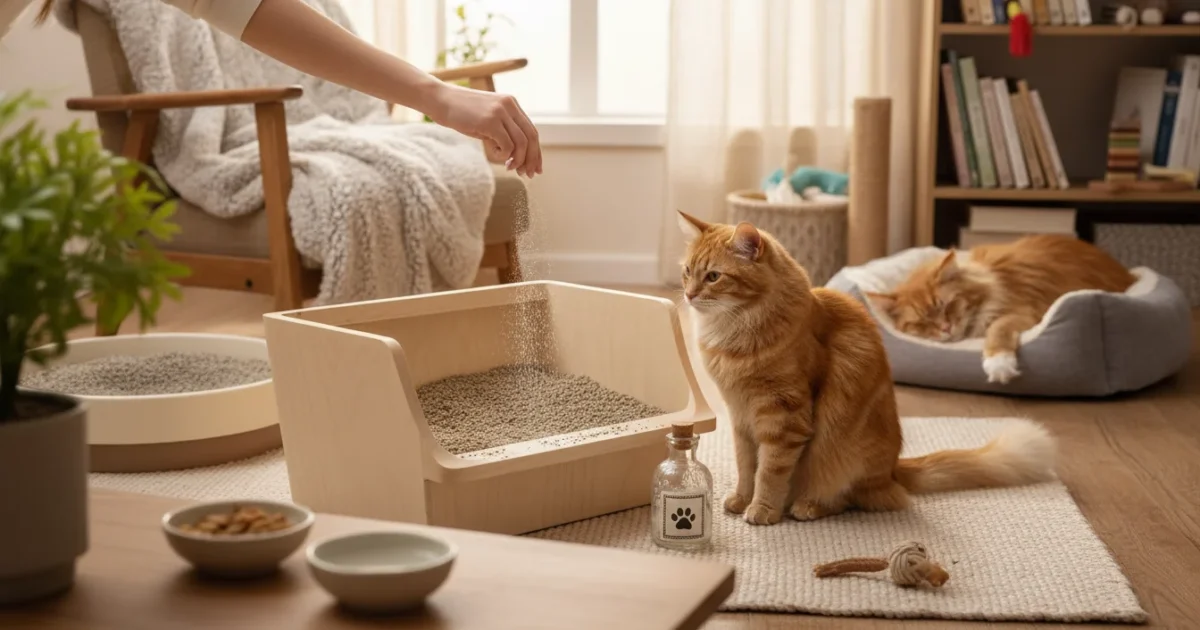
Discovering that your beloved cat has stopped using their litter box can feel incredibly frustrating and even disheartening. You love your pet, and seeing them eliminate outside their designated area creates stress for everyone in the home. However, it is crucial to understand that your cat does not act out of spite or malice. Instead, litter box problems, often referred to as inappropriate elimination, signal an underlying issue that your cat needs you to address. This common pet behavior challenge requires a thoughtful, investigative approach. You can restore harmony in your home and improve your cat’s well-being by systematically identifying the root cause and implementing science-backed solutions. This comprehensive guide provides actionable insights and practical steps to resolve litter box problems for pets, ensuring a happier, healthier living situation for you and your feline companion.
Persistent issues that do not respond to simple changes may indicate complex cat behavior problems that require professional intervention.
Understanding Why Litter Box Problems Occur
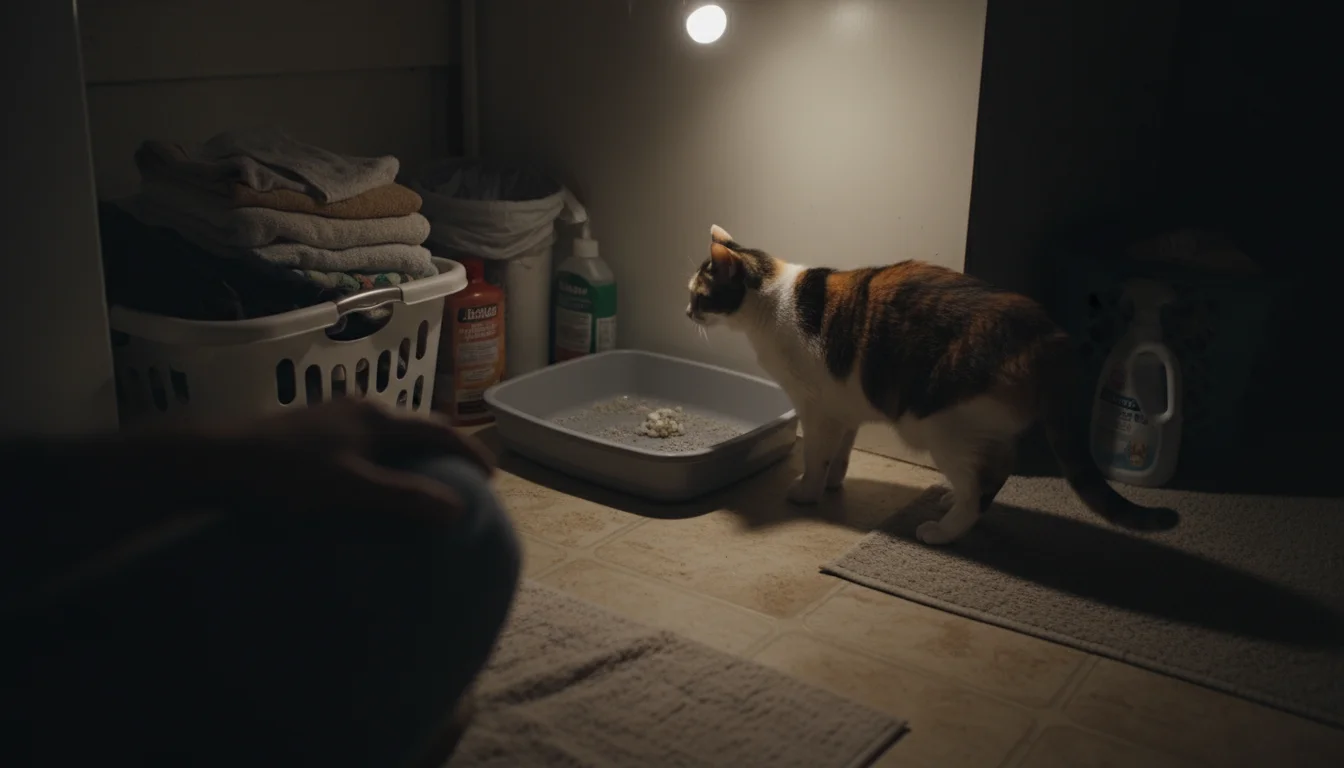
Litter box problems represent one of the most common reasons pet owners seek veterinary or behavioral advice for their cats. You might categorize these issues into two main types: house-soiling (urination or defecation outside the box) and urine marking (spraying). While both involve elimination outside the litter box, their motivations and solutions differ significantly. Understanding this distinction forms the first step in effective pet training and behavior modification.
House-soiling typically relates to medical conditions, dissatisfaction with the litter box setup, or stress. The cat eliminates on horizontal surfaces, similar to how it would use a litter box, but simply chooses an inappropriate location. Urine marking, on the other hand, often serves as a communication tool. Your cat, usually standing upright with its tail quivering, sprays small amounts of urine onto vertical surfaces. This behavior often indicates territoriality, anxiety, or a response to changes in their environment. Both behaviors create challenging situations for pet parents, but they respond well to targeted interventions once you accurately identify the cause.
Medical Causes Behind Litter Box Issues
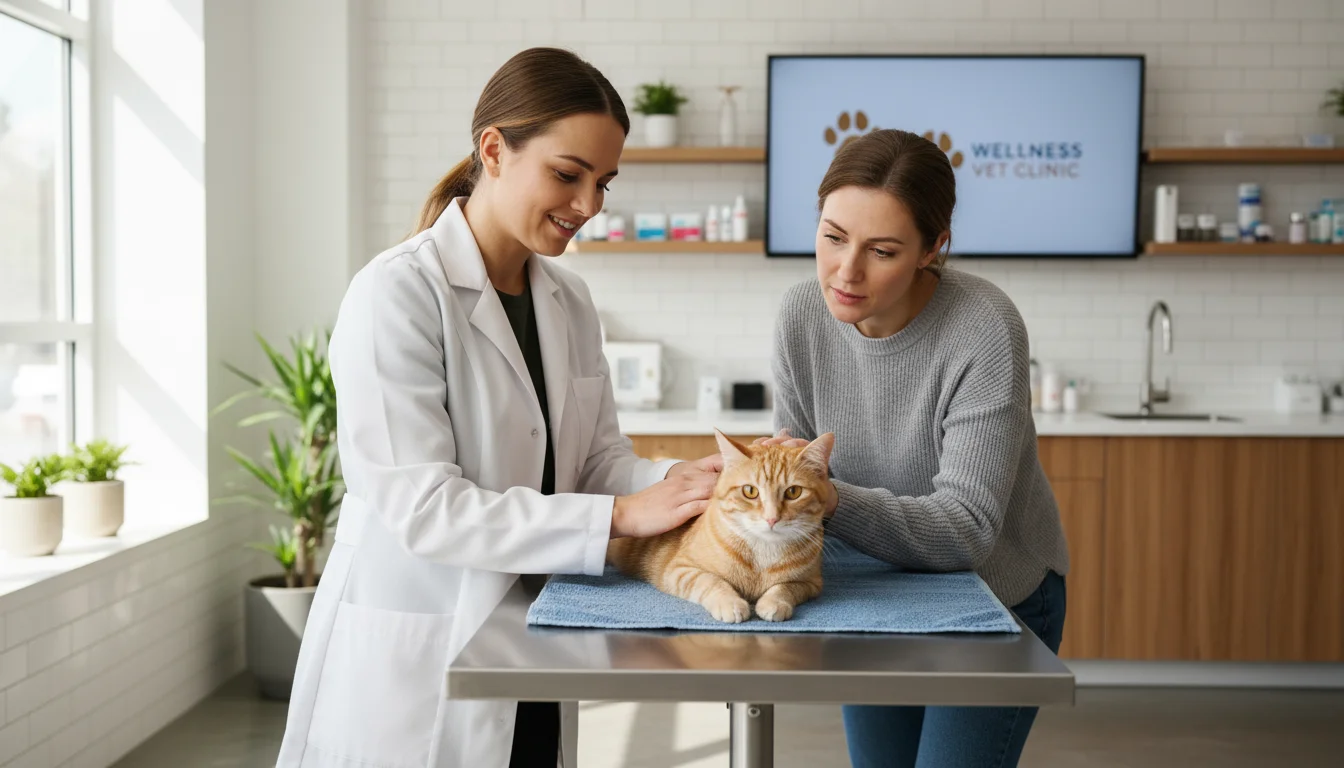
Before you consider any behavioral solutions for litter box problems for pets, you must rule out potential medical conditions. A significant percentage of cats exhibiting inappropriate elimination suffer from an underlying health issue. Ignoring this critical step delays proper treatment and can exacerbate your cat’s discomfort. Therefore, your first action must always involve a visit to your veterinarian for a thorough examination.
Several medical conditions commonly lead to litter box avoidance:
- Urinary Tract Infections (UTIs): These infections cause pain and discomfort during urination, leading your cat to associate the litter box with this pain. They may try to find new, “safer” spots to relieve themselves.
- Bladder Stones or Crystals: Similar to UTIs, these conditions cause significant pain and inflammation in the urinary tract. Your cat may strain to urinate, pass blood, or cry out while attempting to use the litter box.
- Feline Idiopathic Cystitis (FIC): This stress-related inflammatory condition of the bladder presents symptoms similar to a UTI, but without a bacterial infection. It often flares up during periods of environmental or social stress, making the litter box an unpleasant place.
- Kidney Disease: Cats with kidney disease often drink and urinate more frequently, which means they might not make it to the litter box in time, especially if it is inconveniently located or not cleaned often enough.
- Arthritis or Mobility Issues: Senior cats or those with orthopedic conditions find it painful to step into high-sided litter boxes, squat, or even navigate to a distant litter box. This discomfort can deter them from using the box.
- Diabetes or Hyperthyroidism: These systemic diseases increase thirst and urination, placing a greater demand on your cat’s ability to reach and use the litter box frequently.
- Gastrointestinal Issues: Diarrhea, constipation, or inflammatory bowel disease can lead to urgency or discomfort during defecation, causing your cat to eliminate outside the box.
According to the American Veterinary Medical Association (AVMA), addressing medical causes promptly can resolve many cases of inappropriate elimination. Your veterinarian performs a physical exam, urinalysis, blood work, and possibly imaging (X-rays or ultrasound) to diagnose these conditions. Never postpone a veterinary check-up if your cat suddenly stops using their litter box.
Environmental Factors Affecting Litter Box Use
Once you rule out medical causes, environmental factors typically become the next most likely culprit. Cats possess specific preferences for their elimination stations. Even minor deviations from their ideal can lead them to seek alternatives. Addressing these factors often provides quick and effective solutions.
Proper layout and resource management are essential aspects of creating a pet-friendly home that promotes a stress-free environment.
Litter Box Basics: The Five Pillars of Success
- Number of Litter Boxes: A common guideline suggests providing one litter box per cat, plus one additional box. So, for two cats, you should offer three litter boxes. This helps prevent competition and ensures a clean option is always available.
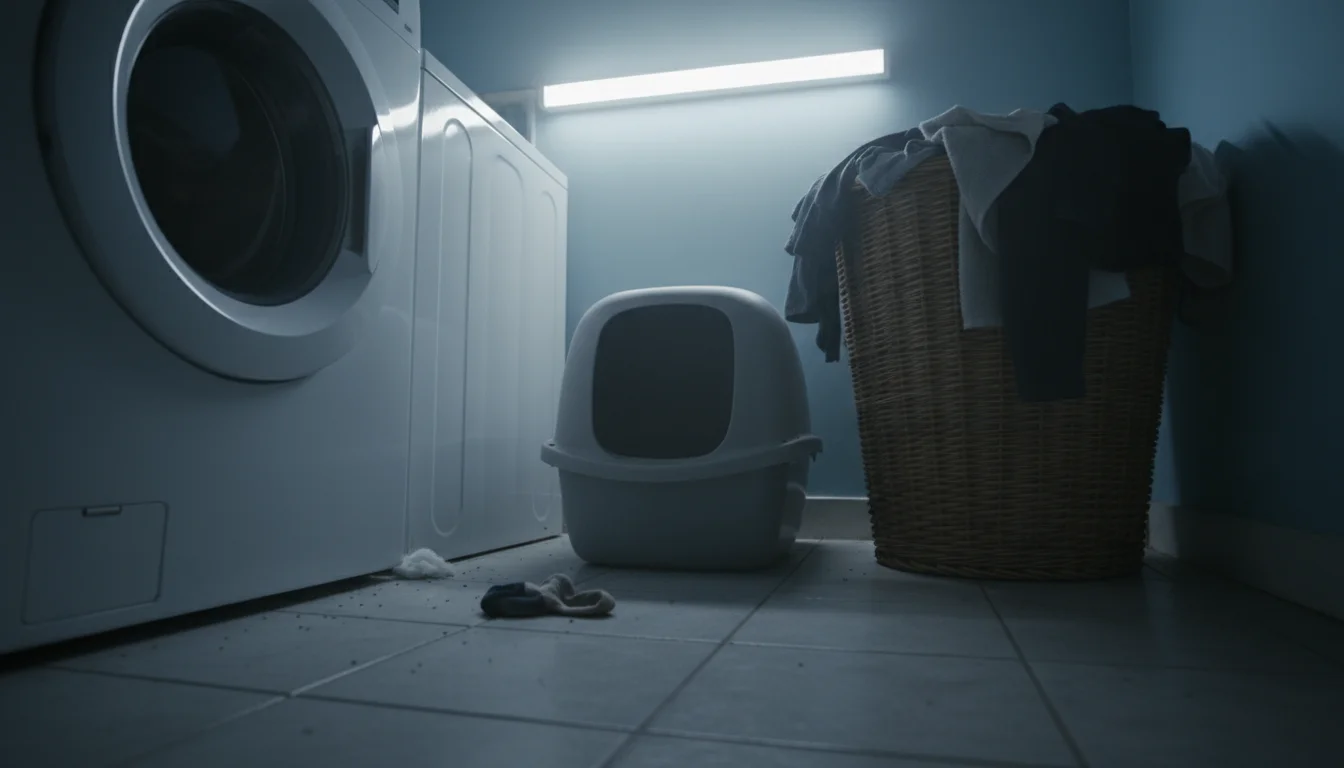
- Location, Location, Location: Place litter boxes in quiet, private, and easily accessible areas. Avoid high-traffic zones, noisy appliances (like washing machines), or areas near their food and water bowls. Ensure your cat can enter and exit without feeling trapped. Place boxes on different floors of your home if you have multiple levels.
- Type of Litter: Most cats prefer unscented, soft, clumping clay litter. Many cats dislike perfumed litters, which contain chemicals that bother their sensitive noses. Experiment with different textures if your cat seems particular. Fine-grained litter often mimics sand, which cats instinctively prefer.
- Cleanliness: Cats are fastidious creatures. Scoop litter boxes at least once, preferably twice, daily. Completely empty and wash the litter box with mild, unscented soap and water weekly. Residual odors can deter your cat. Think about your own bathroom habits; you would not want to use a dirty toilet either.
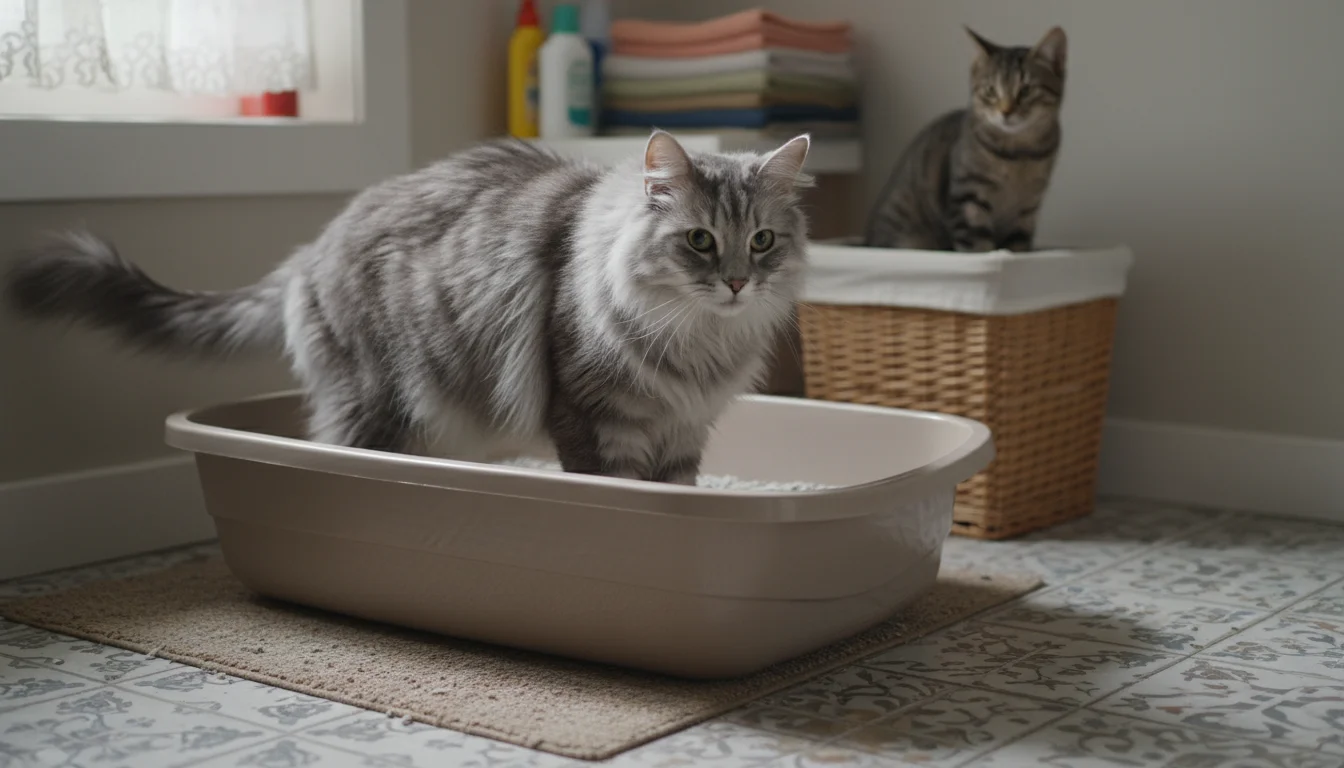
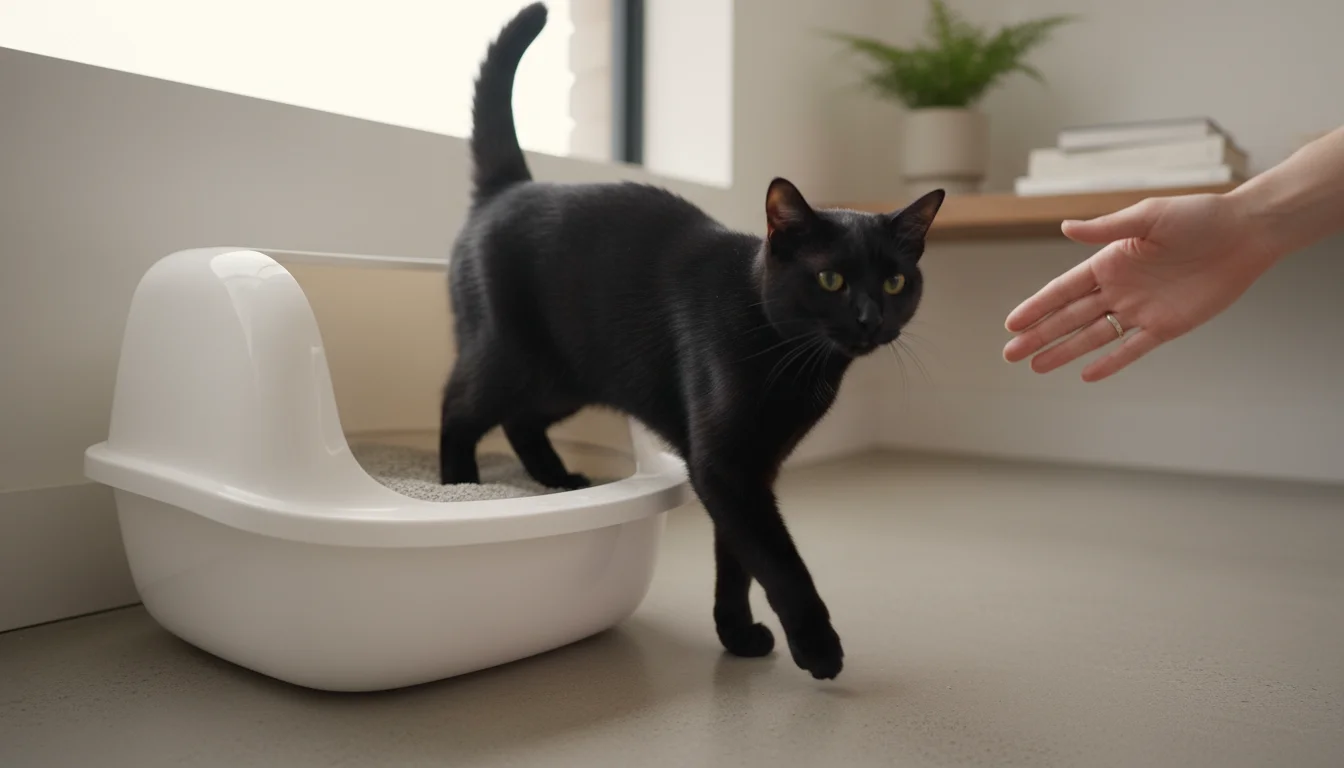
- Size and Type of Box: Opt for large, open litter boxes. Many commercially available boxes are too small, especially for larger cat breeds. Your cat needs enough space to turn around comfortably, dig, and squat. Covered boxes can trap odors, limit air circulation, and make cats feel claustrophobic or vulnerable, leading them to avoid the box. High sides might also pose an accessibility challenge for senior cats or those with mobility issues.
Failure to meet these basic litter box preferences often results in the cat seeking more desirable spots, like soft carpets, laundry piles, or potted plants. Modifying these environmental factors requires consistency and patience, but it significantly improves your pet’s willingness to use the litter box.
Behavioral Reasons for Litter Box Avoidance
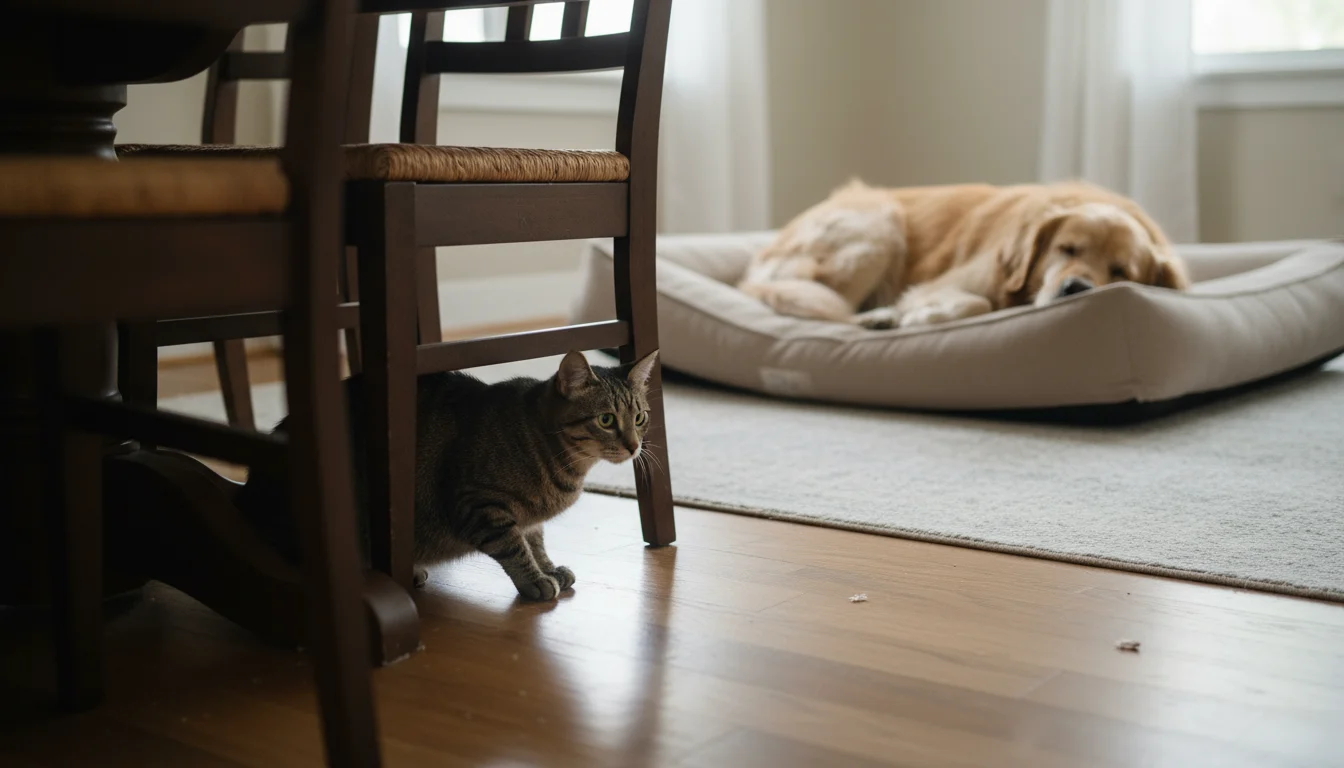
After ruling out medical and environmental factors, behavioral issues come into focus. Stress, anxiety, and inter-pet conflicts heavily influence a cat’s litter box habits. Cats are creatures of routine, and changes in their environment or social dynamics can trigger anxiety, manifesting as inappropriate elimination. Addressing these emotional triggers requires empathy and strategic intervention.
Common Behavioral Triggers:
- Stress and Anxiety: New pets, new people, moving to a new home, changes in your routine, or even furniture rearrangement can stress a sensitive cat. This stress often leads to house-soiling or urine marking as a coping mechanism. Cats might spray to mark their territory and feel more secure in an uncertain environment.
- Inter-Cat Aggression or Conflict: In multi-cat households, one cat might ambush another near the litter box, creating a negative association with that area. A timid cat might avoid the litter box if a more dominant cat guards it or makes them feel unsafe. This often results in the submissive cat seeking hidden, less exposed areas for elimination.
- Negative Association with the Litter Box: If your cat experienced pain while using the litter box due to a medical condition, or if they encountered a frightening event near the box, they might develop an aversion to it. They remember the unpleasant experience and avoid the perceived threat.
- Urine Marking for Communication: While often associated with intact (unspayed/unneutered) cats, even spayed or neutered cats can engage in urine marking. This behavior serves as a way to communicate territorial boundaries, particularly if they perceive threats from outdoor cats or new pets in the home.
- Lack of Early Socialization: Kittens who did not experience proper pet training and socialization, especially regarding litter box use, might struggle with appropriate elimination later in life. However, most cats naturally gravitate to using a litter box.
The ASPCA emphasizes that enriching your cat’s environment and addressing sources of stress can significantly reduce behavioral litter box problems. This includes providing vertical spaces, hiding spots, regular play, and consistent routines.
Implementing Effective Litter Box Solutions
Resolving litter box problems for pets requires a multi-faceted and consistent approach. Once you have identified the likely causes, implement these solutions systematically. Remember, patience is key, and positive reinforcement training methods are always the most effective.
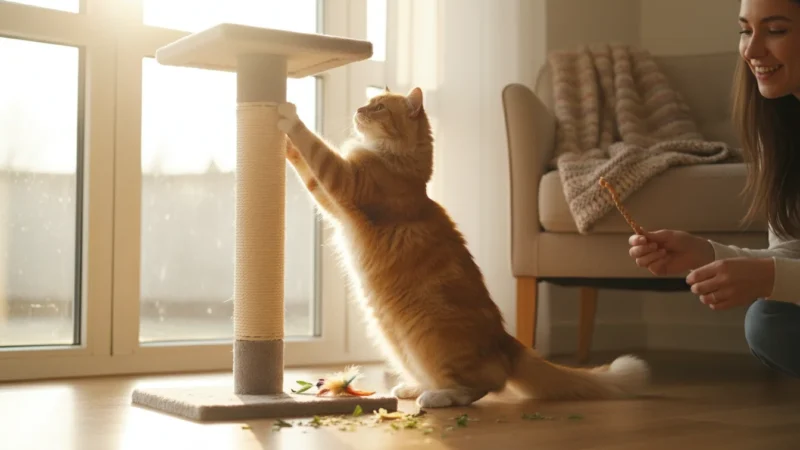
Similarly, if you need to train your cat to use a scratching post, consistency and providing the right alternatives are the keys to success.
Using precise techniques like clicker training can help you mark and reward successful litter box use the moment it happens.
Step-by-Step Action Plan:
- Veterinary Check-Up (Non-Negotiable First Step): As discussed, always start with a visit to your veterinarian to rule out medical issues. This ensures your cat receives appropriate treatment for any underlying health conditions.
- Litter Box Audit and Optimization:
- Increase Number of Boxes: Add more litter boxes, following the “number of cats + 1” rule.
- Optimize Location: Relocate boxes to quiet, safe, and easily accessible areas. Ensure at least one box exists on each floor of your home. Avoid placing them near food, water, or noisy appliances.
- Upgrade Box Size and Type: Use large, uncovered litter boxes. For senior pets, choose boxes with low entry points.
- Cleanliness is Paramount: Scoop waste at least twice daily. Clean the entire box weekly with unscented soap and warm water.
- Experiment with Litter: If your cat displays aversion, try an unscented, fine-grained clumping clay litter. You can offer a “litter buffet” by placing different litter types in separate boxes to let your cat choose.
- Thorough Cleaning of Accidents: Clean all soiled areas thoroughly using an enzymatic cleaner specifically designed to neutralize pet odors. This removes the smell that attracts your cat back to the same inappropriate spot. Avoid ammonia-based cleaners, as they smell similar to urine and can actually encourage re-soiling.
- Positive Re-association with the Litter Box:
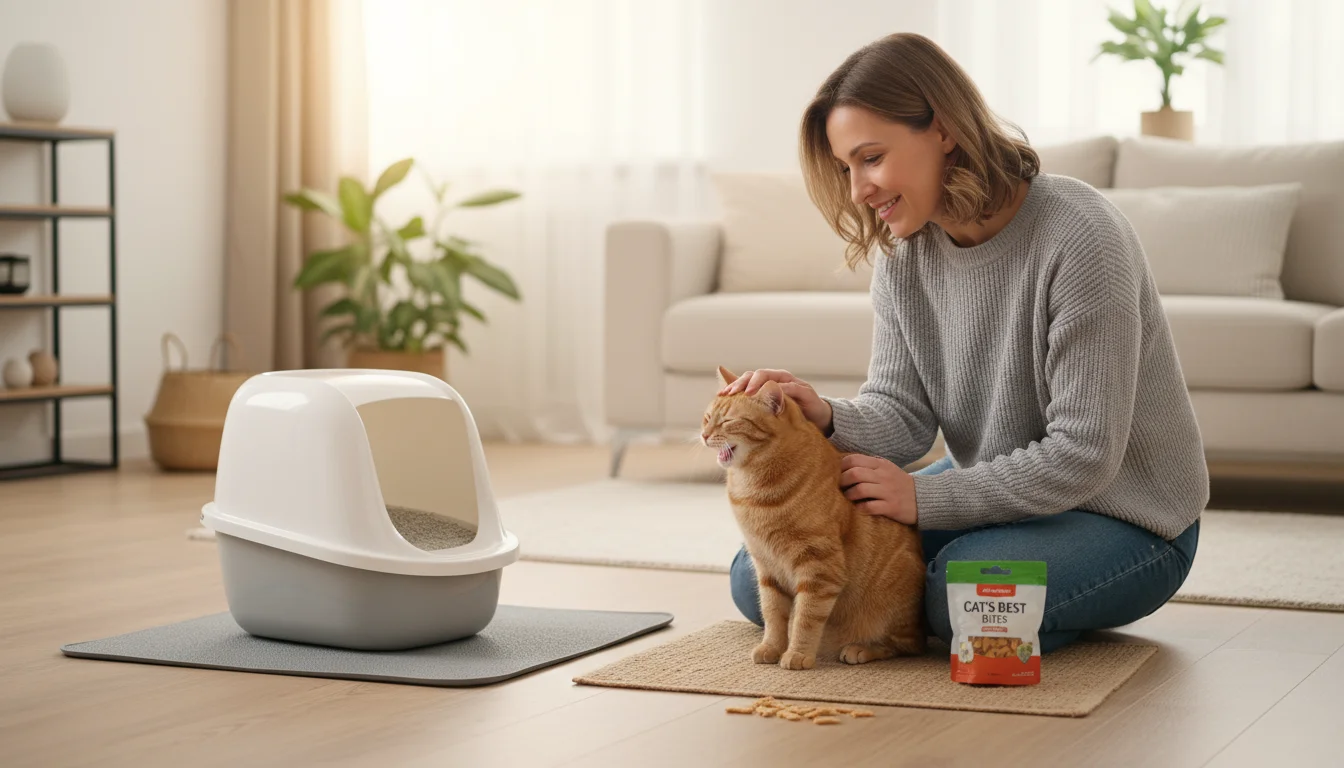
- Gentle Encouragement: When your cat successfully uses the litter box, offer immediate positive reinforcement. A small, high-value treat, gentle praise, or a quick pet can build a positive association.
- Avoid Punishment: Never punish your cat for accidents. Punishment causes fear and stress, which often worsens the problem and damages your bond. Your cat does not understand punishment in the way you intend; they only learn to fear you or the act of elimination itself.
- Make Inappropriate Spots Undesirable: Temporarily block access to previously soiled areas or make them less appealing. Cover them with furniture, aluminum foil, plastic sheeting, or place food bowls or cat beds there, as cats generally do not eliminate where they eat or sleep.
- Stress Reduction and Environmental Enrichment:
- Provide Predictability: Maintain a consistent daily routine for feeding, playtime, and attention.
- Environmental Enrichment: Offer plenty of vertical space (cat trees, shelves), hiding spots, scratching posts, and interactive toys. Regular play sessions help reduce stress and boredom.
- Pheromone Diffusers: Consider using synthetic feline pheromone diffusers, which release calming scents that can help reduce anxiety in your cat.
- Manage Inter-Pet Conflicts: Ensure all pets have sufficient resources (food bowls, water bowls, resting spots, litter boxes) and opportunities for individual attention to minimize tension.
These best pet training tips focus on understanding your cat’s needs and proactively creating an environment where they feel secure and comfortable using their litter box. Consistency is paramount for success.
Addressing Specific Scenarios: Multi-Pet Homes and Senior Pets
Certain situations present unique challenges for litter box management. Tailoring your approach to these specific circumstances significantly improves your chances of success.
Multi-Pet Homes
Living with multiple cats introduces social dynamics that can impact litter box use. Competition for resources, territorial disputes, and bullying often lead to inappropriate elimination. The “number of cats + 1” rule for litter boxes becomes especially critical here. Additionally:
- Separate Resources: Ensure each cat has their own food bowl, water bowl, resting space, and scratching post, in addition to multiple litter boxes. This reduces competition and perceived threats.
- Strategic Placement: Place litter boxes in various locations throughout the home, including on different floors and in rooms away from each other. This prevents a dominant cat from guarding all the boxes and ensures that a more timid cat can always find an accessible, safe option.
- Monitor Interactions: Observe how your cats interact around the litter boxes. If one cat ambushes another, you may need to intervene by providing more escape routes or separating resources further.
- Consider Separate Living Spaces (Temporarily): In severe cases of conflict, creating separate, well-resourced living spaces for individual cats can alleviate stress and allow for controlled reintroduction later, possibly with the help of a professional behaviorist.
Senior Pets with Litter Box Problems
As cats age, they often develop health issues that impact their ability to use a standard litter box. Arthritis, cognitive decline, and increased urgency due to conditions like kidney disease or diabetes become significant factors. Adapt your approach to meet their changing needs:
- Accessible Boxes: Switch to litter boxes with very low sides or even cut an entry ramp into an existing box to make entry and exit pain-free. Consider flat, wide trays for easy access.
- Soft Substrate: Ensure the litter is soft and comfortable underfoot, especially if they have sensitive paws or arthritis. Unscented, fine-grained clumping litter is generally preferred.
- Increased Number and Proximity: Place more litter boxes in easily accessible locations throughout the home, especially close to their favorite resting spots. If they spend most of their time upstairs, place a box upstairs.
- Nightlights: For cats with failing eyesight or cognitive dysfunction, a small nightlight near the litter box can help them navigate to it more easily during the night.
- Regular Veterinary Check-ups: Senior pets benefit from more frequent veterinary visits to monitor and manage age-related health issues that might contribute to litter box problems.
Adapting your pet care routine for multi-pet homes and senior cats demonstrates your commitment to their comfort and well-being, making a significant difference in resolving litter box issues.
When to Seek Professional Help
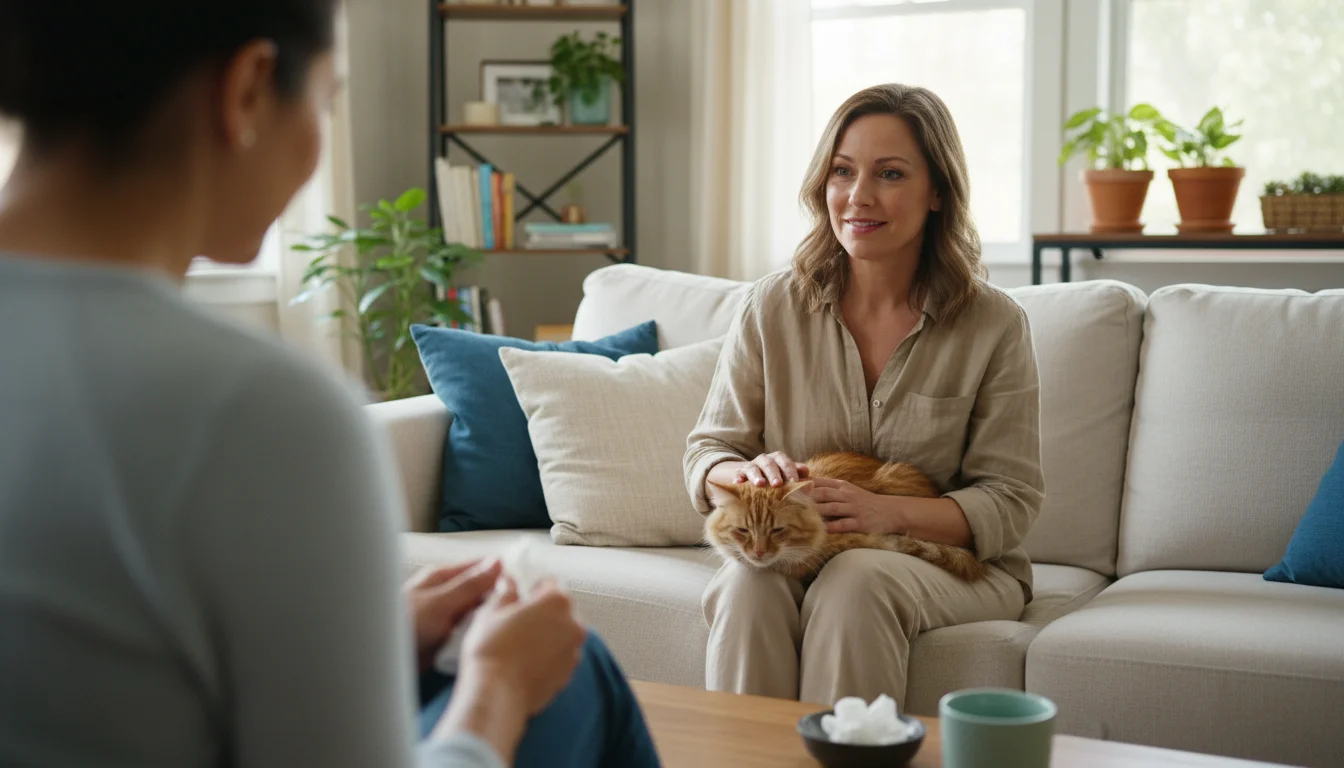
While many litter box problems resolve with diligent application of the tips above, some situations warrant professional intervention. Knowing when to call in experts saves you time, reduces frustration, and ensures your pet receives the most appropriate care. Remember, you do not have to tackle complex behavioral issues alone.
When to Consult Your Veterinarian Again:
- Recurrent Issues: If medical treatments initially resolved the problem, but it returns, your cat may require further diagnostic testing or a different treatment protocol.
- New Symptoms: Any new signs of pain, changes in appetite or water intake, or altered behavior should prompt another veterinary visit.
- Unresolved Medical Mystery: If your cat’s inappropriate elimination persists despite ruling out common medical causes, your vet might refer you to a veterinary specialist, such as an internal medicine specialist, for more in-depth investigations.
When to Consult a Certified Professional:
If your veterinarian confirms no medical causes, or if a behavioral component remains after medical treatment, a pet training professional specializing in feline behavior can provide invaluable assistance. These experts use positive reinforcement fundamentals and applied animal psychology to diagnose and treat complex behavioral issues:
- Certified Applied Animal Behaviorist (CAAB) or Veterinary Behaviorist (DACVB): These are top-tier professionals. A Veterinary Behaviorist (DACVB) holds a veterinary degree plus specialized training and board certification in animal behavior. They can prescribe medication in conjunction with behavior modification. A CAAB holds an advanced degree (Master’s or Ph.D.) in animal behavior. Both possess the expertise to handle severe aggression, extreme anxiety, and complex multi-cat household dynamics. The American College of Veterinary Behaviorists (ACVB) offers a directory to find certified professionals.
- Certified Cat Behavior Consultant (CCBC) or Certified Professional Dog Trainer (CPDT-KA) specializing in cats: While CPDT-KA certifications are primarily for dog trainers, many trainers also specialize in feline behavior. A CCBC specifically focuses on cat behavior. These individuals help with behavior modification plans, environmental enrichment strategies, and positive reinforcement training techniques. They offer practical, actionable steps to address issues like litter box aversion, marking, and inter-cat conflicts.
A professional behavioral consultant performs a thorough assessment of your home environment, your cat’s history, and your daily routine. They develop a customized behavior modification plan that fits your specific situation, offering guidance and support through the process. They emphasize humane and ethical training practices, always prioritizing your pet’s welfare.
Preventing Future Litter Box Problems
The best strategy for litter box problems involves prevention. By proactively maintaining an optimal environment and attentive pet care, you significantly reduce the likelihood of recurrence. Integrate these habits into your daily routine to ensure lasting success:
- Maintain Pristine Litter Box Hygiene: Consistency is crucial. Scoop all litter boxes at least twice daily and perform weekly full litter changes and box cleaning. You cannot overemphasize cleanliness.
- Regular Veterinary Check-ups: Schedule annual or bi-annual wellness exams, especially for senior pets. Early detection of medical conditions prevents them from escalating into behavioral problems.
- Observe Your Pet Closely: Pay attention to subtle changes in your cat’s behavior, eating habits, drinking, or elimination patterns. Early intervention often prevents minor issues from becoming major ones.
- Provide Environmental Enrichment: Offer a stimulating and secure environment. This includes cat trees, scratching posts, puzzle feeders, interactive toys, and safe hiding spots. A mentally and physically stimulated cat is generally a happier, less stressed cat.
- Minimize Stressors: When introducing changes (new pets, furniture, visitors), do so gradually and thoughtfully. Use calming pheromone diffusers if your cat is prone to anxiety. Ensure your cat always feels safe and has personal space.
- Ensure Adequate Resources: In multi-pet homes, confirm each pet has access to their own food, water, resting areas, and the “number of cats + 1” rule for litter boxes, all in separate locations to prevent resource guarding or conflict.
- Positive Reinforcement Fundamentals: Continue to use positive reinforcement for desired behaviors. Reward your cat for using the litter box and for calm behavior. This strengthens your bond and encourages good habits.
Consistent, attentive pet care creates a stable and secure environment, empowering your cat to use their litter box reliably and comfortably. Prevention builds the foundation for a long, happy life together.
Frequently Asked Questions
My cat sprays urine on vertical surfaces. Is this the same as house-soiling?
No, urine spraying (marking) differs from house-soiling. Cats typically spray small amounts of urine onto vertical surfaces to mark territory, often in response to perceived threats, stress, or conflict. House-soiling involves larger volumes of urine or feces on horizontal surfaces, usually due to medical issues, litter box dissatisfaction, or general anxiety. Identifying the specific behavior helps you implement the correct pet training and behavioral solutions.
Should I punish my cat when I find an accident outside the litter box?
Never punish your cat for accidents. Punishment is ineffective and detrimental. Cats do not associate punishment with their previous actions; they only learn to fear you or the act of elimination itself. This often exacerbates the problem, leading to increased anxiety and potentially more inappropriate elimination in hidden spots. Instead, focus on finding the cause, optimizing the litter box, and using positive reinforcement when they use the box correctly.
How many litter boxes do I really need for multiple cats?
The standard guideline for best pet training practices recommends one litter box per cat, plus one additional box. So, if you have two cats, you need three litter boxes. This “N+1” rule helps ensure sufficient resources, reduces competition, and guarantees that a clean, accessible box is always available, especially in multi-cat households where territoriality or conflict might arise.
Can simply changing my cat’s litter solve the problem?
Sometimes, yes. Many cats have strong preferences for litter type. If your cat suddenly stops using the box, and you recently changed brands, scent, or texture, revert to the old litter. Most cats prefer unscented, fine-grained, clumping clay litter. Offering a “litter buffet” with different types in separate boxes can help identify your cat’s preference. However, always rule out medical causes first, even with a litter change.
My cat is old and has started having accidents. What is the first step?
Your first step must be a veterinary visit. Senior cats frequently develop age-related conditions such as arthritis, kidney disease, or cognitive dysfunction, all of which can lead to litter box problems. Once you rule out or manage any medical issues, adjust your litter box setup to improve accessibility, such as using low-sided boxes and placing more boxes in easily reachable locations.
For expert pet care guidance, visit
Certification Council for Professional Dog Trainers (CCPDT), International Association of Animal Behavior Consultants (IAABC), American College of Veterinary Behaviorists (ACVB) and Pet Poison Helpline.
Disclaimer: This article is for informational purposes only and is not a substitute for professional veterinary advice, diagnosis, or treatment. Always consult with a licensed veterinarian for medical concerns about your pet.






Leave a Reply