
As devoted cat owners, you want to provide the best possible life for your feline companions. Yet, many common misconceptions about cat care persist, often stemming from outdated beliefs or misunderstandings of feline behavior. These myths can inadvertently lead to less-than-optimal care, affecting your cat’s health, happiness, and your bond with them.
EverydayWithPets.com specializes in providing practical, science-backed guidance, and this article aims to clarify some of the most pervasive cat care myths. By understanding the truth, you can make informed decisions that support your cat’s unique needs, ensuring they thrive in your home. Let’s debunk these myths with actionable insights, helping you become an even more knowledgeable and effective cat guardian.

Myth 1: Cats Are Solitary Animals and Prefer to Be Alone
Many people believe cats are independent creatures who do not need much social interaction, often comparing them to dogs. While cats certainly possess a streak of independence, scientific research and extensive observation strongly refute the idea that they are inherently solitary. This myth likely originates from observing wild, undomesticated felines, many of whom are indeed solitary hunters. However, the domestic cat, Felis catus, has evolved to live alongside humans for thousands of years, developing complex social needs.
The Reality of Feline Social Needs and the Cat-Human Bond
Cats form deep attachments with their human caregivers. You can observe this through a variety of behaviors: purring, rubbing against your legs (bunting), following you from room to room, and seeking physical proximity. Research indicates cats recognize your voice and facial expressions, and they can even develop separation anxiety when left alone for extended periods. Your cat benefits significantly from daily interactive play, cuddle sessions, and consistent positive attention. They often greet you at the door, vocalize their desires, and choose to rest in your presence, all clear signs of a strong bond.
Multi-Cat Household Dynamics: Fostering Harmony
In multi-cat households, successful cohabitation hinges on careful management and understanding of individual personalities. While some cats prefer being the only pet, many others enjoy the companionship of another feline. The key lies in proper, gradual introductions and ensuring ample resources. The ASPCA emphasizes slow, positive introductions over several weeks or even months, allowing cats to gradually acclimate to each other’s presence through scent, sight, and finally, supervised interactions. This prevents stress and conflict, fostering a harmonious environment. Consider using feline pheromone diffusers in multi-cat homes to help reduce stress and promote a sense of calm.
Actionable Insights for Social Cats:
- Daily Interactive Play: Dedicate at least 15-30 minutes daily to interactive play with wand toys or laser pointers. Mimic hunting sequences: stalk, pounce, “kill” (allow them to catch the toy) to satisfy their prey drive.
- Consistent Affection: Provide regular petting, gentle brushing, and lap time, always respecting your cat’s body language and boundaries. Avoid forcing interactions.
- Individual Safe Spaces: Ensure each cat, especially in multi-cat homes, has their own “safe space” like a cat tree, cozy bed, or high perch where they can retreat undisturbed for rest and security. Vertical space is crucial.
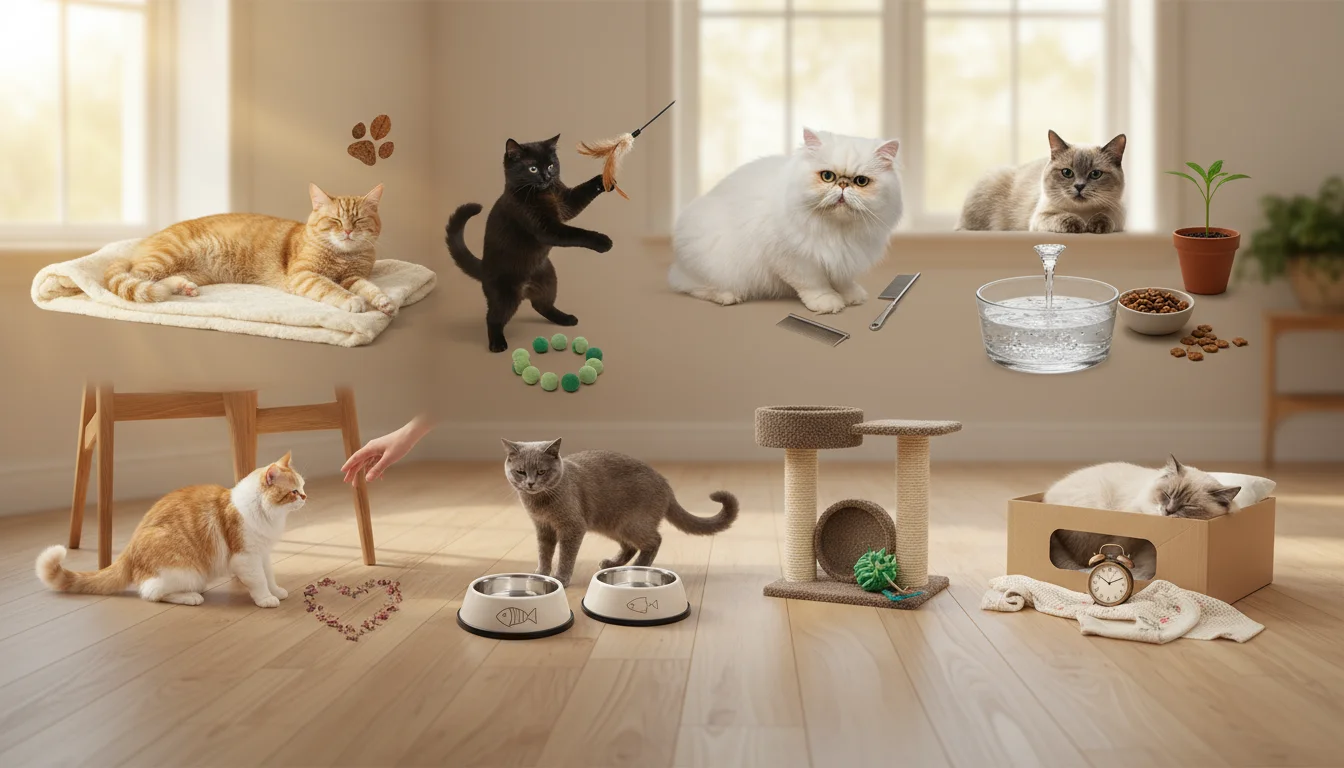
- Abundant Resource Distribution: In multi-cat homes, provide multiple food bowls, water stations, litter boxes, and scratching posts in different, non-confrontational locations. The general rule is “N+1” for litter boxes (N being the number of cats) and adequate separate feeding stations to prevent competition and stress.

Myth 2: Indoor Cats Do Not Need Regular Veterinary Check-ups or Vaccinations
A widespread misconception suggests that indoor cats are immune to diseases and parasites, therefore negating the need for routine veterinary care. This belief puts your cat’s health at significant risk. Even the most strictly indoor cats can encounter pathogens and health issues that require professional attention, impacting their long-term well-being.
Understanding Indoor Risks and Stealthy Threats
While an indoor lifestyle reduces exposure to certain outdoor risks, it does not eliminate them entirely. Pathogens can enter your home in subtle ways: on your shoes, clothing, or bags; through open windows via airborne particles; or carried by other pets that venture outdoors. Mosquitoes, which transmit heartworm, easily enter homes. Fleas and other parasites can hitchhike indoors on you or other family members. Beyond external threats, indoor cats are susceptible to chronic conditions such as dental disease (affecting 70-90% of cats by age three), obesity, arthritis, hyperthyroidism, and kidney disease, all of which benefit from early detection and consistent management.
The Critical Role of Preventative Care and Early Detection
Regular veterinary check-ups allow your veterinarian to perform thorough physical examinations, detect subtle changes in health, and recommend appropriate preventative measures. The American Veterinary Medical Association (AVMA) strongly advocates for annual wellness exams for adult cats and twice-yearly exams for senior cats. These visits provide a crucial baseline for your cat’s health and typically include:
- Comprehensive Physical Exam: Your vet assesses overall health, monitors weight, checks dental health, evaluates heart and lung function, and palpates for any abnormalities or pain.
- Tailored Vaccinations: Even indoor cats typically require core vaccinations like rabies (often legally mandated) and FVRCP (feline viral rhinotracheitis, calicivirus, and panleukopenia). Your vet determines additional vaccinations based on your cat’s specific risk factors.
- Parasite Control: Recommendations for year-round prevention against fleas, ticks, heartworm, and intestinal parasites, even if your cat does not go outside.
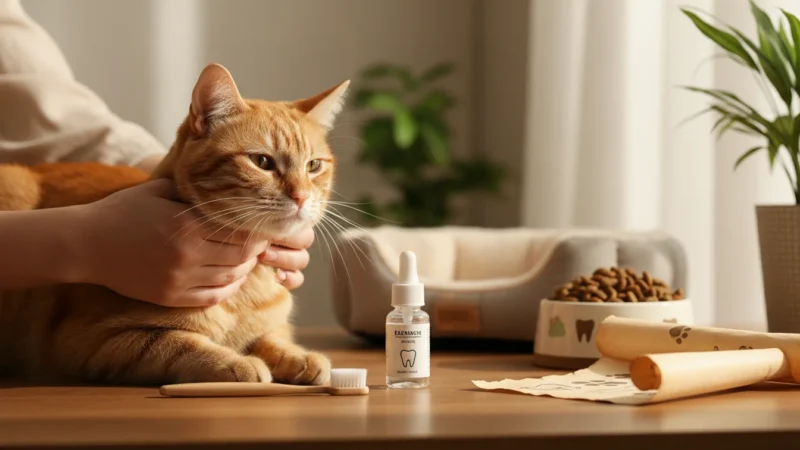
- Dental Care: Professional dental cleanings and at-home care advice to prevent painful periodontal disease, which affects overall health.
- Nutritional and Behavioral Guidance: Personalized dietary advice to maintain a healthy weight and address specific health concerns, alongside behavioral tips.
Specialized Senior Cat Care
As your cat transitions into their senior years, generally considered around 10-12 years of age, the need for regular vet visits becomes even more critical. Senior cats are prone to age-related conditions like kidney disease, hyperthyroidism, diabetes, and arthritis. Early detection through routine blood work, urine analysis, and regular physical exams significantly improves the prognosis and quality of life for your aging companion. Your veterinarian can recommend mobility aids, comfort measures like joint supplements or pain management, and specific health monitoring protocols to keep your senior cat comfortable, active, and healthy in their golden years. These proactive steps allow you to address issues before they become severe.

Myth 3: Cats Always Land on Their Feet, So Falls Aren’t Dangerous
The saying “cats always land on their feet” stems from their remarkable “righting reflex,” an innate ability to orient their body during a fall to land on their paws. While this reflex is highly effective, it is not foolproof. Falls, especially from significant heights or onto hard surfaces, can still cause severe injuries, a phenomenon veterinarians often refer to as “high-rise syndrome.”
Understanding the Righting Reflex and Its Critical Limits
Cats possess an incredibly flexible spine, a unique vestibular system (inner ear balance mechanism), and a keen sense of balance, allowing them to twist their bodies mid-air with incredible speed. Their relatively large body surface area compared to their weight helps reduce their terminal velocity, giving them a slightly slower, more controlled descent than a comparable object. However, this complex reflex requires sufficient time and distance to execute properly. Falls from very short distances might not give them enough time to right themselves, leading to awkward landings. Conversely, falls from extreme heights, such as multiple stories, can still result in severe trauma even if they manage to land on their feet because the sheer impact force on their limbs and internal organs remains substantial. The cushioning effect of their paws and flexible joints can only absorb so much energy.

Common and Often Severe Injuries from Falls
When a cat falls, particularly from a height, they face a high risk of significant injuries. Veterinary studies on “high-rise syndrome” cases frequently document:
- Fractures: Common fractures include limbs (especially forelimbs), jaw, and palate.
- Internal Injuries: These are often the most life-threatening. They include pneumothorax (collapsed lung from air leaking into the chest cavity), pulmonary contusions (bruised lungs), and diaphragm ruptures (where abdominal contents push into the chest cavity).
- Spinal Trauma: Injuries to the spine can lead to paralysis or severe pain.
- Head Injuries: Concussions and other head trauma can occur, especially if the cat strikes their head during the fall.
- Dental Trauma: Broken teeth are also a common outcome.
These incidents necessitate immediate emergency veterinary attention, even if your cat appears to recover quickly. Internal injuries may not be immediately obvious.
Practical Steps to Protect Your Cat from Falls:
- Secure Window Screens: Ensure all windows have sturdy, securely installed screens. Cats can easily push out flimsy or improperly fitted screens. Consider child-proof window locks that allow ventilation without full opening.
- Balcony and High-Rise Safety: If you have a balcony, never allow unsupervised access. Consider enclosing it with cat-safe netting or sturdy screening that extends from floor to ceiling, providing a safe “catio” experience without fall risk.
- Stable Vertical Play: Ensure all cat trees, wall-mounted shelves, and window perches are stable and securely anchored to a wall. This prevents them from tipping over during energetic play, which could lead to a fall.
- Constant Supervision: Supervise your cat closely when they are on high surfaces, near open windows, or on balconies, especially if they are playful, easily startled, or exploring new areas.

Myth 4: Cats Are Low-Maintenance Pets Requiring Little Interaction or Enrichment
This myth is perhaps one of the most damaging, as it often leads to cats experiencing boredom, stress, and a host of behavioral problems. The idea that cats are content to simply eat, sleep, and use a litter box overlooks their complex needs for mental stimulation, physical activity, and environmental enrichment, which are crucial for their psychological and physical well-being.
The Indispensable Need for Environmental Enrichment
Cats are natural hunters, climbers, and explorers. Confining them to an indoor environment without adequate stimulation can lead to a range of issues, including destructive behaviors, excessive vocalization, aggression (towards humans or other pets), over-grooming, anxiety, or withdrawal and lethargy. Providing a rich, stimulating environment caters to their natural instincts and actively prevents boredom and stress. Key elements of indoor environmental enrichment include:
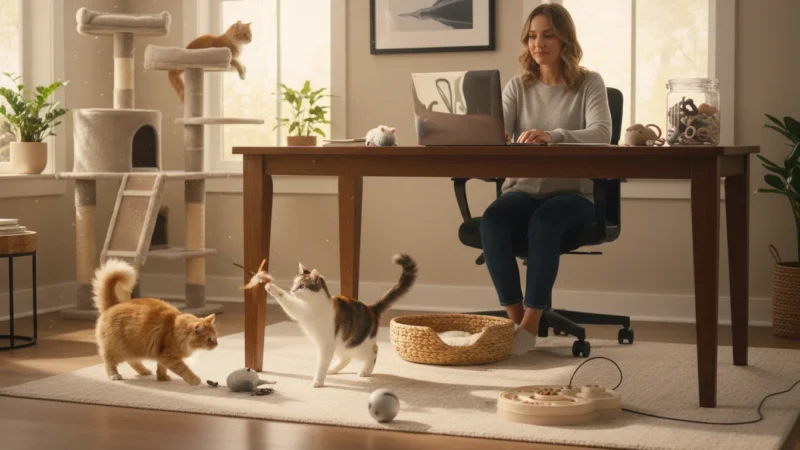
- Vertical Space: Cats feel safe, secure, and confident when they can observe their surroundings from an elevated position. Provide cat trees of varying heights, sturdy wall-mounted shelves, and comfortable window perches. These structures satisfy their instinct to climb, provide escape routes, and create crucial “territory” in a multi-cat household. The Cornell University College of Veterinary Medicine highlights the importance of vertical territory for feline well-being and reducing inter-cat conflict.
- Scratching Posts and Surfaces: Cats scratch for essential reasons: to mark territory (visually and with scent from paw glands), to stretch their muscles, and to shed the outer dead layers of their claws. Provide a variety of scratching surfaces (cardboard, sisal, carpet, wood) in both vertical and horizontal orientations. Place them in prominent areas where your cat typically stretches or “marks,” such as near their sleeping areas or entryways to rooms.
- Interactive Toys and Play: Engage your cat with toys that mimic prey. Wand toys, feather teasers, and light-reflecting toys are excellent for interactive play. Puzzle feeders and motorized toys can provide solo entertainment. Rotate toys regularly to keep them novel and exciting, ensuring your cat does not get bored with the same items. Aim for at least two 10-15 minute interactive play sessions daily.
- Window Perches and “Cat TV”: Allow your cat to safely observe the outside world. A comfortable window perch provides mental stimulation as they watch birds, squirrels, or passersby. Consider placing a bird feeder outside a window to create “cat TV” entertainment for hours.
- Foraging Opportunities: Instead of feeding all meals in a single bowl, use puzzle feeders or hide small portions of dry food or treats around the house. This stimulates their natural hunting and foraging instincts, making mealtime a more engaging and mentally challenging activity.
Feline Behavior Understanding and The Power of Positive Reinforcement
Understanding feline body language and vocalizations is crucial for effective interaction and building a strong bond. A slow blink, for example, often indicates trust and contentment. An arched back with piloerection (raised fur) and hissing signals fear or aggression. Learning to read these subtle cues helps you respond appropriately, preventing misunderstandings and reducing stress for your cat. Positive reinforcement, using treats, praise, or play, is the gold standard for encouraging desired behaviors and is far more effective and humane than punishment. Punishment creates fear, erodes trust, and can lead to increased stress, anxiety, and potentially more severe behavioral issues. Instead, reward good behavior, such as scratching on a post, to reinforce positive habits.

Myth 5: It’s Okay to Declaw a Cat to Stop Scratching
Declawing, or onychectomy, is a surgical procedure that involves amputating the last bone of each toe. This is not merely a nail trim; it is a serious and irreversible surgery comparable to removing the last knuckle of each of your fingers. Veterinary organizations worldwide largely oppose declawing for non-medical reasons due to its painful nature and potential for long-term physical and behavioral complications that significantly impact a cat’s quality of life.
The Realities and Risks of Declawing
The Humane Society of the United States and many other animal welfare organizations consider declawing an inhumane and unnecessary procedure when performed for convenience. The procedure severs tendons, nerves, and ligaments, and the recovery is often painful. Cats may experience chronic paw pain, nerve damage, or lameness long after the surgery. This pain can lead to changes in gait, making walking and jumping uncomfortable. Furthermore, declawed cats may develop aversions to their litter box due to paw pain, leading to inappropriate elimination outside the box. They can also become more prone to biting as their primary defense mechanism is removed, causing them to feel vulnerable. The procedure ultimately compromises your cat’s natural anatomy and behavior, often for the owner’s convenience rather than the cat’s welfare.
Humane and Effective Alternatives to Declawing
You can effectively manage your cat’s natural scratching behaviors without resorting to painful and ethically questionable surgery. Consider these humane and highly effective alternatives:
- Provide Abundant and Appropriate Scratching Surfaces: Offer a variety of scratching posts (vertical, horizontal, angled) made from different materials (sisal rope, corrugated cardboard, carpet, wood). Cats often have preferences for texture and orientation. Place these posts in areas where your cat naturally wants to scratch, such as near furniture, doorways, or their favorite resting spots.
- Regular Nail Trims: Keep your cat’s nails trimmed every 2-4 weeks. This simple routine significantly reduces the damage they can inflict on furniture and keeps their paws healthy. Introduce nail trims early in life and make it a positive, calm experience with treats and praise. If you are unsure how to trim your cat’s nails, ask your veterinarian or groomer for a demonstration.
- Soft Paws (Nail Caps): These are vinyl caps that you glue onto your cat’s claws. They effectively blunt the claws, preventing scratching damage, and typically last 4-6 weeks before needing replacement as the nail grows. Most cats tolerate them well, and they offer an immediate, non-invasive solution.
- Positive Reinforcement Training: Redirect your cat to appropriate scratching posts using treats, praise, and interactive play. Make the designated scratching areas highly appealing by rubbing catnip on them or playing near them. Reward generously when your cat uses the post.
- Protective Barriers: Temporarily cover furniture or areas your cat is scratching with deterrents like double-sided sticky tape, aluminum foil, or plastic protectors. These make the undesired surfaces less appealing, helping to redirect them to appropriate scratchers.

Myth 6: One Litter Box Per Cat Is Sufficient
This myth is a common cause of litter box aversion and inappropriate elimination, which is one of the top reasons cats are surrendered to shelters. While the “one litter box per cat plus one” rule may seem excessive to some, it is a critical guideline for ensuring feline comfort, hygiene, and preventing behavioral issues, especially in multi-cat households. Ignoring this rule often leads to significant stress for your cats and frustration for you.
Understanding Feline Litter Box Preferences and Needs
Cats are highly particular about their bathroom habits. They prefer clean, accessible litter boxes and may develop an aversion if boxes are dirty, too few, or poorly located. In a multi-cat household, individual cats may not want to share a box that another cat has used, or a dominant cat may “guard” a box, preventing others from using it. This can lead to stress, territorial disputes, and accidents outside the box. The universally recommended guideline for litter box numbers is: N + 1, where N is the number of cats. So, if you have two cats, you ideally need three litter boxes placed in different locations.
Optimal Litter Box Management: Beyond Just the Numbers
Beyond the sheer number of boxes, several factors significantly contribute to good litter box management and your cat’s willingness to use them:
- Strategic Placement: Place litter boxes in quiet, easily accessible, and private locations. Avoid high-traffic areas, noisy appliances (like washing machines or furnaces), or places where your cat might feel trapped or ambushed. In multi-cat homes or multi-level homes, ensure boxes are available on different floors or in different rooms to offer choices and prevent resource guarding. Do not place food and water bowls right next to a litter box.
- Appropriate Size: Choose large litter boxes. Many commercial boxes are simply too small for an adult cat to comfortably turn around, dig, and squat. Your cat should be able to move freely inside. Large storage totes with an entrance cut out can be repurposed as cost-effective, spacious alternatives.
- Preferred Type of Litter: Most cats prefer unscented, clumping clay litter, which is soft on their paws and allows for easy scooping. Experiment to find what your cat prefers. Avoid strongly scented litters, perfumes, or liners, as these can deter sensitive feline noses.
- Rigorous Cleaning Frequency: Scoop litter boxes at least once, and ideally twice, daily. This is paramount for hygiene and acceptance. Completely empty and scrub the box with mild, unscented soap and water weekly or bi-weekly. Dirty boxes are a primary reason for inappropriate elimination.
- Adequate Litter Depth: Maintain 3-4 inches of litter. Cats enjoy digging and burying their waste, and sufficient depth allows them to do this naturally.
Troubleshooting Litter Box Issues: When to Seek Professional Help
If your cat suddenly stops using the litter box, never assume it is out of spite or misbehavior. This change in behavior often signals an underlying medical issue or significant stress. Consult your veterinarian immediately to rule out urinary tract infections, kidney disease, painful arthritis, or other health problems. If medical causes are excluded, then methodically evaluate environmental factors like litter box count, placement, cleanliness, type of litter, and any recent changes in the home or household dynamics. A certified cat behaviorist can offer tailored solutions for complex behavioral issues.

Myth 7: All Cats Hate Water and Cannot Be Bathed
The image of a cat desperately trying to avoid a bath is iconic, yet it is a significant oversimplification. While many cats certainly dislike being submerged in water, this is not a universal truth. Some breeds actively enjoy water, and even those who do not can be acclimated to bathing when necessary. Furthermore, bathing is sometimes a crucial part of grooming, especially for certain coat types, health conditions, or after outdoor adventures.
Variations in Water Preferences Across Breeds and Individuals
The aversion to water is not inherent to all felines but rather influenced by genetics, early life experiences, and individual personality. Certain cat breeds, such as the Turkish Van (often nicknamed the “swimming cat” due to their love for water), Maine Coon, and Bengal, frequently show a natural affinity for water, playing in it or even swimming. Their unique coat textures are often more water-resistant than other breeds. If introduced positively and gently from a young age, many cats can learn to tolerate or even enjoy brief baths, especially if the experience is associated with positive reinforcement.
Grooming by Coat Type: When and Why Bathing Is Necessary
Most cats are fastidious self-groomers, meticulously cleaning themselves for hours each day. However, some require assistance, and bathing becomes essential. Your bathing frequency depends on your cat’s specific needs:
- Short-hair Breeds: Generally require minimal bathing. A bath every few months, or as needed for dirt, odor, or a sticky mess, suffices. Regular brushing (2-3 times a week) is more important for these breeds to remove loose fur and prevent hairballs.
- Long-hair Breeds: Breeds like Persians, Maine Coons, or Ragdolls benefit from more frequent bathing, perhaps every 4-6 weeks, to prevent mats, tangles, and keep their extensive coats clean. Daily brushing is essential to prevent painful knots and reduce shedding.
- Hairless Breeds: Breeds such as the Sphynx require regular bathing, often weekly, because they lack fur to absorb body oils. These oils can build up on their skin, requiring careful cleaning with a gentle shampoo to prevent skin issues and keep them comfortable.
- Medical or Environmental Necessity: Your veterinarian might recommend therapeutic baths for specific skin conditions, allergies, flea infestations, or if your cat has become excessively dirty or encountered a toxic substance. In these cases, bathing becomes a vital part of their treatment plan or safety protocol.
Practical Tips for a Stress-Free Bath: Gradual Acclimation
Making bath time a calm experience for your cat requires patience and preparation:
- Prepare Everything in Advance: Gather all your supplies before bringing your cat into the bathroom: cat-specific shampoo, several towels (one for the bottom of the tub, others for drying), a non-slip mat, cotton balls for ears, and plenty of treats.
- Introduce Gradually and Positively: Start by letting your cat explore the dry tub, offering treats and praise. Gradually introduce lukewarm water, perhaps just a shallow depth in the bottom of the tub. Use a gentle stream from a detachable shower head or a cup to wet them.
- Maintain Support and Security: Use a non-slip mat in the tub to help your cat feel secure. Gently support your cat throughout the bath, keeping one hand on them. Speak in a calm, soothing voice.
- Protect Sensitive Areas: Avoid getting water or shampoo directly into their eyes, ears, and nose. Use a damp washcloth to gently clean around their face and ears. Place cotton balls lightly in their ears to prevent water entry.
- Reinforce Positively: Offer treats and praise generously during and immediately after the bath. Keep the experience short, efficient, and as calm as possible to build positive associations for future baths.

Myth 8: A Purring Cat Is Always Happy and Content
The gentle rumble of a purr is often perceived as the ultimate sign of feline contentment and relaxation. While purring frequently indicates happiness, it is a myth to assume it is the *only* meaning behind this unique vocalization. Cats also purr when they are stressed, fearful, in pain, or even during labor. Understanding the full range of reasons behind purring helps you better interpret your cat’s overall well-being and provide appropriate care.
The Complexities of Feline Vocalizations and the Healing Purr
Purring is a low-frequency vibration produced through rhythmic contractions of the laryngeal muscles and diaphragm. Scientific research suggests that the frequency of a cat’s purr (typically ranging between 25 and 150 Hertz) may have therapeutic benefits. These specific frequencies are known to promote bone growth, tissue regeneration, pain relief, and wound healing. This fascinating aspect could explain why cats purr when they are injured, ill, or under duress. It serves as a self-soothing or self-healing mechanism, similar to how humans might hum or rock themselves for comfort during distress. This phenomenon is particularly relevant for senior cat care, where persistent purring might mask chronic discomfort from conditions like arthritis, dental pain, or other age-related ailments.
Interpreting Purrs in Context: Body Language is Key
To accurately interpret your cat’s purr, you must consider their overall body language, the specific situation, and their usual behavior patterns. A purr is just one piece of the puzzle:
- Contentment Purr: Often accompanied by a relaxed posture, half-closed eyes, slow blinking, soft facial expression, kneading (making biscuits), and rubbing against you. The cat appears calm, at ease, and responsive to your interaction.
- Stress or Pain Purr: May be accompanied by a stiff or hunched posture, dilated pupils, flattened ears, hiding, decreased appetite, limping, or reluctance to move or interact. If your cat is purring intensely while showing any of these signs of discomfort or after a known injury, it is a strong indicator that they are attempting to self-soothe due to pain or anxiety.
- Solicitation Purr: Some cats develop a distinct “solicitation purr,” which is a higher-pitched purr incorporating elements of a meow. Cats often use this specific purr to get your attention for food, affection, or to communicate a specific desire.
When to Seek Veterinary Advice Regarding Purring:
If your cat suddenly starts purring more frequently, or if their purr is accompanied by other signs of illness, pain, or unusual behavior (e.g., hiding, loss of appetite, changes in litter box habits, aggression), contact your veterinarian promptly. Your vet can conduct a thorough examination to determine if the purring is a symptom of discomfort or an underlying health issue rather than contentment. Early intervention can make a significant difference in your cat’s recovery and quality of life.

Frequently Asked Questions
Are cats truly independent, or do they need us?
While cats exhibit a level of self-sufficiency, they are not truly independent. They form strong bonds with their human companions and thrive on interaction, affection, and consistent care. They rely on you for food, shelter, safety, environmental enrichment, and emotional well-being. Modern research clearly shows that cats actively seek out human companionship and form attachments similar to those seen in dogs, making the myth of their complete independence inaccurate. They truly need your care and affection to live a full, healthy, and happy life.
How can I make my home more stimulating for my indoor cat?
Focus on providing diverse vertical space, abundant scratching opportunities, and engaging interactive play. Install sturdy cat trees, wall shelves, and comfortable window perches to satisfy their climbing instincts. Offer a variety of scratching posts made of different materials, placed strategically throughout your home. Engage your cat daily with wand toys, puzzle feeders, and rotating toys to keep them mentally and physically active. Consider providing “cat TV” with bird videos, or supervised outdoor time in a secure catio or with a harness and leash for exploration.
What are the signs that my cat is in pain?
Cats are masters at hiding pain, but subtle changes in their behavior can indicate discomfort. Look for changes such as hiding more, reduced appetite or thirst, reluctance to jump or play, limping, over-grooming or under-grooming a specific area, inappropriate urination or defecation, increased vocalization (including persistent purring, hissing, or growling), or aggression when touched. Any sudden, unexplained change in your cat’s routine, personality, or demeanor warrants an immediate veterinary visit to diagnose and address the underlying issue.
For expert pet care guidance, visit
Rover β Pet Care Blog,
Preventive Vet and
American Veterinary Medical Association (AVMA).
Disclaimer: This article is for informational purposes only and is not a substitute for professional veterinary advice, diagnosis, or treatment. Always consult with a licensed veterinarian for medical concerns about your pet.
Leave a Reply