

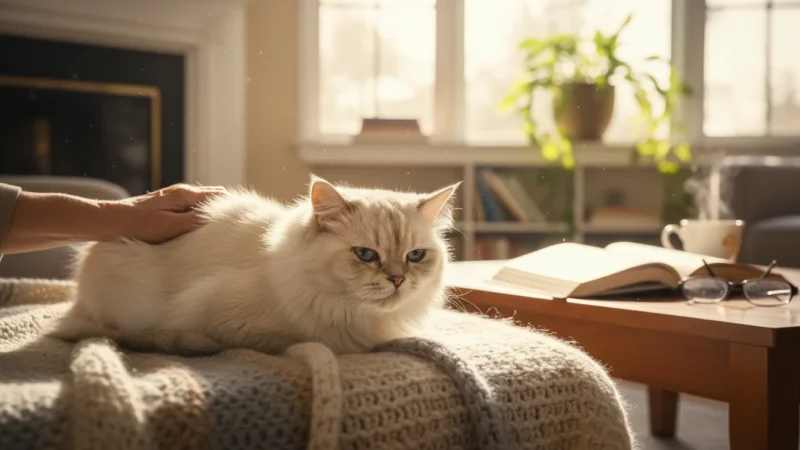
Creating a dedicated cat grooming station provides a calm, predictable environment for your feline companion, transforming a potentially stressful chore into a bonding opportunity. Regular grooming is not simply about aesthetics; it is a critical component of your cat’s overall health and well-being. It prevents painful mats, reduces hairballs, maintains skin health, and allows for early detection of potential health issues. Establishing a special spot for grooming makes the process more efficient for you and more comfortable for your cat, fostering a positive association with handling.
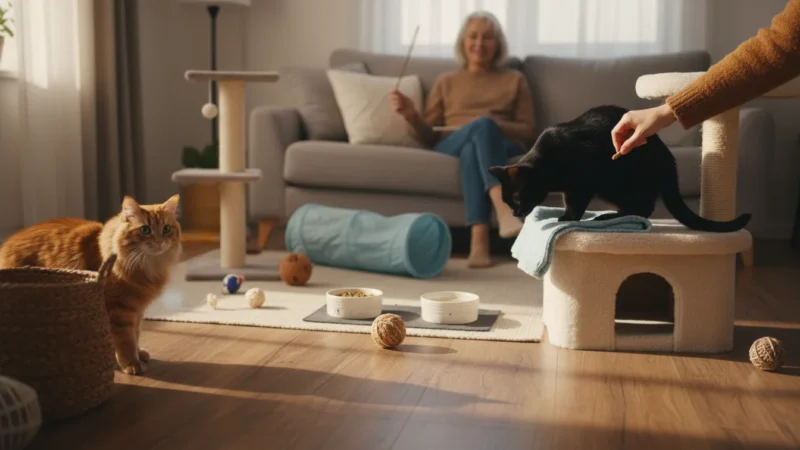
A predictable routine also helps keep your cat entertained while you work by ensuring their physical needs are met during your busy hours.

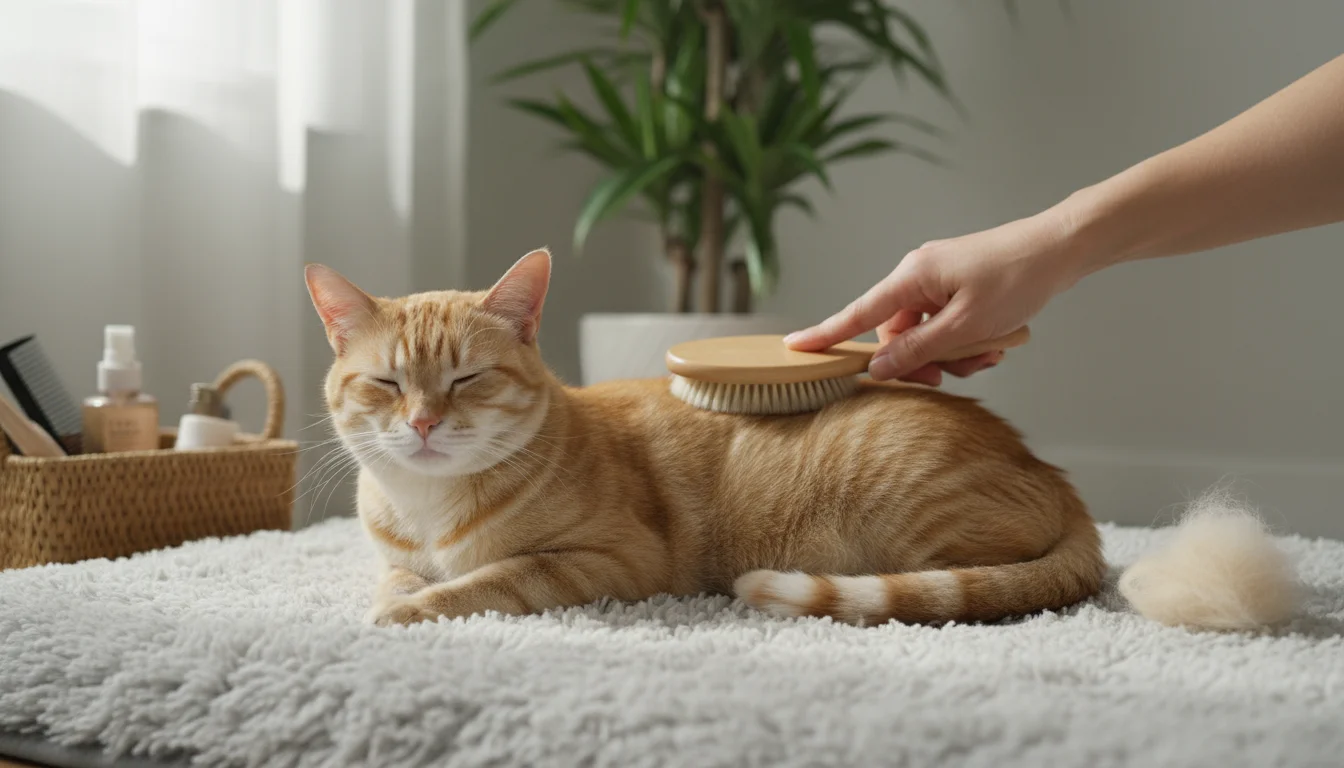
Why a Dedicated Grooming Station Benefits Your Cat
A consistent grooming routine helps your cat in numerous ways. For example, it significantly reduces the likelihood of hairballs. Cats naturally swallow loose fur during self-grooming, and while some shedding is normal, excessive ingestion leads to hairball formation, which can cause digestive upset, vomiting, or even dangerous intestinal blockages. According to Cornell University College of Veterinary Medicine, regular brushing minimizes the amount of loose fur a cat consumes, thus lessening hairball incidents.
Setting up this station is a key part of mastering cat grooming at home to ensure your pet remains comfortable and clean.
Furthermore, regular brushing stimulates blood circulation, distributes natural skin oils throughout the coat, and helps you identify skin irritations, parasites, lumps, or bumps early. This early detection is invaluable for prompt veterinary intervention, often leading to better outcomes for your cat. A dedicated grooming station fosters a sense of routine and predictability. Cats thrive on routine, and knowing what to expect in a familiar, calm space can reduce anxiety associated with being handled.
Essential Tools for Every Cat Coat Type
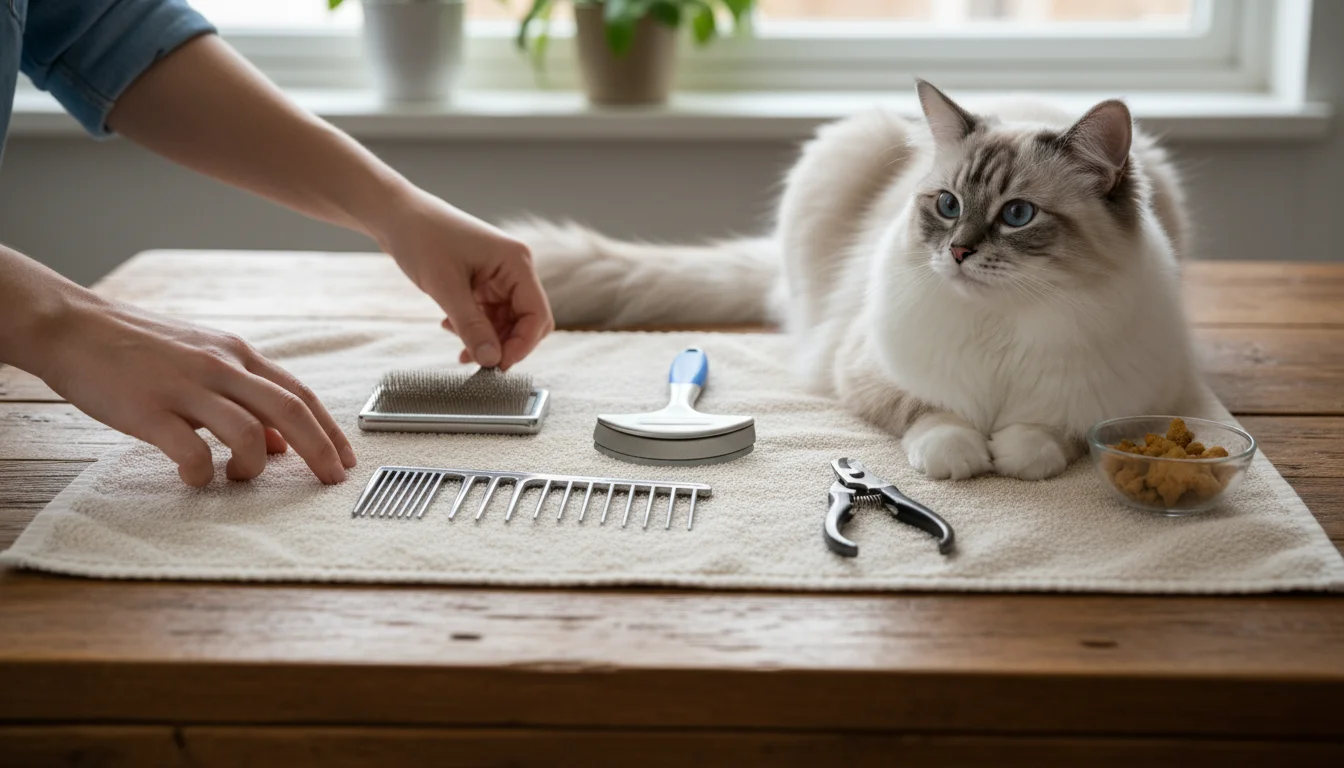
Selecting the correct grooming tools for your cat’s specific coat type makes a significant difference in grooming effectiveness and your cat’s comfort. Equipping your grooming station with the right items prevents skin irritation, ensures thorough cleaning, and minimizes stress.
Long-Hair Breeds
Cats like Persians, Maine Coons, and Ragdolls possess luxurious, dense coats prone to tangles and mats. You need a specific arsenal of tools:
- Slicker Brush: This brush features fine, short wires packed closely together on a flat surface. It excels at removing loose hair and small mats from the topcoat and undercoat without pulling.
- Undercoat Rake/Deshedding Tool: Designed to penetrate the topcoat and remove loose undercoat fur, these tools reduce shedding and prevent matting at the skin level. Use them gently to avoid scratching the skin.
- Wide-toothed Comb: Essential for detangling larger knots and ensuring the coat is free of snags after brushing. Start with a wide-toothed comb before moving to finer tools.
- Dematting Comb/Tool: For persistent mats, a dematting comb helps break them apart safely. Be extremely careful and gentle when using these tools, as pulling can be painful. If mats are too tight or extensive, professional help is necessary.
Short-Hair Breeds
While generally less prone to matting, short-haired cats like American Shorthairs and Siamese still benefit immensely from regular grooming. Their coats shed, and brushing removes loose fur, improving coat health and reducing ingested hair.
- Rubber Brush (Curry Comb): These brushes feature soft rubber nubs that effectively collect loose hair and dead skin cells while providing a gentle massage. Many cats enjoy the sensation.
- Fine-toothed Comb: Excellent for removing fine loose hairs and checking for fleas or flea dirt, particularly around the neck and tail base.
- Grooming Mitt: A glove-like tool with rubber nubs on the palm, useful for a quick brush-down and for cats sensitive to traditional brushes.
Hairless Breeds
Breeds such as the Sphynx lack fur but require consistent skin care. Their skin produces natural oils that can accumulate, leading to greasiness and potential skin issues.
- Soft Washcloths and Pet Wipes: Regular bathing with cat-specific shampoo is vital. In between baths, use soft, damp cloths or pet-safe wipes to clean away oil and dirt.
- Moisturizer: A veterinarian-approved, pet-safe moisturizer might be necessary to prevent dry skin, especially in colder climates.
- Nail Clippers: All cats need nail trims, but hairless breeds often have more visible quicks, making trimming potentially easier.
Universal Grooming Tools for All Cats
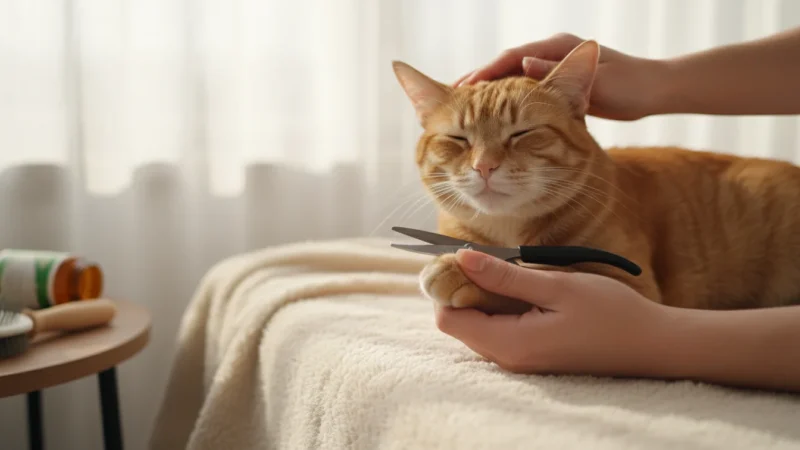
- Nail Clippers: Choose between scissor-style or guillotine-style clippers, depending on your preference and what feels safest. Always keep styptic powder nearby to stop bleeding if you accidentally cut the quick (the sensitive part of the nail).
- Ear Cleaner: A veterinarian-approved solution for cleaning outer ear folds. Never insert anything into the ear canal.
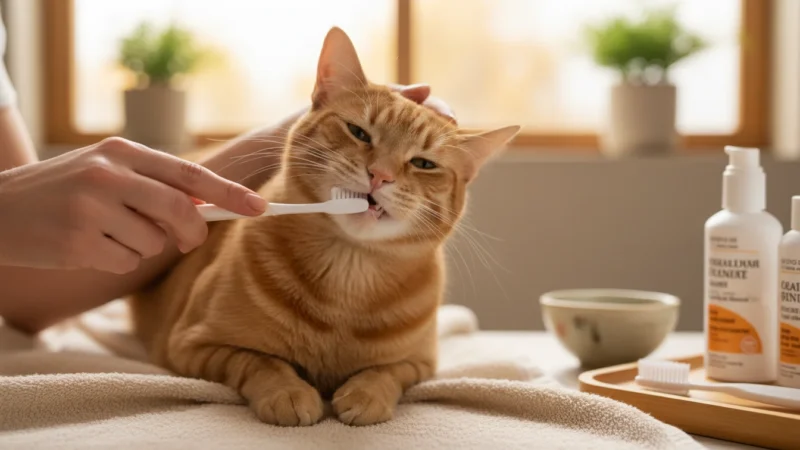
- Pet Toothbrush and Toothpaste: Daily dental care is crucial for preventing periodontal disease, a common issue in cats. Use a soft-bristled pet toothbrush or a finger brush with enzymatic cat toothpaste.
- Soft Towels: For comfort on the grooming surface and for drying after baths.

Choosing the Ideal Location and Setup
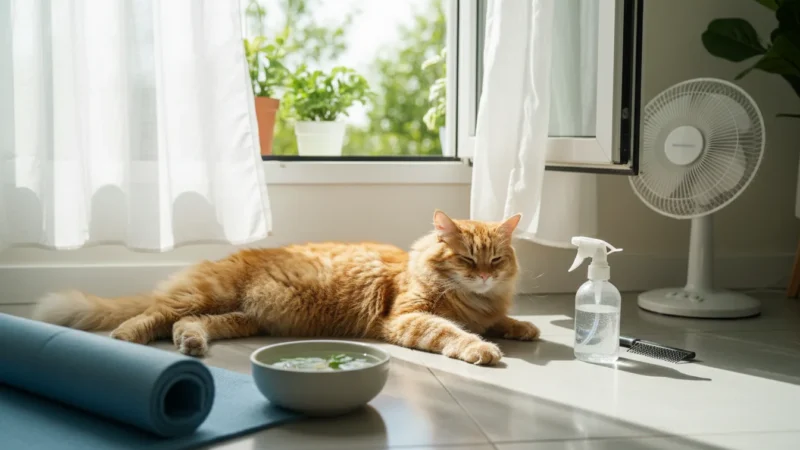
The environment you create for grooming significantly impacts your cat’s willingness to participate. A calm, safe, and easily accessible location is paramount. Consider these factors:
While focusing on comfort, you can also learn how to create an Instagram-worthy pet space to make your grooming station a stylish addition to your home.
Integrating a specialized grooming nook is a key element of creating a pet-friendly home that prioritizes your cat’s comfort and health.
- Quiet and Private: Select a room with minimal foot traffic and noise. Avoid areas with sudden loud sounds or other pets vying for attention. A calm atmosphere helps your cat relax.
- Well-Lit: Good lighting allows you to see your cat’s coat and skin clearly, making it easier to spot mats, ticks, or any abnormalities. Natural light is ideal, but a bright lamp works well.
- Secure and Escape-Proof: Ensure the space is enclosed or the door can be closed to prevent your cat from bolting mid-groom. Safety for both of you is the top priority.
- Elevated, Stable Surface: A sturdy table or counter works best. This elevation saves your back and gives you better control. Always place a non-slip mat or a thick towel on the surface to provide traction and comfort for your cat. This prevents slips and reduces anxiety.
- Comfort for Your Cat: A soft towel on the grooming surface offers warmth and comfort. Some cats might benefit from a familiar blanket that carries their scent.
- Accessibility for You: Arrange your tools within easy reach before you begin. You want to focus on your cat, not on fumbling for supplies.
Making Grooming a Positive Experience
Your goal is to build a positive association with grooming. This involves patience, positive reinforcement, and understanding your cat’s body language.
Introducing Tools and the Station
Do not just spring a brush on your cat. Start by letting them investigate the grooming tools. Place the brush, comb, and clippers on the floor for them to sniff. You can even rub a towel on your cat and then rub it on the grooming tools to transfer their scent. This process is called desensitization, gradually exposing your cat to new items in a non-threatening way.
Short, Frequent Sessions
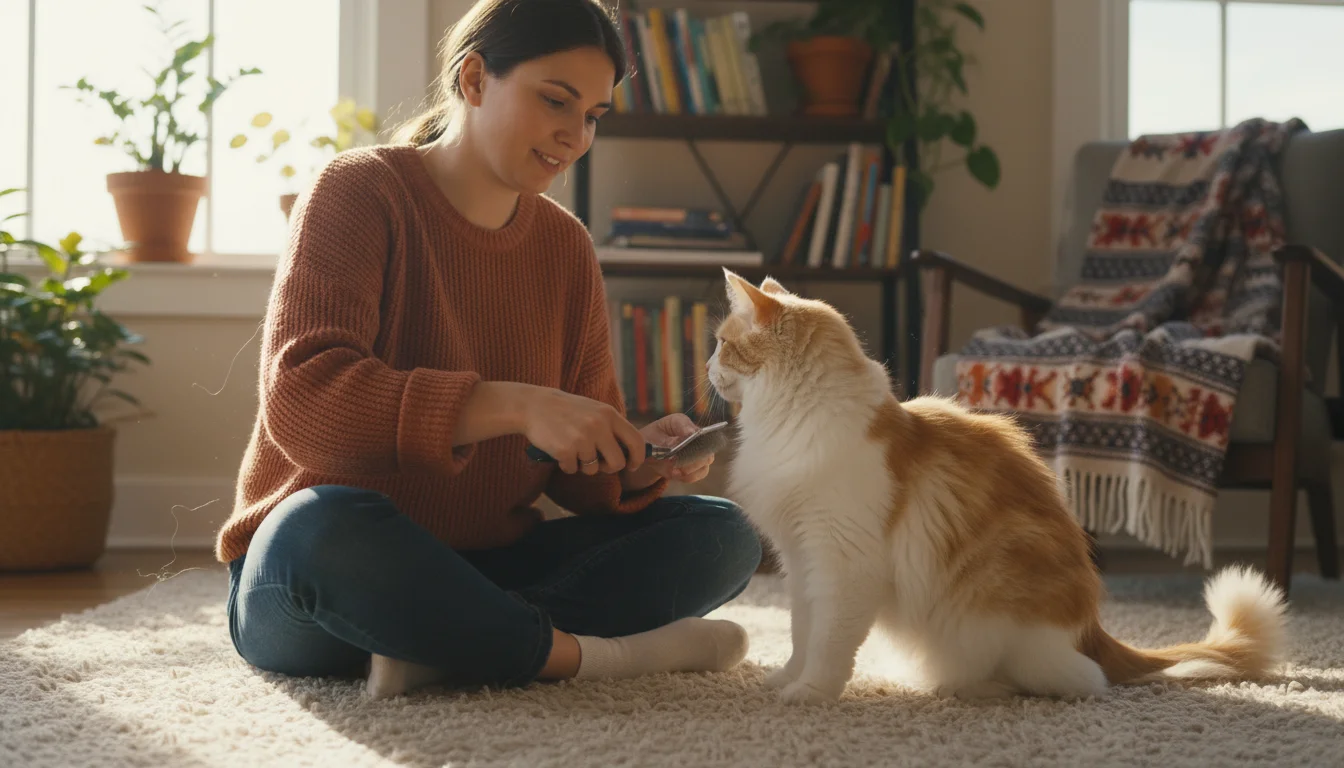
Initially, keep grooming sessions very short, perhaps only a minute or two, focusing on gentle strokes with a soft brush. End the session before your cat shows signs of irritation or discomfort. Gradually increase the duration as your cat becomes more accepting. Aim for daily short sessions for long-haired cats and a few times a week for short-haired cats, rather than infrequent, long, and potentially stressful sessions.
Positive Reinforcement
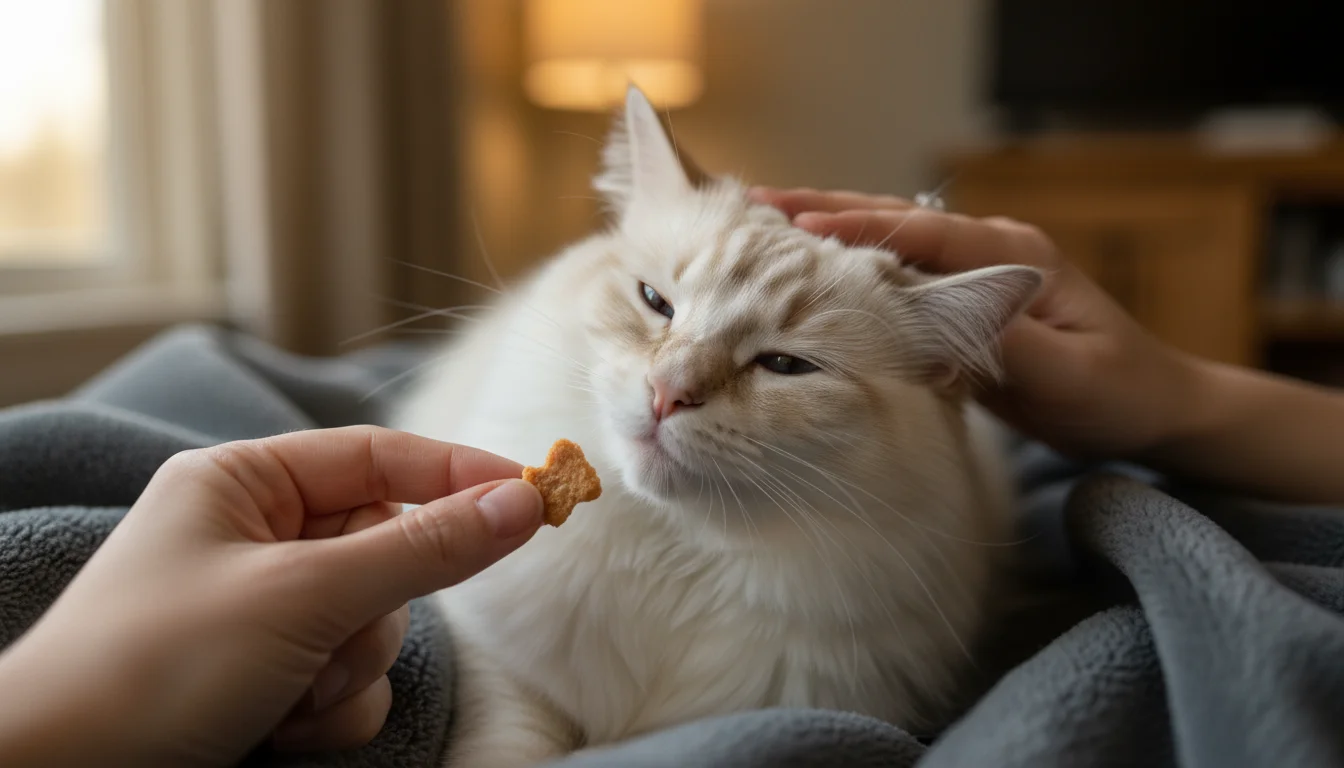
Every positive interaction should be rewarded. Use high-value treats (like Churu or small pieces of cooked chicken), verbal praise (“Good kitty!”), and gentle petting during and immediately after grooming. If your cat tolerates a few brush strokes, offer a treat. If they allow you to touch their paw, offer a treat. This teaches them that grooming leads to good things. According to Fear Free Pets, using positive reinforcement is key to reducing stress and making veterinary visits and home care routines more pleasant for pets.
Understanding Feline Body Language
Pay close attention to your cat’s signals. Signs of discomfort include a flicking tail, flattened ears, dilated pupils, tensed body, growling, hissing, or swatting. If you observe these, stop the session immediately and try again later, keeping it even shorter. Pushing a stressed cat during grooming can lead to negative associations, fear, and even aggression, making future grooming much harder. Cats communicate clearly; it is up to us to listen.
Tailoring Grooming to Your Cat’s Needs
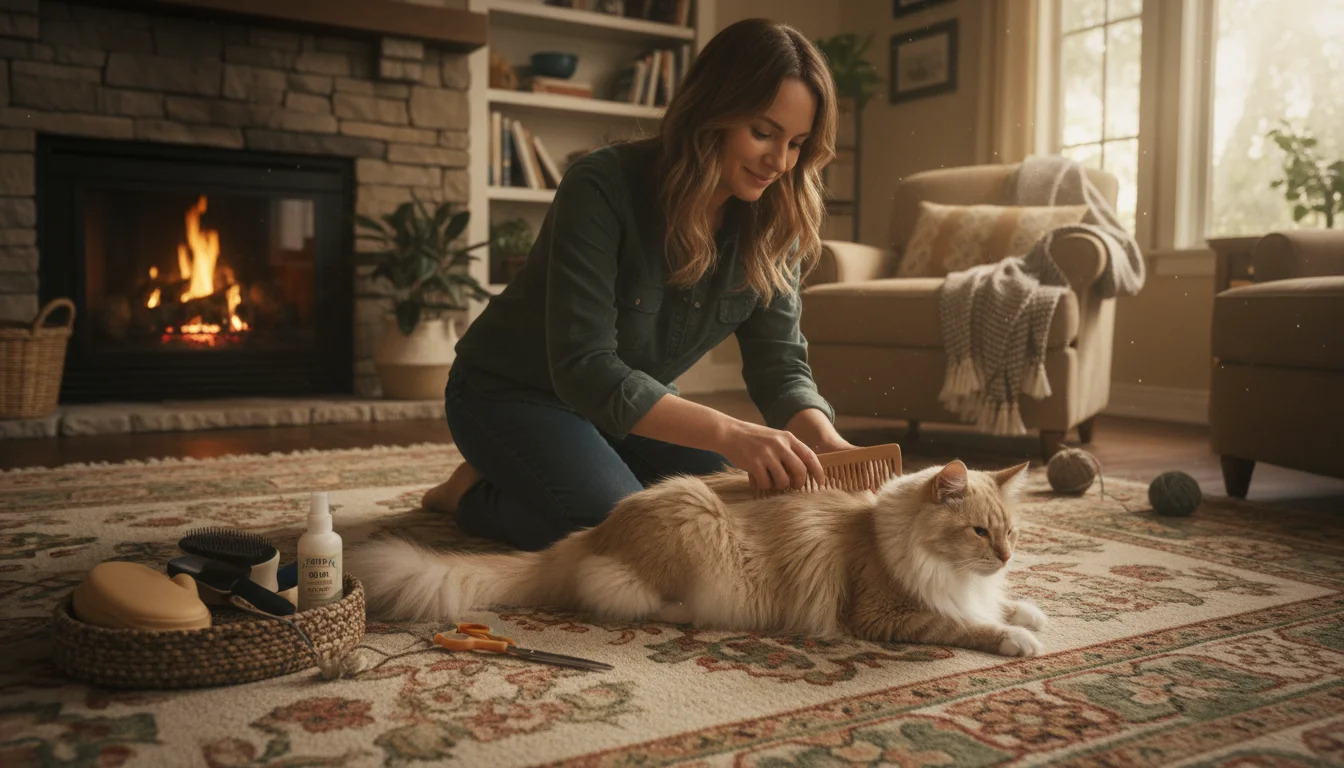
Every cat is an individual, and their grooming needs vary based on age, breed, and health status. A one-size-fits-all approach does not work.
Age Considerations
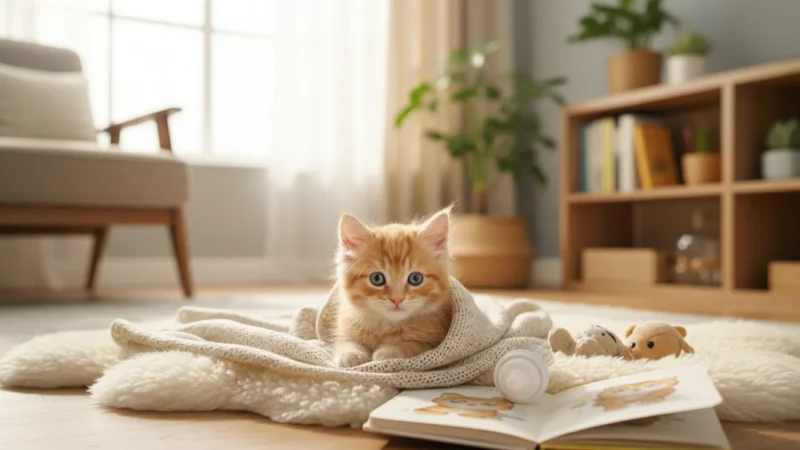
- Kittens: Start grooming early and gently. Introduce brushes, nail trims, and dental care as soon as possible. Short, playful sessions build positive habits for life.
- Senior Cats: Older cats may develop arthritis or other mobility issues, making self-grooming difficult or painful. You might need to increase your grooming frequency to prevent mats. Use softer brushes and be extra gentle with their joints. Consider a grooming table with easy access or groom them on a soft bed.
Specific Breed Challenges
Breeds with unique features often require specialized grooming:
- Persians and Himalayans: Their long, dense coats are famous for matting. Daily brushing with slicker brushes and combs is non-negotiable. They may also need eye area cleaning due to tear staining.
- Maine Coons: While their fur is generally less prone to matting than Persians, their long, shaggy coats still require regular brushing, especially around the “britches” and belly.
- Sphynx and other Hairless Breeds: As discussed, their skin needs regular bathing and gentle cleaning to manage oil buildup. They are also sensitive to temperature, so ensure their grooming environment is comfortably warm.
Health Conditions Affecting Grooming
Certain health issues can make grooming more challenging or require special attention:
- Arthritis: Cats with joint pain might resist being brushed in certain areas or may find standing for long periods uncomfortable. Adjust your technique and position to minimize strain.
- Skin Allergies or Sensitivities: Use hypoallergenic shampoos and brushes with soft bristles. Consult your veterinarian for specific product recommendations.
- Obesity: Overweight cats often struggle to reach and groom certain areas of their body, especially their back and hindquarters. This makes your assistance even more crucial in preventing mats.
Multi-Cat Household Dynamics
In homes with multiple cats, maintaining separate grooming tools for each cat prevents the spread of skin parasites or fungal infections. Schedule individual grooming sessions to ensure each cat receives dedicated attention and feels secure without competition from other pets. A dedicated grooming station helps establish this individual attention without invading another cat’s core territory.
Troubleshooting Common Grooming Challenges
Even with the best preparation, grooming challenges can arise. Knowing how to respond calmly and effectively helps maintain a positive relationship with your cat.
Matted Fur
Mats are painful and can lead to skin infections. For small, loose mats, you can try to gently work them out with a dematting comb or your fingers, always supporting the skin at the base of the mat. If a mat is tight, close to the skin, or extensive, do not try to cut it out yourself with scissors. This is extremely dangerous and can easily lead to serious injury to your cat’s skin, which is very thin and loose. Instead, seek professional help from a certified groomer or a veterinarian who can safely shave the mats away.
Nail Trimming Resistance
Many cats dislike nail trims. Start by handling your cat’s paws frequently when they are relaxed, gently pressing on the paw pads to extend the claws. Pair this with immediate treats and praise. When you introduce clippers, only trim one or two nails at a time, followed by rewards. Gradually increase the number of nails trimmed per session. If your cat remains highly resistant, your vet can trim their nails during routine visits.
Aggression or Fear During Grooming
If your cat shows significant aggression (hissing, biting, scratching) or extreme fear (shaking, hiding, struggling violently), stop trying to groom them yourself. Forcing a cat can damage your bond and make future handling dangerous for both of you. This level of behavioral challenge requires professional intervention. Consult with a veterinarian, a certified cat behaviorist, or a Fear Free certified groomer. They can assess the underlying cause of the behavior and develop a safe, positive behavior modification plan. As experts at the International Association of Animal Behavior Consultants (IAABC) emphasize, understanding the root cause of fear or aggression is crucial for effective intervention.
When to Involve a Professional Groomer or Veterinarian
Knowing when to seek professional help is a sign of responsible pet ownership:
- Extensive Matting: As mentioned, severe mats require professional removal to prevent injury.
- Skin Issues: If you find persistent skin redness, sores, scabs, unusual lumps, or excessive shedding, consult your veterinarian. These can indicate underlying health problems.
- Behavioral Challenges: If your cat is consistently aggressive or extremely fearful during grooming, a professional behaviorist or vet can offer solutions.
- Specific Breed Needs: Some purebred cats, especially those with complex coats, benefit from periodic professional grooming to maintain coat health.
- Dental Disease: While home dental care is important, professional dental cleanings under anesthesia are often necessary to address plaque and tartar buildup.
Maintaining Your Grooming Station and Tools
Keeping your grooming station clean and your tools in good condition is essential for hygiene, safety, and effectiveness. A well-maintained station makes grooming more pleasant for everyone.
Cleaning and Sanitizing Tools
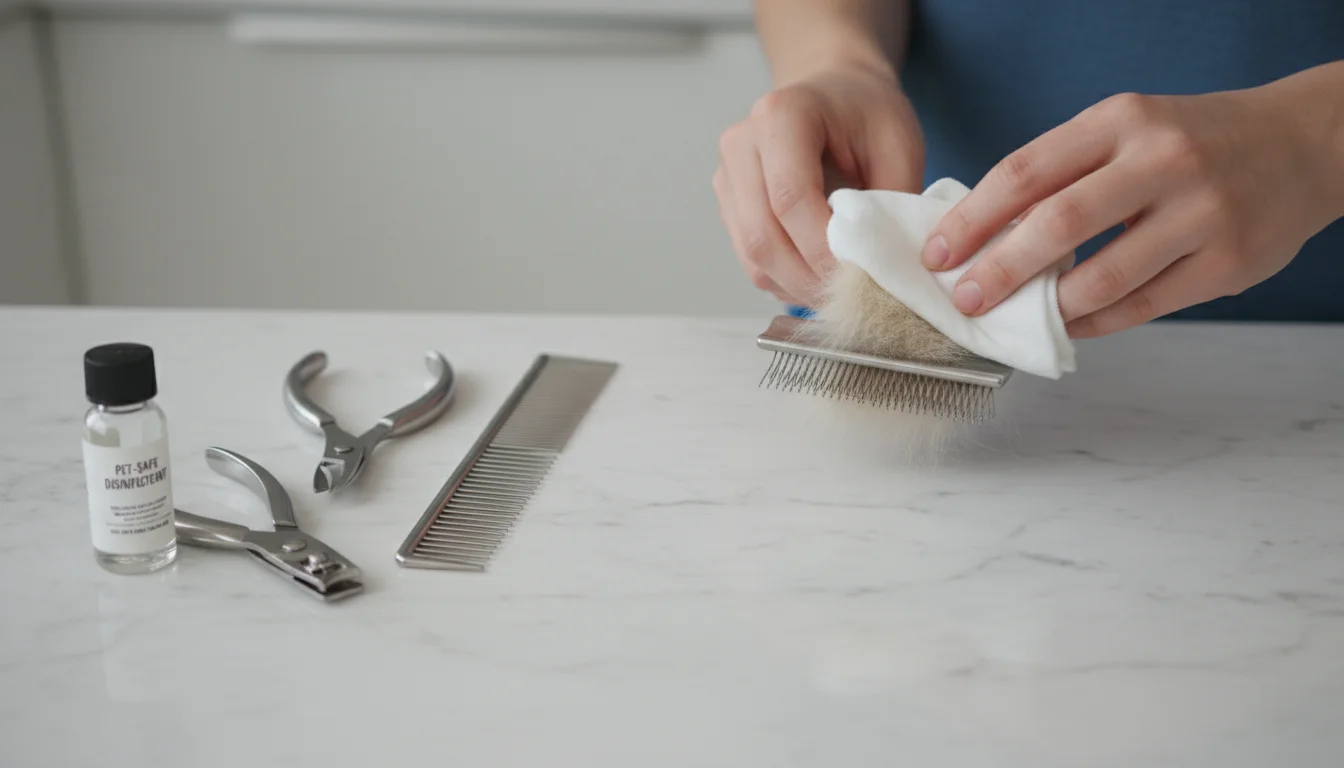
After each grooming session, remove all hair from brushes and combs. Wash metal tools with warm, soapy water, rinse thoroughly, and dry completely to prevent rust. You can use a pet-safe disinfectant spray on brushes and other non-porous surfaces. Regularly clean your nail clippers. Sterilizing grooming tools, especially after using them on a matted or unhealthy coat, prevents the spread of bacteria or fungi. Clean the grooming surface with a pet-safe cleaner.
Replacing Worn-Out Items
Grooming tools do not last forever. Inspect your brushes for bent or sharp bristles, which can scratch your cat’s skin. Check combs for broken teeth. Replace dull nail clippers, as they can crush rather than cleanly cut the nail, causing pain. Investing in quality tools and replacing them when worn ensures comfortable and effective grooming.
Keeping Supplies Organized
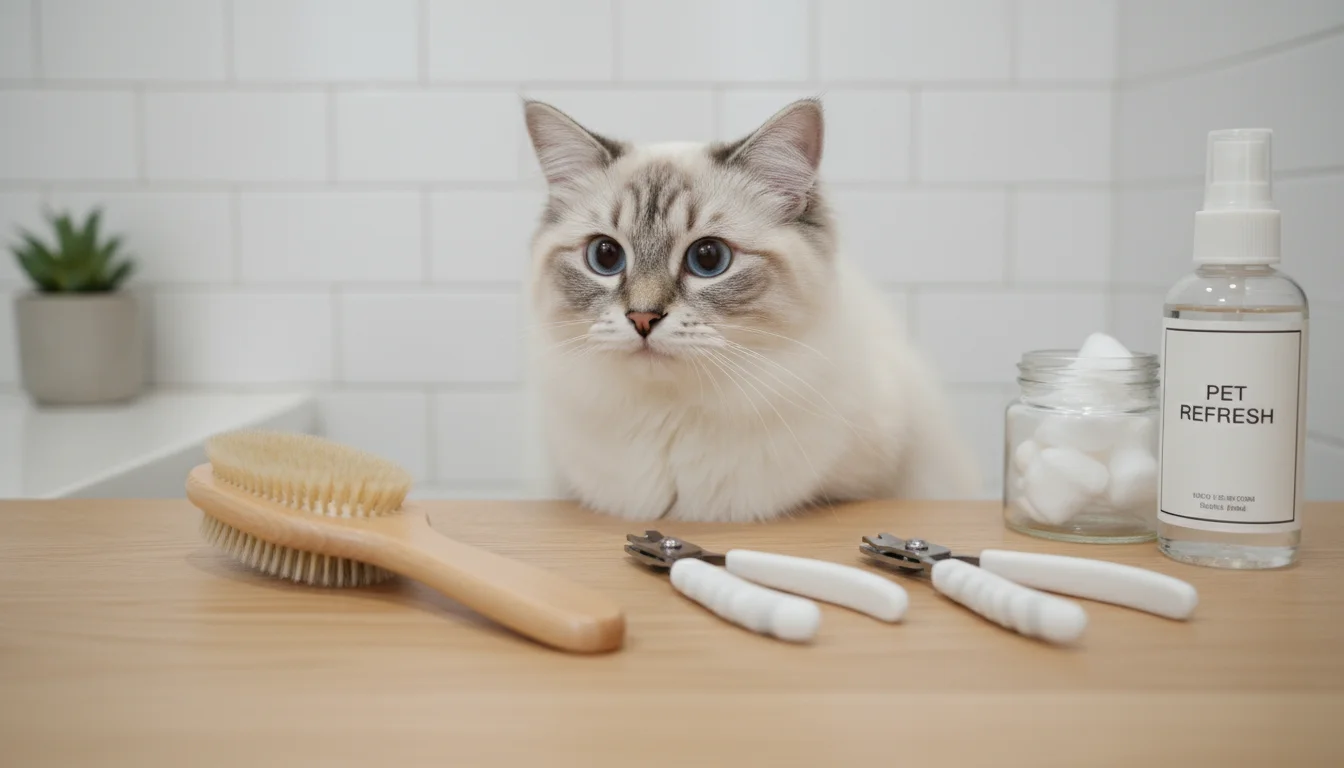
A well-organized grooming station means less stress for you. Use small bins, drawers, or a caddy to keep all your tools in one place. Label containers if necessary. This organization saves time and ensures you have everything you need before your cat even steps onto the grooming surface. A tidy station also prevents accidental injuries from misplaced sharp objects.
Frequently Asked Questions
How often should I groom my cat?
Grooming frequency varies by coat type. Long-haired cats benefit from daily brushing to prevent mats, while short-haired cats typically need brushing a few times a week. Hairless breeds require regular skin cleaning, often weekly baths. Regardless of coat type, daily checks for mats, skin issues, and handling their paws for nail trims help maintain overall health.
Can I use human shampoo on my cat?
No, you should never use human shampoo on your cat. Human shampoos have a different pH balance than cat-specific shampoos and often contain ingredients that can irritate your cat’s skin, cause dryness, or even be toxic if ingested. Always use a shampoo specifically formulated for cats, ideally one recommended by your veterinarian.
My cat hates grooming, what should I do?
If your cat strongly resists grooming, stop forcing the interaction. Forcing them can worsen their fear and potentially lead to aggression. Instead, focus on positive reinforcement. Introduce tools gradually, offer high-value treats for tolerance, and keep sessions very short. If the aversion is severe, consult a certified cat behaviorist or a Fear Free certified veterinarian or groomer. They can help identify the root cause of the fear and develop a tailored desensitization and counter-conditioning plan.
What if I accidentally cut my cat’s quick during a nail trim?
Accidentally cutting the quick is a common occurrence, causing pain and bleeding. Do not panic. Apply styptic powder (available at pet stores or from your vet) directly to the bleeding nail and apply gentle pressure until the bleeding stops. If you do not have styptic powder, cornstarch or flour can work in a pinch. If bleeding is excessive or does not stop, contact your veterinarian immediately. To prevent future incidents, trim only the clear tip of the nail and consider using clippers with a safety guard.
Do hairless cats need grooming?
Yes, hairless cats like Sphynx breeds absolutely need grooming, though it focuses on skin care rather than fur brushing. Their skin produces oils that can accumulate and lead to greasy skin, blackheads, or other dermatological issues. Regular bathing with a cat-specific shampoo, often weekly, and daily wiping with a soft cloth or pet-safe wipes helps manage oil buildup. They also require nail trims and dental care, just like any other cat.
Creating the perfect cat grooming station is an investment in your cat’s health and happiness. By providing the right tools, a calm environment, and a positive approach, you transform a necessary chore into a valuable bonding experience. Remember, consistency and patience are your best assets in making grooming a positive part of your cat care routine.
For expert pet care guidance, visit
Fear Free Pets, The Spruce Pets and Rover — Pet Care Blog.
Disclaimer: This article is for informational purposes only and is not a substitute for professional veterinary advice, diagnosis, or treatment. Always consult with a licensed veterinarian for medical concerns about your pet.


Leave a Reply