
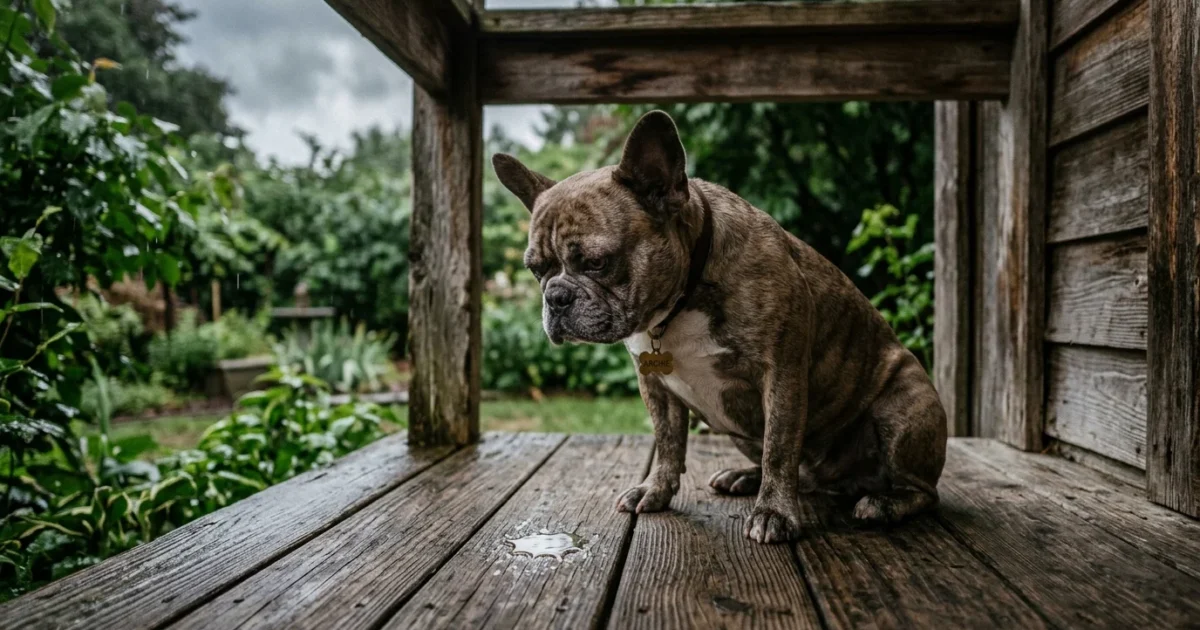
While popular culture often depicts dogs joyfully leaping into lakes and fetching floating toys, many popular breeds actively avoid moisture in every form. Anatomy, coat composition, and temperature sensitivity dictate how your dog perceives water; short-legged or flat-faced breeds often struggle physically in deep water, while thin-coated dogs quickly freeze when damp. Forcing water-averse dogs into pools or baths creates unnecessary trauma, compromises safety, and damages your bond. Understanding your dog’s physiological limitations allows you to respect their instincts while keeping them clean, dry, and comfortable through alternative grooming techniques, proper rainy-day gear, and stress-free maintenance routines tailored specifically to their physical structure.
The Science Behind Why Some Dogs Avoid Water
When your dog refuses to step onto damp grass or trembles at the sound of running bathwater, they are not simply being stubborn; their genetics, physical conformation, and sensory processing dictate this reaction. Working water dogs, such as Labrador Retrievers and Portuguese Water Dogs, possess webbed toes, dense oily double coats, and muscular frames designed to generate propulsion. Conversely, many dry land dog breeds lack these specialized adaptations entirely. Understanding the biological mechanisms behind water aversion helps you make compassionate, science-backed decisions for your pet’s care routines.
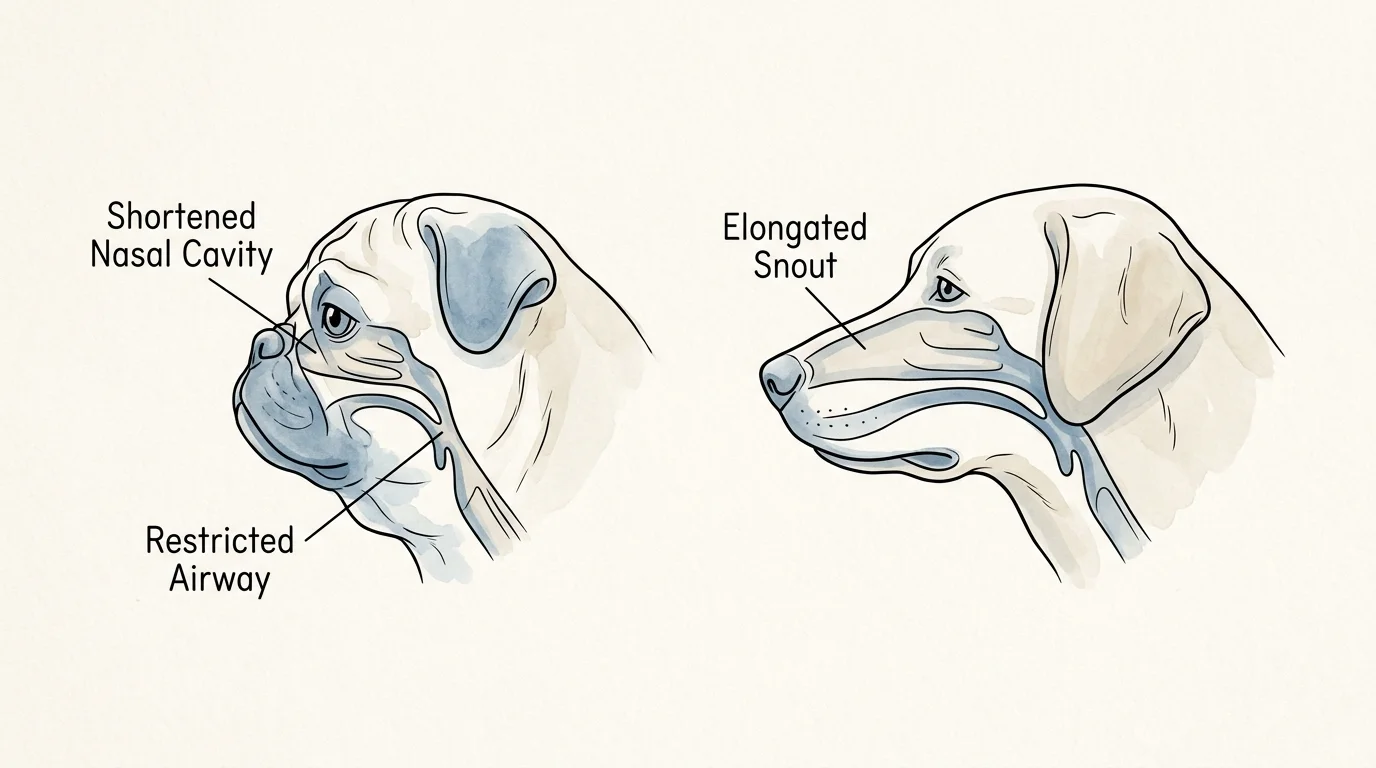
Anatomy plays a massive role in how a dog experiences aquatic environments. Brachycephalic breeds—dogs characterized by shortened muzzles and flattened facial structures—face severe physiological barriers to swimming. Their shallow nasal passages and restricted airways make breathing difficult during physical exertion; when water splashes into their nostrils, it poses an immediate risk of aspiration and distress. According to experts at PetMD, physical body mechanics, density, and center of gravity directly affect a dog’s buoyancy, rendering certain heavy-boned or short-legged breeds naturally prone to sinking rather than floating.
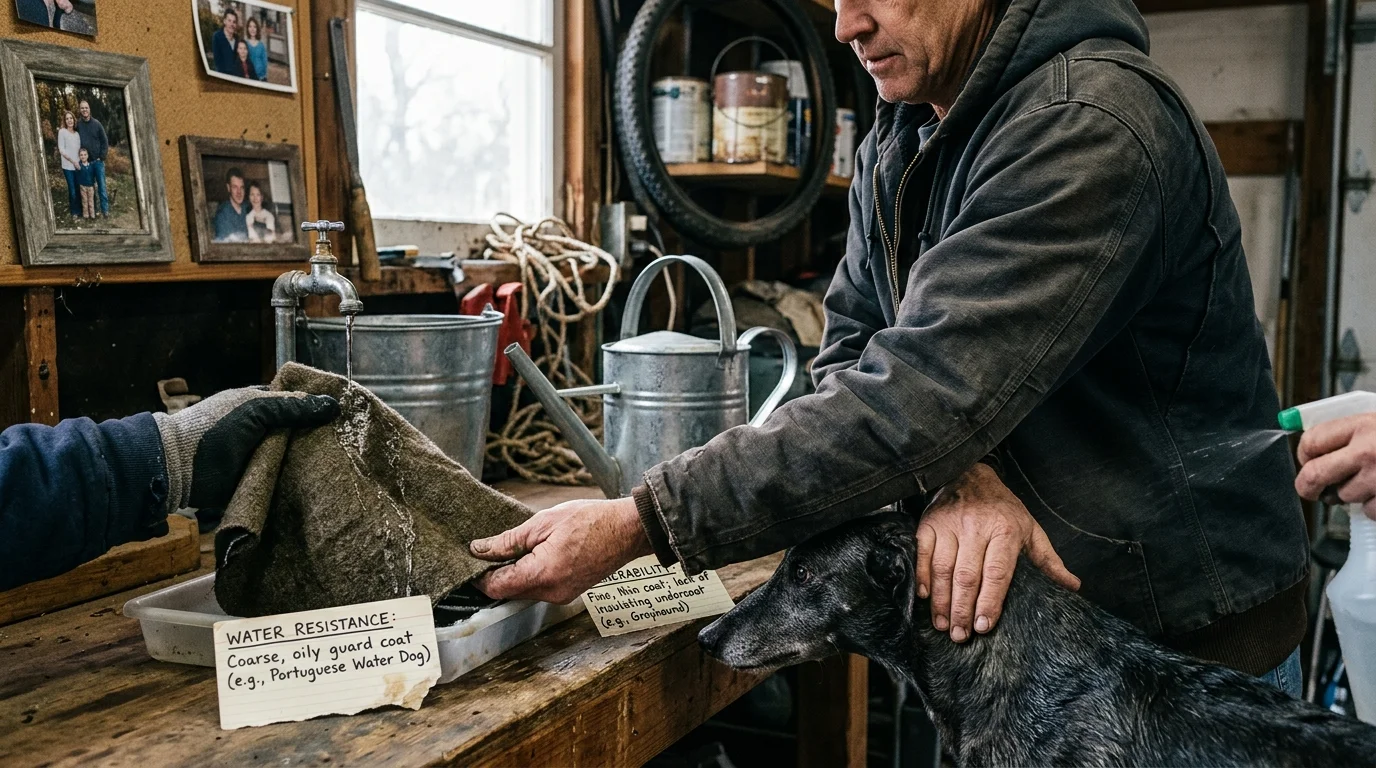
Coat architecture further determines thermal comfort and moisture resistance. Water-loving breeds produce abundant sebum, an natural oily substance that coats guard hairs and repels liquid, keeping the insulating undercoat dry. Many non-swimming breeds lack this water-repellent barrier. Fine, human-like hair or thin single coats absorb water instantly like a sponge, adding significant weight to the dog’s frame and pulling their body core temperature down rapidly. When moisture penetrates directly to the skin, it triggers an immediate chill, leading to involuntary shivering and heightened panic.
Finally, sensory perception plays a critical role in behavioral aversion. A dog’s hearing is significantly more sensitive than a human’s, making the echoing roar of a bathtub faucet or the high-pressure spray of a hose overwhelming. Furthermore, dogs with heavy, drop ears possess vertical ear canals that trap water easily. Trapped moisture creates an ideal breeding ground for yeast and bacterial infections; dogs that have experienced painful ear infections in the past quickly associate water exposure with physical suffering.
9 Dog Breeds That Genuinely Dislike Getting Wet
While individual personalities vary within every canine population, specific breeds consistently demonstrate a deep-seated reluctance to encounter water. If you share your home with one of these nine breeds, recognizing their inherent limitations will help you manage their grooming and daily routines effectively.
1. Pug
Pugs possess a distinct combination of physical traits that make water exposure uncomfortable and hazardous. Their extreme brachycephalic facial structure means their nostrils sit low relative to the water line, making even shallow wading dangerous. Pugs have high bone density relative to their compact size, meaning they must expend tremendous energy just to remain afloat. Furthermore, the deep facial wrinkles characteristic of the breed easily trap moisture. When wetness lingers inside these skin folds, pyoderma and fungal infections develop rapidly, turning a simple bath into a potential skin health nightmare.
2. Dachshund
Dachshunds are classic examples of dog breeds that dislike water due to their unique body shape. Bred originally to hunt badgers in underground dens, their short legs (chondrodysplasia) and elongated spines create severe biomechanical disadvantages in water. Walking through wet grass exposes their low-slung chest and belly to cold mud, causing instant discomfort. In deep water, a Dachshund must paddle furiously to keep their head up, placing immense strain on their fragile spinal column and increasing the risk of Intervertebral Disc Disease (IVDD).
3. French Bulldog
French Bulldogs are built like dense, front-heavy muscular blocks with short muzzles and large, open ears. This structural makeup makes natural floating almost impossible; without a fitted canine life jacket, a French Bulldog will sink quickly. Because their narrow windpipes limit efficient oxygen exchange, splashing water frequently leads to coughing, water inhalation, and sudden panic. Most Frenchies will actively detour around puddles during walks to avoid getting their paws and undersides wet.
Despite their aversion to water, their adaptable nature often makes them one of the best dog breeds for first-time owners seeking a loving indoor companion.
4. Greyhound
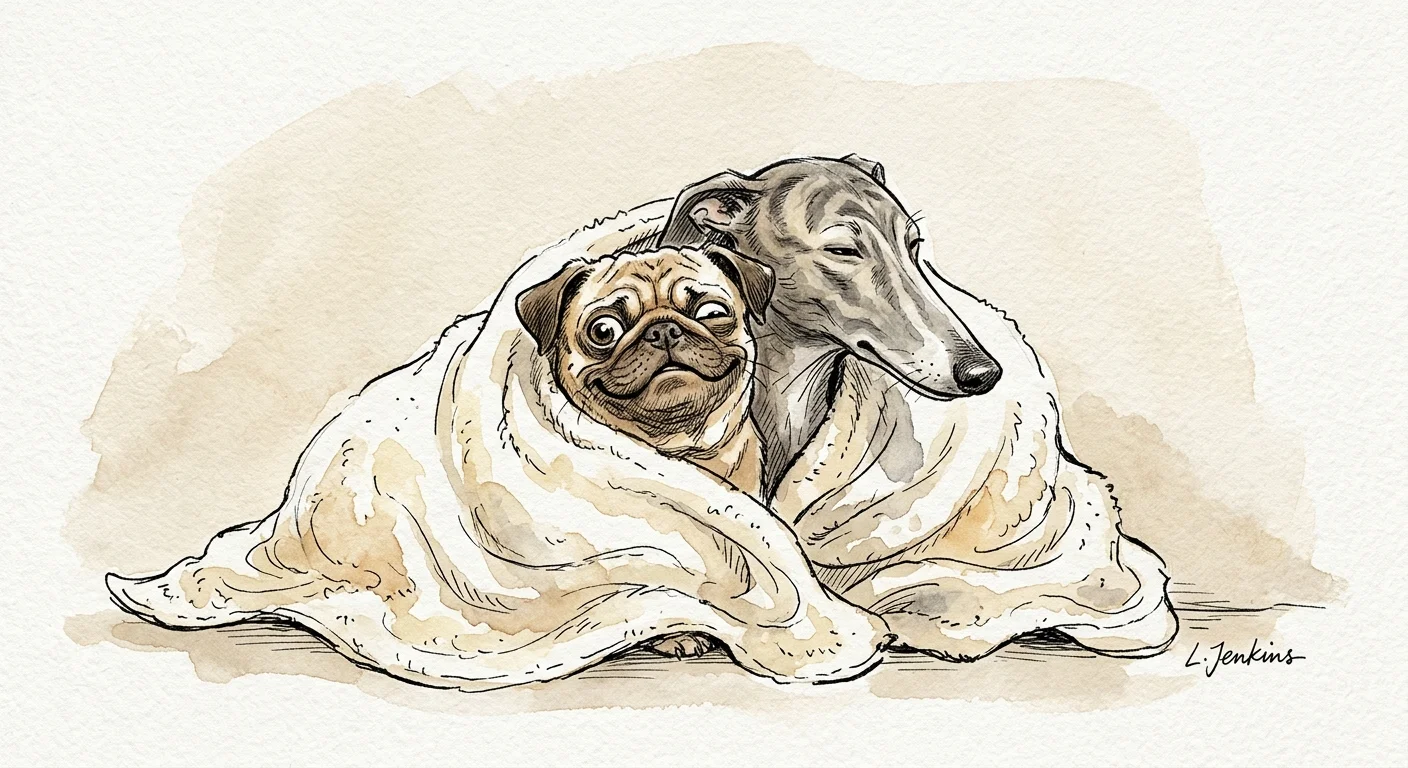
Despite their athletic build and impressive sprinting speed, Greyhounds are exceptionally sensitive to moisture and cold weather. Possessing extremely thin skin, minimal body fat, and a fine single coat, Greyhounds lose body heat rapidly when wet. A damp Greyhound quickly experiences shivering and muscle stiffness. Their lean frames offer no insulation against cold bathwater or rainfall, making them quintessential dry land dogs that prefer warm, cushioned environments over moist outdoors.
When wet weather makes outdoor walks unpleasant, knowing how to exercise your dog indoors helps satisfy their activity needs in a warm, dry setting.
5. Chihuahua
Chihuahuas feature the highest brain-to-body mass ratio of any dog, but their diminutive size makes thermoregulation a constant challenge. When a Chihuahua gets wet, evaporation strips away their core body heat within minutes. This rapid temperature drop triggers intense trembling and anxiety, causing many Chihuahuas to become dogs afraid of water. Forced baths or rainy walks often lead to fear-based freezing or hiding behavior unless you take careful steps to keep them warm and reassured.
6. Basset Hound
The Basset Hound’s massive skeleton accounts for nearly 20% of its total body weight, giving this breed a low, dense center of gravity. Coupled with stubby legs and heavy pendulous ears, Basset Hounds struggle in aquatic settings. Their long ears act like sponges, dragging through wet grass and collecting water, which then flows into their deep, dark ear canals. This breed’s susceptibility to chronic otitis externa makes them deeply reluctant to enter water or endure head-washing during baths.
While they actively avoid getting wet, their gentle temperament places them among the dog breeds known for calm personalities that thrive in peaceful homes.
7. Shih Tzu
Shih Tzus sport a luxurious double coat that, if left untrimmed, grows long and sweeping. While beautiful, this coat structure absorbs water quickly, becoming heavy and waterlogged. The added weight drags down the dog’s small frame, turning movement into an exhausting chore. Additionally, their flat faces and prominent eyes mean water easily enters their eyes and nose, causing irritation and breathing discomfort that makes them frequent candidates among dogs that hate baths.
8. Yorkshire Terrier
Yorkshire Terriers possess fine, silky hair that closely resembles human hair rather than traditional canine fur. Lacking an insulating undercoat, a wet Yorkie experiences immediate chill upon getting wet. Furthermore, wet Yorkie hair tangles and mats instantly, turning post-water drying sessions into painful grooming ordeals if not handled with extreme care. These little terriers typically prefer staying indoors on rainy days over risking soggy paws.
9. Pekingese
The Pekingese features an ultra-flat face combined with an extraordinarily dense, profuse coat. When submerged or exposed to heavy rain, their thick undercoat holds gallons of water, creating severe dragging weight. Because Pekingese already struggle with thermal control due to restricted airways, the combination of heavy coat weight and breathing difficulty makes water exposure a major stressor. They are among the most persistent breeds that avoid swimming at all costs.
“Forcing a brachycephalic or low-buoyancy dog into deep water without physical support creates profound panic. Recognizing physical limitations is essential for preventing acoustic stress, emotional trauma, and secondary health complications.” — Dr. Elena Rostova, Veterinary Behavior Specialist
Physical Traits Comparison: Water Resistance vs. Vulnerability
To better understand why specific breeds struggle with moisture compared to water-retriever breeds, review the physical and physiological factors outlined below. This comparison highlights how body structure directly impacts safety and comfort levels around water.
| Breed | Body Conformation | Coat Type & Texture | Primary Water Risk | Recommended Care Approach |
|---|---|---|---|---|
| Pug | Brachycephalic, dense body, short limbs | Short double coat; deep skin folds | Aspiration, fold pyoderma, sinking | Clean folds with damp wipes; avoid deep water |
| Dachshund | Elongated spine, extremely short legs | Smooth, wire, or long hair; low ground clearance | Spinal strain (IVDD), belly chilling | Use rain jackets with full belly protection |
| French Bulldog | Heavy front frame, flat muzzle, high density | Fine, short single coat | Rapid sinking, respiratory distress | Always equip with a fitted life jacket near pools |
| Greyhound | Lean, muscular, minimal subcutaneous fat | Ultra-short single coat | Rapid hypothermia, skin tears when wet | Towel dry immediately; use fleece coats in rain |
| Chihuahua | Toy size, high surface-to-mass ratio | Short smooth coat or fine long coat | Severe chill, involuntary trembling, terror | Warm bathwater only; blow-dry on low heat |
| Basset Hound | Heavy bones, low clearance, long floppy ears | Short, dense, oily smooth coat | Chronic ear infections, exhaustion | Dry ear canals thoroughly after any water exposure |
| Shih Tzu | Small frame, short muzzle, compact build | Dense, fast-absorbing double hair coat | Hair matting, heavy coat weight drag | Keep coat trimmed short (“puppy cut”) for easy care |
| Yorkshire Terrier | Tiny frame, delicate bone structure | Fine, human-like hair without undercoat | Instant chilling, painful hair matting | Use dry shampoos and warm washcloth spot cleaning |
| Pekingese | Brachycephalic, heavy front, bowed legs | Massive, thick double coat with mane | Severe coat drag, breathing blockages | Avoid open water; stick to sponge baths |
How to Safely Bathe Dogs That Hate Water
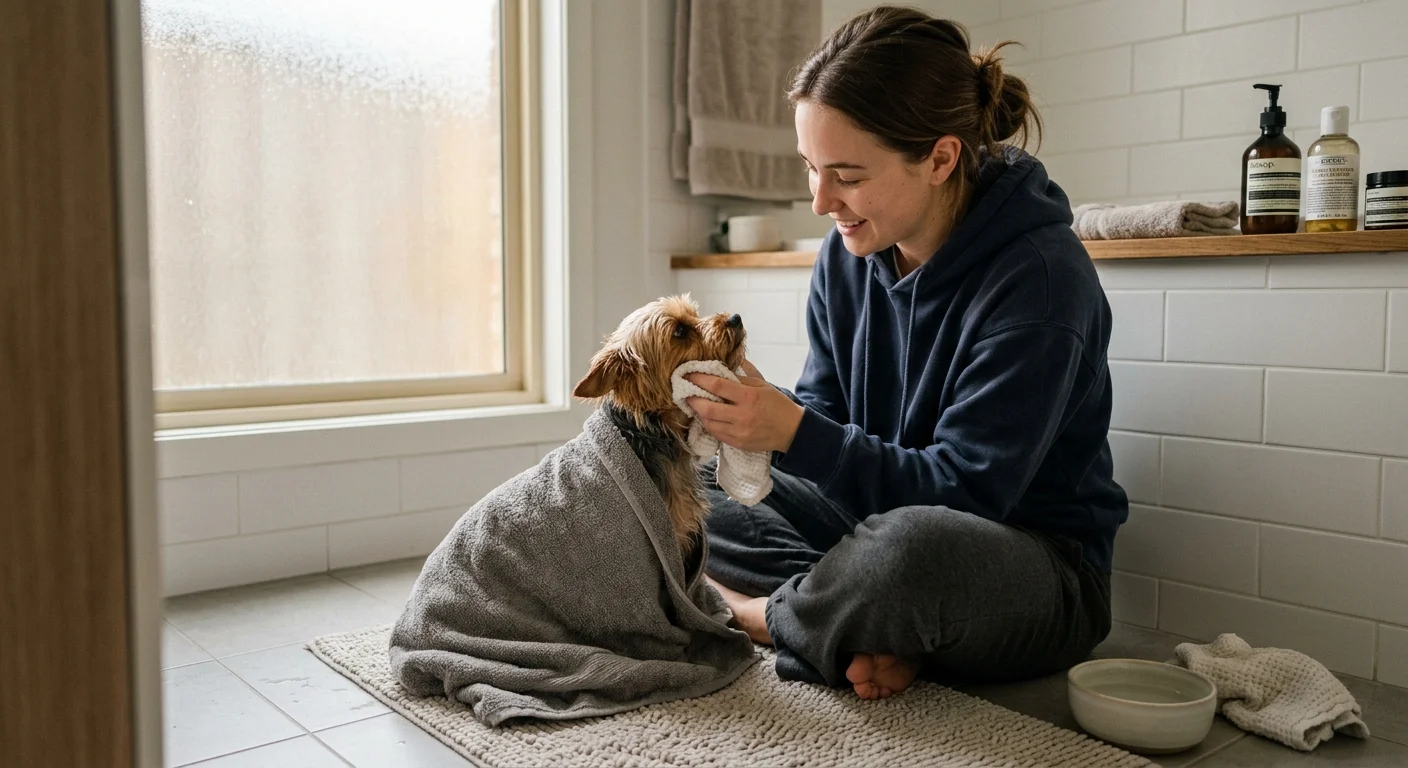
Bathing a water-averse dog does not have to devolve into a stressful wrestling match. By altering the environment, utilizing specialized techniques, and leveraging positive reinforcement, you can transform bath time into a predictable, manageable routine. According to the Association of Professional Dog Trainers (APDT), reward-based desensitization gradually shifts a dog’s emotional response from fear to willingness by pairing low-intensity triggers with high-value motivators.
Follow these step-by-step guidelines to execute a low-stress bath:
- Prepare the Surface: Place a non-slip rubber bath mat inside the tub or sink. Dogs become panicked when their feet slide on slick porcelain; secure footing instantly reduces anxiety.
- Control Thermal Parameters: Adjust water temperature to match your dog’s body temperature (around 101°F / 38.3°C). Water that feels pleasantly warm to human hands can feel too hot or shocking to a sensitive dog.
- Eliminate Loud Splashing: Avoid running the faucet directly into standing water, as the roaring echo causes startle responses. Instead, use a handheld shower attachment with low pressure, holding the nozzle directly against the dog’s fur so water flows silently onto the coat.
- Protect the Face and Ears: Never spray water directly onto a dry land dog’s face. Use a warm, damp microfiber washcloth to clean around the eyes, muzzle, and facial folds. Place cotton balls gently inside the outer ear canal entrance to prevent moisture from slipping into the ear canal (remember to remove them immediately after the bath).
- Incorporate Lick Distractions: Spread dog-safe peanut butter, wet food, or plain Greek yogurt onto a silicone lick mat suctioned to the tub wall. The continuous licking motion releases endorphins in the dog’s brain, lowering heart rate and creating positive associations.
- Execute Efficient Drying: Wrap your dog in a high-absorbency microfiber towel immediately upon turning off the water. Gently press the towel against the coat to pull moisture out rather than rubbing vigorously, which causes painful tangles in long-haired breeds. If using a hair dryer, select a quiet model set strictly to low heat and low velocity.
“A bath should never feel like a battle; using non-slip surfaces and counter-conditioning techniques transforms bath time from an ordeal into a predictable, low-stress routine.” — Certified Canine Behavior Consultant
Watch this helpful demonstration on low-stress bathing techniques designed specifically for sensitive pets:
For minor touch-ups between baths, skip the tub entirely. No-rinse foaming shampoos, waterless grooming sprays, and dog-safe cleansing wipes remove dirt and odor effectively without triggering water phobias.
Managing Rainy Days and Outdoor Walks with Dry Land Dog Breeds
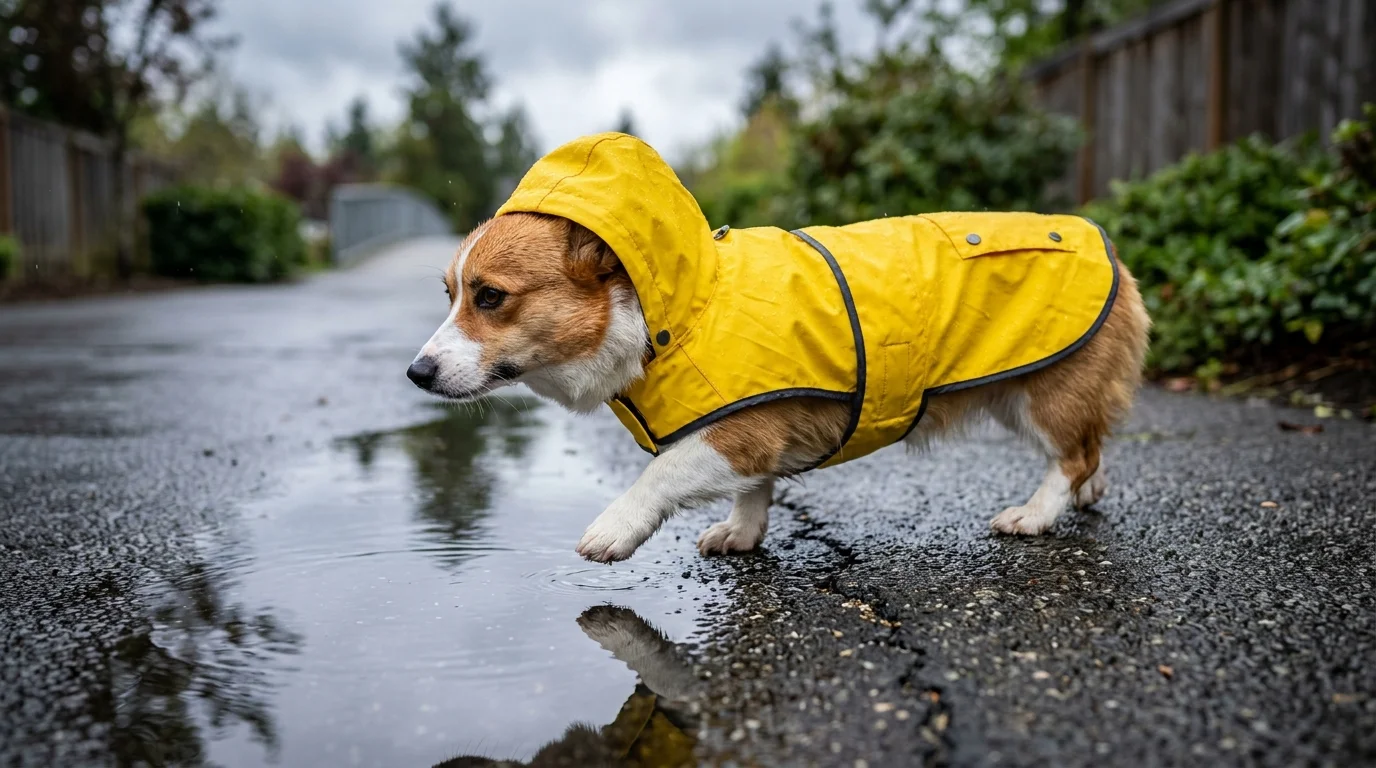
Rainy days pose a daily challenge for owners of water-averse breeds. When a dog refuses to leave the house to eliminate because it is raining, patience and the right environmental modifications are necessary.
Equip your dog with functional, comfortable foul-weather gear. Select a lightweight, waterproof coat featuring full chest and belly coverage; this prevents cold road spray and wet mud from soaking their underside. For short-legged breeds like Dachshunds and Basset Hounds, undersuit protection is essential. Introduce the coat indoors first using treats, ensuring your dog feels comfortable moving in the garment before stepping outside.
Create a dedicated, covered outdoor elimination zone. If you have a yard, set up a large patio umbrella, canopy tent, or pop-up shelter over a patch of grass near your back door. For apartment dwellers, consider placing a section of synthetic turf on a covered balcony or close to your building’s entryway overhang. Providing a dry spot eliminates the dread of stepping out into open downpours.
If outdoor weather is too severe, substitute physical walks with structured indoor mental exercise. Mental engagement burns energy efficiently without exposing your dog to harsh weather. Try the following indoor activities:
- Snuffle Mats and Nose Work: Hide high-value treats inside a fabric snuffle mat or around your living room furniture to engage your dog’s olfactory system.
- Interactive Puzzle Toys: Challenge your dog with food-dispensing puzzle toys that require problem-solving to release kibble.
- Indoor Flirt Pole Sessions: Use a lightweight flirt pole at low speeds across carpeted floors to satisfy prey drive safely inside.
- Targeting and Trick Training: Teach basic obedience tricks or nose-touch targeting to build focus and strengthen your bond.
When Water Aversion Signals an Underlying Medical or Behavioral Problem
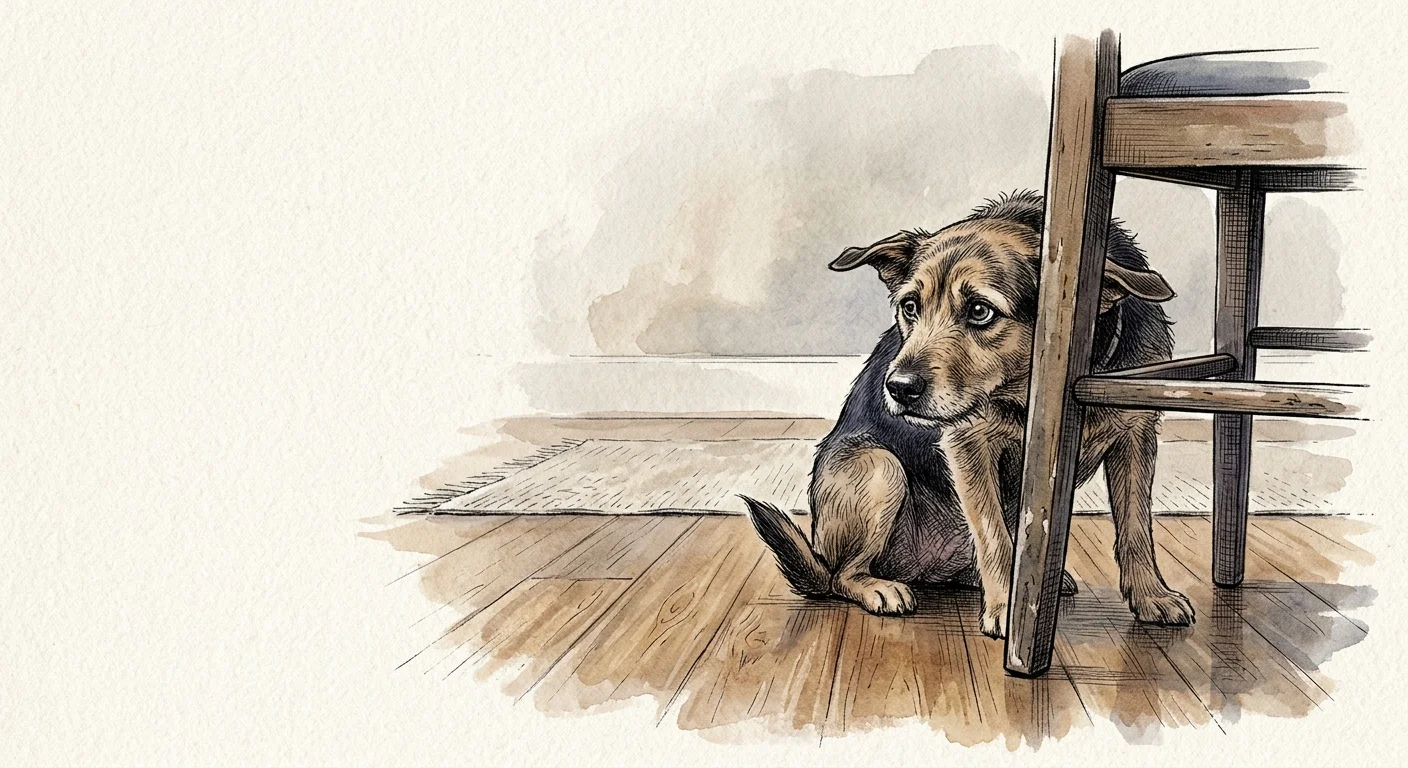
While many breeds instinctively avoid wet conditions due to physical traits, a sudden shift in water preference can signal an underlying health issue or traumatic behavioral conditioning. If your dog previously tolerated water but suddenly displays extreme fear, aggression, or distress, conduct a systematic evaluation.
Physical pain is a primary driver of sudden behavioral changes. As documented by the American Kennel Club (AKC), subtle shifts in canine behavior around routine activities often stem from underlying joint inflammation, soft tissue strain, or hidden physical discomfort. Common medical triggers include:
- Otitis Externa (Ear Infections): Inflamed ear canals hurt intensely when exposed to moisture or air pressure changes.
- Osteoarthritis and Joint Pain: Slick bathtub surfaces or wet, slippery grass exacerbate joint instability, causing acute pain during movement.
- Atopic Dermatitis and Cutaneous Allergies: Damaged skin barriers burn or sting when coming into contact with tap water or harsh shampoos.
- Vision Loss or Cataracts: Dogs with failing sight rely heavily on spatial predictability; moving water or reflections create confusing visual distortions that trigger panic.
Emotional trauma also plays a major role. A near-drowning incident, an accidental slip into a pool, or past punishment involving water can instill deep behavioral fear. Overcoming learned trauma requires systematic desensitization under the guidance of a professional trainer or veterinary behaviorist.
Frequently Asked Questions
Can dog breeds that dislike water ever learn to swim safely?
While some short-legged or flat-faced breeds can learn basic water tolerance, force-teaching them to swim without proper physical flotation equipment is dangerous. Always fit heavy or brachycephalic dogs with a certified canine life jacket equipped with a neck float support, and keep sessions brief, positive, and strictly voluntary near shallow shorelines.
How often should I bathe a dog that hates baths?
Unless your dog gets muddy or suffers from a medical skin condition requiring medicated washes, most dry land dog breeds only need a full bath every 6 to 12 weeks. Over-bathing strips away essential natural skin oils, causing dryness and skin irritation. Rely on daily brushing and dry shampoo wipes between bath cycles to keep their coat clean.
What should I do if my dog refuses to go outside to pee in the rain?
Never drag or force your dog into the rain, as this increases resistance. Walk out with them on a short leash under a large umbrella, escorting them directly to a sheltered grass area. Reward them with a high-value treat immediately upon eliminating, and return indoors right away so they learn that quick potty breaks lead to instant comfort.
Are dry shampoos and waterless cleansing wipes safe for daily use?
Yes, provided you choose products formulated specifically for canine pH levels. Select alcohol-free, fragrance-free, hypoallergenic formulas containing soothing natural ingredients like aloe vera or oat extract. Check for product safety seals and avoid using human baby wipes, which can disrupt the natural canine skin barrier.
For expert pet care guidance, visit
Certification Council for Professional Dog Trainers (CCPDT),
International Association of Animal Behavior Consultants (IAABC),
American College of Veterinary Behaviorists (ACVB) and
Pet Poison Helpline.
Disclaimer: This article is for informational purposes only and is not a substitute for professional veterinary advice, diagnosis, or treatment. Always consult with a licensed veterinarian for medical concerns about your pet.



Leave a Reply