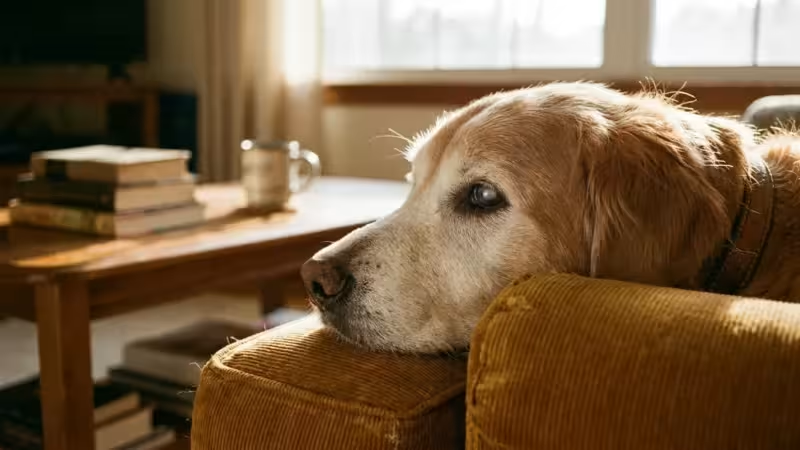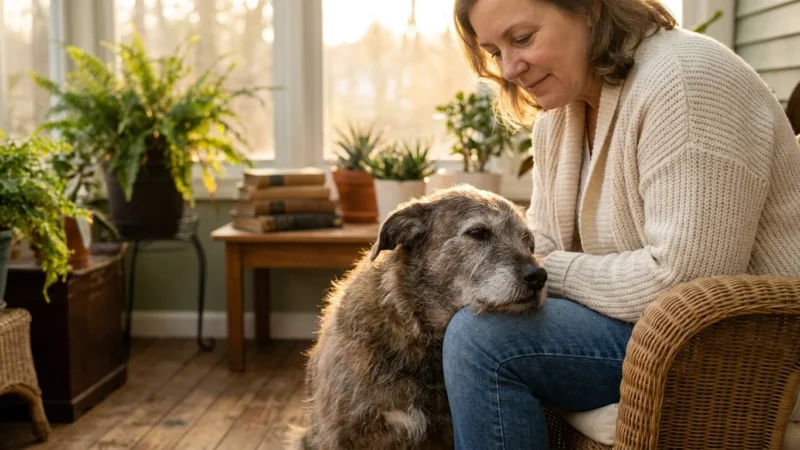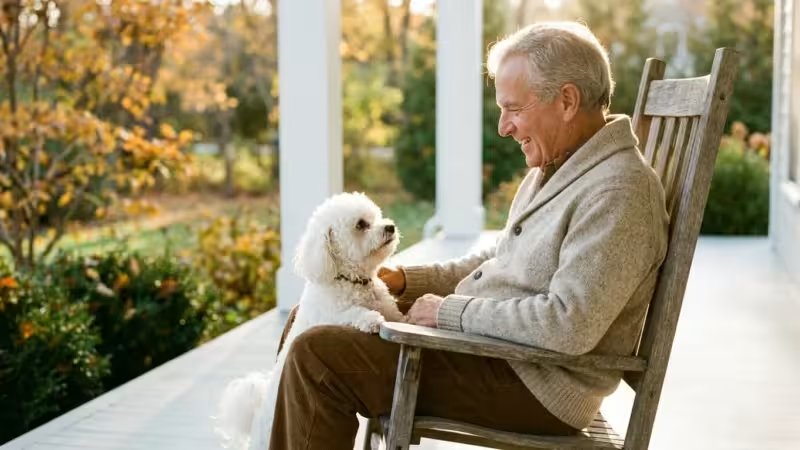
Bringing a calm dog into your life transforms your daily routine from chaotic to peaceful, offering steady companionship without the constant demand for high-intensity activity. Choosing a naturally relaxed breed ensures your new family member meshes perfectly with a laid-back lifestyle, apartment living, or a quiet household. While every dog has a unique personality, genetics heavily influence a canine’s baseline energy level and reactivity. Selecting from historically low-arousal breeds provides a reliable starting point for finding a mellow companion. Review these nine exceptional dog breeds celebrated for their easygoing natures to understand what shapes their temperament, and apply practical tips to foster a serene home environment where your dog can genuinely thrive.

Understanding What Makes a Dog Breed Calm
When you picture a calm dog, you likely imagine a quiet, gentle companion resting at your feet while you work or read. This relaxed demeanor rarely happens by accident; it is usually the result of centuries of selective breeding. Historically, dogs were bred to perform specific jobs. Herding and sporting dogs required boundless energy and sharp vigilance to work all day in the fields. Conversely, companion dogs, certain draft animals, and specialized hounds were bred for patience, steady nerves, and low arousal levels.
According to the American Kennel Club (AKC), a dog’s natural temperament is heavily influenced by their ancestral purpose. For instance, a giant breed designed to pull heavy carts through the snow needed a grounded, unflappable personality, not a high-strung, reactive one. Similarly, small breeds developed solely to sit on the laps of royalty possess a genetic predisposition to enjoy extended periods of rest.
It is critical to distinguish between a calm personality and a lack of physical needs. A calm dog still requires daily exercise, mental stimulation, and affection to remain healthy and happy. The primary difference lies in their “off switch.” Breeds known for calm personalities transition effortlessly from activity to rest; they do not typically pace, demand constant entertainment, or exhibit hyperactive behaviors when indoors.

Small Calm Dog Breeds for Cozy Living
If you live in an apartment or simply prefer a dog you can easily pick up, small breeds offer incredible companionship in a compact size. Many toy breeds were developed specifically to serve as loving, low-key companions.
1. Cavalier King Charles Spaniel
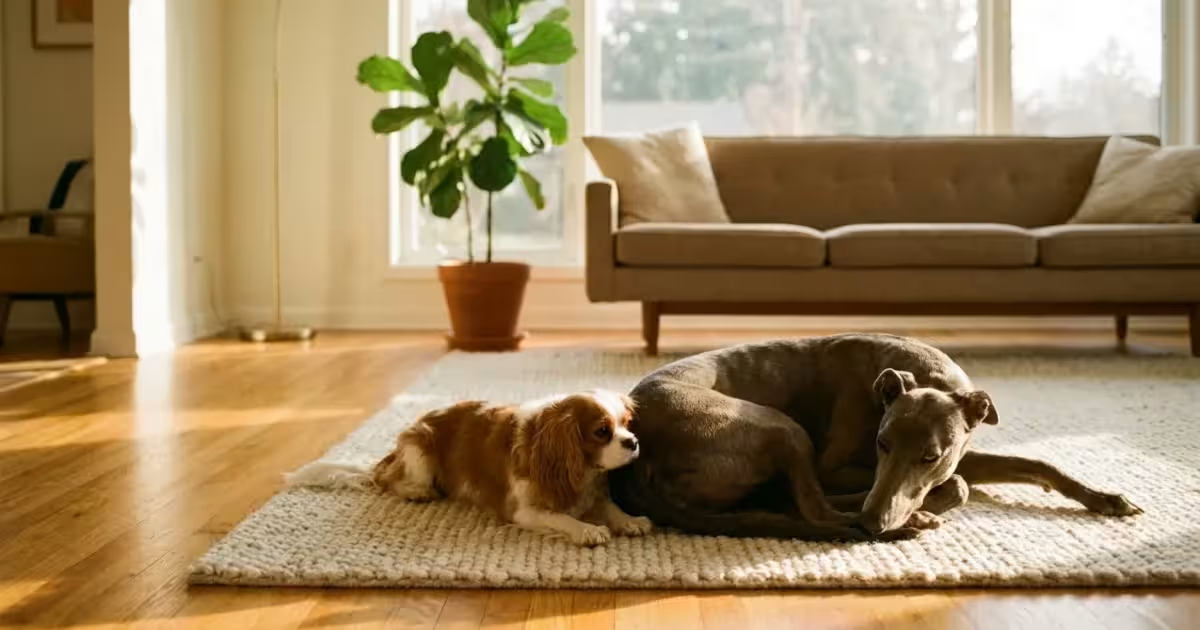
The Cavalier King Charles Spaniel embodies the perfect balance of gentle affection and polite playfulness. Known for their expressive eyes and silky coats, these dogs are highly adaptable to their owner’s lifestyle. If you want to go for a moderately paced walk, they are eager to join you; if you plan to spend the afternoon on the sofa, they will gladly keep your lap warm. Cavaliers are incredibly intuitive and often mirror the energy of their household, making them exceptional companions for families, singles, and seniors alike. Because they thrive on human connection, they do best in homes where they are not left alone for overly extended periods.
2. Shih Tzu
Bred for centuries to warm the laps of Chinese emperors, the Shih Tzu takes their job as a relaxed companion very seriously. They are affectionate, outgoing, and notably unbothered by typical household commotion. A Shih Tzu is far more likely to greet guests with a wagging tail and a request for ear scratches than with frantic barking. Their short snouts mean they are prone to overheating, so they naturally prefer climate-controlled indoor environments. Daily short walks and a few interactive toys are usually enough to satisfy their exercise requirements, leaving plenty of time for their favorite activity—napping.
3. Pug
Pugs pack a massive, charming personality into a small, sturdy frame. While they have a comical and sometimes mischievous side, their overall temperament is undeniably easygoing. Pugs love food, comfortable beds, and their humans, usually in that exact order. Their calm demeanor makes them an excellent choice for novice dog owners. However, because they are brachycephalic (flat-faced), their physical activity must be carefully managed, especially in hot or humid weather. Keeping a Pug calm and healthy means prioritizing relaxed, cool-weather walks and providing comfortable resting spaces throughout your home.

Medium Calm Dog Breeds for Balanced Households
Medium-sized calm dogs offer sturdiness and durability without the sheer mass of giant breeds. These dogs fit well into most suburban homes and adapt beautifully to a steady, predictable routine.
4. Basset Hound
With their iconic droopy ears, sorrowful eyes, and low-slung bodies, Basset Hounds are the quintessential relaxed hound. Originally bred to track game at a slow, methodical pace, they exhibit incredible patience and a famously stubborn streak. Indoors, a Basset Hound is incredibly placid, often seeking out the softest piece of furniture available. Their calmness should not be mistaken for a lack of intelligence; they are highly scent-driven and require daily walks to engage their powerful noses. Taking a Basset Hound on a “sniffari”—a walk where they are allowed to stop and smell at their leisure—provides excellent mental enrichment that keeps them deeply satisfied and thoroughly relaxed at home.
5. English Bulldog
The English Bulldog is renowned for a sweet, mellow, and predictable disposition. Despite their somewhat grumpy expression, they are incredibly affectionate and bond deeply with their families. Bulldogs are exceptionally low-energy; a brief daily walk is usually all it takes to tire them out. After their exercise, they will happily spend the remainder of the day snoring on a plush bed. Their heavy build and flat faces require you to remain vigilant about their health, prioritizing weight management and regular cleaning of their facial wrinkles to prevent skin infections.
6. Whippet
It might seem counterintuitive to include a dog capable of reaching speeds up to 35 miles per hour on a list of calm breeds, but the Whippet is a dog of two distinct modes. Outside in a safely enclosed area, they are athletic sprinters. Indoors, they are renowned as dedicated couch potatoes. Insights from the Rover — Pet Care Blog frequently highlight the Whippet as an ideal apartment dog due to their surprisingly quiet, unobtrusive, and intensely cuddly indoor behavior. They rarely bark, possess a highly sensitive nature, and deeply appreciate a warm, quiet home environment.

Large Gentle Giants Known for Relaxed Natures
If you have the physical space to accommodate them, large and giant dog breeds often feature the most naturally tranquil personalities in the canine kingdom. Their massive size means they simply do not need to expel energy through frantic pacing or jumping.
7. Greyhound
Much like their smaller cousin, the Whippet, the Greyhound is a sighthound that saves all their energy for short, intense bursts of speed. Retired racing Greyhounds, often adopted through specialized rescue organizations, are legendary for their docile, quiet, and lazy indoor habits. They are affectionately referred to as “45-mph couch potatoes.” Greyhounds are incredibly gentle and sensitive, preferring a peaceful household routine. Because their skin is thin and their body fat is extremely low, providing soft, supportive bedding is essential to keep them comfortable while they lounge the day away.
8. Newfoundland
The Newfoundland is a massive, powerful working dog with a heart of gold. Famous for their sweet temperaments and historical roles as water rescue dogs and loyal guardians, they are exceptionally patient and gentle, particularly with children. A Newfoundland’s calmness is rooted in their profound devotion to their family; they are happiest simply existing in the same room as you. You will need to manage their heavy shedding and tendency to drool, but their serene, watchful presence more than makes up for the extra housekeeping. Moderate daily exercise, such as a steady walk or a swimming session, keeps their joints healthy and their minds engaged.
9. Bernese Mountain Dog
Strikingly beautiful with their tricolor coats, Bernese Mountain Dogs are sturdy, calm, and highly affectionate. Bred to pull carts and drive cattle in the Swiss Alps, they possess a grounded, confident energy. They are not prone to nervous pacing or demanding behavior. Instead, they prefer to lean against your legs and soak up physical affection. The American Veterinary Medical Association (AVMA) reminds pet owners that large and giant breeds require routine veterinary monitoring for joint and heart health, even if their exercise requirements remain relatively low. Keeping your Bernese at a healthy weight through slow, steady walks ensures they can comfortably enjoy their relaxed lifestyle.

How to Nurture a Calm Demeanor in Any Dog
While selecting a breed with a genetic predisposition for calmness gives you a significant head start, your dog’s daily environment and routine ultimately dictate their behavior. Even the most naturally mellow dog can become stressed or hyperactive in a chaotic setting without proper guidance. You can actively nurture and reinforce your dog’s calm demeanor through intentional daily practices.
Establish a Predictable Routine
Dogs are creatures of habit. When they know exactly when they will be fed, walked, and allowed to rest, their baseline anxiety drops dramatically. Unpredictability breeds nervous anticipation. By maintaining consistent schedules, you communicate to your dog that their needs will be met, allowing them to fully relax during downtime.
Practice “Capturing Calmness”
Positive reinforcement is the most effective way to shape canine behavior. Rather than only paying attention to your dog when they are active or demanding, make a habit of rewarding them when they are doing absolutely nothing. If you notice your dog lying quietly on their mat, calmly walk over and place a high-value treat between their paws. Do not say a word or make eye contact; simply deliver the reward and walk away. Over time, your dog learns that settling down is a highly profitable behavior.
“A dog’s behavior is a direct reflection of their environment and daily routine. Providing predictable structure and rewarding spontaneous moments of relaxation teaches your dog that calmness is the most rewarding choice they can make.” — Dr. Emily Carter, DVM
Prioritize Mental Enrichment
Physical exhaustion is only half the equation; mental fatigue is arguably more important for fostering calmness. Fifteen minutes of intense sniffing, puzzle-solving, or obedience training tires a dog out far more effectively than an hour of mindless running. Use snuffle mats, frozen Kongs stuffed with dog-safe peanut butter, or interactive puzzle toys to engage their brains. A mentally satisfied dog will naturally seek out a quiet place to sleep.
Create a Serene Environment
Assess your home environment from your dog’s perspective. Constant loud noises, unpredictable guests, and lack of a designated safe space can keep a dog in a state of high arousal. Incorporating strategies endorsed by Fear Free Pets—such as minimizing harsh environmental noises, establishing a quiet crate or resting zone, and using species-appropriate pheromone diffusers—can significantly lower your dog’s resting stress levels and promote deep relaxation.

Breed Comparison Summary
To help you determine which of these calm companions might best fit your living situation, review the comparison table below outlining their general size, grooming needs, and daily exercise requirements.
| Dog Breed | Size Category | Grooming Needs | Exercise Needs |
|---|---|---|---|
| Cavalier King Charles Spaniel | Small | Moderate (regular brushing) | Light to Moderate |
| Shih Tzu | Small | High (daily brushing or clipping) | Light |
| Pug | Small | Moderate (wrinkle care, heavy shedder) | Light |
| Basset Hound | Medium | Moderate (ear and wrinkle care) | Moderate (sniff-focused) |
| English Bulldog | Medium | Moderate (wrinkle cleaning essential) | Light |
| Whippet | Medium | Low | Moderate (short sprints) |
| Greyhound | Large | Low | Moderate (short sprints) |
| Newfoundland | Giant | High (heavy shedding and drooling) | Moderate |
| Bernese Mountain Dog | Large | High (frequent brushing needed) | Moderate |
Frequently Asked Questions
Do calm dog breeds still need daily exercise?
Yes, absolutely. A calm demeanor does not eliminate the need for physical activity. Every dog requires daily movement to maintain cardiovascular health, joint mobility, and a healthy weight. For most calm breeds, a 30- to 45-minute structured walk, supplemented by indoor play and bathroom breaks, is entirely sufficient. Skipping exercise can lead to obesity and unexpected behavioral issues, even in naturally lazy dogs.
Are calm dogs easier to train?
Calm dogs often present fewer chaotic behaviors—such as jumping on guests or frantic leash pulling—which can make the training process feel smoother. However, low-arousal dogs sometimes lack the intense drive and eagerness to please found in working breeds like Border Collies. You must figure out what motivates your calm dog, whether that is a high-value food reward, gentle physical praise, or simply the promise of a nap after a short training session.
Can a high-energy breed become calm over time?
All dogs naturally slow down as they transition from puppyhood into their adult and senior years. A high-energy breed will become significantly calmer with age, proper training, and consistent fulfillment of their physical and mental needs. However, you should never adopt a high-energy working breed expecting them to organically adopt the lifestyle of a Basset Hound. Their baseline need for activity will always remain higher than a breed selectively bred for companionship.
What is the best calm dog breed for seniors?
For seniors, small companion breeds like the Cavalier King Charles Spaniel and the Shih Tzu are often highly recommended. They are affectionate, deeply devoted, and easy to manage physically. Because they weigh less than twenty pounds, they pose minimal risk of pulling an owner over on a leash and are easy to transport to the veterinarian. A retired racing Greyhound is also an excellent option for seniors who prefer a larger dog, provided they have access to a safely fenced area for the dog to stretch their legs occasionally.
For expert pet care guidance, visit
Preventive Vet, American Veterinary Medical Association (AVMA), American Kennel Club (AKC) and Cat Fanciers’ Association (CFA).
Disclaimer: This article is for informational purposes only and is not a substitute for professional veterinary advice, diagnosis, or treatment. Always consult with a licensed veterinarian for medical concerns about your pet.
Leave a Reply