
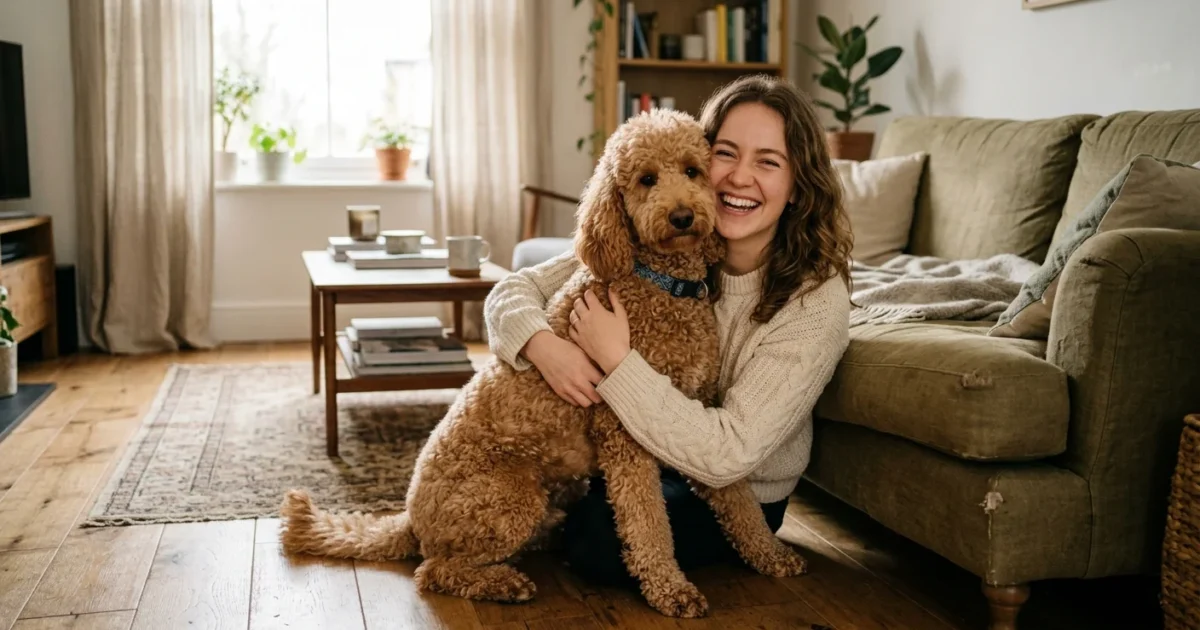
Sneezing, itchy eyes, and constant congestion do not have to stand between you and the joy of dog ownership. While no dog is entirely hypoallergenic, certain breeds produce significantly less dander, making them highly suitable for allergy sufferers. The allergic reaction you experience usually stems from a protein found in a dog’s saliva, urine, and dead skin cells—commonly known as dander—rather than the actual fur. Choosing a breed with a specific coat type that traps these allergens instead of shedding them around your home allows you to breathe much easier. Finding the perfect allergy-friendly dog requires matching their grooming needs, energy levels, and temperament with your lifestyle to ensure a harmonious environment.
Understanding Pet Allergies and Dander
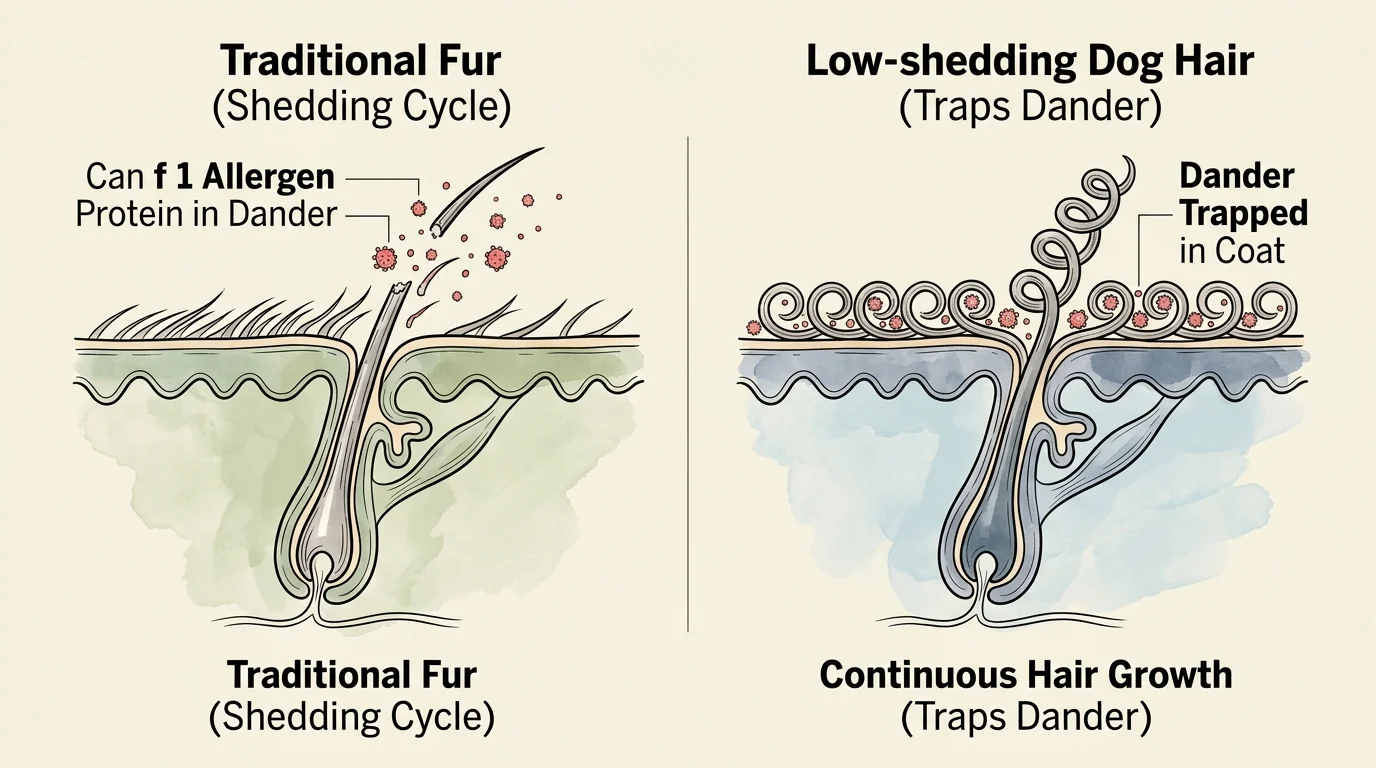
To successfully bring a dog into a home with allergy sufferers, you first need to understand exactly what triggers the allergic response. Many people mistakenly believe that dog hair causes their allergies to flare up. In reality, the true culprit is a specific protein called Can f 1, which is found in a dog’s saliva, urine, and dander (microscopic flakes of dead skin). When a dog sheds fur, the dander attached to those hairs disperses throughout your home, landing on carpets, furniture, and clothing.
Beyond grooming, establishing a routine of daily dog care tasks is crucial for keeping any pet healthy and minimizing allergens in your home.
Dogs described as hypoallergenic typically have hair rather than traditional fur. Unlike fur, which grows to a certain length and falls out, hair continues to grow continuously—much like human hair. Because these dogs shed very little, the dander remains trapped close to their skin instead of floating through the air. However, it is crucial to recognize that low-shedding does not mean low-maintenance. These coats require dedicated, routine grooming to prevent severe matting and to safely remove the accumulated dander.
According to the American Kennel Club (AKC), choosing a breed that matches your lifestyle and activity level is just as important as evaluating their coat type. An allergy-friendly dog still needs adequate exercise, mental stimulation, and proper socialization to thrive. When evaluating the ten breeds below, consider not only your sinuses but also how much time you can dedicate to grooming, training, and exercise.
The Poodle: A Highly Intelligent and Versatile Choice
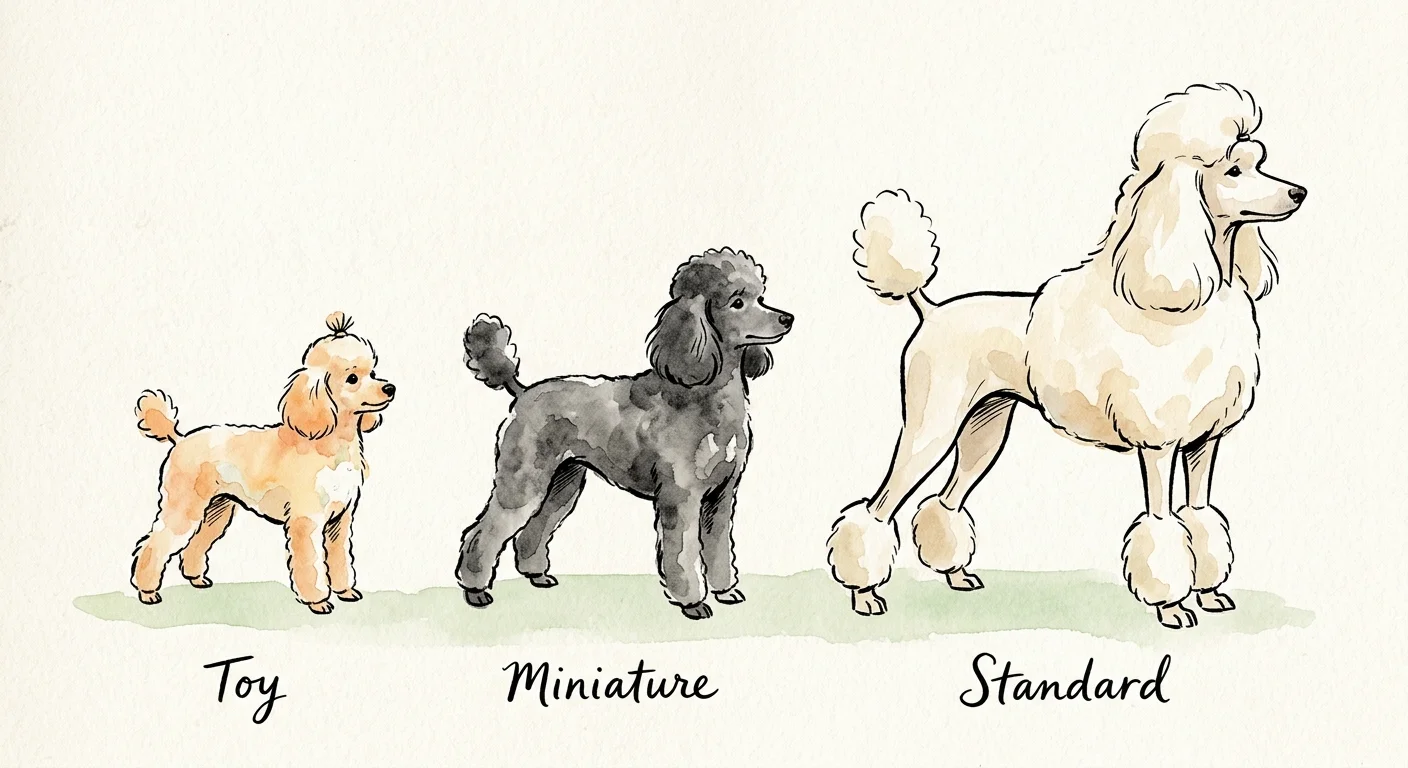
The Poodle is arguably the most famous allergy-friendly dog, and for excellent reasons. Available in three distinct sizes—Toy, Miniature, and Standard—the Poodle offers an option for nearly every living situation, from compact city apartments to sprawling suburban homes. Their single-layer coat consists of dense, curly hair that tightly traps dander and shedding hairs, keeping environmental allergens to an absolute minimum.
Teaching your puppy essential dog commands early on is a great way to build confidence and establish a strong bond.
Poodles are exceptionally intelligent and thrive on mental stimulation. They respond beautifully to positive reinforcement training methods; rewarding them with treats, praise, and play will quickly yield a well-mannered companion. Because they are highly observant, they can sometimes become anxious if left alone for long periods without a “job” to do. Puzzle toys and interactive games are fantastic tools for keeping a Poodle’s active mind engaged.
Grooming a Poodle requires a significant commitment. If you choose to keep their coat in a longer, traditional clip, you must brush them daily down to the skin to prevent painful mats from forming. Many owners opt for a shorter “puppy cut” or “sporting clip,” which heavily reduces daily brushing requirements. Regardless of the style, you will need to schedule professional grooming every four to six weeks to maintain their coat health and keep dander under control.
Small and Affectionate Breeds: Bichon Frise and Maltese
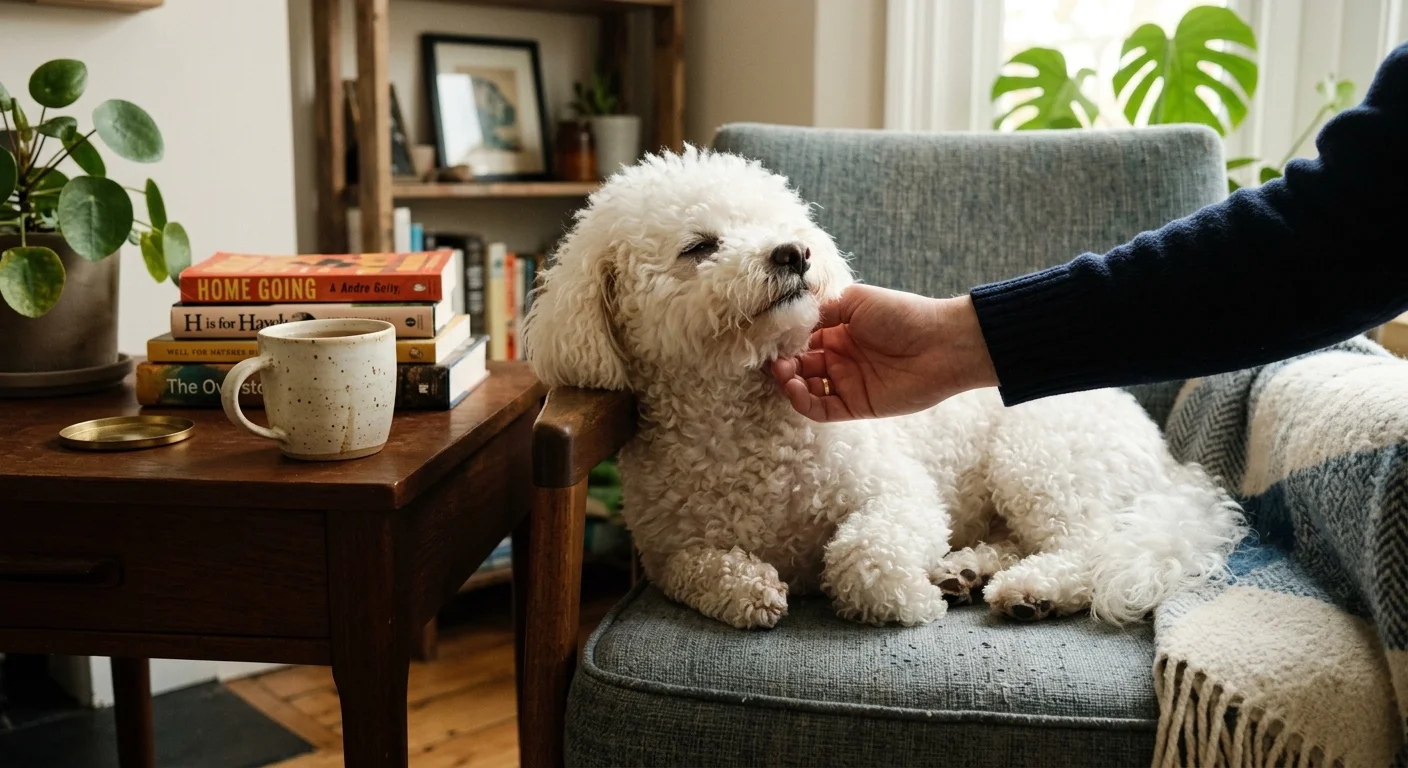
If you are looking for a compact, fiercely loyal companion who loves to snuggle, the Bichon Frise and the Maltese are stellar candidates. Both breeds were bred specifically for companionship and boast coats that are highly compatible with allergy sufferers.
The Bichon Frise
The Bichon Frise features a plush, velvety white coat that gives them a distinctive powder-puff appearance. They have a cheerful, adaptable temperament and generally get along well with children and other pets. Because they are highly social, they form strong bonds with their families and prefer not to be left alone for extended periods.
To keep their coat healthy and dander-free, it helps to establish a consistent dog grooming schedule.
As a bonus, these cheerful pups are also frequently recommended among the best dog breeds for first-time owners due to their highly adaptable nature.
Their double coat consists of a soft, dense undercoat and a coarser, curly outer coat. When they do shed, the loose hairs are caught within the undercoat rather than falling onto your floor. This means daily, thorough brushing is mandatory to remove dead hair and dander before it forms solid mats. Professional trimming is also required roughly once a month.
The Maltese
Weighing in at under seven pounds, the Maltese is a tiny dog with a massive personality. Known for their long, silky, straight white hair, they lack an undercoat entirely. This single-layer coat produces very little dander, making them one of the safest choices for severe allergy sufferers.
Using the correct dog shampoo during these baths is crucial to prevent dry skin, which can increase dander production.
Their calm nature and petite size also make them one of the top dogs that barely shed and are perfect companions for older adults.
Maltese dogs are gentle, playful, and incredibly affectionate. They enjoy short daily walks and indoor play sessions. If you choose to keep a Maltese in their glamorous show coat, which sweeps the floor, you must commit to meticulous daily brushing and frequent bathing. To simplify life, many pet parents keep their Maltese in a short, manageable trim that only requires a quick brush a few times a week.
Sturdy Terriers: Schnauzers and Soft Coated Wheatens
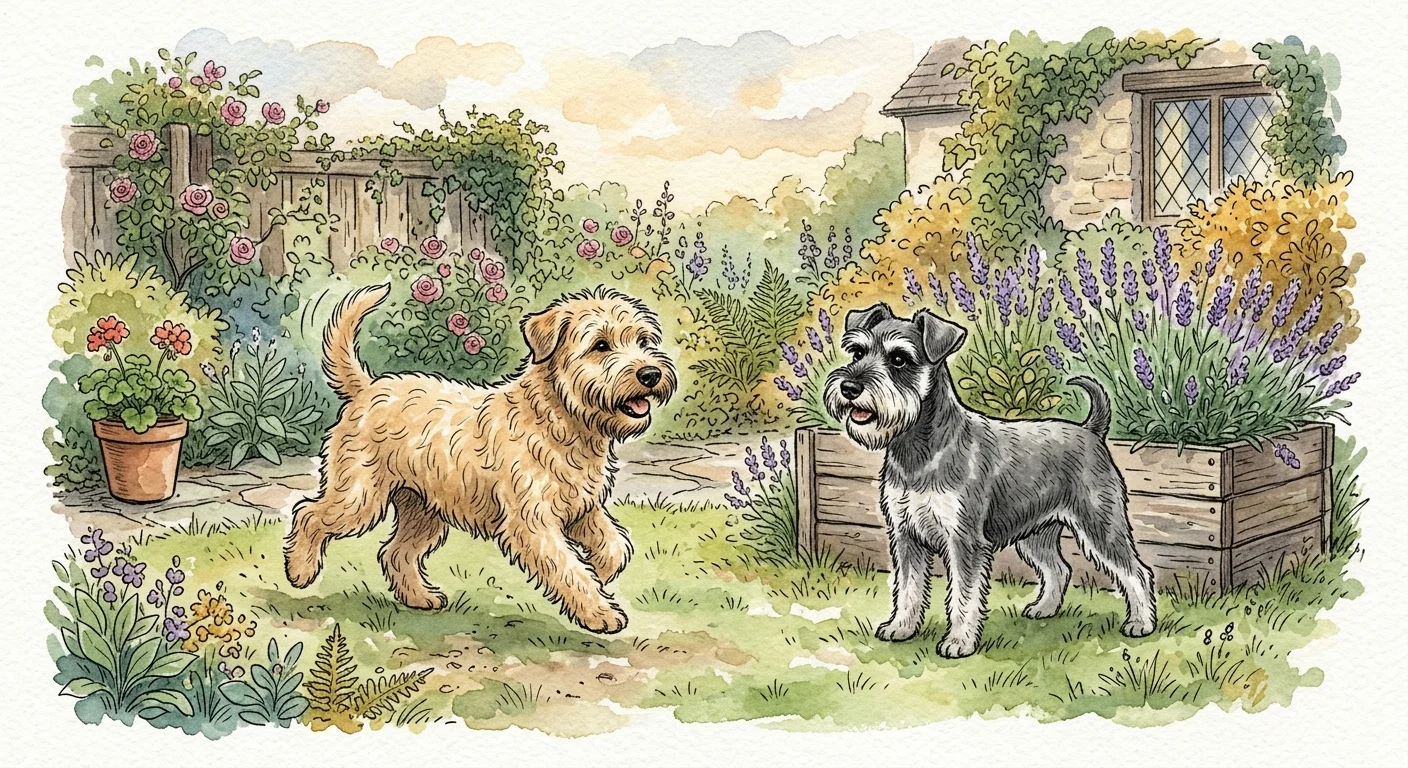
For individuals seeking a robust, energetic dog with a sturdy build, the terrier group offers several outstanding allergy-friendly options. These dogs were originally bred for working on farms and hunting vermin, so they carry a lively, alert, and confident demeanor.
The Schnauzer
Schnauzers come in three distinct sizes—Miniature, Standard, and Giant—allowing you to choose the exact scale of dog that fits your life. They are characterized by their distinctive wiry coats, bushy eyebrows, and impressive beards. Schnauzers are deeply loyal, highly trainable, and serve as excellent watchdogs. They require consistent, reward-based training starting from puppyhood to manage their vocal tendencies and high prey drive.
Their wiry double coat requires specific maintenance. To preserve the harsh texture of the topcoat, show dogs undergo a process called hand-stripping, where dead hairs are manually plucked out. However, most pet owners prefer standard clipping. While clipping softens the coat and may slightly alter its color, it remains highly effective at minimizing dander and shedding in the home.
The Soft Coated Wheaten Terrier
The Soft Coated Wheaten Terrier is a joyful, deeply devoted dog known for the “Wheaten Greetin’”—an enthusiastic, bouncy welcome given to friends and family. They possess a single coat of soft, wavy hair that covers their entire body. They are energetic and require vigorous daily exercise to stay physically and mentally fit.
Learning how to groom them properly helps you avoid common dog grooming mistakes that can damage their unique coat.
Because their silky coat easily picks up dirt, leaves, and debris from the outdoors, they require thorough daily grooming. Using a slicker brush followed by a medium-toothed comb is essential to pull out trapped dirt and dander while preventing tangles. Without diligent grooming, a Wheaten’s coat can quickly become an unmanageable, matted mess.

Athletic Companions: Portuguese Water Dog and Kerry Blue Terrier
Active families who enjoy hiking, running, and outdoor adventures need a dog capable of keeping pace. The Portuguese Water Dog and the Kerry Blue Terrier offer incredible athleticism combined with allergy-friendly coats.
The Portuguese Water Dog
Made famous as the former “First Dogs” of the United States, Portuguese Water Dogs are exceptionally smart, eager to please, and heavily reliant on vigorous daily exercise. Originally bred to assist fishermen by herding fish into nets and retrieving lost tackle, they love water and excel in canine sports like agility and obedience.
Their coat is waterproof and can be either tightly curled or slightly wavy. Because they do not shed heavily, they are well-tolerated by allergy sufferers. However, their active lifestyle means their coats can trap outdoor allergens like pollen and dust. Regular bathing and weekly brushing are crucial to keep both the dog and your allergies in check.
The Kerry Blue Terrier
The Kerry Blue Terrier is a striking dog born with a black coat that gradually fades to a beautiful slate gray or blue as they mature. They are spirited, highly active, and fiercely loyal to their families. Because of their strong terrier instincts, early socialization and positive reinforcement training are vital to ensure they grow into well-adjusted adults.
Their coat is incredibly soft, dense, and wavy, lacking an undercoat entirely. This makes them a superb choice for allergy sufferers. They require daily brushing to prevent debris accumulation and a professional trim every four to six weeks to maintain their distinct silhouette.
Unique Allergy-Friendly Choices: Chinese Crested and Afghan Hound
Allergy-friendly dogs come in highly unique packages. If you are drawn to the unusual, the Chinese Crested and the Afghan Hound provide striking aesthetics alongside manageable dander levels.
The Chinese Crested
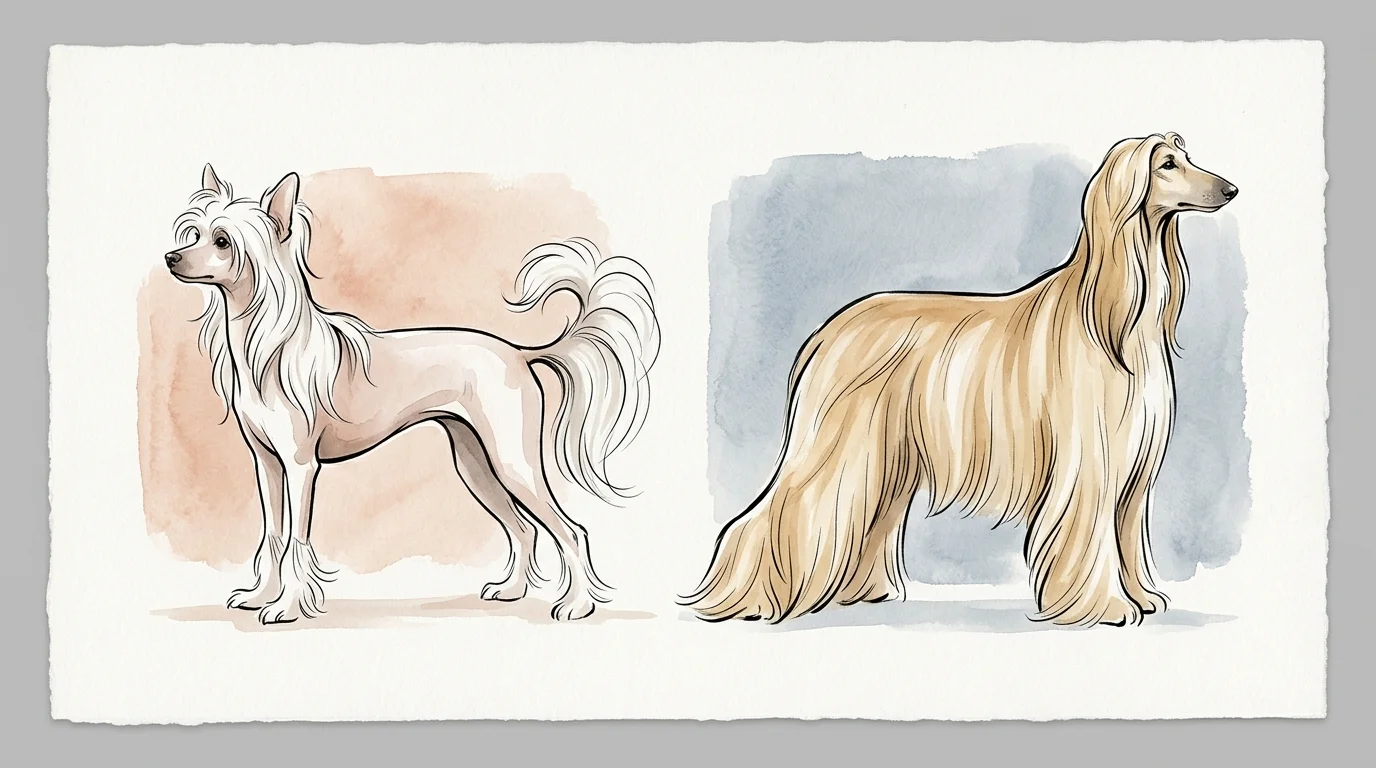
The Chinese Crested comes in two varieties: Hairless and Powderpuff. The Hairless variety has smooth skin over most of its body, with tufts of hair only on the head, tail, and ankles. Naturally, having almost no hair means there is virtually no shedding, making them incredibly popular among allergy sufferers.
Despite the lack of brushing required, the Hairless Chinese Crested needs intensive skin care. You must protect their exposed skin from sunburn with pet-safe sunscreen and outfit them in sweaters during cold weather. They are also prone to canine acne and dry skin, so regular bathing with a mild, vet-recommended shampoo followed by specialized pet lotion is necessary. The Powderpuff variety has a full double coat that is surprisingly low-shedding but requires daily brushing.
The Afghan Hound
At first glance, the Afghan Hound appears to be a nightmare for allergy sufferers due to their long, flowing, spectacular coat. However, their coat is composed of fine hair rather than fur, making them surprisingly low in dander production. They are independent, dignified dogs with a high prey drive, requiring secure, fenced areas for running.
Owning an Afghan Hound is a massive grooming commitment. Their long hair requires hours of weekly brushing, specialized detangling sprays, and frequent baths to maintain its majestic appearance and keep dander washed away. If you lack the time for intensive grooming, you will need the budget for frequent visits to a professional groomer.

Managing Dog Allergies in Your Home Environment
Selecting the right breed is only the first step. To ensure a comfortable, symptom-free life with your new companion, you must implement strict environmental management strategies. According to experts at the American Veterinary Medical Association (AVMA), maintaining your pet’s skin health through proper nutrition and routine veterinary care is essential, as healthy skin produces significantly less irritating dander.
“While no dog is completely hypoallergenic, maintaining a rigorous grooming routine and managing your home environment can dramatically reduce dander, allowing allergy sufferers to comfortably live with pets.” — Dr. Sarah Mitchell, DVM
To keep the allergen load low in your home, consider adopting a comprehensive cleaning and grooming routine. High-Efficiency Particulate Air (HEPA) filters are invaluable; placing one in the rooms where you spend the most time will continuously scrub the air of microscopic dander and hair. Additionally, establishing “dog-free zones” is crucial. Your bedroom should remain completely off-limits to your dog to ensure you sleep in an allergen-free environment.
When it comes to cleaning, avoid sweeping with a traditional broom, which simply launches settled dander back into the air. Instead, use a vacuum equipped with a HEPA filter on all carpets, rugs, and upholstery. Wash your dog’s bedding weekly in hot water to destroy trapped allergens.
Below is a practical checklist outlining the routine care required to manage dog allergies in your household:
| Frequency | Task | Benefit for Allergy Sufferers |
|---|---|---|
| Daily | Run HEPA air purifiers in main living spaces. | Captures airborne dander before it settles on furniture or enters your respiratory system. |
| Daily to 3x/Week | Brush your dog thoroughly (preferably outdoors). | Removes loose hair and dead skin cells before they drop onto your floors and carpets. |
| Weekly | Vacuum all floors and wash the dog’s bedding in hot water. | Eliminates accumulated dander, dust mites, and outdoor pollen tracked inside by the dog. |
| Every 2-4 Weeks | Bathe your dog with a moisturizing, vet-approved shampoo. | Washes away built-up saliva and dander; moisturizes the skin to prevent excessive flaking. |
| Every 4-6 Weeks | Professional grooming and hair trimming. | Keeps the coat manageable, prevents matting, and maintains healthy skin airflow. |
It is also highly recommended to wipe your dog down with a damp cloth or specialized pet wipe after they return from an outdoor walk. Dogs with curly or wiry coats can easily trap grass pollen, mold spores, and dust from the environment, which can trigger secondary allergies once they step back inside.
Frequently Asked Questions
Are “doodle” crossbreeds guaranteed to be hypoallergenic?
No, there is no absolute guarantee. When a Poodle is crossed with a shedding breed like a Golden Retriever or a Labrador, the puppies can inherit any combination of coat traits. Some may inherit the Poodle’s low-shedding curly hair, while others may inherit the shedding fur of the other parent. If severe allergies are a concern, a purebred dog with predictable coat genetics is often a safer choice than a crossbreed.
Can I build up an immunity to my dog’s dander over time?
Some pet owners report that their allergic reactions diminish as their bodies adapt to their specific dog’s dander, but this is highly individualized and not guaranteed. Relying on the hope of building immunity is risky. It is far safer to rely on proactive environmental management, frequent grooming, and consultation with a human allergist regarding immunotherapy options.
Does feeding a high-quality diet help with allergies?
Absolutely. According to the ASPCA, a diet rich in omega-3 fatty acids supports a healthy skin barrier and a shiny coat. When a dog’s skin is adequately hydrated and nourished from the inside out, they experience less dry, flaky skin, which directly translates to less dander floating around your home.
Should I bathe my allergy-friendly dog more frequently?
Frequent bathing can wash away the dander and saliva that trigger your allergies, but you must be cautious. Over-bathing can strip the dog’s skin of its natural oils, leading to dry, itchy skin that actually produces more dander. Use a gentle, moisturizing oatmeal or aloe-based shampoo, and consult your veterinarian to establish the perfect bathing schedule for your specific dog’s skin type.
For expert pet care guidance, visit
American Kennel Club (AKC), Cat Fanciers’ Association (CFA), ASPCA and The Humane Society of the United States.
Disclaimer: This article is for informational purposes only and is not a substitute for professional veterinary advice, diagnosis, or treatment. Always consult with a licensed veterinarian for medical concerns about your pet.







Leave a Reply