

Watching your beloved dog scratch relentlessly, bite their paws, or rub their face against the carpet breaks your heart and creates ongoing frustration for your household. Skin allergies remain the leading medical reason for canine veterinary visits, affecting roughly 10% to 15% of all dogs nationwide. While environmental triggers like pollen or dust mites affect dogs of any background, genetic traits make certain breeds far more vulnerable to chronic itchiness, secondary infections, and inflamed skin. By understanding which breeds carry elevated risks and recognizing early warning signs, you can implement proactive routines, targeted therapies, and dietary adjustments that protect your dog’s skin barrier and restore their daily comfort.
Understanding Canine Skin Allergies: Causes and Genetics
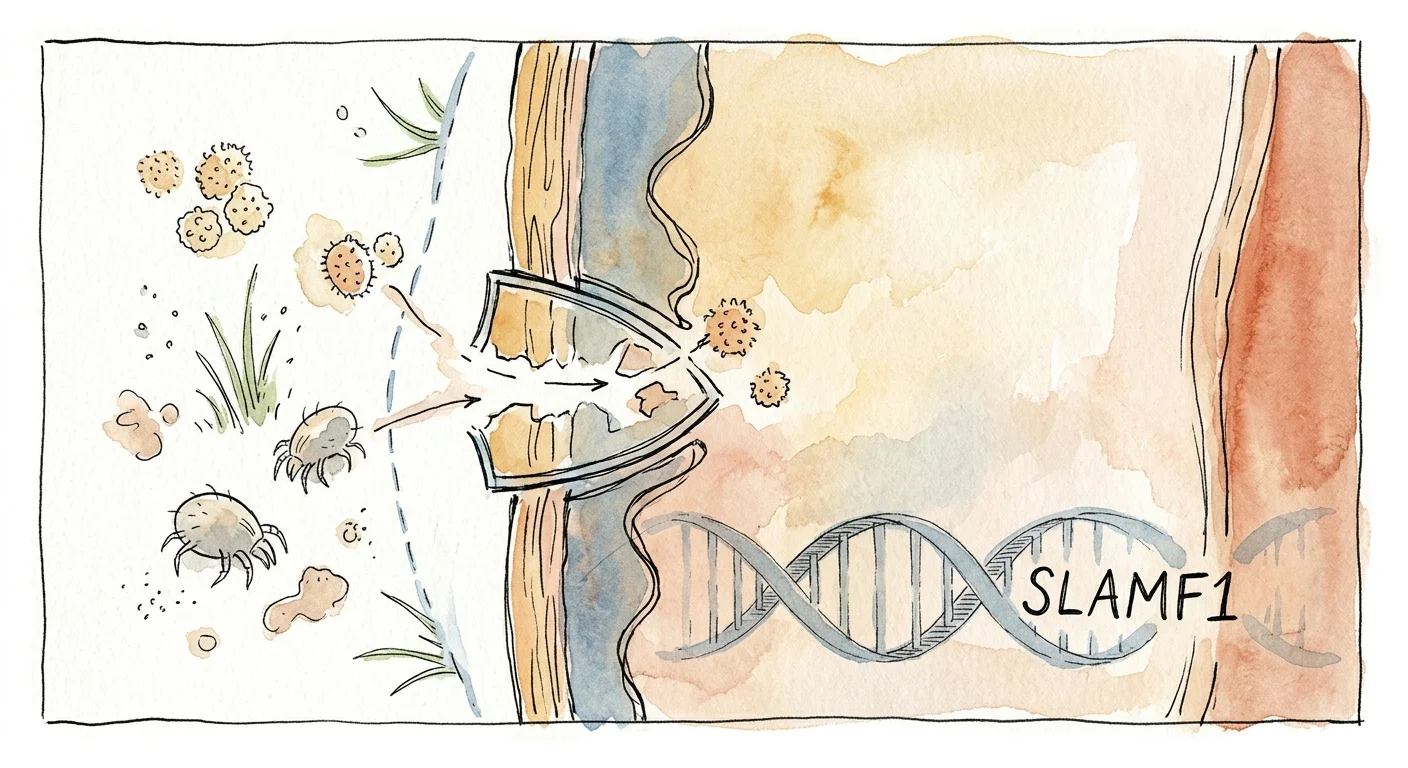
Canine skin allergies manifest in several distinct ways, but Canine Atopic Dermatitis (CAD) represents the most widespread chronic issue. According to Nationwide Pet Insurance’s annual analysis evaluating over 3.3 million claims, skin allergies ranked as the top medical reason for veterinary visits for the 15th consecutive year. When a dog suffers from CAD, their immune system overreacts to harmless environmental substances—such as tree pollens, mold spores, storage mites, or grasses—by releasing inflammatory chemicals into the skin. This allergic reaction breaks down the skin’s natural protective lipid barrier, allowing bacteria and yeast to colonize and trigger secondary infections.
While environmental factors trigger flare-ups, genetics determine how vulnerable your dog’s skin is to these exposures. A landmark genetics study conducted by Wisdom Panel, Banfield Pet Hospital, and the Mars Petcare Biobank identified a specific variant in the SLAMF1 gene. This genetic mutation increases the risk of developing atopic dermatitis by at least two-fold in high-risk breeds. Dogs inheriting these genetic variations produce compromised skin proteins; consequently, environmental allergens penetrate their skin layers far more easily than they do in non-predisposed breeds.
Beyond airborne allergens, dogs with sensitive skin often react to flea bites and dietary ingredients. Flea Allergy Dermatitis (FAD) occurs when a single flea bite injects saliva into a hypersensitive dog, causing extreme itching along the lower back and tail base. Cutaneous adverse food reactions—commonly called food allergies—account for a smaller percentage of overall cases but cause identical symptoms. Understanding your dog’s underlying genetics helps you distinguish between seasonal environmental triggers, parasitic irritations, and dietary sensitivities.
Proactive care makes a tremendous difference in long-term outcomes. According to clinical management guidelines from the American Animal Hospital Association (AAHA), early therapeutic intervention stops the itch-scratch cycle before chronic trauma permanently alters the skin tissue. Combining routine topical hygiene, dietary fortification, and modern medical treatments gives dogs with sensitive skin the best opportunity for a comfortable, itch-free life.
10 Dog Breeds With Higher Rates of Skin Allergies
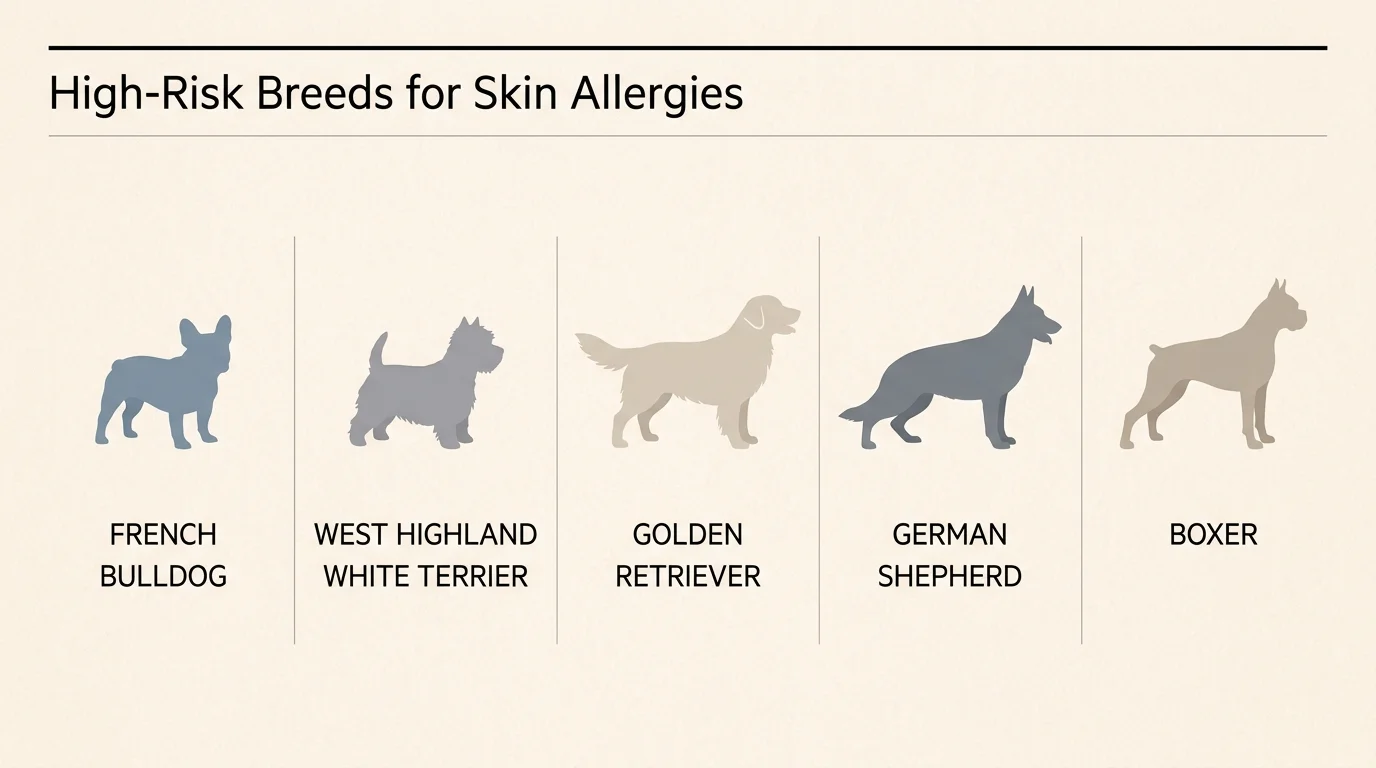
Certain dog breeds carry a heavy genetic predisposition toward skin sensitivity, structural skin fold complications, and immune system dysregulation. If you share your home with one of these ten breeds, maintaining vigilant skin care and proactive preventive measures will prove vital to your pet’s health.
While many prospective owners focus on finding dog breeds suitable for people with allergies, it is equally crucial to understand which canine companions are prone to developing severe allergic reactions themselves.
1. French Bulldog
French Bulldogs currently top popularity charts, but they also represent one of the most allergy-prone dog breeds in modern veterinary medicine. These compact companions frequently carry the SLAMF1 gene variant, doubling their probability of developing severe environmental atopy. Furthermore, their brachycephalic physical structure creates deep facial wrinkles and tight tail pockets that trap moisture, heat, and skin secretions.
Though popular across households and often evaluated alongside the best dog breeds for first-time owners, Frenchies demand significant dedication to manage their complex dermatological needs.
A population-level study conducted by the Royal Veterinary College’s VetCompass program revealed that French Bulldogs face a 2.7% prevalence rate for skin fold dermatitis alone—representing a 25.9-times higher risk compared to crossbred dogs. Frenchies frequently bite their feet, leading to painful interdigital cysts between their toes. Their thin single coat offers minimal barrier defense against contact allergens, causing their bellies and armpits to turn bright pink after walking through high grass.
2. English Bulldog
English Bulldogs suffer from some of the highest rates of common dog skin conditions across all canine breeds. Their heavily wrinkled skin, thick body build, and naturally sensitive epidermal tissue create an ideal environment for chronic inflammation and microbial overgrowth. The same VetCompass study demonstrated that English Bulldogs exhibit a 6.1% prevalence for skin fold dermatitis—a staggering 49.1-times increased risk compared to non-brachycephalic breeds.
Cleaning heavy skin folds requires a gentle touch to prevent painful irritation, making it essential to avoid common dog grooming mistakes like using harsh soaps or leaving trapped moisture in wrinkles.
Bulldogs regularly develop deep facial fold intertrigo, pododermatitis, and chronic ear infections. Because their skin barrier lacks adequate essential fatty lipids, outdoor allergens easily cross into the dermal layers, provoking rapid immune responses. You will often notice an English Bulldog rubbing their face vigorously against furniture or dragging their hindquarters across rugs to relieve relentless itching in their tail folds.
3. West Highland White Terrier
Affectionately known as the “Westie,” the West Highland White Terrier possesses a well-documented genetic predisposition to severe canine atopic dermatitis. Primary-care epidemiological data from VetCompass indicates that 6.5% of Westies receive formal diagnoses for allergic skin disorders, while general skin diseases account for a massive 22.7% of all recorded health issues in the breed.
Establishing a consistent dog grooming schedule helps catch early signs of atopy in Westies before intense scratching leads to chronic coat thinning and lichenification.
Westies experience a specific form of skin allergy that often begins between six months and three years of age. Without early intervention, chronic scratching causes their coat to thin out and their skin to darken and thicken—a process called hyperpigmentation and lichenification. Their bright white fur often turns rust-colored around the paws and muzzle due to porphyrins in their saliva from constant licking and chewing.
4. Golden Retriever
Golden Retrievers capture hearts with their gentle temperament, but their dense, water-repellent double coats frequently conceal underlying skin inflammation. As one of the premier dog breeds prone to skin allergies, Golden Retrievers display high reactivities to environmental allergens like dust mites, grass pollens, and molds. Their thick undercoat traps shed fur, moisture, and debris directly against the skin tissue.
Equipping your home with the best grooming tools, such as specialized undercoat rakes and de-shedding brushes, prevents damp dead fur from creating the perfect breeding ground for hot spots.
When a Golden Retriever scratches or chews an itchy spot, trapped surface moisture allows resident Staphylococcus bacteria to proliferate rapidly. This results in acute moist dermatitis, commonly called “hot spots”—painful, red, oozing lesions that can expand from the size of a coin to the size of a palm in a matter of hours. Golden Retrievers also suffer from recurrent ear infections caused by heavy, feathered ears that restrict air circulation in the ear canals.
5. Labrador Retriever
Labrador Retrievers consistently rank among the most affected dog breeds with allergies due to their immune system’s heightened reactivity to both environmental and food proteins. Labradors frequently suffer from atopic dermatitis that triggers persistent licking of all four paws. Over time, this constant dampness damages the delicate skin between their paw pads, creating recurring fungal and bacterial infections.
In addition to environmental atopy, Labradors show elevated rates of cutaneous food adverse reactions, reacting poorly to common protein sources like chicken or beef. Their dense coat requires frequent grooming and therapeutic bathing; otherwise, trapped oils and environmental allergens aggravate their skin barrier, causing chronic itchiness along the belly, groin, and inner thighs.
6. Boxer
Boxers possess short, smooth single coats that fail to shield their delicate skin from physical contact with environmental irritants. Recent genetic studies highlight the Boxer as a primary carrier of the SLAMF1 gene mutation, rendering their immune system exceptionally reactive to airborne allergens. Unlike long-haired breeds whose coats catch pollens before they touch the skin, Boxers absorb contact allergens directly into their dermal layers.
Boxers prone to skin allergies frequently display hives (urticaria), raised red bumps, and severe redness across their chests and flanks. They often lick their flanks raw or scratch their axillary areas (armpits) incessantly. Their short coats make early physical signs of skin inflammation easy to spot, allowing proactive owners to intervene before secondary bacterial pyoderma sets in.
7. Pit Bull Terrier (American Staffordshire Terrier)
Pit Bull Terriers and related bully breeds feature exceptionally short coats and naturally sensitive skin lipid barriers. Dogs in this breed group frequently suffer from severe environmental contact allergies, turning their underbellies, chests, and feet inflamed and bright red after outdoor activity. Their minimal belly fur offers virtually no protection against lawn chemicals, weeds, or microscopic soil mites.
Pit Bulls often develop severe pododermatitis, chewing their paws until they become swollen, hairless, and bleeding. They also suffer from dry, flaky skin during winter months when indoor heating lowers ambient humidity. Managing dogs with sensitive skin in this category requires strict post-walk wiping routines and topical barrier-repair serums to keep their skin smooth and intact.
8. German Shepherd
German Shepherds carry unique immune system characteristics that make them particularly susceptible to skin disease, flea bite hypersensitivity, and deep bacterial pyoderma. When a German Shepherd develops skin allergies, their scratching tends to be intense and widespread, localized heavily along the lower back, tail base, and outer thighs. Their dense double coat trap allergens deep near the hair follicles.
While German Shepherds are widely celebrated among the most obedient dog breeds, their health management requires vigilant observation to control sudden allergic flare-ups and deep pyoderma.
Furthermore, German Shepherds possess a genetic tendency toward mucocutaneous pyoderma and perianal fistulas, conditions exacerbated by underlying allergic inflammation. A single flea bite can send an allergic German Shepherd into a frantic biting spree, removing large patches of fur and breaking the skin within minutes. Establishing rigorous flea prevention alongside allergy care remains mandatory for this breed.
9. Cocker Spaniel
Cocker Spaniels face a dual challenge: a strong genetic predisposition to environmental allergies combined with a high propensity for primary seborrhea. Primary seborrhea causes an overproduction of skin oils (sebum), leading to greasy, foul-smelling skin covered in yellowish crusts and flakes. When underlying skin allergies mix with excess sebum, yeast (Malassezia) thrives across their skin surface.
The breed’s long, heavy ears trap warm air and moisture, making them notorious for severe, chronic otitis externa. An allergic Cocker Spaniel will shake their head repeatedly, scratch at the base of their ears, and rub their face against carpets. Daily ear inspections and specialized anti-seborrheic medicated baths form the cornerstone of successful management for this breed.
10. Pug
Pugs pack significant skin sensitivity into a small, wrinkled frame. Like their larger brachycephalic relatives, Pugs suffer from facial fold intertrigo caused by deep skin wrinkles across their muzzles. Saliva, tear overflow, and environmental dust collect inside these dark folds, creating an ideal microclimate for opportunistic yeast and bacterial overgrowth.
Pugs also display high rates of environmental atopy, showing extreme sensitivity to house dust mites and indoor molds. You will often see an allergic Pug pawing frantically at their face, dragging their eyes and muzzle across floorboards, or chewing on their short front legs. Gentle daily fold maintenance and air filtration inside the home provide immense relief for sensitive Pugs.
Spotting Symptoms and Common Dog Skin Conditions
Recognizing the early warning signs of allergic skin disease enables you to seek treatment before mild irritation escalates into a painful secondary infection. While humans typically respond to allergens with sneezing and watery eyes, dogs process allergies primarily through their skin and ears.
While canines react topically to allergens, households seeking pets that produce minimal human dander reactions may want to explore dog breeds suitable for people with allergies.
Keep a close eye out for these hallmark symptoms of skin allergies in your dog:
- Obsessive Paw Licking and Chewing: Saliva contains iron-rich compounds called porphyrins; constant licking leaves rusty brown stains on light-colored fur between the toes.
- Recurrent Ear Infections: Dark, waxy build-up, head shaking, ear redness, and strong sweet or sour odors signal allergic inflammation inside the ear canal.
- Hot Spots (Acute Moist Dermatitis): Rapidly developing red, wet, hairless patches of skin that feel hot to the touch and cause intense discomfort.
- Erythema (Skin Redness): Bright pink or red discoloration localized along the belly, groin, armpits, and inside the ears.
- Hyperpigmentation and Lichenification: Darkened, leathery, thickened skin resulting from long-term chronic scratching and rubbing.
- Dandruff and Scaling: Excessive shedding of dry skin flakes or greasy yellow crusts clinging to the base of hair follicles.
If you notice any of these indicators, inspect your dog’s skin under bright light. Look specifically for tiny red bumps (papules), pus-filled bumps (pustules), or circular crusty rings (epidermal collarettes), which point directly to secondary bacterial infections requiring targeted veterinary treatment.

Comparing Breed Allergy Profiles and Care Needs
Every allergy prone dog breed presents distinct physical traits and specific care demands. The following table breaks down the primary allergy drivers, typical clinical signs, and essential daily care steps for each of the ten high-risk breeds:
| Dog Breed | Primary Allergy Triggers | Common Symptoms | Essential Management Strategy |
|---|---|---|---|
| French Bulldog | Environmental pollens, dust mites, contact allergens | Interdigital cysts, pink belly, skin fold intertrigo | Daily wrinkle wiping, paw rinses, barrier repair sprays |
| English Bulldog | Environmental molds, grass, facial fold moisture | Deep fold infections, itchy tail pocket, foot chewing | Antiseptic fold wipes, strict drying, low-dust bedding |
| West Highland White Terrier | Airborne environmental allergens, storage mites | Lichenification, rusty paw staining, severe scaling | Weekly medicated bathing, omega fatty acids, allergy testing |
| Golden Retriever | Pollen, mold spores, trapped coat moisture | Hot spots, thick damp undercoat, ear discharge | Thorough drying after swimming, regular deshedding, ear flushes |
| Labrador Retriever | Environmental pollens, dietary proteins (chicken/beef) | Paw biting, chronic ear redness, flaking skin | Elimination diet trial, paw wipes, hypoallergenic shampoo |
| Boxer | Grass contact, weed pollens, indoor dust | Hives, flank scratching, severe chest erythema | Post-walk wiping routines, topical hydrocortisone, HEPA filters |
| Pit Bull Terrier | Lawn chemicals, grass contact, dust mites | Raw red belly, pododermatitis, groin irritation | Soothing foot soaks, fatty acid oils, barrier balms |
| German Shepherd | Flea saliva hypersensitivity, environmental pollens | Severe rump itchiness, deep pyoderma, crusting | Strict year-round flea control, anti-bacterial shampoos |
| Cocker Spaniel | Environmental pollens, excess sebum production | Greasy skin, pungent ear infections, hair loss | Anti-seborrheic medicated baths, ear drying solutions |
| Pug | House dust mites, storage mites, facial moisture | Facial fold intertrigo, face dragging, red paws | Daily facial wrinkle wiping, frequent air filter changes |

Actionable Daily Care and Home Management Strategies
Managing dogs with sensitive skin requires a consistent, proactive routine that removes external allergens, protects the skin barrier, and calms surface inflammation. Implementing practical daily habits reduces the frequency and severity of allergic flare-ups significantly.
Follow this step-by-step home care protocol to keep your dog comfortable:
- Perform Post-Walk Wipe Downs: Every time your dog returns from outdoors, use a damp microfiber cloth or unscented water-based pet wipe to wipe their paws, belly, groin, and muzzle. This simple step removes pollens, weeds, and environmental dust before they penetrate the skin.
- Implement Medicated Bathing Routines: Bathing your dog once or twice a week with warm (not hot) water removes physical allergens and restores moisture. Use a shampoo containing 2% to 4% chlorhexidine and ketoconazole if secondary yeast or bacteria are present, or an oatmeal and aloe shampoo for mild dryness. Always allow medicated shampoos to sit on the skin for 10 full minutes before rinsing thoroughly.
- Clean Skin Folds and Wrinkles Daily: For brachycephalic breeds like French Bulldogs, English Bulldogs, and Pugs, gently wipe inside facial folds and tail pockets using pre-moistened antiseptic wipes containing chlorhexidine and ketoconazole. Crucially, dry the folds completely with a clean cotton pad afterwards; trapped moisture fuels yeast growth.
- Fortify the Dietary Lipid Barrier: Incorporate high-dose Omega-3 fatty acid supplements containing EPA (eicosapentaenoic acid) and DHA (docosahexaenoic acid) into your dog’s daily meals. Marine-derived fish oils reinforce the cell membranes of skin cells, reducing systemic inflammation and decreasing dry flaking over 6 to 8 weeks.
- Execute a Strict Dietary Elimination Trial: If you suspect a food sensitivity, consult your veterinarian to start an 8 to 12-week strict elimination diet using a prescription hydrolyzed protein food or a novel protein diet (such as venison or rabbit). Eliminate all commercial treats, flavored medications, table scraps, and rawhides during this trial window.
“Managing canine atopic dermatitis requires a multi-modal approach rather than searching for a single magic bullet. Combining barrier-repair topicals, allergen avoidance, and targeted anti-pruritic medications offers the highest quality of life for allergy-prone dogs.” — Dr. Elizabeth Vance, DVM, DACVD
Educational resources from PetMD stress that maintaining indoor environmental controls helps tremendously. Run HEPA air purifiers in rooms where your dog sleeps, wash pet bedding weekly in hot water using unscented detergents, and vacuum carpets frequently to minimize dust mite populations.
Veterinary Treatments, Prescription Options, and Budgeting
When daily home care routines prove insufficient to keep your dog comfortable, modern veterinary medicine offers targeted, safe prescription therapies that interrupt the allergic itch cycle without relying heavily on long-term systemic steroids.
Your veterinarian may recommend one or more of these modern medical treatments:
- Cytopoint (Lokivetmab): An injectable monoclonal antibody that targets and neutralizes Interleukin-31 (IL-31), the specific protein that triggers itch signals to the brain. A single injection provides itch relief within 24 to 48 hours and lasts 4 to 8 weeks with virtually no internal side effects.
- Apoquel (Oclacitinib): A daily oral Janus kinase (JAK) inhibitor that selectively blocks allergic itch pathways and reduces cellular inflammation rapidly. It acts quickly to break acute itch cycles during peak pollen seasons.
- Allergen-Specific Immunotherapy (ASIT): Following intradermal skin testing or serum IgE allergy blood tests, a specialized dermatologist creates a custom allergy vaccine (given via subcutaneous shots or sublingual drops under the tongue). This treatment retrains your dog’s immune system over 6 to 12 months to tolerate environmental allergens naturally.
- Topical Prescription Sprays: Formulations containing triamcinolone or hydrocortisone aceponate deliver localized anti-inflammatory power directly to hot spots or red bellies with minimal absorption into the bloodstream.
Understanding the financial aspects of chronic allergy care allows you to budget effectively over your dog’s lifetime. Veterinary insurance claim statistics show that diagnosing canine skin allergies costs an average of $266 within the first 30 days, which includes physical exams, skin cytology slides, and initial medications. Ongoing chronic management ranges between $840 and $890 per year for prescription diets, medicated baths, and anti-itch medications.
“Early intervention in skin fold hygiene prevents severe secondary bacterial pyoderma and yeast overgrowth, turning a chronic daily struggle into a simple, manageable grooming step.” — Dr. Marcus Thorne, Veterinary Dermatology Specialist
To keep costs manageable, balance professional veterinary prescriptions with low-cost DIY maintenance strategies. Investing in weekly medicated bathing and daily paw wiping costs very little upfront, yet significantly reduces expensive emergency veterinary visits for secondary bacterial infections and severe hot spots.

When to Consult Your Veterinarian
While minor seasonal itching can often be managed with bathing and routine maintenance, severe allergic flare-ups demand professional veterinary evaluation. Delaying veterinary care when secondary infections arise causes unnecessary suffering and increases overall treatment expenses.
Contact your veterinarian promptly if you observe any of these red flags:
- Open, bleeding, oozing, or crusty skin sores that fail to heal within 48 hours.
- A pungent, foul, sweet, or musty odor emanating from your dog’s ears, skin folds, or paws.
- Intense distress, continuous whining, or inability to sleep at night due to constant scratching.
- Significant hair loss accompanied by darkened, thickened skin tissue.
- Extreme head shaking, head tilting, or pain when touching the base of the ears.
- Signs of systemic illness, such as lethargy, fever, or loss of appetite accompanying skin rashes.
Breed standard insights and official guidelines from the American Kennel Club (AKC) emphasize that proper coat maintenance and health screenings remain vital components of responsible dog ownership. Partnering with your veterinarian ensures an accurate diagnosis, ruling out underlying conditions like hypothyroidism, demodectic mange, or ringworm before finalizing an allergy management plan.
Frequently Asked Questions
What is the most common cause of skin allergies in dogs?
Canine Atopic Dermatitis (CAD), triggered by environmental allergens like dust mites, pollens, grasses, and molds, represents the single most common cause of chronic skin allergies in dogs. Flea Allergy Dermatitis (FAD) ranks as another leading cause, where a single flea bite causes severe, localized allergic reactions.
Can you cure a dog’s skin allergies permanently?
No, canine skin allergies cannot be permanently cured, but they can be managed effectively. Skin allergies represent a lifelong genetic immune response. Through a combination of barrier-repair bathing routines, allergen avoidance, targeted anti-itch medications like Cytopoint or Apoquel, and immunotherapy, most allergic dogs live happy, itch-free lives.
How can I tell if my dog’s allergy is caused by food or the environment?
Environmental allergies often show seasonal variations (flaring up during spring or fall) and respond well to anti-itch medications like Cytopoint. Food allergies typically cause year-round symptoms, often accompanied by soft stools, gas, or frequent bowel movements. The only definitive way to confirm a food allergy is through an 8 to 12-week strict elimination trial managed by a veterinarian.
Why do allergy-prone dogs get frequent ear infections?
A dog’s ear canal is lined with skin, making it an extension of the body’s dermal system. When environmental allergies trigger inflammation, the delicate lining inside the ear canal swells and produces excess earwax. This warm, moist, dark environment allows naturally occurring yeast and bacteria to overgrow rapidly, resulting in painful ear infections.
For expert pet care guidance, visit
International Association of Animal Behavior Consultants (IAABC),
American College of Veterinary Behaviorists (ACVB),
Pet Poison Helpline and
FDA Center for Veterinary Medicine.
Disclaimer: This article is for informational purposes only and is not a substitute for professional veterinary advice, diagnosis, or treatment. Always consult with a licensed veterinarian for medical concerns about your pet.









Leave a Reply