
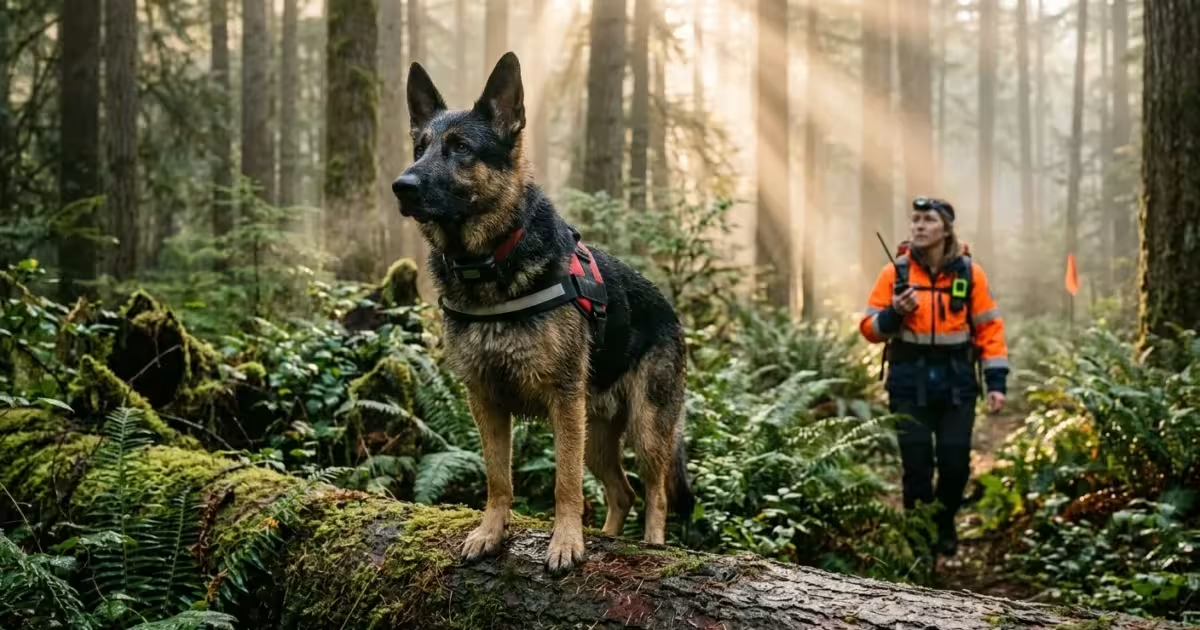
When disaster strikes or a loved one goes missing, search and rescue dogs are often the first line of hope. These incredible canines combine unparalleled olfactory capabilities with immense physical stamina and a powerful drive to work alongside their human handlers. Whether navigating dense forests, climbing through urban rubble, or tracking scents across vast wilderness, the best search and rescue dog breeds possess a unique blend of intelligence, focus, and agility. Understanding what makes these working breeds so successful can help you appreciate their lifesaving efforts and even identify potential working traits in your own active companion. Discover the ten breeds most trusted by rescue professionals and learn what makes their unique abilities so critical during emergencies.
While not every pet is suited for life-saving missions, maintaining their well-being begins with a routine of essential daily dog care tasks to keep them healthy and active.
The Core Traits of Outstanding Search and Rescue Dogs
Search and rescue (SAR) work demands an exceptional level of physical and mental fortitude. Not every dog is suited for the rigorous environment of disaster zones, extreme weather, or vast wilderness searches. Before looking at specific breeds, you must understand the underlying characteristics that allow these dogs to thrive under pressure. According to the American Kennel Club (AKC), successful working breeds share specific physical and psychological blueprints that make them highly trainable and reliable.
Before beginning any intensive field work, ensuring your dog is equipped with one of the best dog harnesses is critical for their safety and comfort.
For active family pets, hiking with your dog is an excellent way to safely build this kind of physical stamina while enjoying the outdoors together.
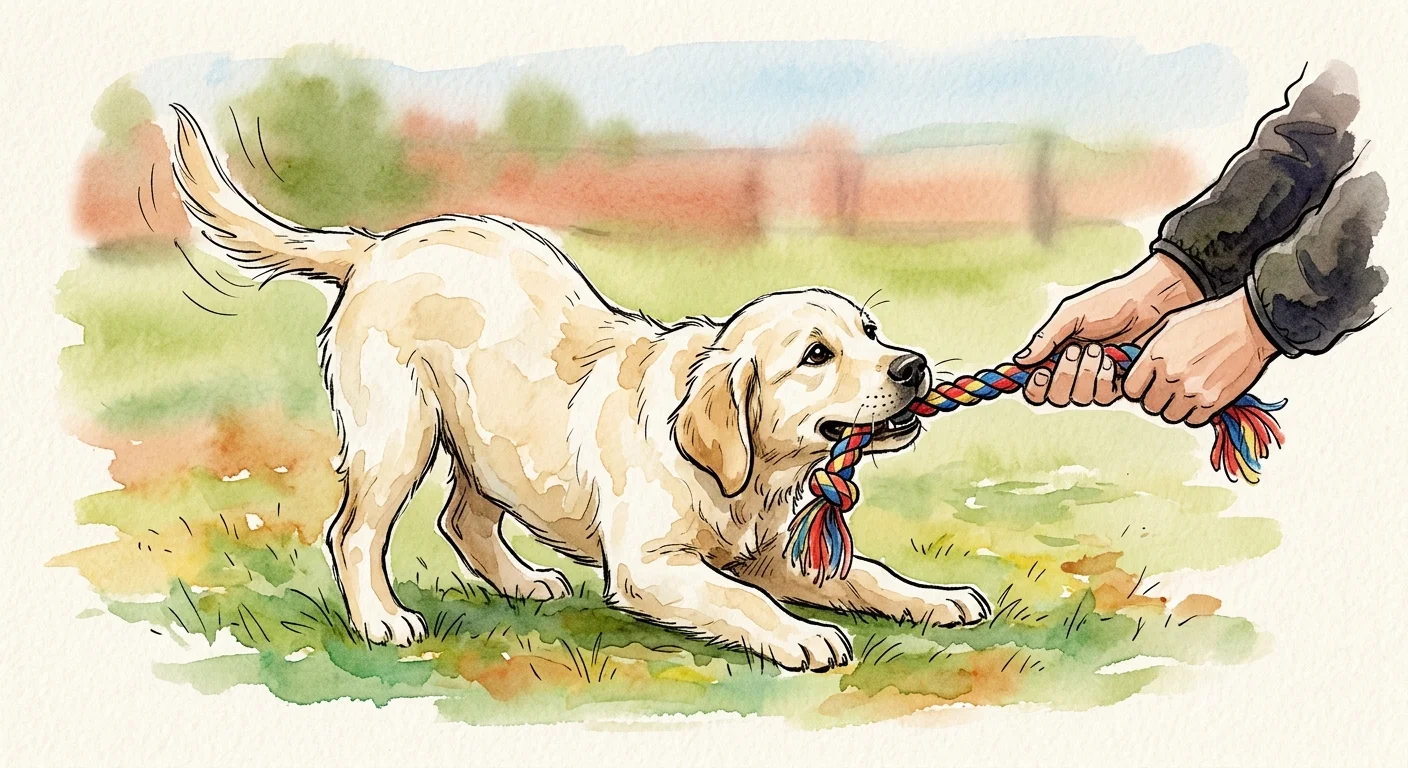
A true search and rescue dog must possess an intense “play drive” or “prey drive.” For a working dog, finding a lost person is the ultimate game of hide-and-seek. Their reward is often a simple game of tug-of-war or a favorite toy. Without this immense desire to earn their reward, a dog will easily quit when conditions become cold, wet, or exhausting.
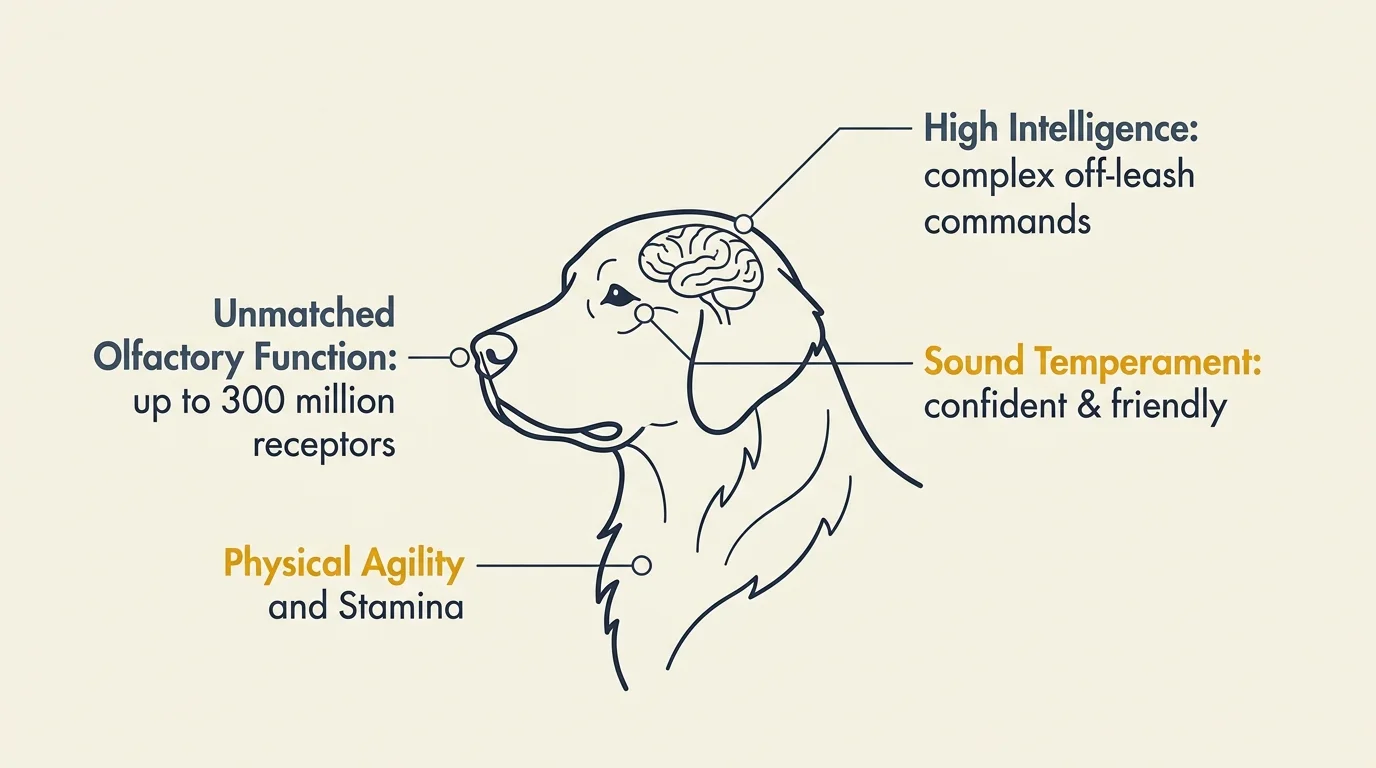
- Unmatched Olfactory Function: A dog’s nose contains up to 300 million olfactory receptors. SAR dogs must have the focus to single out human scent from thousands of environmental odors.
- Physical Agility and Stamina: Working canines must navigate unstable rubble, swim through rapid currents, or hike through miles of dense underbrush without fatiguing prematurely.
- High Intelligence and Trainability: These dogs must learn complex commands, work off-leash at a great distance from their handlers, and make independent decisions when necessary.
- Sound Temperament: A SAR dog must be confident, friendly, and unbothered by loud noises, strangers, or chaotic environments. A fearful or reactive dog cannot safely perform rescue work.
Top Sporting and Herding Breeds for Ground Tracking
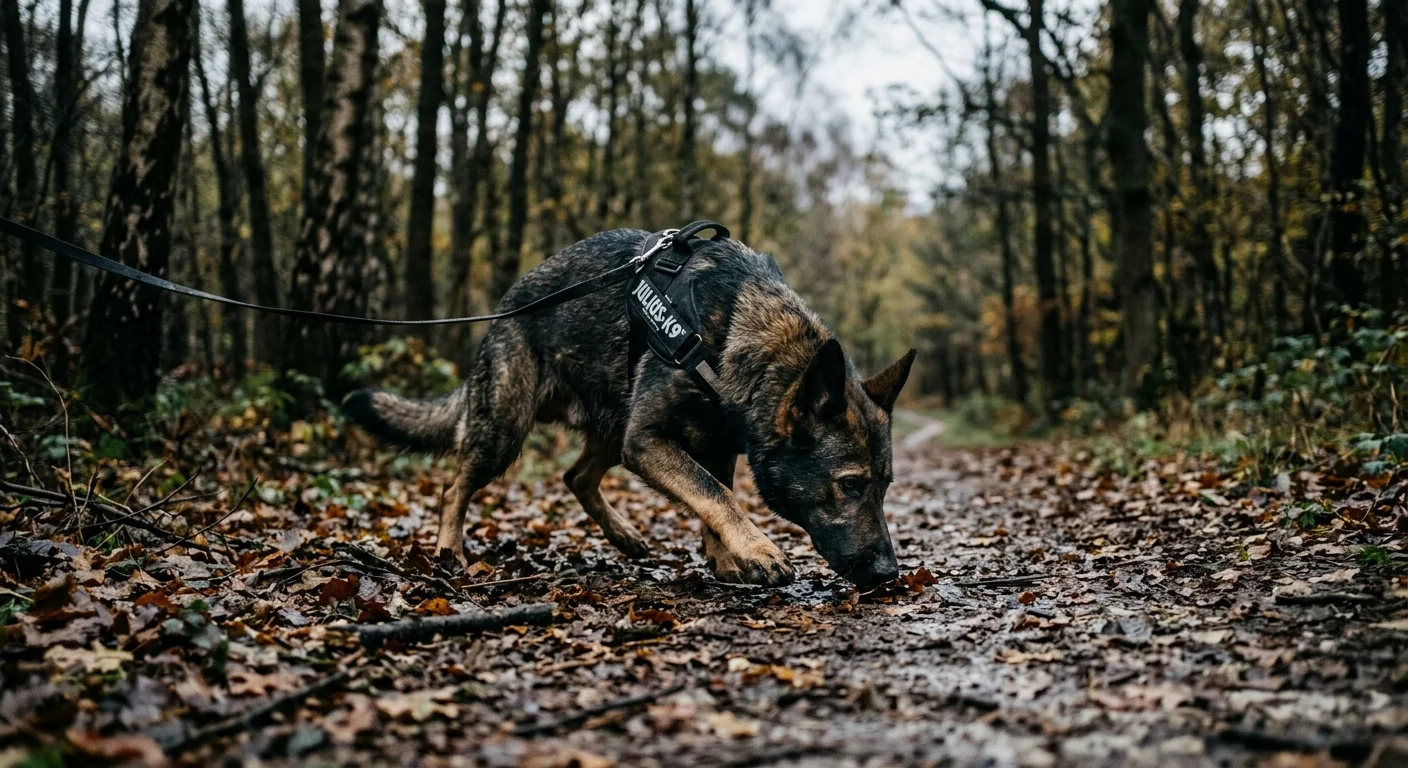
Sporting and herding dogs dominate the search and rescue field. Their historical breeding for endurance, taking complex directions from humans, and working long hours makes them natural candidates for the demands of modern SAR work.
To sustain the high energy levels of these athletic working breeds, it is essential to choose the right dog food that meets their demanding nutritional requirements.
While herding and sporting breeds are brilliant, novice handlers might find their high energy levels a bit overwhelming and may prefer to look at the best dog breeds for first-time owners first.
1. German Shepherd Dog (GSD)
The German Shepherd is synonymous with police and military work, but they are equally revered in search and rescue. Their muscular build allows them to power through difficult terrain, while their high intelligence means they can master multi-step tracking tasks. German Shepherds excel in urban disaster recovery, avalanche rescue, and wilderness air scenting. They are deeply loyal and require an experienced handler who can provide firm, consistent, and positive guidance. If you own a GSD, you already know they thrive on having a “job” to do.
2. Belgian Malinois
Often mistaken for a lighter, leaner German Shepherd, the Belgian Malinois possesses an intensity and work ethic that is unmatched. They are highly agile, making them the premier choice for climbing unstable rubble piles during earthquake or building collapse recoveries. The Malinois operates at a lightning-fast pace and has a virtually limitless battery. However, this same drive means they require intense daily physical and mental stimulation; they are generally not recommended for casual pet owners unless you are committed to high-level dog sports.
3. Labrador Retriever
Labrador Retrievers bring a uniquely joyful enthusiasm to search and rescue. Originally bred to retrieve waterfowl, Labs have weather-resistant coats, exceptional stamina, and a highly cooperative nature. They are predominantly used for wilderness air scenting—locating a human scent in the wind rather than tracking footprints on the ground. Furthermore, their gentle, friendly faces provide immense comfort to frightened, lost individuals when they are finally found.
4. Golden Retriever
Much like the Labrador, the Golden Retriever is incredibly eager to please, intelligent, and equipped with a fantastic nose. Goldens are heavily utilized in avalanche rescue and wilderness searches. Their thick double coats protect them in freezing conditions, and they possess a naturally soft mouth and gentle demeanor. Because they bond so closely with humans, they also seamlessly transition into therapy roles for victims and first responders following a traumatic disaster.
Exceptional Hounds for Trailing and Scent Work
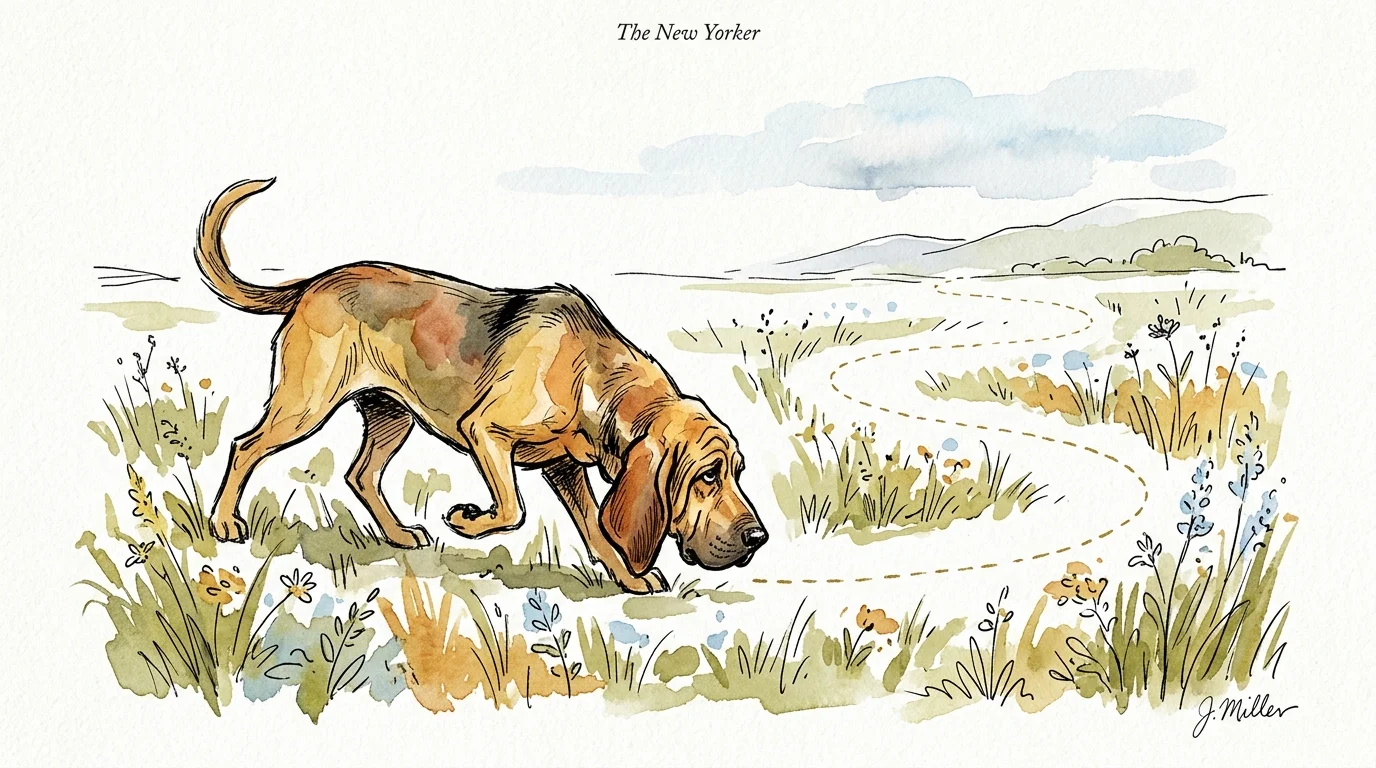
While sporting and herding dogs often use “air scenting” (finding scent on the wind), hounds specialize in “trailing” or “tracking.” They keep their noses close to the ground, following the exact path a specific individual took, even days after the person has gone missing.
While tracking is a highly focused task, letting your active hound run free at one of the best dog parks can be a wonderful way to burn off extra energy.
If you are seeking a hound that is a bit more relaxed at home, you might want to consider dog breeds known for calm personalities instead.
5. Bloodhound
When you picture a dog tracking a scent, you picture a Bloodhound. These large, powerful dogs possess the most advanced olfactory system in the canine kingdom. Their long ears sweep the ground as they walk, stirring up microscopic scent particles, while the heavy wrinkles on their face help trap the odors near their nose. A Bloodhound can follow a “cold trail” that is several days old, crossing pavement, water, and dense forests. Once a Bloodhound locks onto a specific scent, their sheer determination to follow it is practically unstoppable.
6. Basset Hound
Though they lack the long legs and speed of a Bloodhound, Basset Hounds share similar scent-trapping physical traits: long ears, loose skin, and an incredible nose. Basset Hounds are exceptionally methodical and accurate trackers. Because they move at a slower, more deliberate pace, they are ideal for handlers who need to closely monitor the dog’s progress through challenging terrain without being pulled off their feet. They are stubborn, independent thinkers—a trait that serves them well when sorting out confusing, overlapping scent trails.
7. Beagle
Do not let their small stature fool you; Beagles are relentless trackers. Often used in evidence recovery, cadaver searches, and urban tracking, Beagles can access tight spaces that larger breeds simply cannot reach. They have an immense prey drive and a stubborn persistence that makes them phenomenal working dogs. If you own a Beagle, you know their nose leads the way in everything they do; channeling that instinct into structured scent games can greatly improve their behavior at home.
Water Rescue and Disaster Recovery Specialists
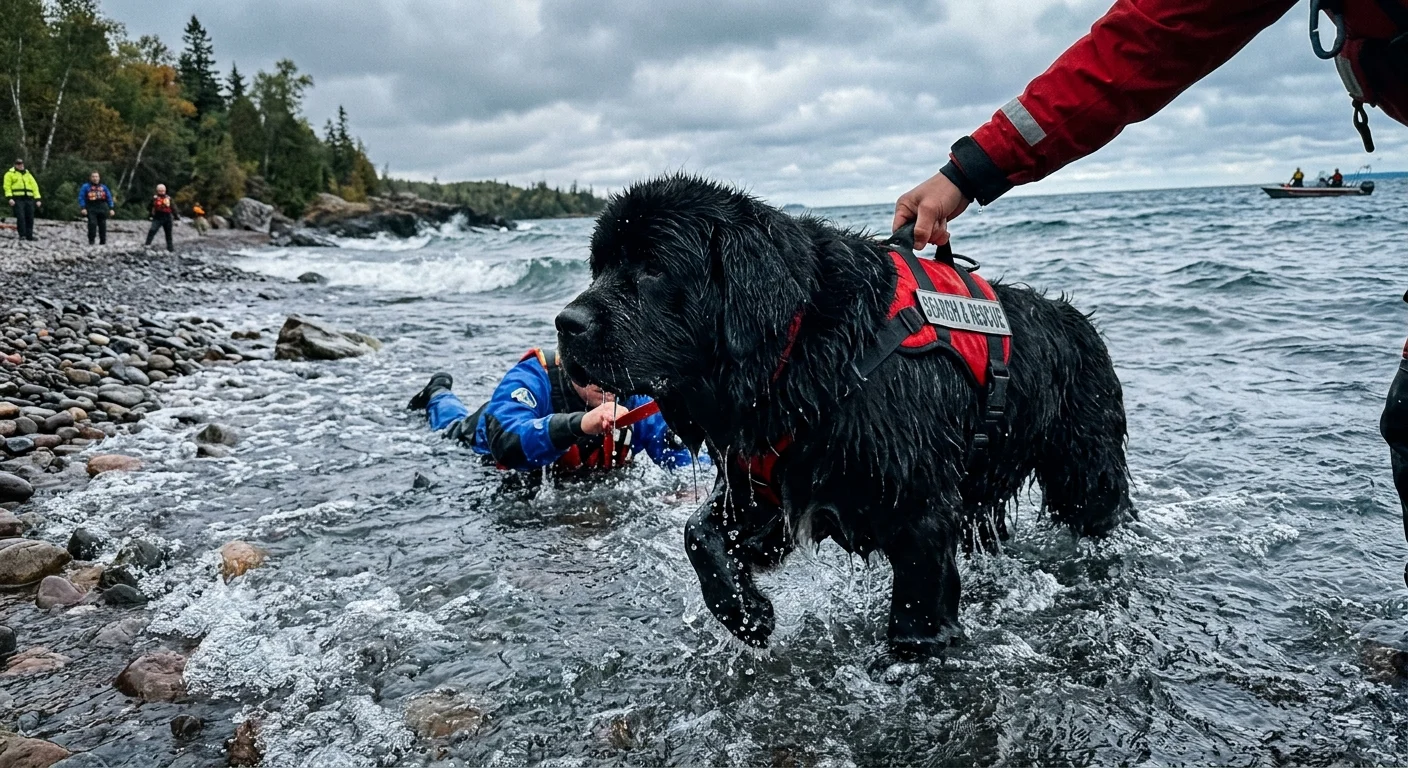
Some environments require highly specialized physical traits. Water rescues and sprawling wilderness sectors demand dogs bred for specific environmental challenges.
Because these breeds often work in freezing waters or snowy terrains, understanding winter dog care essentials can help protect their paws and coats from cold-weather hazards.
Since many water-rescue and heavy-coated dogs work in wet or muddy conditions, understanding your dog’s grooming needs is crucial to keeping their double coats clean and functional.
8. Newfoundland
The Newfoundland is a giant breed built entirely for the water. They possess a thick, water-resistant double coat, a muscular chest, and webbed feet that allow them to swim with immense power. Newfoundlands are utilized by coast guards and rescue teams globally for water rescue. A single Newfoundland has the strength to tow a drowning adult human—or even a small boat—to safety. Despite their immense size, they are remarkably gentle and intuitive.
9. Border Collie
Widely considered the most intelligent dog breed, the Border Collie brings blinding speed, agility, and independent problem-solving skills to the SAR field. Originally bred to herd sheep across vast, rugged landscapes, they cover massive amounts of ground quickly and efficiently. Border Collies are exceptionally responsive to whistle commands, allowing handlers to direct them from great distances during wilderness sweeps. They require complex mental challenges to stay balanced, making SAR training a perfect outlet for their intense energy.
10. English Springer Spaniel
The English Springer Spaniel is a medium-sized dynamo. Their compact bodies allow them to navigate thick brush and debris easily, while their excellent noses make them top-tier detection and rescue dogs. Springers are particularly known for their upbeat, eager work ethic. They are frequently utilized in disaster rubble searches, cadaver detection, and rapid wilderness sweeps. They form intense bonds with their handlers and work with a visible, tail-wagging joy.
“A successful search and rescue dog doesn’t just rely on biological gifts; they require a foundation of joy, an unbreakable bond with their handler, and the resilience to view chaotic environments as just another exciting puzzle to solve.” — Canine Search and Rescue Expert
Foundation Training for Future Working Dogs
If you own one of these breeds—or any highly active dog—you might wonder how to channel their energy constructively. True search and rescue training takes years, but you can build a strong foundation of nose work and obedience at home. Prioritizing humane, reward-based methods is essential. According to the Association of Professional Dog Trainers (APDT), positive reinforcement is the most effective way to build trust, enthusiasm, and reliable behavior in any dog.
If your highly active companion shows persistent behavioral issues during basic drills, it helps to recognize the signs your dog needs professional training help before moving on to specialized work.
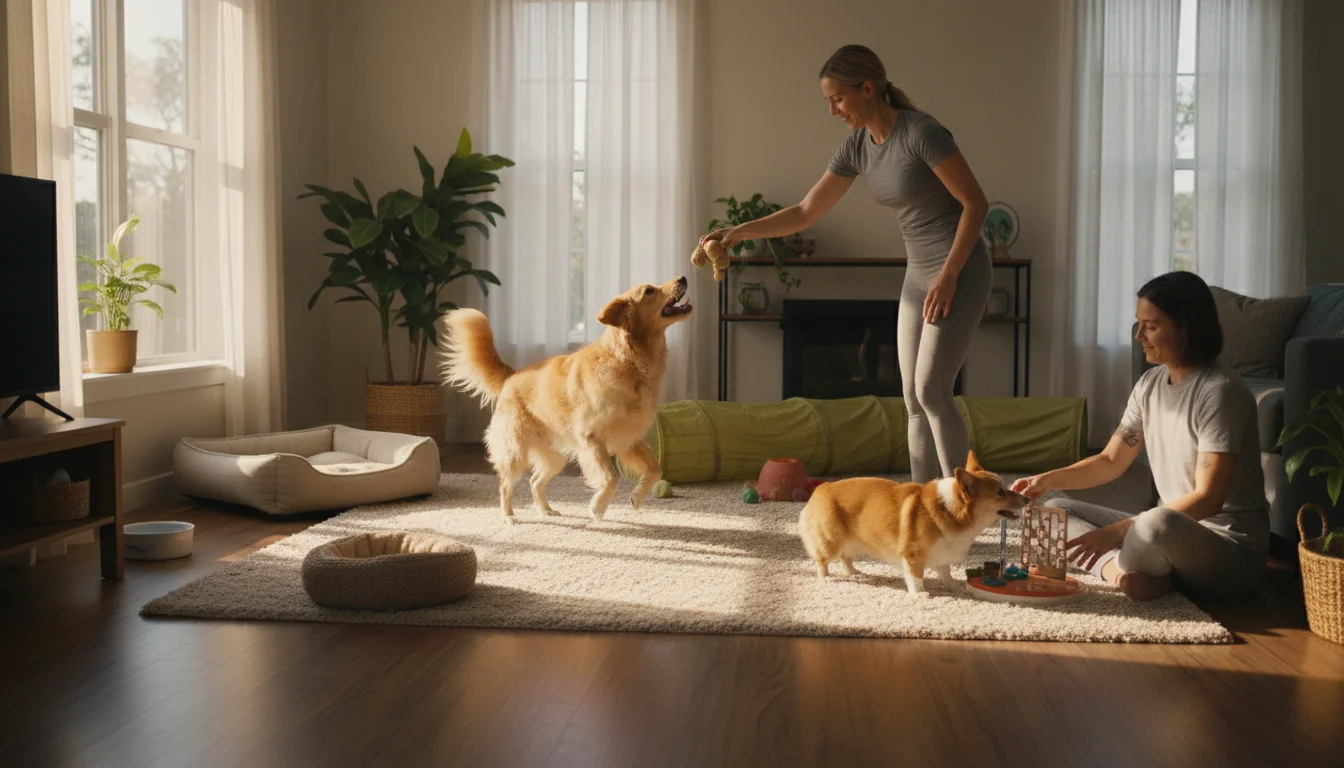
When weather prevents outdoor training, you can easily adapt these nose-work routines into fun indoor games to play with your dog to keep them mentally stimulated.
You can begin cultivating your dog’s natural instincts through simple, engaging exercises:
- Master Basic Obedience: Before a dog can search, they must have flawless recall, stay, and loose-leash walking skills. Use high-value treats and praise to reinforce these behaviors in increasingly distracting environments.
- Introduce Scent Games: Start by hiding your dog’s favorite toy or a heavily scented treat in plain sight. Use a specific cue, like “Find it!” When they grab the item, celebrate enthusiastically.
- Increase the Difficulty: Gradually hide the toy out of sight—behind furniture, under a rug, or in another room. This forces your dog to stop relying on their eyes and start using their nose.
- Introduce Outdoor Variables: Move your scent games to the backyard. Wind, other animal scents, and terrain changes will force your dog to concentrate harder.
- Build Environmental Confidence: A SAR dog cannot be afraid of unstable surfaces or loud noises. Safely expose your pet to different textures (wobble boards, metal grates, shallow water) and reward them generously for bravery.
When to Involve Professional Canine Handlers
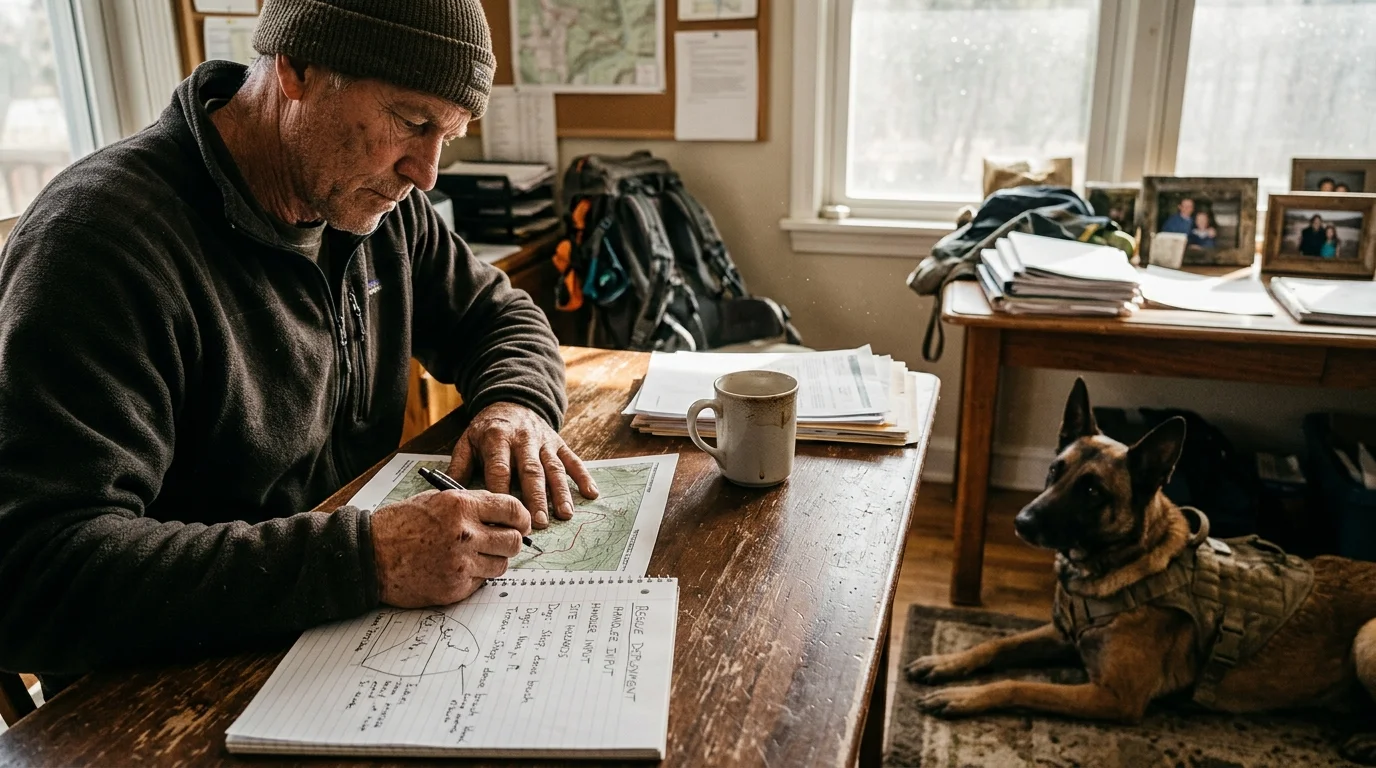
Transitioning from fun backyard scent games to legitimate search and rescue work requires professional guidance. It is critical to understand that SAR work is physically dangerous and emotionally taxing for both the dog and the handler. You cannot simply volunteer your pet for a live search operation without rigorous training and official certification.
If you believe your dog has the drive and temperament for real working scenarios, you must connect with a certified local search and rescue organization. These groups will evaluate your dog’s prey drive, sociability, and resilience. Professional training involves hundreds of hours of simulated searches, environmental conditioning, and handler education.
The human end of the leash requires just as much training. Handlers must learn wilderness navigation, emergency first aid, radio communication, and crime scene preservation. The Certification Council for Professional Dog Trainers (CCPDT) provides excellent resources on recognizing high-quality, scientifically sound training protocols. Working with certified experts ensures that neither you nor your dog is placed in a hazardous situation before you are thoroughly prepared.
Frequently Asked Questions
Can mixed breeds be search and rescue dogs?
Absolutely. While specific purebreds are chosen for their predictable traits, many mixed-breed dogs make phenomenal search and rescue partners. If a mixed-breed dog possesses a high toy drive, a strong nose, physical endurance, and a confident temperament, they can excel in SAR training and official certification.
How long does it take to train a search and rescue dog?
It typically takes between 18 months and two years of intensive, consistent training to fully certify a search and rescue dog. This timeline includes obedience foundations, advanced scent work, agility, environmental exposure, and handler training in navigation and survival skills.
What is the difference between tracking and trailing?
Tracking involves a dog keeping its nose strictly to the ground to follow crushed vegetation and ground disturbances left by footsteps. Trailing allows the dog to use a combination of ground scent and air scent; a trailing dog might wander slightly off the exact physical footprint path to follow the scent plume as it drifts on the wind.
At what age should search and rescue training begin?
Basic foundation training, such as simple scent games, environmental exposure, and positive obedience, can begin when a puppy is just 8 to 10 weeks old. However, heavy physical conditioning and formal deployments should not occur until the dog is fully physically mature—usually around 18 to 24 months of age—to protect their growing joints.
For expert pet care guidance, visit
Cornell University College of Veterinary Medicine, UC Davis School of Veterinary Medicine, American Animal Hospital Association (AAHA) and Association of Professional Dog Trainers (APDT).
Disclaimer: This article is for informational purposes only and is not a substitute for professional veterinary advice, diagnosis, or treatment. Always consult with a licensed veterinarian for medical concerns about your pet.



Leave a Reply