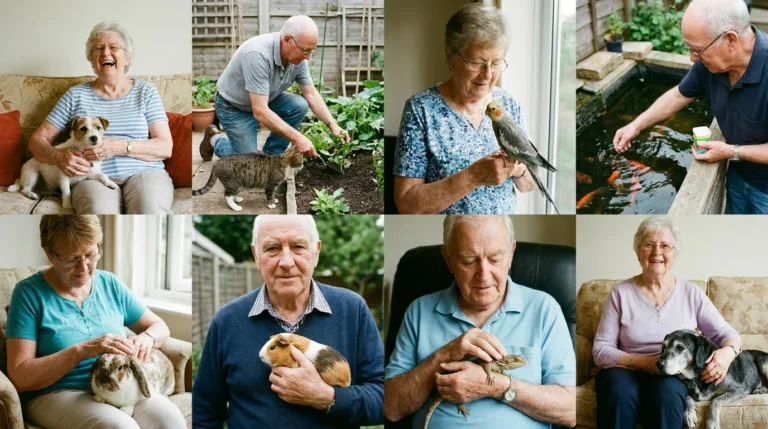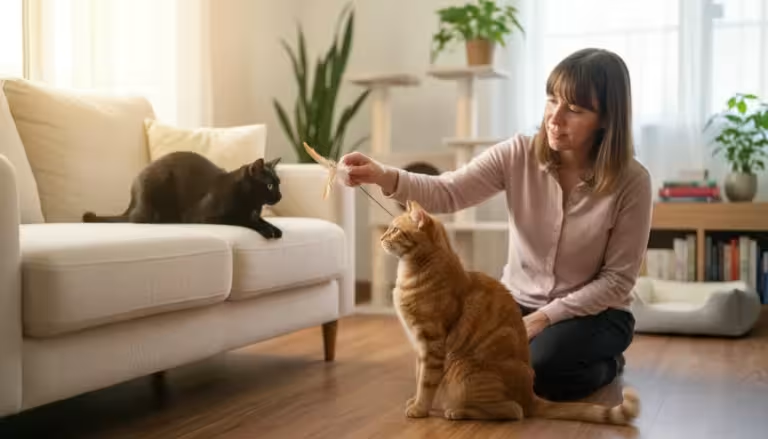
Learning to read your dog’s subtle emotional signals helps you nurture their physical and emotional well-being immediately. When you recognize true canine contentment, you can build a deeper bond rooted in trust and mutual respect.
Dogs express joy through distinct physical cues, shifting energy levels, and social choices. While a wagging tail seems obvious, true canine joy involves full-body communication that many guardians overlook.
By observing their eyes, ears, posture, and daily routines, you can separate fleeting excitement from authentic happiness. This guide highlights the primary indicators of genuine contentment in your canine companion.
The Science of Happy Dog Body Language
Canine communication relies on micro-movements, muscle tension, and postural shifts across the entire frame. Dogs share their internal emotional reality through coordinated physical signals rather than isolated gestures.
According to the American Kennel Club (AKC), canine body language requires holistic observation. You must evaluate your dog from ears to tail tip to interpret their mood accurately.
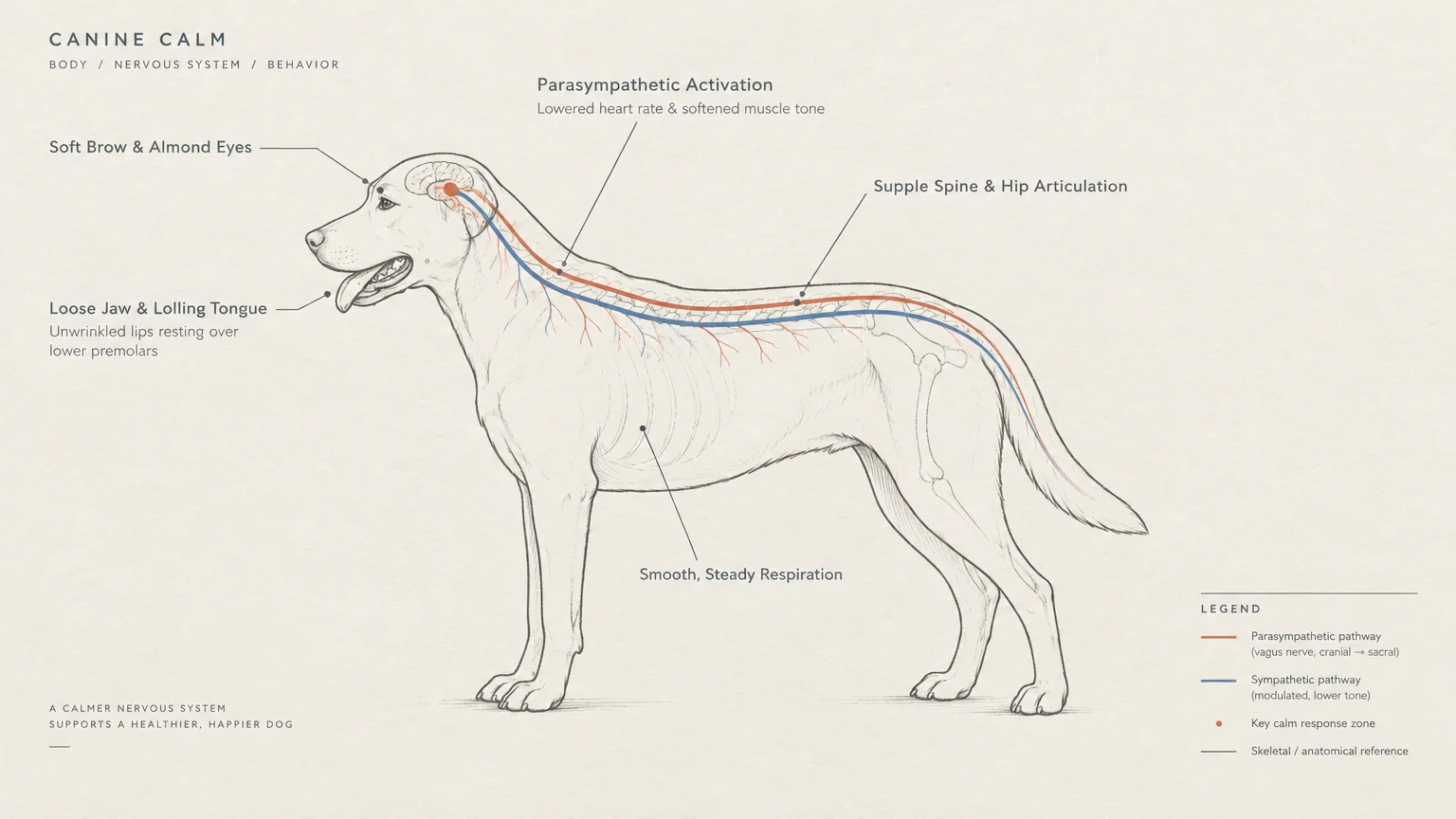
When a dog experiences safety and joy, their parasympathetic nervous system takes over. This biological response lowers their heart rate and softens muscle groups along the spine, jaw, and brow.
In contrast, stress triggers muscular rigidity, dilated pupils, and stiff joint articulation. Recognizing your dog’s resting physical baseline helps you distinguish authentic contentment from high-arousal distress.
A relaxed dog also displays smooth, steady breathing without rapid panting or breathless pauses. This physiological calm allows them to engage curiosity and interact joyfully with their immediate surroundings.
10 Signs Your Dog Is Genuinely Happy
Authentic canine joy manifests through a symphony of physical signals and daily behavioral choices. Watch for these ten unmistakable signs to confirm your companion feels secure, enriched, and deeply content.
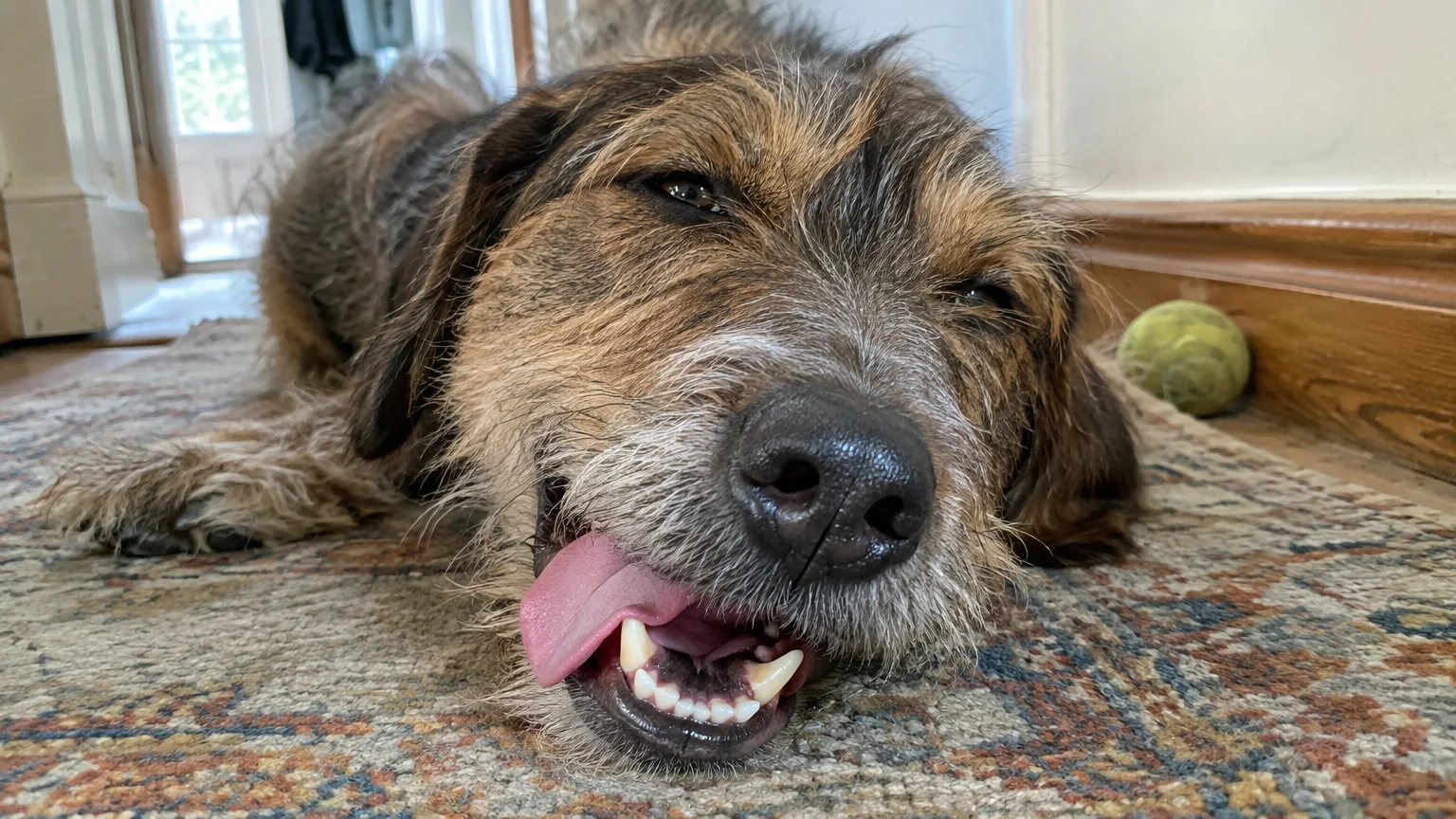
1. The Soft, Open “Smile”
A content canine frequently displays an open mouth with loose, relaxed lips. Their teeth may rest gently exposed without any curled muzzle tension or vertical wrinkling above the nose.
Their tongue often lolls softly over their lower premolars in moderate indoor temperatures. You will see gentle cheek contours without any sharp, grimacing backward pulls at the mouth corners.
This open-mouthed expression indicates an absence of defensive apprehension. It shows that your dog feels completely safe and unthreatened within their family territory.
2. Soft, Blinking Eyes Without Hard Stares
Happy dogs gaze toward family members with gentle, almond-shaped eyes. They blink at natural intervals, keeping their brows smooth and their foreheads unwrinkled.
They never display “whale eye,” a stress indicator where the white sclera flashes prominently around dilated pupils. Hard, unblinking stares signal intense fixation or anxiety rather than casual affection.
When your dog offers soft eye contact, both your body and theirs release oxytocin. This calming hormone deepens your shared attachment and confirms your pet feels peaceful in your presence.
3. Whole-Body “Helicopter” Tail Wags
Many pet guardians assume any tail wag indicates happiness, but the true tail wag meaning depends on body context. A genuinely joyful wag engages the dog’s hips, lower spine, and tail in synchronized motion.
You will frequently witness loose, circular tail revolutions often described as helicopter wags. The tail stays level with the spine rather than arched rigidly upward or clamped between the hocks.
If the tail moves with stiff, metronome-like precision while the body stays frozen, caution is warranted. Authentic joy always produces fluid, rhythmic movement that loosens the dog’s entire posture.
4. The Classic Play Bow
The play bow serves as an unmistakable invitation to fun and mutual recreation. Your dog drops their front elbows flat against the rug while holding their rump and tail high.
This dynamic posture communicates friendly intentions before active chasing or playful wrestling begins. It acts as a clear social buffer, ensuring playmates understand that subsequent roughhousing is purely affectionate.
Dogs also offer play bows to reboot interactions when energy runs high. This quick gesture reassures you that their excitement remains grounded in gentle, cooperative play.
5. Spontaneous Dog Zoomies
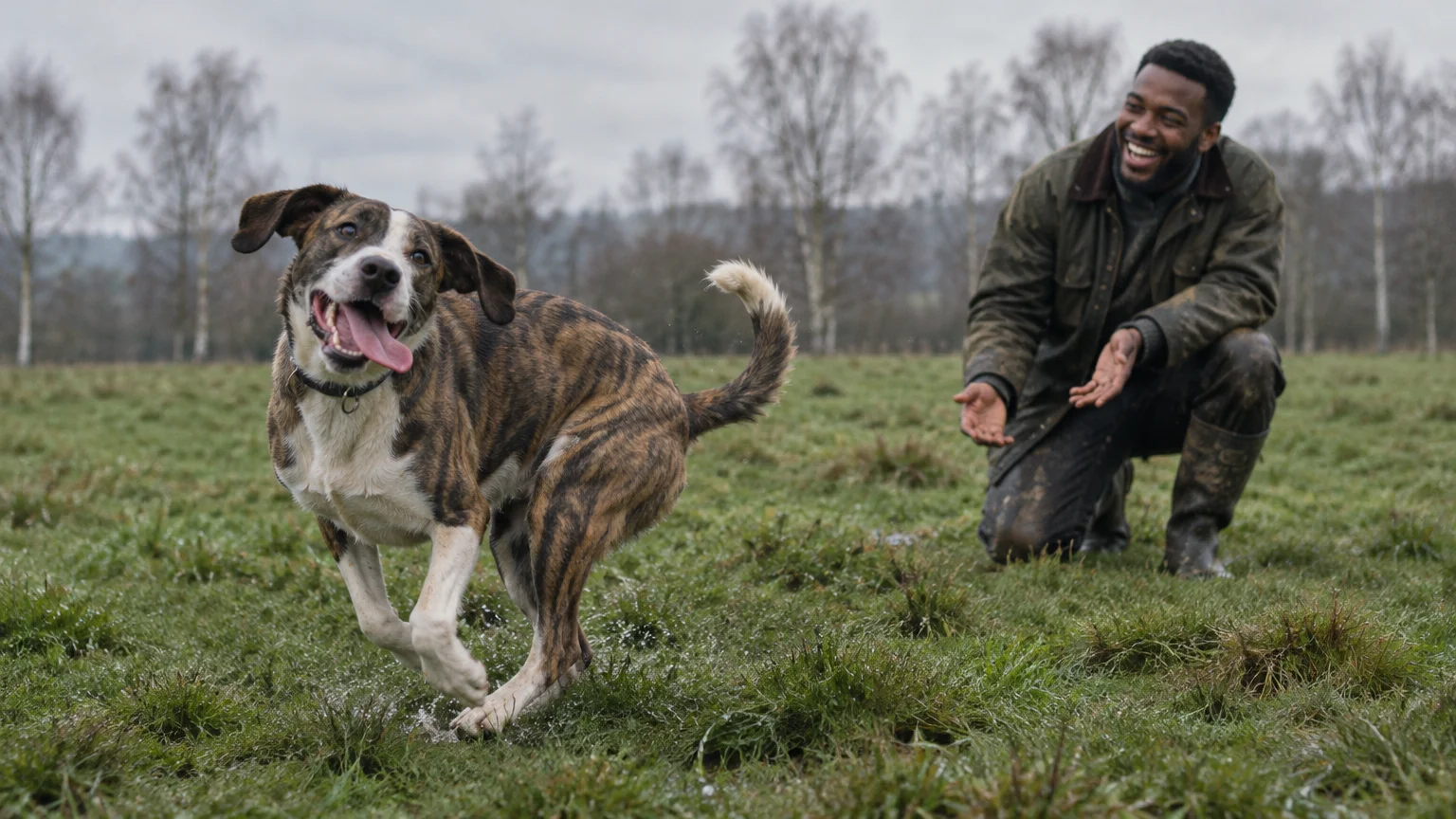
Frenetic Random Activity Periods—widely celebrated as dog zoomies—represent pure physical euphoria. Your dog lowers their hindquarters, curls their tail tight, and tears around the yard in exhilarating loops.
Zoomies often happen after a refreshing bath, during chilly mornings, or when you return from work. They provide an uninhibited outlet for stored vitality and show that your companion feels completely liberated.
Provide secure, non-slip surfaces like grassy lawns or carpeted runners when zoomies strike. Removing tripping hazards allows your dog to sprint freely without straining sensitive joints or foot pads.
6. Leaning In and Seeking Proximity
A happy dog voluntarily seeks close contact on their own terms. They gently press their shoulder against your calf or rest their chin across your knee while you work.
This quiet lean differs dramatically from frantic, demand-driven jumping or insecure clinging. It reflects a calm desire for companionship and demonstrates that your dog views your scent as a sanctuary.
Allow your dog full independence to step away whenever they need physical space. Honoring their personal boundaries reinforces their sense of agency and builds enduring trust.
7. Exposing the Belly in a Floppy Posture
When a relaxed dog rolls onto their back with loose, floppy paws, they show profound environmental comfort. Their spine forms a gentle curve, and their belly stays soft without defensive muscle guarding.
Do not confuse this peaceful roll with a submissive appease gesture. A frightened dog rolls over with tight lips, a tucked tail, and rigid limbs frozen in midair.
If your pet invites contact with a loose posture, provide gentle strokes along their chest. Respect their timeline and let them right themselves whenever they feel ready.
8. Regular Appetite and Restful Sleep Cycles
Consistent physiological rhythms reveal emotional balance faster than almost any single gesture. A content adult dog sleeps peacefully between twelve and fourteen hours a day in varied, sprawling positions.
They consume meals with steady appetite rather than skipping kibble from anxiety or gulping food in panic. Disrupted sleep cycles and finicky feeding habits often signal underlying chronic stress.
A secure dog cycles smoothly through dream phases without waking in sudden distress. They sleep deeply because they trust their home environment completely.
9. A Loose, Curvy Body Stance
Observe your dog’s gait and posture as they wander through your home. A joyful, relaxed dog carries their frame with fluid curves, swinging their hips in rhythm with their stride.
Their weight distributes evenly across all four paws without guarded, off-balance shifts. Their neck and head rest at a natural angle that reflects ease rather than wary vigilance.
Rigid, straight-lined postures accompany tension, uncertainty, and fear. When you see your dog curving their spine like a noodle, you know they feel thoroughly at ease.
10. Contented Sighs and Soft Exhalations
Canines vocalize their emotional release through nuanced breath patterns. A long, fluttering exhalation while curling onto a dog bed signals deep psychological relaxation.
Assess your dog’s eyes and posture during these deep sighs. When combined with half-closed eyelids and limp muscles, an exhalation confirms your dog has let go of all tension.
Conversely, a sharp snort paired with rigid forelegs can express simmering frustration. Context and facial softness remain essential for decoding canine respiratory cues.
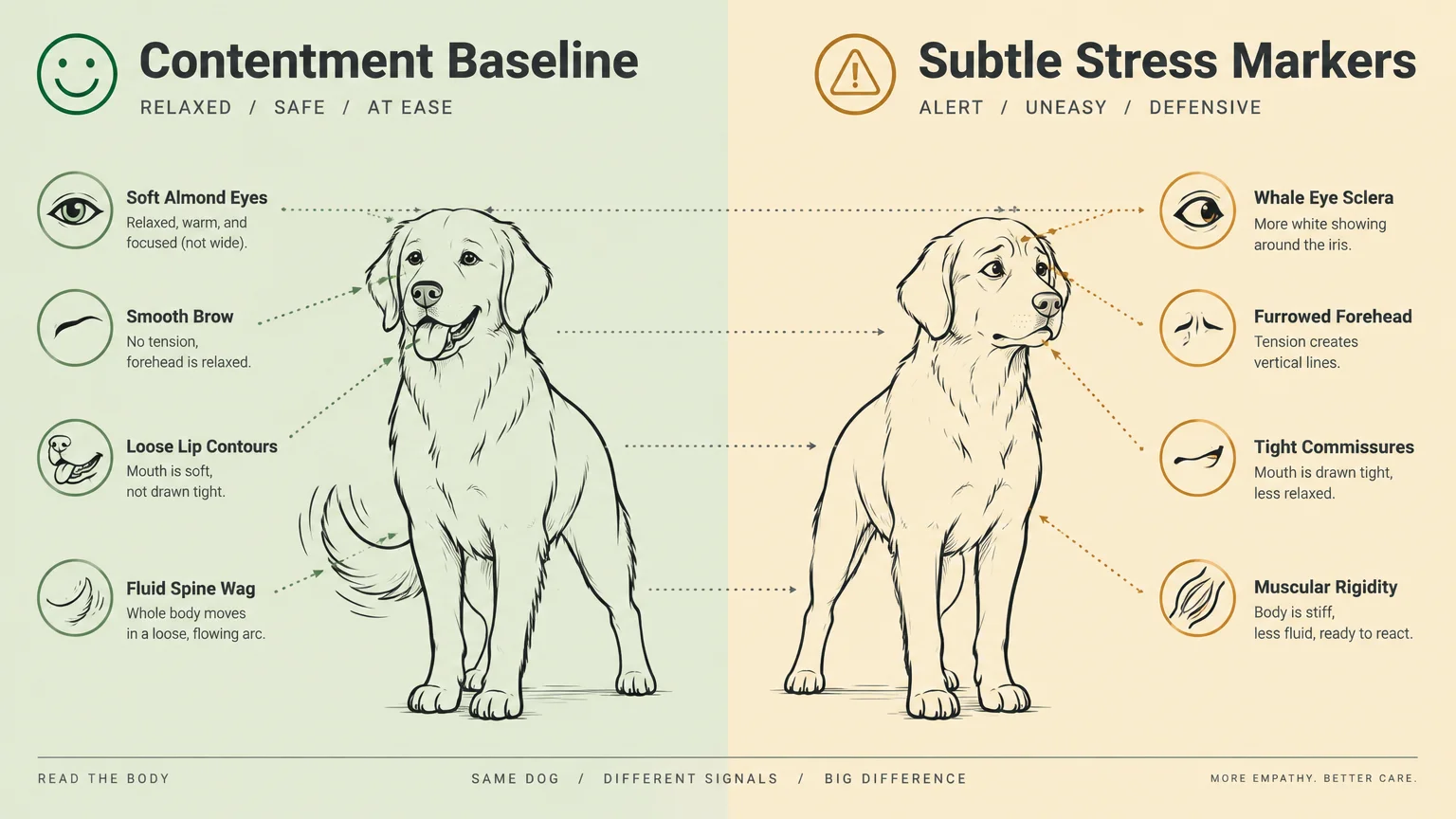
Happy Dog Body Language vs. Hidden Stress Signs
Many conscientious guardians misread subtle anxiety signals as affection or playful energy. For example, frantic face-licking or sudden yawning often reveals mounting social stress rather than joyful greeting behavior.
“A relaxed dog displays soft eyes, loose limbs, and a neutral spine; tension anywhere in the body signals distress rather than contentment.” — Fear Free Pets
According to Fear Free Pets, recognizing early stress indicators prevents behavioral escalations. Tracking subtle distinctions helps you protect your dog’s emotional balance before anxiety takes root.
Use the following comparison guide to evaluate whether your dog’s daily body language indicates authentic contentment or hidden emotional strain.
| Body Region | Happy and Relaxed Signals | Stressed or Anxious Signals |
|---|---|---|
| Eyes and Gaze | Soft almond shape, regular blinking, calm gaze | Wide pupils, visible sclera (“whale eye”), hard unblinking stare |
| Mouth and Jaws | Open mouth, loose tongue, relaxed lips | Tight closed lips, lip licking, panting without heat exertion |
| Ears and Brow | Neutral ear set, smooth forehead without wrinkles | Pinned ears, furrowed brow, hyper-vigilant scanning |
| Tail and Hips | Fluid wagging, circular motion, loose hip sways | Tucked tail, rigid tip-only wag, stiff frozen posture |
| Weight Distribution | Evenly balanced, bouncy transitions, loose spine | Shifted back, frozen stance, trembling limbs |
If you notice signals from the stressed column, evaluate your dog’s environment immediately. Reducing auditory noise or creating safe retreat zones restores your pet’s confidence quickly.
How Age and Breed Shape Joyful Expressions
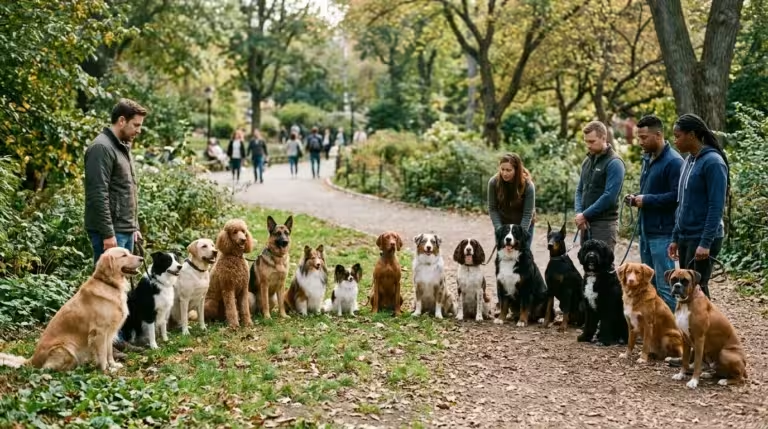
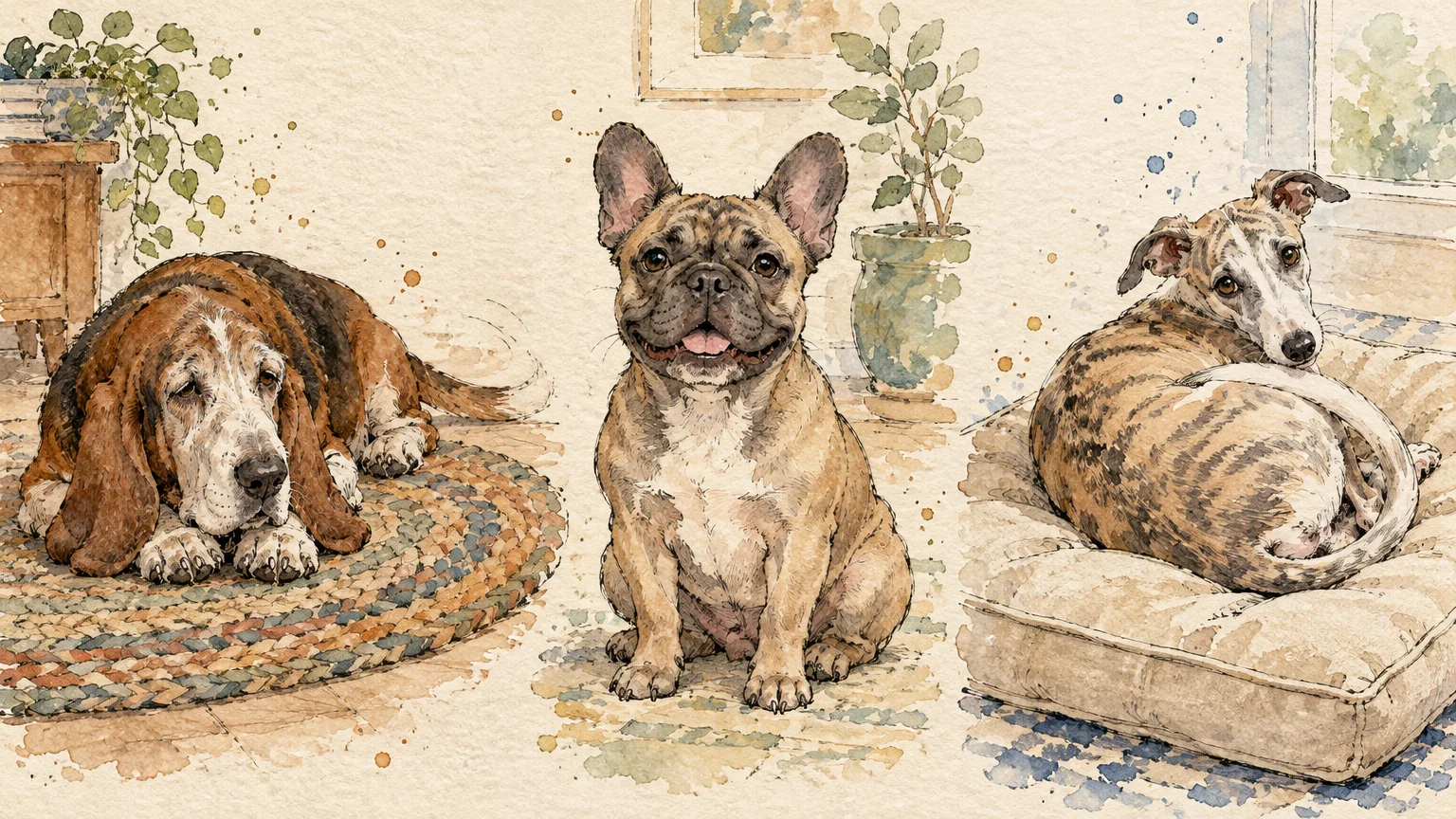
Canine happiness does not look identical across all breeds and life stages. Working breeds like Border Collies express joy through focused tasks, whereas Greyhounds often show quiet contentment through slow, subtle leans.
Brachycephalic breeds such as Pugs and French Bulldogs have naturally curled tails and facial folds. For these dogs, guardians must look closely at breathing rhythm and ear carriage rather than tail height.
Age also reshapes joyful communication in significant ways. Puppies express enthusiasm with wild romping and play biting, while senior dogs demonstrate bliss through leisurely sniff walks and peaceful sunbathing.
Adjust your daily expectations to suit your dog’s breed traits and physical comfort. Recognizing their personalized dialect prevents misunderstandings and honors their individual temperament.
Daily Habits That Foster Genuine Canine Happiness
Building lasting canine joy requires consistent routines, mental engagement, and positive reinforcement. Giving your dog opportunities to sniff freely during neighborhood walks significantly lowers their daily cortisol levels.
According to the Association of Professional Dog Trainers (APDT), reward-based training builds confidence while strengthening your connection. Positive reinforcement empowers your companion to solve problems and explore without fear of punishment.
“True canine play is marked by reciprocal pauses and loose movement rather than relentless intensity.” — Association of Professional Dog Trainers (APDT)
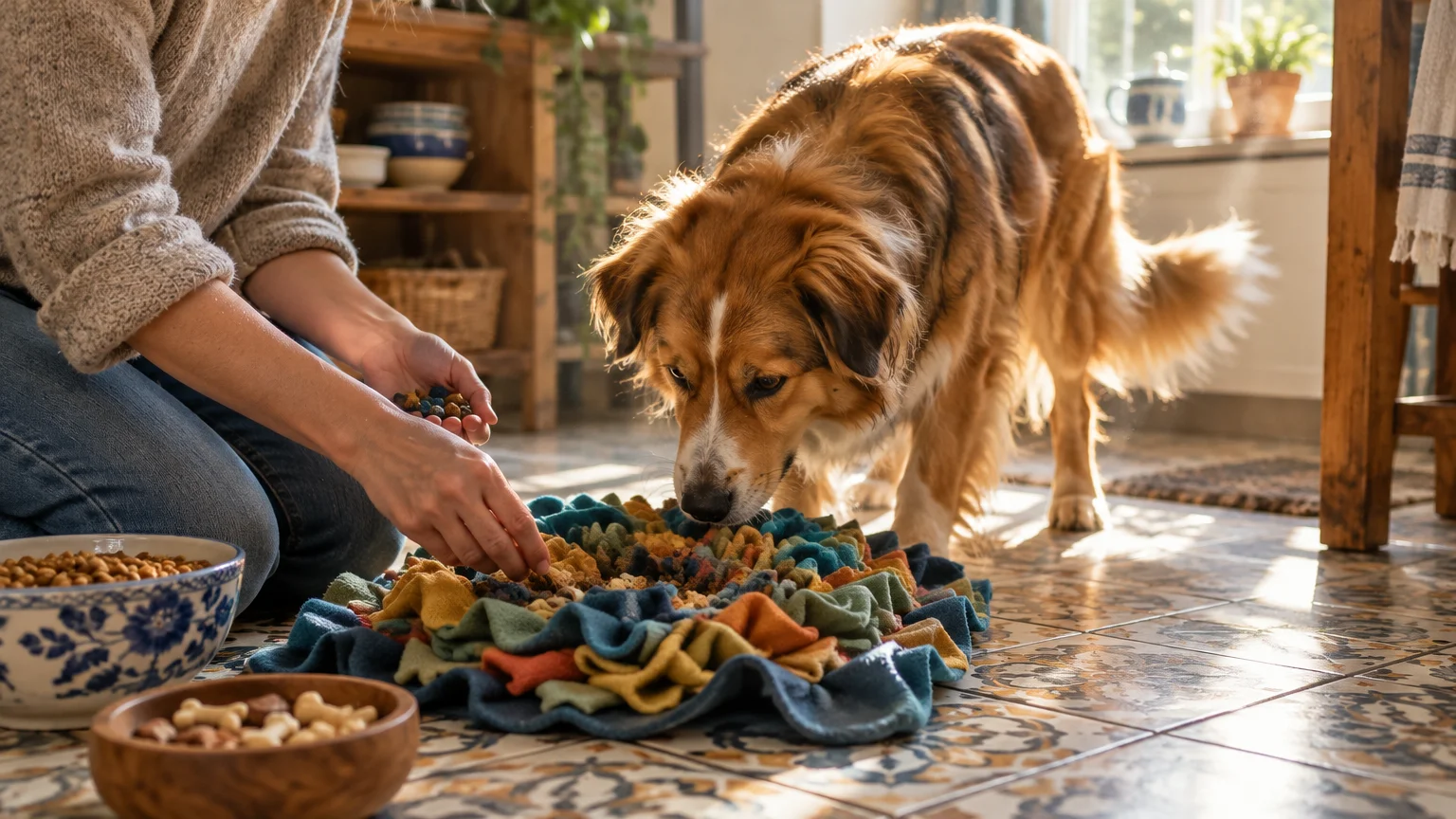
Incorporate enriching food puzzles, snuffle mats, and lick surfaces into daily meal times. These budget-friendly mental enrichment tools encourage calming dopamine release through natural foraging behaviors.
Balance vigorous exercise with quiet resting periods in a cozy, draft-free den. A predictable schedule provides security, allowing your dog to anticipate meals, play, and rest without anxiety.
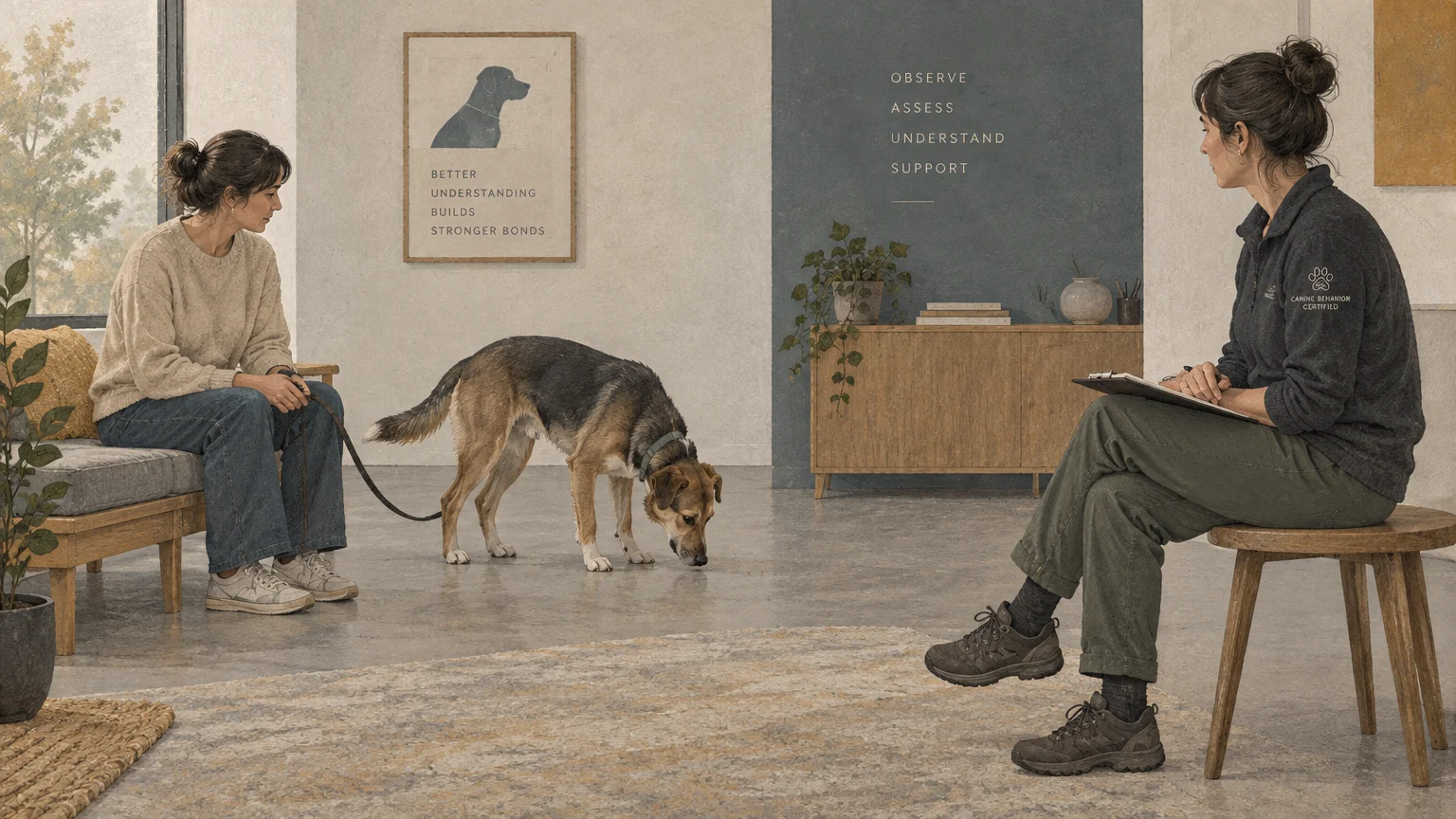
When to Consult a Professional Behaviorist
If your companion rarely displays relaxed body language, schedule a veterinary visit first. Hidden medical concerns like osteoarthritis, ear infections, or dental pain frequently masquerade as behavioral irritability or withdrawal.
Once your veterinarian rules out underlying medical causes, reach out to a certified animal behavior consultant. Look for credentialed experts through organizations such as CCPDT or IAABC.
Steer clear of trainers who advocate shock collars, prong devices, or dominance suppression techniques. Aversive handling escalates fear and erodes the trust essential for true canine happiness.
A compassionate, qualified professional tailors a desensitization plan specifically for your dog’s unique anxieties. Expert intervention helps restore your pet’s joy and restores peace to your household.
Frequently Asked Questions
Can a dog wag its tail when it is unhappy or angry?
Yes, tail wagging indicates arousal level rather than pure happiness. A stiff, rapid wag held high overhead signals tension, wariness, or potential defensive aggression.
Do dog zoomies always mean a dog is happy?
Most zoomies indicate uninhibited joy and healthy physical release. However, frantic zoomies immediately following stressful handling can occasionally represent nervous relief or frantic sensory decompression.
How can I tell if my dog loves me or just wants food?
A loving dog seeks physical proximity when treats are nowhere in sight. They offer gentle eye contact, loose tail wags, and resting leans simply to share your company.
Why does my dog sigh so deeply when lying down?
Contented dogs sigh as they transition into deep physiological rest. Check for soft eyes, loose paws, and a smooth brow to confirm their sigh reflects peaceful comfort.
Can a dog’s happiness change as they enter their senior years?
Senior dogs still experience deep happiness, but they express it with gentler energy. They often trade high-impact romping for peaceful sniffing, warm bedding, and steady companionship.
For expert pet care guidance, visit
FDA Center for Veterinary Medicine, PetMD, Vetstreet, Fear Free Pets and The Spruce Pets.
Disclaimer: This article is for informational purposes only and is not a substitute for professional veterinary advice, diagnosis, or treatment. Always consult with a licensed veterinarian for medical concerns about your pet.