
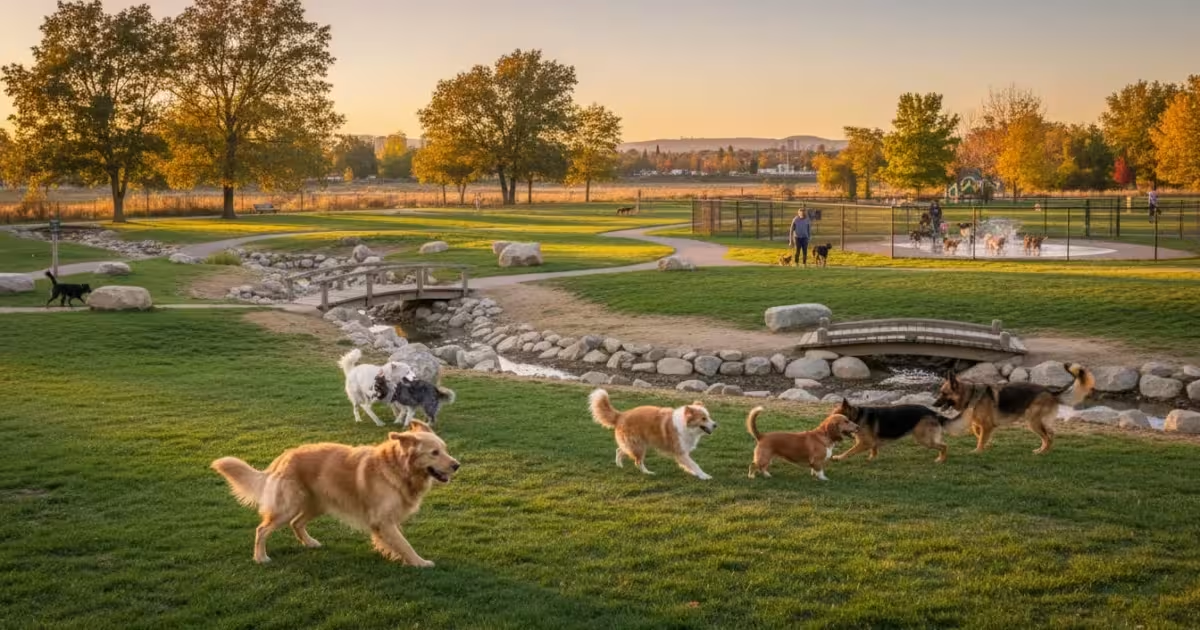
Taking your dog to a park offers numerous benefits for their physical health, mental stimulation, and social development. Dog parks provide a unique environment where your canine companion can run freely, explore new scents, and interact with other dogs and people. This guide will help you understand what makes an excellent dog park, how to ensure safety and fun during your visits, and what features to look for across different regions as you explore the best dog parks in America.
Why Dog Parks Are Essential for Your Pet’s Well-being
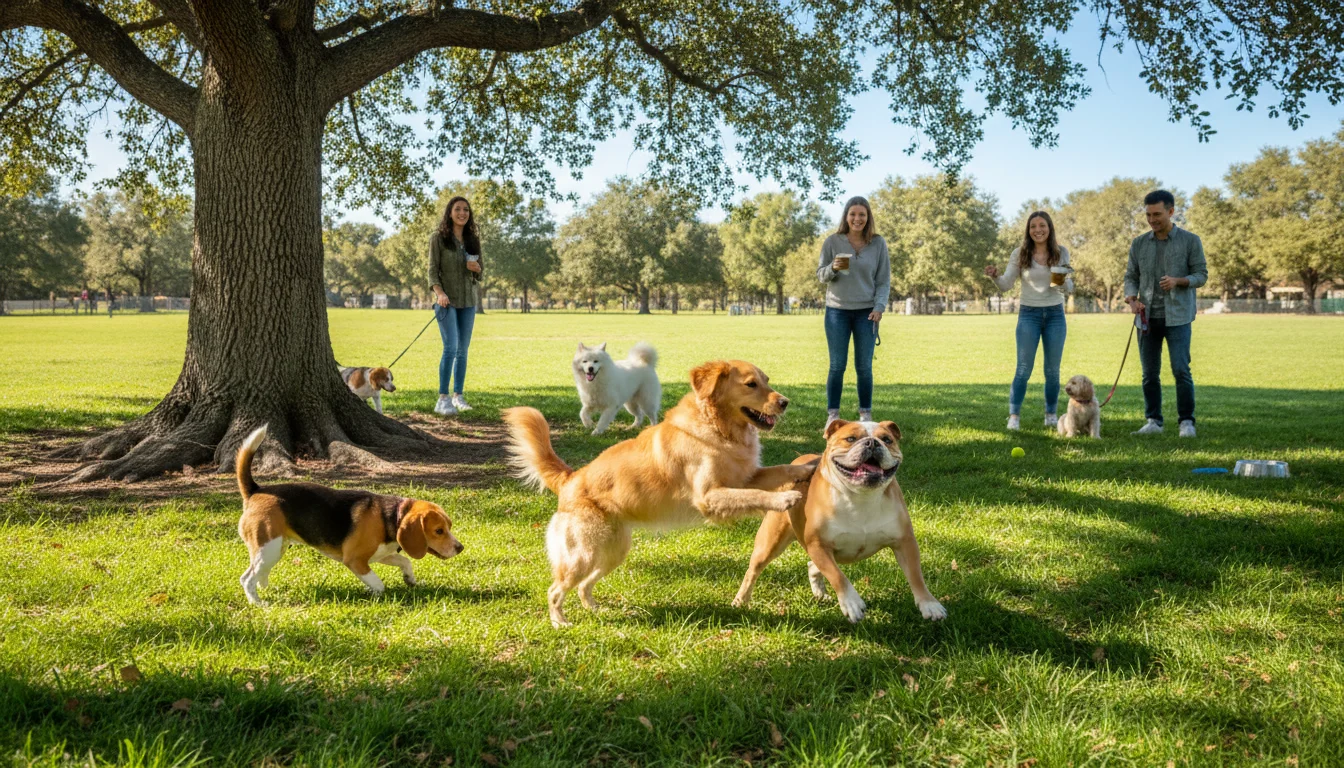
Dog parks play a crucial role in enhancing your pet’s lifestyle. They offer more than just a place to run; they are vital for comprehensive pet care. Regular visits provide essential physical exercise, which helps maintain a healthy weight and strengthens muscles. Beyond physical activity, dog parks offer significant mental stimulation as your dog encounters new sights, sounds, and smells. This engagement prevents boredom and reduces the likelihood of destructive behaviors at home.
Socialization is another cornerstone of dog park benefits. Socialization means exposing your pet to new experiences, environments, and other animals in a positive and controlled manner. Positive interactions with other dogs teach your pet appropriate play behavior and communication skills, which are fundamental for a well-adjusted companion. For many dogs, a trip to the park is the highlight of their day, strengthening the bond you share as you engage in an outdoor adventure together.
What Makes a Truly Great Dog Park?
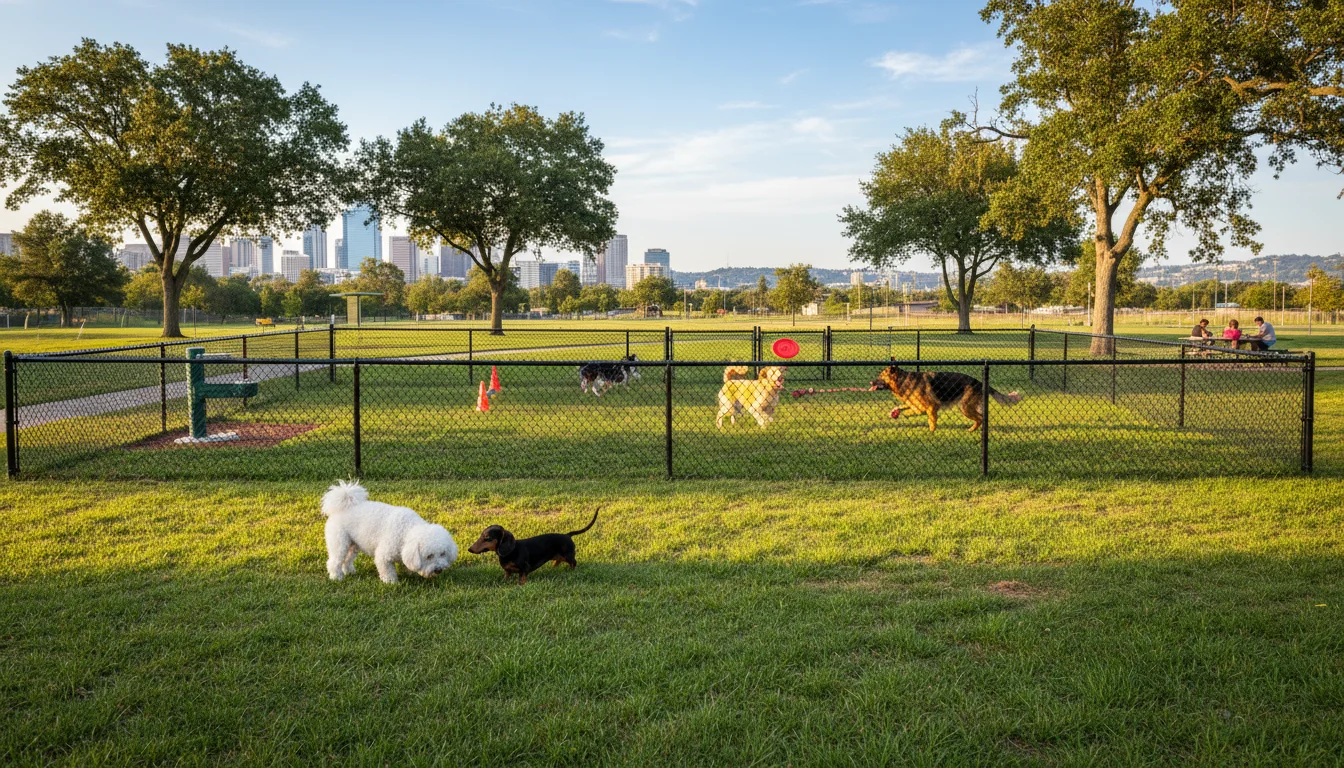
When searching for the best dog parks in America, certain features stand out. A top-tier dog park prioritizes safety, cleanliness, and ample opportunities for dogs to thrive. Here are key characteristics to look for:
Many of these community features can serve as inspiration when creating a safe outdoor space for your dog in your own backyard.
- Secure Fencing: A tall, sturdy, and continuous fence prevents escapes and keeps unauthorized animals out. Double-gated entry systems add an extra layer of security, particularly for enthusiastic dogs.
- Separate Play Areas: Dedicated sections for large and small dogs are crucial. This separation minimizes potential conflicts and ensures that all dogs, regardless of size or energy level, can play safely and comfortably.
- Water Access: Clean, fresh water is essential, especially during warmer months. Look for parks with drinking fountains or designated water stations. Remember to bring your own bowl for hygiene.
- Shade and Shelter: Trees, shade structures, or covered areas offer respite from the sun and rain, providing comfort for both pets and owners.
- Cleanliness and Maintenance: A well-maintained park includes regular waste removal, clean surfaces, and grass or ground cover that prevents excessive dust or mud. Ample waste bag dispensers and trash cans are indicators of a responsible park.
- Appropriate Ground Cover: Materials like natural grass, pea gravel, or wood chips are easier on paws than concrete or asphalt, reducing the risk of injury and overheating.
- Engaging Features: Agility equipment, tunnels, ramps, or even just varied terrain like small hills or sandy patches enhance enrichment and offer more dynamic play opportunities.
- Active Community and Responsible Owners: The best parks often have a strong community of engaged, responsible owners who understand and enforce park rules. This creates a safer and more enjoyable environment for everyone.

Preparing for Your Dog Park Adventure: Safety First
Your dog’s safety and the safety of others depend on proper preparation. Before you visit any dog park, ensure your dog meets specific health and behavioral requirements. All dogs entering a park should be up-to-date on vaccinations, including rabies, distemper, parvovirus, and bordetella (kennel cough). The American Veterinary Medical Association (AVMA) provides comprehensive guidelines on recommended vaccinations for dogs, emphasizing their importance for public health and individual pet protection. You should also ensure your dog is on an effective flea, tick, and heartworm preventative.
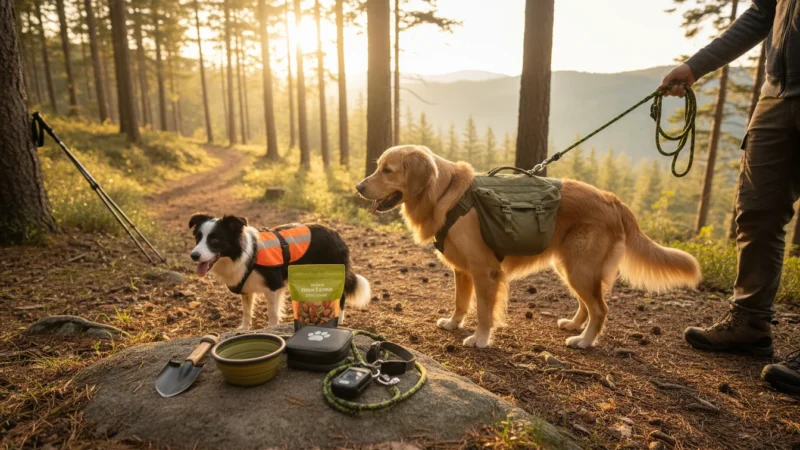
Consider your dog’s temperament. Dog parks are best suited for dogs who enjoy interacting with other canines and display appropriate social behavior. If your dog is overly shy, fearful, or prone to aggression, a dog park might be too overwhelming. Alternative activities, like structured playdates or long walks in less crowded areas, might be more beneficial for these dogs. Always use a secure leash and harness for getting to and from the park, even if the park is off-leash. Carry plenty of water, a portable bowl, waste bags, and perhaps a small towel for muddy paws.
Navigating Dog Park Etiquette: Ensuring Fun for Everyone
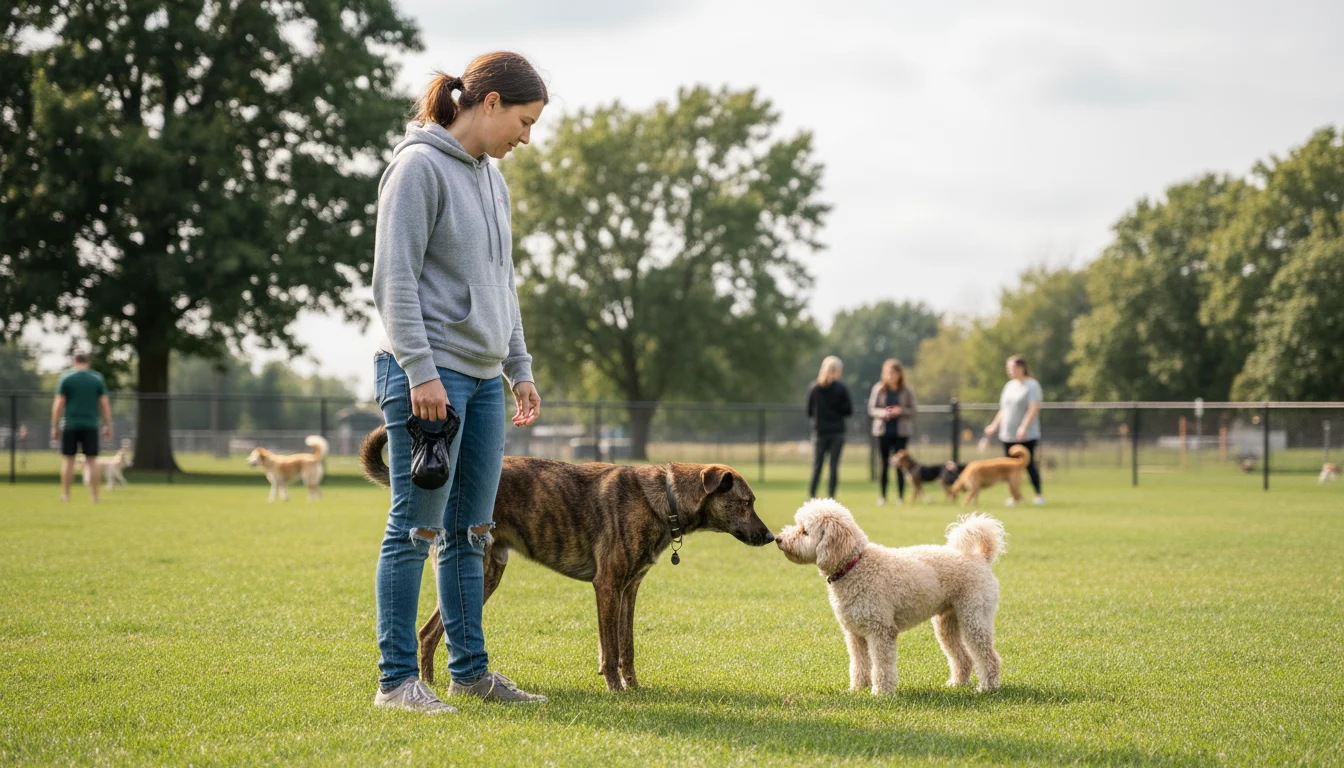
Observing proper etiquette ensures a positive experience for all park-goers, both human and canine. Always actively supervise your dog. Do not become distracted by your phone or conversations. Your attention allows you to intervene quickly if a situation escalates or if your dog needs redirection. Pick up your dog’s waste immediately; failing to do so spreads disease and creates an unpleasant environment. The Humane Society of the United States regularly promotes responsible pet ownership, highlighting waste removal as a fundamental aspect of community courtesy and pet health.
Understand and respect other dogs’ boundaries. Not every dog wants to play with every other dog. Watch for signs of stress or discomfort in your dog or others, such as tucked tails, cowering, excessive yawning, or stiff body language. If you notice these signals, leash your dog and remove them from the situation. Avoid bringing young puppies (under four months and not fully vaccinated) or unneutered males, as they can sometimes trigger unwanted attention or conflicts. Likewise, leave toys and treats at home to prevent resource guarding, where dogs may become protective of their possessions.
Regional Highlights: Discovering Unique Dog Park Experiences Across America
As you consider what are the best dog parks in America, understand that park designs and offerings often reflect regional landscapes, climates, and community priorities. This state-by-state guide focuses on the unique characteristics you might find:
If you are traveling across state lines to visit these destinations, knowing how to plan a pet-friendly road trip is essential for a smooth journey.
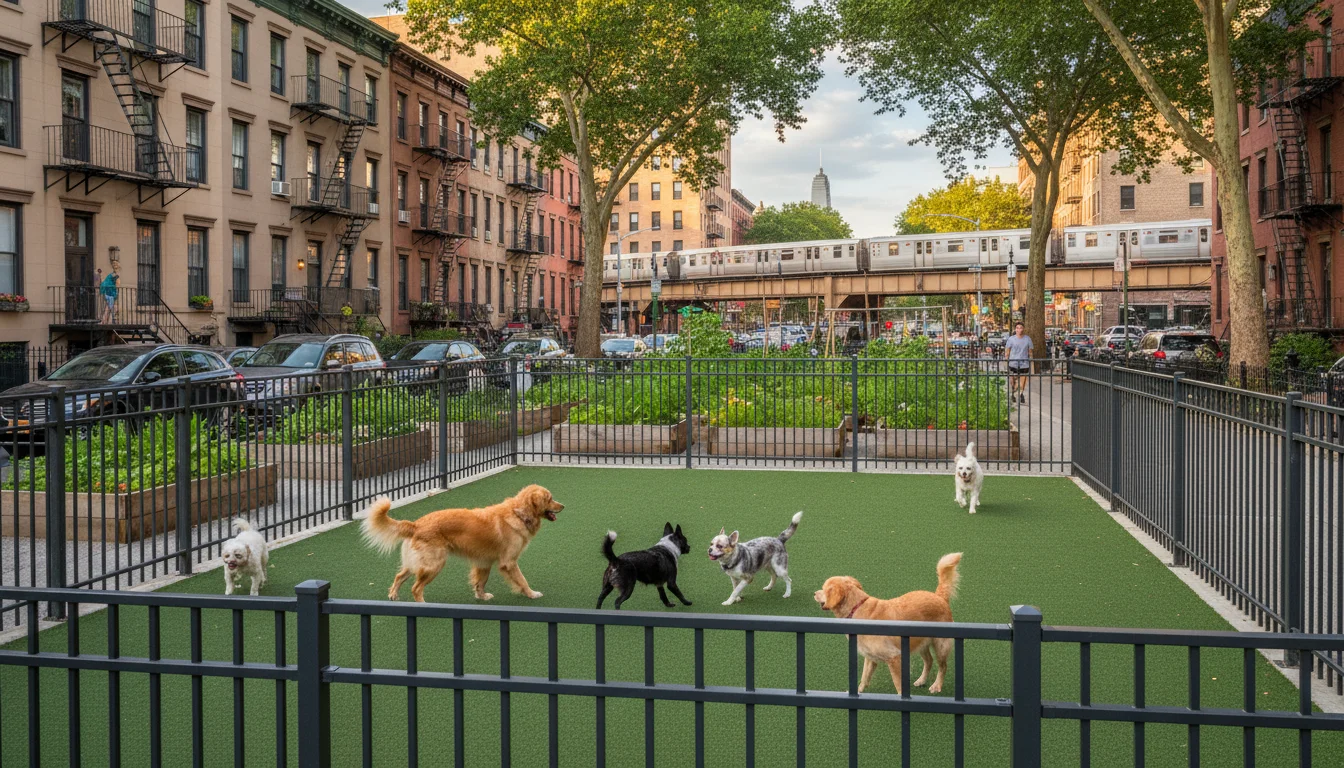
- Northeast (e.g., New York, Massachusetts): Urban areas often feature compact, highly-utilized dog parks. Look for parks with durable, easy-to-clean surfaces like artificial turf or pea gravel, sturdy fencing, and dedicated handlers who ensure dogs are well-matched for play. Many parks integrate with community gardens or public plazas, often requiring strict leash control outside designated off-leash areas.
- Southeast (e.g., Florida, Georgia): Warmer climates mean a greater emphasis on water features. You might find splash pads, dog-friendly swimming ponds, or even access to specific beach areas. Shade is a critical component, with ample trees or covered pavilions. Parks here often boast expansive, grassy areas for running and fetching.
- Midwest (e.g., Illinois, Ohio): Open spaces characterize many Midwestern parks. You will frequently encounter large, sprawling parks, often converted from former agricultural land, providing vast areas for dogs to roam. Community involvement is high, with many parks relying on volunteer efforts for maintenance and improvements, offering a strong sense of community pet care.
- Southwest (e.g., Arizona, New Mexico): Desert landscapes present unique challenges. Look for parks with excellent shade structures, water stations that are regularly replenished, and heat-resistant ground covers. Many parks operate with specific “cool-weather” hours during summer months to protect paws and prevent heatstroke. These areas often blend natural desert flora with maintained off-leash zones.
- Pacific Northwest (e.g., Washington, Oregon): Lush, forested environments often mean dog parks integrate with natural trails and wooded areas. Expect well-maintained paths, streams for splashing, and plenty of natural cover. These parks often encourage exploration and scent work, with amenities designed to handle wetter weather, such as paved sections or elevated boardwalks.
- California (e.g., Los Angeles, San Diego): California offers diverse dog park experiences, from urban concrete parks with agility courses to expansive beach parks where dogs can play in the surf. Coastal cities frequently feature designated off-leash beach areas. Inland parks prioritize shade and water, reflecting the state’s varied climate zones.
When you seek the best dog parks in America, remember that what defines “best” often aligns with your dog’s specific needs and the local environment.
Training and Enrichment: Making the Most of Dog Park Visits
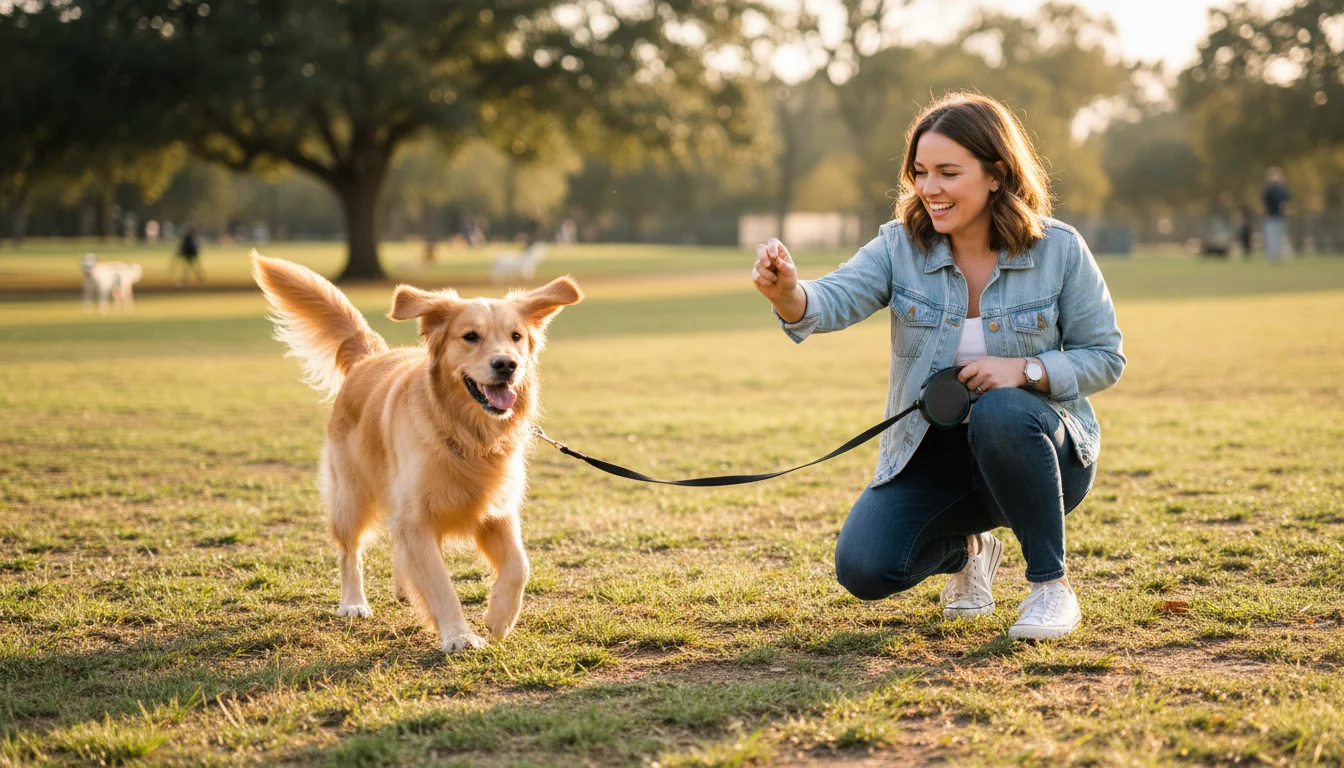
Dog parks offer excellent opportunities to reinforce training and provide enrichment, enhancing your pet lifestyle. Practice recall commands frequently, even when your dog is engaged in play. A strong “come” command is perhaps the most important skill for an off-leash environment, ensuring you can quickly bring your dog back to safety if needed. The Association of Professional Dog Trainers (APDT) consistently advocates for positive reinforcement methods, emphasizing their effectiveness in building a reliable recall and strengthening your bond with your dog.
You can also use the park to practice “leave it” commands, preventing your dog from approaching potentially problematic items or situations. Encourage appropriate play behavior by gently interrupting over-arousal or roughhousing. Observe how your dog plays and encourage positive interactions. After your dog park visit, consider providing mental enrichment at home with puzzle toys or a sniffari in your yard. These activities fulfill their natural instincts and keep them mentally engaged, preventing them from becoming overtired or overstimulated from just physical exertion.
Common Dog Park Challenges and Solutions
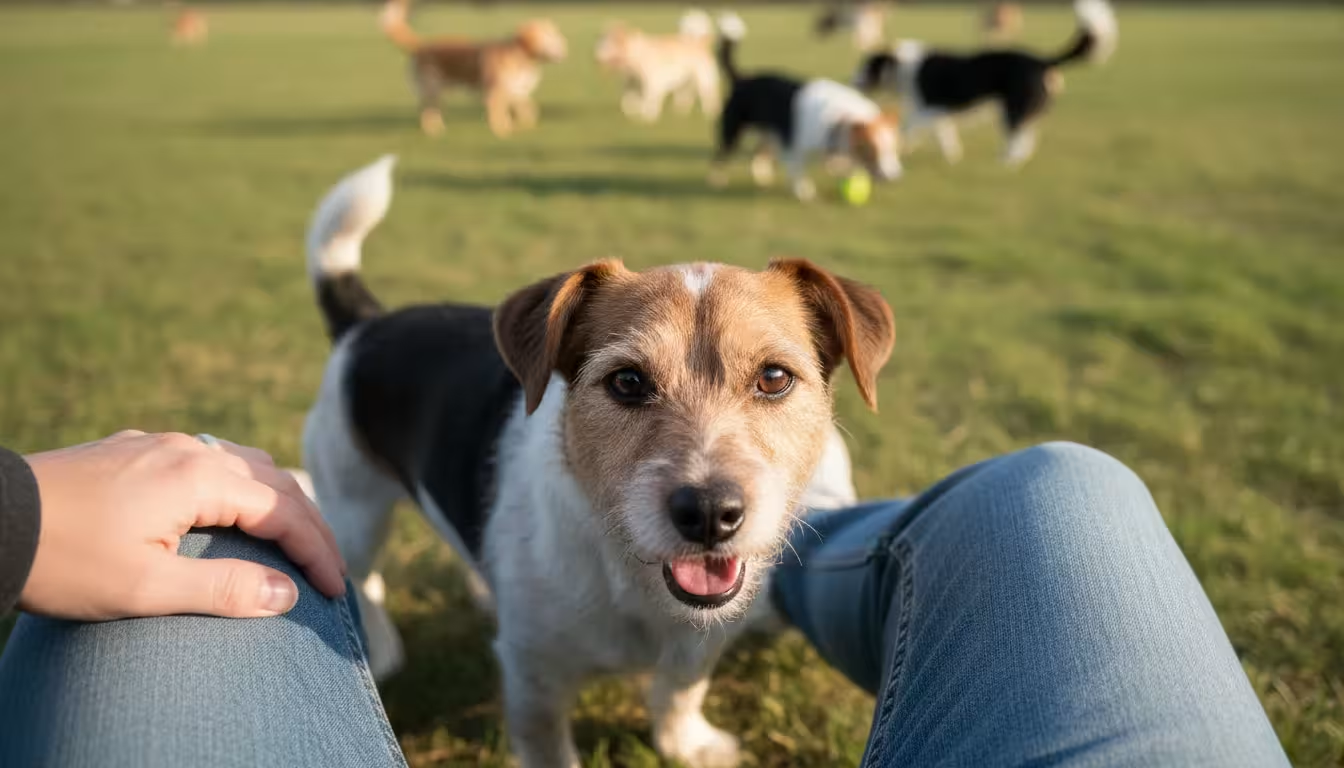
Even the best dog parks can present challenges. Recognizing these issues and knowing how to address them helps ensure positive pet care experiences:
- Over-stimulation: Some dogs become overwhelmed by the sheer number of dogs or the high energy levels.
- Solution: Start with shorter visits during off-peak hours. If your dog shows signs of stress (panting, lip licking, tail tucked), leave immediately. Gradually increase visit duration as they become more comfortable.
- Resource Guarding: This occurs when a dog becomes protective of toys, water, or even their owner.
- Solution: Avoid bringing toys or treats into the park. If your dog exhibits guarding behavior towards you, create space and consider working with a certified professional dog trainer to address the issue.
- Managing Conflicts: Fights can happen, even among well-socialized dogs.
- Solution: Stay calm. Avoid getting between fighting dogs. Instead, make loud noises, clap your hands, or throw a blanket over them to distract them. If a fight occurs, exchange contact information with the other owner and check both dogs for injuries. Always report serious incidents to park management.
- Inappropriate Play: Some dogs play too roughly, persistently nip, or continually mount other dogs.
- Solution: Watch your dog’s play style. If it becomes too intense, intervene by calling your dog away or putting them on a leash for a short “time out.” If another dog is playing inappropriately with yours and the owner is not intervening, remove your dog from the situation.
If you consistently encounter challenges or your dog displays fear, aggression, or anxiety at dog parks, consult with a certified professional dog trainer or a veterinary behaviorist. Organizations like the American College of Veterinary Behaviorists (ACVB) can provide resources for finding qualified professionals who use humane, evidence-based methods to help your dog overcome behavioral issues.
Frequently Asked Questions
Can all dogs go to dog parks?
No, not all dogs are suitable for dog parks. Dogs should be fully vaccinated, spayed or neutered, and display appropriate social behavior. Dogs who are fearful, aggressive, or prone to resource guarding often do better with alternative forms of exercise and socialization, such as private playdates or structured training classes.
What should I bring to the dog park?
You should always bring a leash and harness, fresh water and a portable bowl, waste bags, and your phone for emergencies. Avoid bringing toys or treats into the main play areas to prevent resource guarding among dogs.
How long should we stay at the dog park?
The ideal duration varies by dog. Start with short visits, perhaps 15-20 minutes, and observe your dog’s energy levels and enjoyment. Leave before your dog becomes overly tired or overwhelmed. Some dogs are happy with an hour, while others are ready to go after a quick run.
What if my dog gets into a fight?
Remain calm. Do not physically intervene by grabbing collars, as this can lead to redirected aggression. Instead, try to break up the fight by making a loud noise, clapping, or using a “break stick” if one is available and you are trained to use it. Once separated, check both dogs for injuries and exchange contact information with the other owner.
Are dog parks safe for puppies?
Puppies should not visit dog parks until they have completed their full vaccination series, typically around 16 weeks of age, to protect them from contagious diseases. Even then, ensure the park has a separate, quieter area for puppies or smaller dogs to prevent them from being overwhelmed or injured by larger, boisterous dogs. Supervise closely and leave if your puppy shows any signs of stress.
For expert pet care guidance, visit
Pet Poison Helpline,
FDA Center for Veterinary Medicine,
PetMD,
Vetstreet and
Fear Free Pets.
Disclaimer: This article is for informational purposes only and is not a substitute for professional veterinary advice, diagnosis, or treatment. Always consult with a licensed veterinarian for medical concerns about your pet.








Leave a Reply