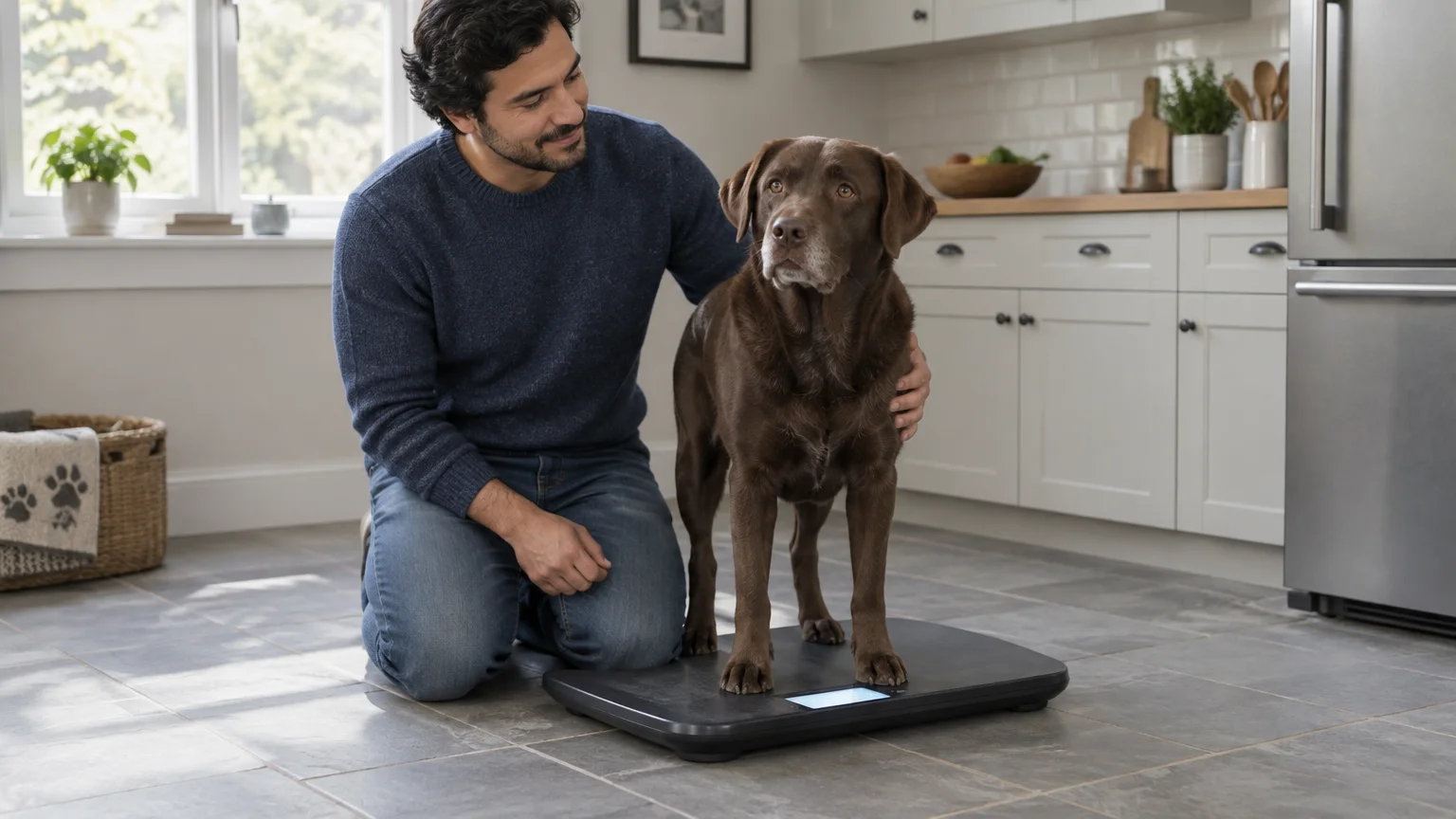
Tracking your dog’s weight at home catches subtle medical issues before they develop into serious health emergencies. A routine dog weight check reveals metabolic shifts, organ stress, and joint strain long before physical changes become visible to your eye.
Even a modest 5% shift in body weight impacts medication safety, mobility, and overall vitality. Consistent monitoring ensures your companion stays in peak physical condition across every stage of life.
This practical guide explains how to choose an accurate dog scale method for your pet’s size and interpret weight fluctuations with confidence.
Why a 5% Weight Shift Matters to Your Dog’s Health
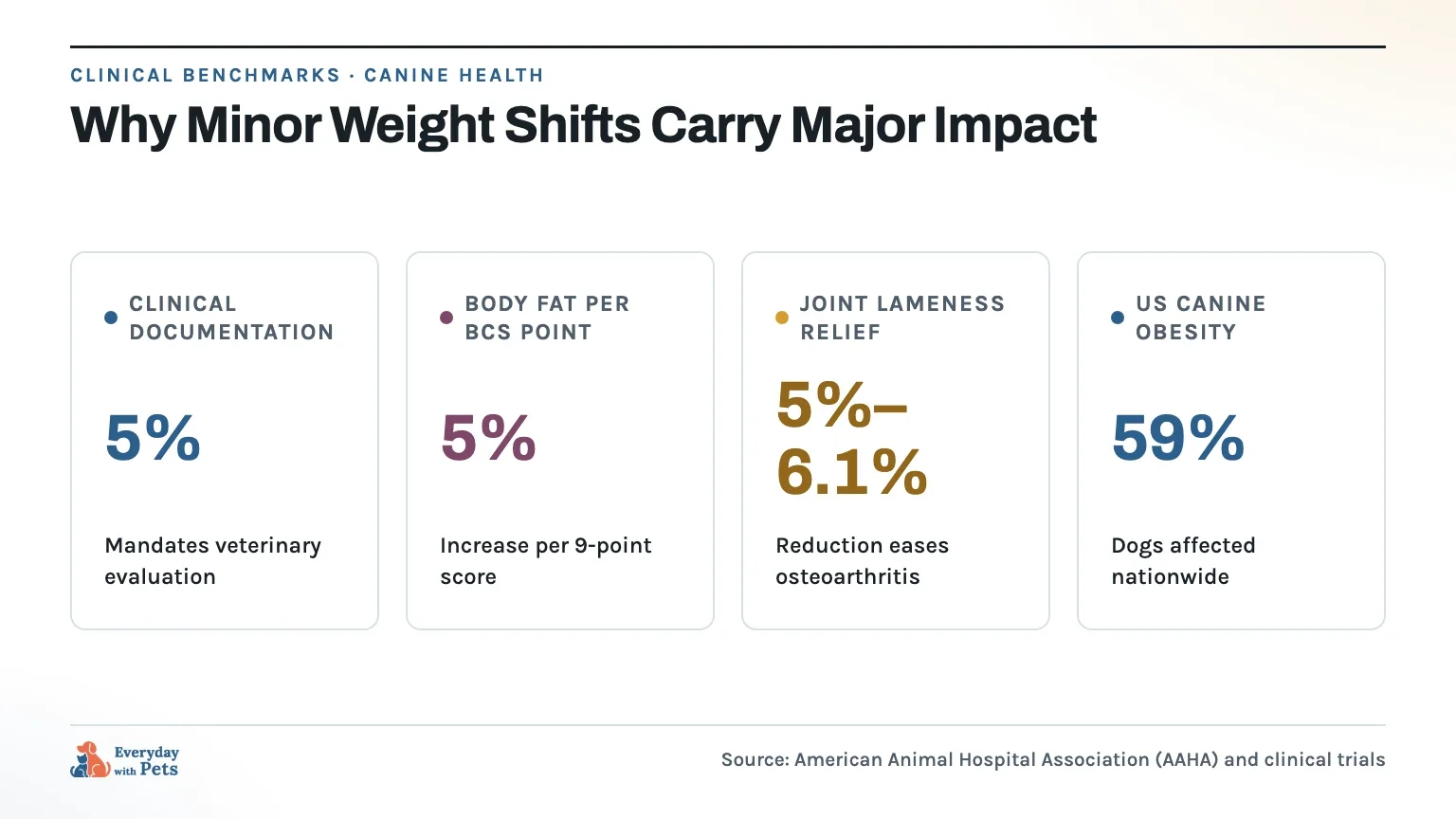
Veterinary guidelines identify a 5% change in canine body weight as the official threshold requiring clinical documentation. While five percent sounds negligible, it represents a substantial physiological shift in your dog’s body.
According to the American Animal Hospital Association (AAHA), each single-point increase on a nine-point Body Condition Score corresponds to roughly a 5% increase in body fat.
For a ten-pound miniature dachshund, losing or gaining just half a pound equals that entire 5% threshold. In a giant breed, a 5% shift equals five to eight pounds—a major metabolic event.
“Unexplained weight loss exceeding 5% warrants prompt veterinary evaluation for metabolic, renal, or endocrine disease.”
Clinical trials show that losing just 5% to 6.1% of body weight significantly reduces lameness in dogs with osteoarthritis. Objective gait improvements appear when dogs shed under 9% of their baseline weight.
Recent clinical surveys indicate canine obesity affects 59% of dogs in the United States. Alarmingly, more than 30% of pet owners still mistake an overweight pet for one at an ideal weight.
How Weight Shifts Impact Medication and Treatment
Veterinary pharmaceuticals depend on precise weight parameters to provide therapeutic relief without triggering toxic reactions. Slight changes in body mass can compromise safe dosage levels, especially in toy and miniature breeds.
The FDA Center for Veterinary Medicine enforces strict weight cutoffs on product labels; for example, Capstar requires a strict two-pound minimum body weight for safe administration.
Similarly, liquid pain relievers like Loxicom oral suspension utilize syringes calibrated in tiny, one-pound increments for small dogs. A minor weight error in a toy breed easily causes severe underdosing or accidental toxicity.
For medium and large dogs, small weight changes matter most when your dog sits on the boundary between preventive medication tiers. Dropping across that threshold can leave your pet under-dosed against parasites like heartworms.
Step-by-Step: How to Weigh Dogs by Size
Selecting the right equipment ensures your at-home readings remain reliable over time. Choose an approach tailored specifically to your dog’s size and comfort level.
According to the American Kennel Club (AKC), you should always set your scale on hard, level flooring and measure before breakfast for maximum consistency.
Toy and Small Dogs (Under 10 lbs): Use a digital baby or postal scale with a tare function, which costs around $40 to $50. Place a blanket down, zero the scale, and set your pup inside.
Medium Dogs (10 to 40 lbs): Step onto a standard bathroom scale alone and note your baseline weight. Then, pick up your dog, step back onto the scale, and subtract your weight from the combined reading.
Large and Giant Breeds (Over 40 lbs): Lifting a heavy dog risks spinal injury and compounds scale errors. Use a low-profile platform scale at home or visit your veterinary clinic to use their walk-on platform scale.
| Dog Size | Recommended Scale Type | Key Advantage |
|---|---|---|
| Under 10 lbs | Digital baby or postal scale | High precision down to ounces or grams |
| 10 to 40 lbs | Bathroom scale (tare method) | Convenient and budget-friendly for liftable pets |
| Over 40 lbs | Walk-on platform or clinic scale | Prevents owner injury and eliminates weighing error |
Body Condition Scoring: Looking Beyond the Scale
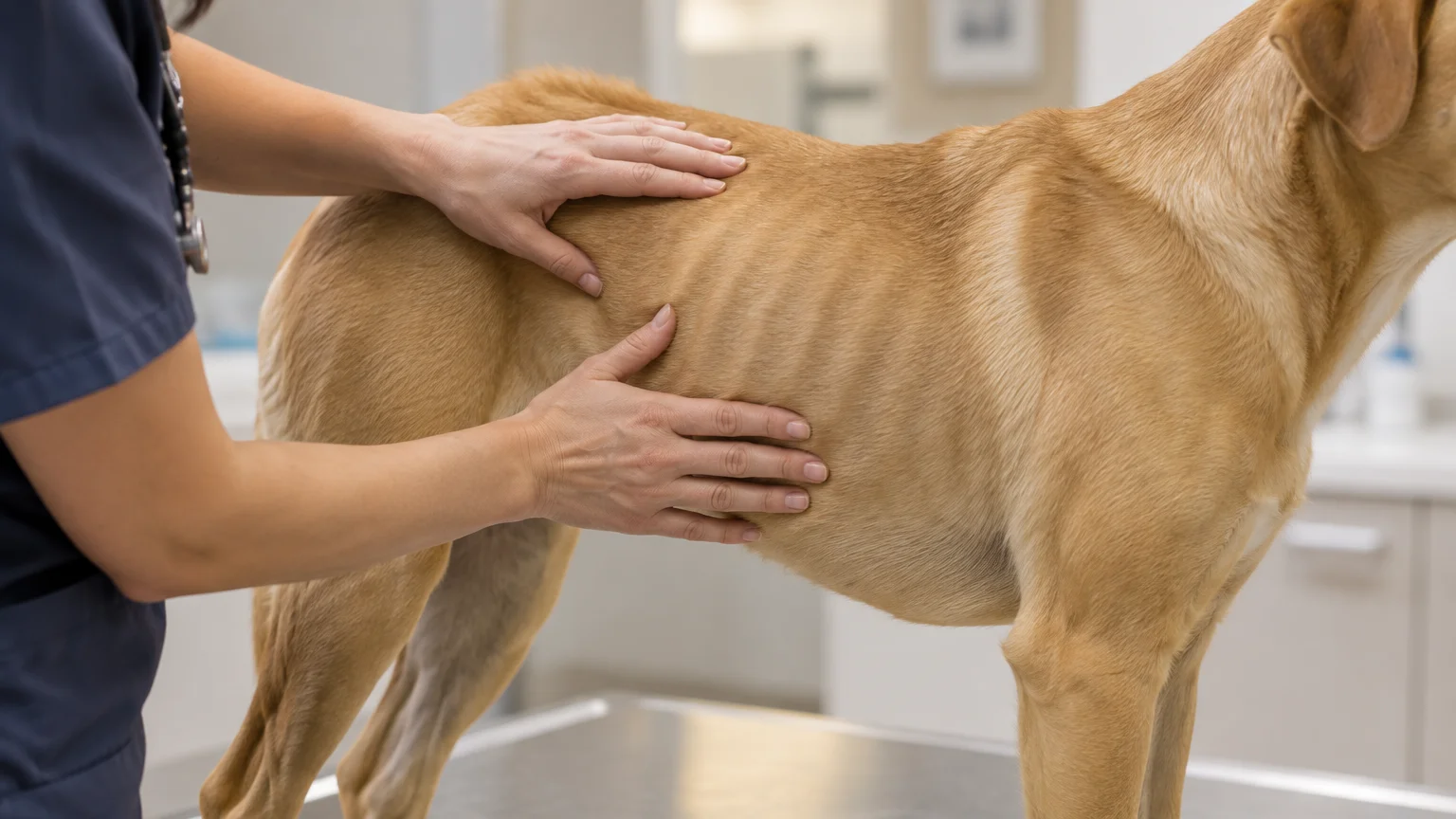
A scale measures total body mass, but it cannot differentiate between healthy lean muscle and excess visceral fat. Combining your dog weight check with hands-on physical evaluation provides a clearer view of overall condition.
Veterinary professionals use the nine-point Body Condition Score (BCS) system, where scores of 4 to 5 represent the ideal target. Every point above 5 indicates approximately 10% excess body weight.
Evaluate your dog’s ribs by sliding your palms gently across their chest. You should easily feel each rib beneath a thin layer of fat without pressing into the tissue.
Next, observe your pet from above; you should see a clear hourglass indentation behind the ribcage. When viewed from the side, their abdomen must tuck upward toward the pelvic area.
Common At-Home Weighing Mistakes to Avoid
Placing your scale on plush carpets or uneven rugs dampens the sensor mechanism and skews results by several pounds. Always position the scale on bare tile, hardwood, or level concrete.
Inconsistent weighing times also produce misleading weight spikes. Always measure your dog at the same time of day, ideally right after their morning elimination walk and before their meal.
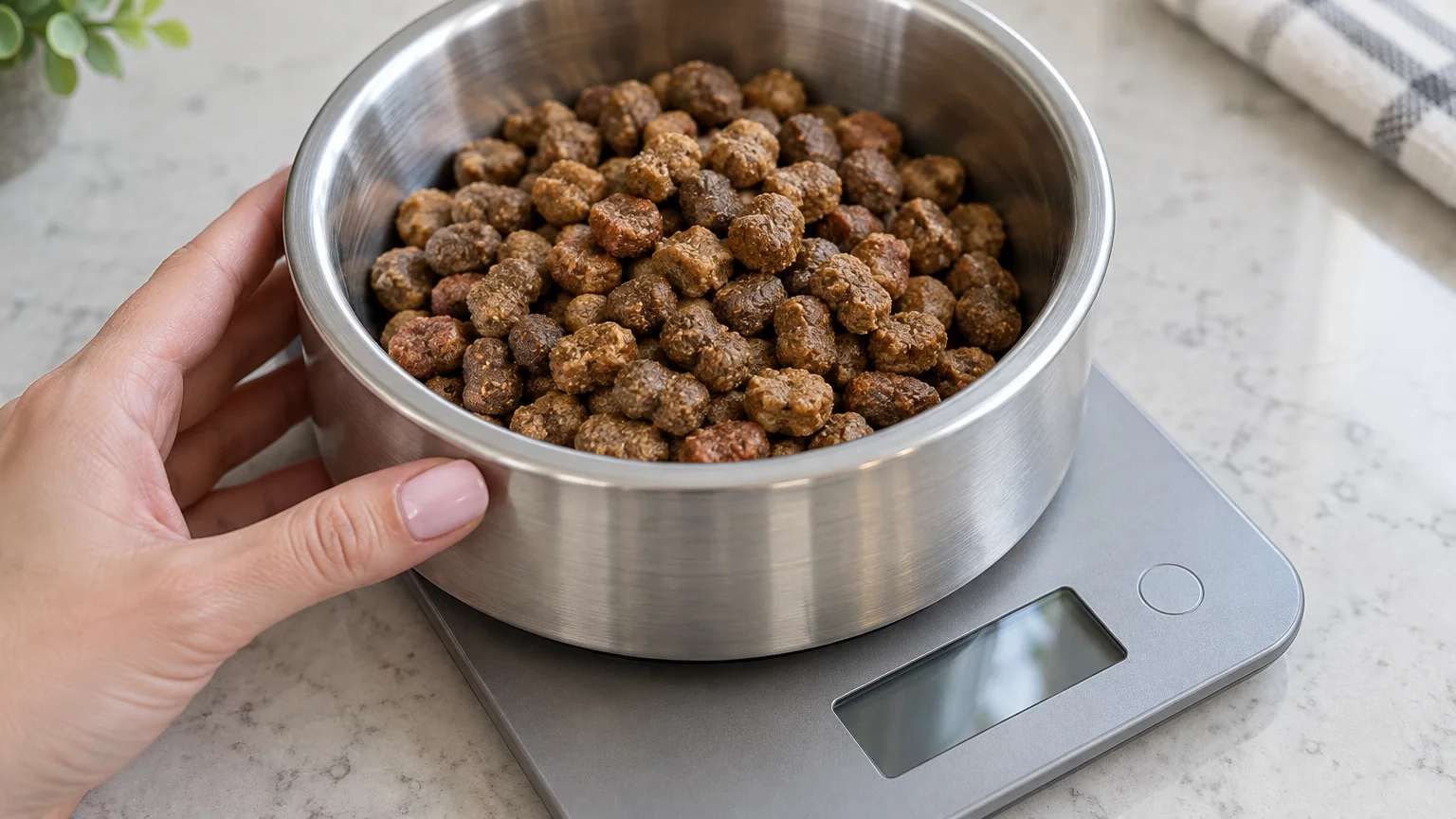
Do not estimate portion sizes using standard kitchen cups. Studies prove that scooping dry kibble by volume leads to portion errors ranging from 48% underfeeding to 152% overfeeding.
Switch to a digital kitchen gram scale to weigh meals with absolute precision. This simple pet care advice prevents gradual weight gain while keeping daily treats under 10% of total caloric intake.
Frequently Asked Questions
How often should I weigh my dog at home?
Weigh adult dogs once a month to establish a reliable baseline. For growing puppies, senior pets, or dogs on an active weight-loss program, perform a dog weight check every one to two weeks.
What is a safe weekly weight loss rate for dogs?
A safe rate of planned canine weight loss is 1% to 2% of total body weight per week. Losing weight faster than 2% weekly risks lean muscle depletion and metabolic slowing.
When should an unexpected weight loss prompt a vet visit?
Contact your veterinarian immediately if your dog loses more than 5% of their body weight unexpectedly within a single month. Unplanned weight drops often signal early endocrine, dental, or gastrointestinal disorders.
Can I safely use the carry-and-subtract method for large dogs?
Avoid lifting dogs over 40 pounds onto a bathroom scale. Carrying heavy dogs risks severe back strain and yields erratic readings caused by movement and balance shifts.
For expert pet care guidance, visit
American Animal Hospital Association (AAHA), Association of Professional Dog Trainers (APDT), Certification Council for Professional Dog Trainers (CCPDT) and International Association of Animal Behavior Consultants (IAABC).
Disclaimer: This article is for informational purposes only and is not a substitute for professional veterinary advice, diagnosis, or treatment. Always consult with a licensed veterinarian for medical concerns about your pet.