🐶🐱 Everyday With Pets.com
  • Dog Care
  • Cat Care
  • Pet Health
  • Lifestyle & Fun
  • Training & Behavior
  • Product Reviews

8 Dog Breeds That Are Perfect For Retirees Living Alone

May 12, 2026 · Uncategorized
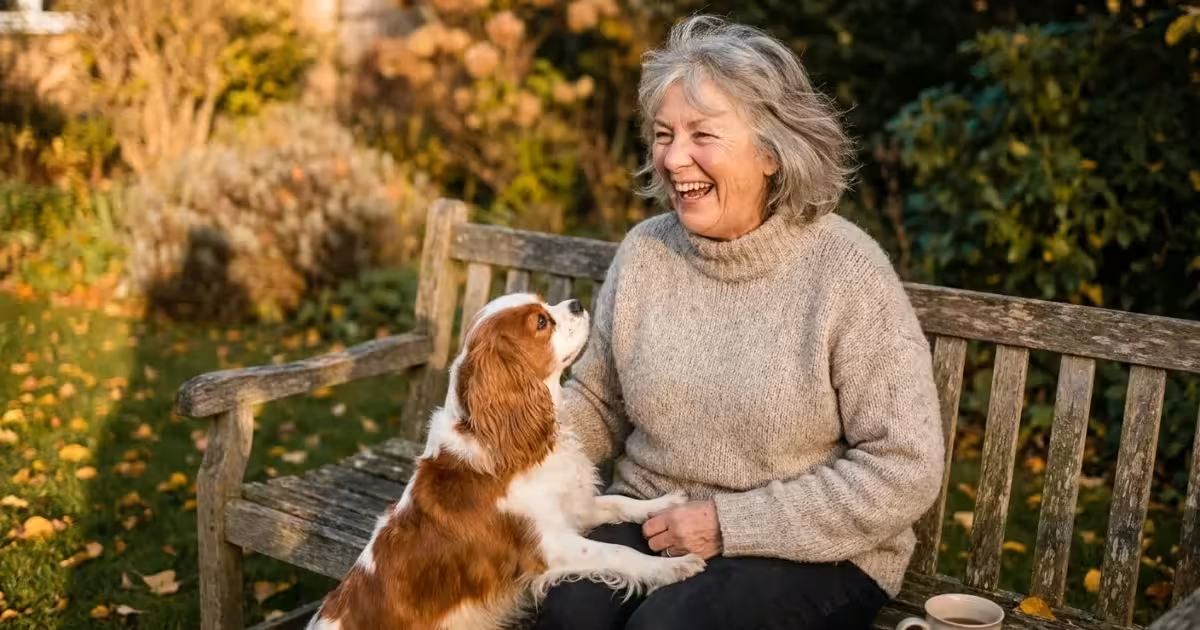
A smiling senior woman sits on a garden bench with a Cavalier King Charles Spaniel resting its paws on her lap in the autumn sun.

Retirement offers the perfect opportunity to welcome a devoted canine companion into your life, but finding the right match requires careful consideration of your daily routine and physical capabilities. A dog provides immense joy, unconditional love, and a natural way to maintain an active, structured lifestyle. However, some breeds possess temperaments, energy levels, and grooming needs that align much better with a relaxed household than others. Selecting a breed with a lower prey drive, moderate exercise requirements, and an affectionate nature ensures a harmonious bond. By focusing on dogs renowned for their adaptability and gentle dispositions, you secure a loyal friend who enhances your golden years without introducing unnecessary stress or physical strain.
Table of Contents

  • Why Certain Dog Breeds Excel As Senior Companions
  • Meet The Best Companion Breeds For Retirees
  • How To Choose The Right Dog For Your Lifestyle
  • Adopting A Senior Dog Versus A Puppy
  • Budgeting For Pet Care On A Fixed Income
  • Overcoming Common Challenges With A New Dog
  • Frequently Asked Questions
An older man calmly walks a small Shih Tzu dog on a sidewalk, emphasizing a healthy daily routine.
A senior man walks his small dog while a smartwatch displays his healthy and steady heart rate.

Why Certain Dog Breeds Excel As Senior Companions

Living alone during retirement brings wonderful freedom, but it can occasionally lead to feelings of isolation. Sharing your home with a dog transforms the atmosphere, filling quiet rooms with quiet footfalls and warm companionship. Beyond the emotional comfort, dogs provide immense physical and psychological benefits. According to the American Veterinary Medical Association (AVMA), interacting with pets can lower your blood pressure, reduce your baseline stress levels, and encourage a heart-healthy daily routine.

However, not every dog thrives in a quiet, single-person household. High-energy working breeds require rigorous daily running and complex mental tasks to prevent destructive behaviors. For a retiree living alone, a dog with a moderate to low energy level—often belonging to the toy or non-sporting groups—proves to be a much better fit. These breeds have been specifically cultivated over generations to sit on laps, offer affection, and shadow their owners from room to room.

Size also plays a vital role. Small to medium-sized dogs are physically easier to manage on a leash, lift into a vehicle for veterinary appointments, and bathe in a standard tub or sink. If a small dog pulls on the leash during a walk, the risk of a fall or injury is significantly lower than it would be with a large, powerful breed. By prioritizing traits like affectionate temperaments, manageable sizes, and lower exercise needs, you set yourself up for a deeply rewarding relationship.

An infographic grid comparing 8 dog breeds by their average weight and energy levels.
Compare the average weights of eight dog breeds that are perfect companions for retirees living alone.

Meet The Best Companion Breeds For Retirees

To help you narrow down your search, we have compiled a list of the eight best dog breeds for retirees living solo. The table below offers a quick comparison, followed by an in-depth look at what makes each breed special.

Breed Average Weight Grooming Needs Energy Level
Cavalier King Charles Spaniel 13-18 lbs Moderate Low-Moderate
Shih Tzu 9-16 lbs High (or frequent clipping) Low
Poodle (Toy/Miniature) 4-15 lbs High Moderate
Greyhound 60-70 lbs Low Low (Couch potato)
Bichon Frise 12-18 lbs High Moderate
Pug 14-18 lbs Low (Daily wrinkle cleaning) Low
Havanese 7-13 lbs High (or frequent clipping) Moderate
Maltese 4-7 lbs High (or frequent clipping) Low
A close-up of a Cavalier King Charles Spaniel resting its head on a velvet pillow next to a book.
A sweet Cavalier King Charles Spaniel rests on a pillow near an open book and reading glasses.

1. Cavalier King Charles Spaniel

The Cavalier King Charles Spaniel is often considered the ultimate lap dog. With their soulful eyes, soft, floppy ears, and incredibly gentle disposition, these dogs thrive on human connection. They are famously adaptable, happily adjusting their activity levels to match your daily rhythm. If you want to take a leisurely stroll through the park, your Cavalier will be thrilled to sniff along the path. If you prefer an afternoon reading in your favorite armchair, they will gladly curl up by your side.

Their grooming routine requires regular brushing to prevent tangles in their silky, feathered coats, but they do not need the rigorous, expensive haircuts that poodle mixes demand. Cavaliers are eager to please, making them exceptionally easy to train using gentle, positive reinforcement.

When considering this breed, you must keep their health in mind. Cavaliers are prone to a heart condition called Mitral Valve Disease (MVD). Regular veterinary checkups and keeping them at a healthy weight are essential steps for managing their long-term health and ensuring they remain comfortable throughout their lives.

A well-groomed Shih Tzu sits on a Persian rug next to grooming tools in a sunlit room.
This charming Shih Tzu with a red bow sits patiently on a rug near its grooming tools.

2. Shih Tzu

Bred centuries ago to warm the laps of Chinese emperors, the Shih Tzu continues this noble tradition in modern living rooms. These sturdy little dogs are exceptionally affectionate and deeply loyal to their primary caretakers. A Shih Tzu wants nothing more than to be wherever you are, making them fantastic companions for retirees who spend most of their time at home.

Exercise needs for a Shih Tzu are delightfully low. Short daily walks and a bit of indoor playtime with a favorite plush toy are usually enough to keep them physically fit and mentally satisfied. Because they have short snouts (brachycephalic), they should not be exercised in extreme heat, making them perfect for climate-controlled indoor living.

While their exercise needs are low, their grooming needs are quite high. If you keep their hair long, daily brushing is mandatory to prevent painful mats. Many owners opt for a “puppy cut”—a short, all-over trim performed by a groomer every four to six weeks. This simple style drastically reduces daily maintenance while keeping the dog comfortable and clean.

A small apricot Toy Poodle sits on a kitchen chair, watching its owner at the table.
A curly miniature poodle sits at the table, providing loyal companionship during a relaxing afternoon puzzle session.

3. Poodle (Toy or Miniature)

Do not let their elegant appearance fool you; Poodles are highly intelligent, incredibly sturdy, and deeply affectionate companions. Available in Toy (under 10 pounds) and Miniature (10-15 pounds) sizes, these dogs are highly trainable and form strong, intuitive bonds with their owners. They often learn to anticipate your routine and communicate their needs clearly.

Poodles possess a moderate energy level. They enjoy daily walks and thrive on mental stimulation. Teaching your Poodle simple tricks or providing them with puzzle toys will keep their sharp minds engaged and prevent boredom. Because they are so bright, they respond beautifully to positive reinforcement and rarely present stubborn behavioral challenges.

One of the main draws of the Poodle is their low-shedding, hypoallergenic coat. This makes them a brilliant choice if you suffer from allergies or simply prefer to keep your home free of dog hair. However, this non-shedding coat requires professional grooming every four to eight weeks, alongside regular brushing at home.

A large Greyhound sleeps soundly on a big dog bed in a cozy room by a fireplace.
A gentle brindle greyhound rests on a plush bed, offering quiet companionship by the warm fire.

4. Greyhound

It might surprise you to see the fastest breed of dog on a list for retirees, but retired racing Greyhounds are famously known as the “45mph couch potatoes.” Once they retire from the track, these gentle giants are astonishingly docile, quiet, and lazy. They are perfectly content to spend up to 18 hours a day lounging on a soft bed.

Despite their large size, Greyhounds are delicate and unassuming indoors. They rarely bark, possess no guarding instincts, and generally lean against your legs to ask for affection. A simple 20 to 30-minute daily walk is usually enough to maintain their muscle tone and keep them happy.

Grooming a Greyhound is incredibly easy. Their short, sleek coats require nothing more than a quick wipe down with a hound glove to remove loose hair. However, because they have very little body fat, they are sensitive to cold and require warm coats during winter walks. If you have the floor space for a large dog bed and want a calm, quiet presence in your home, a retired Greyhound is a magnificent choice.

A fluffy white Bichon Frise playfully stands on its hind legs in a bright sunroom.
A cheerful Bichon Frise stands on its hind legs to greet its owner in a sunroom.

5. Bichon Frise

The Bichon Frise is the embodiment of canine joy. With their bright black eyes and fluffy white coats, they look like little clouds and possess a remarkably cheerful disposition. Bichons are naturally social, deeply loving, and rarely meet a stranger they do not like. Their upbeat attitude makes them an excellent antidote to loneliness.

They have a moderate energy level, meaning they will enjoy a brisk daily walk and a spirited game of fetch down the hallway, but they settle down beautifully afterward. They are highly adaptable to apartment living and do not require a large backyard to burn off energy.

Like the Poodle, the Bichon Frise has a low-shedding coat that requires dedicated maintenance. Daily brushing is a must to prevent their fine hair from matting, and professional grooming is required every four to six weeks to maintain their signature rounded appearance. Consistent dental care is also vital, as small breeds are particularly prone to periodontal disease.

A close-up portrait of a fawn Pug with a tilted head sitting on porch steps.
This charming pug tilts its head while sitting near garden shoes and a trowel on the porch.

6. Pug

If you are looking for a dog with a large sense of humor in a compact, sturdy package, the Pug is an excellent option. Pugs are charming, deeply affectionate, and completely devoted to their owners. They are not naturally active dogs, preferring to spend their days snoring softly beside you on the sofa.

Because they are brachycephalic (flat-faced), Pugs cannot tolerate intense exercise or hot weather. A short, gentle walk in the cool hours of the morning or evening is all they need. They are highly food-motivated, which makes training easy, but it also means they are prone to obesity. Measuring their food carefully and limiting treats will protect their joints and their breathing.

Grooming a Pug is relatively low maintenance regarding haircuts, but they do shed surprisingly heavily for a short-haired breed. The most critical part of their grooming routine is cleaning the deep wrinkles on their face. You must gently wipe these folds with a damp cloth or dog-safe wipe every few days to prevent skin infections.

A cream-colored Havanese dog follows closely behind its owner's feet in a home hallway.
A fluffy Havanese stands faithfully beside its owner’s slippers, offering quiet companionship in a cozy hallway.

7. Havanese

The Havanese is the national dog of Cuba and was bred specifically to be a companion. These sturdy little dogs weigh between 7 and 13 pounds and possess a delightfully silly, affectionate personality. They are often described as “Velcro dogs” because they stick right by their owner’s side, following them from room to room with a happy spring in their step.

Havanese dogs are quite intelligent and easily trained. They enjoy performing little tricks and are deeply motivated by praise and affection. Their exercise needs are moderate; a daily walk and some interactive play will keep them perfectly content.

Their long, silky coat requires daily brushing to prevent severe tangles. Alternatively, many retirees choose to keep their Havanese in a short, manageable trim. They are generally healthy dogs, though routine veterinary checkups are necessary to monitor for common small-dog issues like luxating patellas (slipping kneecaps).

A tiny white Maltese dog is curled up in a small bed on a sofa next to a remote control.
A tiny Maltese snuggles into a fluffy bed, making it the perfect companion for a quiet evening.

8. Maltese

Weighing in at under 7 pounds, the Maltese is one of the smallest and most elegant breeds on our list. They are fearless, deeply trusting, and form an intense, loving bond with their sole caretaker. Because of their tiny size, they are incredibly easy to handle, transport, and physically manage, making them an outstanding choice if you have limited mobility.

A Maltese requires very little outdoor exercise. They can fulfill most of their physical needs simply by following you around the house and playing briefly with small toys. They are perfectly suited for apartments, condominiums, or homes without fenced yards.

Their stunning white coat requires dedicated care. If kept long, it must be brushed daily and washed frequently to prevent staining, particularly around the eyes. A short puppy cut drastically reduces this workload. Because of their small size, you must handle them gently and be cautious of their fragility, but their fierce devotion makes the effort deeply rewarding.

A colorful gouache illustration of a lifestyle checklist next to different sized dog silhouettes.
Use a lifestyle checklist to compare different dog breeds and find the perfect companion for your retirement.

How To Choose The Right Dog For Your Lifestyle

Reading breed descriptions is a great starting point, but ensuring a successful match requires an honest assessment of your daily life, physical limitations, and home environment. A beautiful dog is wonderful, but a dog that seamlessly fits into your routine brings true peace of mind.

“Matching your energy level with a dog’s natural temperament is the single most important factor in a successful adoption. A calm dog brings peace to a quiet home.” — Dr. Sarah Mitchell, DVM

To choose the right dog, follow these practical evaluation steps:

  1. Assess your physical mobility: If you use a cane, walker, or experience balance issues, a larger dog that pulls on the leash poses a significant fall risk. Conversely, a tiny dog under 5 pounds might present a tripping hazard if they frequently dart underfoot. Medium-small dogs (10-20 pounds) often strike the perfect balance.
  2. Evaluate your living space: Do you live in a multi-story home with steep stairs? A dog with a long back and short legs, like a Dachshund or Corgi, may struggle with stairs as they age. If you live in an apartment with strict noise ordinances, avoid vocal breeds like Beagles or Miniature Schnauzers.
  3. Factor in your local climate: If you live in a hot, humid region, flat-faced breeds like Pugs and Shih Tzus will struggle to breathe outdoors during the summer. If you live in a very cold climate, delicate breeds like Greyhounds or Maltese will require extensive winter wardrobes.
  4. Consider your grooming tolerance: Be realistic about whether you want to brush a dog every single day. If arthritis makes brushing painful for your hands, prioritize a smooth-coated breed like a Greyhound or a Pug, or budget for a groomer to keep a long-haired dog in a short trim.

Take your time. Visit local breed rescues and reputable breeders. Spend time sitting with the dogs rather than just looking at photos. The right dog will often gravitate toward you naturally, showing a calm interest rather than hyperactive bouncing.

A split illustration comparing a playful puppy with a calm, sleeping senior dog.
A playful puppy plays with yarn while a serene senior dog naps peacefully by the warm fireplace.

Adopting A Senior Dog Versus A Puppy

When bringing a new dog into your home, you must decide whether to adopt a puppy or an older dog. While puppies are undeniably adorable, they require a staggering amount of time, energy, and physical exertion. Potty training involves rushing outside every two hours, day and night. Teething puppies will chew on furniture, shoes, and sometimes fingers. They require extensive socialization and basic obedience training to become good citizens.

For a retiree living alone, adopting a senior dog (typically considered 7 years or older) is often a far more rewarding experience. Experts at the ASPCA often highlight that senior dogs are usually already housetrained, possess basic manners, and have established, predictable personalities. What you see is exactly what you get.

Senior dogs naturally have lower energy levels. They are past the destructive chewing phase and are generally content to snooze the afternoon away. Furthermore, older dogs in shelters are frequently overlooked in favor of puppies, meaning you have the opportunity to literally save a life. When you provide a soft bed, good food, and a quiet home to a senior dog, they reward you with an immediate, quiet gratitude that is deeply moving. Their life stage perfectly mirrors a relaxed retirement lifestyle.

An infographic bar chart showing different categories of monthly pet care expenses.
A bar chart outlines monthly pet care expenses to help retirees manage their fixed income budgets.

Budgeting For Pet Care On A Fixed Income

Living on a fixed income during retirement means that budgeting is a necessary part of everyday life. Owning a dog involves consistent financial commitments, from daily meals to unexpected medical emergencies. Preparing for these costs ahead of time ensures that you can provide excellent care without causing yourself financial stress.

Start by calculating the routine costs. High-quality dog food, monthly heartworm, flea, and tick preventatives, and annual veterinary exams are non-negotiable expenses. Smaller dogs eat significantly less food and require smaller doses of medications, which makes them much more economical to maintain than large breeds.

To manage grooming costs, you can embrace DIY care. While a Poodle or Shih Tzu needs professional haircuts, you can easily handle their daily brushing, tooth brushing, and ear cleaning at home. Investing in a good pair of dog-safe nail clippers and learning how to trim their nails safely will also save you a monthly trip to the groomer.

For medical expenses, consider pet insurance. If you adopt a younger dog, locking in a good insurance rate early can protect you from catastrophic veterinary bills later. If you adopt a senior dog where insurance might be prohibitively expensive due to pre-existing conditions, open a dedicated savings account. Deposit a small amount each month specifically for veterinary care. Many clinics also offer wellness plans that break the cost of annual preventative care into manageable monthly payments.

A whimsical gouache illustration of a person and dog building a bridge to represent overcoming challenges.
A woman builds a bridge of colorful blocks to reach her dog, symbolizing overcoming new pet challenges.

Overcoming Common Challenges With A New Dog

Bringing a new dog home is exciting, but it also requires an adjustment period. Whether you adopt a rescue or purchase from a breeder, the dog will need time to understand your routines and feel safe in their new environment. Animal behaviorists often reference the “3-3-3 rule”: it takes three days for a dog to decompress, three weeks to learn your routine, and three months to truly feel at home.

During the first few weeks, you might encounter mild behavioral challenges. Housetraining accidents can happen due to stress, even in previously trained dogs. Keep your new companion on a strict feeding and bathroom schedule. Praise them warmly and offer a small treat immediately after they eliminate outside. Never punish a dog for an indoor accident; simply clean it up quietly with an enzyme cleaner and take them out more frequently.

If your dog barks excessively, pulls on the leash, or shows signs of anxiety when you leave the house, do not feel you have to solve the problem alone. Reaching out to a certified trainer through the Association of Professional Dog Trainers (APDT) ensures you use humane, positive reinforcement methods to correct the behavior. Professional trainers can provide you with easy, step-by-step exercises that strengthen the bond of trust between you and your new pet, making training an enjoyable activity rather than a chore.

Frequently Asked Questions

What is the absolute lowest maintenance dog breed for a retiree?

While no dog is entirely maintenance-free, the retired racing Greyhound and the smooth-coated Pug are incredibly low maintenance regarding grooming and exercise. For smaller spaces, a Cavalier King Charles Spaniel kept in a short trim offers a perfect balance of low exercise needs and minimal shedding if professionally groomed.

Should I adopt a male or female dog?

The dog’s individual temperament matters far more than their sex. Once a dog is spayed or neutered, behavioral differences between males and females become negligible. Focus your search on a dog’s energy level, friendliness, and how comfortably they interact with you during your initial meetings.

How do I make sure my dog is cared for if my health unexpectedly declines?

It is vital to have a contingency plan. Discuss your wishes with trusted family members or close friends and formally designate a caregiver for your pet in your estate planning documents. You can also establish a pet trust, which sets aside funds specifically for your dog’s ongoing care, ensuring they will never end up in a shelter if you can no longer provide for them.

Are small dogs always a better choice for retirees than large dogs?

Generally, small dogs are easier to manage physically and financially. However, some small terriers have incredibly high energy levels and a strong prey drive. Conversely, giant breeds like Greyhounds or older Mastiffs can be incredibly docile and lazy. While size is a major factor, evaluating the dog’s individual energy level is always the most important step.

For expert pet care guidance, visit
Pet Poison Helpline, FDA Center for Veterinary Medicine, PetMD, Vetstreet and Fear Free Pets.

Disclaimer: This article is for informational purposes only and is not a substitute for professional veterinary advice, diagnosis, or treatment. Always consult with a licensed veterinarian for medical concerns about your pet.

Share this article

Facebook Twitter Pinterest LinkedIn Email

Leave a Reply Cancel reply

Your email address will not be published. Required fields are marked *

Search

Latest Posts

  • A silver-haired woman laughing with a Cavalier King Charles Spaniel in a sunlit, cozy living room. 8 Dogs That Are Surprisingly Easy For Seniors To Care For
  • A smiling senior woman sits on a garden bench with a Cavalier King Charles Spaniel resting its paws on her lap in the autumn sun. 8 Dog Breeds That Are Perfect For Retirees Living Alone
  • A golden retriever and a calico cat resting together in a sun-lit, cozy living room, illustrating a peaceful home environment. 7 Pets That Help Reduce Stress and Anxiety at Home
  • 8 Best Pets for Seniors Living Alone 8 Best Pets for Seniors Living Alone
  • Best Dog Toys for Aggressive Chewers: Tested and Rated - comprehensive guide Best Dog Toys for Aggressive Chewers: Tested and Rated
  • Cooling Mats for Pets: Do They Really Work? - comprehensive guide Cooling Mats for Pets: Do They Really Work?
  • 10 Essential Cat Care Products Under $50 - comprehensive guide 10 Essential Cat Care Products Under $50
  • Best Pet Hair Vacuums: Real-Home Tested Results - comprehensive guide Best Pet Hair Vacuums: Real-Home Tested Results
  • Dog Shampoo Guide: Choosing the Right Formula - comprehensive guide Dog Shampoo Guide: Choosing the Right Formula
  • 12 Budget-Friendly Pet Products That Actually Work - comprehensive guide 12 Budget-Friendly Pet Products That Actually Work

Newsletter

Get the latest posts delivered to your inbox.

Related Articles

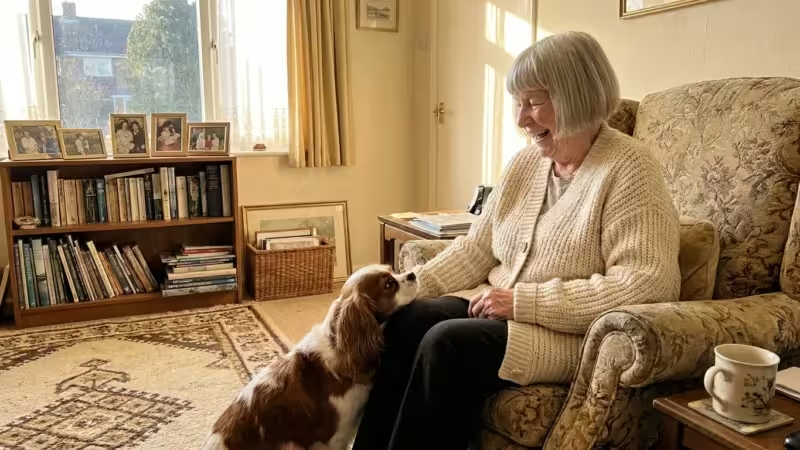
A silver-haired woman laughing with a Cavalier King Charles Spaniel in a sunlit, cozy living room.

8 Dogs That Are Surprisingly Easy For Seniors To Care For

Discover the top 8 low-maintenance dogs that are surprisingly easy for seniors to care for,…

Read More →
🐶🐱 Everyday With Pets.com

Making Pet Care Simple, Every Day

TechTonic Team, L.L.C-FZ
Dubai, UAE

contact@everydaywithpets.com

Trust & Legal

  • Home
  • About Us
  • Contact Us
  • Editorial Policy
  • Privacy Policy
  • Terms and Conditions
  • Subscribe
  • Unsubscribe
  • Request to Know
  • Request to Delete
  • CA Private Policy

Categories

  • Cat Care
  • Dog Care
  • Lifestyle & Fun
  • Pet Health
  • Product Reviews
  • Training & Behavior

© 2026 🐶🐱 Everyday With Pets.com. All rights reserved.