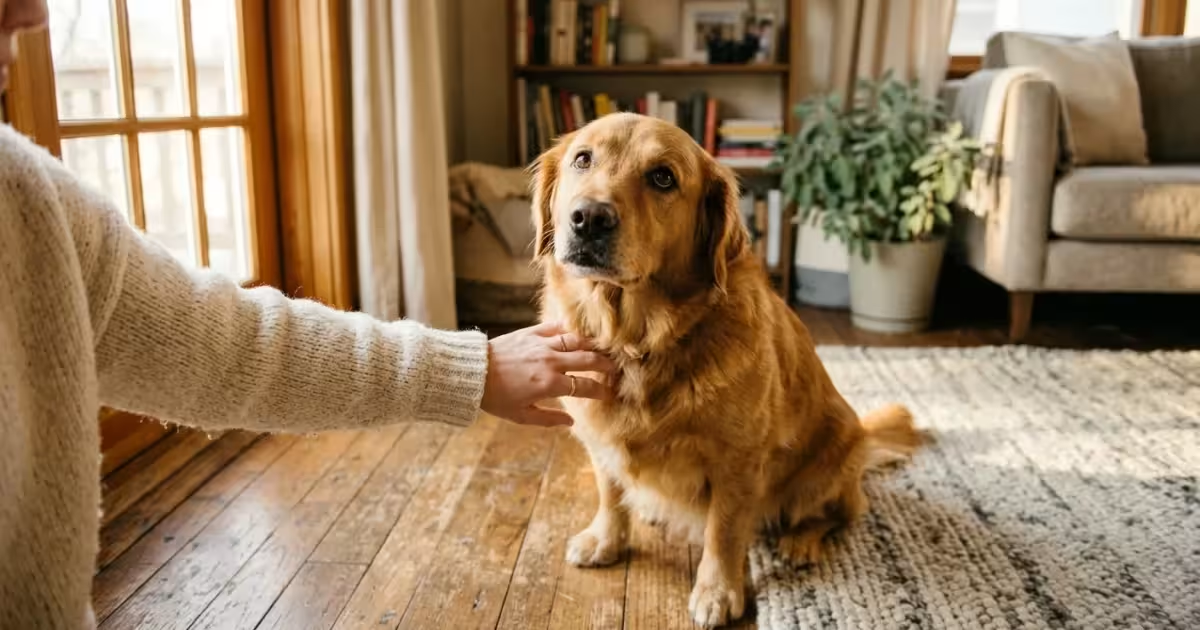
Dog obesity is one of the most common yet preventable health issues facing our pets today, significantly reducing their lifespan and daily comfort. Extra weight puts severe strain on a dog’s joints, heart, and metabolic system, increasing the risk of diabetes and osteoarthritis. Because weight gain happens gradually, you might not notice the subtle changes in your dog’s physique until the problem becomes severe. Recognizing the early indicators of excess weight gives you the power to intervene quickly and adjust their diet or exercise routine. By evaluating your dog’s body condition at home, you can make informed, proactive decisions to protect their long-term health, vitality, and overall happiness.
Paying attention to these physical shifts is essential, as there are several other body changes in dogs that warrant close monitoring.
The Hidden Impact of Extra Pounds
Carrying extra body fat does far more than change your dog’s physical appearance; it fundamentally alters how their internal systems operate. Adipose tissue—commonly known as fat—is not simply a passive layer of insulation. It is highly biologically active, constantly secreting inflammatory hormones that circulate throughout your dog’s body. This chronic low-grade inflammation contributes to a host of secondary health issues, including insulin resistance, cardiovascular disease, and accelerated cartilage breakdown in the joints.
To learn more about professional pet ownership guidelines, consider these things a veterinarian would never do with their own dogs.
Knowing when a physical change requires medical attention is vital, so keeping a list of warning signs your pet needs a vet visit handy can save critical time.
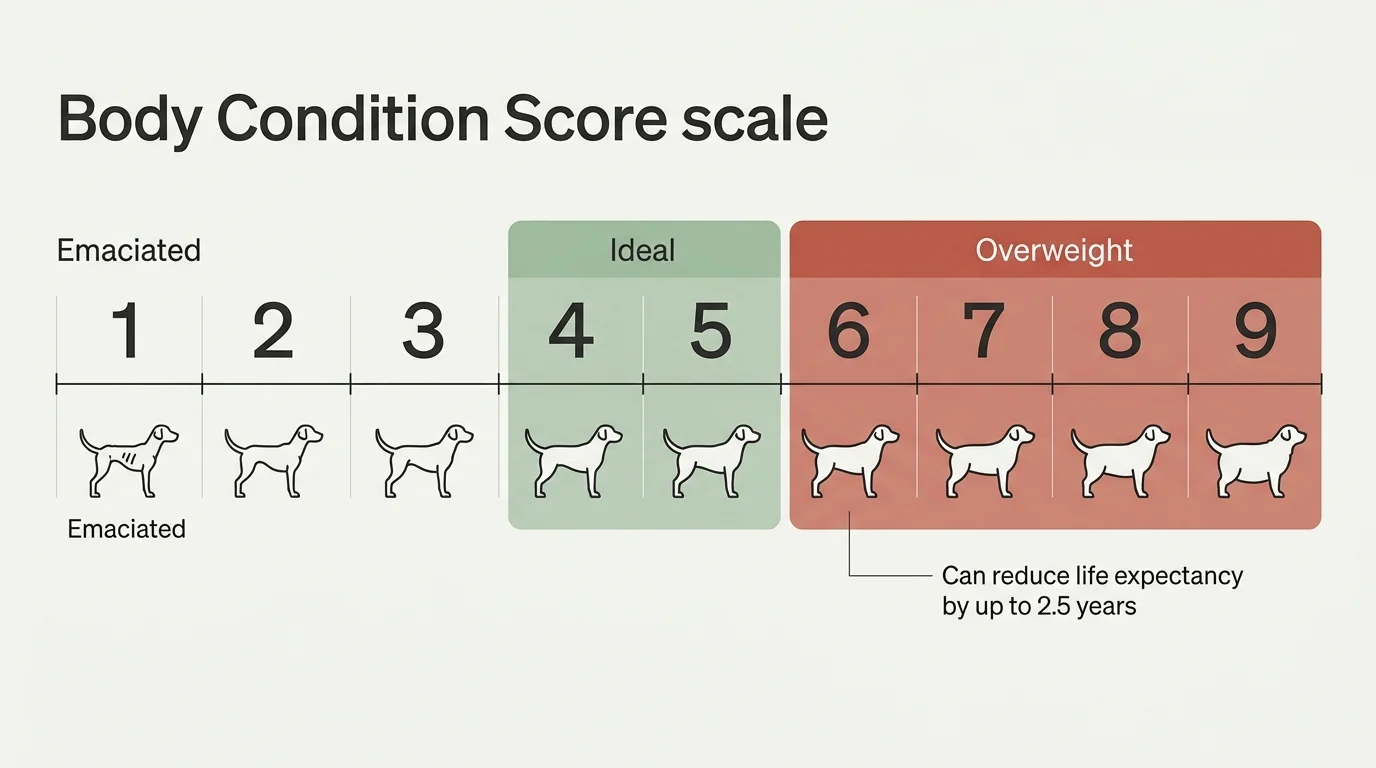
According to research highlighted by the American Kennel Club (AKC), canine obesity is a growing epidemic that can reduce a dog’s life expectancy by up to two and a half years. That is a significant portion of a dog’s life stolen by a highly treatable condition. Many pet owners view food as the primary way to show affection, leading to overfeeding and excessive treating. Shifting that mindset—recognizing that keeping your dog lean is one of the highest forms of love you can offer—is the first step toward long-term wellness.
“Maintaining a lean body condition is the single most effective way to delay the onset of joint disease and extend your dog’s healthy years.” — Dr. Jonathan Hughes, DVM
Veterinarians rely on a system called the Body Condition Score (BCS) to evaluate a dog’s weight. Similar to the Body Mass Index (BMI) used for humans, the BCS provides a standardized way to assess body fat regardless of a dog’s breed or scale weight. The most common scale ranges from 1 to 9, where 1 is severely emaciated, 4 to 5 is ideal, and anything above 6 indicates excess weight. By learning the physical and behavioral signs of a high BCS, you can advocate for your dog’s health before complications arise.
Assessing Your Dog’s Torso: Ribs and Spine
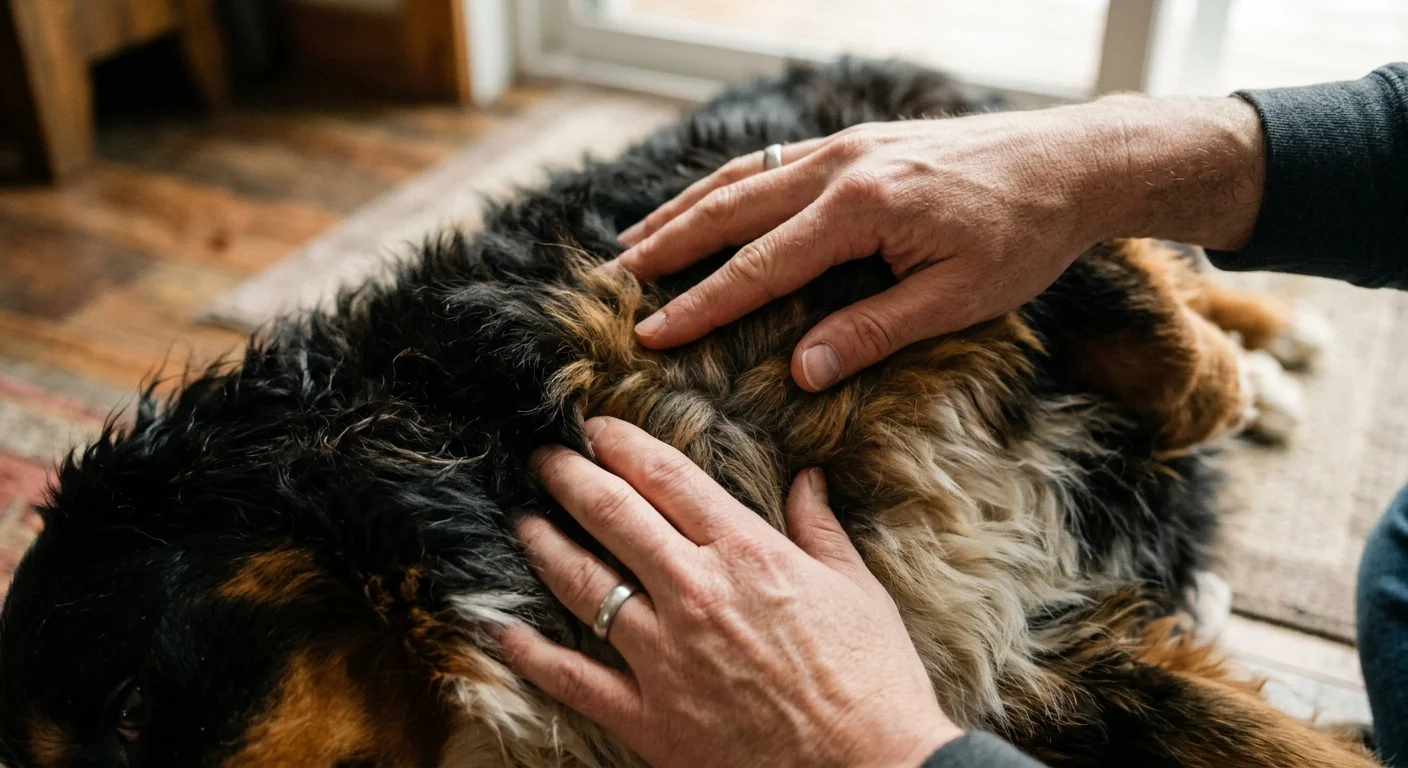
The easiest and most accurate way to gauge your dog’s body condition at home requires nothing but your hands. Because dogs come in vastly different shapes, sizes, and fluff levels, relying purely on a visual inspection can be misleading. A dense double coat can easily hide a thick layer of fat. Physical palpation cuts through the fur and gives you direct feedback on your dog’s current condition.
Sign 1: You Cannot Easily Feel Their Ribs
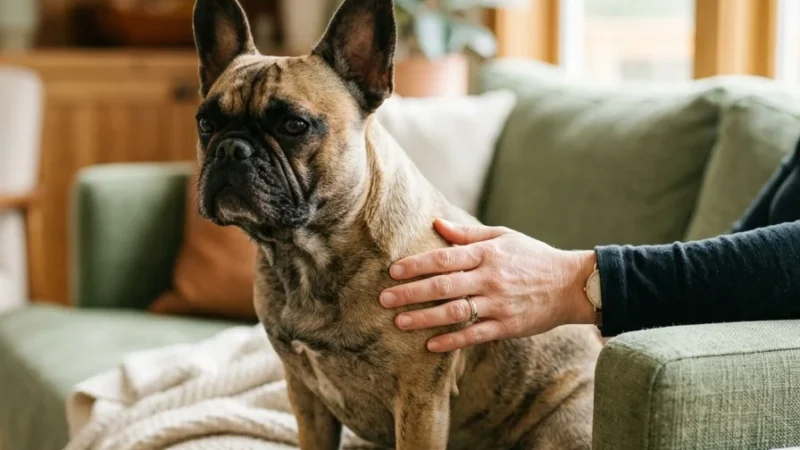
Run your hands gently along the sides of your dog’s chest, right behind their front legs. You should not have to press hard to feel the individual ridges of their rib cage. If you have to push through a spongy layer of tissue to locate the bones, your dog is carrying excess fat.
Because excess fat impairs metabolic function, it is also wise to watch for symptoms of insulin deficiency which frequently go hand-in-hand with obesity.
A helpful human equivalent is the “hand test.” Feel the knuckles on the back of your hand while your hand is flat; this is what a healthy dog’s ribs should feel like. If your dog’s ribs feel like the palm of your hand, they are overweight. If they feel like the base of your thumb, they may be heavily obese. You want a thin layer of skin and muscle over the bones, but no significant padding.
Sign 2: Thick Fat Pads Over the Spine and Tail Base
Continue running your hands down your dog’s back, tracing the spine toward the tail. In a dog at an ideal weight, you can feel the spinal vertebrae beneath a thin layer of muscle. As you reach the base of the tail, the area should feel firm and muscular. Overweight dogs often develop a distinct, spongy pocket of fat directly over the hips and the base of the tail. In severely obese dogs, this fat pad can become quite large, creating a dimpled or flat appearance across the lower back instead of a defined pelvic structure.
Evaluating Your Dog’s Profile and Shape
Once you complete the hands-on assessment, step back and observe your dog’s silhouette from two specific angles. You will need your dog to stand up straight and square on all four legs for this visual check.
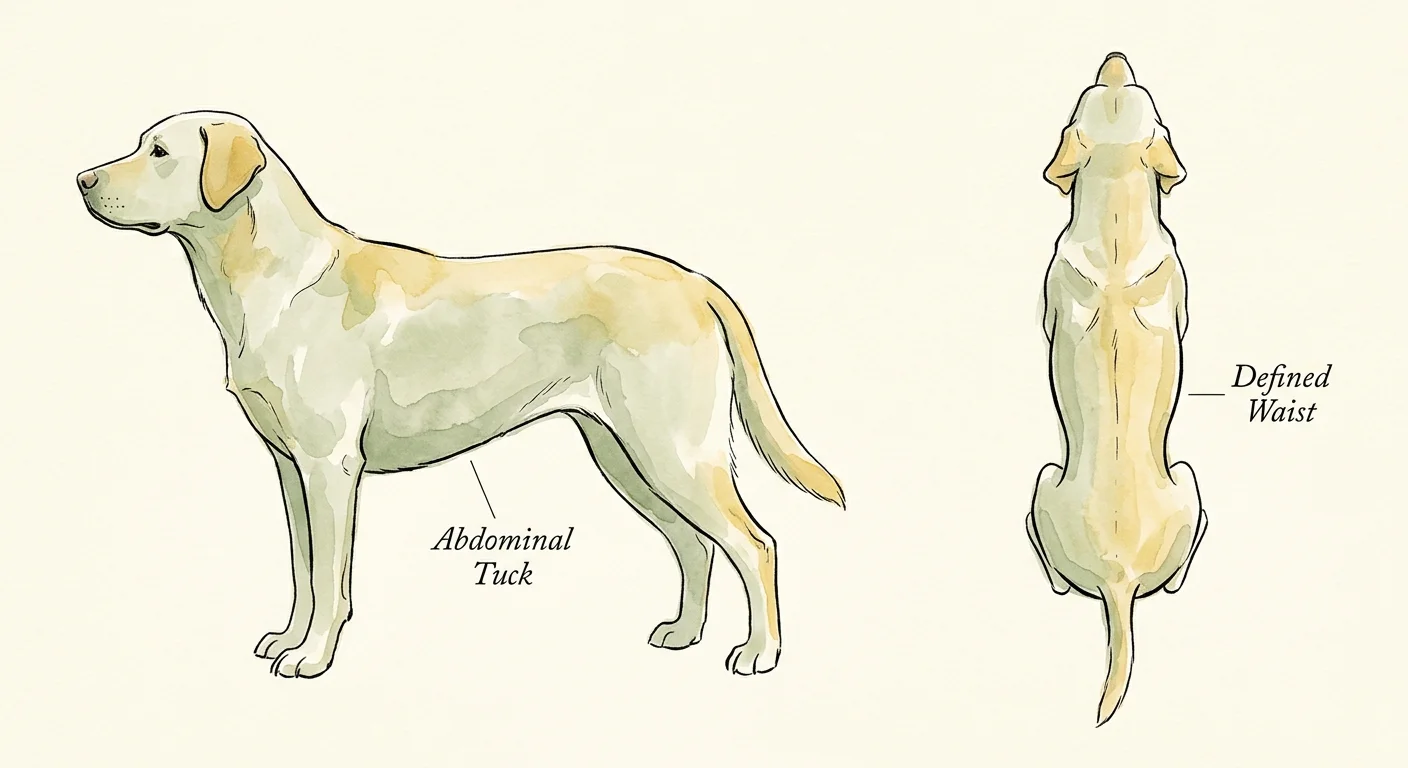
Sign 3: Loss of a Visible Waistline From Above
Stand directly over your dog and look down at their back. A dog at a healthy weight will have an hourglass figure, regardless of their breed. The chest should be the widest part of their torso, tapering noticeably inward behind the ribs before flaring out slightly at the hips. If your dog’s sides run perfectly straight from the ribs to the hips—resembling a barrel or a cylinder—they are overweight. If their midsection bulges outward, making them wider at the belly than at the chest, they are dealing with significant obesity.
Sign 4: A Sagging or Flat Abdominal Tuck
Next, lower yourself so you are at eye level with your dog’s side profile. Look at the line that runs along their underside, from the deep part of their chest toward their hind legs. A healthy dog displays a clear “abdominal tuck,” meaning the belly slopes sharply upward from the rib cage to the groin. If that line is completely flat and parallel to the floor, or worse, if the belly sags downward into a heavy pouch, your dog is carrying too much abdominal fat.
Mobility Changes and Exercise Intolerance
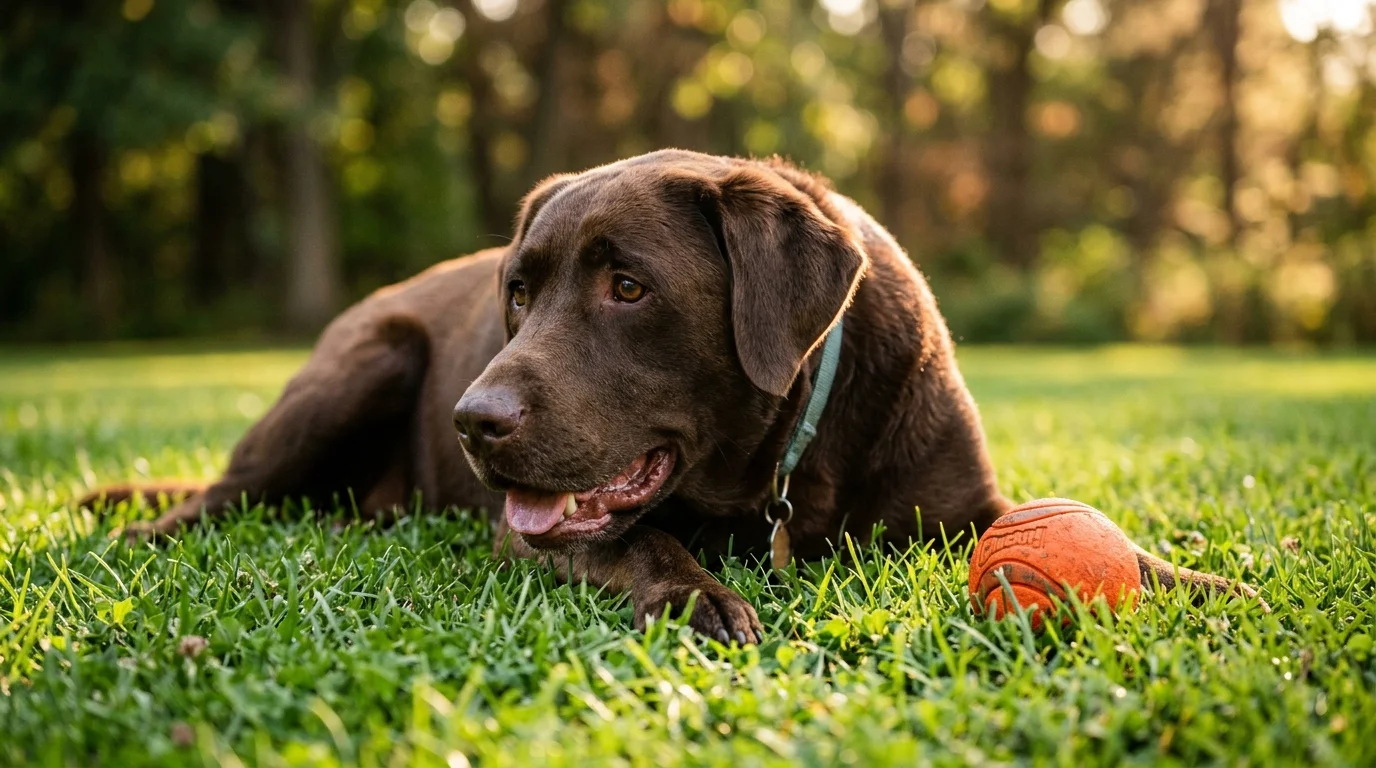
Weight gain does not just change a dog’s appearance; it drastically alters how they move through the world. Every extra pound increases the kinetic load on your dog’s joints, making basic movements require significantly more effort and causing premature wear on the cartilage.
When cold weather complicates outdoor exercise, it helps to find creative winter activities to keep your dog active and moving.
Paying close attention to these cues goes hand in hand with understanding dog body language to fully comprehend your pet’s physical comfort level.
Sign 5: Lagging Behind on Daily Walks
Think back to how your dog behaved on walks a year or two ago. Did they walk briskly slightly ahead of you, nose to the ground, eager to explore? If your once-energetic companion now drags behind you, frequently stops to sit, or tries to turn back toward home after just a few blocks, excess weight could be the culprit. Carrying extra fat requires more oxygen and muscular exertion, causing your dog to tire out much faster than they used to.
If standard walks are becoming too difficult for them, you might want to look into how to exercise your dog indoors safely.
Sign 6: Hesitation to Jump or Climb Stairs
Jumping onto the couch, climbing into the back of an SUV, or navigating a flight of stairs requires explosive muscle power and healthy joints. If you notice your dog hesitating at the bottom of the stairs, missing jumps they used to make effortlessly, or waiting for you to lift them into the car, they are likely experiencing joint discomfort. The added weight puts immense pressure on the hips and knees, making upward propulsion painful and difficult.
Recognizing these subtle structural limitations is crucial, as they are often clear signs your pet is in pain rather than simply being lazy.
Sign 7: General Lethargy and Excess Sleeping
While senior dogs naturally slow down and sleep more, a healthy adult dog should still have periods of vibrant energy throughout the day. Overweight dogs often suffer from exercise intolerance, meaning they choose to remain sedentary because movement is physically taxing. If your dog spends the vast majority of their day sleeping heavily and shows little interest in play, toys, or interacting with the family, their weight might be draining their vitality.
These shifts in daily behavior can be grouped with other pet habits that reveal hidden feelings about physical distress.
If your dog is getting older, implementing proper senior dog care strategies can help keep them mobile and comfortable through their golden years.
Veterinary experts at PetMD frequently note that owners often mistake this weight-induced lethargy for normal aging. Dropping just a few pounds often leads to a dramatic resurgence in a dog’s energy levels, proving that age was not the limiting factor.
Respiratory and Grooming Challenges
Fat accumulates internally just as it does externally. Internal fat deposits press against the diaphragm and surround the chest cavity, restricting the amount of space the lungs have to expand. This physical restriction creates noticeable breathing challenges.
Sign 8: Excessive Panting With Minimal Activity
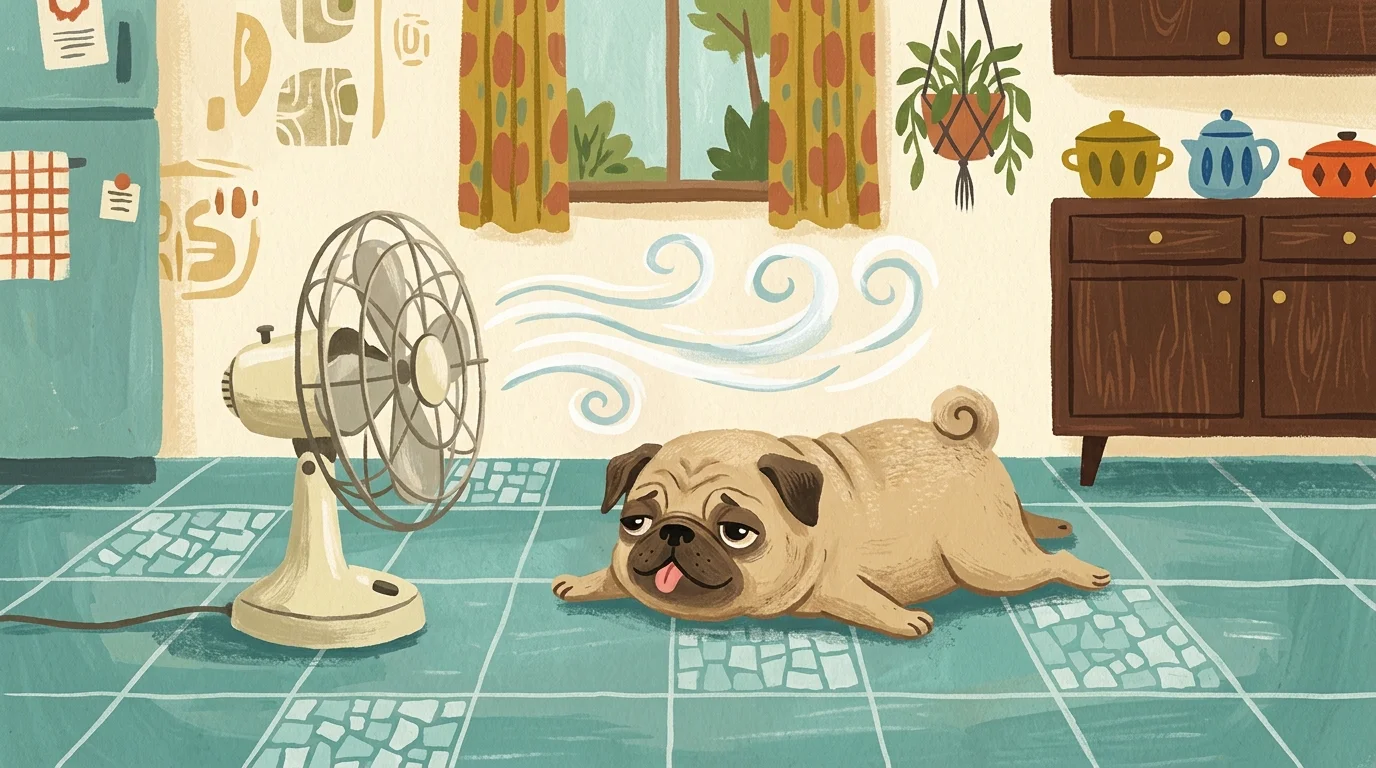
Dogs do not sweat through their skin like humans; they regulate their body temperature primarily through panting. A thick layer of fat acts as a heavy winter coat that your dog can never take off, trapping body heat inside. Consequently, an overweight dog will pant heavily even in cool environments or after very brief periods of mild activity. If your dog pants for ten minutes after a short walk to the mailbox, their cardiovascular system is working entirely too hard.
Since extra weight reduces their ability to regulate temperature, understanding the principles of summer dog care is critical to prevent heatstroke.
Sign 9: Noticeable Snoring and Noisy Breathing
While some brachycephalic (flat-faced) breeds naturally make more respiratory noise, a sudden onset of loud snoring in any breed is a red flag. Fat deposits in the neck and throat area can narrow the airway, causing tissues to vibrate as the dog breathes. This leads to loud snoring while sleeping and raspy, noisy breathing while resting while awake. In severe cases, this airway restriction can lead to sleep apnea, where the dog briefly stops breathing during deep sleep.
Sign 10: Inability to Scratch or Groom Themselves
Flexibility requires a lean body. If your dog struggles to reach their back to scratch an itch, or if they can no longer easily clean their hindquarters, excessive body mass is likely blocking their range of motion. You might notice your dog awkwardly rubbing against furniture to reach spots they used to groom naturally, or you might find that their coat is becoming dull and flaky in hard-to-reach areas because they can no longer maintain their own hygiene.
Helping them maintain their coat when they cannot reach is vital, but make sure to avoid common dog grooming mistakes that could cause skin irritation.
When assisting a less-flexible dog with hygiene, being mindful of common dog grooming mistakes can prevent accidental skin irritation.
Breed-Specific Weight Considerations
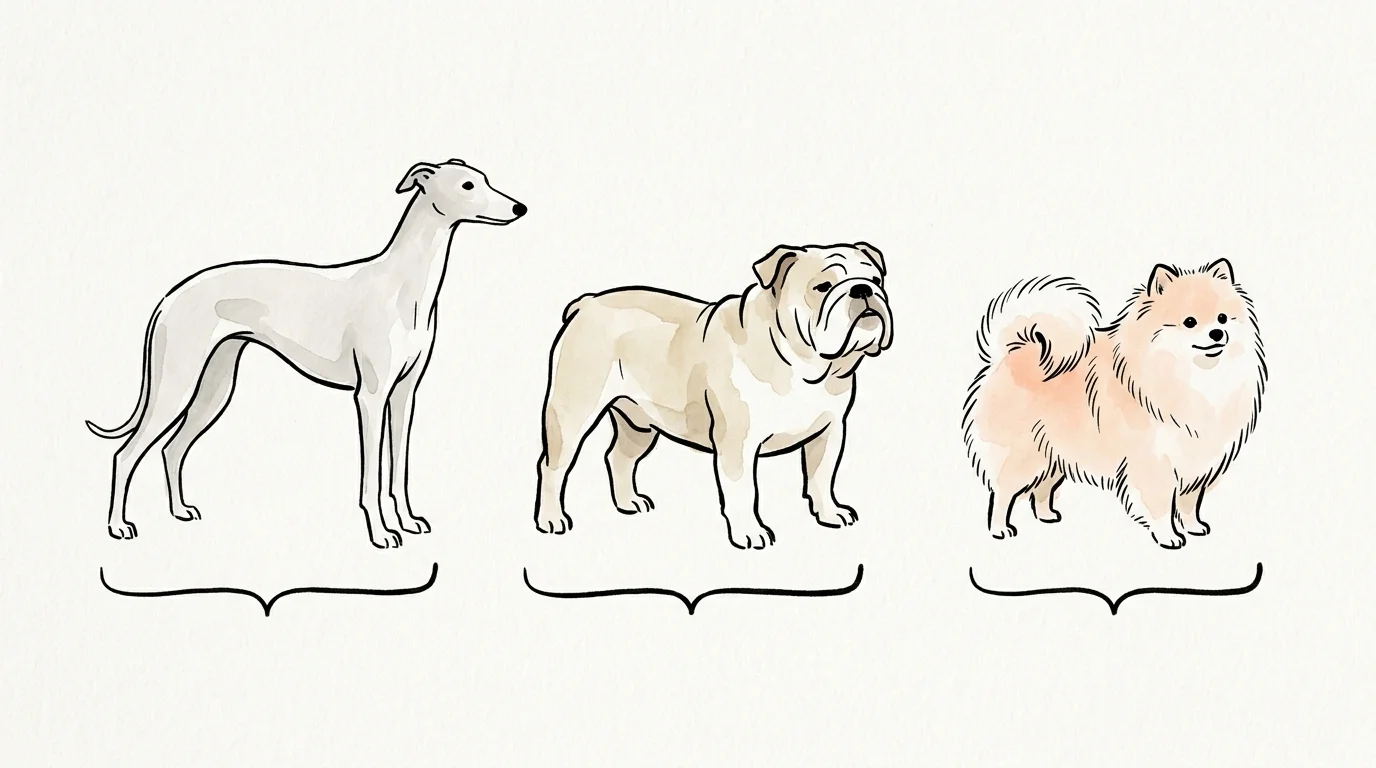
Genetics play a massive role in how easily a dog gains weight. Some breeds possess incredibly efficient metabolisms designed to store calories, a trait that helped them survive in harsh historical climates but works against them in modern, comfortable living rooms. Understanding your dog’s breed predisposition helps you tailor their diet effectively.
| Breed Type | Examples | Obesity Risk Profile | Healthy Visual Cues |
|---|---|---|---|
| Sighthounds | Greyhounds, Whippets, Salukis | Low. Naturally lean with high metabolism. | 1-2 ribs visible, severe abdominal tuck, very prominent hip bones. |
| Sporting Breeds | Labrador Retrievers, Golden Retrievers | Very High. Genetically prone to rapid weight gain and food obsession. | Solid muscular frame, no visible ribs but easily felt, clear waistline. |
| Short-Legged Breeds | Dachshunds, Basset Hounds, Corgis | High. Extra weight severely impacts their elongated spines. | Clear waist behind the ribs, no sagging belly pulling toward the floor. |
| Brachycephalic Breeds | Pugs, English Bulldogs, Frenchies | Very High. Low exercise tolerance leads to rapid fat accumulation. | Should still have a visible waistline and not appear completely cylindrical. |
If you own a mixed breed, assess their body type based on their predominant physical traits. A dog with the deep chest of a hound and the short legs of a Dachshund needs to be kept exceptionally lean to protect their spinal health.
Safe Strategies for Canine Weight Loss
If you recognize several of the signs above, do not panic. Canine obesity is entirely reversible with dedication and consistency. However, crash dieting is dangerous for dogs and can cause nutritional deficiencies or liver problems. Safe weight loss requires a structured, gradual approach.
First, schedule a consultation with your veterinarian to rule out underlying medical conditions that cause weight gain, such as hypothyroidism or Cushing’s disease. Once your dog has a clean bill of health, follow the guidelines established by the American Veterinary Medical Association (AVMA) for safe weight reduction:
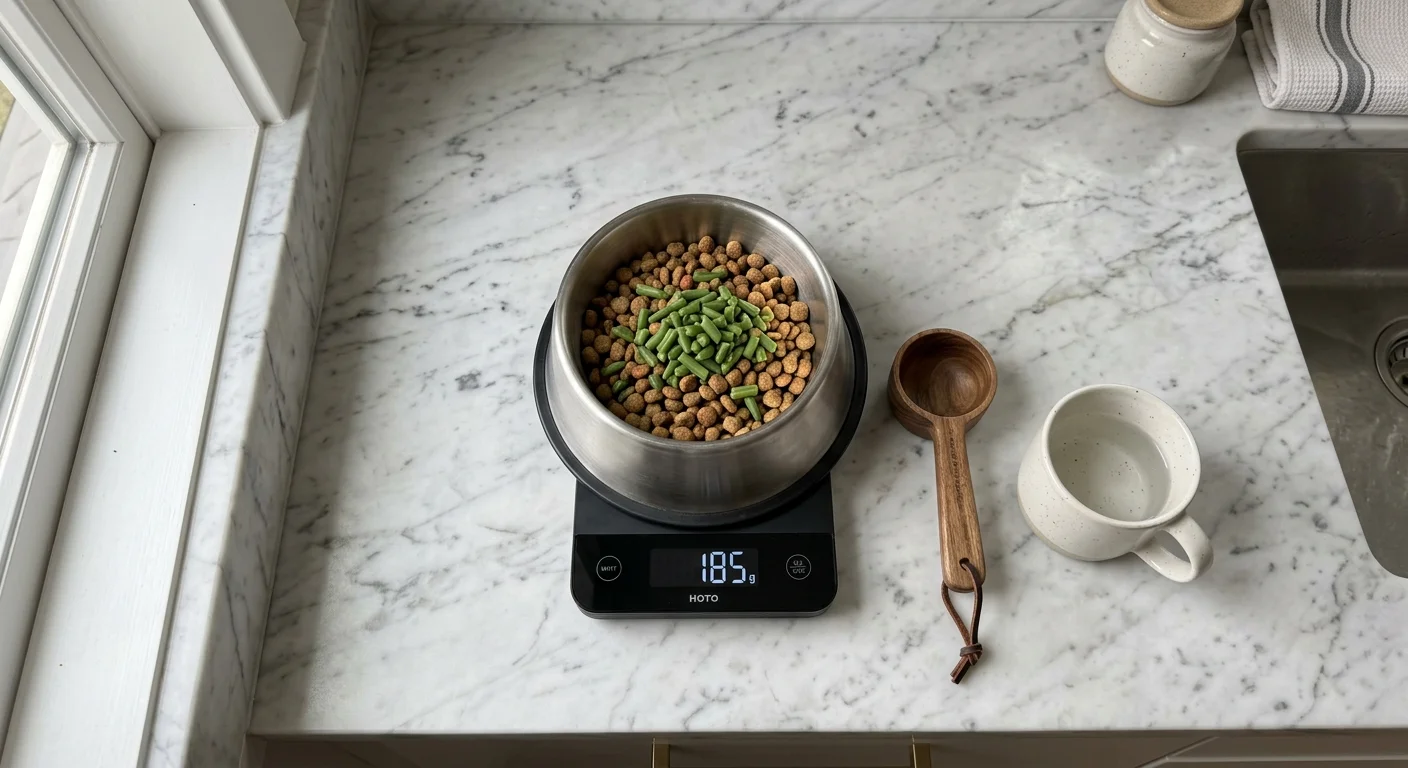
- Ditch the Measuring Cup for a Kitchen Scale: Standard plastic measuring cups are notoriously inaccurate. Depending on how you scoop, you could be overfeeding your dog by up to 20% at every meal. Weighing their kibble in grams ensures they receive the exact caloric intake they need to lose weight steadily.
- Eliminate the Bottomless Bowl: Free-feeding (leaving food out all day) is a leading cause of canine obesity. Transition your dog to two measured meals per day. If they do not finish their food within 15 minutes, pick the bowl up until the next scheduled mealtime.
- Rethink Treats and Rewards: Treats should make up no more than 10% of your dog’s daily caloric intake. Swap high-calorie commercial biscuits for dog-safe vegetables like baby carrots, steamed green beans, or chunks of cucumber. These provide a satisfying crunch with virtually zero calories.
- Utilize Food Puzzles: Make your dog work for their meals. Stuffing their kibble into a Kong, a snuffle mat, or a puzzle toy slows down their eating, improves digestion, and burns mental calories, leaving them more satisfied after mealtime.
- Implement Low-Impact Exercise: If your dog is heavily overweight, forcing them to run or hike can cause joint injuries. Start with multiple short, 10-minute walks per day. Swimming is an excellent alternative, providing vigorous cardiovascular exercise with zero impact on stressed joints.
“Weight loss in dogs should be slow and steady. Aim for a loss of 1% to 2% of their total body weight per week to preserve muscle mass and prevent metabolic stress.” — Dr. Sarah Mitchell, DVM
Consistency is your greatest tool. Ensure that every member of the household is strictly following the feeding plan. It only takes one person secretly slipping table scraps under the dining table to completely undo a week of careful diet management.
Frequently Asked Questions
How can I tell if my fluffy dog is overweight?
For double-coated breeds like Huskies, Malamutes, or Pomeranians, visual cues are nearly useless. You must rely entirely on the physical touch test. Dig your fingers through their dense undercoat until you make contact with the skin. If you cannot feel their ribs or the bumps of their spine without applying significant pressure, your fluffy dog is carrying excess body fat.
Is it normal for a senior dog to gain weight as they age?
While it is common, it is not healthy or inevitable. Senior dogs experience a natural decrease in metabolic rate and activity levels. If you continue feeding a senior dog the same portion sizes they ate as a vibrant two-year-old, they will absolutely gain weight. You must adjust their caloric intake downward as they age to prevent obesity and protect their aging joints.
Can I just reduce my dog’s current food to help them lose weight?
If your dog only needs to lose a pound or two, slightly reducing their current kibble is usually fine. However, if your dog needs to lose a significant amount of weight, simply cutting their regular food portion drastically can result in malnourishment. They will miss out on essential vitamins, minerals, and amino acids. In these cases, it is safer to switch to a specifically formulated veterinary weight-loss diet that is lower in calories but highly fortified with essential nutrients.
Why does my dog always act starving even when they are overweight?
Many breeds, particularly Labradors and Beagles, lack the genetic “off switch” that tells them they are full. Their begging is a learned behavior heavily reinforced by humans who give in. They are not actually starving; they have simply trained you to provide high-value rewards when they give you big, sad eyes. Stay strong, stick to the measured portions, and offer affection through play or brushing instead of food.
For expert pet care guidance, visit
Vetstreet, Fear Free Pets and The Spruce Pets.
Disclaimer: This article is for informational purposes only and is not a substitute for professional veterinary advice, diagnosis, or treatment. Always consult with a licensed veterinarian for medical concerns about your pet.




Leave a Reply